1. ArchDaily
  2. Design Equity

Design Equity: The Latest Architecture and News

On the International Day of Democracy: Encounter, Equity and the Symbolic Power of Architecture

Audio available

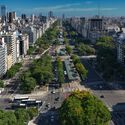
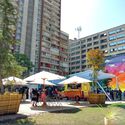
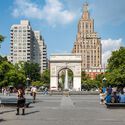
On the International Day of Democracy, this year the United Nations revisits a traditional idea within the concept: broad citizen participation in government decision-making. On this occasion, the international body invites reflection on how participation and the inclusion of diverse voices in government decision-making can help build a more equitable society. From a spatial perspective, reflection on democracy can move beyond this vertical framing and instead understand it through encounter. What does it mean for a space to be democratic? How can architecture contribute to achieving the principles historically associated with democracy? In the current context of crisis in political organization systems worldwide, this day serves as a platform to question individualization and authoritarianism through the socio-spatial tools available to us.
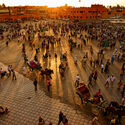
On the International Day of Democracy: Encounter, Equity and the Symbolic Power of Architecture - Image 1 of 4On the International Day of Democracy: Encounter, Equity and the Symbolic Power of Architecture - Image 2 of 4On the International Day of Democracy: Encounter, Equity and the Symbolic Power of Architecture - Image 3 of 4On the International Day of Democracy: Encounter, Equity and the Symbolic Power of Architecture - Image 4 of 4On the International Day of Democracy: Encounter, Equity and the Symbolic Power of Architecture - More Images+ 10

How the Arts and Crafts Movement Still Shapes Contemporary Architecture

Audio available

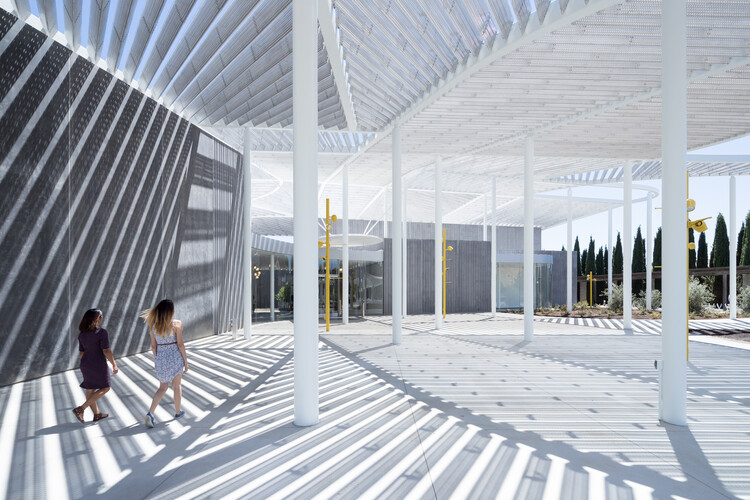
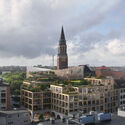
The Arts and Crafts movement is often remembered as an architectural style defined by handcrafted details, an intimate scale, natural materials, and a rejection of excess and industry. Its influence is frequently traced through visual characteristics that continue to appear in contemporary architecture and interiors, from exposed timber and crafted joinery to an emphasis on texture and permanence, yet reducing the movement to an aesthetic vocabulary overlooks its far more significant contribution. For William Morris, Philip Webb, John Ruskin, and their contemporaries, architecture was a question of how things were made, who made them, and whether the process of making could cultivate dignity, meaning, culture, and beauty.

How the Arts and Crafts Movement Still Shapes Contemporary Architecture - Image 1 of 4How the Arts and Crafts Movement Still Shapes Contemporary Architecture - Image 2 of 4How the Arts and Crafts Movement Still Shapes Contemporary Architecture - Image 3 of 4How the Arts and Crafts Movement Still Shapes Contemporary Architecture - Image 4 of 4How the Arts and Crafts Movement Still Shapes Contemporary Architecture - More Images+ 44

Mobility Justice: Urban Equity in an Era of Innovation

Subscriber Access | 
Audio available

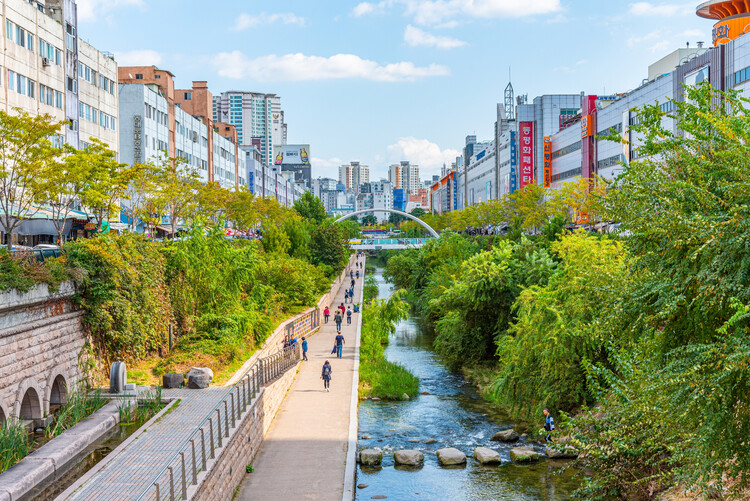
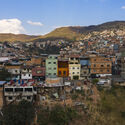
Every city contains two transportation systems. One is the visible network of roads, rail lines, sidewalks, and bus routes mapped in planning documents. The other is the invisible geography of privilege and exclusion embedded within it: the neighborhoods that received highways instead of parks, the communities whose bus routes were cut, the sidewalks that abruptly end at the edge of a district. For many years, built-environment professionals have treated infrastructure as a technical challenge. Mobility justice insists it is, fundamentally, a political one.

Mobility Justice: Urban Equity in an Era of Innovation - Image 1 of 4Mobility Justice: Urban Equity in an Era of Innovation - Image 2 of 4Mobility Justice: Urban Equity in an Era of Innovation - Image 3 of 4Mobility Justice: Urban Equity in an Era of Innovation - Image 4 of 4Mobility Justice: Urban Equity in an Era of Innovation - More Images+ 25

On Human Rights Day: Perspectives on Architecture, Equity, Housing Access, and Safety Worldwide

Human Rights Day is observed annually on 10 December worldwide. It commemorates the anniversary of the Universal Declaration of Human Rights in 1948. Drafted by representatives with diverse legal and cultural backgrounds from all regions, the Declaration was proclaimed as a common standard of achievement for all peoples and all nations. For the first time, the document set out fundamental human rights to be universally protected and inalienable, entitling every human being to them regardless of race, colour, religion, sex, language, political or other opinion, national or social origin, property, birth, or any other status. Today, the Declaration serves as a global blueprint for international, national, and local laws and policies. Available in 577 languages, it is the most translated document in the world. The United Nations has set the theme for this year's observance as "Human Rights, Our Everyday Essentials," aiming to "reaffirm the values of human rights and show that they remain a winning proposition for humanity."

On Human Rights Day: Perspectives on Architecture, Equity, Housing Access, and Safety Worldwide - Image 1 of 4On Human Rights Day: Perspectives on Architecture, Equity, Housing Access, and Safety Worldwide - Image 2 of 4On Human Rights Day: Perspectives on Architecture, Equity, Housing Access, and Safety Worldwide - Image 3 of 4On Human Rights Day: Perspectives on Architecture, Equity, Housing Access, and Safety Worldwide - Image 4 of 4On Human Rights Day: Perspectives on Architecture, Equity, Housing Access, and Safety Worldwide - More Images+ 12

Improvised Aesthetics: The Appropriation of Grassroots Adaptive Reuse

Subscriber Access | 

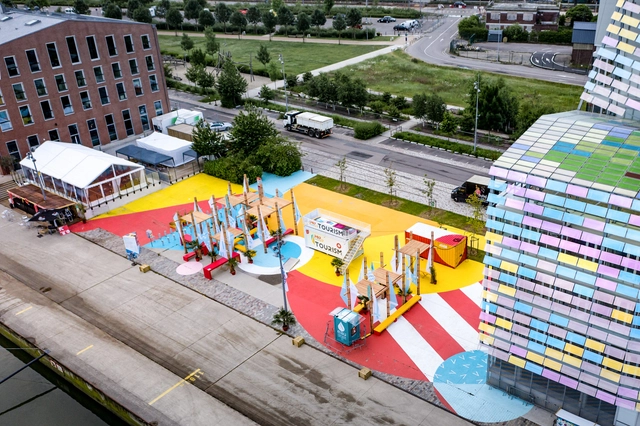
Adaptive reuse has become a buzzword in the architecture industry. Framed as a sustainable and economical solution to urban decay, the practice has been adopted by cities facing pressures of climate change, real estate constraints, and cultural preservation. Architects are increasingly being hired to rehabilitate the old rather than build anew. Within this discourse is a growing sentiment towards who gets to reuse and how.

Improvised Aesthetics: The Appropriation of Grassroots Adaptive Reuse - Image 1 of 4Improvised Aesthetics: The Appropriation of Grassroots Adaptive Reuse - Image 2 of 4Improvised Aesthetics: The Appropriation of Grassroots Adaptive Reuse - Image 3 of 4Improvised Aesthetics: The Appropriation of Grassroots Adaptive Reuse - Image 4 of 4Improvised Aesthetics: The Appropriation of Grassroots Adaptive Reuse - More Images+ 3