Architecture across Latin America this month reflects a growing emphasis on adaptation, whether responding to environmental risks, rethinking cultural institutions, or extending the life of existing buildings. Recent developments reveal a regional conversation shaped by resilience, heritage, and public space, where architecture is increasingly understood as part of broader urban, social, and environmental systems. From the aftermath of major earthquakes in Venezuela to the debate surrounding Ecuador's future National Museum, the month's stories highlight how design is intertwined with questions of identity, civic life, and long-term sustainability.

Venezuela's Earthquakes Renew the Conversation on Seismic Resilience
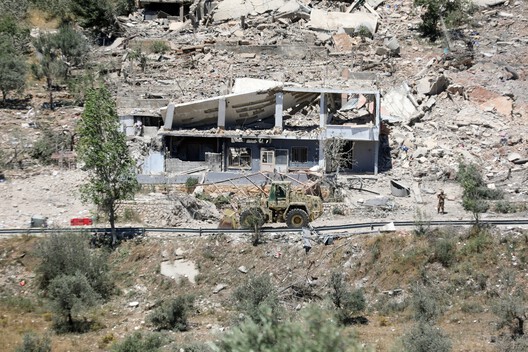
The twin earthquakes that struck Venezuela's northern coast in late June brought seismic resilience back to the forefront of architectural discussions across Latin America. Measuring magnitudes 7.2 and 7.5, the events caused widespread damage to housing, healthcare facilities, transportation infrastructure, and public services, highlighting the vulnerabilities of aging building stock and interconnected urban systems. While comparisons with earthquakes that occurred during the same period in Japan and Northern California illustrated how stricter building regulations and preparedness can significantly reduce physical damage, the Venezuelan case underscored the importance of long-term investment in resilient infrastructure and urban planning. Beyond the immediate humanitarian response, the earthquakes serve as a reminder that seismic events reveal not only geological conditions but also decades of architectural, engineering, and policy decisions that continue to shape the resilience of cities throughout the region.
Ecuador's National Museum Competition Highlights Architecture's Civic Role
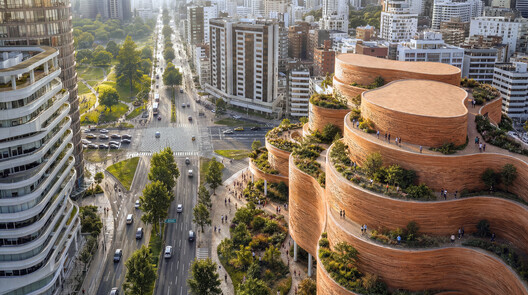
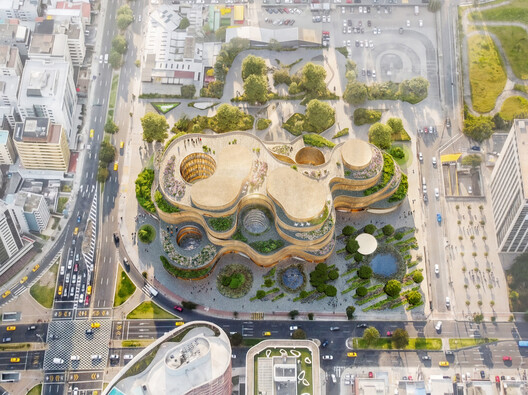
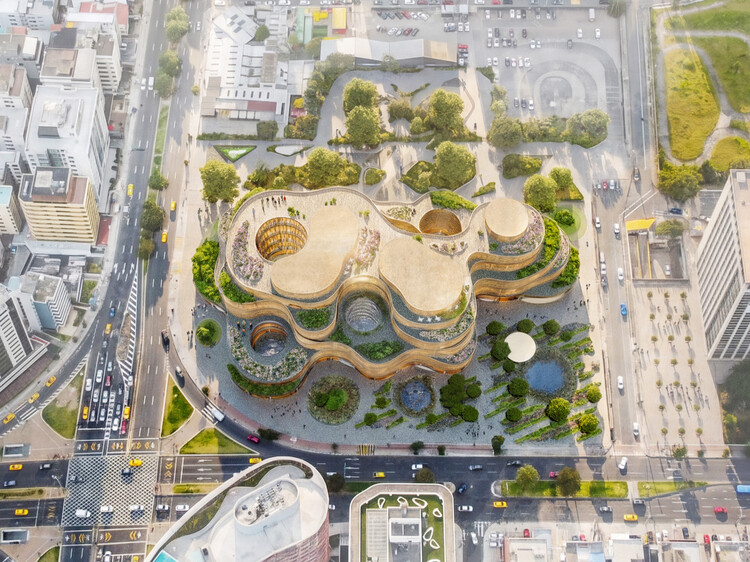
Ecuador's future Museo Nacional (MuNA) became one of the region's defining architectural stories this month as the international competition evolved into a broader public discussion about architecture, identity, and civic participation. Following the announcement of Studio Campo Baeza and Maoda's winning proposal, Echoes of the Sun, public debate prompted organizers to introduce an additional evaluation phase combining jury deliberation with public participation. The process ultimately concluded with the selection of Living Strata, a proposal led by SANAA alongside Estudio A0, Caá Porá Arquitectura, Jerome Haferd Studio, and Taller Capital Landscape. Envisioned as a civic landscape extending Quito's La Carolina Park, the project integrates exhibition spaces with courtyards, gardens, and public programs. Beyond the outcome itself, the competition demonstrated how national museums continue to function as platforms for debating cultural identity, public space, and the social role of architecture across Latin America.
Latin America Looks Ahead Through the Legacy of the FIFA World Cup
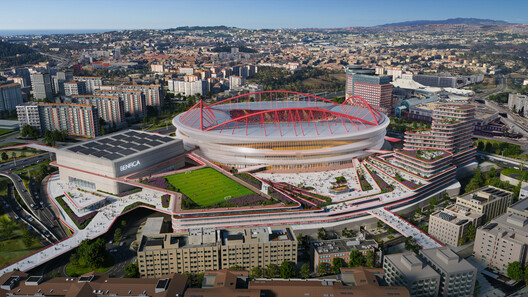
With the conclusion of the FIFA World Cup 2026, attention has shifted toward the architectural legacy of the tournament and the preparations already underway for the 2030 edition. For Latin America, Mexico reaffirmed its central role in global football by becoming the first nation to host matches across three World Cups, combining the renovation of Estadio Azteca with broader investments such as the modernization of the Mexican Football Federation's High-Performance Center. Rather than prioritizing new construction, these interventions demonstrate how existing sports infrastructure can be adapted to contemporary operational and sustainability standards. Looking ahead, Uruguay, Argentina, and Paraguay will welcome the tournament back to South America by hosting the centenary opening matches in 2030, with stadium upgrades and wider public infrastructure investments positioning sports architecture as part of long-term urban development strategies across the region.
Featured Projects
Feltrinelli Montevideo Bookstore / Toro Arquitectos
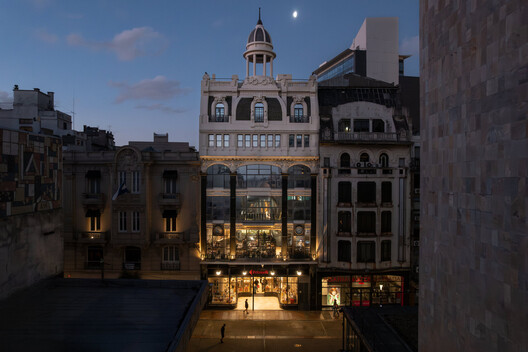
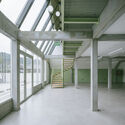
Toro Arquitectos transformed the historic Pablo Ferrando Building in Montevideo into the new Feltrinelli Bookstore through a careful balance of restoration and contemporary intervention. The project preserves defining heritage elements, including its stained-glass skylight, staircase, and façade, while reorganizing the interior to improve accessibility, circulation, and exhibition spaces. New material interventions remain deliberately restrained, allowing the early twentieth-century architecture to remain the primary protagonist while introducing a new cultural destination into the city's historic center.
Mampara Building / RR & PZ
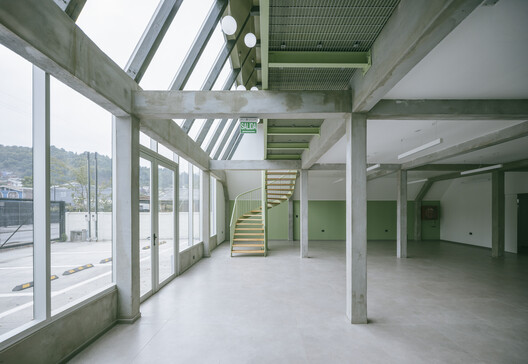
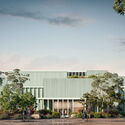
Located within a residential neighborhood in Chile, the Mampara Building reinterprets the traditional domestic entrance sequence as a collective urban gesture. Designed by RR & PZ, the project combines commercial and office uses within a flexible concrete structure organized around a transparent ground floor. Its open relationship with the street and adaptable interior layout position the building as both neighborhood infrastructure and a contemporary reinterpretation of local architectural typologies.
Mexican Football Federation High-Performance Center / Gensler
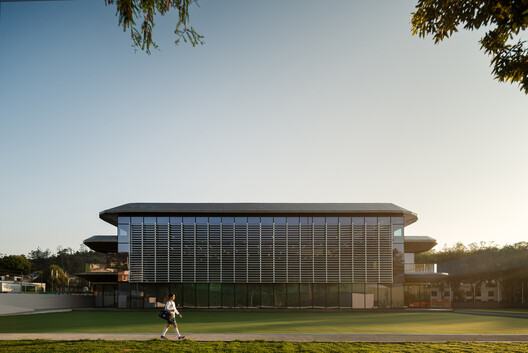
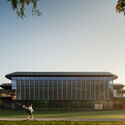
Before the FIFA World Cup, Gensler completed the transformation of the Mexican Football Federation's High-Performance Center in Mexico City. Rather than replacing the existing campus, the project reorganizes and expands its facilities through a comprehensive master plan that integrates training fields, sports science, wellness, accommodation, and administrative functions. Sustainable design strategies, improved circulation, and flexible programming establish the campus as a long-term investment supporting the future of Mexican football beyond the World Cup itself.
On the Radar
Manuel Cervantes Estudio Reveals Design for Proposed Dolores Olmedo Museum in Chapultepec Park
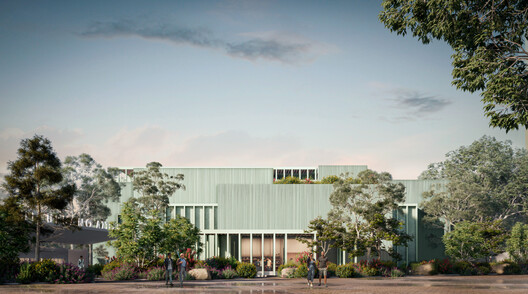
Manuel Cervantes Estudio has revealed the design for the new Dolores Olmedo Museum in the Second Section of Chapultepec Park in Mexico City. Planned for the site of a former parking lot, the project prioritizes pedestrian, cycling, and public transport access while strengthening the park's cultural and environmental character. Its composition of staggered, north-oriented volumes is designed to maximize indirect daylight and energy efficiency, with green roofs and landscaped terraces integrating the building into the landscape. Conceived to bring the collections of Diego Rivera and Frida Kahlo closer to the city center, the proposal also introduces a public plaza and rooftop viewpoints overlooking Chapultepec Park.
Charles & Ray Eames Exhibition Opens in Monterrey
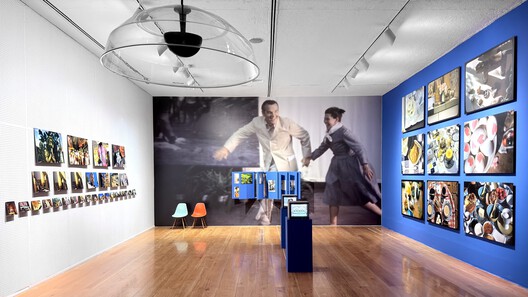
The Museo de Arte Contemporáneo de Monterrey (MARCO) opened Charles & Ray Eames: The Unusual Beauty of Common Things, the first major monographic exhibition dedicated to the American designers in Mexico. Bringing together more than 200 works, including furniture, photography, films, archival material, and multimedia installations, the exhibition explores how the Eameses approached design as an interconnected practice spanning architecture, communication, visual culture, and everyday life. Running through February 2027, the exhibition offers a comprehensive perspective on one of the twentieth century's most influential creative partnerships.
This article is part of our Regional Focus series, bringing together recent architecture news, projects, and emerging developments from across Latin America. Explore more architecture news and projects from the region on ArchDaily.