1. ArchDaily
  2. Latin American Architecture

Latin American Architecture: The Latest Architecture and News

When Modernism Meets Local Resistance: Housing and Urban Friction in Latin America

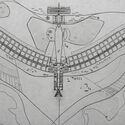
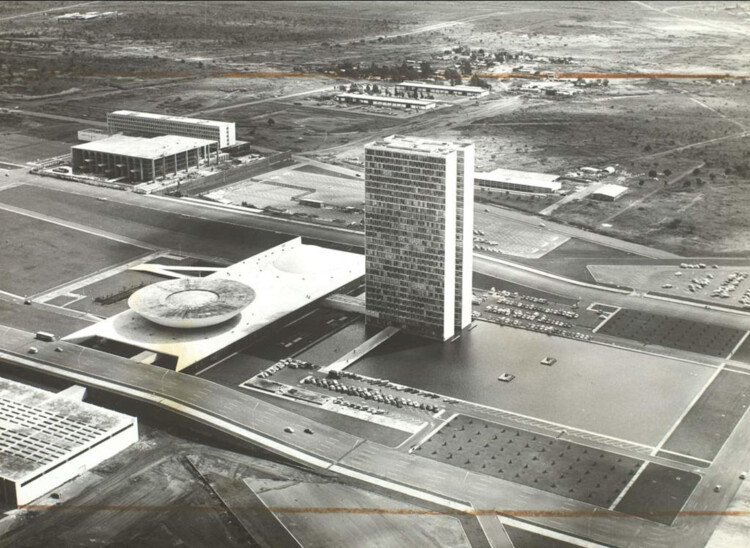
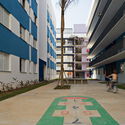
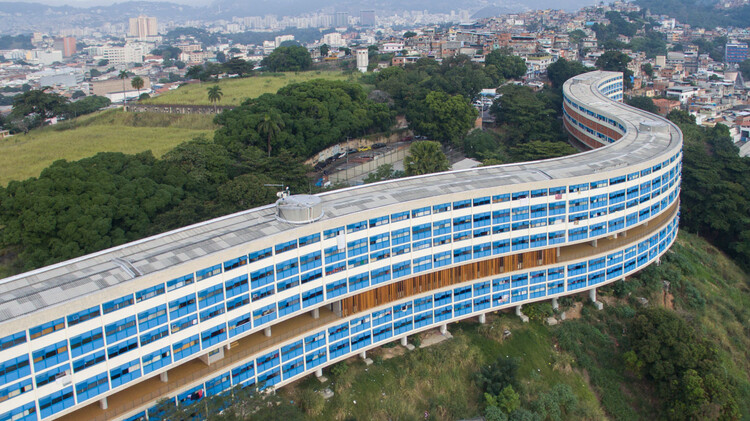
Modern housing was one of the places where modernism made its boldest promise: that architecture could reshape not only the city, but the way people lived within it. As Argentine architectural historian Ramón Gutiérrez has argued, popular housing is "the great unresolved subject, one that usually does not appear in histories of architecture." In Latin America, this absence is significant. Across the 20th century, expanding cities turned housing into one of the clearest ways to imagine urban change, and modernism entered not only plans and drawings, but apartments, neighborhoods, streets, and domestic routines.

Yet once built, these projects entered cities shaped by politics, memory, inequality, and changing ways of occupation. Their meanings no longer belonged only to the original plan, but to the ways they were inhabited, altered, and transformed over time. What this history reveals is not adaptation, but friction: the moment when architecture stops being an ideal model and meets the city it cannot fully control.

When Modernism Meets Local Resistance: Housing and Urban Friction in Latin America - Image 1 of 4When Modernism Meets Local Resistance: Housing and Urban Friction in Latin America - Image 2 of 4When Modernism Meets Local Resistance: Housing and Urban Friction in Latin America - Image 3 of 4When Modernism Meets Local Resistance: Housing and Urban Friction in Latin America - Image 4 of 4When Modernism Meets Local Resistance: Housing and Urban Friction in Latin America - More Images+ 20

AD Classics: Palmas 555 / Sordo Madaleno Arquitectos

Ciudad de México, Mexico

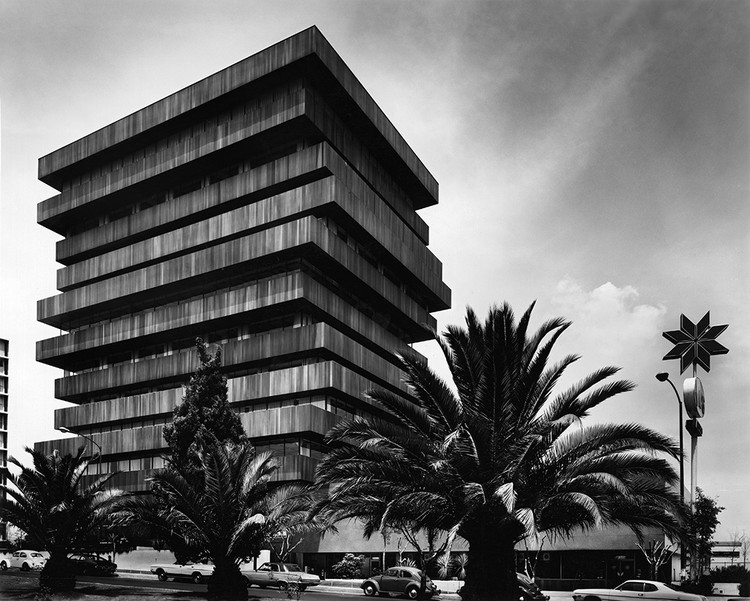
Palmas 555 is a building that stands out in the urban landscape of Mexico City due to its special volumetry and innovative design. This corporate office building was designed and constructed by Juan Sordo Madaleno together with José Adolfo Wiechers and José Ignacio de Abiega as Associate Architects in 1975.

AD Classics: Palmas 555 / Sordo Madaleno Arquitectos - Commercial ArchitectureAD Classics: Palmas 555 / Sordo Madaleno Arquitectos - Commercial ArchitectureAD Classics: Palmas 555 / Sordo Madaleno Arquitectos - Commercial ArchitectureAD Classics: Palmas 555 / Sordo Madaleno Arquitectos - Commercial ArchitectureAD Classics: Palmas 555 / Sordo Madaleno Arquitectos - More Images+ 1

MAC Panamá Selects Palma + Taller TO to Design Its New Museum Building

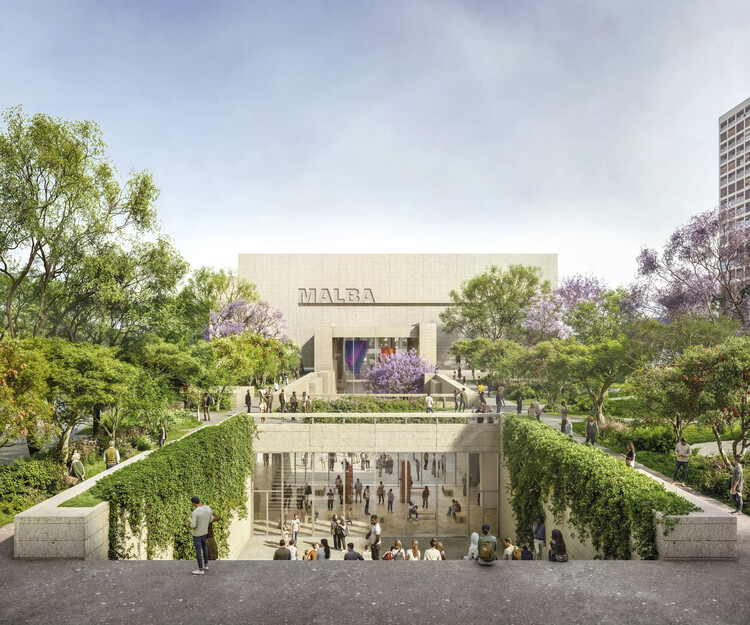
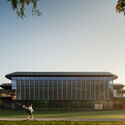
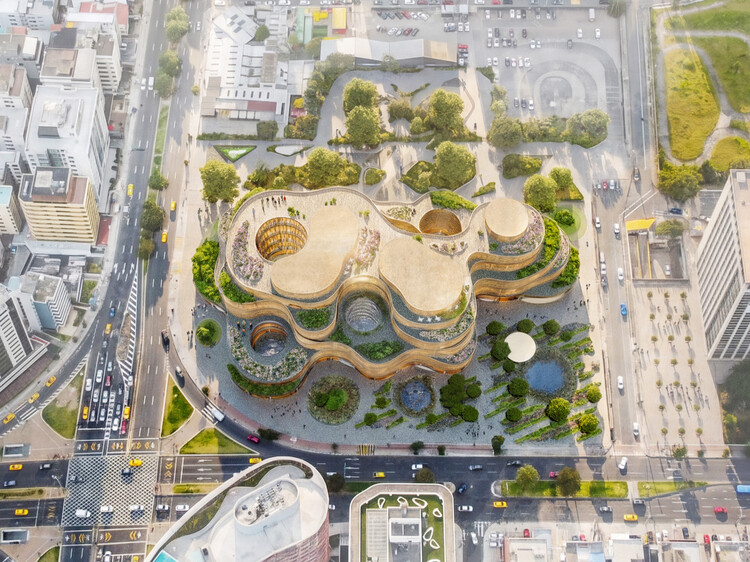
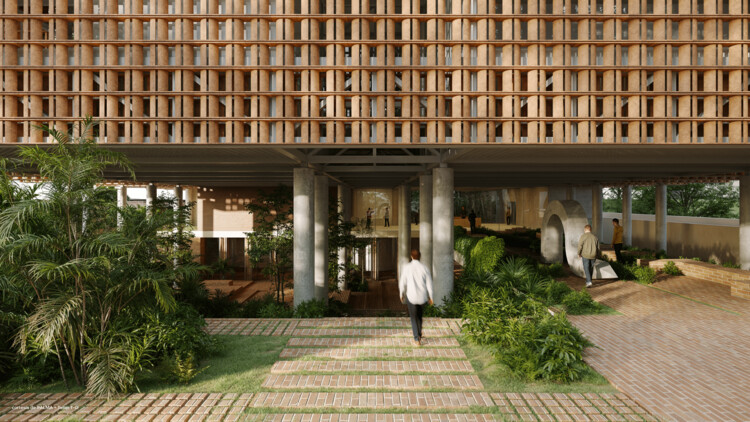
Following an international design competition launched in January 2026, the Museum of Contemporary Art of Panama (MAC Panamá) announced the selection of Mexican architects Palma + Taller TO to design its new building. The museum is described as "a new cultural infrastructure open to the city, conceived from the identity, climate, and landscape of Panama." The future museum headquarters will be located in the corregimiento of San Francisco, to consolidate the area as a hub of cultural activity. The selection criteria involved the relationship between the museum and the city, prioritizing proposals with integrated elements for community engagement and framing the building as a cultural infrastructure, enriching the contemporary urban environment of Panama City.

MAC Panamá Selects Palma + Taller TO to Design Its New Museum Building - Image 1 of 4MAC Panamá Selects Palma + Taller TO to Design Its New Museum Building - Image 2 of 4MAC Panamá Selects Palma + Taller TO to Design Its New Museum Building - Image 3 of 4MAC Panamá Selects Palma + Taller TO to Design Its New Museum Building - Image 4 of 4MAC Panamá Selects Palma + Taller TO to Design Its New Museum Building - More Images

Building Autonomy: Latin American Communities Bringing Life’s Systems Into Architecture

Subscriber Access | 

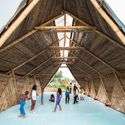
Before a building can be inhabited, many other things need to happen. Water has to arrive, energy has to be generated, food has to be grown or transported, and waste has to go somewhere. These processes are usually treated as something outside architecture, even though they shape the most basic conditions of everyday life.
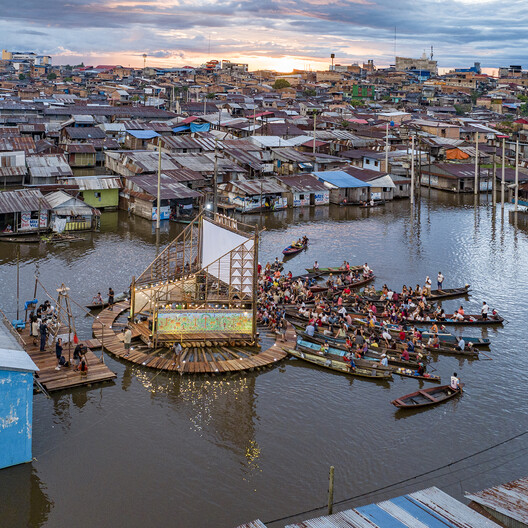
This is why the idea of self-sufficient communities is more complex than it first appears. It can suggest a place that provides more of what it needs: energy, water, food, shelter, and waste management. Yet, in many Latin American contexts, autonomy is not a complete separation from the world. It is a way of bringing the systems of daily life closer to the people who use, maintain, and care for them.

Building Autonomy: Latin American Communities Bringing Life’s Systems Into Architecture - Image 1 of 4Building Autonomy: Latin American Communities Bringing Life’s Systems Into Architecture - Image 2 of 4Building Autonomy: Latin American Communities Bringing Life’s Systems Into Architecture - Image 3 of 4Building Autonomy: Latin American Communities Bringing Life’s Systems Into Architecture - Image 4 of 4Building Autonomy: Latin American Communities Bringing Life’s Systems Into Architecture - More Images+ 1

Above Water, Slope, and Forest: Elevated Architecture in Latin America

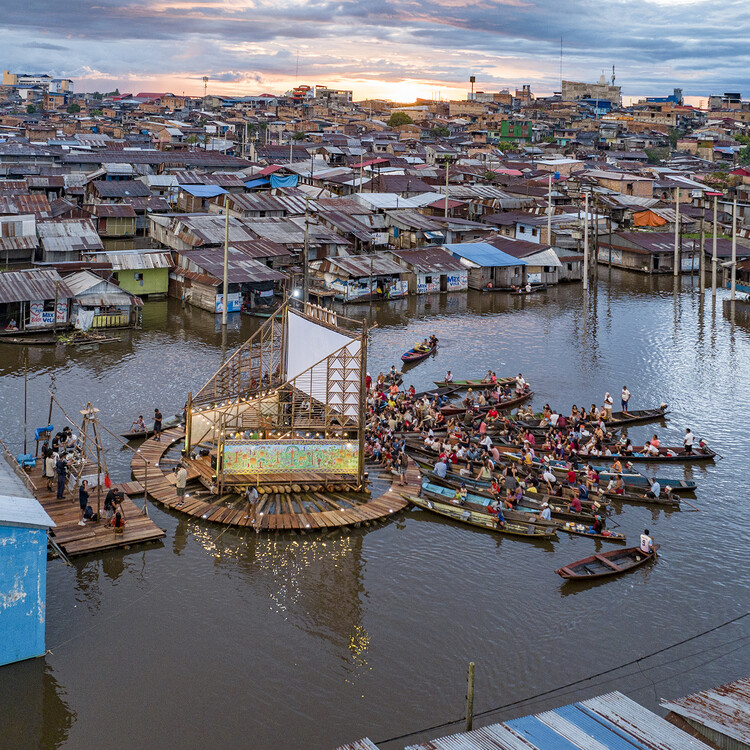
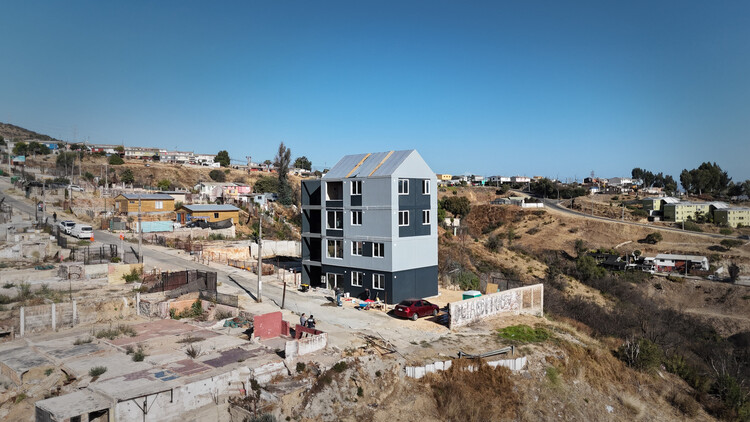
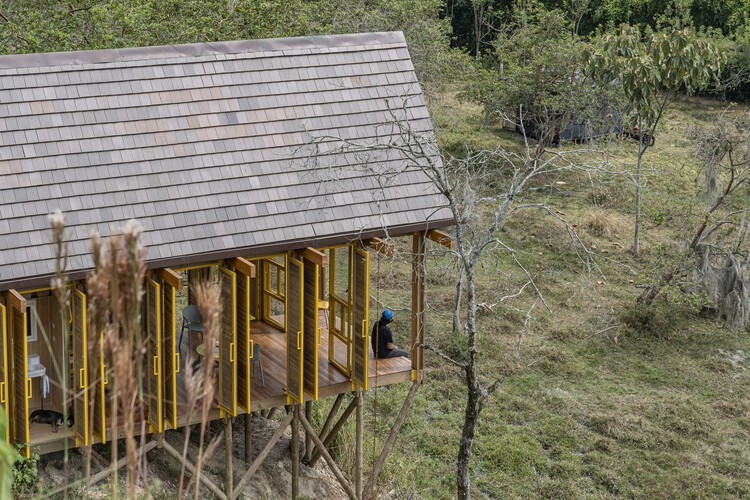
In Latin America, the ground is rarely just a surface to build on. It can be a river edge, a steep slope, a humid forest floor, a floodable landscape, or a territory under ecological pressure, and in many cases, it carries a history of communities that already knew how to respond to it, building on stilts, on platforms, over water, long before contemporary architecture asked the same questions.

These projects continue that conversation. They engage with conditions that move, absorb, erode, and grow, rather than treating the ground as something to level or control. Elevation allows architecture to adapt without fully taking over: water can pass below, vegetation can remain, and slopes can keep their original condition. In each case, the decision to rise is tied to something specific: water, humidity, topography, vegetation, or ecological recovery, and the knowledge of how to build within it and not against it.

Above Water, Slope, and Forest: Elevated Architecture in Latin America - Image 1 of 4Above Water, Slope, and Forest: Elevated Architecture in Latin America - Image 2 of 4Above Water, Slope, and Forest: Elevated Architecture in Latin America - Image 3 of 4Above Water, Slope, and Forest: Elevated Architecture in Latin America - Image 4 of 4Above Water, Slope, and Forest: Elevated Architecture in Latin America - More Images+ 12

Beyond the Shell: Félix Candela’s Palacio de los Deportes for the 1968 Mexico Olympics

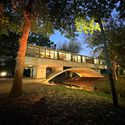
When Mexico City hosted the Olympics in 1968, it was the first time the Games had been awarded to a Latin American country as well as the first time for a Spanish-speaking nation to host them. This made the games a good opportunity to project Mexico and its culture internationally, thus prompting the government to constitute an organizing committee with prominent local talent. They appointed Pedro Ramírez Vázquez as its president, a Mexican architect who held significant influence over the state's mid-century building program. His approach was explicit: architecture as a synthesis of international modernist technique with Pre-Columbian references and local material culture. Under his direction, the committee would oversee the construction and adaptation of venues distributed across the southern districts of Mexico City, nearly all designed and built by local architects, engineers, and technicians.

Beyond the Shell: Félix Candela’s Palacio de los Deportes for the 1968 Mexico Olympics - Image 1 of 4Beyond the Shell: Félix Candela’s Palacio de los Deportes for the 1968 Mexico Olympics - Image 2 of 4Beyond the Shell: Félix Candela’s Palacio de los Deportes for the 1968 Mexico Olympics - Image 3 of 4Beyond the Shell: Félix Candela’s Palacio de los Deportes for the 1968 Mexico Olympics - Image 4 of 4Beyond the Shell: Félix Candela’s Palacio de los Deportes for the 1968 Mexico Olympics - More Images+ 7

Climate and Collective Use: Architectural Permeability in Latin America

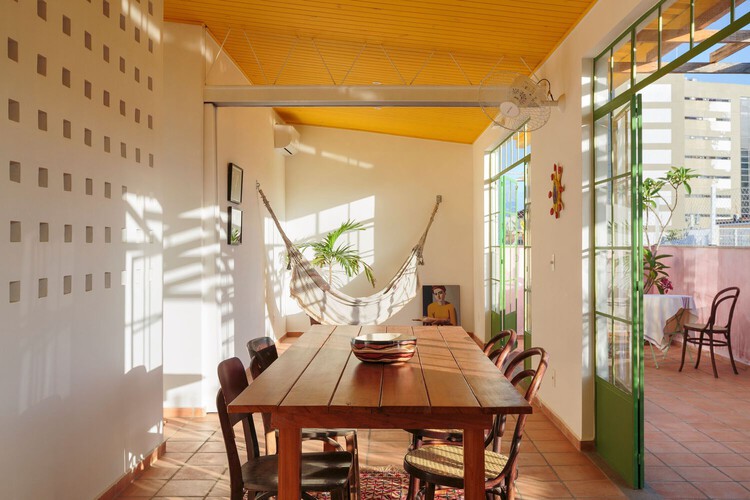
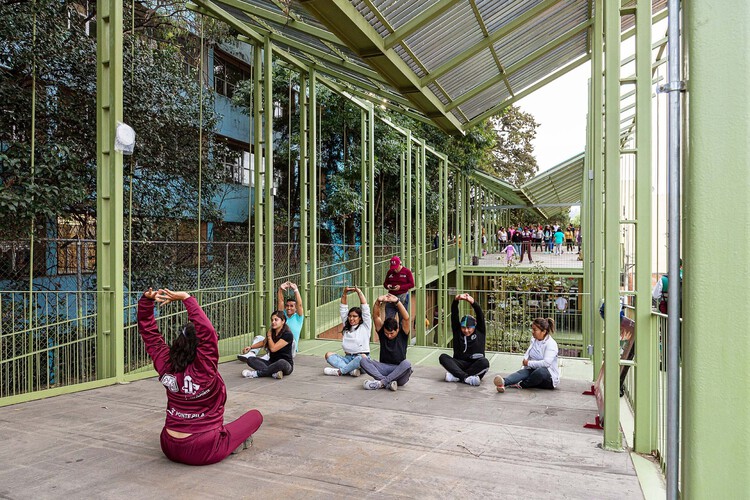
Architecture is often understood as a matter of enclosure. Walls define space, separating interior from exterior and establishing clear limits. Yet across many projects in Latin America, this distinction becomes less precise. Rather than operating as closed objects, buildings often remain open, allowing air, light, and movement to pass through them.

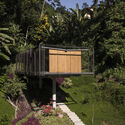
This condition is tied to more than form. Across the region, architecture has long responded to climates marked by heat, humidity, strong solar exposure, and seasonal rainfall, as well as to building cultures shaped by adaptation, collective labor, and direct engagement with the environment. In these contexts, fully sealed interiors are not always the most effective response. Space is often organized through shade, ventilation, and intermediate zones that regulate rather than isolate.

Climate and Collective Use: Architectural Permeability in Latin America - Image 1 of 4Climate and Collective Use: Architectural Permeability in Latin America - Image 2 of 4Climate and Collective Use: Architectural Permeability in Latin America - Image 3 of 4Climate and Collective Use: Architectural Permeability in Latin America - Image 4 of 4Climate and Collective Use: Architectural Permeability in Latin America - More Images+ 8

40+ Contemporary Architectural Works Across Ecuador Captured by Francesco Russo and Luca Piffaretti

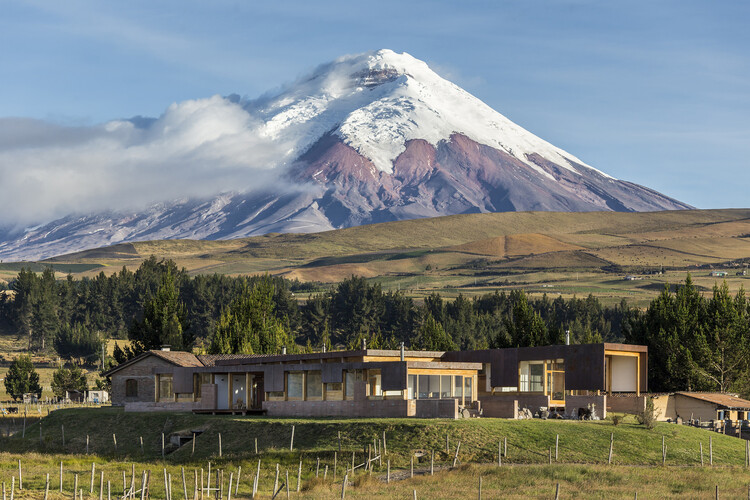
Between 2023 and 2024, photographers Francesco Russo and Luca Piffaretti documented architecture and landscapes across Ecuador's coast, the Andes Mountains, the Amazon rainforest, the Galápagos Islands, and cities such as Quito, Guayaquil, and Cuenca. The photographic documentation explores Ecuador's evolving identity through its contemporary architecture, examining how it engages with natural surroundings, urban conditions, and social contexts. The resulting archive includes more than 40 projects by renowned local practices such as Al Borde, Durán & Hermida, Emilio López, José María Sáez, La Cabina de la Curiosidad, MCM+A, Natura Futura, and RAMA Estudio, among many others. The selection demonstrates how architecture can create high-quality spaces that respond to contemporary demands for sustainability and environmental responsibility by combining creativity and technology with renewable resources, despite ongoing economic, climatic, and political challenges in Latin America and beyond.

 40+ Contemporary Architectural Works Across Ecuador Captured by Francesco Russo and Luca Piffaretti - Image 1 of 4 40+ Contemporary Architectural Works Across Ecuador Captured by Francesco Russo and Luca Piffaretti - Image 2 of 4 40+ Contemporary Architectural Works Across Ecuador Captured by Francesco Russo and Luca Piffaretti - Image 3 of 4 40+ Contemporary Architectural Works Across Ecuador Captured by Francesco Russo and Luca Piffaretti - Image 4 of 4 40+ Contemporary Architectural Works Across Ecuador Captured by Francesco Russo and Luca Piffaretti - More Images+ 35

Pop Star Architecture: BIG Designs Multi-Use Stadium for Shakira’s World Tour in Madrid, Spain

Kanye West turning a Tadao Ando Malibu beach house into a ruin, Ellen DeGeneres and Portia de Rossi purchasing and re-selling the 1955 Richard Neutra-designed Brown-Sidney House, and fashion designer Marc Jacobs renovating a Frank Lloyd Wright-designed house near New York City are just a few examples of pop stars' affair with historically significant architecture. Celebrities, like soccer players, form an elite group characterized by a high concentration of wealth and significant social status. They are not only buyers of high-end architecture as authored property and cultural capital, but also agents of its preservation and promotion. This year, we are seeing new examples of this agency at work from a more abstract yet also more popular perspective: from the stage design for Bad Bunny's Super Bowl performance to a newly designed stadium for Shakira by BIG-Bjarke Ingels Group, architecture is used as a vehicle for promoting Latin American identity.

Pop Star Architecture: BIG Designs Multi-Use Stadium for Shakira’s World Tour in Madrid, Spain - Image 1 of 4Pop Star Architecture: BIG Designs Multi-Use Stadium for Shakira’s World Tour in Madrid, Spain - Image 2 of 4Pop Star Architecture: BIG Designs Multi-Use Stadium for Shakira’s World Tour in Madrid, Spain - Image 3 of 4Pop Star Architecture: BIG Designs Multi-Use Stadium for Shakira’s World Tour in Madrid, Spain - Image 4 of 4Pop Star Architecture: BIG Designs Multi-Use Stadium for Shakira’s World Tour in Madrid, Spain - More Images+ 8

Eduardo Longo’s Futuristic Spherical House in São Paulo to Open for ABERTO5 Exhibition

From 7 March to 31 May 2026, Brazilian architect Eduardo Longo's Casa Bola will open to the public for the first time. The futuristic ball-shaped house in São Paulo will host one of the two parts of the ABERTO5 exhibition, alongside a project on Faria Lima, a major avenue at the heart of the city featuring landmarks by architects such as Ruy Ohtake and Isay Weinfeld. Founded in 2022, ABERTO is an exhibition platform that promotes the encounter of architecture, art, and design in Brazil and internationally. After its first international exhibition at Maison La Roche in Paris, ABERTO returns to São Paulo for its fifth edition, presenting over 60 art and design pieces by 50 Brazilian and international artists. According to architect and curator Fernando Serapião, Casa Bola represents one of the most radical works of Brazilian architecture, challenging conventional domestic space and reflecting Eduardo Longo's experimental vision for housing.

Eduardo Longo’s Futuristic Spherical House in São Paulo to Open for ABERTO5 Exhibition - Image 1 of 4Eduardo Longo’s Futuristic Spherical House in São Paulo to Open for ABERTO5 Exhibition - Image 2 of 4Eduardo Longo’s Futuristic Spherical House in São Paulo to Open for ABERTO5 Exhibition - Image 3 of 4Eduardo Longo’s Futuristic Spherical House in São Paulo to Open for ABERTO5 Exhibition - Image 4 of 4Eduardo Longo’s Futuristic Spherical House in São Paulo to Open for ABERTO5 Exhibition - More Images+ 5

When Art Came First: Spatial Experiments That Shaped Architecture in Latin America

Subscriber Access | 

Many of the spatial ideas we now associate with contemporary architecture, collective use, and bodily experience did not originate in buildings alone. In Latin America, these ideas were often explored first through art, at a moment when artists were actively questioning how space could be occupied, shared, and experienced beyond traditional forms.

During the mid-20th century, the region underwent rapid urbanization and profound social change. Architecture was increasingly expected to respond to public life, collectivity, and new ways of inhabiting space. At the same time, art offered a more flexible ground for experimentation, one less constrained by function, regulation, or permanence. As a result, many spatial questions were tested through artistic practices before becoming part of architectural thinking.

When Art Came First: Spatial Experiments That Shaped Architecture in Latin America - Image 1 of 4When Art Came First: Spatial Experiments That Shaped Architecture in Latin America - Image 2 of 4When Art Came First: Spatial Experiments That Shaped Architecture in Latin America - Image 3 of 4When Art Came First: Spatial Experiments That Shaped Architecture in Latin America - Image 4 of 4When Art Came First: Spatial Experiments That Shaped Architecture in Latin America - More Images+ 11

From the Courtyard to the Neighborhood: Latin American Lessons on Collective Placemaking

In Latin America, encounters do not necessarily arise from grand architectural gestures or monumental urban plans. They emerge from the in-between, from intermediate spaces: the courtyard, the veranda, the sidewalk, the shared corridor. These areas, often considered residual or informal by the traditional architectural discipline, are precisely where everyday life builds bonds.

From this Latin American culture comes a spatial logic in which daily life is organized in a relational and expansive way. Practices such as sitting at the front door, occupying the sidewalk, and playing in the street produce a lived city that extends beyond the formal limits of design.

From the Courtyard to the Neighborhood: Latin American Lessons on Collective Placemaking - Image 1 of 4From the Courtyard to the Neighborhood: Latin American Lessons on Collective Placemaking - Image 2 of 4From the Courtyard to the Neighborhood: Latin American Lessons on Collective Placemaking - Image 3 of 4From the Courtyard to the Neighborhood: Latin American Lessons on Collective Placemaking - Image 4 of 4From the Courtyard to the Neighborhood: Latin American Lessons on Collective Placemaking - More Images+ 5

Renovation and Everyday Life: How Latin American Architecture Reinvents Existing Spaces

Subscriber Access | 

Across Latin America, renovation has become less about preservation alone and more about responding to changing ways of living. Rather than freezing buildings in time, many contemporary projects work with existing structures to adapt them to new domestic routines, social dynamics, and spatial needs. Through strategic changes in materials, composition, color, and light, these interventions reinterpret everyday spaces while maintaining a strong connection to their original context.

In this process, houses and apartments become sites of transformation where flow, continuity, and shared spaces are carefully reconsidered. Renovation operates as a precise architectural tool, one that prioritizes natural light, openness, and flexibility to support daily life as it evolves. Instead of imposing new forms, these projects repurpose what is already there, aligning spatial decisions with the habits and rituals of those who inhabit them.

Renovation and Everyday Life: How Latin American Architecture Reinvents Existing Spaces - Image 1 of 4Renovation and Everyday Life: How Latin American Architecture Reinvents Existing Spaces - Image 2 of 4Renovation and Everyday Life: How Latin American Architecture Reinvents Existing Spaces - Image 3 of 4Renovation and Everyday Life: How Latin American Architecture Reinvents Existing Spaces - Image 4 of 4Renovation and Everyday Life: How Latin American Architecture Reinvents Existing Spaces - More Images+ 22

The 100 Best Latin American Houses of 2025

Each year, the ArchDaily Curatorial team reviews the projects that resonated most with our readers, identifying the architectural trends and design approaches that captured the greatest attention throughout the year. Across our local sites – ArchDaily Brasil and ArchDaily en Español – residential architecture remains the most popular category, with projects built in Latin America standing out year after year.

This year's selection of Best Latin American Houses brings together both renovations and ground-up projects, covering reinterpretations of local construction techniques and innovative architectural responses. The works are set in a wide range of contexts, from dense urban environments to rural and coastal landscapes.

The 100 Best Latin American Houses of 2025 - Image 1 of 4The 100 Best Latin American Houses of 2025 - Image 2 of 4The 100 Best Latin American Houses of 2025 - Image 3 of 4The 100 Best Latin American Houses of 2025 - Image 4 of 4The 100 Best Latin American Houses of 2025 - More Images+ 97

Consciously Driven: In Conversation with VOID, the Costa Rican Studio Shaping Regenerative Architecture

Subscriber Access | 

The conversation with VOID emerges within the framework of the 2025 Latin American Architecture Biennial, offering an opportunity to explore a practice that listens, cares, and accompanies. Their work unfolds as an act of mediation: through interdisciplinary research and attention to the plurality of natural and social factors, they seek to understand the many natures of a place. Since its beginning in 2012, this process has evolved, consolidating a stance that seeks to design architecture from and for the place—caring for it, healing it, and regenerating it—opening spaces where territories sustain and unfold their own adaptive processes.

Consciously Driven: In Conversation with VOID, the Costa Rican Studio Shaping Regenerative Architecture - Image 2 of 4Consciously Driven: In Conversation with VOID, the Costa Rican Studio Shaping Regenerative Architecture - Image 3 of 4Consciously Driven: In Conversation with VOID, the Costa Rican Studio Shaping Regenerative Architecture - Image 10 of 4Consciously Driven: In Conversation with VOID, the Costa Rican Studio Shaping Regenerative Architecture - Image 1 of 4Consciously Driven: In Conversation with VOID, the Costa Rican Studio Shaping Regenerative Architecture - More Images+ 15

Highlights from BAL 2025: Latin American Architecture Biennial

Subscriber Access | 

Held in Pamplona from the 23rd to the 26th of September, the 2025 Latin American Architecture Biennial (BAL) brought together emerging studios and established voices from across the continent. This year’s edition stood out for the diversity and depth of its participants: projects of striking formal and conceptual richness, developed by young yet remarkably mature offices. Together, they reflected the vitality of today’s Latin American architecture — thoughtful, inventive, and deeply aware of its context.

Highlights from BAL 2025: Latin American Architecture Biennial - Image 1 of 4Highlights from BAL 2025: Latin American Architecture Biennial - Image 2 of 4Highlights from BAL 2025: Latin American Architecture Biennial - Featured ImageHighlights from BAL 2025: Latin American Architecture Biennial - Image 3 of 4Highlights from BAL 2025: Latin American Architecture Biennial - More Images+ 30

Teaching Empathy: New Approaches to Architecture Education in Latin America

Historically, the first universities in the contemporary model were established in Europe to educate elites for the State and the Church, rather than to promote social emancipation. With the rise of capitalism, they became privileged centers for producing and reproducing modern Western culture. However, from the 1960s onward—particularly after the student uprisings of May 1968—the academic focus shifted toward market-oriented values, displacing humanist and critical ideals. The humanities lost prominence, while technical fields gained central importance, often at the expense of reflecting on the social impact of their work.

Teaching Empathy: New Approaches to Architecture Education in Latin America - Image 1 of 4Teaching Empathy: New Approaches to Architecture Education in Latin America - Image 2 of 4Teaching Empathy: New Approaches to Architecture Education in Latin America - Image 3 of 4Teaching Empathy: New Approaches to Architecture Education in Latin America - Featured ImageTeaching Empathy: New Approaches to Architecture Education in Latin America - More Images+ 6

7 Latin American Architecture Firms that Achieve More with Less

Young Latin American architecture firms are changing paradigms in the field by promoting a new approach to the profession's role in society. Their innovative explorations, driven by risk-taking, emerge from a deep emotional connection and thorough understanding of their context. They draw inspiration from local elements like geography, materials and available resources. With their unique identities, these firms move away from the still-prevalent modernist legacy, presenting authentic and innovative solutions to tackle contemporary challenges.

7 Latin American Architecture Firms that Achieve More with Less - Image 1 of 47 Latin American Architecture Firms that Achieve More with Less - Image 2 of 47 Latin American Architecture Firms that Achieve More with Less - Image 3 of 47 Latin American Architecture Firms that Achieve More with Less - Image 4 of 47 Latin American Architecture Firms that Achieve More with Less - More Images+ 5