The Arts and Crafts movement is often remembered as an architectural style defined by handcrafted details, an intimate scale, natural materials, and a rejection of excess and industry. Its influence is frequently traced through visual characteristics that continue to appear in contemporary architecture and interiors, from exposed timber and crafted joinery to an emphasis on texture and permanence, yet reducing the movement to an aesthetic vocabulary overlooks its far more significant contribution. For William Morris, Philip Webb, John Ruskin, and their contemporaries, architecture was a question of how things were made, who made them, and whether the process of making could cultivate dignity, meaning, culture, and beauty.



These ideas emerged in response to the profound social and economic transformations of nineteenth-century industrialization. As factories replaced workshops and standardized production displaced traditional craft, the relationship between designer, maker, and object was fundamentally reconfigured. The division of labor separated intellectual work from manual skill, while mass production prioritized efficiency over quality and quantity over longevity. The Arts and Crafts movement challenged this new order by arguing that architectural design could not be understood apart from the conditions of its production. Good buildings and well-made objects reflected the relationships between labor, materials, methods of construction, and the particularities of place more so than aesthetics and visual styles.
Rather than prescribing a distinct form or a particular palette of materials, the Arts and Crafts movement established an ethical framework for architecture that locates design in the relationships between labor, materials, methods of production, and place. Its enduring legacy is the conviction that architecture expresses its values through how it is made, who makes it, and the conditions under which it is produced. More than a century later, architects continue to confront these same questions under radically different technological, economic, and environmental circumstances.
Related Article
Art Nouveau Revisited: Craft, Materiality, and Detail in Contemporary Hospitality SpacesThe Industrial Crisis
By the middle of the nineteenth century, the Industrial Revolution had transformed every aspect of production in Britain. Factories replaced workshops, machines accelerated manufacturing, and standardized goods became available to an unprecedented number of people. These changes expanded access to manufactured products and fueled extraordinary economic growth, but they also altered the relationship between people and their work. Production became increasingly fragmented as the division of labor separated conception from execution, reducing skilled craftspeople to specialists responsible for only a single step in the making of an object.
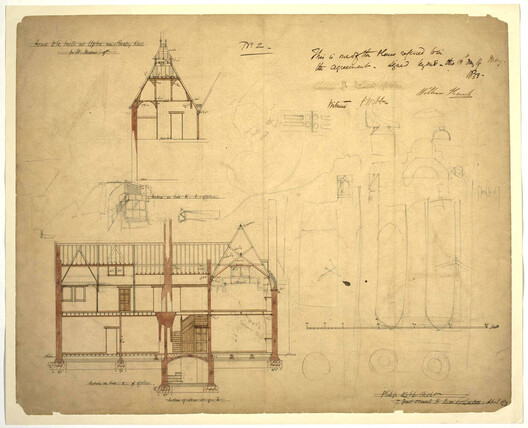
For critics such as John Ruskin and William Morris, this transformation represented a moral shift alongside the economic transformations. Ruskin argued that meaningful work depended on the craftsperson's freedom to improvise and take pride in the act of making. Morris extended this critique, insisting that beauty could not be separated from the conditions under which an object was produced. A well-designed building or a finely crafted piece of furniture reflected the quality of the labor behind it, the intelligence with which materials were used, and the dignity afforded to those who made it. They opposed a system of production that prioritized efficiency over craftsmanship, profit over permanence, and economic output over human fulfillment. The Arts and Crafts movement proposed no single architectural style as the solution to these problems, but a system of thinking about architectural practice and execution.
Labor and Craft
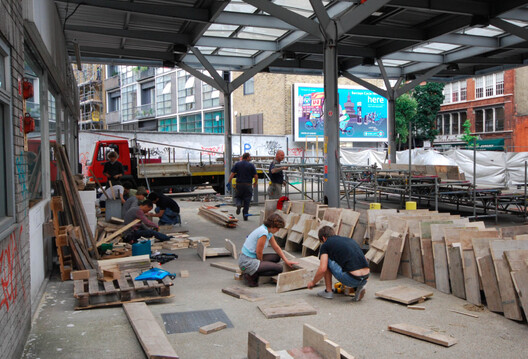
At the heart of the Arts and Crafts movement was a rejection of the idea that thinking and making are different forms of work, one of industrialization's most consequential assumptions. As factories expanded and production became increasingly specialized, the roles of designer and craftsperson grew further apart. Architects and designers conceived objects and buildings, while workers executed increasingly narrow tasks within larger systems of production. The finished work became the product of many anonymous hands, none of whom retained ownership of the whole.
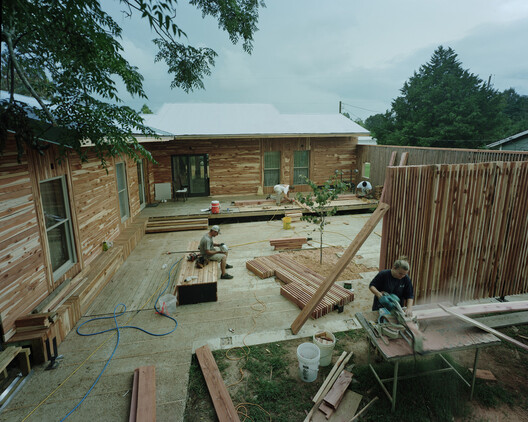
This conviction owed much to John Ruskin, who argued that the value of craftsmanship lay precisely in its refusal of mechanical perfection. The irregularities left by the human hand were evidence that thought and imagination remained part of the making process, not flaws in production. Morris carried this argument further, insisting that meaningful work required agency, more than technical competence. The craftsperson should understand the materials being shaped, participate in decisions about the work, and find satisfaction in contributing to something complete.
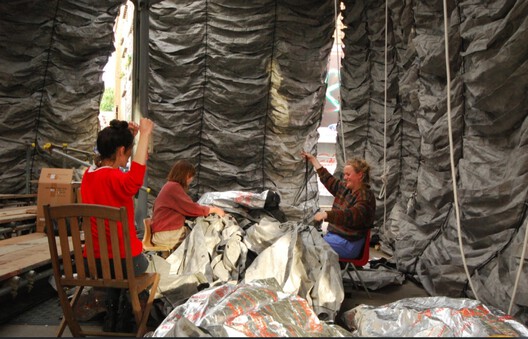
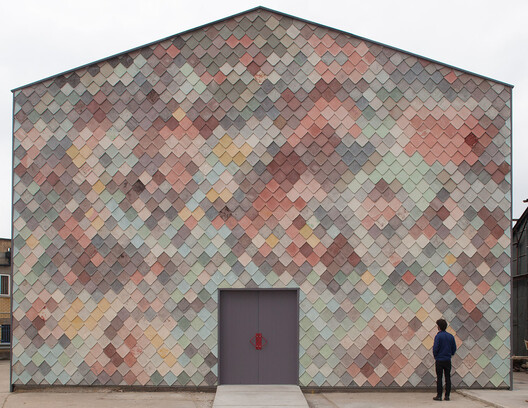
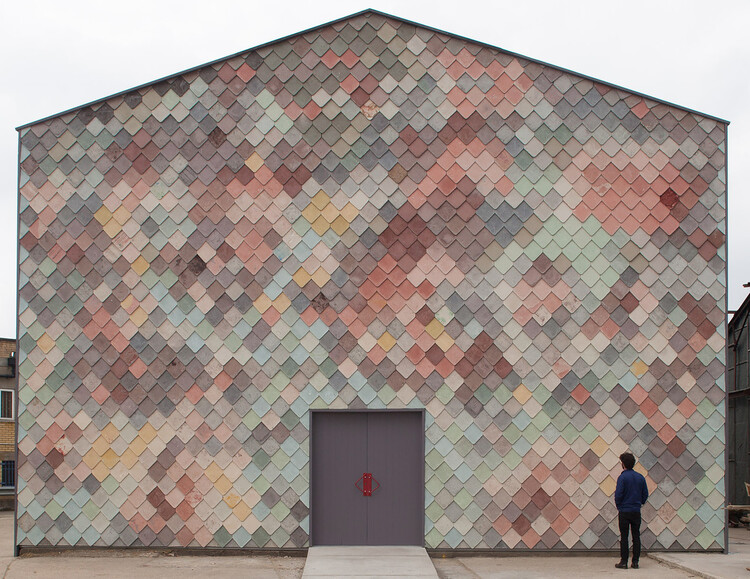
More than a century later, this question remains central to architectural practice, even as its answers have evolved. Contemporary architects increasingly recognize that buildings are shaped by networks of knowledge extending far beyond the design studio. Practices such as Studio Mumbai integrate architects, engineers, carpenters, stonemasons, and metalworkers into a collaborative process so that the design and construction processes begin to inform one another. Rural Studio has demonstrated that architectural education can be grounded in making, requiring students to design and build projects alongside the communities they serve. Assemble has challenged conventional professional boundaries by treating construction, participation, and collective authorship as integral parts of architectural practice rather than activities delegated to others.
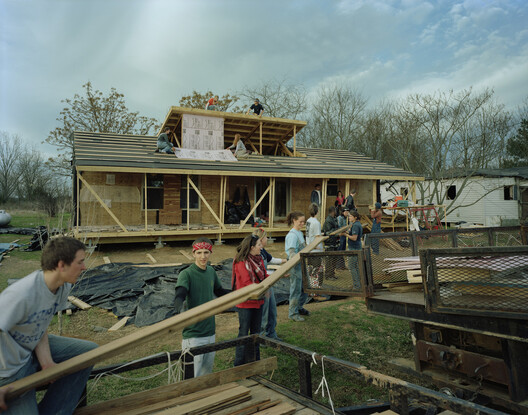
The enduring influence of the Arts and Crafts movement lies in its insistence that labor is inseparable from design, and less in the revival of traditional craftsmanship or stylistic choices. The movement challenges architects to consider the relationships created through the act of building. In an era shaped by global supply chains, digital fabrication, and increasingly fragmented construction processes, that question remains urgent.
Production of Architecture and Space
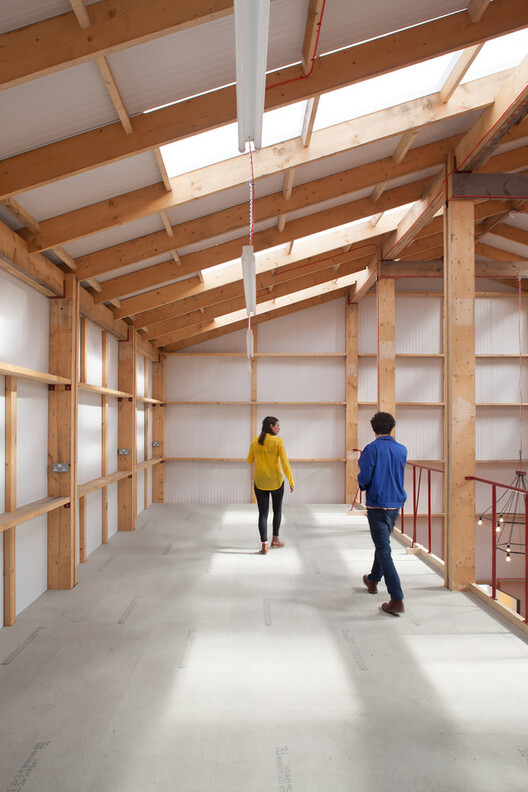
For the Arts and Crafts movement, the question of production extended beyond individual craftsmanship to the organization of the entire design process. Morris understood that architecture could not become more humane simply by employing skilled artisans if the broader system of production continued to prioritize speed, uniformity, and profit above all else. This philosophy challenged the growing dominance of standardization, as industrial manufacturing depended upon interchangeable parts, repetitive processes, and economies of scale that reduced variation in pursuit of more products. Morris believed that the value of a building could not be measured by its cost or the speed of its construction, but by whether it could remain meaningful over time and justify the labor and resources invested.
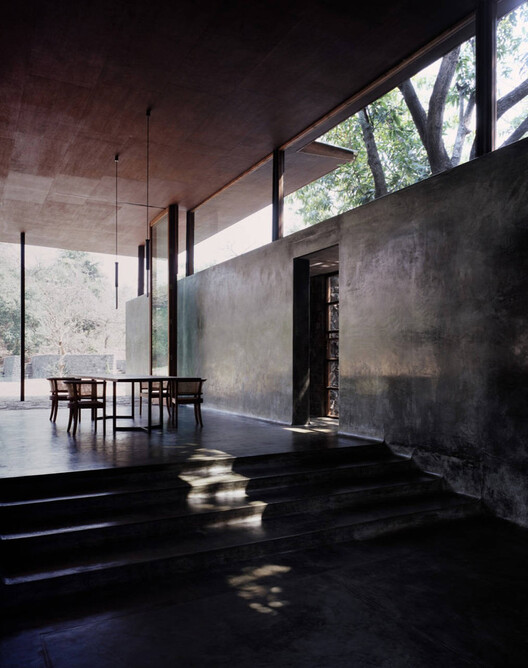
These concerns have acquired renewed relevance in contemporary architecture, although under very different circumstances. Today, the urgency stems less from the social consequences of industrialization than from the environmental consequences of continuous construction and consumption. Buildings account for significant material extraction, energy use, and waste, prompting architects to reconsider how they build and whether new construction is necessary in the first place. As a result, architecture is increasingly shifting its attention from maximizing production toward extending the life of existing buildings and designing for adaptation and reuse. Although these priorities emerge from environmental science, they echo the Arts and Crafts conviction that architecture should be conceived with a long view of its relationship to people, resources, materials, and time.
Ethics of Material Selection
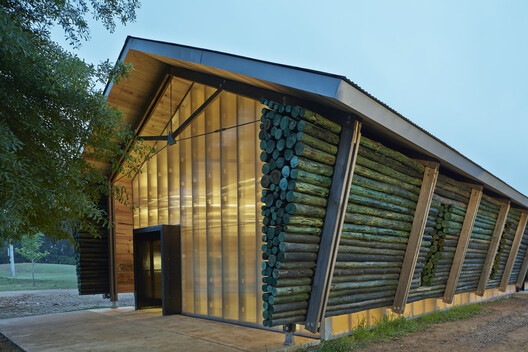
For the Arts and Crafts movement, materials carry the traces of the landscapes from which they came, the labor required to transform them, and the knowledge accumulated through the generations. Stone, brick, timber, and metal each possessed inherent qualities that deserved careful study and thoughtful use. This conviction is often summarized as "truth to materials," but the phrase risks oversimplifying the movement's philosophy. Morris, Ruskin, and Philip Webb were not opposed to ornament, nor did they argue that materials should be left unfinished or untreated. They did, however, believe that materials should be used with integrity, in ways that respected their character, acknowledged the skill required to work with them, and revealed the logic of their assembly.
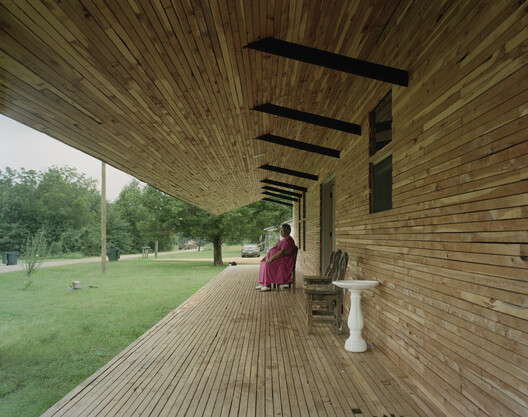
This perspective represented a direct challenge to the excesses of optimized manufacturing as industrial production made it increasingly easy to imitate expensive materials through veneers, painted finishes, and machine-made ornament. To the Arts and Crafts movement, this reflected a broader culture in which appearances are valued over substance and consumption is detached from an understanding of how things were made. Material honesty became an ethical commitment, not a stylistic preference.
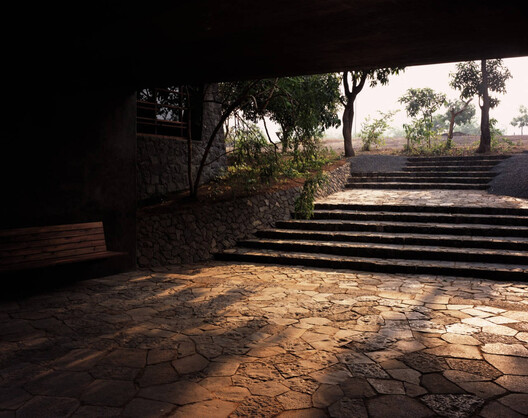
Contemporary architecture approaches materials through a different set of concerns, yet many of the same questions have reemerged. Architects today are increasingly asked to account for the environmental consequences of material extraction, transportation, manufacture, and disposal. Embodied carbon, resource depletion, and supply chain transparency have become central considerations in design, expanding the architect's responsibility beyond efficiency. These priorities reinforce Morris's broader conviction that materials possess ethical significance. Choosing timber over concrete, specifying locally sourced stone, or designing for disassembly are responses to twenty-first-century environmental realities that require architects to consider material decisions about extraction, labor, transportation, maintenance, and longevity.
Responding to Place
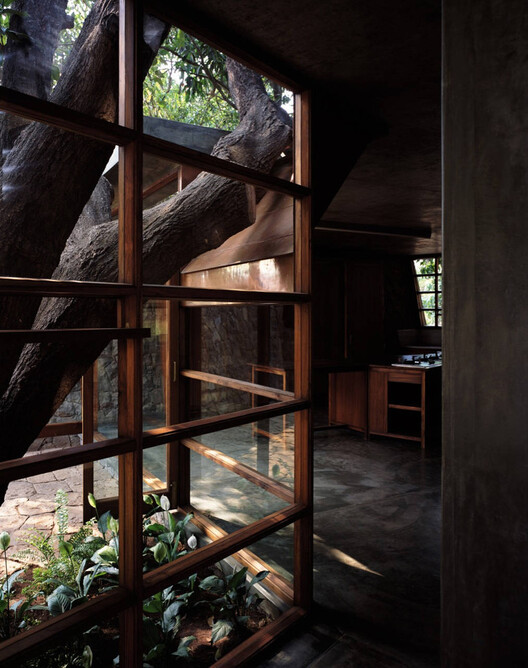
Industrialization may have encouraged a model of production in which identical goods could be manufactured anywhere and transported everywhere, but the consequence is that the relationship between buildings and the places they stand gradually erodes. Against this tendency, Arts and Crafts architects argued that architecture should emerge from its local conditions. This did not mean replicating historical styles or romanticizing the past, but recognizing that climate, geography, available materials, local building traditions, and cultural memory shape a building's site.

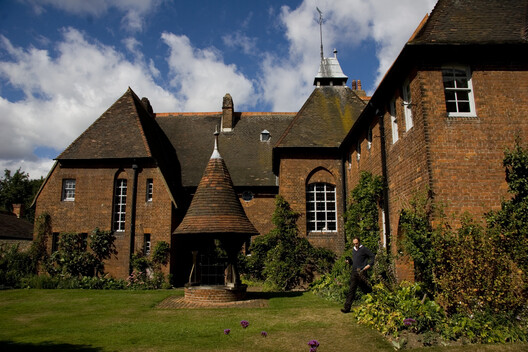
Designed in 1859 for William Morris in collaboration with Philip Webb, the Red House rejected formal classicism and historical imitation that characterized much Victorian domestic architecture. Instead, it attempts to draw upon vernacular English building traditions, employing brick, simple massing, steeply pitched roofs suited to the rainy seasons, and an informal plan that responded to patterns of living. The realities of a site, the local materials and building traditions, and the routines of occupants can inspire architectural design, and do not entirely depend on stylistic conventions.
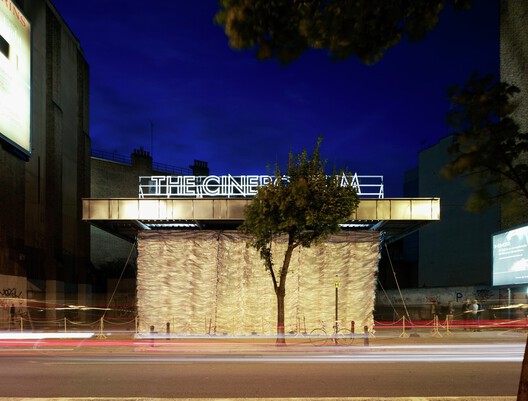
Although the forces shaping architecture have evolved, this understanding of place continues to resonate in contemporary practice. Today, globalization has made materials and construction systems more mobile as digital platforms circulate design ideas, while international supply chains allow buildings anywhere in the world to be assembled from identical components. At the same time, buildings that ignore local environmental conditions often consume more energy, require more intensive mechanical systems, and struggle to adapt as climates become increasingly unpredictable. These realities have renewed interest in architecture that responds to the specific characteristics of its setting more than imposing a standardized model regardless of context.
The Paradox of the Arts and Crafts Movement
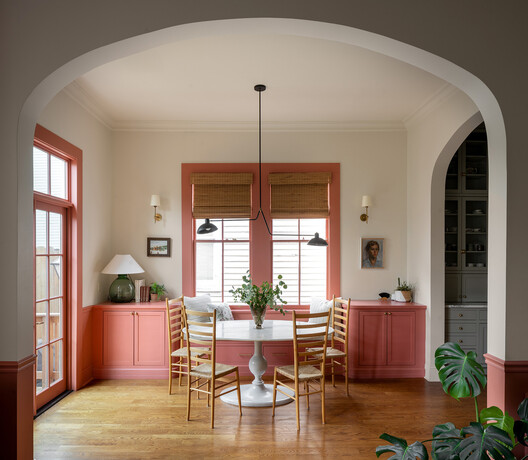
The enduring influence of the Arts and Crafts movement lies in the questions it posed for architects and designers in an increasingly efficient and profit-motivated world. Morris believed that meaningful work should be a defining feature of modern society and that beauty should be available to everyone regardless of class or wealth. Yet the very conditions he sought to create proved difficult to sustain within the economic system he criticized. Handcrafted furniture, textiles, and architectural commissions demanded time, skill, and labor, making them expensive to produce and overwhelmingly inaccessible to anyone outside the affluent class. Although he rejected luxury for its own sake, the workshops that Morris established often served the social class whose privileges he hoped to dismantle. The movement succeeded in demonstrating that another way of making was possible, but it struggled to make that alternative economically viable in practice.
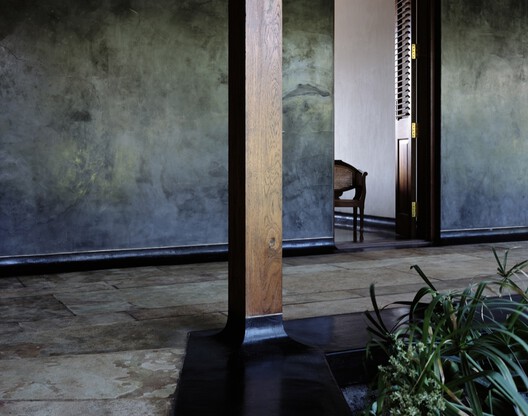
This tension has become more pronounced in contemporary architecture, as the majority of buildings celebrated for their craftsmanship, locally sourced materials, environmental accreditation, and close collaboration with local artisans often require substantial financial resources, placing them beyond the scope of most communities. Qualities that Morris regarded as expressions of ethical production have increasingly become markers of exclusivity, marketed as bespoke experiences or signals of luxury. The danger is that the visible characteristics of the Arts and Crafts movement can be detached from the social philosophy that originally gave them meaning so that craft becomes a lifestyle.
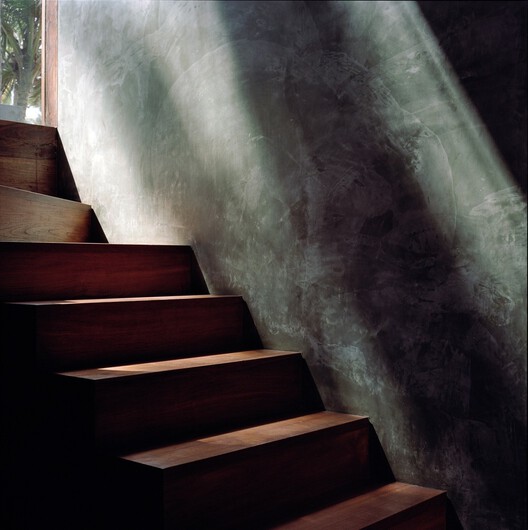
Recognizing this paradox reveals why the Arts and Crafts movement remains so relevant in contemporary practices. Morris and his colleagues left behind a set of unresolved questions about labor, production, equity, and the responsibilities of design within an industrial society. Those questions have become more complex in an era defined by global supply chains, environmental crisis, digital fabrication, AI models, and widening economic inequality. How can architecture embody ethical values while operating within systems that often reward speed, efficiency, and profit above all else?
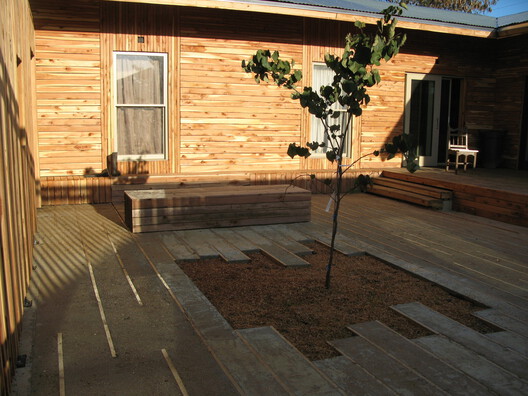
The Arts and Crafts movement should not be considered valuable in architectural history as a nostalgic return to preindustrial craft, nor as a stylistic tradition preserved through handcrafted details. Its lasting contribution is the conviction that every building reflects choices about labor, production, materials, and place, so that architecture cannot be separated from the conditions of its making. More than a century after the movement's origins, these questions remain largely unresolved, with the models of collaboration and ethics in continuous transformation.
This article is part of the ArchDaily Topic: The Architecture of Craft: Handmade Stories in a Digital Age. Every month we explore a topic in-depth through articles, interviews, news, and architecture projects. We invite you to learn more about our ArchDaily Topics. And, as always, at ArchDaily we welcome the contributions of our readers; if you want to submit an article or project, contact us.


