1. ArchDaily
  2. Handcrafted

Handcrafted: The Latest Architecture and News

Peru’s 2025 Venice Biennale Exhibition Honors Uros and Aymara Ancestral Construction Techniques

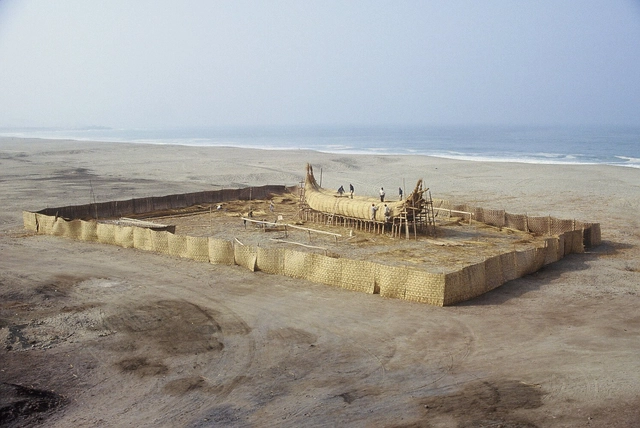
"Living Scaffolding" is the name of the proposal selected to represent Peru at the 19th International Architecture Exhibition – La Biennale di Venezia. Curated by architects Alex Hudtwalcker, Sebastián Cillóniz, and Gianfranco Morales, along with historian José Ignacio Beteta, the exhibition tells the story of a totora reed raft that, in 1988, embarked on a sea journey to other ports in South America and Polynesia. Its unprecedented expedition began on the Peruvian coast south of Lima and lasted 54 days at sea. The raft was the result of a collective, handcrafted effort and a significant structural challenge. The exhibition aims to highlight the importance of ancestral knowledge in addressing such challenges, celebrate materials essential to Peruvian cultural heritage, and expose the value of collective intelligence.

Peru’s 2025 Venice Biennale Exhibition Honors Uros and Aymara Ancestral Construction Techniques - Image 1 of 4Peru’s 2025 Venice Biennale Exhibition Honors Uros and Aymara Ancestral Construction Techniques - Featured ImagePeru’s 2025 Venice Biennale Exhibition Honors Uros and Aymara Ancestral Construction Techniques - Image 2 of 4Peru’s 2025 Venice Biennale Exhibition Honors Uros and Aymara Ancestral Construction Techniques - Image 3 of 4Peru’s 2025 Venice Biennale Exhibition Honors Uros and Aymara Ancestral Construction Techniques - More Images+ 2

Reviving Collaboration: Seeking a Place for Artistry in Mass-Produced Building Elements

Subscriber Access | 

Historically, architecture has served as a canvas for artistic expression. Building elements have been adorned with relief-carved garlands, inscriptions, fresco murals, portrait busts, and classicizing figurative sculptures, all of which emphasize the unique and intentional nature of each component. However, the industrialization of the 19th century brought about a shift in ideals, that stripped architectural components of their decorative elements. Instead, it preferenced the search for beauty in standardization and the economic accessibility provided by mass-produced building elements.

But is there room for artistry within mass production? Can artists be involved in the industrial-making processes of building elements? And how can new technology facilitate artistic mass customization of building components? These questions prompt us to consider the potential for expression, communication, and reflection in the craft of building elements in both interior and exterior spaces.

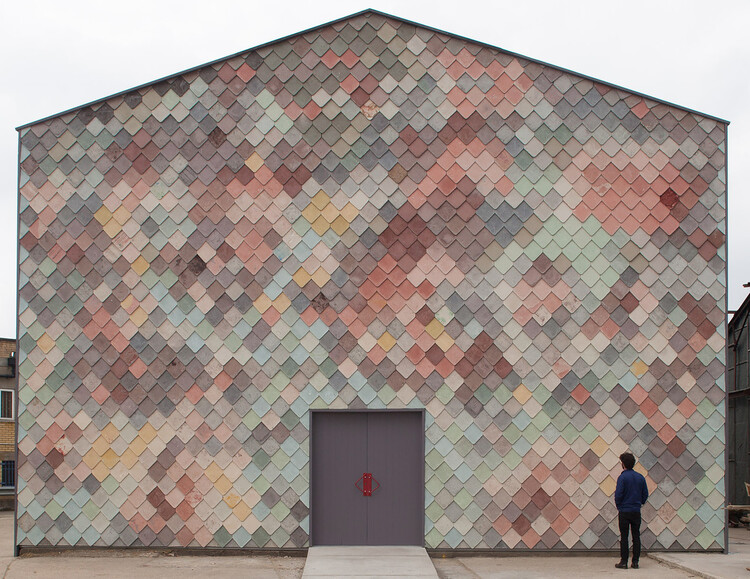
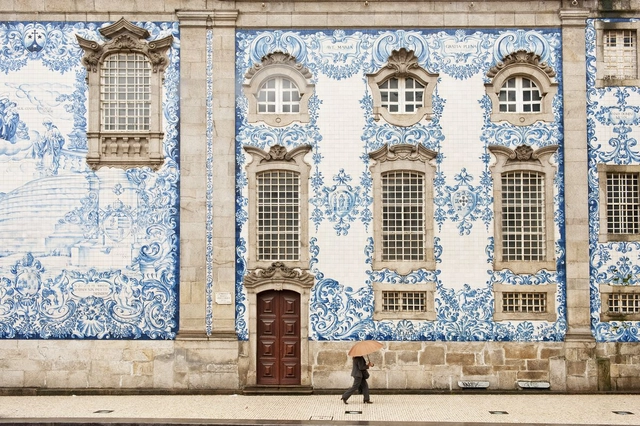
Reviving Collaboration: Seeking a Place for Artistry in Mass-Produced Building Elements - Image 5 of 4Reviving Collaboration: Seeking a Place for Artistry in Mass-Produced Building Elements - Image 1 of 4Reviving Collaboration: Seeking a Place for Artistry in Mass-Produced Building Elements - Image 2 of 4Reviving Collaboration: Seeking a Place for Artistry in Mass-Produced Building Elements - Image 3 of 4Reviving Collaboration: Seeking a Place for Artistry in Mass-Produced Building Elements - More Images+ 8

Handcrafted Design for Minimalist Washbasins and Baths

 | Sponsored Content

In the realm of architectural design and interior furnishings, achieving a balance between form and function is a daily challenge that designers encounter. This interplay between utility and aesthetics has not only evolved over time but also involves a constant exchange of styles and production methods. Frequently, this interchange leads to standardization and generic designs, potentially causing a depletion of authenticity in the design process.

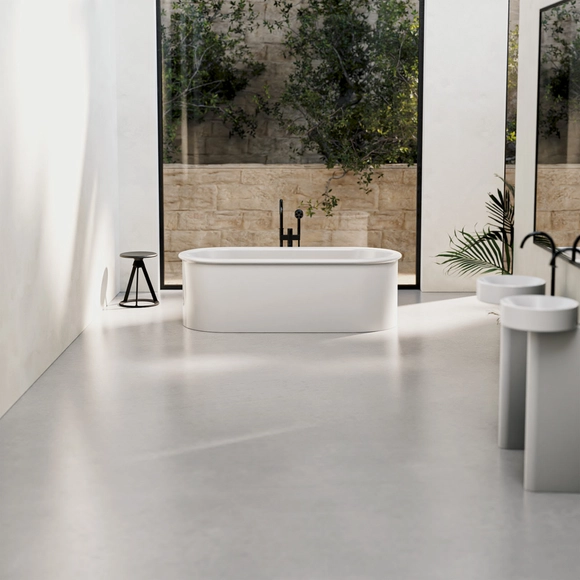
For this reason, in the contemporary era, designers are revisiting the fundamentals, rediscovering manual design processes that range from sketching to model making, all while embracing pure forms. Designers and manufacturers alike are embracing conscientious approaches to develop proposals that maintain simplicity in design while retaining a distinctive identity. In response to this, Bette, in collaboration with the British design studio Barber Osgerby, proposes the creation of minimalist-style bathrooms through the BetteSuno bathroom collection, stripping away complex shapes and seeking a light visual design.

Slow Architecture: Intentional Design for the 21st Century

Cities are inseparable from fast-paced lifestyles. Rising rents and “not-that-small” apartments characterize urban environments, perpetuating the chase for “bigger, faster, and more”. As economies develop and human needs grow, buildings are erected at alarming rates to rush toward progress. The risks of urban living are gradually being exposed, raising questions about more intentionally-driven actions. One way to return to slower lifestyles is by returning to slow architecture. 

Slow Architecture: Intentional Design for the 21st Century  - Image 1 of 4Slow Architecture: Intentional Design for the 21st Century  - Image 2 of 4Slow Architecture: Intentional Design for the 21st Century  - Image 3 of 4Slow Architecture: Intentional Design for the 21st Century  - Image 4 of 4Slow Architecture: Intentional Design for the 21st Century  - More Images+ 2

Sketching Tutorials to Keep You Filling up Your Moleskine

In an increasingly paperless world, architecture still relies on channeling ideas by hand. Sketching has endured as the method of choice for designers to communicate with clients, the public, and each other. As we have previously reported, the George Architect YouTube channel, managed by Reza Asgaripour and Avdieienko Heorhii, is devoted to bringing sketching techniques and ideas to the wider world, with a series of tutorials on everything from light and shade to three-point perspectives.

Instrument Building: an Ancient Craft With a Big Future

Subscriber Access | 

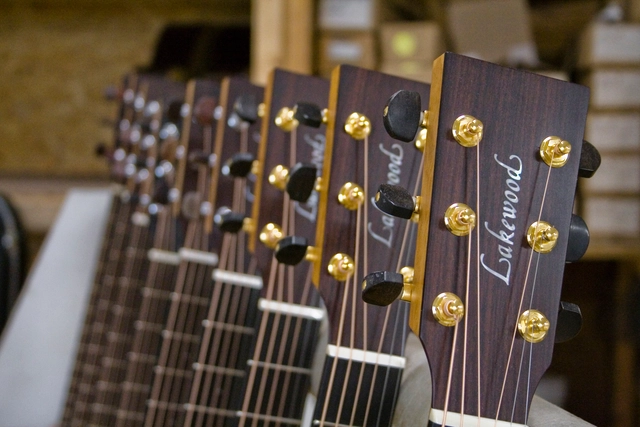
In the middle of Europe, Martin Seeliger has been building acoustic guitars for 30 years now. The success of the Lakewood factory proves that with good old craft, transported to the modern era, you can build a global brand. See how EGGER interprets craftsmanship with their handcrafted style in their forthcoming decorative collection.

On average about 5 guitars leave the Lakewood manufacturing plant in Giessen (DE) a day and make their way to music shops around the world. Trend: a steady rise. "We drive cautious growth because there is a certain compromise we never want to make: the quality of the instruments and the materials that we use," says founder Martin Seeliger.