1. ArchDaily
  2. standardization

standardization: The Latest Architecture and News

From Common Sight to Cultural Symbol: The Rise and Decline of Bamboo Scaffolding in Hong Kong

Subscriber Access | 

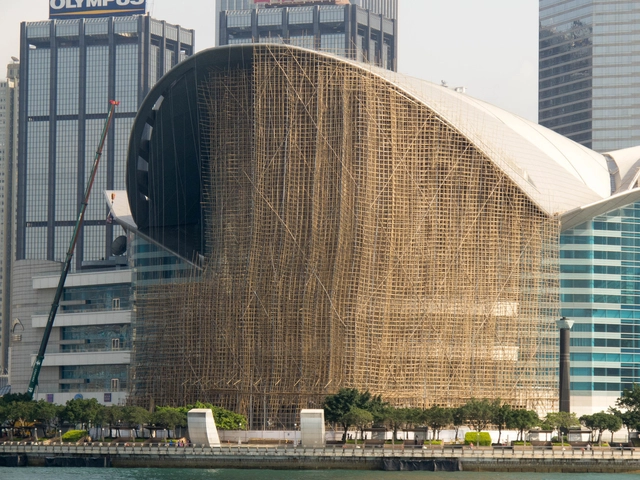
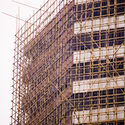
The bamboo scaffolding building typology—temporary, agile, and deeply rooted in tradition—particularly, the bamboo shed theatre building technique, is recognized as an item of Intangible Cultural Heritage in Hong Kong. As one walks through the city, especially in busy urban districts, it's nearly impossible not to encounter a bamboo scaffold within a five-minute radius. Bamboo scaffolding is arguably the most iconic construction material in Hong Kong, valued for its abundance, sustainability, flexibility, adaptability, and—most importantly—scalability. These qualities have contributed to its widespread use in temporary construction, from building maintenance and renovations to festival stages and sporting events.

However, this once-ubiquitous feature of the urban landscape may be slowly fading from view. A dwindling pool of skilled, younger workers—combined with evolving construction regulations—has contributed to its decline. On March 17, the Development Bureau announced plans to "drive a wider adoption of metal scaffolds in public building works." In practice, this means the Architectural Services Department (ArchSD) will soon require at least 50% of its capital works projects to utilize metal scaffolding. While not a formal ban, the policy signals what many see as the beginning of a gradual phase-out of bamboo scaffolding in public-sector construction.

From Common Sight to Cultural Symbol: The Rise and Decline of Bamboo Scaffolding in Hong Kong - Image 1 of 4From Common Sight to Cultural Symbol: The Rise and Decline of Bamboo Scaffolding in Hong Kong - Image 2 of 4From Common Sight to Cultural Symbol: The Rise and Decline of Bamboo Scaffolding in Hong Kong - Image 3 of 4From Common Sight to Cultural Symbol: The Rise and Decline of Bamboo Scaffolding in Hong Kong - Image 4 of 4From Common Sight to Cultural Symbol: The Rise and Decline of Bamboo Scaffolding in Hong Kong - More Images+ 15

From High-Tech Icons to Social Housing: The Evolving Role of Prefabrication

Subscriber Access | 

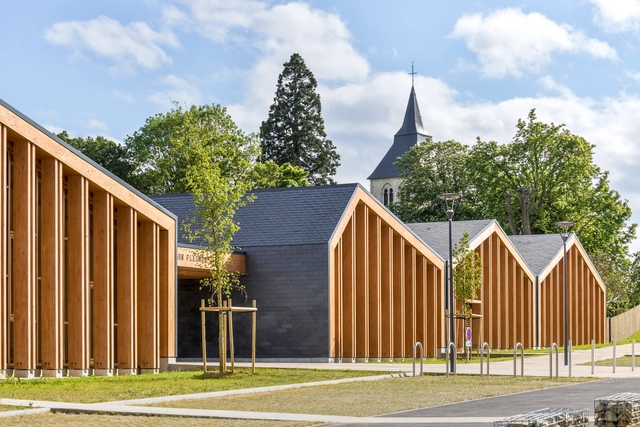
Prefabrication is one of the most transformative innovations in architecture and construction, redefining how buildings are designed, manufactured, and assembled. While not a new concept, its application has evolved to offer a broader range of advantages. Traditionally valued for its precision and quality, prefabrication is now equally recognized for its cost and time efficiencies, particularly in leveraging regional differences in labor and production. This shift has fueled its resurgence across high-end, design-driven projects and large-scale, cost-efficient public buildings.

From High-Tech Icons to Social Housing: The Evolving Role of Prefabrication - Image 1 of 4From High-Tech Icons to Social Housing: The Evolving Role of Prefabrication - Image 2 of 4From High-Tech Icons to Social Housing: The Evolving Role of Prefabrication - Image 3 of 4From High-Tech Icons to Social Housing: The Evolving Role of Prefabrication - Image 4 of 4From High-Tech Icons to Social Housing: The Evolving Role of Prefabrication - More Images+ 9

From Modernism to Multiculturalism: The Historical Evolution of Student Housing

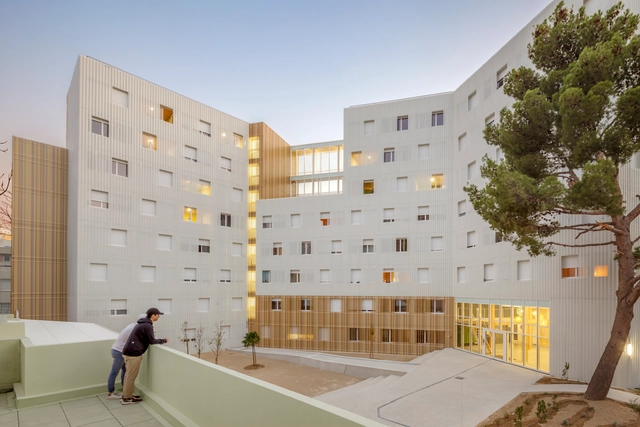
Student housing has undergone a remarkable transformation over the last century. Once seen as a utilitarian necessity, providing shelter and basic amenities for students, this architectural typology has evolved to address increasingly complex societal, cultural, and urban demands. Starting with Le Corbusier's modernist approach at the Cité Universitaire in Paris, student housing has reflected broader trends in architecture, urbanism, and social change.

Today, these buildings must cater to a highly diverse and transient population, navigating the pressures of affordability, density, and the evolving living standards of young adults. With rapid urbanization and increasing student mobility, universities now face the challenge of designing housing that is not only functional but also adaptable to different cultural and social contexts. This has led to more flexible, innovative solutions that promote both privacy and community living.

From Modernism to Multiculturalism: The Historical Evolution of Student Housing - Image 1 of 4From Modernism to Multiculturalism: The Historical Evolution of Student Housing - Image 2 of 4From Modernism to Multiculturalism: The Historical Evolution of Student Housing - Image 3 of 4From Modernism to Multiculturalism: The Historical Evolution of Student Housing - Image 4 of 4From Modernism to Multiculturalism: The Historical Evolution of Student Housing - More Images+ 55

Modular Housing: Striking Balance between Standardization and Customization

No longer relegated to the domain of temporary structures or utilitarian living, modular housing is increasingly gaining traction. Prefabricated homes are disrupting the architecture industry with their efficient construction, predictable costs, and reduced environmental impact. Modular housing is rooted in the idea of quick replication and standardization. In a world that prioritizes customization, how might modular housing meet the needs of diverse individuals?

Modular Housing: Striking Balance between Standardization and Customization - Image 1 of 4Modular Housing: Striking Balance between Standardization and Customization - Featured ImageModular Housing: Striking Balance between Standardization and Customization - Image 2 of 4Modular Housing: Striking Balance between Standardization and Customization - Image 3 of 4Modular Housing: Striking Balance between Standardization and Customization - More Images+ 2

Reviving Collaboration: Seeking a Place for Artistry in Mass-Produced Building Elements

Subscriber Access | 

Historically, architecture has served as a canvas for artistic expression. Building elements have been adorned with relief-carved garlands, inscriptions, fresco murals, portrait busts, and classicizing figurative sculptures, all of which emphasize the unique and intentional nature of each component. However, the industrialization of the 19th century brought about a shift in ideals, that stripped architectural components of their decorative elements. Instead, it preferenced the search for beauty in standardization and the economic accessibility provided by mass-produced building elements.
But is there room for artistry within mass production? Can artists be involved in the industrial-making processes of building elements? And how can new technology facilitate artistic mass customization of building components? These questions prompt us to consider the potential for expression, communication, and reflection in the craft of building elements in both interior and exterior spaces.

Reviving Collaboration: Seeking a Place for Artistry in Mass-Produced Building Elements - Image 5 of 4Reviving Collaboration: Seeking a Place for Artistry in Mass-Produced Building Elements - Image 1 of 4Reviving Collaboration: Seeking a Place for Artistry in Mass-Produced Building Elements - Image 2 of 4Reviving Collaboration: Seeking a Place for Artistry in Mass-Produced Building Elements - Image 3 of 4Reviving Collaboration: Seeking a Place for Artistry in Mass-Produced Building Elements - More Images+ 8

Britain's New Baseline School Design Sacrifices Style for Savings

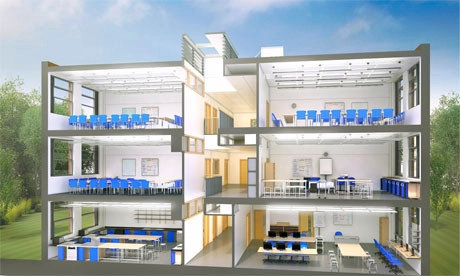
Britain's Education Secretary Michael Gove and the Department for Education have released blueprints for the baseline design for schools that they believe "demonstrate good practice that can be achieved within [a] set cost and area allowances." The government's goal is to reduce the cost of new school buildings from the previous £21m to less than £14m each for the replacement of 261 of the most run-down schools in the country.

These new schools, however, will be 15% smaller than the ones designed originally under the Building Schools for the Future (BSF) program, potentially compromising important spaces such as corridors, assembly halls, canteens and atriums. Many teachers have expressed concern for these changes, as they could lead to congestion, bad behavior among students and would "undermine attempts to maximize the value for money of school buildings by making them available for community functions after hours."

Architects and the architecture community at large are also worried about the design implications of such a standardized school building prototype - how will it interact with the existing school buildings and how could restricted design affect Britain's educational system?

More after the break...