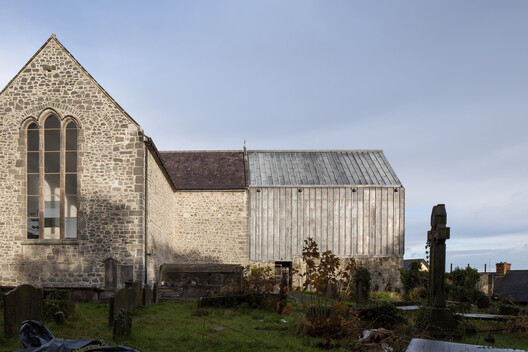
The conversion of disused religious temples through cultural programs constitutes one of the most compelling adaptive reuse strategies in contemporary urban planning. This functional compatibility seems to be rooted in the specific characteristics of churches: their central naves offer large-scale, clear floor plans and monumental cross-sections that easily accommodate the volumetric requirements of museums, theaters, or community hubs. Furthermore, the acoustic properties inherent to their vaulted ceilings, combined with intentional natural lighting filtered through stained glass windows or domes, create the spatial conditions for activities ranging from the performing arts to the exhibition of cultural artifacts. By assuming a public and cultural role, these buildings not only avoid demolition or physical abandonment but also preserve their status as urban and identity landmarks within the city fabric, revitalizing their immediate surroundings without altering their historical significance.



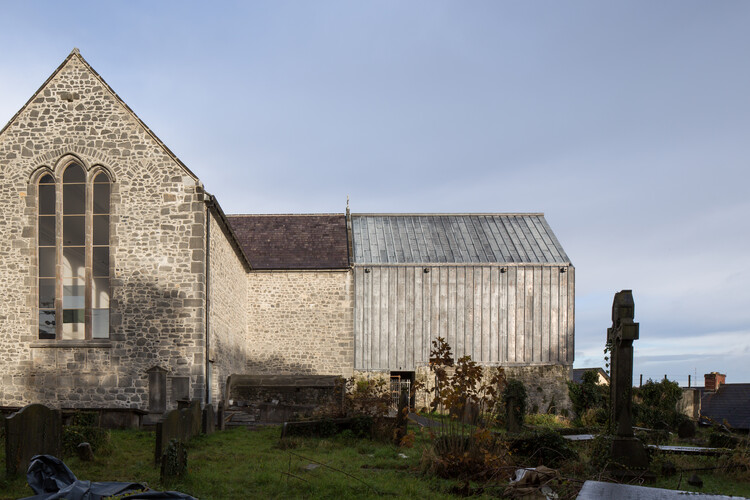
To resolve the insertion of these new programs without compromising the integrity of the pre-existing structures, contemporary architectural practice resorts to various intervention methodologies that vary according to the level of heritage protection and the spatial requirements of the new use. One approach consists of reversible micro-interventions through dry-assembly systems, which introduce temporary elements that modify the perception or function of the interior space without touching the building envelope. Another alternative is external perimeter addition via transparent pavilions, which expand the usable floor area by transforming the original exterior walls into internal facades. Likewise, freestanding self-supporting structures are employed, which sit inside the naves while maintaining a physical separation from the historic masonry. Finally, when degraded remnants or exposed foundations are present, architects often opt for the volumetric reconstruction of missing structures using contrasting materials or the excavation of basements to connect the building to underground urban infrastructure networks.