

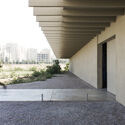
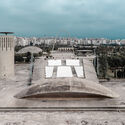
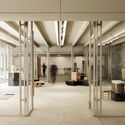
This year, one of the winners of the Aga Khan Award was the Renovation of the Niemeyer Guest House by East Architecture Studio. The project is located on Tripoli’s outskirts in Lebanon, and it is part of the Rachid Karami International Fair (RKIF), an unfinished masterpiece by Brazilian architect Oscar Niemeyer. ArchDaily’s Managing Editor, Christele Harrouk had the chance to sit with Charles Kettaneh and Nicolas Fayad, founders of the East Architecture Studio, on-site in "the Niemeyer Guest House Renovation" project. Talking about modern heritage and the challenges of renovations, the architects opened the conversation about the role of architecture in building platforms for change.
Heritage: The Latest Architecture and News
“Turning Challenges into Opportunities”: In Conversation with East Architecture Studio, One of the Winners of the 2020-2022 Aga Khan Award


https://www.archdaily.com/991124/turning-challenges-into-opportunities-in-conversation-with-east-architecture-studio-one-of-the-winners-of-the-2020-2022-aga-khan-awardMaria-Cristina Florian
Barrio Yungay Was Selected as One of the Most Attractive Neighbourhoods in the World by the British Magazine Time Out
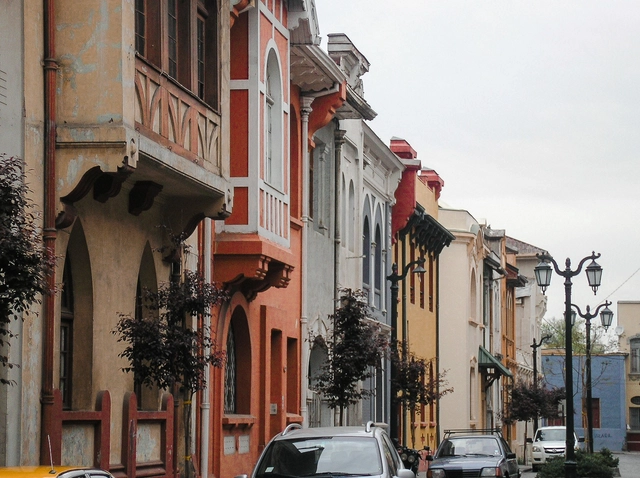
The British magazine Time Out has selected Barrio Yungay in Santiago, Chile, as one of the most attractive neighborhoods in the world. The neighborhood was selected under the Time Out Index survey, where respondents from different countries answered the question "What is the most attractive place in your city at the moment?" and was ranked ninth out of a list of 51 neighborhoods, including Colonia Americana in Guadalajara, Shimokitazawa in Tokyo and Cours Julien in Marseille.
https://www.archdaily.com/990946/barrio-yungay-was-selected-as-one-of-the-most-attractive-neighbourhoods-in-the-world-by-the-british-magazine-time-outVictoria Riquelme
Renovation Plans for Venturi Scott Brown’s National Gallery Wing Are Revised After Widespread Criticism
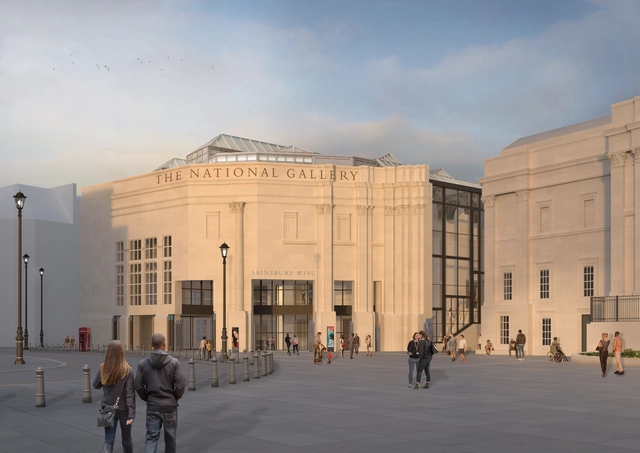
Selldorf Architects have released a revised version of the plans to remodel the National Gallery and the Sainsbury Wing, both classified as Grade-I-listed monuments. Sainsbury Wing is also the recipient of the 2019 AIA Twenty-five Year Award. The plans for the Sainsbury Wing, designed by Robert Venturi and Denise Scott Brown and opened in 1991, have faced intense criticism, with former RIBA Journal editor Hugh Pearman calling the remodeling plans “unnecessarily destructive”. The plans to remodel were first revealed earlier this year as part of the NG200 Project to celebrate the National Gallery’s bicentennial in 2024. The project proposes the remodeling of the Sainsbury Wing’s front gates, ground-floor entrance sequence, lobby, and first-floor spaces.



https://www.archdaily.com/990948/renovation-plans-for-venturi-scott-browns-national-gallery-wing-are-revised-after-widespread-criticismMaria-Cristina Florian
Kampala on a Global Stage: Doreen Adengo’s Cross-Disciplinary Legacy
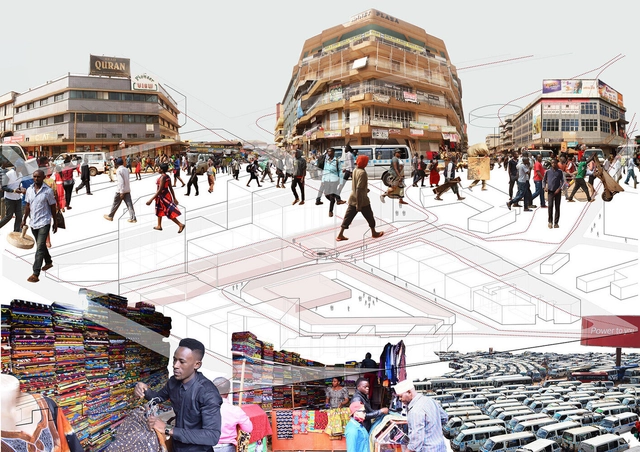
Doreen Adengo, Ugandan architect and trailblazer, passed away on July the 22nd of this year, after battling a long-term illness. She founded Adengo Architecture, a studio based out of her home city of Kampala. A designer who studied in the United States, worked in firms in New York, Washington, and London, and was teaching at Uganda Martyrs University – her legacy is nothing short of extraordinary. It is a legacy that spans disciplines and geographies – but a legacy, too, that is deeply rooted in the context of Africa, Uganda, and Kampala.


https://www.archdaily.com/986334/kampala-on-a-global-stage-doreen-adengos-cross-disciplinary-legacyMatthew Maganga
What Do We Do With the Houses of Empire?
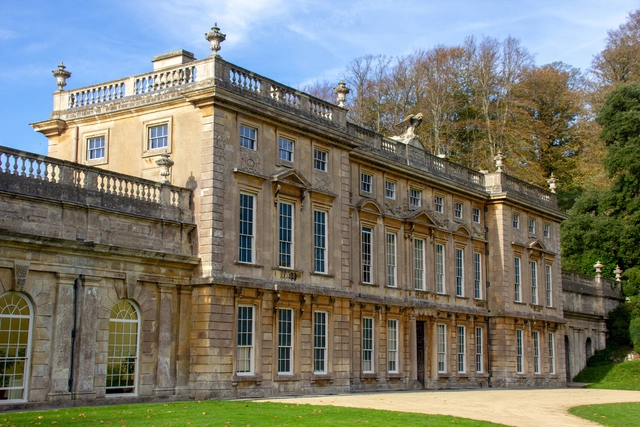
In June 2020, the statue of 17th-century slave trader Edward Colston was toppled in the southwestern city of Bristol in England. Before this, the statue sat on a plinth in a prominent public park, before being hauled into Bristol Harbour by Black Lives Matter protestors. This act has led to a long-overdue reckoning in the UK and other Western nations, a reckoning that has necessitated a deeper analysis of monuments that line cities, and how deeply imperialism can be interlinked with parts of the built environment. The ever-green question is, what do we do with these buildings?


https://www.archdaily.com/985950/what-do-we-do-with-the-houses-of-empireMatthew Maganga
Architecture at the Service of Science: Jantar Mantar, Astronomical Observatories in India

"in downtown New Delhi, huge curved structures sink in the ground, taking the form of a ramp. Amorphous voids mark the great twisted walls. The color red marks the structures and sets them apart from everything else."
This could describe a playground or even a skate park, but it is one of five astronomical observatories built in India between 1724 and 1738. These mazy volumes, which look more like a materialization of Escher's drawings, were conceived by the Indian prince Jai Singh as part of an ambitious project that sought to put architecture at the service of science. Their shapes make complex astronomical analysis possible, such as predicting eclipses, tracking the location of stars, and determining Earth's exact orbit around the Sun.
https://www.archdaily.com/983695/architecture-at-the-service-of-science-jantar-mantar-astronomical-observatories-in-indiaCamilla Ghisleni
UNESCO Expresses Deep Concern Over Ukrainian Landmarks and Takes Action to Protect Endangered Heritage

The United Nations Educational, Scientific, and Cultural Organization (UNESCO) has expressed concern over the damage caused to historic landmarks in Ukraine and called for the protection of its cultural heritage. At the same time, the organization has taken action within its capabilities to help safeguard the endangered sites. Ukraine is home to seven World Heritage sites, including the 11th-century Saint-Sophia Cathedral and the entire ensemble of the Historic Centre of Lviv. In addition, several sites in the recently damaged cities of Kharkiv and Chernihiv were on the tentative list for potential nomination to World Heritage status.




https://www.archdaily.com/978521/unesco-expresses-deep-concern-over-the-faith-of-ukrainian-landmarks-and-takes-action-to-protect-endangered-heritageAndreea Cutieru
The House on the River: Restoration after Eight Decades of Attacks
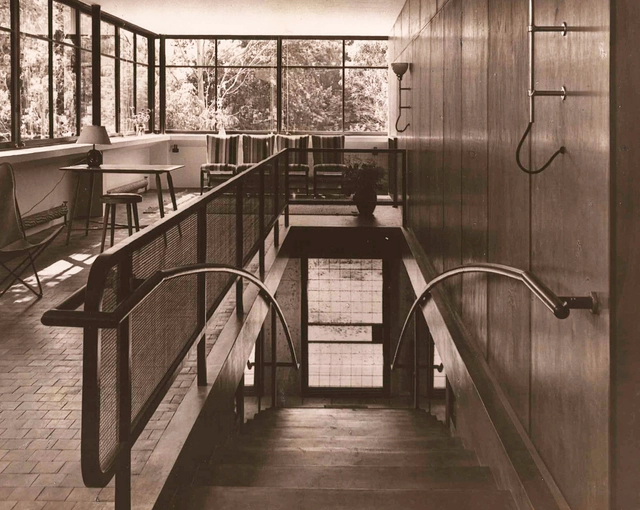
It was designed and built between 1943 and 1946 by Amancio Williams and Delfina Galvez Bunge over the Las Chacras Stream in the city of Mar del Plata. It eventually became known as "The House on the River" or "The Bridge House". However, it ceased to have a stream, and thus to be a bridge, in 1957 when the watercourse on which it rested was interrupted for sanitation reasons. It was used as a radio station between 1970 and 1977, but the last military dictatorship in Argentina ended up shutting it down. It remained closed, maintained by its owner until their death in 1991. Studied by all, but cared for by none. It suffered two major fires, in 2004 and 2008. Abandoned during the whole succession process, it was recovered by the Municipality of General Pueyrredón in 2012.
https://www.archdaily.com/976953/the-house-on-the-river-restoration-after-eight-decades-of-attacksElías Barczuk Pasamán
The Spanish Government Approves the Law on Quality in Architecture
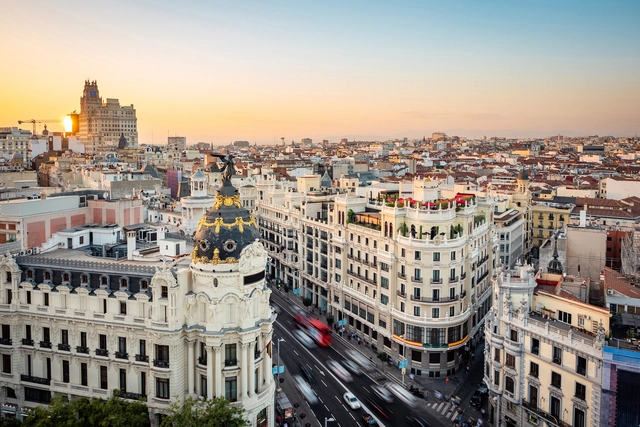
How can the quality of architecture be protected, promoted and encouraged? A question on which progress was made today in Spain. On the 18th of January, the Council of Ministers approved the Draft Law on Quality in Architecture for its subsequent submission to the Spanish Parliament, thus initiating its parliamentary procedure.
This is a new legislative proposal, promoted by the Ministry of Transport, Mobility and Urban Agenda, currently under the direction of Minister Raquel Sánchez Jiménez, who aims to protect, promote and encourage architectural quality as an asset of general interest, promoting links that encourage the rapprochement of architecture with society.
https://www.archdaily.com/976267/the-spanish-government-approves-the-law-on-quality-in-architectureFabian Dejtiar
What Would the Unfinished Metlife North Building in New York Have Looked Like?
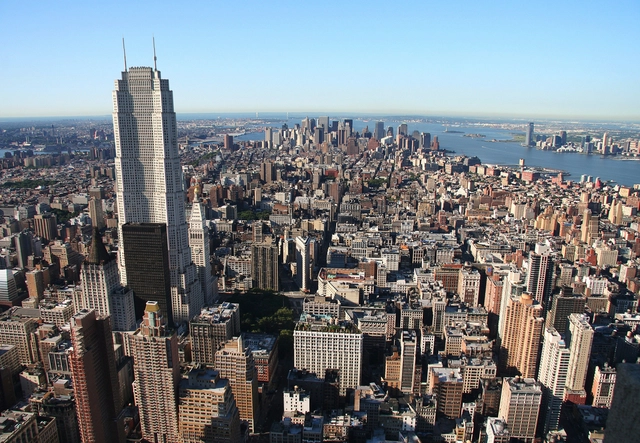
90Grados specialises in creating high-quality architectural renderings - and this time they present the virtual construction of a skyscraper that was left unfinished in New York after the Great Depression of 1929: the Metropolitan Life North Building.
https://www.archdaily.com/975817/what-would-the-unfinished-metlife-north-building-in-new-york-have-looked-likeArchDaily Team
The Building That Moved: How Did They Move an 11,000-Ton Telephone Exchange Without Suspending Its Operations?
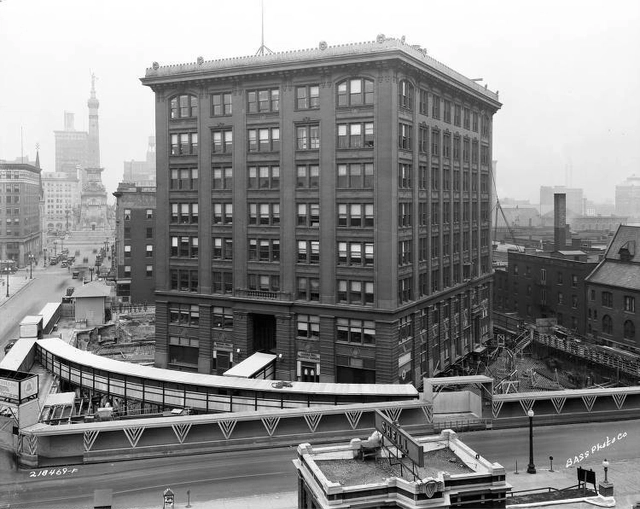
In November 1930, in Indiana, United States, one of the great feats of modern engineering was executed: a team of architects and engineers moved an 11,000-ton (22-million pound) telephone exchange without ever suspending its operations either basic supplies for the 600 employees who worked inside.
https://www.archdaily.com/973183/the-building-that-moved-how-did-they-move-an-11000-ton-telephone-exchange-without-suspending-its-operationsIgnacio Rodríguez
Interventions in Pre-existing Architecture: Adaptive Reuse Projects by Renowned Architects
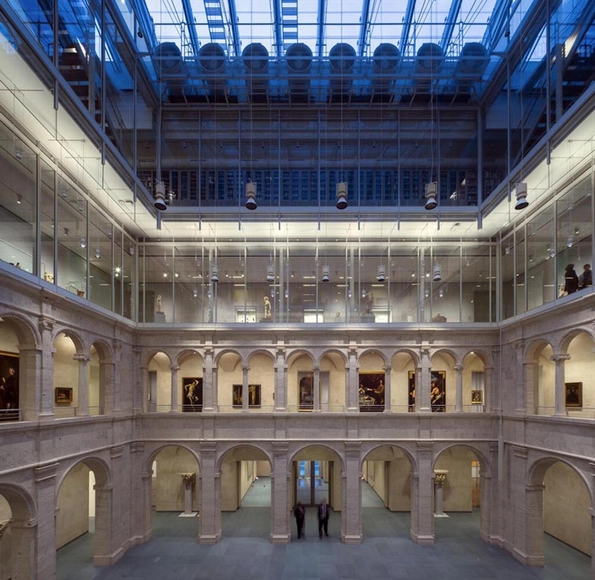
Responsible use and consumption of natural resources and the impacts of the building industry have been ongoing concerns in the field of architecture and urban planning. In the past, concepts such as clean slates, mass demolitions, and building brand new structures were widely accepted and encouraged. Nowadays, a transformation seems to be taking place, calling for new approaches such as recycling, adaptive reuse, and renovations, taking advantage of what is already there. This article explores a selection of projects and provides a glimpse into interventions by renowned architects in pre-existing buildings.

https://www.archdaily.com/971532/interventions-in-pre-existing-architecture-adaptive-reuse-projects-by-renowned-architectsGiovana Martino
Copan Building by Oscar Niemeyer to Undergo Facade Restoration
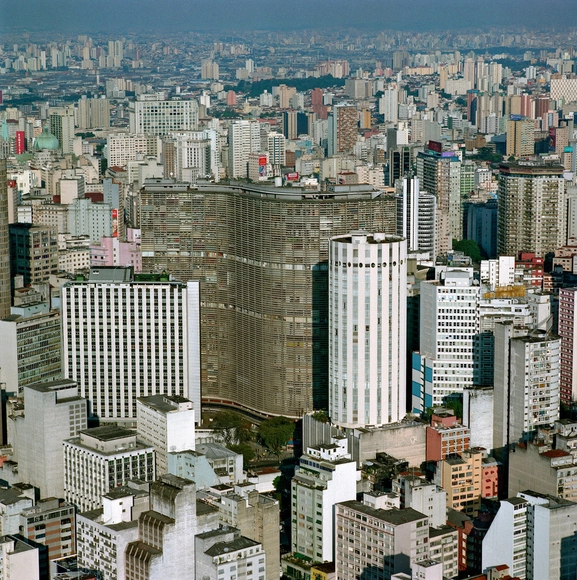
One of Oscar Niemeyer's most famous projects, the iconic Copan building in downtown São Paulo, may finally have its restoration work started. After being negotiated for ten years, the project presented by a company hired by the building administration was partially approved by the Department of Historical Heritage (Departamento de Patrimônio Histórico - DPH) and the Municipal Council for the Preservation of the Historical, Cultural and Environmental Heritage of the City of São Paulo (Conselho Municipal de Preservação do Patrimônio Histórico, Cultural e Ambiental da Cidade de São Paulo - Conpresp).
Designed by Niemeyer together with Carlos Lemos, the building will celebrate the 70th anniversary of the beginning of its construction next year. However, it has been suffering from maintenance problems on the facade for almost two decades, such as infiltrations, falling tiles, disfiguring, detachment of concrete, and exposure of steel reinforcement, according to technical findings reported to the heritage agencies.
https://www.archdaily.com/971498/copan-building-by-oscar-niemeyer-to-undergo-facade-restorationRomullo Baratto
Why “Use Is the Best Form of Preservation”
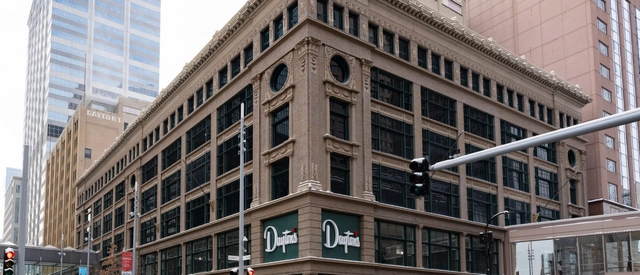
This article was originally published on Common Edge.
"For more than a generation, federally funded historic tax credits (HTCs) have been instrumental in incentivizing developers to revive and reuse historic buildings and keep them economically viable, rather than replace them with shiny new objects. These credits create jobs, promote responsible development, and leverage billions in private investment to enable income-generating buildings". Read the interview between Justin R. Wolf and Meghan Elliott, founding principal of New History, a firm specializing in adaptive reuse.

https://www.archdaily.com/966687/why-use-is-the-best-form-of-preservationJustin R. Wolf
Beirut, One Year Later: People-Driven Reconstruction Efforts Midst Devastated Nation
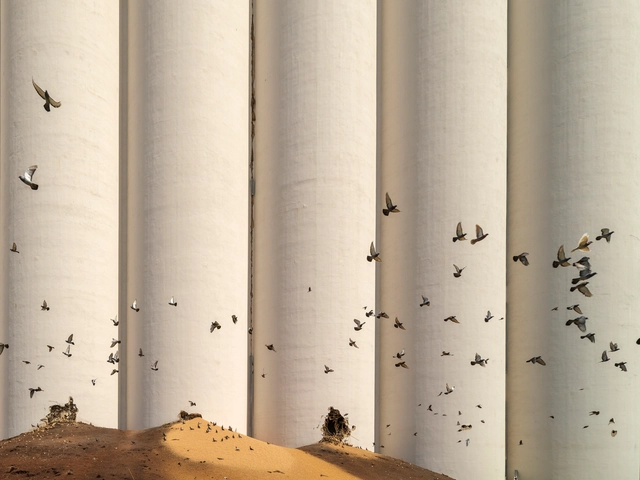
Exactly a year ago, on August 4, 2020, the third-largest non-nuclear explosion ever-recorded destroyed almost half the city of Beirut, ripping through the port and the eastern part of the capital. One of the biggest urban tragedies of modern times, killed more than 200 people, wounded thousands, and left an estimated 300,000 people homeless, damaging over 80,000 commercial, residential and public spaces. Felt across neighboring countries, the blast stripped the city’s constructions of their cladding, framing, and glass elements, while completely tearing down other buildings, leaving around US$15 billion in property damage, in times of Covid, political and social unrest, and economic collapse.
One year later, so little has changed. One year later, it only became harder for the people of Beirut. One year later, everything in the city still reminds them of that day. Major questions remained unanswered, no rescue or action plans have been taken by governmental institutions, instead, civil society rose to take into their own hands, reconstruction efforts, in the total absence of the state.




https://www.archdaily.com/966166/beirut-one-year-later-people-driven-reconstruction-efforts-midst-devastated-nationChristele Harrouk
A Balancing Act: How Architectural Tourism Can Be More Sustainable
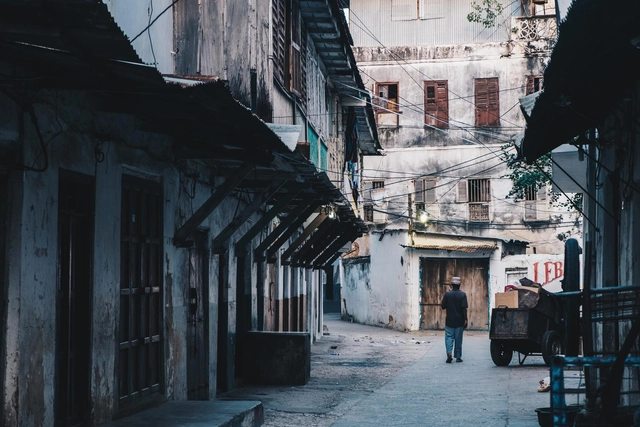
The world of travelling is a multifaceted one. There are the everyday trips one takes for work or school, commuting to a set location during the week, usually within the confines of a city. There are the longer trips too, the trips which usually involve getting into an aeroplane to visit someplace a bit farther from where the traveller usually resides. These trips are frequently done for business purposes, but for those who have the means to afford it, these trips are undertaken for learning and leisure – where the traveller can be defined as a “tourist”.





https://www.archdaily.com/962948/a-balancing-act-how-architectural-tourism-can-be-more-sustainableMatthew Maganga
Heritage and Refurbishment: 16 Interior Renovation Projects of Houses in Spain
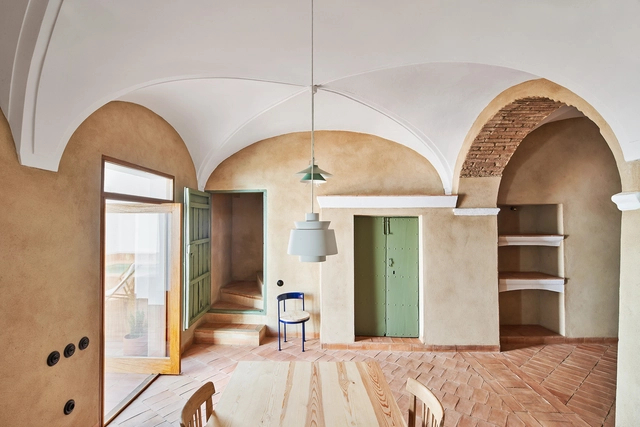
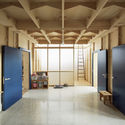
In the last few years, Europe has become a leader in refurbishment architecture by renovating and remodeling buildings and historic city centers. These initiatives have halted horizontal expansion and promote equitable city development.
This trend has not only become a contribution towards the densification and revitalization of underserved sectors but has also allowed families who had been displaced to the periphery to inhabit city centers and improve their quality of life.



https://www.archdaily.com/917814/16-outstanding-spanish-refurbishment-projectsMaría Francisca González
How Did Materials Shape the Case Study Houses?
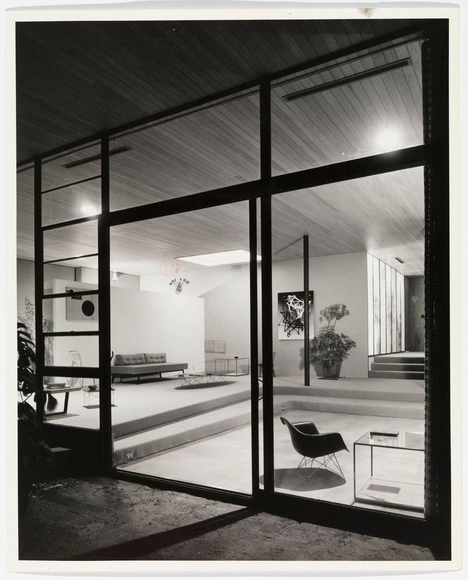
The Case Study Houses (1945-1966), sponsored by the Arts & Architecture Magazine and immortalized by Julius Shulman’s iconic black-and-white photographs, may be some of the most famous examples of modern American architecture in history. Designed to address the postwar housing crisis with quick construction and inexpensive materials, while simultaneously embracing the tenets of modernist design and advanced contemporary technology, the Case Study Houses were molded by their central focus on materials and structural design. While each of the homes were designed by different architects for a range of clients, these shared aims unified the many case study homes around several core aesthetic and structural strategies: open plans, simple volumes, panoramic windows, steel frames, and more. Although some of the Case Study Houses’ materials and strategies would become outdated in the following decades, these unique products and features would come to define a historic era of architectural design in the United States.
https://www.archdaily.com/961900/how-did-materials-shape-the-case-study-housesLilly Cao