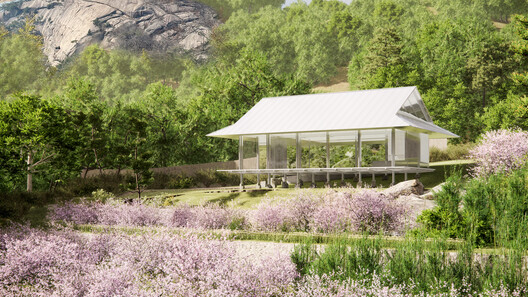
In architecture, the word "pavilion" can describe an endless variety of structures. It might be defined as a principle and a typology, a freestanding structure, a temporary intervention, a gathering place in the city, or a space for experimentation. This last quality is what unites the six unbuilt projects featured here, all designed and submitted by ArchDaily readers. Here, the definition lies in their sculptural qualities and formal exploration, while their permanence and location vary according to each structure's purpose. The proposals also demonstrate another quality inherent to the pavilion: the intention to symbolically represent a stance. Their exploration of form and material thus also reflects a search for a sense of boundary, wonder, or a shared future.
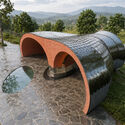
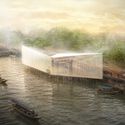
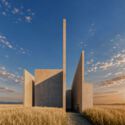
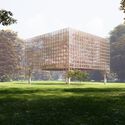
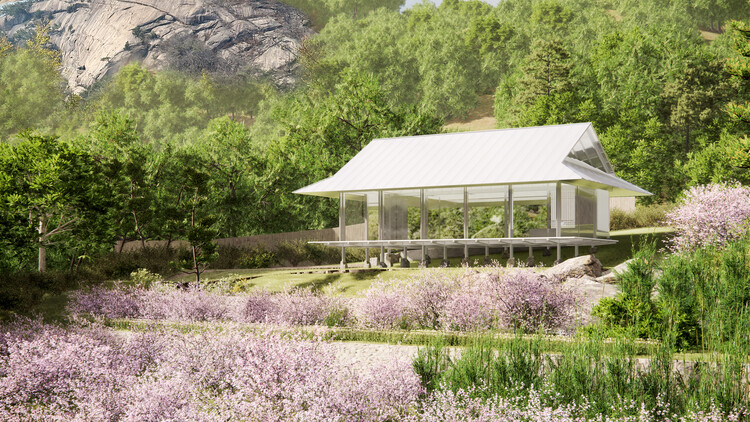
Here, we look at project ideas in South Korea, Iran, Thailand, Peru, and Kazakhstan. Though they stand as isolated, independent structures, they connect symbolically to their cultural contexts through references to traditional architecture, a relationship with local productive activities, or a deeply rooted idea of landscape and nature. Some of the pavilions stand as a human imprint in dialogue with nature, whether as a space for pause, entry, or restoration. Others interpret architecture as a catalyst for action, facilitating activities, providing infrastructure, or bringing living beings together in a shared pursuit. Despite their differences, the structures as a whole break into the landscape as a point of contrast, appealing to our capacity for wonder.


