1. ArchDaily
  2. Temporary Pavilion

Temporary Pavilion: The Latest Architecture and News

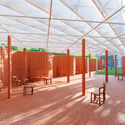
The 25th Serpentine Pavilion Designed by LANZA atelier Opens to the Public on June 6th, 2026

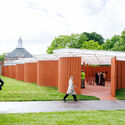
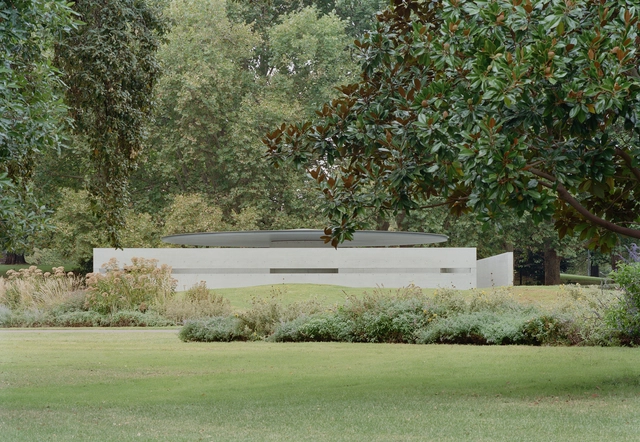
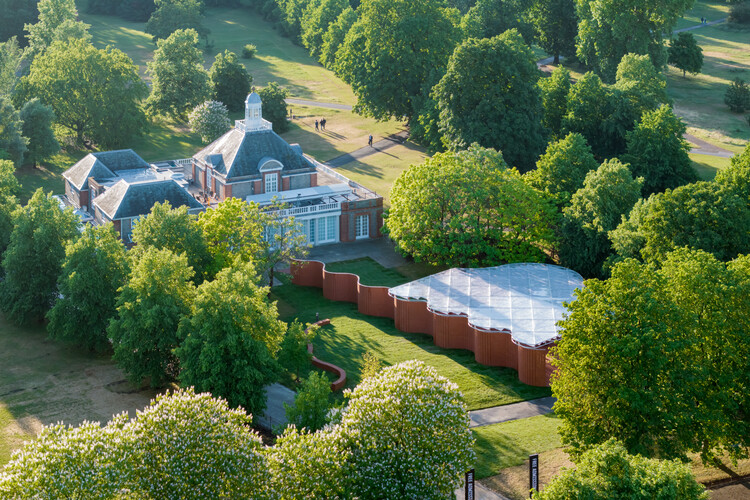
The 2026 Serpentine Pavilion, titled "a serpentine," designed by Mexico City-based architecture studio LANZA atelier, will open to the public on 6 June 2026 at Serpentine South in London. Newly released preview-days images show the completed structure ahead of its seasonal activation, which will run through 25 October 2026 and include Serpentine's annual programme of public events. Now in its 25th edition, the Serpentine Pavilion marks a milestone for the annual commission first launched in 2000 with Zaha Hadid's inaugural project. To commemorate the anniversary, Serpentine Galleries will also collaborate with the Zaha Hadid Foundation and the Architectural Association on a parallel programme reflecting on the Pavilion's legacy and its role in contemporary architectural discourse.

The 25th Serpentine Pavilion Designed by LANZA atelier Opens to the Public on June 6th, 2026 - Image 1 of 4The 25th Serpentine Pavilion Designed by LANZA atelier Opens to the Public on June 6th, 2026 - Image 2 of 4The 25th Serpentine Pavilion Designed by LANZA atelier Opens to the Public on June 6th, 2026 - Image 3 of 4The 25th Serpentine Pavilion Designed by LANZA atelier Opens to the Public on June 6th, 2026 - Image 4 of 4The 25th Serpentine Pavilion Designed by LANZA atelier Opens to the Public on June 6th, 2026 - More Images+ 2

LANZA atelier Reveals New Details for the 2026 Serpentine Pavilion

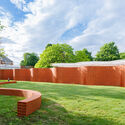
Mexican architecture practice LANZA atelier has unveiled new details for the 2026 Serpentine Pavilion, titled "a serpentine," which will open to the public on 6 June 2026 at Serpentine South. Designed by studio founders Isabel Abascal and Alessandro Arienzo, the project reinterprets the historic serpentine or crinkle-crankle wall through a lightweight brick structure integrated into the landscape of Hyde Park. Marking the 25th edition of the annual commission, the pavilion will remain on view through October 2026 and serve as a venue for Serpentine's public programme of performances, talks, screenings, and community events.

LANZA atelier Reveals New Details for the 2026 Serpentine Pavilion - Image 1 of 4LANZA atelier Reveals New Details for the 2026 Serpentine Pavilion - Image 2 of 4LANZA atelier Reveals New Details for the 2026 Serpentine Pavilion - Image 6 of 4LANZA atelier Reveals New Details for the 2026 Serpentine Pavilion - Image 4 of 4LANZA atelier Reveals New Details for the 2026 Serpentine Pavilion - More Images+ 3

"Calibrated Instability": Daryan Knoblauch on Building With Tension, Time, and Light

Daryan Knoblauch's work sits at the intersection of architecture and live cultural production, with a focus on how space is made legible through tension and atmosphere. Rather than treating temporary work as a lesser category of architecture, Knoblauch approaches installations, stages, and event architectures as full disciplinary problems—where enclosure, stability, light, and movement must be resolved with the same seriousness as any building, often under tighter constraints and faster timelines.

Across projects, a consistent thread is the productive tension between high-modern precision and an intentionally raw clarity of assembly. Membranes and lightweight systems are not deployed as surface effects, but as structural and spatial instruments—tuned to wind, load, and occupation, and calibrated to produce a sublimity that is felt as much as it is seen. Here, ephemerality is not simply a duration, but a design condition: temporality makes forces—weather, wear, performance—more visible, and demands an ethic of making that is both exacting and adaptable.

"Calibrated Instability": Daryan Knoblauch on Building With Tension, Time, and Light - Image 1 of 4"Calibrated Instability": Daryan Knoblauch on Building With Tension, Time, and Light - Image 2 of 4"Calibrated Instability": Daryan Knoblauch on Building With Tension, Time, and Light - Image 3 of 4"Calibrated Instability": Daryan Knoblauch on Building With Tension, Time, and Light - Image 4 of 4Calibrated Instability: Daryan Knoblauch on Building With Tension, Time, and Light - More Images+ 4

The Spatial Agency Gap: Rethinking Public Space through Co-Designing with Foreign Domestic Workers

Subscriber Access | 

Domestic workers in Hong Kong and Singapore are the city's quiet infrastructure. In Hong Kong alone, there are a total of roughly 300,000 domestic workers, serving a portion of the approximate 2.7 million households. Their care labor sustains dual-income family routines: childcare, eldercare, cooking, cleaning, and the everyday logistics that make professional life possible. Yet the people who hold this balance together remain largely invisible in policy—and, crucially, in space.
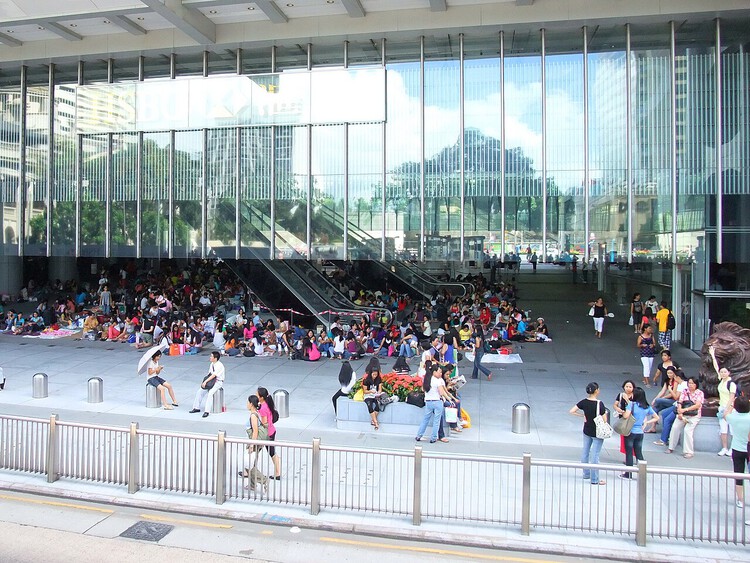
On Sundays in Hong Kong's financial district, that invisibility becomes visible. Elevated walkways and podium forecourts—underused on weekends—turn into ad-hoc commons. With cardboard mats, small tents, towels, food and water, and a music speaker or two, domestic workers assemble places to sit, rest, and socialize. These improvised rooms in the city are often their only chance to exercise spatial agency—something they rarely have in the homes they maintain or in formal public infrastructure. In the absence of sanctioned, serviced places for rest, quieter bridges and passages become practical stand-ins.

The Spatial Agency Gap: Rethinking Public Space through Co-Designing with Foreign Domestic Workers - Image 1 of 4The Spatial Agency Gap: Rethinking Public Space through Co-Designing with Foreign Domestic Workers - Image 2 of 4The Spatial Agency Gap: Rethinking Public Space through Co-Designing with Foreign Domestic Workers - Image 3 of 4The Spatial Agency Gap: Rethinking Public Space through Co-Designing with Foreign Domestic Workers - Image 4 of 4The Spatial Agency Gap: Rethinking Public Space through Co-Designing with Foreign Domestic Workers - More Images+ 17

The Chilean Architecture Biennial Revives a Church Ruin as a Temporary Pavilion

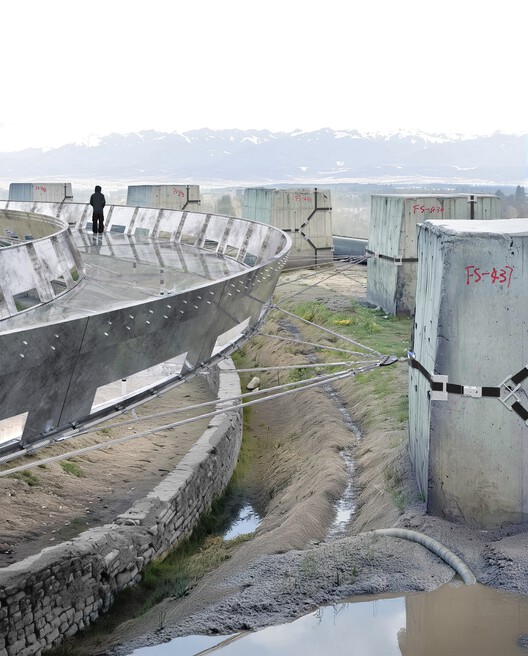
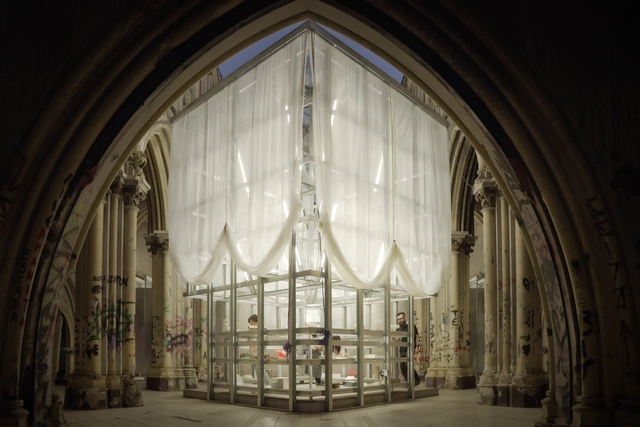
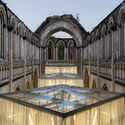
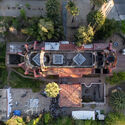
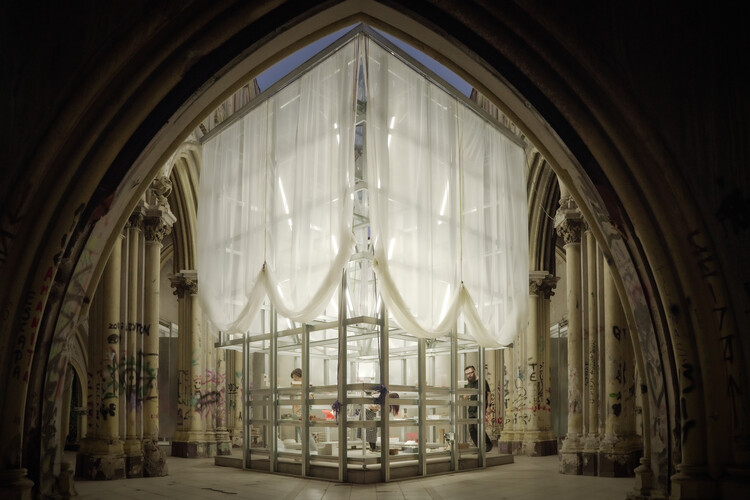
Between September 25 and October 5, 2025, the XXIII Chilean Architecture and Urbanism Biennial took place in Santiago. Under the title "DOUBLE EXPOSURE: (re)program · (re)adapt · (re)construct," the event was organized around the idea of "understanding architecture not as the production of the new, but as the ability to reactivate what already exists." Based on this premise, the curatorial team, composed of Ángela Carvajal and Sebastián López (Anagramma Arquitectes) together with Óscar Aceves, conceived a circuit of eight venues located in downtown Santiago. Their goal was to revive and reclaim urban spaces through a series of free public activities that drew around 70,000 visitors. Among the reactivated sites, the ruins of the San Francisco de Borja Church stood out. Burned during the social outburst of October 2019, the site hosted a temporary pavilion that served as a venue for talks, readings, art installations, discussions, and community events.

The Chilean Architecture Biennial Revives a Church Ruin as a Temporary Pavilion - Image 1 of 4The Chilean Architecture Biennial Revives a Church Ruin as a Temporary Pavilion - Image 2 of 4The Chilean Architecture Biennial Revives a Church Ruin as a Temporary Pavilion - Image 3 of 4The Chilean Architecture Biennial Revives a Church Ruin as a Temporary Pavilion - Image 4 of 4The Chilean Architecture Biennial Revives a Church Ruin as a Temporary Pavilion - More Images+ 17

Adjaye Associates Unveil First Phase of Barbados National Performing Arts Centre

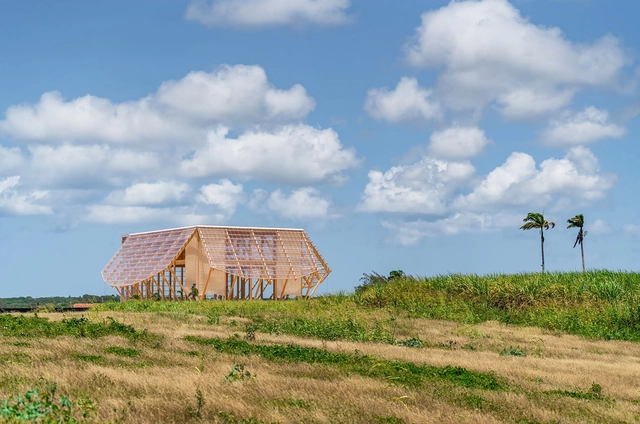
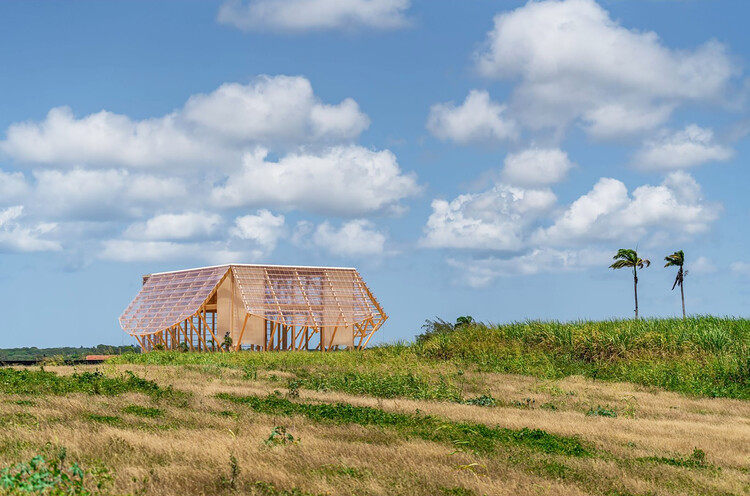
The first phase of the Barbados National Performing Arts Centre, designed by Adjaye Associates, has officially opened in Bridgetown, marking the commencement of a significant cultural initiative. Originally conceived as a temporary pavilion for Carifesta XV, the timber structure serves as both a functional venue for performances and the foundation for the forthcoming 85,000-square-foot permanent complex, slated for completion in 2026. Developed in collaboration with structural engineer StructureCraft, the project features mass timber construction, low-carbon design strategies, and adaptive reuse of components. This approach provides Barbadians with a "meanwhile use" venue while laying the groundwork for a future national hub within the Barbados Heritage District.

Adjaye Associates Unveil First Phase of Barbados National Performing Arts Centre - Image 1 of 4Adjaye Associates Unveil First Phase of Barbados National Performing Arts Centre - Image 2 of 4Adjaye Associates Unveil First Phase of Barbados National Performing Arts Centre - Image 3 of 4Adjaye Associates Unveil First Phase of Barbados National Performing Arts Centre - Image 4 of 4Adjaye Associates Unveil First Phase of Barbados National Performing Arts Centre - More Images+ 15

The City as a Laboratory of Processes: A Decade of Urban Experimentation with Concéntrico

Subscriber Access | 

As cities continue to develop, we are seeing ever more well-planned, thoroughly executed, and tightly regulated approaches to shaping urban centres and their surrounding spaces—for better and for worse. As codes, restrictions, and guidelines improve and tighten, urban environments become safer, more balanced, and less prone to surprise. Yet the flip side is that highly managed districts can drift toward over-order and sanitisation, shedding the messy, accretive character that once produced alleyways, residual spaces, and unexpected sequences of movement—conditions often born from ongoing community improvisation in the grey zones of regulation.

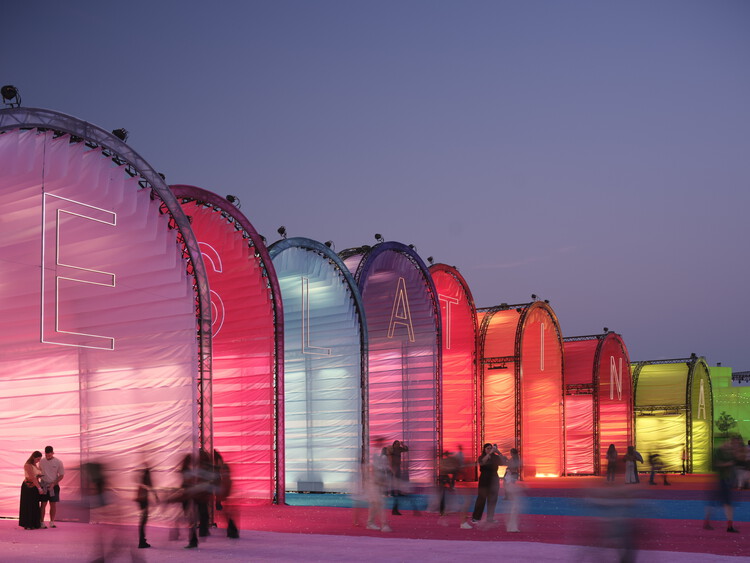
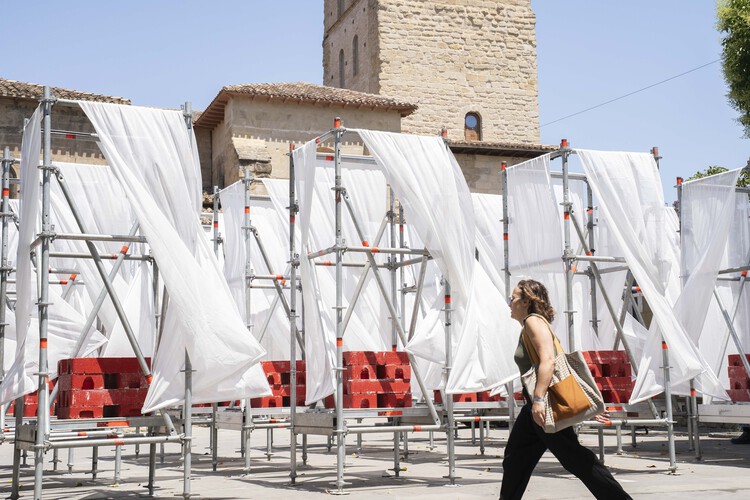
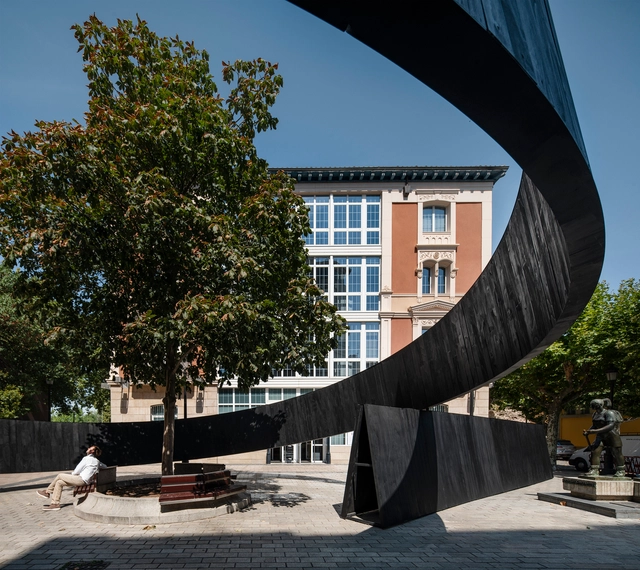
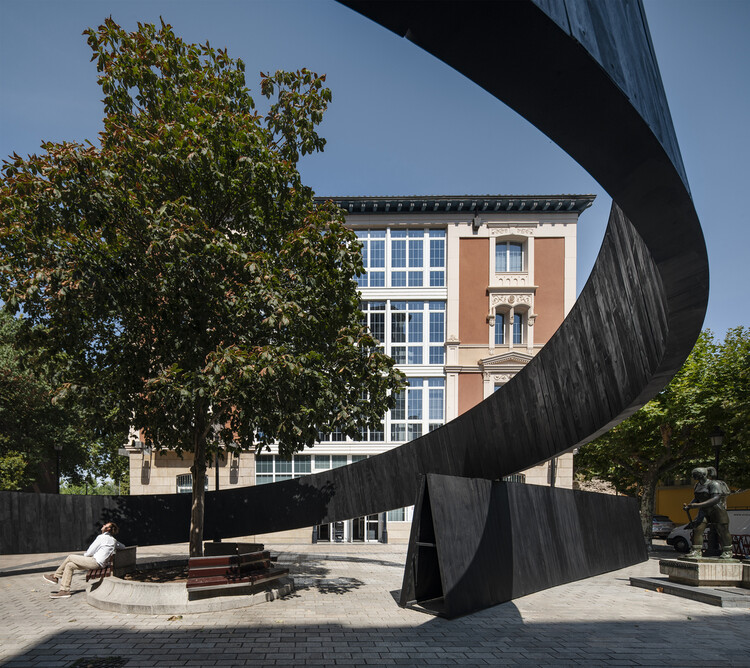
In response, a growing number of initiatives around the world are proposing short-term urban installations that test alternate futures for the city. These works aim to provoke dialogue between what the city is and what it could offer its communities through thoughtful, context-specific spatial practices. One notable example is Concéntrico, the international festival in Logroño, Spain, conceived as an urban innovation laboratory. Marking its tenth edition, the festival is about to publish Concéntrico: Urban Innovation Laboratory, a book that surveys a decade of urban design and collective transformation shaped through successive editions of the festival. Its launch is paired with an international tour designed to share a decade of insights on collective transformation and design.

The City as a Laboratory of Processes: A Decade of Urban Experimentation with Concéntrico - Image 1 of 4The City as a Laboratory of Processes: A Decade of Urban Experimentation with Concéntrico - Image 2 of 4The City as a Laboratory of Processes: A Decade of Urban Experimentation with Concéntrico - Image 3 of 4The City as a Laboratory of Processes: A Decade of Urban Experimentation with Concéntrico - Image 4 of 4The City as a Laboratory of Processes: A Decade of Urban Experimentation with Concéntrico - More Images+ 32

Between Fantasy and Reality: Aldo Rossi's Floating Teatro del Mundo for the First Venice Architecture Biennale

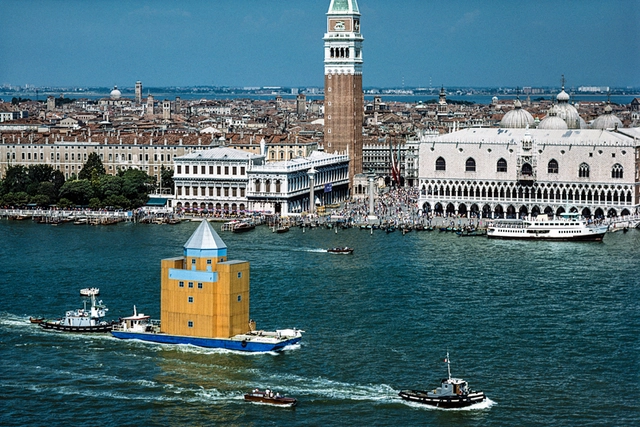
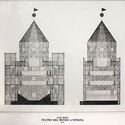
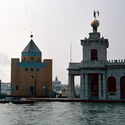
The first edition of the Venice Architecture Biennale took place in 1980, immediately revealing its role as a platform for images and ideas that would become essential references in contemporary architectural theory and practice. This disruptive character was embodied from the very beginning by the strangely familiar floating structure designed by Aldo Rossi, titled Teatro del Mondo. At once temporary and archetypal, the project introduced central themes that would shape Italian architectural discourse in the years that followed. To this day, it continues to inspire reflections on timelessness, imagination, and the memory embedded in cities.

Between Fantasy and Reality: Aldo Rossi's Floating Teatro del Mundo for the First Venice Architecture Biennale - Image 1 of 4Between Fantasy and Reality: Aldo Rossi's Floating Teatro del Mundo for the First Venice Architecture Biennale - Image 2 of 4Between Fantasy and Reality: Aldo Rossi's Floating Teatro del Mundo for the First Venice Architecture Biennale - Image 3 of 4Between Fantasy and Reality: Aldo Rossi's Floating Teatro del Mundo for the First Venice Architecture Biennale - Image 4 of 4Between Fantasy and Reality: Aldo Rossi's Floating Teatro del Mundo for the First Venice Architecture Biennale - More Images

Conservation Campaign by Melbourne Citizens Successfully Extends Tadao Ando’s MPavilion until 2030

Every year, the Naomi Milgrom Foundation commissions an architect to design a temporary pavilion for the Queen Victoria Gardens, in the center of Melbourne's Southbank Arts Precinct. The pavilions are then transferred to the state of Victoria. The tenth edition of the MPavilion was designed by Pritzker Prize Laureate Tadao Ando as his first and only built work in Australia and the southern hemisphere. The pavilion opened on November 16, 2023, and its presence was extended until March 2025, hosting a wide-ranging program of cultural events over two summer seasons. After facing demolition, given the temporary nature of the initiative, a community-led program, "Preserve the Pavilion", was launched in hopes of preserving the building. The Naomi Milgrom Foundation has recently announced that the pavilion will remain in Queen Victoria Gardens until 2030, following a decision by the City of Melbourne.
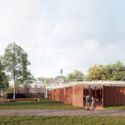
Conservation Campaign by Melbourne Citizens Successfully Extends Tadao Ando’s MPavilion until 2030 - Image 1 of 4Conservation Campaign by Melbourne Citizens Successfully Extends Tadao Ando’s MPavilion until 2030 - Image 2 of 4Conservation Campaign by Melbourne Citizens Successfully Extends Tadao Ando’s MPavilion until 2030 - Image 3 of 4Conservation Campaign by Melbourne Citizens Successfully Extends Tadao Ando’s MPavilion until 2030 - Image 4 of 4Conservation Campaign by Melbourne Citizens Successfully Extends Tadao Ando’s MPavilion until 2030 - More Images+ 4

On Designing National Pavilions: Power and Identity at Universal Exhibitions

Subscriber Access | 

What can a pavilion’s architecture reveal about its country? At major World Expos, national pavilions are designed to answer this question, transforming into spaces laden with symbolism. Though temporary, these structures are rich in meaning, functioning as architectural expressions of political identity. Their forms and materials encapsulate national ambitions. Expo Osaka 2025, the latest chapter in this ongoing narrative, showcases how nations increasingly use built space to construct global images of themselves—sustainable, technological, culturally distinct, and geopolitically relevant.

On Designing National Pavilions: Power and Identity at Universal Exhibitions - Image 1 of 4On Designing National Pavilions: Power and Identity at Universal Exhibitions - Image 2 of 4On Designing National Pavilions: Power and Identity at Universal Exhibitions - Image 3 of 4On Designing National Pavilions: Power and Identity at Universal Exhibitions - Image 4 of 4On Designing National Pavilions: Power and Identity at Universal Exhibitions - More Images+ 10

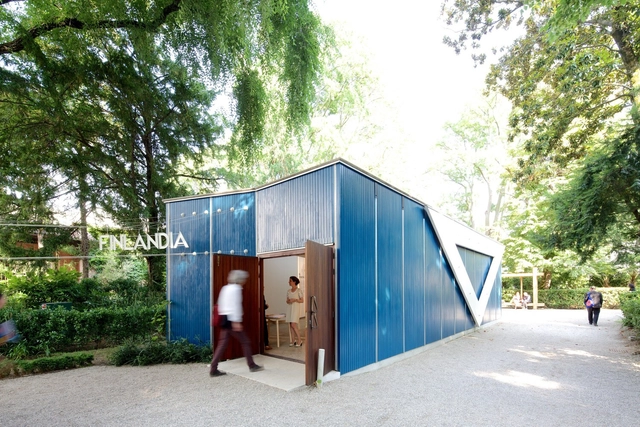
AD Classics: Finnish Pavilion at the Venice Biennale / Alvar Aalto + Elissa Aalto

Venice, Italy

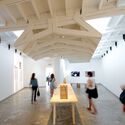
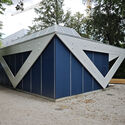
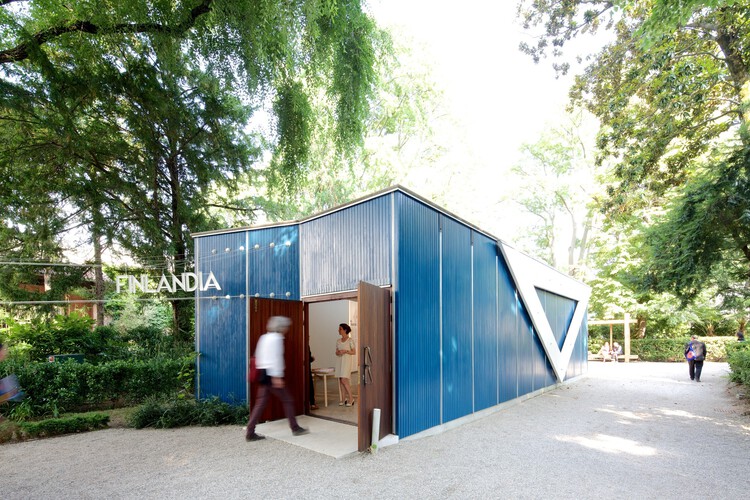
Tucked within the leafy confines of the Giardini della Biennale in Venice stands a structure modest in scale yet immense in quiet conviction: the Finland Pavilion, designed by Alvar and Elissa Aalto for the 1956 Venice Biennale. Unlike the monumental pavilions that surround it, Aalto's structure was conceived not as a permanent structure, but as a temporary exhibition space for a single exhibition season. And yet, nearly seventy years on, it remains—weathered, resilient, and quietly luminous.
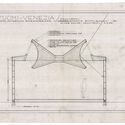
AD Classics: Finnish Pavilion at the Venice Biennale / Alvar Aalto + Elissa Aalto - Interior PhotographyAD Classics: Finnish Pavilion at the Venice Biennale / Alvar Aalto + Elissa Aalto - Image 2 of 5AD Classics: Finnish Pavilion at the Venice Biennale / Alvar Aalto + Elissa Aalto - Image 3 of 5AD Classics: Finnish Pavilion at the Venice Biennale / Alvar Aalto + Elissa Aalto - Exterior PhotographyAD Classics: Finnish Pavilion at the Venice Biennale / Alvar Aalto + Elissa Aalto - More Images+ 21

Serpentine Reveals New Details of Marina Tabassum's "A Capsule in Time" 2025 Pavilion

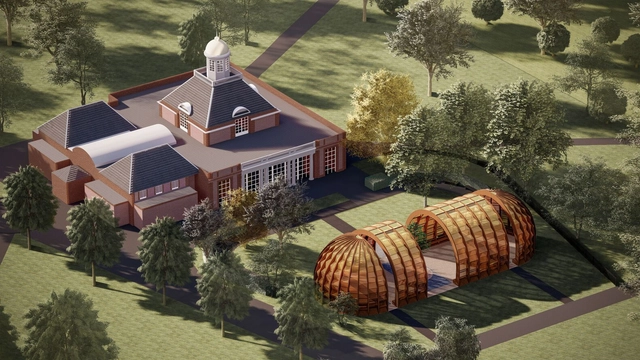
Bangladeshi architect and educator Marina Tabassum and her firm, Marina Tabassum Architects, have been selected to design the 2025 Serpentine Pavilion. Titled "A Capsule in Time," the proposal takes inspiration from the ephemeral nature of architecture in the Bengal Delta, incorporating a semi-transparent structure intended to evoke a sense of community and connection. The Pavilion will open to the public on June 6th, until 26 October 2025, with a press preview two days before the opening. Tabassum's pavilion will mark the 25th year since the Serpentine's first commission of Zaha Hadid's inaugural structure in Hyde Park in 2000.

The Luxembourg Pavilion, Designed by STDM and Mikan, Explores Rhythms and Modularity at Expo Osaka 2025

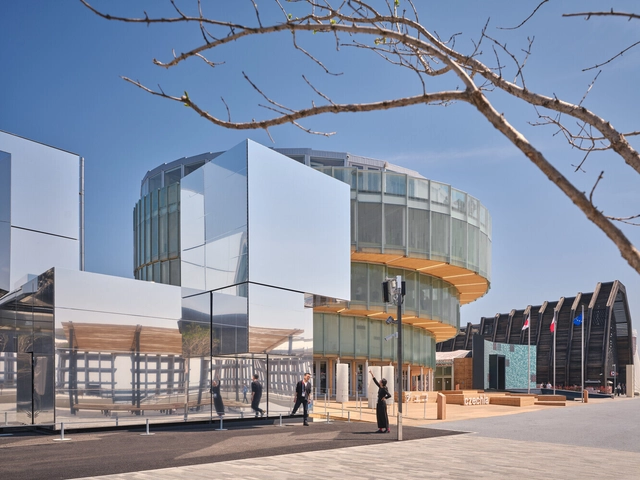
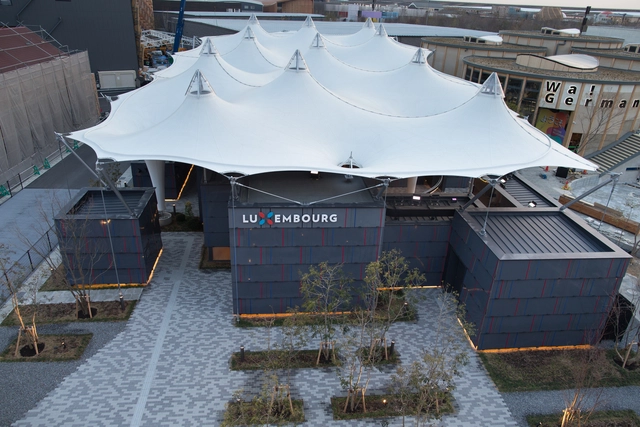
The Luxembourg national pavilion, designed by Luxembourg-based office STDM architectes urbanistes in collaboration with Japanese office MIKAN, with the concept of "Doki-Doki –The Luxembourg Heartbeat," has just opened its doors at the Osaka 2025 World Expo. The pavilion takes its name from the Japanese term for heartbeat, aiming to express joy and enthusiasm while strengthening the connection between the two countries. It also strives to offer visitors a chance to discover the cultural richness of Luxembourg and its multifaceted identity.

The Luxembourg Pavilion, Designed by STDM and Mikan, Explores Rhythms and Modularity at Expo Osaka 2025 - Image 1 of 4The Luxembourg Pavilion, Designed by STDM and Mikan, Explores Rhythms and Modularity at Expo Osaka 2025 - Image 2 of 4The Luxembourg Pavilion, Designed by STDM and Mikan, Explores Rhythms and Modularity at Expo Osaka 2025 - Image 3 of 4The Luxembourg Pavilion, Designed by STDM and Mikan, Explores Rhythms and Modularity at Expo Osaka 2025 - Image 4 of 4The Luxembourg Pavilion, Designed by STDM and Mikan, Explores Rhythms and Modularity at Expo Osaka 2025 - More Images+ 29

From Common Sight to Cultural Symbol: The Rise and Decline of Bamboo Scaffolding in Hong Kong

Subscriber Access | 

The bamboo scaffolding building typology—temporary, agile, and deeply rooted in tradition—particularly, the bamboo shed theatre building technique, is recognized as an item of Intangible Cultural Heritage in Hong Kong. As one walks through the city, especially in busy urban districts, it's nearly impossible not to encounter a bamboo scaffold within a five-minute radius. Bamboo scaffolding is arguably the most iconic construction material in Hong Kong, valued for its abundance, sustainability, flexibility, adaptability, and—most importantly—scalability. These qualities have contributed to its widespread use in temporary construction, from building maintenance and renovations to festival stages and sporting events.

However, this once-ubiquitous feature of the urban landscape may be slowly fading from view. A dwindling pool of skilled, younger workers—combined with evolving construction regulations—has contributed to its decline. On March 17, the Development Bureau announced plans to "drive a wider adoption of metal scaffolds in public building works." In practice, this means the Architectural Services Department (ArchSD) will soon require at least 50% of its capital works projects to utilize metal scaffolding. While not a formal ban, the policy signals what many see as the beginning of a gradual phase-out of bamboo scaffolding in public-sector construction.

From Common Sight to Cultural Symbol: The Rise and Decline of Bamboo Scaffolding in Hong Kong - Image 1 of 4From Common Sight to Cultural Symbol: The Rise and Decline of Bamboo Scaffolding in Hong Kong - Image 2 of 4From Common Sight to Cultural Symbol: The Rise and Decline of Bamboo Scaffolding in Hong Kong - Image 3 of 4From Common Sight to Cultural Symbol: The Rise and Decline of Bamboo Scaffolding in Hong Kong - Image 4 of 4From Common Sight to Cultural Symbol: The Rise and Decline of Bamboo Scaffolding in Hong Kong - More Images+ 15

Winter Stations Unveils Six Winning Installations at Toronto's Woodbine Beach in 2025

The Winter Stations annual design competition celebrates its 11th edition in 2025. The competition challenges international artists and designers to reimagine lifeguard stations as captivating, interactive art installations. Designed to harmonize with the environment at Woodbine Beach in Toronto, Canada, these installations encourage immersive engagement with art in a public space, offering a transformative experience. Following its 10th anniversary in 2024, Winter Stations introduced an additional challenge, inviting participants to consider the future of the stations and their evolving relationship with the public and the environment. The theme for the 2025 edition, Dawn, calls on designers to explore how the stations can adapt, grow, and transform in the coming years.

Winter Stations Unveils Six Winning Installations at Toronto's Woodbine Beach in 2025 - Image 1 of 4Winter Stations Unveils Six Winning Installations at Toronto's Woodbine Beach in 2025 - Image 2 of 4Winter Stations Unveils Six Winning Installations at Toronto's Woodbine Beach in 2025 - Image 3 of 4Winter Stations Unveils Six Winning Installations at Toronto's Woodbine Beach in 2025 - Image 4 of 4Winter Stations Unveils Six Winning Installations at Toronto's Woodbine Beach in 2025 - More Images+ 53

Climate-Responsive Temporary Pavilions: Exploring 4 Ephemeral Structures across Europe

Subscriber Access | 

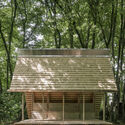
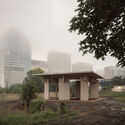
Pavilions offer architects a unique opportunity to experiment, serving as compact spaces that push the boundaries of design and spatial concepts. Free from many conventional functional constraints, these structures allow for artistic expression and the testing of new technologies. Pavilions often act as living laboratories of architecture, positioned in public or cultural contexts. They transform their surroundings into interactive, memorable experiences, providing a stage for architects to showcase their most innovative ideas. In recent years, climate responsiveness has emerged as a crucial focus in pavilion design. By using temporary structures as a testing ground for more sustainable practices, architects can experiment with alternative materials and environmentally conscious approaches that address the climate crisis.

Climate-Responsive Temporary Pavilions: Exploring 4 Ephemeral Structures across Europe - Image 1 of 4Climate-Responsive Temporary Pavilions: Exploring 4 Ephemeral Structures across Europe - Image 2 of 4Climate-Responsive Temporary Pavilions: Exploring 4 Ephemeral Structures across Europe - Image 3 of 4Climate-Responsive Temporary Pavilions: Exploring 4 Ephemeral Structures across Europe - Image 4 of 4Climate-Responsive Temporary Pavilions: Exploring 4 Ephemeral Structures across Europe - More Images+ 3

Ephemeral Architectures: Engaging Communities through Temporary Structures

Subscriber Access | 

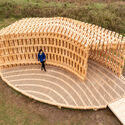
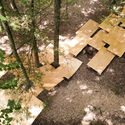
Ephemeral architectures, characterized by their temporary and flexible nature, have emerged as powerful tools for revitalizing urban spaces and fostering architectural creativity. These transient installations transform public areas, engaging communities, and prompting reflections on the potential futures of our cities. By temporarily transforming environments, ephemeral architectures encourage both architects and the public to reimagine the possibilities of urban living. This dynamic interplay, between the temporary and the permanent, challenges traditional architectural practices and opens up new avenues for sustainable and inclusive urban development.

Ephemeral Architectures: Engaging Communities through Temporary Structures - Image 1 of 4Ephemeral Architectures: Engaging Communities through Temporary Structures - Image 2 of 4Ephemeral Architectures: Engaging Communities through Temporary Structures - Image 3 of 4Ephemeral Architectures: Engaging Communities through Temporary Structures - Image 4 of 4Ephemeral Architectures: Engaging Communities through Temporary Structures - More Images+ 32

Addressing Racism in Sports Through Immersive Architectural Design: Yinka Ilori Imagines Reflective Pavilion for Haus der Kulturen der Welt in Berlin, Germany

British-Nigerian multi-disciplinary artist and designer Yinka Ilori MBE has designed a pavilion as part of Haus der Kulturen der Welt’s (HKW) festival in Berlin. The festival, titled Ballet of the Masses - On Football and Catharsis, initiated an annual pavilion in 2023, and this year’s pavilion dresses intricate questions of coexistence through its materiality and form. Part of the Shaped to the Measure of the People’s Songs architectural series, Yinka Illori’s pavilion crafts a spatial proposition that explores complex themes of racism in sports and personal accountability.

Addressing Racism in Sports Through Immersive Architectural Design: Yinka Ilori Imagines Reflective Pavilion for Haus der Kulturen der Welt in Berlin, Germany  - Image 1 of 4Addressing Racism in Sports Through Immersive Architectural Design: Yinka Ilori Imagines Reflective Pavilion for Haus der Kulturen der Welt in Berlin, Germany  - Image 2 of 4Addressing Racism in Sports Through Immersive Architectural Design: Yinka Ilori Imagines Reflective Pavilion for Haus der Kulturen der Welt in Berlin, Germany  - Image 3 of 4Addressing Racism in Sports Through Immersive Architectural Design: Yinka Ilori Imagines Reflective Pavilion for Haus der Kulturen der Welt in Berlin, Germany  - Image 4 of 4Addressing Racism in Sports Through Immersive Architectural Design: Yinka Ilori Imagines Reflective Pavilion for Haus der Kulturen der Welt in Berlin, Germany  - More Images+ 5