Almaty: The Latest Architecture and News
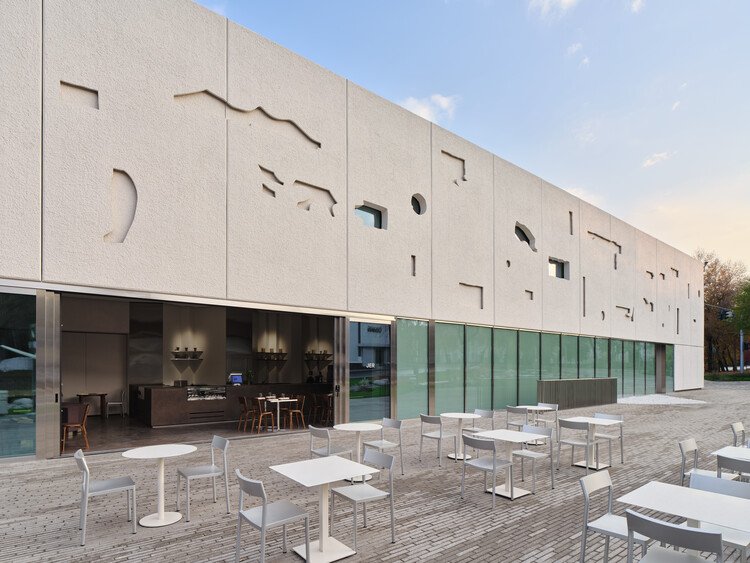
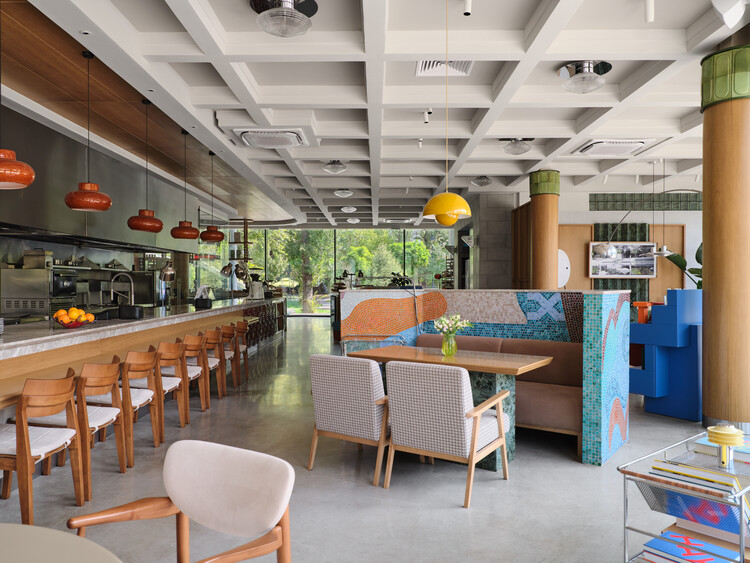
JER café at Tselinny Center of Contemporary Culture / NAAW
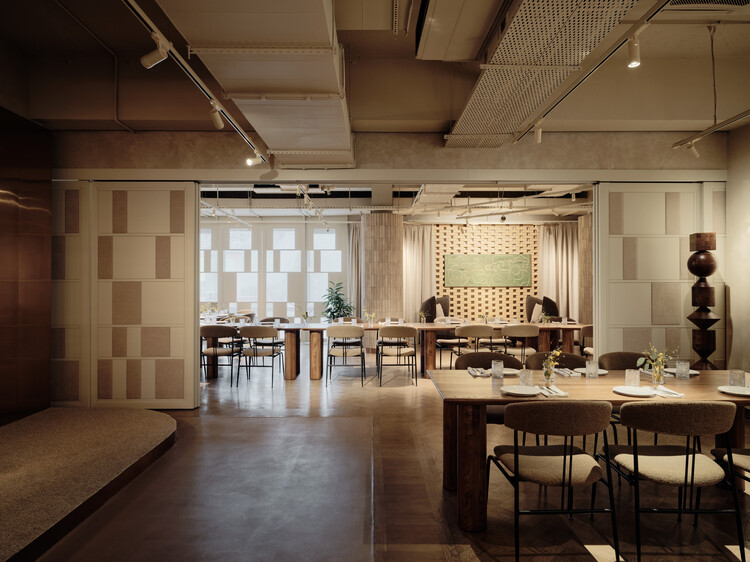
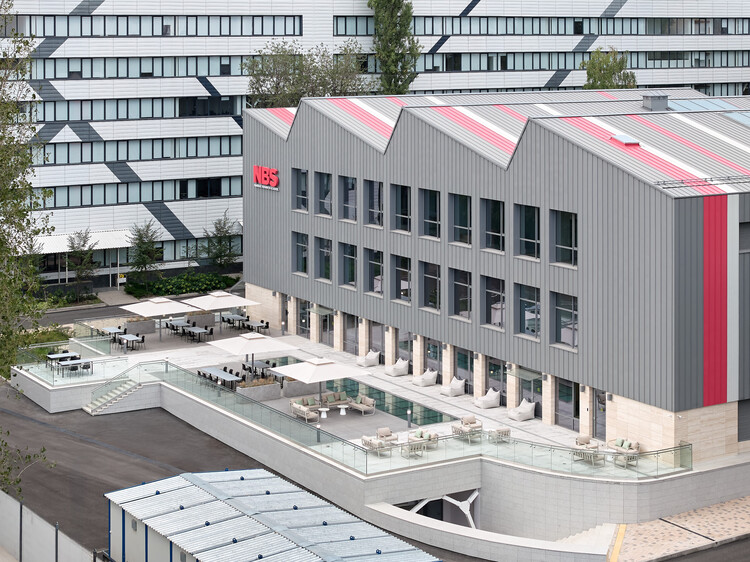
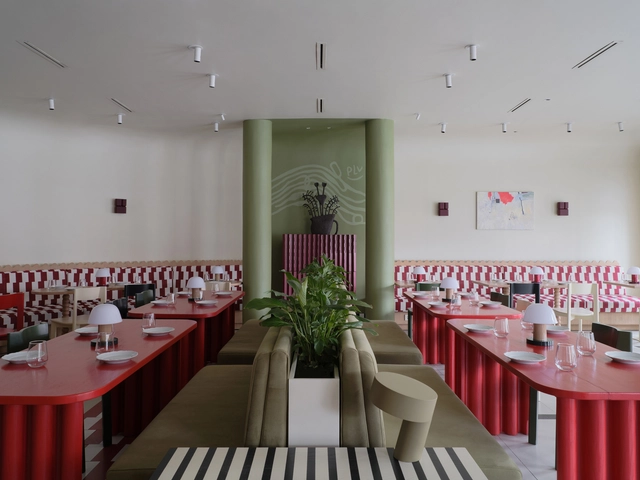
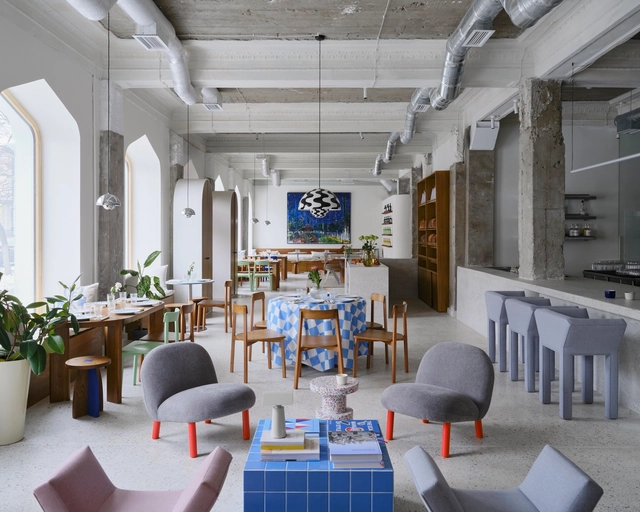
TAL family restaurant / NAAW
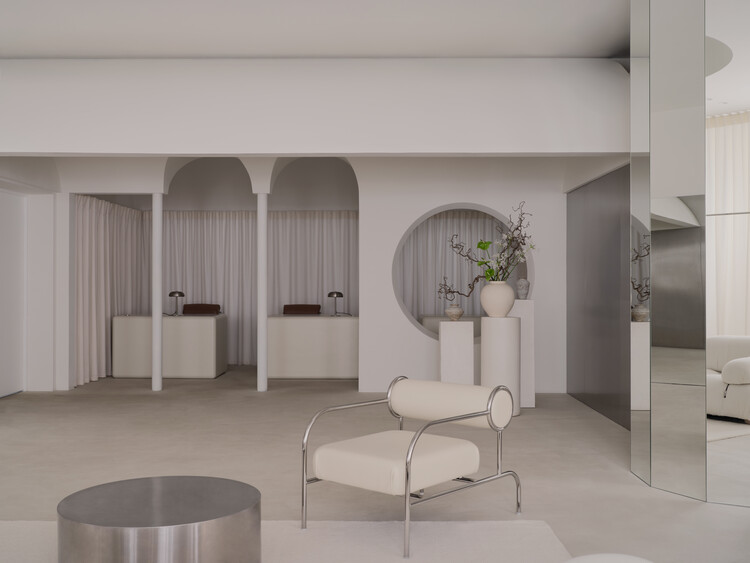
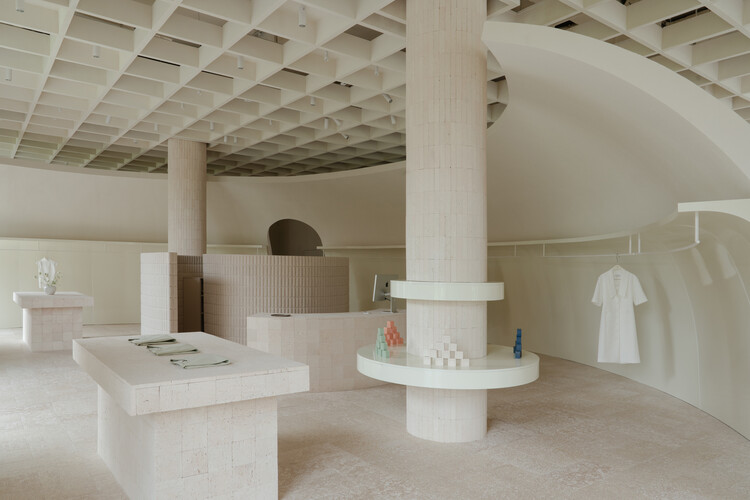
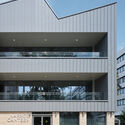
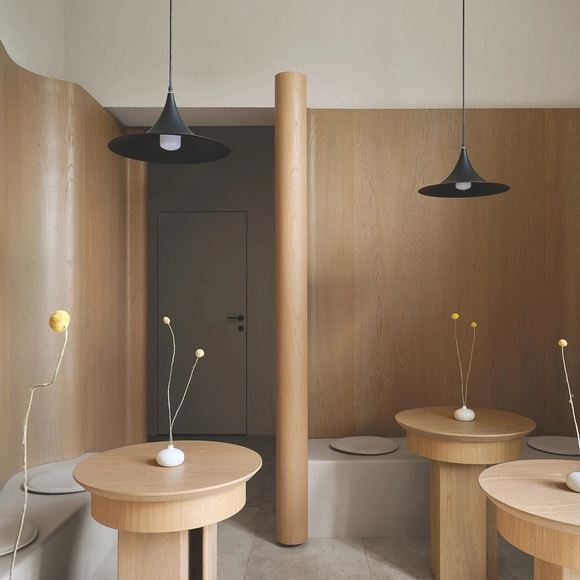
Malli Showroom / UP2DATE architects

-
Architects: UP2DATE architects
- Area: 120 m²
- Year: 2025
-
Manufacturers: B&B Italia, Cappellini
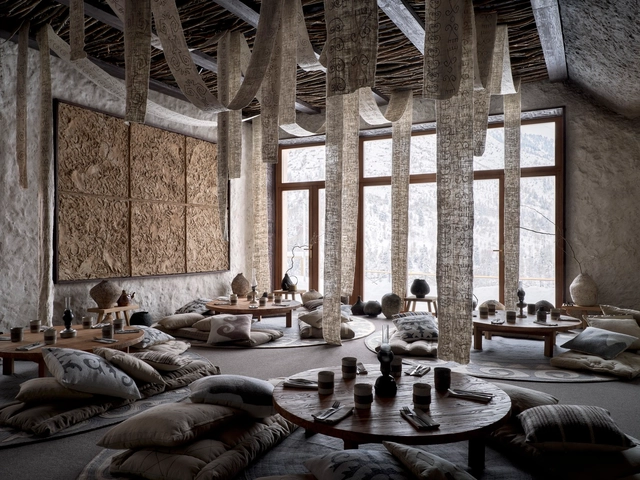
Messa House / UP2DATE architects

-
Architects: UP2DATE architects
- Area: 350 m²
- Year: 2025
SOM Designs Landmark Mixed-Use Tower Complex for the New City of Alatau in Kazakhstan

On March 5, 2026, Skidmore, Owings & Merrill (SOM) revealed images of a new landmark project in Kazakhstan, in Central Asia. The project consists of two towers, the "Iconic Complex," and a master plan for the area, the "Gateway District." The complex is located in Alatau, a new city along the Almaty–Qonaev highway planned to become an international investment hub. A strategic project for the country, the city's master plan extends through 2050, with the first phase of major infrastructure projects scheduled for completion by 2030. Within this context, SOM's design is expected to serve as the city's economic and administrative nucleus, establishing the central business district of Alatau City and setting a benchmark for future investment projects in the area.
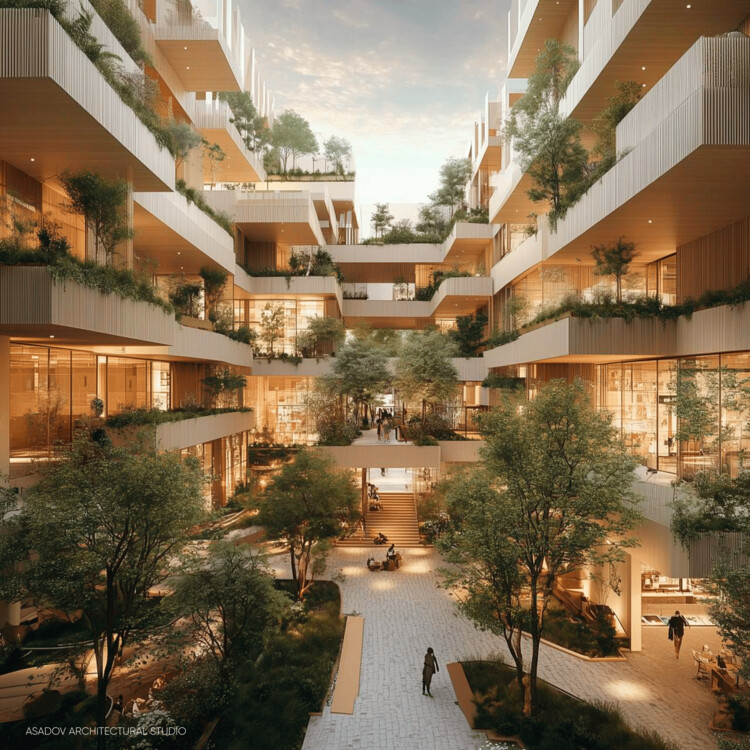
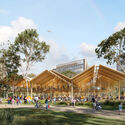
7 Unbuilt Masterplans Reimagining Urban Futures Through Ecology and Collective Space

Urban masterplans remain an exploratory ground for unbuilt speculation, offering insight into how cities might recalibrate mobility, ecology, and collective life in response to accelerating environmental and social pressures. In this Unbuilt edition, submitted by the ArchDaily community, the selected projects bring together a range of large-scale proposals that examine urban centers, waterfront districts, infrastructural corridors, and cultural landscapes as spatial frameworks for reconnection and resilience. Rather than treating the masterplan as a rigid blueprint, these projects approach urbanism as an adaptive system shaped by climate, topography, infrastructure, and public space.
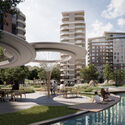
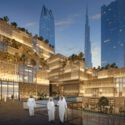
Across varied geographies, from Northern European town centers and Mediterranean coastal districts to Central Asian polycentric hubs and Gulf megacities, the proposals explore diverse architectural and urban strategies. They range from park-led civic transformations built over highway tunnels to elevated pedestrian networks above active transport systems, mixed-use blocks structured by historic planning logics, marina developments integrating environmental stewardship, and research-driven models for equitable landscape urbanization.
Aqqu Central Café / AT interiors

-
Architects: AT interiors
- Area: 1150 m²
- Year: 2025
-
Manufacturers: &Tradition, Audo Copenhagen, Flos, miniforms
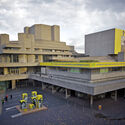
London’s Brutalist Heritage and Australia’s New City: This Week’s Review

This week's news brings together developments in professional recognition, cultural programming, and large-scale urban strategy, reflecting the multiple scales at which architecture shapes contemporary discourse. As the field anticipates the next Pritzker Architecture Prize announcement, conversations around authorship, civic responsibility, and long-term impact unfold alongside the American Institute of Architects' 2026 Honorary Fellowship appointments, situating individual achievement within broader institutional frameworks. At the same time, updates from Riyadh to London foreground the role of architecture in both enabling new cultural platforms and safeguarding post-war heritage. Complementing these narratives, the reassignment of the 2029 Asian Winter Games and progress on expansive public landscapes highlight how cities are aligning infrastructure delivery, environmental resilience, and territorial planning with long-term economic and social agendas.
Kazakhstan's Almaty Named Host City of the 2029 Asian Winter Games After NEOM's Trojena Withdrawal

On February 5, 2026, Almaty, Kazakhstan's largest metropolis, was officially declared the host city of the 2029 Asian Winter Games. The Host City Contract was signed between the Olympic Council of Asia (OCA) and the National Olympic Committee of the Republic of Kazakhstan during a ceremony in Milan, Italy, one of the host cities of the ongoing Winter Olympics. Established in 1986 in Sapporo, Japan, the Asian Winter Games will mark their tenth edition in 2029 and are held approximately every four years. The announcement follows an earlier decision to postpone the Games, which were originally scheduled to take place in the Trojena ski resort, masterplanned by LAVA and currently under construction as part of the NEOM mega-project in Saudi Arabia.
Narxoz University Business School / AGP Architects

-
Architects: AGP Architects
- Area: 6640 m²
- Year: 2024
-
Manufacturers: VEKA, Armstrong ceilings, Balta
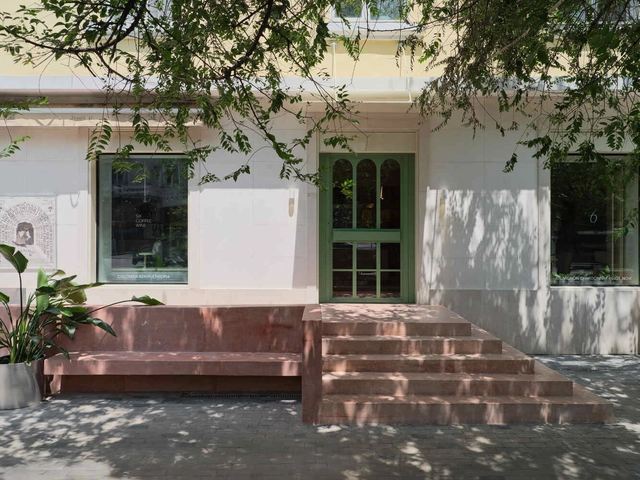
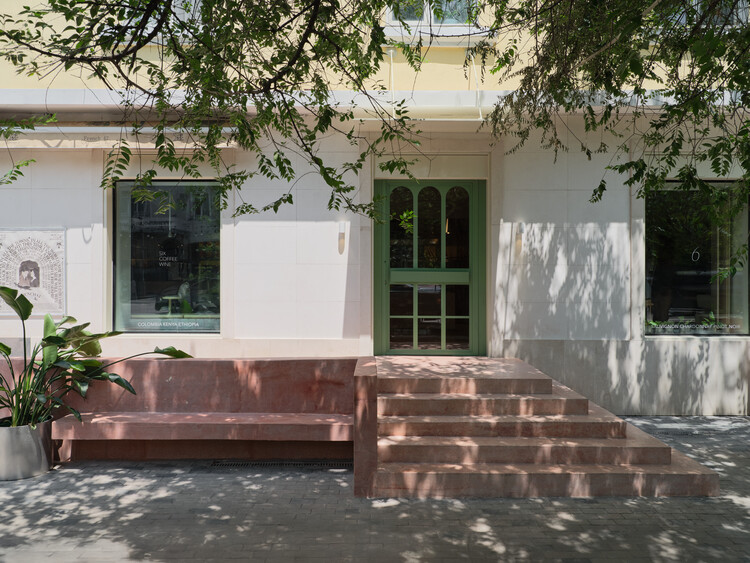
Six Coffee + Wine cafe / NAAW
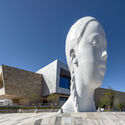
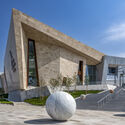
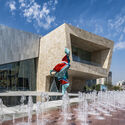
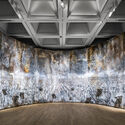
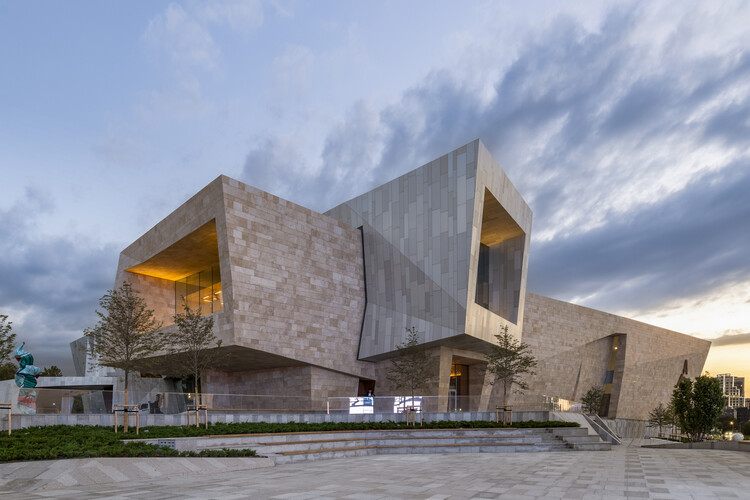
Almaty Museum of Arts by Chapman Taylor Opens in Kazakhstan

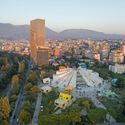
The Almaty Museum of Arts has opened in Kazakhstan, establishing a new cultural institution dedicated to contemporary art in Central Asia and internationally. Designed by Chapman Taylor, the museum is located at the foothills of the Tian Shan mountains and encompasses 10,060 square meters. The design draws inspiration from the contrast between the city of Almaty and its mountainous surroundings, a relationship expressed through two interconnecting limestone and aluminium-clad volumes. These are organized around a central, light-filled atrium referred to as the "Art Street," which serves as the primary circulation and gathering space.
Pasta La Vista Bistro / NAAW
Kosh Coffee Shop / UP2DATE architects
Auyl Restaurant / NAAW + DUNIE
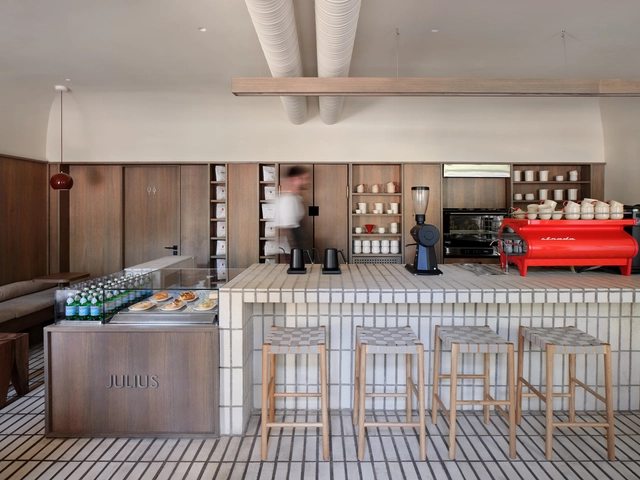
Julius Café / NAAW

-
Architects: NAAW
- Area: 42 m²
- Year: 2022
-
Manufacturers: Feldhaus Klinker
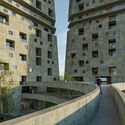
Brutalism in Central Asia: The Eastern Influences that Shaped Soviet Architecture

In the second half of the 20th century, Soviet architecture has spread a common aesthetic across highly diverse environments, being an integral part in promoting the totalitarian ideology that disregarded local cultures, envisioning a unified, homogenous society. Nevertheless, in practice, the architecture proved itself susceptible to adaptations and local influences, perhaps nowhere more than in Central Asia. The article looks at the architectural heritage of a geographical area largely excluded from the Western-centric narratives on Soviet Modernism, encouraging a re-reading of a layered and nuanced urban landscape, with images by Roberto Conte and Stefano Perego.