(1).png)
ArchDaily is proud to announce the winners of the 2026 Next Practices Awards, recognizing 20 emerging and forward-thinking practices expanding the possibilities of architecture today.
Now in its sixth edition, Next Practices continues to look beyond conventional definitions of the profession to identify the people, ideas, and methodologies driving the discipline. The 2026 edition is our strongest and most globally representative to date, bringing together different approaches, scales, and contexts that broaden our understanding of how and by whom architecture is being practiced.
From extreme climates to rural communities, informal cities, and territories affected by displacement and environmental vulnerability, this year's selection engages with a wide range of realities. Drawing from engineering, ecology, digital fabrication, material research, vernacular and Indigenous knowledge, advocacy, and critical research, these practices reflect what is "next": the capacity to respond to specific conditions and actively shape the world around them.
The Selection Process
The 2026 selection followed a rigorous process that combined ArchDaily's global editorial perspective with the expertise of an external jury. Throughout the year, our editors researched and nominated outstanding practices to create a longlist, which was then evaluated by our guest jurors.
This year's jury included Nicolas Fayad and Charles Kettaneh, Founders of EAST Architecture Studio; Susana Rojas Saviñón, Co-Founder of Estudio Ome (one of the winners of the ArchDaily 2025 Next Practices Awards); Javier Ors Ausín, Director of Thematic Programs at the World Monuments Fund; Sumayya Vally, Founder of Counterspace; and Oanh Nguyen Henriksen, Partner at Dorte Mandrup. We thank them for their time, insight, and invaluable contribution to this year's awards.
From Care to Agency
Across previous editions, Next Practices has reflected an architecture increasingly attentive and responsive to the conditions in which it operates. In 2025, this came together through an "architecture of care", care for context, community, memory, and ecology. In this edition, our focus shifts to architecture's capacity to act and produce change.
Agency is the ability to influence social, environmental, cultural, material, and spatial conditions. It considers who can participate, and which tools and forms of knowledge can open new possibilities. Engineering and digital fabrication meet local craftsmanship and vernacular knowledge; ecological research informs approaches to landscape and infrastructure; and art, archives, advocacy, and critical inquiry broaden the cultural and political dimensions of architectural practice.
Together, the 2026 Next Practices expand the role and reach of architecture, highlighting how local responses can contribute to a wider global conversation.

Meet the 20 winners of the 2026 Next Practices Awards, presented below in alphabetical order.
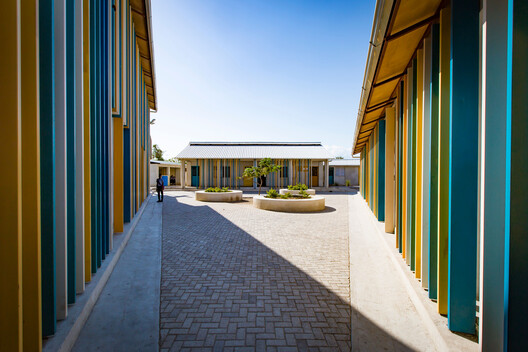
ACTA – Action Through Architecture | Niger / Switzerland
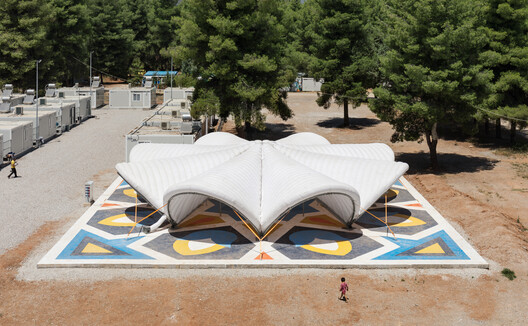
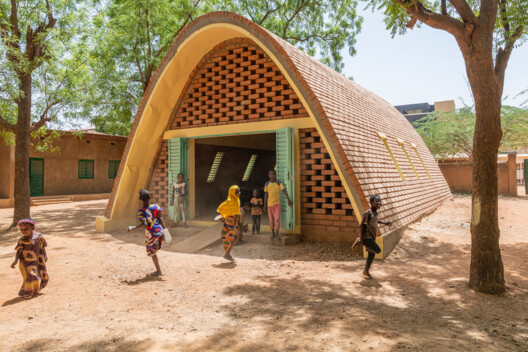
ACTA – Action Through Architecture works across Africa and Europe, combining advanced engineering and computational tools with vernacular architectural knowledge to address social and environmental challenges in vulnerable communities. Working with public institutions, humanitarian organizations, and regional partners, the practice develops context-specific responses to climate pressures, displacement, and limited resources, spanning public infrastructure, housing, civic spaces, markets, and urban strategies. Projects such as the Cantine in Zinder and the Marché d'Assaga demonstrate an approach grounded in functional, resilient spaces that respond directly to local needs, while its generative planning tools extend this work to the scale of settlements and expanding urban centers. ACTA brings technology, local knowledge, and humanitarian practice together to strengthen community resilience and support long-term spatial development.
AD—WO | USA
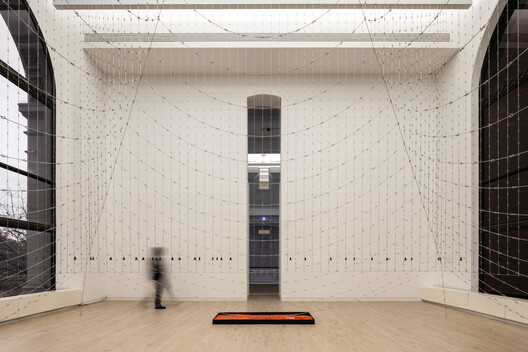
Founded in 2018 and directed by Emanuel Admassu and Jen Wood, AD—WO is an art and architecture practice operating at the intersection of Black studies, conceptual art, and spatial practice. Through an ongoing examination of measurement and animism, the practice explores how culture, power, identity, and systems of knowledge shape the production and understanding of space. Working across buildings, exhibitions, tapestries, installations, and independent artworks, AD—WO uses design, research, and artistic practice as interconnected tools for critical inquiry, questioning dominant Western aesthetics, established narratives, and conventional architectural methodologies. Its work has been exhibited at the Museum of Modern Art in New York, the Chicago Architecture Biennial, and the Venice Biennale of Architecture. Its recent Ancestral Ecologies, an environmental installation comprising a series of sculptures at the Brooklyn Botanic Garden, further extends this inquiry into relationships between space, ecology, and cultural knowledge.
AGENCIA TPBA | Brazil
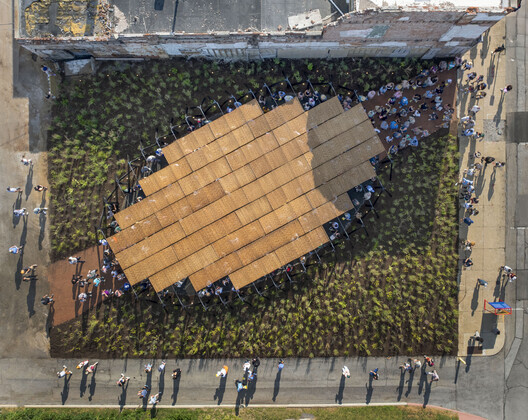
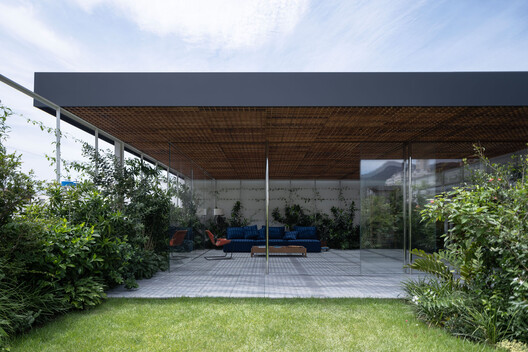
Founded in Rio de Janeiro in 2018, AGENCIA TPBA works across scales and formats, from temporary installations and residential and commercial buildings to urban proposals and competitions. The practice explores the relationship between formal precision and spatial openness, developing projects that respond closely to their contexts while allowing for different forms of appropriation and use. Built, temporary, and speculative works become opportunities to continuously test ideas around space, construction, and the city, positioning architectural practice as an evolving process rather than a fixed formal language.
Arctic Design Group | USA
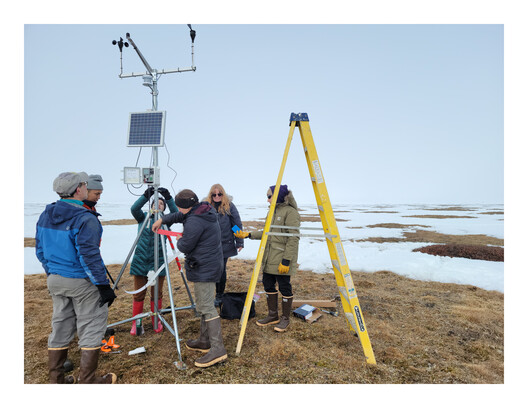
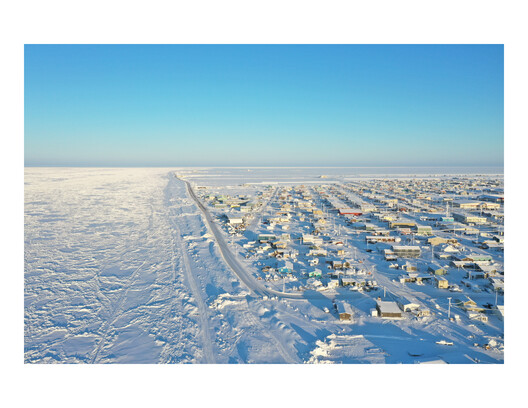
Arctic Design Group investigates how architecture, landscape, and planning can respond to the rapidly changing realities of Arctic and sub-Arctic settlements. Based at the University of Virginia and working with communities and research partners, the design research lab examines environmental change, infrastructure, urban development, permafrost degradation, land management, and adaptation across northern territories. Its interdisciplinary approach brings architecture and landscape architecture into dialogue with environmental science, engineering, planning, humanities, and community knowledge, combining geospatial analysis, environmental monitoring, and field experiments with design proposals and planning frameworks. Treating design research as a method for integrating different forms of knowledge and testing spatial possibilities, Arctic Design Group develops approaches to architecture and urbanism grounded in the complex conditions of a changing Arctic.
Atelier Guo | China
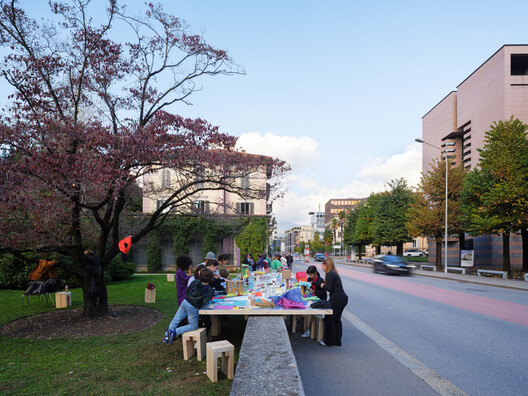
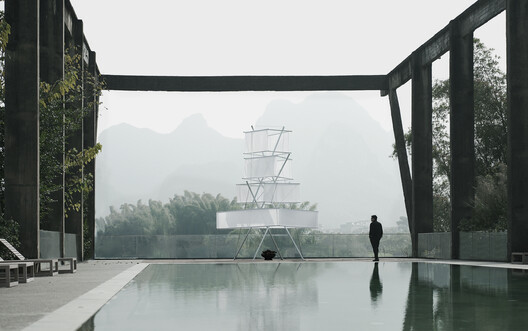
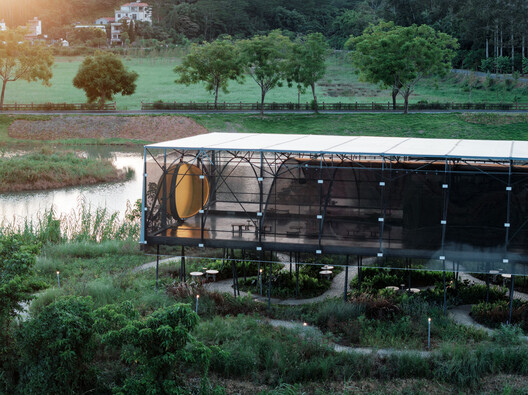
Founded in Shanghai in 2020 by Guo Liaohui, Atelier Guo works across scales ranging from pavilions and new buildings to adaptive reuse. The practice combines international architectural perspectives with a close reading of Chinese landscapes, traditions, and local conditions, studying the essential qualities of traditional architectural prototypes and reinterpreting them through contemporary structural and spatial approaches. Across cultural, hospitality, and small-scale interventions, Atelier Guo explores relationships between cultural meaning, natural environments, construction, and contemporary life, developing an architectural language rooted in context while remaining open to new forms and uses.
BALSA CROSETTO PIAZZI | Argentina
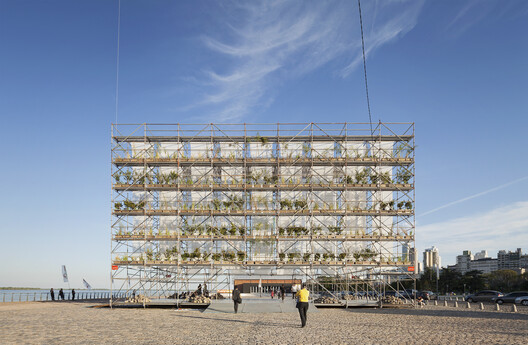
Established in 2015 by Juan Manuel Balsa, Rocío Crosetto Brizzio, and Leandro Piazzi, BALSA CROSETTO PIAZZI works between Córdoba, Argentina, and Boston, USA. The practice approaches architecture as a material and transformative act, connecting design, low-tech construction, technical experimentation, and traditional Argentine building knowledge. Its projects develop through sustained processes attentive to the material, social, and cultural conditions of each territory. Alongside built work, research and teaching extend these ideas into academic contexts, bringing Latin American perspectives into wider architectural conversations. Across these activities, the practice explores architecture's capacity to generate spatial, social, and environmental change.
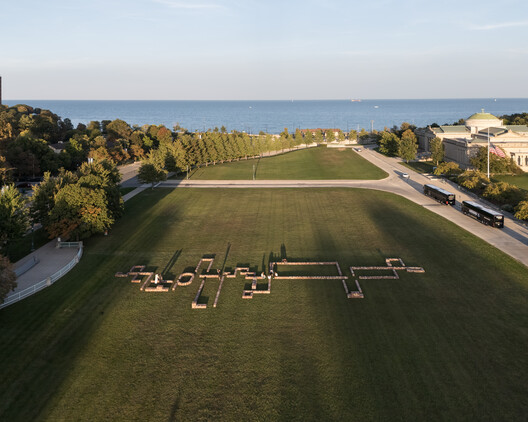
CLUSTER | Egypt
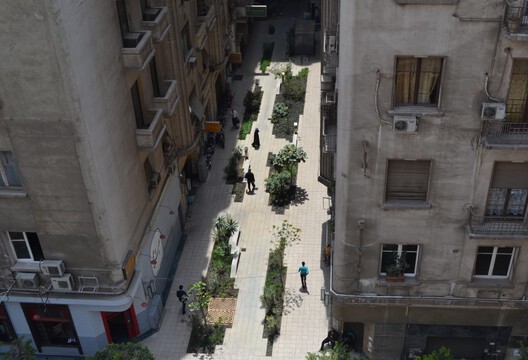
Based in Cairo, CLUSTER operates at the intersection of urban research, architecture, art, and design, using spatial practice to engage with the social and political realities of the city. The multidisciplinary platform works across the gaps between formal planning systems and everyday urban informality, mediating between institutions, communities, designers, and craftspeople through participatory processes. Its approach combines critical mapping and action research with urban acupuncture, tactical interventions, prototyping, and knowledge-sharing platforms. Projects such as the transformation of Cairo's Kodak Passageway demonstrate how targeted, small-scale interventions can produce broader urban and social impact, positioning architecture as a form of spatial activism that strengthens local agency and creates more inclusive approaches to public space.
Craft Narrative | India
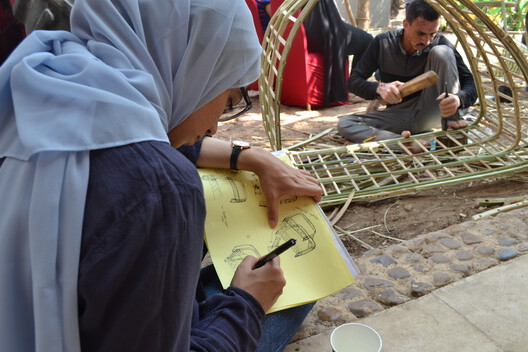
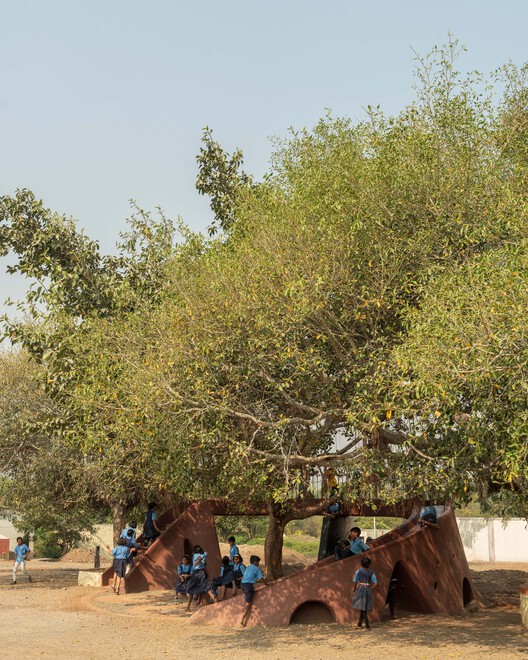
Founded in 2019 by architects Yatindra Patil and Vijay Kharade, Pune-based Craft Narrative develops architecture through an ongoing process of learning, questioning, and discovery. Working primarily on residential and educational projects in rural Indian villages, the studio begins with a close reading of place, allowing landscape, climate, culture, community, nature, and everyday life to shape its design process. These conditions inform multifunctional and often minimalist spaces with a particular emphasis on communal and inclusive environments for local residents and children. Craft Narrative demonstrates how careful observation of ordinary life can generate architecture that is deeply specific to its context and socially meaningful.
Emergent Studios | Australia
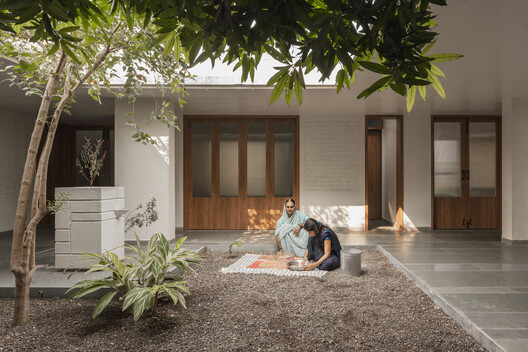
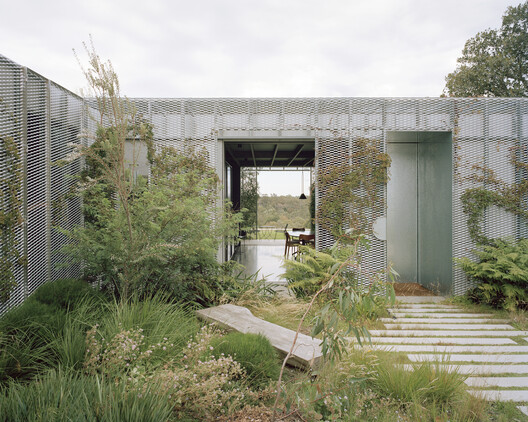
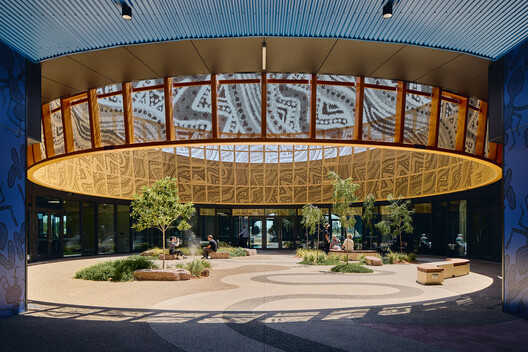
Emergent Studios develops regenerative landscapes through advanced ecological research, digital tools, emergence theory, and close engagement with local ecosystems. Bringing together landscape architects, artists, and system developers, the practice uses research-through-design and iterative exploration to understand landscapes as interconnected environmental, social, and experiential systems. Working across public and institutional projects in Australia, it explores how landscape architecture can actively support biodiversity, climate adaptation, and socially inclusive environments. Its approach also recognizes Indigenous knowledge and the cultural histories embedded within the landscapes in which it works. Connecting technological and scientific methods with ecological and place-based knowledge, Emergent Studios understands landscape as a dynamic system capable of adaptation, regeneration, and social connection.
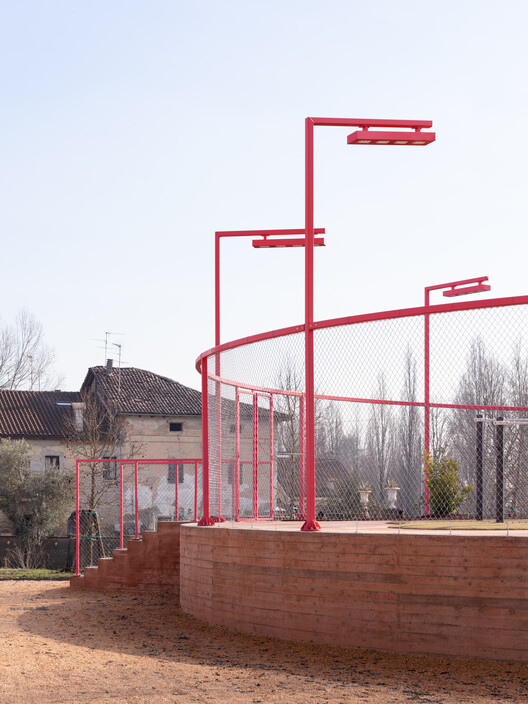
Enrico Dusi Studio | Italy
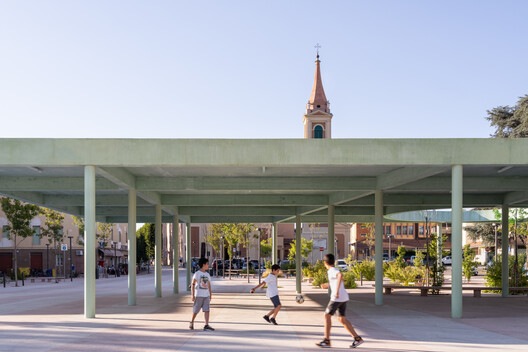
Enrico Dusi Studio works across public buildings, civic spaces, and urban landscapes, with a particular focus on the transformation of existing places and their relationship to collective life. Operating across scales, from buildings and temporary structures to landscape interventions, the practice approaches architecture as a means of reinforcing the identity and everyday use of shared environments. Its work is characterized by clear spatial and structural frameworks, precise geometries, and careful attention to material and context, whether intervening within existing urban fabrics or creating new civic spaces. Through projects ranging from markets and museums to squares, parks, and educational buildings, the studio explores how architecture can give renewed presence and purpose to places while supporting their evolving role within the communities they serve.
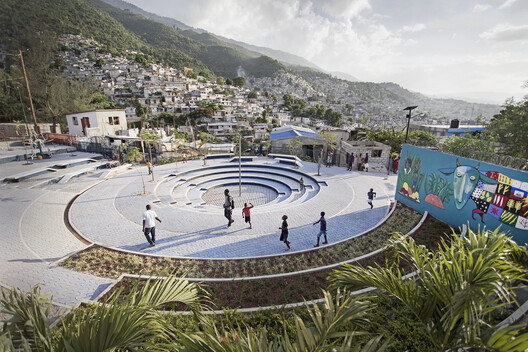
EVA Studio – Emergent Vernacular Architecture | Haiti / United Kingdom
Working across Haiti, Lebanon, Morocco, Senegal, Comoros, and the United Kingdom, EVA Studio develops architecture as a tool for social and environmental resilience. The multidisciplinary practice collaborates with local authorities, international organizations, foundations, grassroots groups, and communities, treating participation as an essential part of design and implementation. Its projects for marginalized and post-disaster communities combine reusable structural systems with locally sourced and repairable materials such as stone and earth. Positioning architects as "process makers," EVA Studio facilitates dialogue between stakeholders while developing solutions rooted in local knowledge, environmental responsibility, and collective decision-making.
Exutoire | Vietnam
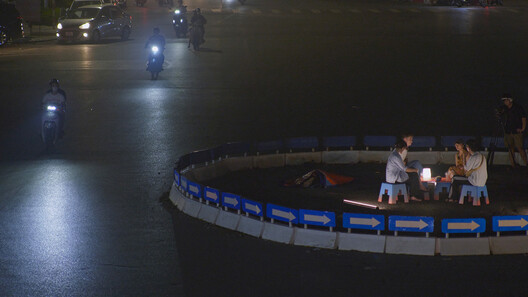
Founded by Paul-Antoine Lucas and Bùi Quý Sơn, Exutoire is a Hanoi-based queer critical spatial practice investigating social, spatial, and material justice through architecture. Working across design, research, editorial, curatorial, and pedagogical formats, the practice engages with questions ranging from housing and ecological crisis to queer methodologies, care, and public space. Through spaces, objects, social infrastructures, and knowledge platforms, Exutoire brings underrepresented perspectives into architectural discourse and examines established assumptions about how environments are produced and inhabited. Its multidisciplinary approach positions spatial practice as a means of expanding whose experiences, knowledge, and forms of living are represented within architecture.
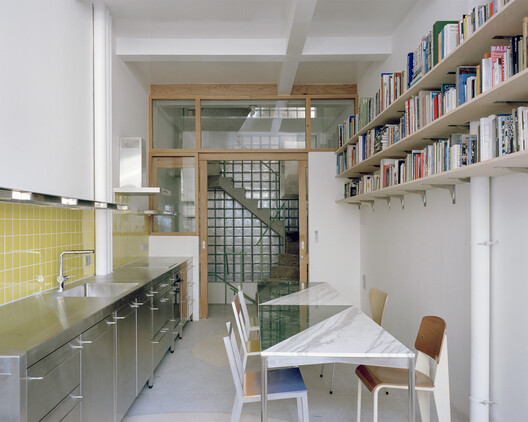
FABER | France
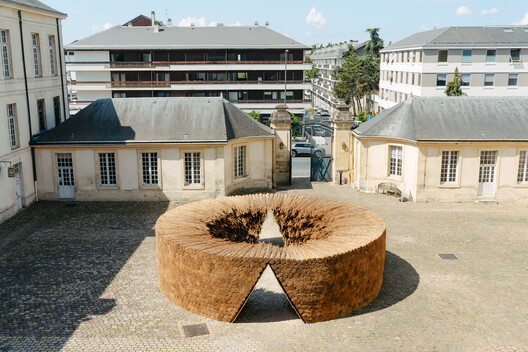
Founded in Paris in 2019 by Gabriel Pontoizeau and Luca Antognoli, FABER responds to the challenges of ecological transition through an approach it describes as a "new archaism." The practice combines primal forms and architectural archetypes with contemporary approaches to materials and construction, prioritizing geo-sourced, raw, biodegradable, and salvaged materials as alternatives to standardized industrial systems. Working across public, cultural, and landscape projects, as well as research, teaching, and artistic practice, FABER connects material experimentation with broader questions of climate, biodiversity, and resource use, exploring how architecture can evolve in response to ecological change.
Fahrenheit.Works | Portugal / Switzerland
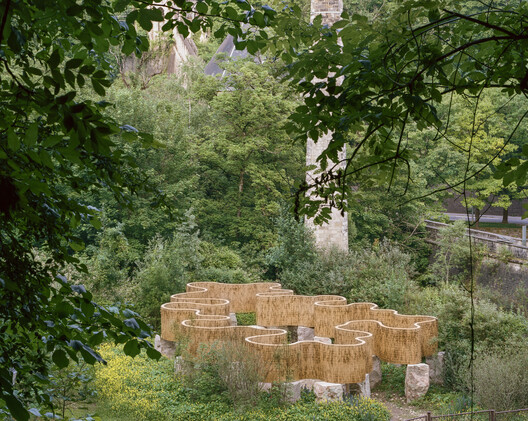
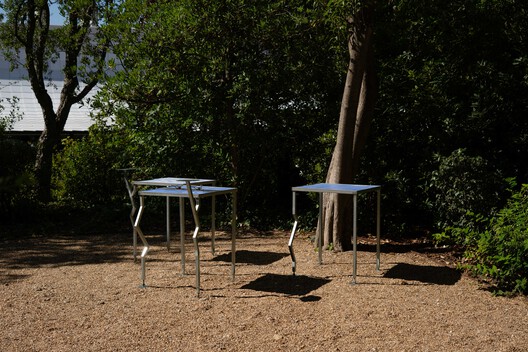
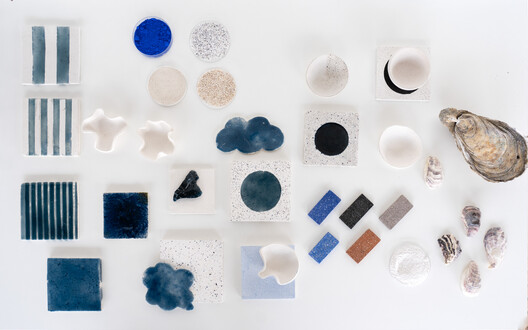
Fahrenheit.Works is a Lisbon-based architecture and design practice founded by Jeremy Morris and Luca Carlisle, combining traditional knowledge with experimentation to explore more ecologically grounded approaches to architecture. Working with bio-based, locally sourced, and overlooked materials, the practice operates across architecture, renovations, installations, and material research. Its work investigates how regional waste streams and natural resources, from discarded oyster shells and seaweed to earth, stone, and foraged biopigments, can become new circular materials and building systems through existing techniques. Acting simultaneously as designer, researcher, and builder, Fahrenheit.Works uses hands-on experimentation to reconnect architectural production with its wider ecological and social contexts.
MANUFACTURA | México
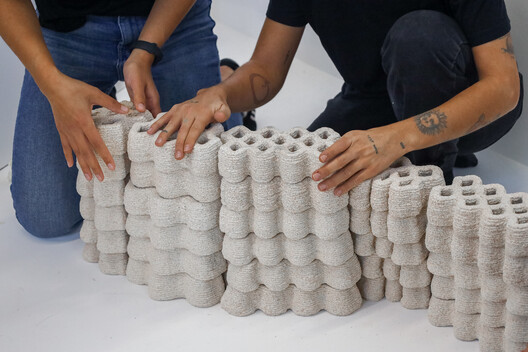
Founded in Mexico City in 2022 by Dinorah Martínez Schulte and Edurne Morales Zúñiga, MANUFACTURA is a research and production studio specializing in sustainable construction materials and digital fabrication. The studio transforms organic and agro-industrial waste, including eggshells, corn husks, and coffee grounds, into circular architectural materials using robotic 3D printing and what it calls "conscious automation." Drawing from pre-Hispanic Mexican construction techniques, its biocomposites connect traditional material knowledge with contemporary fabrication technologies. Through building blocks, architectural lattices, prefabricated panels, and custom elements, MANUFACTURA explores how technological innovation can amplify human craft while advancing circular and resource-conscious forms of construction.
RAMA Estudio | Ecuador
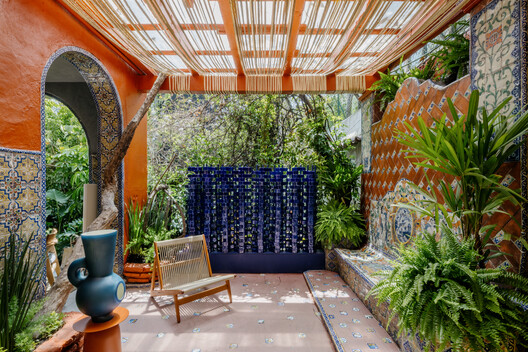
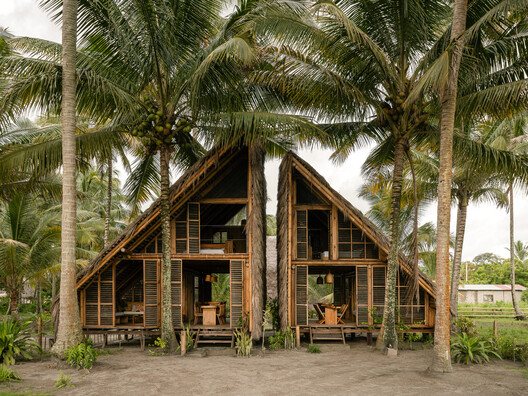
Founded in Quito by Carla Chávez, Carolina Rodas, and Felipe Donoso, RAMA Estudio approaches architecture, design, and construction as acts of responsibility toward the environment, communities, and local heritage. Working across scales from territory to architectural object, the practice combines experimentation, resource optimization, adaptive reuse, and structural exploration to respond to social, cultural, and spatial challenges in Ecuador and Latin America. Its work is rooted in place, memory, and the intelligent use of existing resources while remaining focused on feasible interventions. Through collaborative and multidisciplinary processes, RAMA strengthens relationships between users, neighborhoods, and cities while creating lasting social and spatial value.
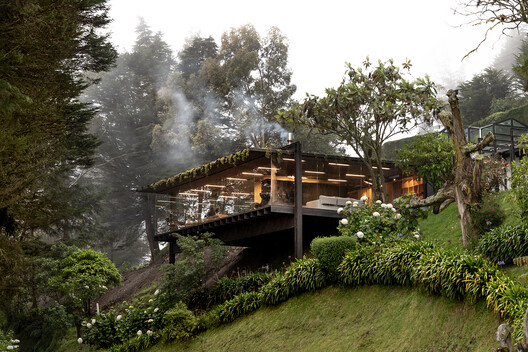
SOCA – Studio of Contemporary Architecture | Canada
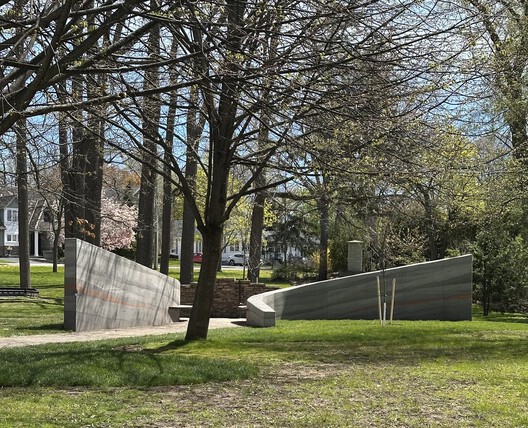
Founded in Toronto in 2018 and led by Shane Laptiste and Tura Cousins Wilson, SOCA approaches architecture and urban design as forms of cultural storytelling and socially inclusive city-building. Across cultural and community spaces, public projects, urban interventions, and residential work, the studio creates places that reflect the identities, memories, and aspirations of diverse communities. Projects such as the Montreal Afro-Canadian Cultural Centre, Wildseed Centre, and Samuel and Martha Adams Memorial connect built work with broader questions of representation, belonging, and collective memory. Alongside architectural practice, SOCA engages in research, advocacy, and community-led initiatives exploring Black community resilience, equitable urban development, and architecture's broader social and ecological impact.
Studio Eidola | Switzerland
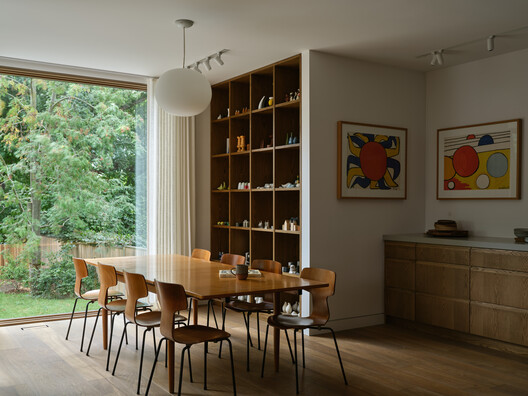
Founded in Zürich in 2020 by industrial designer Denizay Apusoglu and architect Jonas Kissling, Studio Eidola works across design, architecture, and material research to investigate how resources move between landscapes, industries, and built environments. By tracing materials from geological formations and extraction sites through industrial processes, infrastructures, waste streams, and systems of reuse, the studio examines how these flows shape material cultures and construction practices. This expanded understanding of resources positions materiality within wider ecological, economic, and territorial systems, creating a framework for architecture to engage more deeply with the origins, processes, and places that sustain its physical production.
Talles Lopes | Brazil
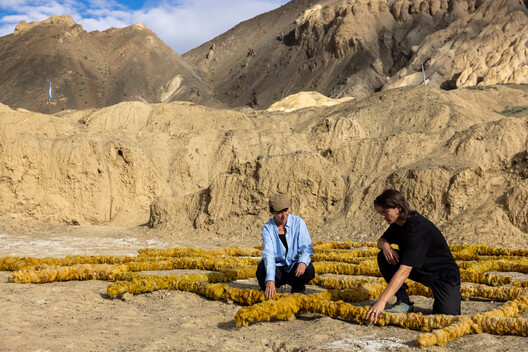
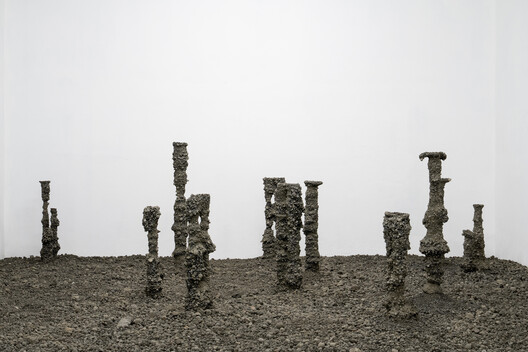
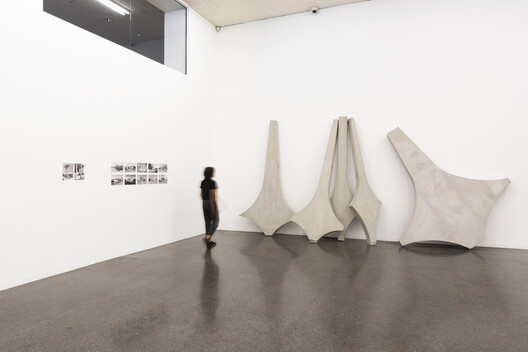
Talles Lopes is a Brazilian multidisciplinary artist, architect, and researcher based in Anápolis, Goiás, whose practice investigates the built landscapes of Brazil's peripheries through archival and visual research. Working with atlases, historical blueprints, archives, exhibition catalogs, and other primary sources, Lopes examines how architectural images and narratives have shaped understandings of the Brazilian built environment. His research critically explores the relationships between modern architectural representation and colonial legacies, bringing overlooked landscapes and histories into architectural discourse. By treating archival material as an active tool for spatial investigation, Lopes expands architectural practice into a form of critical inquiry that questions how environments are represented, remembered, and culturally constructed.
Xi Bassile | Mozambique
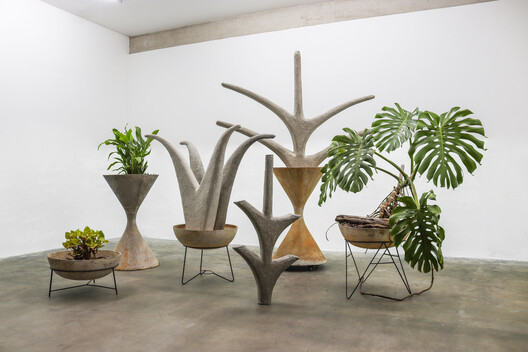
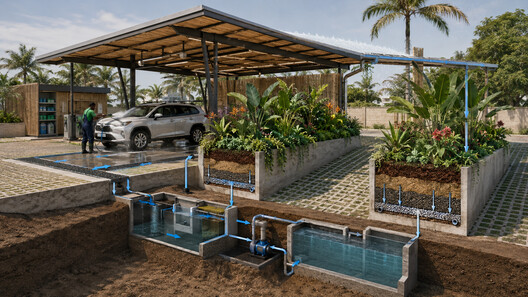
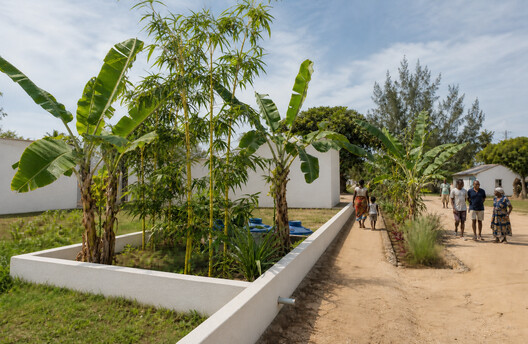
Xi Bassile develops nature-based solutions to urban and environmental challenges, responding to the specific environmental, social, and economic realities of Mozambique. Established in 2022 and based in Maputo, the social enterprise works at the intersection of green infrastructure, sustainable water management, circular design, and community-led climate adaptation. Its name, meaning "it is clean" in Xangana, reflects an ambition to contribute to cleaner water, healthier neighbourhoods, and safer, more inclusive, and climate-resilient cities. Xi Bassile develops affordable systems that manage stormwater while generating wider environmental and social benefits, including a bioswale that repurposes waste as construction material and a rainwater-harvesting planter box for homes and businesses. Through testing and developing these systems, the practice explores how accessible, nature-based infrastructure can be adapted and replicated across Mozambique.
Stay tuned to ArchDaily for in-depth profiles of each winning practice and exclusive coverage from the launch event at Design Week Mexico.
A special thank you to everyone whose ideas and work shaped this year's edition.
- Next Practices Concept Design: Christele Harrouk, Daniela Porto, Hana Abdel, and Romullo Baratto
- ArchDaily Editorial Jury: Christele Harrouk, Daniela Porto, Eduardo Souza, Hana Abdel, Susanna Moreira, Romullo Baratto, Valentina Diaz, and Victor Delaqua
- External Jury: Nicolas Fayad and Charles Kettaneh, Susana Rojas Saviñón, Javier Ors Ausín, Sumayya Vally, and Oanh Nguyen Henriksen
- Marketing Strategy: Melodie Berzia
- Video: Miguel Tarazona
- Motion Design: Evghenia Goras
- Graphic Design: Cecilia Suárez and Javiera Contreras
This article is presented by Buildner. As sponsor of the ArchDaily Next Practices Awards 2026, Buildner—the world's leading architecture competition organizer—helps architects get what they enter competitions for: recognition, opportunity, and progress.
Exercise your creativity now: the Buildner UNBUILT Award 2026 is open to all, with a €100,000 prize fund. Submit your unrealized designs and celebrate your creativity now.