Asmara Heritage Project: Documenting a Colonial Project that Became Eritrea's National Symbol

8:13
8:13

Subscriber Access

Asmara, the capital of Eritrea, sits at over 2,300 meters above sea level on a plateau at the edge of the Great Rift Valley escarpment. Although situated in a country not known for large visitor numbers, the city has gained fame for its unique architecture. In July 2017, it became a UNESCO World Heritage Site, inscribed as "Asmara: A Modernist African City," the first modernist urban site anywhere to be listed in its entirety, and Africa's first explicitly modernist World Heritage Site. Its heritage value came about as a result of a complex convergence of two aspects of Eritrea's history: an intense period of colonial construction as Italy pursued its imperial ambitions in Africa, and a long period of relative isolation that insulated the city from redevelopment.
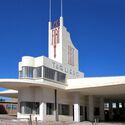
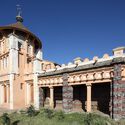
Asmara Heritage Project: Documenting a Colonial Project that Became Eritrea's National Symbol - Image 2 of 13Asmara Heritage Project: Documenting a Colonial Project that Became Eritrea's National Symbol - Image 3 of 13Asmara Heritage Project: Documenting a Colonial Project that Became Eritrea's National Symbol - Image 4 of 13Asmara Heritage Project: Documenting a Colonial Project that Became Eritrea's National Symbol - Image 5 of 13Asmara Heritage Project: Documenting a Colonial Project that Became Eritrea's National Symbol - More Images+ 8

Before the arrival of European colonists, Asmara existed as a small highland settlement. According to oral tradition, the city's name derives from "Arbate Asmera," meaning roughly "the four made them unite" in the Tigrinya language — a reference to four clans who agreed to live together peacefully after prolonged conflict. The earliest known written mention of the city is in a Latin itinerary from the late fourteenth century. Asmara grew in importance over the centuries as a stop on trade routes toward the Red Sea port of Massawa.

Content Loader

Image gallery

See allShow less
About this author
Cite: Mohieldin Gamal. "Asmara Heritage Project: Documenting a Colonial Project that Became Eritrea's National Symbol" 18 Sep 2026. ArchDaily. Accessed . <https://www.archdaily.com/1184936/asmara-heritage-project-documenting-a-colonial-project-that-became-eritreas-national-symbol> ISSN 0719-8884
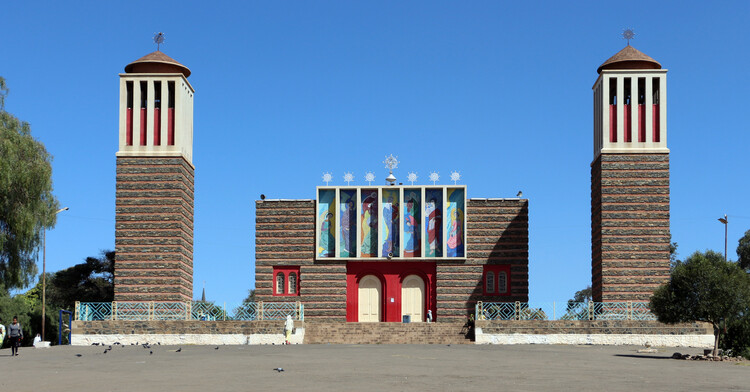
St. Mary’s Orthodox Cathedral. Image © Wikipedia user Sailko under CC BY-SA 3.0 license

阿斯马拉遗产项目:记录一个成为厄立特里亚国家象征的殖民项目

You've started following your first account!

Did you know?

You'll now receive updates based on what you follow! Personalize your stream and start following your favorite authors, offices and users.