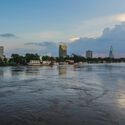
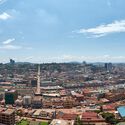
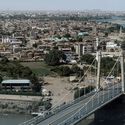
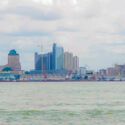
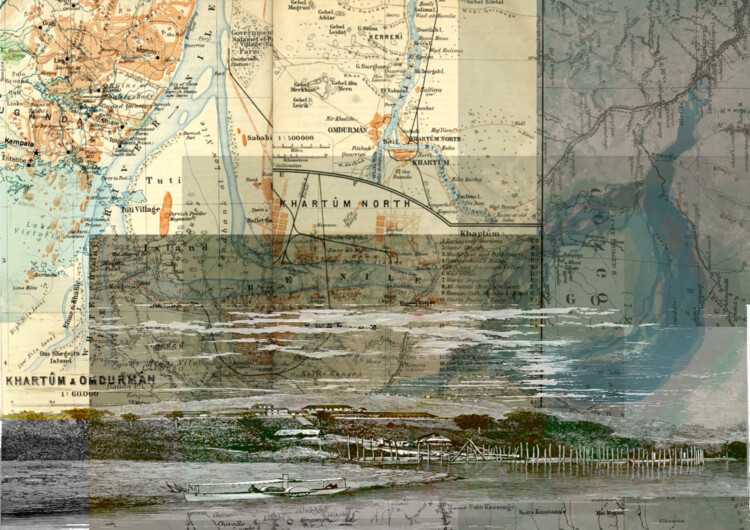
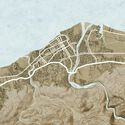
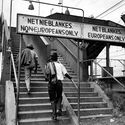
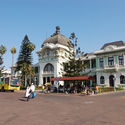
Conceptual map collage of Kampala, Khartoum and Kinshasa. Illustration by Maisa Elamein via Wikimedia Commons and Public Domain sources.
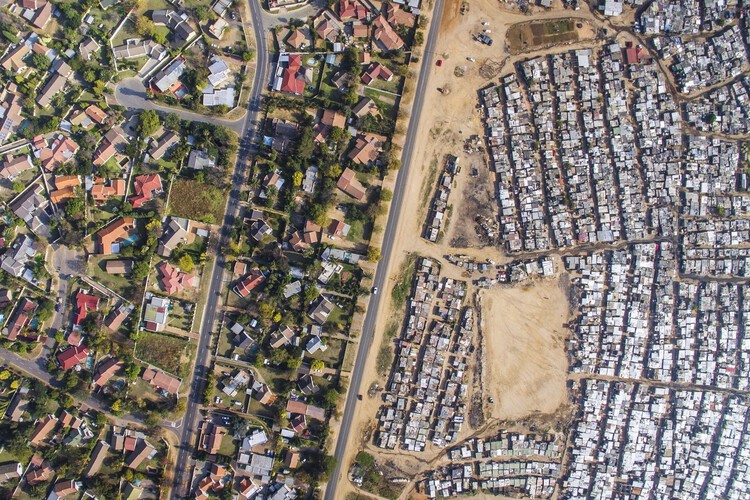
Colonial violence in African cities bled through the political dimensions into the spatial realm. It is infused into street grids, land tenure systems, drainage infrastructure and residential zones that continue to organize inequality and displacement today. Kinshasa, Khartoum, and Kampala each carry this afterlife in their urban morphology, at once historical artifacts and an active structure; shaping who has access to services, who occupies flood-prone land, and catalyzing a deepening climate instability that forces this apparatus into entirely new dimensions - including geological ones.
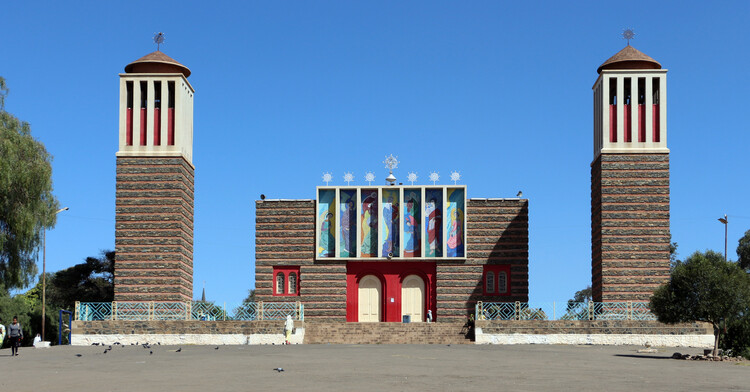
Asmara, the capital of Eritrea, sits at over 2,300 meters above sea level on a plateau at the edge of the Great Rift Valley escarpment. Although situated in a country not known for large visitor numbers, the city has gained fame for its unique architecture. In July 2017, it became a UNESCO World Heritage Site, inscribed as "Asmara: A Modernist African City," the first modernist urban site anywhere to be listed in its entirety, and Africa's first explicitly modernist World Heritage Site. Its heritage value came about as a result of a complex convergence of two aspects of Eritrea's history: an intense period of colonial construction as Italy pursued its imperial ambitions in Africa, and a long period of relative isolation that insulated the city from redevelopment.
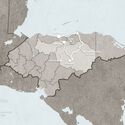
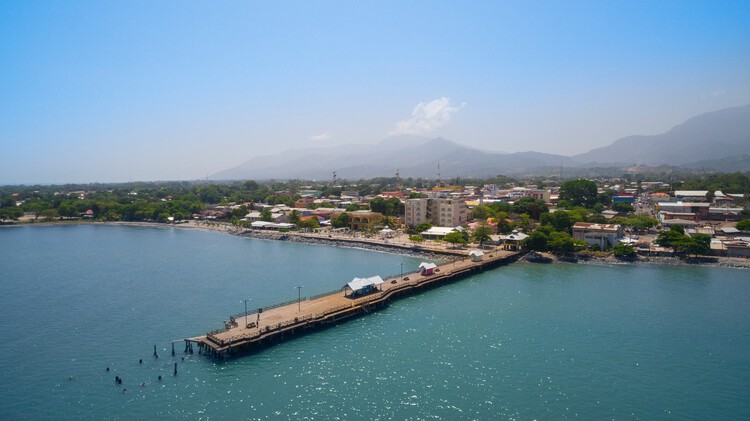
On the Caribbean coast of Honduras, lies the Leán valley, a narrow coastal strip lined by the Nombre de Dios Mountain Range to the South and the Caribbean Sea to the North. For a long time, this was the last frontier: dense jungle, swamps, no infrastructure, and difficult inland access. However, all of that started to change with the arrival of the Garífuna, who settled the area between the Danto and Cangrejal Rivers, setting the foundations of what would become the City of La Ceiba. An urban hub in the Honduran Caribbean whose history has been defined by migration waves: Central Americans, Afro-Caribbean people, Europeans, and corporate North America. These movements from all around the world did not merely contribute to economic growth, but actively produced the city's spatial logic, identity, and architectural form.
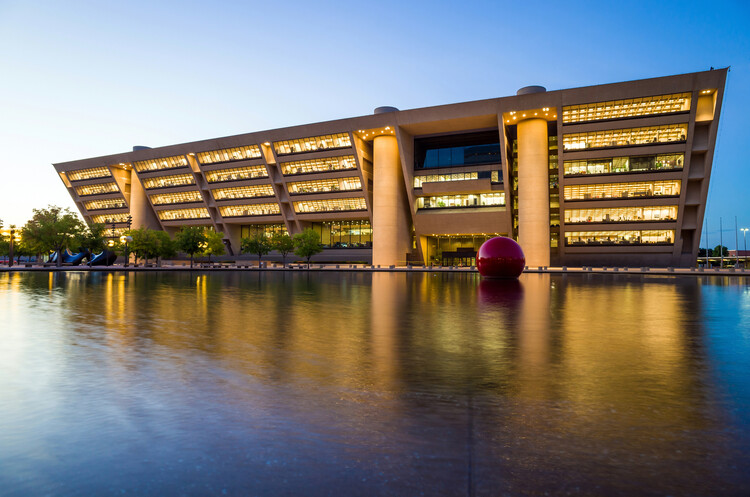
Dallas City Hall, Texas. Image via World Monuments Fund
On the occasion of the 250th anniversary of the United States' Declaration of Independence, the World Monuments Fund has announced a new list of ten heritage places representing the country's history. The special initiative, titled "Irreplaceable America," recognizes historic places across the country whose preservation is considered "essential to the richness and complexity of American history," spotlighting urgent preservation needs. From the oldest botanical garden in the country to I.M. Pei's modernist Dallas City Hall, the selected sites bear witness to Indigenous heritage, artistic experimentation, and public health, colonial, and Black history.
What architecture leaves in the ground outlasts what it puts in the air. A demolished building disappears from the skyline in a matter of days, but its foundations remain embedded in the soil for generations. The contamination caused by an industrial complex does not clear when the complex is torn down. The legal boundaries inscribed across colonial territory do not dissolve when the colonial administration ends. The ground holds what architecture quickly forgets.
This is what makes soil so uncomfortable as a subject. The discipline tends to orient itself upward, toward the form, the façade, the spatial experience of inhabitation. The ground is where architecture begins and, in a certain sense, where it ends: the point at which building becomes geology, legal title becomes territorial claim, and construction becomes extraction. Treating soil as a medium rather than a datum means acknowledging that the acts of building carry consequences that run deeper than the visible object above grade.
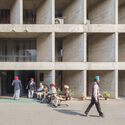
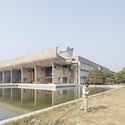
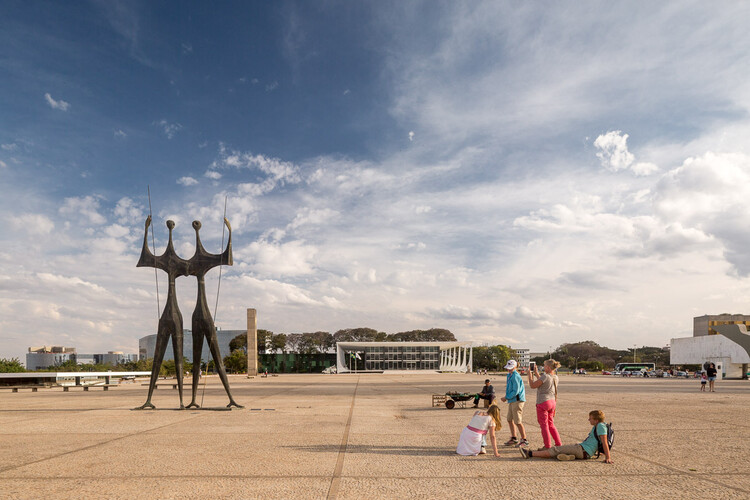
Emerging in a context of profound political and social transformations, where several countries sought to reshape their capitals as symbols of progress, both cities assumed a strategic role. Through their adopted architectural language, they reaffirmed ideological and identity narratives linked to state power.
These were cities created in the abstract, following a utopian vision. They were to be avant-garde cities, free from the deficiencies afflicting mid-20th-century urban centers, exemplifying aesthetic principles that would reflect progressive political ideologies and embrace new technologies—most notably the automobile.
However, this promise of the future ultimately generated significant challenges. These difficulties, of course, reflect the social and economic struggles of their respective countries, but they are also "seasoned" by a modernist vision that is highly contested today.
Architecture is often presented as the visible expression of its time, its desires, its faith in progress, its idea of order. Yet this reading tends to flatten the conditions under which buildings are produced. It suggests that architecture follows history when, in many cases, it actively participates in it. Few periods make this more evident than the twentieth century, when architecture became deeply entangled with political programs, economic systems, and competing visions of how collective life should be organized.
What is commonly grouped under the label of Modernism is often described as a coherent project, defined by formal clarity, technological optimism, and a break with historical styles. But this apparent coherence dissolves when we look beyond its canonical centres. The same spatial principles (standardization, functional zoning, industrial production) were adopted in political and economic contexts that differed significantly in their structures and objectives. A static movement unfolded as a flexible system continuously reoriented according to the priorities of each regime. What appeared as a shared language was, in practice, a set of tools applied to distinct agendas.
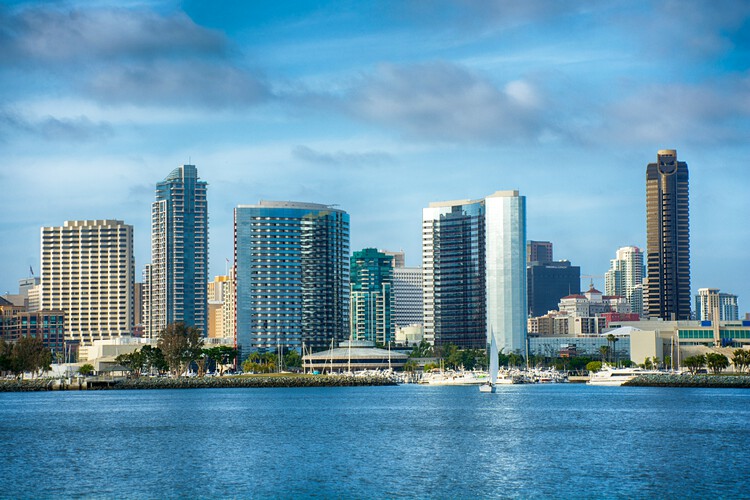
San Diego, California. Photo by Samuel Ramos on Unsplash
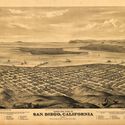
Very close to the Mexican border, in the southwest corner of the United States, lies the city of San Diego. Its urban history began in 1769 with the arrival of a Spanish military expedition commanded by Gaspar de Portola, which marked the first permanent settlement in the territory that was known as Alta California. However, unlike the more formally urbanized administrative capitals and towns of Mexico and Central America, San Diego was conceived as a frontier outpost. Today, it has become the second-largest city in California, just after Los Angeles, and its urban grid tells a story about the Hispanic heritage that is intertwined with the contemporary cultural environment of the United States.
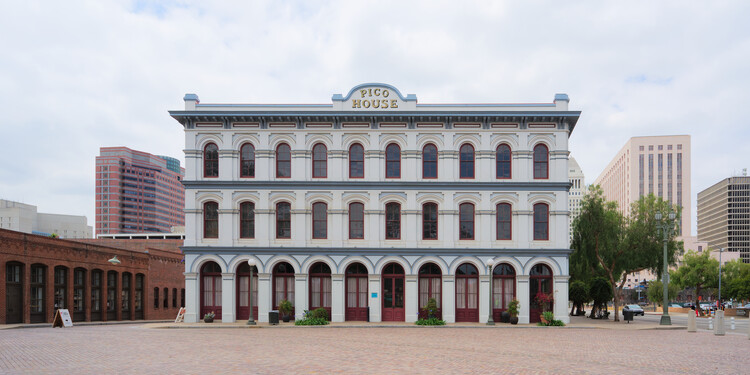
Pico House, part of Los Angeles Plaza Historic District. Image by Daniel L. Lu - Own work, CC BY-SA 4.0
Today, the urban form of Los Angeles is characterized by 20th-century sprawl and extensive automotive infrastructure. However, the physical reality of the city's original core reveals a more complex history that is deeply rooted in Hispanic heritage. In fact, Los Angeles did not originate from the standardized American land system that defines most of the United States' territory. Instead, it is a product of the Spanish urban tradition in the Americas, which followed a structure repeated across major cities on the continent. The intersection of these systems created a layered urban geometry and history that remains visible in the city's contemporary street patterns.
When Los Angeleswas founded in 1781 as a pueblo by Felipe de Neve, it was an outpost of the Viceroyalty of New Spain. Viceroyalties were political divisions of the Spanish territories in America, and by the late 18th century, New Spain was vast. It stretched from southern Costa Rica, all the way north to Alta California, bordering the east at the Mississippi River and the newly independent United States of America. At this time, Mexico City functioned as the primary administrative and economic hub, leaving frontier regions like Alta California to rely on a specific triad of settlements: missions (religious), presidios (military), and pueblos (civilian).
The Cosmogony of (Racial) Capitalism. Image Courtesy of Dele Adeyemo
Having thrown a stone today, Eshu kills a bird of yesterday. The Yoruba proverb tells both a story of reparation and of ancestrality by joyfully bending spacetime conventions and accessing subjects from the past with present actions. The saying offers a poetic entry point to broader West African traditions and to the practice of Scottish-Nigerian artist and architect Dele Adeyemo. Named one of the winners of the ArchDaily 2025 Next Practices Awards, Adeyemo's work brings together ecology, spirituality, dance, and territory, examining how embodied cultural practices can generate alternative spatial possibilities within and against the architecture of racial capitalism.
Born in Nigeria and raised in the United Kingdom, Adeyemo has been visiting Lagos for many years. Through this engagement, he has developed an extensive body of research on collective movement practices that predate capitalism and offer distinct, often imaginative spatial intelligences operating alongside dominant systems. ArchDaily spoke with Dele about his artistic and pedagogical practices, and how he identifies design sophistication where architects often perceive deficiency.
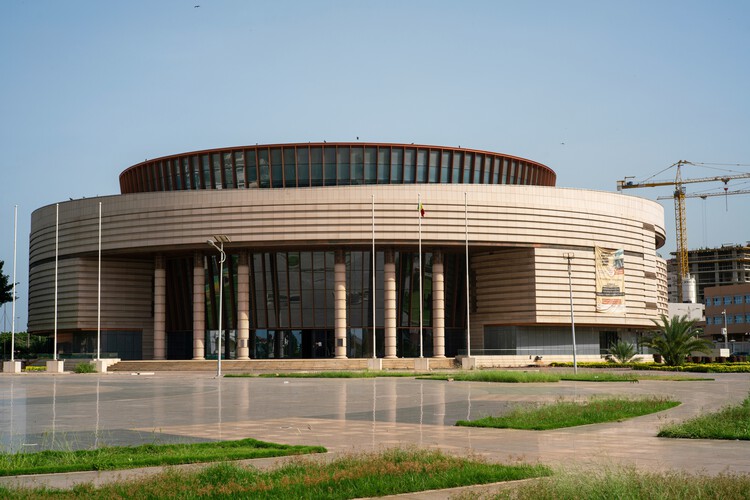
As countries in Africa emerged from colonialism in the mid-twentieth century, many expressed their independent identities through architecture. This process continues several decades later, exemplified by several new museums in West Africa, recently completed or in planning. Although varying in purpose and form, they have some common goals: addressing the need for restitution of many artifacts taken during colonialism and mostly kept in European museums; and defining a museum with local identity as opposed to a non-contextual import.
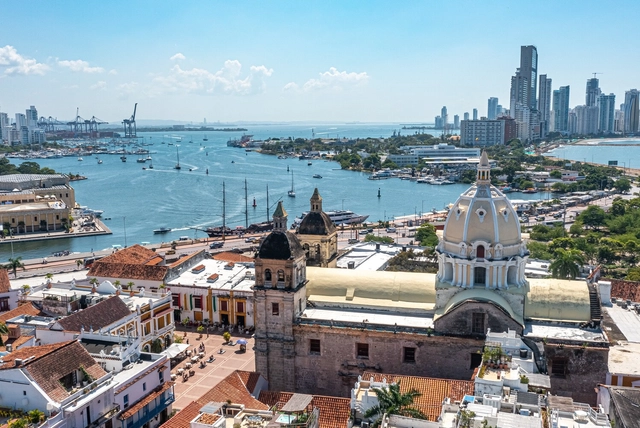
A look at most of the cities within Latin America reveals striking commonalities across countries, from Mexico down to Argentina: most cities have a well-defined area known as "El Centro" (The Center), anchored by a main plaza (Plaza Mayor), flanked by a church on one side and key buildings like the city hall on another. This is no coincidence, as it can be traced back to an urban planning system established during the Spanish colonization of the Americas in the 17th and 18th centuries. It gave standardized guidelines for city design across its viceroyalties. Unlike French and English colonies, Spanish settlements adhered to regulations that contributed to the emergence of a shared urban identity, with cities displaying similar spatial logic and architectural cohesion despite differing scales and contexts.
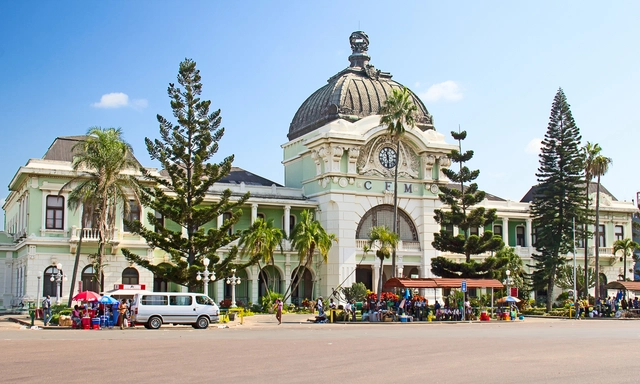
There’s a well-known catchphrase – “Cape to Cairo” – that has spawned numerous books and piqued the imagination of countless travellers of the African continent. The phrase’s origins are of imperial nature, birthed out of an 1874 proposal by English journalist Edwin Arnold that sought to discover the origins of the Congo River. This project was later taken up by imperialist Cecil Rhodes, who envisioned a continuous railway of British-ruled territories that stretched from the North to the South of the continent.
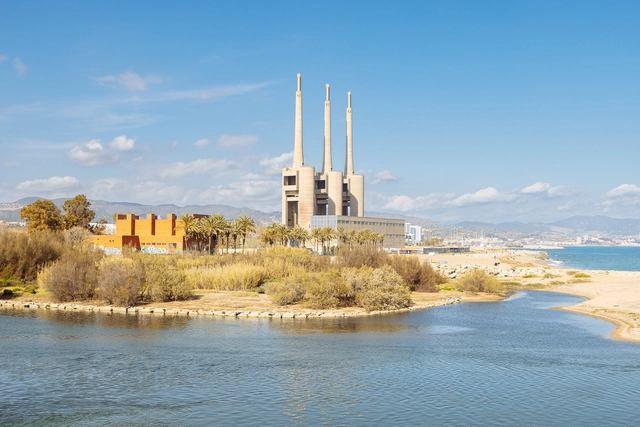
Courtesy of Manifesta 15 Barcelona Metropolitana | Photo by Helena Roig | The Three Chimneys
Manifesta 15 Barcelona Metropolitana has unveiled a decentralized biennial event spanning across the landscape of Barcelona. Taking place from September 8th to November 24th, this edition of Manifesta, the European Nomadic Biennial, introduces a regionalized strategy. Famous for its avant-garde exploration of global challenges through cultural lenses, the approach aims to empower citizens in catalyzing a socio-ecological transformation across Catalonia. The event aims to reimagine the role of culture in societal transformation through art, dialogue, and collective action.
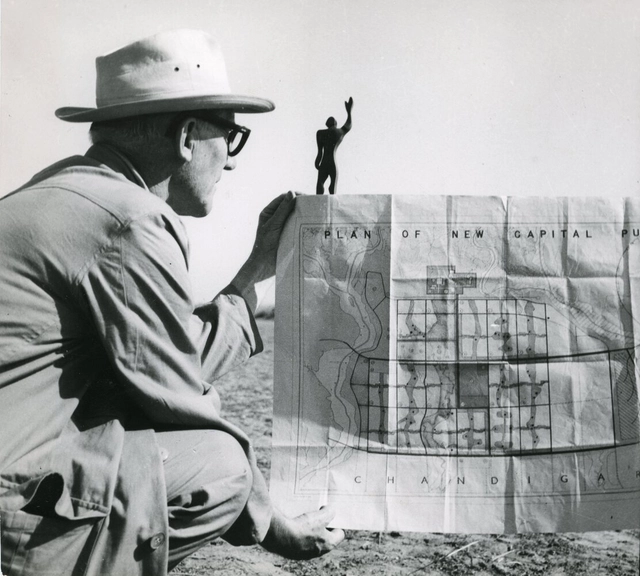
Courtesy of FDL, ADAGP 2014 | Le Corbusier in Chandigarh with the plan of the city and a model of the Modular Man, his universal system of proportion, 1951
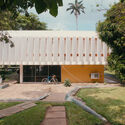
The Victoria & Albert Museum is set to present an expansive exhibition focused on Tropical Modernism, an architectural movement that emerged in the late 1940s. British architects Jane Drew and Maxwell Fry were instrumental in developing this approach, combining modernism’s functional goals with local climate adaptations in warm and humid weather. This movement, which embodies Britain's unique contribution to international modernism, evolved against a backdrop of anti-colonial resistance, blending colonial architectural principles with local needs.
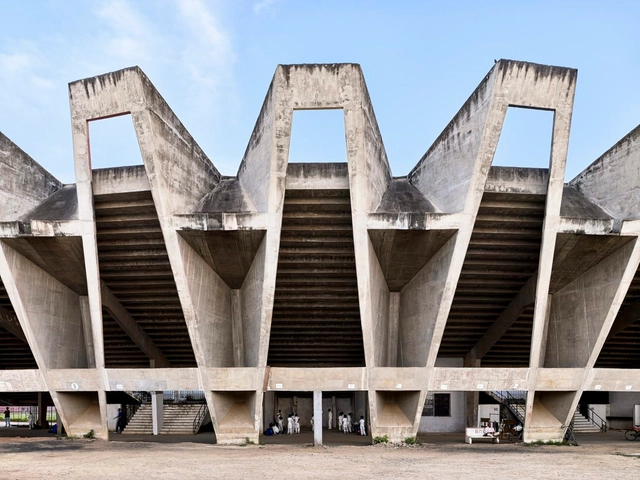
The structure was originally built to host international and domestic cricket matches. In the 1950s, the Cricket Club of Ahmedabad was granted 67,000 sqm of land to construct a Cricket Stadium. It was the country’s first “turf ground,” hosting the first cricket match in India. For the cricket community in the country, the SVP represents a venue that has nurtured and honed young cricketers from all over the state, and it has been graced by several of India's legendary players in both test and one-day cricket matches.
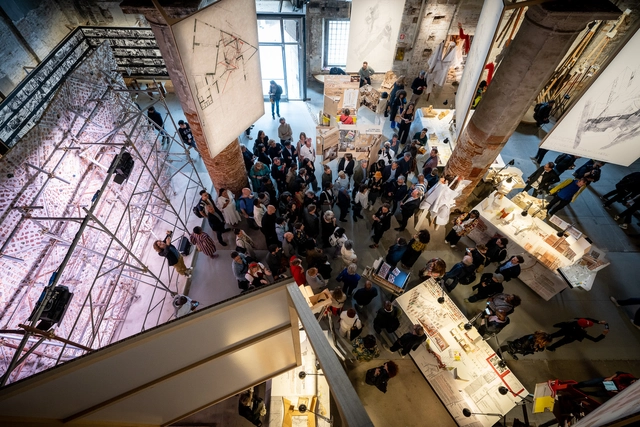
As Venice Architecture Biennale presents its 18th edition titled "The Laboratory of the Future", it centers on Africa as a place of exploration that will offer a template for solutions to the world. According to its curator Lesley Lokko, the Biennale explores entrenched concepts such as climate, land rights, decolonization, and cultures. It challenges us to question how Africa's history can be a radical tool for imagination and reminds us of Stephen Covey's statement: “Live out of your imagination, not just your history.” The biennale's title is probably the most ambitious question in years. It forces us to revisit all boundaries of the continent's historical societies, explore the influence of imposed colonial borders on them, and examine the dual identities they gave birth to. We must consider how these identities can be instruments of creativity, and, more importantly, recognize that every African society has a unique point of view. This viewpoint yearns for cross-cultural collaboration as a powerful tool for imagination.
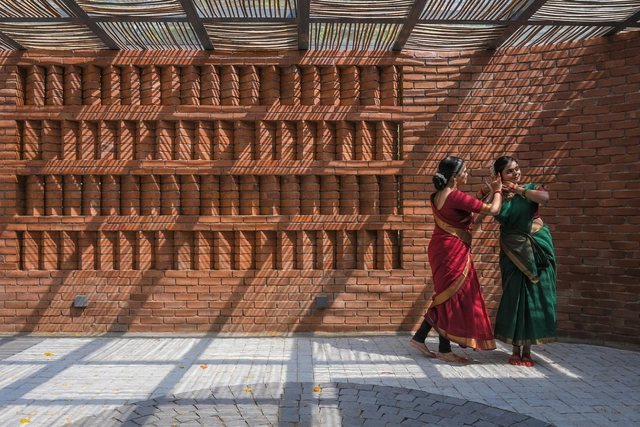
Contemporary Indian design culture can aptly be described with one word - fusion. A close look at the trends in fashion, cinema, music, and art soon reveals the country’saspirations as a globalized nation. Reveling in a new era, India’s art and design appear as a combination of influences from traditional life and the Western world. A “neo-Indian” image informs multiple forms of cultural expression, including architecture and interior design. As Indians and Indian architecture carve the country's place in the world, a new design trend flourishes - one that is driven by modern lifestyles, international influences, a colonial past, and a desire to stay connected to its roots.