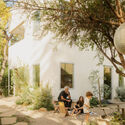
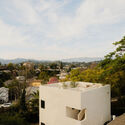
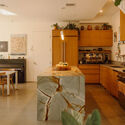
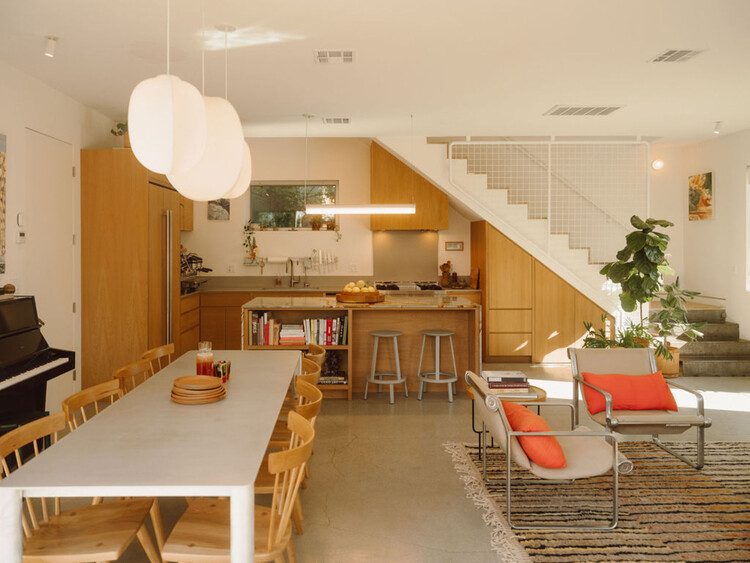
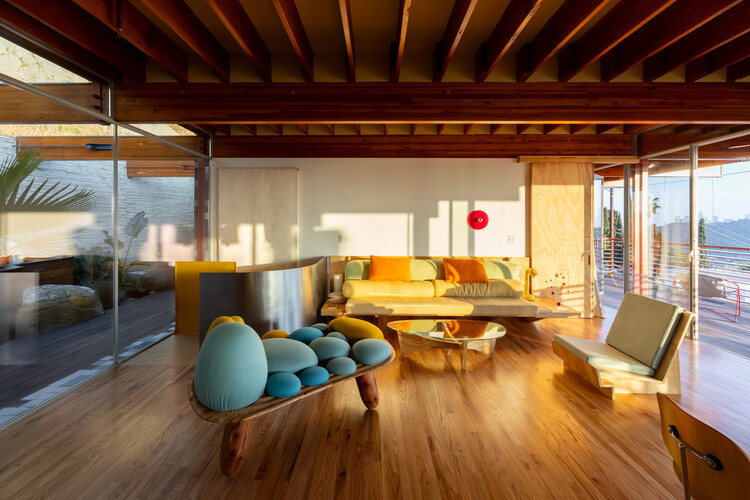
A Room of Her Own: Women Writers in Los Angeles from the 1960s–90s
Each month, Friends of Residential Treasures Los Angeles (FORT: LA) curates a new self-guided trail, inviting Angelenos to explore the city’s rich architectural heritage. These immersive experiences highlight significant homes, hidden gems, and the designers who have shaped Los Angeles' built environment.
Baccarat Residence . Image Courtesy of Sou Fujimoto Architects
This week's news landscape brought together diverse approaches to built and cultural heritage, ranging from the design of a Museum of Jesus' Baptism at a UNESCO World Heritage Site in Jordan to major transformations of modern industrial sites and the development of major cultural districts. The World Monuments Fund's support for 21 locally led heritage projects foregrounds conservation strategies that reinforce the role of architecture in safeguarding both material and intangible heritage. Across this week's highlighted projects, adaptive reuse, landscape integration, and the reconfiguration of civic space emerge as recurrent strategies for extending the life and relevance of existing built environments. The projects also reflect broader contemporary concerns, including material research in timber construction, zero-waste urban installations, large-scale residential efficiency, and infrastructure upgrades linked to global events like the Olympic Games. Framing these developments within a wider territorial perspective, discussions on relocating capital cities worldwide offer an example of how geopolitical discourses continue to shape architecture, revealing the evolving relationship between the built environment and structures of power over time.
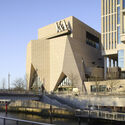
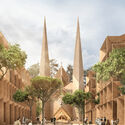
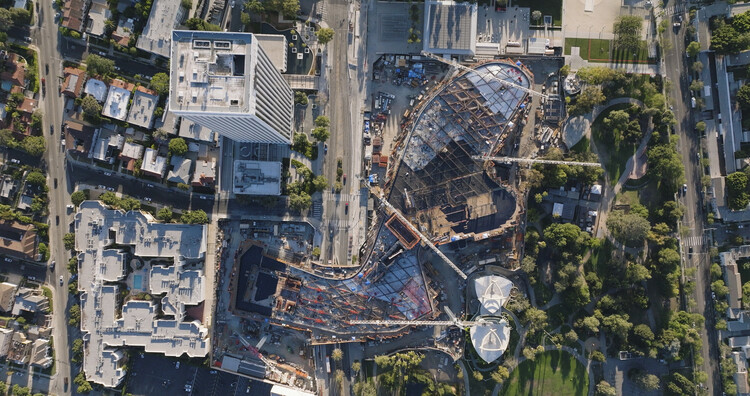
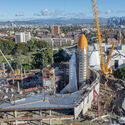
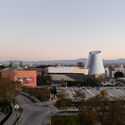
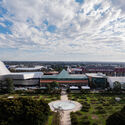
New renderings released by WEISS/MANFREDI reveal updated plans for the ongoing transformation of the La Brea Tar Pits in Los Angeles, a comprehensive redesign that integrates the museum, landscape, and active excavation areas into a continuous public and research-oriented campus. Alongside the design update, the Natural History Museums of Los Angeles County (NHM) has announced the creation of the Samuel Oschin Global Center for Ice Age Research, a new initiative supported by the Samuel Oschin Family Foundation, which advances the site's long-term redevelopment. The transformation project is led by WEISS/MANFREDI as design lead for the museum and park, with Gruen Associates serving as executive architect and landscape architect, and Kossmanndejong (KDJ)responsible for exhibition design. Fundraising efforts are ongoing, with the project positioned for completion ahead of the 2028 Olympic Games in Los Angeles.
The High Museum of Art in Atlanta will present Isamu Noguchi: "I am not a designer" from April 10 to August 2, 2026. The exhibition examines the design work of Isamu Noguchi (1904–1988) across sculpture, furniture, lighting, landscape, and stage design, marking his first major design-focused retrospective in nearly 25 years. Following its presentation in Atlanta, the exhibition will travel to the Peabody Essex Museum in Salem, Massachusetts, from September 19, 2026, to January 3, 2027, and to the Memorial Art Gallery of the University of Rochester in spring 2027.
La Sagrada Familia by Antoni Gaudi. Image by Maksim Sokolov, via Wikimedia Commons, License CC BY-SA 4.0
As 2025 concludes, we look ahead to 2026, a year scheduled to deliver a diverse range of significant architectural projects across the world. The year is particularly notable for the completion of new infrastructure and cultural buildings, including long-term projects. Europe will be in the spotlight of the new year with the Milano Cortina 2026 Winter Olympics. This event will feature projects such as the Olympic Village by SOM and the Winter Olympics Arena by David Chipperfield Architects. Also in Milan, BIG is set to complete construction of the City Wave project as part of a new business district in the city. At the same time, after more than 140 years of its establishment, the architects around the world will also be watching for the long-awaited completion of Antoni Gaudí's La Sagrada Familia in Barcelona, announced for 2026.
Across cultural districts and civic centers, this week's architectural developments highlight how institutions and city governments are reshaping their futures amid shifting environmental, social, and economic pressures. New museum and opera projects signal ongoing commitments to expanding public cultural infrastructure, while the debate surrounding Dallas' modernist City Hall illustrates the tensions that arise when questions of heritage meet rising maintenance demands and redevelopment pressures. At the same time, municipalities are advancing new regulatory tools to confront climate challenges, from electrification standards in Sydney and Boston to mobility restrictions and emerging forms of urban diplomacy. These developments reflect an increasingly complex landscape in which architectural environments evolve through a combination of cultural ambition, environmental targets, and shifting models of public decision-making.
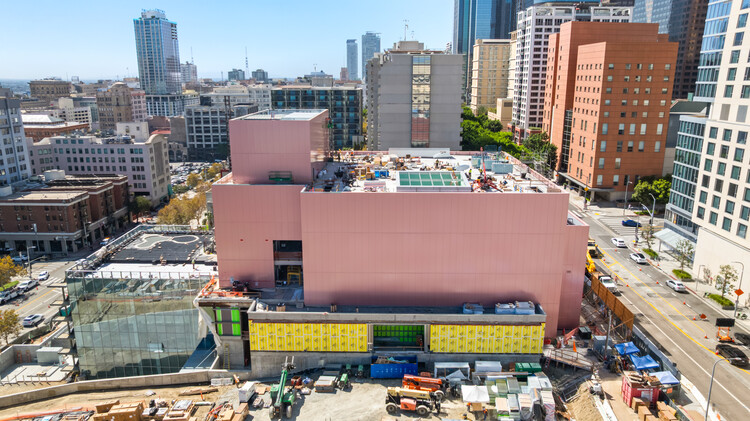
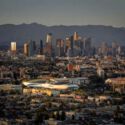
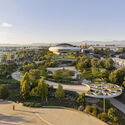
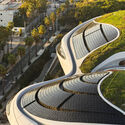
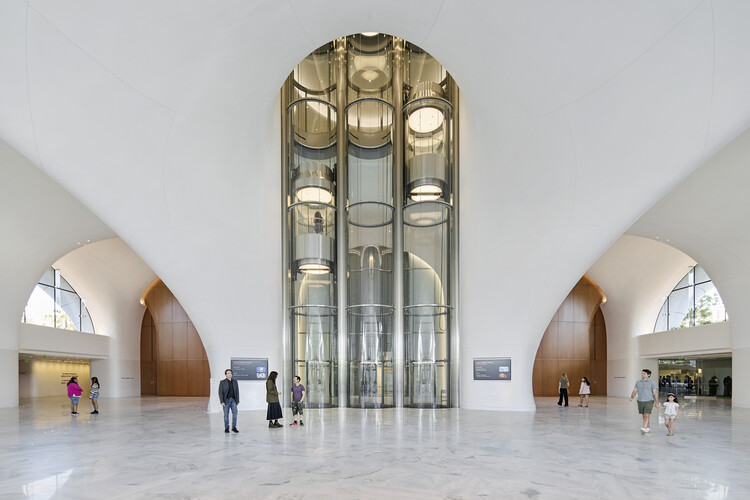
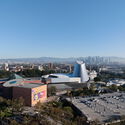
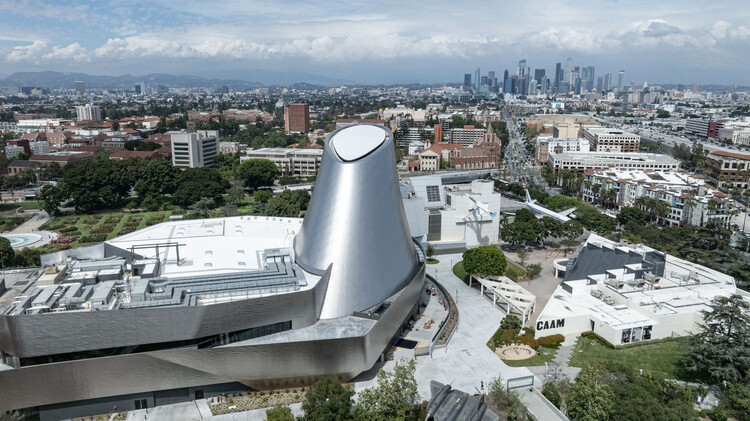
The Lucas Museum of Narrative Art has announced that it will open to the public on September 22, 2026, adding a new cultural institution to Los Angeles's Exposition Park. Founded by George Lucas and Mellody Hobson, the museum is dedicated to illustrated and narrative storytelling, understood as visual works that communicate stories across media and periods. The building is designed by Ma Yansong of MAD Architects, with landscape architecture by Mia Lehrer of Studio-MLA and Stantec serving as executive architect.
Architecture is being reshaped by artificial intelligence, climate change, and shifting social structures. At SCI-Arc, students learn to face these challenges head-on, using design to shape a rapidly changing world.
This fall, SCI-Arc's upper-level Vertical Studios bring the world into the studio. Each is led by a practicing architect working at the forefront of the field—from experimental fabrication to urban and environmental design. Drawing on real projects and professional experience, faculty challenge students to engage with the realities of the present and to design with precision, empathy, and imagination.