1. ArchDaily
  2. Asmara

Asmara: The Latest Architecture and News

Asmara Heritage Project: Documenting a Colonial Project that Became Eritrea's National Symbol

Subscriber Access | 
Audio available

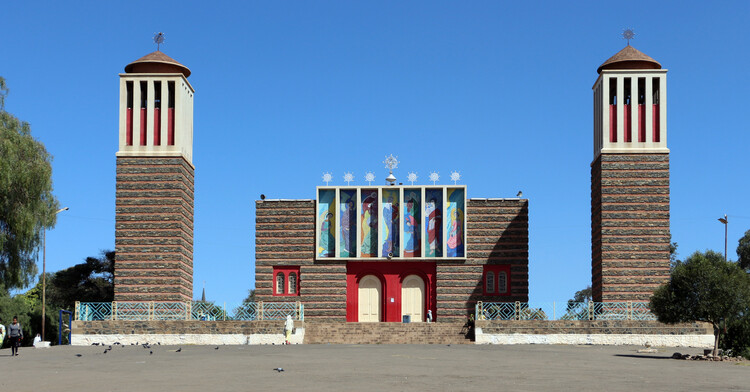
Asmara, the capital of Eritrea, sits at over 2,300 meters above sea level on a plateau at the edge of the Great Rift Valley escarpment. Although situated in a country not known for large visitor numbers, the city has gained fame for its unique architecture. In July 2017, it became a UNESCO World Heritage Site, inscribed as "Asmara: A Modernist African City," the first modernist urban site anywhere to be listed in its entirety, and Africa's first explicitly modernist World Heritage Site. Its heritage value came about as a result of a complex convergence of two aspects of Eritrea's history: an intense period of colonial construction as Italy pursued its imperial ambitions in Africa, and a long period of relative isolation that insulated the city from redevelopment.


Asmara Heritage Project: Documenting a Colonial Project that Became Eritrea's National Symbol - Image 1 of 4Asmara Heritage Project: Documenting a Colonial Project that Became Eritrea's National Symbol - Image 2 of 4Asmara Heritage Project: Documenting a Colonial Project that Became Eritrea's National Symbol - Image 3 of 4Asmara Heritage Project: Documenting a Colonial Project that Became Eritrea's National Symbol - Image 4 of 4Asmara Heritage Project: Documenting a Colonial Project that Became Eritrea's National Symbol - More Images+ 8

Colonial Connections: The Railway on the African Continent

Subscriber Access | 

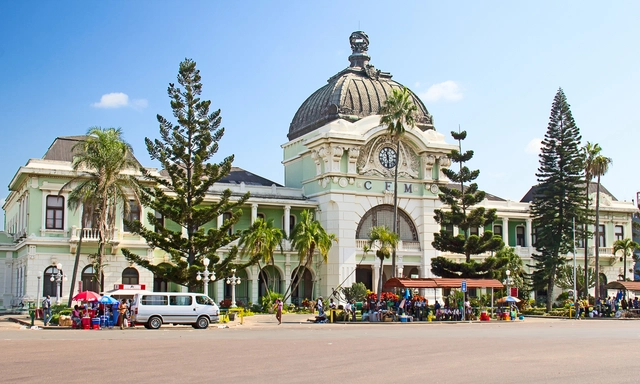
There’s a well-known catchphrase – “Cape to Cairo” – that has spawned numerous books and piqued the imagination of countless travellers of the African continent. The phrase’s origins are of imperial nature, birthed out of an 1874 proposal by English journalist Edwin Arnold that sought to discover the origins of the Congo River. This project was later taken up by imperialist Cecil Rhodes, who envisioned a continuous railway of British-ruled territories that stretched from the North to the South of the continent.

Colonial Connections: The Railway on the African Continent  - Image 1 of 4Colonial Connections: The Railway on the African Continent  - Image 2 of 4Colonial Connections: The Railway on the African Continent  - Image 3 of 4Colonial Connections: The Railway on the African Continent  - Image 4 of 4Colonial Connections: The Railway on the African Continent  - More Images+ 8

Bauhaus Houses, Eritrea's Capital and Ahmedabad's Walled City Among 20 Cultural Sites Added to UNESCO's World Heritage List

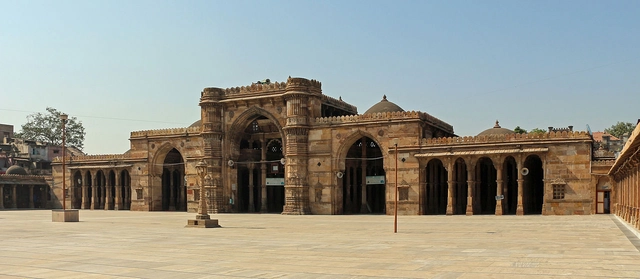
UNESCO’s World Heritage Committee, currently holding its forty-first annual session in the Polish city of Krakow, inscribed twenty new cultural sites on its World Heritage List, including the historic city of Ahmedabad in India, archaeological sites in Cambodia and Brazil, and a “cultural landscape” in South Africa. The Committee also added extensions to two sites already on the list: Strasbourg in France, and the Bauhaus in Germany. On the other hand, the historic center of Vienna was inscribed on the List of World Heritage in Danger as the Committee examined the state of conservation of one-hundred-and-fifty-four of its listed sites.

Bauhaus Houses, Eritrea's Capital and Ahmedabad's Walled City Among 20 Cultural Sites Added to UNESCO's World Heritage List - Image 1 of 4Bauhaus Houses, Eritrea's Capital and Ahmedabad's Walled City Among 20 Cultural Sites Added to UNESCO's World Heritage List - Image 2 of 4Bauhaus Houses, Eritrea's Capital and Ahmedabad's Walled City Among 20 Cultural Sites Added to UNESCO's World Heritage List - Image 3 of 4Bauhaus Houses, Eritrea's Capital and Ahmedabad's Walled City Among 20 Cultural Sites Added to UNESCO's World Heritage List - Image 4 of 4Bauhaus Houses, Eritrea's Capital and Ahmedabad's Walled City Among 20 Cultural Sites Added to UNESCO's World Heritage List - More Images+ 4

10 Highlights from Guardian Cities' "History of Cities in 50 Buildings"

Subscriber Access | 

All good things must come to an end, and Guardian Cities' excellent "History of Cities in 50 Buildings" series is sadly no exception, with only a few more left to be published before they hit 50. The whole series is definitely worth the read, bringing in the best of academic and architectural writing from guest authors and the Guardian's own Cities team, but if you're strapped for time - and if you're an architect, it's fairly likely that's true - we've rounded up 10 highlights from the list to get you started.

10 Highlights from Guardian Cities' "History of Cities in 50 Buildings" - Image 1 of 410 Highlights from Guardian Cities' "History of Cities in 50 Buildings" - Image 2 of 410 Highlights from Guardian Cities' "History of Cities in 50 Buildings" - Image 3 of 410 Highlights from Guardian Cities' "History of Cities in 50 Buildings" - Image 4 of 410 Highlights from Guardian Cities' History of Cities in 50 Buildings - More Images+ 6