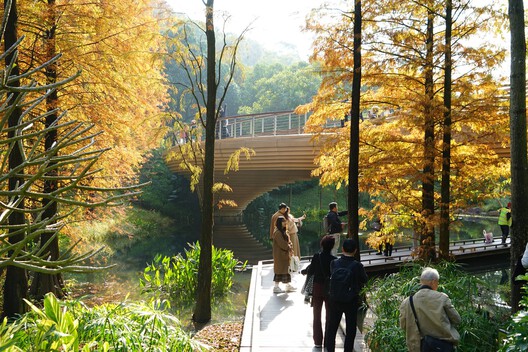
Botanical gardens bring the landscape, design, community, and scientific inquiry into close conversation. Emerging from medicinal gardens and private collections that were dedicated to classifying plants, botanical gardens were developed into institutions where specimens gathered across regions and climates could be cultivated and presented to public audiences. Their evolving position in society produced a distinct architectural repertoire, from greenhouses and conservatories to herbaria and laboratories and, eventually, visitor centers and hospitality spaces. Architecture remains integral to the botanical garden as an instrument of cultivation and a framework for organizing and studying the field of botany.
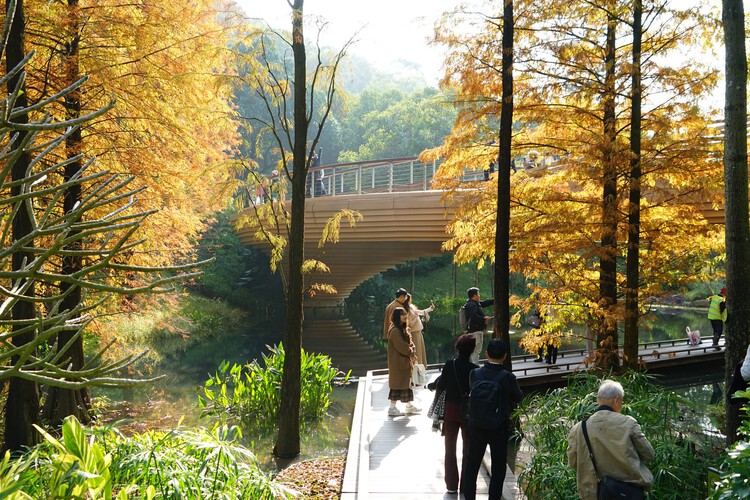
The botanical garden persists into the twenty-first century as an increasingly expansive cultural and scientific institution, shaped by curious questions surrounding biodiversity, conservation, climate, and ecological change. While research laboratories and seed collections support the study and preservation of plant life, classrooms and exhibition spaces extend the garden into education, recreation, leisure, and the arts. As the programmatic and spatial responsibilities multiply, the garden assumes a broader civic role by bridging scientific research with public life and contemporary forms of placemaking. Its architecture follows this in its expanding scope, encompassing spaces for researchers and horticulturists alongside spaces for families, students, tourists, and local community groups, welcomed into productive landscapes of cultivation.


