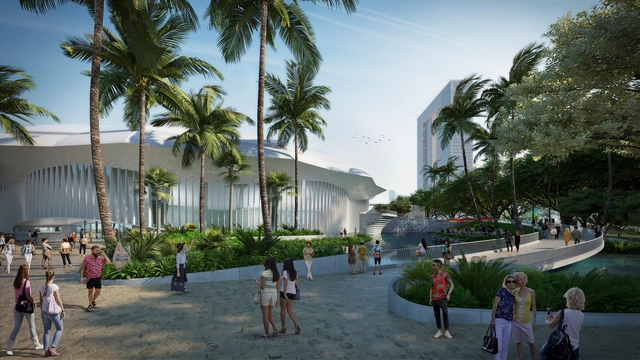
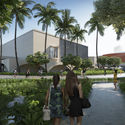
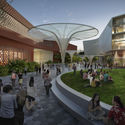
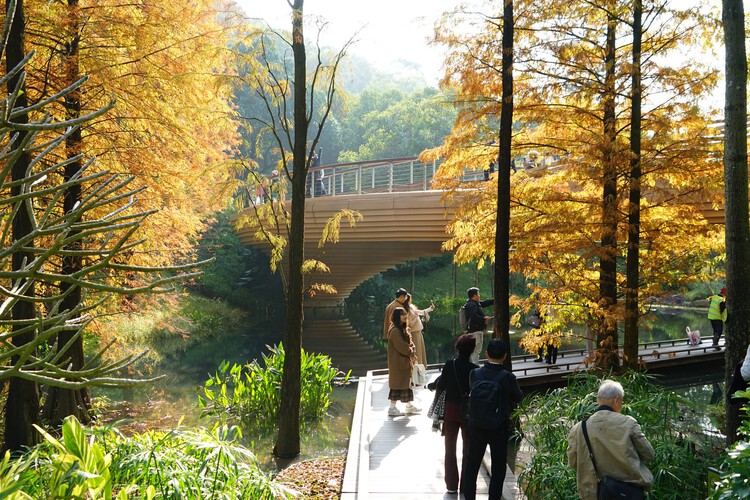
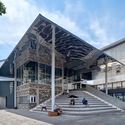
Guangzhou Yunxi Botanical Garden / AECOM + Architectural Design & Research Institute of SCUT + Guangzhou Landscape Architectural Design & Research Institute . Image Courtesy of AECOM
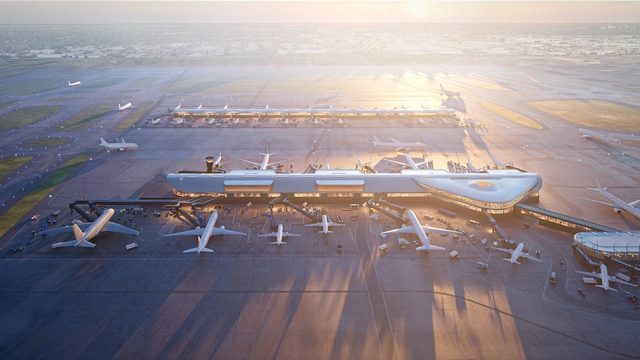
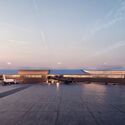
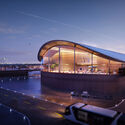
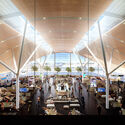
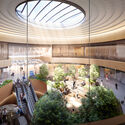
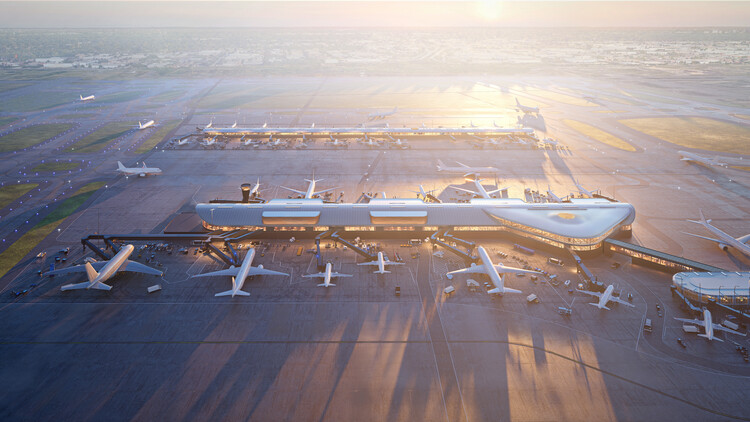
The City of Chicago and the Chicago Department of Aviation (CDA) have broken ground on Concourse D at O'Hare International Airport, designed by Skidmore, Owings & Merrill (SOM) in collaboration with Ross Barney Architects, Juan Gabriel Moreno Architects (JGMA), and Arup. The project marks the first building in ORDNext, O'Hare's most ambitious expansion to date, and introduces a new chapter in the airport's modernization. Construction management is led by AECOM Hunt Clayco Bowa, with completion expected in late 2028. Planning is also progressing on Concourse E, the second satellite concourse designed by the same team.
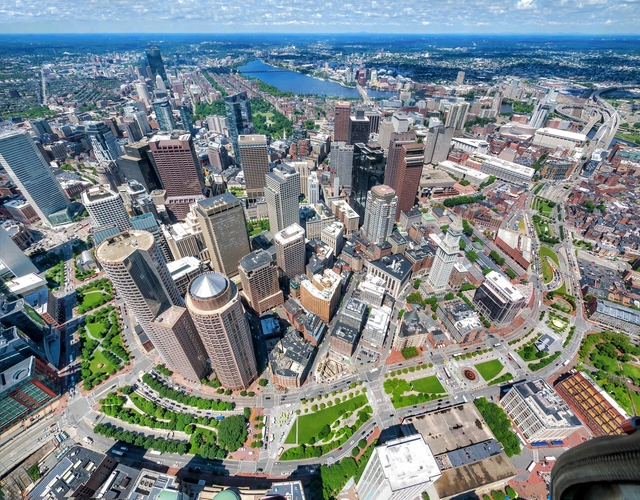
Greenways, as a typology of urban design, have become an essential element in the planning of modern cities. They emerge in response to the increasing fragmentation of urban landscapes by elements such as highways. They usually integrate natural and constructed spaces, providing much-needed connections across various parts of the city. At the same time, they promote pedestrian accessibility, recreation, and social interaction. The Rose Kennedy Greenway in downtown Boston, United States, exemplifies this human-centered approach to design. The project, which began construction in 1991, showcases the potential of greenways to reconnect urban environments and enhance community life. As a series of parks designed by various architecture firms, it aims to create physical links and meaningful spaces that foster social development and a sense of place.
As the Paris 2024 Olympics draw to a close, the city has showcased a new model for hosting the iconic Games by integrating its landmarks and urban spaces into the event. As the spotlight now shifts to Los Angeles, the 2028 Summer Olympics present a different approach from a built environment and urban planning perspective. During the 2024 Olympics, Paris used its rich cultural heritage as a backdrop for competition, reimagining sports within the city's built environment. This approach not only highlighted the city's history and architecture but also minimized the need for new construction, focusing instead on temporary and innovative uses of existing spaces.
Officially the Games of the XXXIV Olympiad, LA28 is scheduled to take place from July 14–30, 2028. Los Angeles, a city with a deep Olympic history, will host the Games for the third time, following its previous times in 1932 and 1984. In contrast to the typical Olympic model, which often involves extensive new construction, Los Angeles is planning to leverage its existing infrastructure and venues spread across Greater Los Angeles, with most venues grouped in sports parks across Downtown Los Angeles, San Francisco Valley, Carson, Long Beach, and Oklahoma. No new permanent venue shave been announced to be built specifically for the Games. This strategy is designed to minimize environmental impact and financial costs, aligning with broader goals of sustainability and responsible urban development.
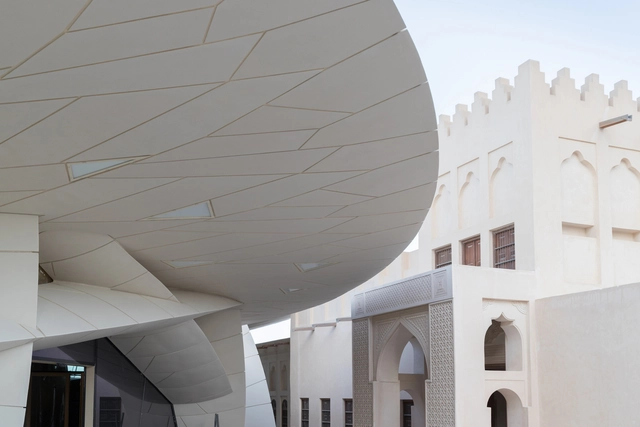
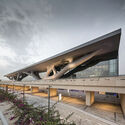
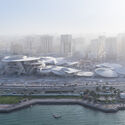
Doha is the capital of Qatar and the county’s most populated area, accommodating more people than the rest of Qatar combined. Located on the coast of the Persian Gulf, Doha is a relatively young city, founded in the vicinity of another settlement, Al Bidda, sometime during the 1820s. In recent years, the city has seen rapid population growth, an image reflected in the architectural landscape. During the 1960s and 1970s, many of the old districts in Doha were demolished to make space for new developments, while several schemes have been deployed to advocate for the preservation of the city’s cultural and architectural heritage.
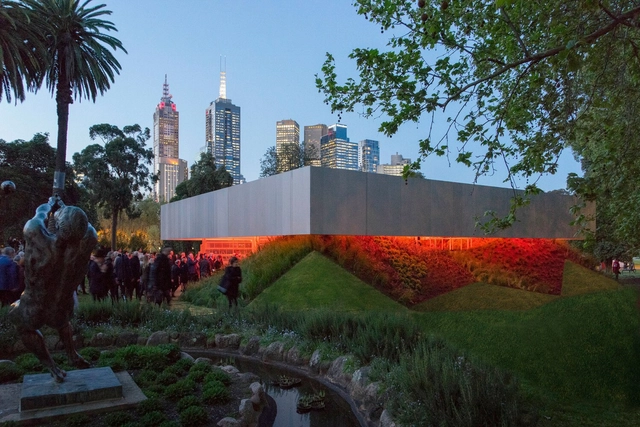
The MPavilion represents one of the most important architectural events happening annually in Melbourne, Australia. Initiated and founded by the Naomi Milgrom Foundation, the event was first launched in 2014 and has since brought internationally recognized architects to design a temporary structure in Melbourne's Queen Victoria Gardens in a system similar to London’s Serpentine Gallery Pavilion. From Sean Godsell's solar-actioned panels to Studio Mumbai‘s experimental bamboo structure, each pavilion explores craftsmanship and contemporary design while fostering a rich cultural program for several months before being disassembled and donated to one of the city’s parks. As the latest pavilion was recently inaugurated by Tadao Ando, we look back at the previous editions of Australia’s most famous annual structure.
Architecture design firm Buchan was selected to lead the design for the Australian Pavilion at Expo 2025 in Osaka, Japan. Under the theme "Chasing the Sun," the installation will encapsulate Australia's connection to the land and the Cosmos, displaying its rich culture and diverse arts scene. From 13 April 2025 to 13 October 2025, more than 150 countries will participate in a single location, anticipating 28 million visitors from across the globe.
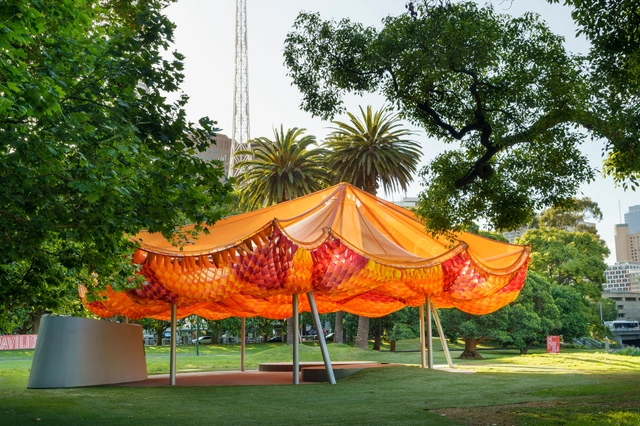
The ninth edition of the MPavilion opened with an orange canopy installation designed by Bangkok-based practice all(zone) in collaboration with AECOM and Schiavello Architects. From December 2022 to April 2023, visitors will experience a vibrant and joyful setting made of upcycling materials, featuring an architectural lighting program by Melbourne-based design practice Bluebottle.
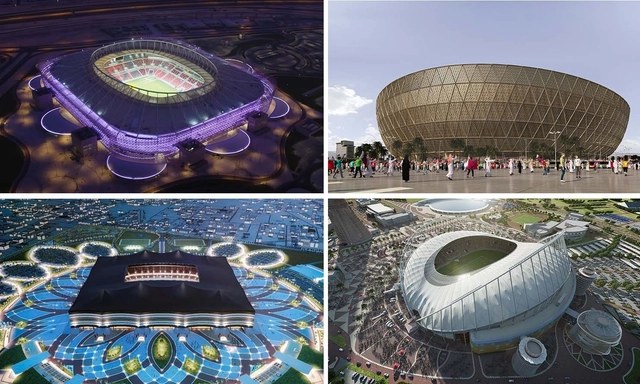
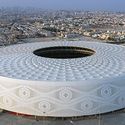
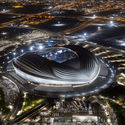
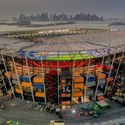
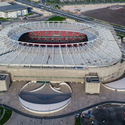
After years of preparation, the 2022 World Cup, one of the most anticipated global events of this year, was finally launched. The quadrennial international men's football championship is being held for the first time in an Arab country, Qatar, from the 21st of November to the 18th of December 2022. Ever since FIFA announced that Qatar will host the 2022 World Cup back in 2010, preparations for a total of 8 stadiums have been in full force, especially since it will be held in a country with critical climate conditions.
New York Governor Kathy Hochul announced last week that the current and former sites of Terminals 1, 2, and 3 on the south side of John F. Kennedy International Airport in Queens will be redeveloped to make way for a $9.5 billion international terminal that will be built out in phases beginning next year. With the first of its 23 gates anticipated to go live in 2026, the 2.4-million-square-foot newTerminal One will rank as the largest at JFK and, per a news release from the Governor’s Office, “aspires to be among the top-rated airport terminals in the world.”
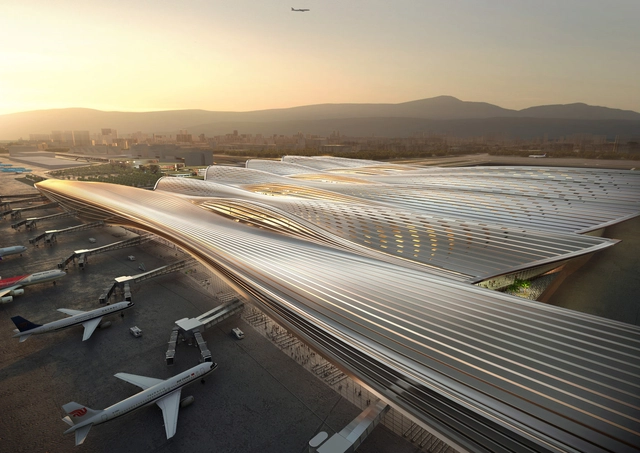
In a competition organized by Shenzhen Airport, Rogers Stirk Harbour + Partners (RSHP) and China Northeast Architectural Design & Research Institute (CNADRI) have won a competition to design the Terminal 4 Bao’an International Airport in Shenzhen, China. The winning design offers a new 400,000 sqm building with connections to existing and new transport infrastructure, as well as a space that promotes passenger interaction and wellbeing, all while maintaining a safe post-pandemic environment.
Scale defines spatial experience. From a single room or space to entire masterplans and urban designs, moving between scales shows how designers zoom in or out. Working across programs and contexts around the world, architects are exploring the possibilities of scale to shape human experience. For unbuilt work, these proposals combine ideas of structure, materiality and form to redefine typologies and the future of urban environments.
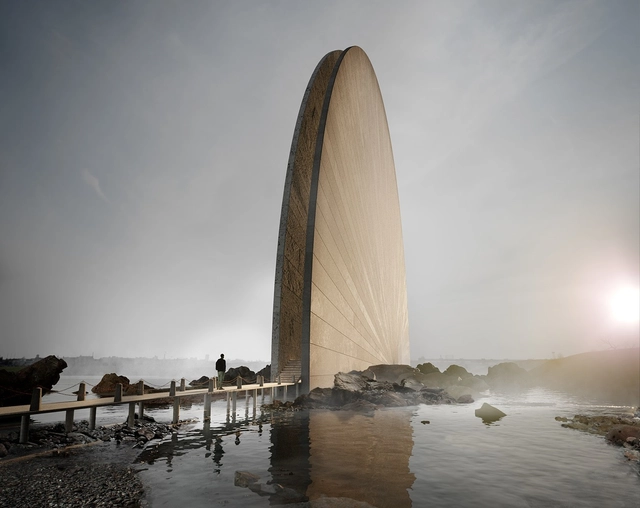
This week’s curated selection of the Best Unbuilt Architecture focuses on diverse scales of building. Drawn from an array of firms and local contexts, they represent proposals submitted by the ArchDaily Community. They showcase different approaches to designing at diverse scales, from the size of a single room to a high-rise. The projects include a log driving museum in Oslo and a center for health in Hawaii, to a laboratory in Shenzhen and a skyscraper in Costa Rica.
Comparing revenues from the previous year, Architectural Record lines up annually a list of the Top 300 U.S. Firms. Based on the 2019 data, Gensler tops again the selection, for the ninth year in a row, and Perkins and Will takes the second position. Third, fourth and fifth places were presented for Engineering Architecture firms HDR, Jacobs, and AECOM. Other companies in the top 10 include HKS and Skidmore, Owings & Merrill.
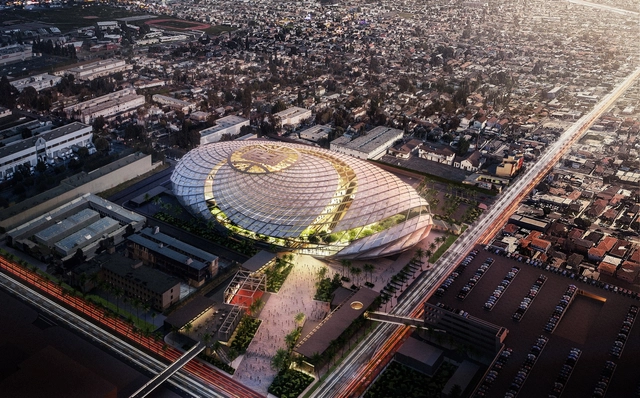
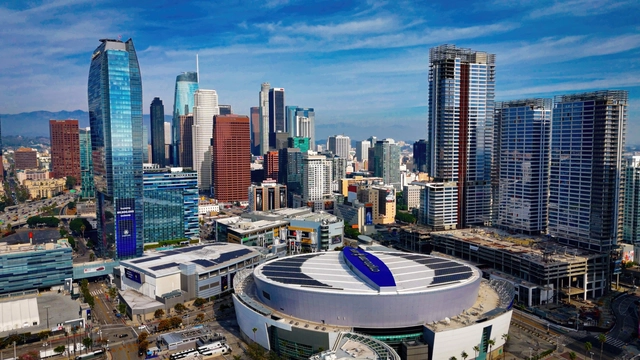
LA Clippers Arena. Image Courtesy of Los Angeles Clippers, AECOM
AECOM has unveiled a new design for a "basketball net-inspired" 900,000-square-foot arena for the LA Clippers in Inglewood. Working with Anderson Barker Architects, the City Design Studio of Los Angeles, and Hood Studios, the team's proposal includes a solar panel tile cladding system around the building and sunken basketball court. The project's facade was designed to symbolize the diamond shapes in a basketball net.
Snøhetta, WCIT, and AECOM have released details of their proposed Neal S. Blaisdell Center Master Plan for Honolulu, Hawaii. Located in the urban heart of O’ahu, the existing 1964 center is home to the state’s premier arts and cultural venues. The aging structure is now set to be transformed by a 22-acre complex for future generations, featuring a performance hall, exhibition hall, sports pavilion, parking structure, and reconceived public space.
Architectural Record released the 2018 edition of its annual list of the Top 300 Architecture Firms in the United States. Compiled by Record's sister publication Engineering News-Record, the list ranks firms based on architectural revenue from services performed in 2017. Gensler remains at the top for the seventh consecutive year. For more insight and comments from the leading firms' leadership, see Architectural Record's announcement.
https://www.archdaily.com/897029/top-300-architecture-firms-in-the-usa-for-2018AD Editorial Team
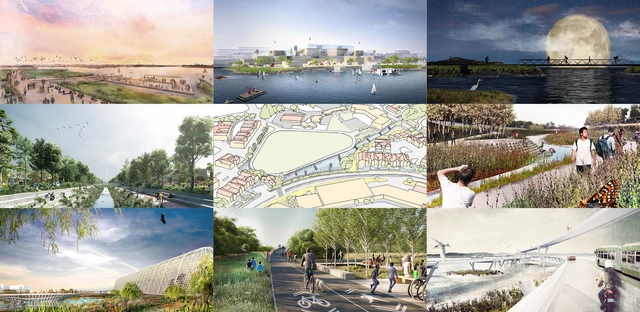
One year after the launch of Resilient by Design's Bay Area Challenge, led by TLS Landscape has presented the final nine design concepts. The Bay Area Challenge launched with a call to action to "bring together local residents, community organizations, public officials and local, national, and international experts to develop innovative solutions that will strengthen our region's resilience to sea level rise, severe storms, flooding, and earthquakes." The idea formulated as a “blueprint for resilience” that can be replicated and utilized locally and globally. Other urban challenges will also be addressed, including housing, transport, health and economic disparity as a means of not just protecting the current regions, but strengthening them.
The elite, collaborative teams include world-renowned designers like BIG, Mithun and HASSELL+.
Read on for more about each of the final design concepts.

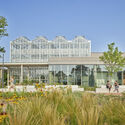
























_Garrett_Rowland_Courtesy_of_Gensler_02.jpg?1598951304 "Reebok Headquarters / Gensler. Image © Garrett Rowland")