1. ArchDaily
  2. Marc Mimram Architecture

Marc Mimram Architecture: The Latest Architecture and News

Landscape as Choreography: Architecture in the Contemporary Botanical Garden

Subscriber Access | 
Audio available

Botanical gardens bring the landscape, design, community, and scientific inquiry into close conversation. Emerging from medicinal gardens and private collections that were dedicated to classifying plants, botanical gardens were developed into institutions where specimens gathered across regions and climates could be cultivated and presented to public audiences. Their evolving position in society produced a distinct architectural repertoire, from greenhouses and conservatories to herbaria and laboratories and, eventually, visitor centers and hospitality spaces. Architecture remains integral to the botanical garden as an instrument of cultivation and a framework for organizing and studying the field of botany.

Landscape as Choreography: Architecture in the Contemporary Botanical Garden - Imagem 1 de 4Landscape as Choreography: Architecture in the Contemporary Botanical Garden - Imagem 2 de 4Landscape as Choreography: Architecture in the Contemporary Botanical Garden - Imagem 3 de 4Landscape as Choreography: Architecture in the Contemporary Botanical Garden - Imagem 4 de 4Landscape as Choreography: Architecture in the Contemporary Botanical Garden - More Images+ 98

Architecture Beyond Humanity: Designing for Non-Human Species

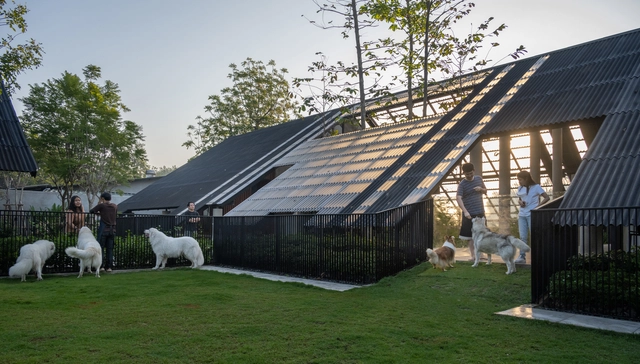
Are humans the only stewards of the built environment? For many architects and planners, spaces are designed with a focus on the needs, comfort, and health of humans. A spatial ordering, in constructed spaces and the urban fabric, designates humans as the default, singular user in this scenario. However, as much as humans have influenced the trajectory of the world, other species play a crucial role in designing, forming, and maintaining the urban landscapes of the twenty-first century.

Architecture Beyond Humanity: Designing for Non-Human Species - Image 1 of 4Architecture Beyond Humanity: Designing for Non-Human Species - Image 2 of 4Architecture Beyond Humanity: Designing for Non-Human Species - Image 3 of 4Architecture Beyond Humanity: Designing for Non-Human Species - Image 4 of 4Architecture Beyond Humanity: Designing for Non-Human Species - More Images+ 30

"Nature and Structure Connect to Transform Our Landscapes and Even Our Climate": Marc Mimram on His New Bridge in Austria

Subscriber Access | 

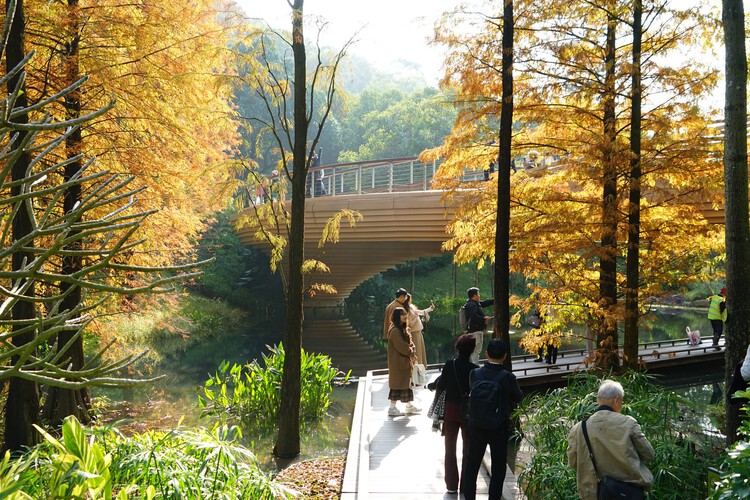
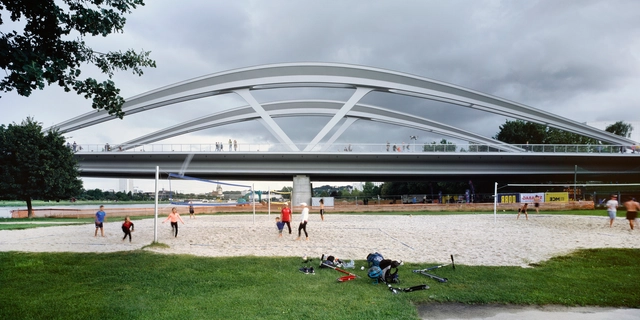
Whether figuratively or in an urban context, bridges are a strong symbol and often become iconic projects in cities. Building bridges can mean creating connections, new opportunities. But they are also fundamental pieces of infrastructure that solve specific issues in an urban context. As these involve highly technical equipment, with complex constructions and overwhelming bold structural requirements, they require projects that do not need full integration between architecture and engineering and, in many contexts, is a type of projects that architects are not so involved with. Marc Mimram Architecture & Engineering is a Paris-based office comprised of an architecture agency and a structural design office. In its project portfolio, there are several bridges, as well as various other project typologies. We spoke with Marc Mimram about his latest project in Austria, the bridge at Linz, photographed by Erieta Attali.

Five Projects Win Aga Khan Award for Architecture

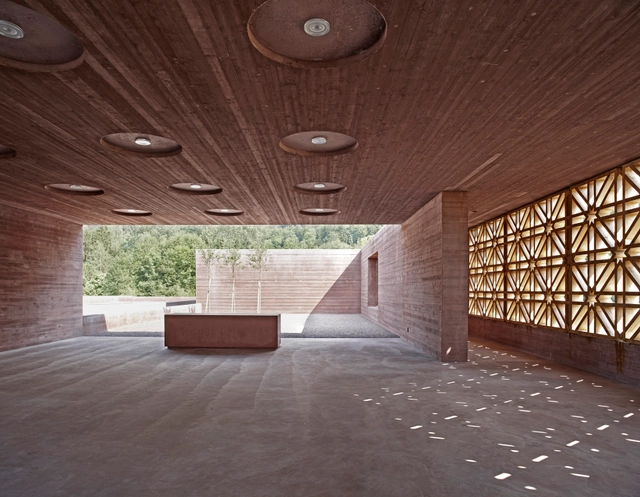
The Master Jury for the 2013 Aga Khan Award for Architecture has announced five deserving projects as winners of the prestigious, US$1 million prize. Since the award was launched 36 years ago, over 100 projects have received the prize and more than 7,500 building projects have been documented for exhibiting architectural excellence and improving the overall quality of life in their regions.

The 2013 Aga Khan Award for Architecture winners include: