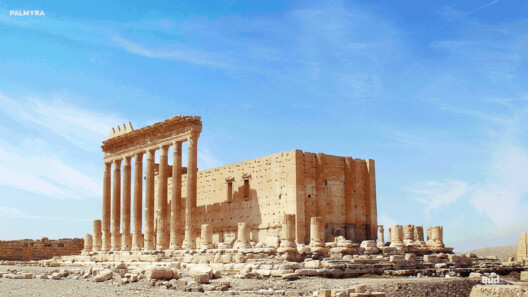
A war can erase a skyline overnight. Roofs collapse, streets become impassable, and landmarks that once oriented everyday life are reduced to rubble. The most profound loss often remains invisible. Buildings can be surveyed, photographed, scanned, and, eventually, rebuilt. The knowledge that produced them is far more fragile. It survives in the hands of stonemasons who understand how a limestone vault carries its load, carpenters who know how timber joints respond to seasonal movement, plasterers who mix lime by memory rather than measurement, and residents whose everyday rituals keep these buildings in use. When these people are displaced, killed, or forced to abandon their trades, reconstruction inherits a problem that no drawing or digital model can solve. Stone can always be quarried again. Recovering the knowledge to shape it takes much longer.
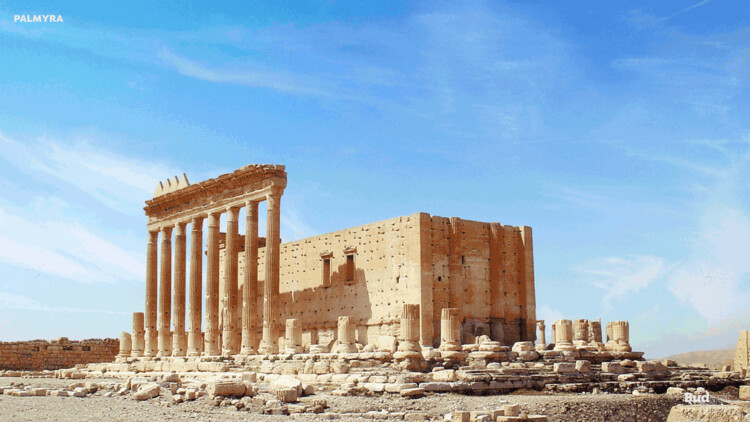
As conflicts across Syria, Iraq, Lebanon, and Palestine shift from emergency response toward long-term recovery, another question begins to emerge. Reconstruction is often measured through housing delivered, infrastructure restored, or monuments repaired. These metrics overlook a more fundamental question: who will possess the knowledge to repair these places twenty years from now? International organisations now recognise that preserving architectural knowledge is not separate from reconstruction. Safeguarding architectural knowledge has become one of reconstruction's central tasks.
The first stage of rebuilding often begins long before construction starts. In conflict zones, documentation becomes preservation. When buildings remain inaccessible or continue to deteriorate, surveys, photographs, photogrammetry, GIS mapping, and oral histories become the only surviving record of architectural knowledge. For many damaged sites, these records become the starting point for rebuilding.
Related Article
Deir ez-Zor: Raising Hope Through Heritage Documentation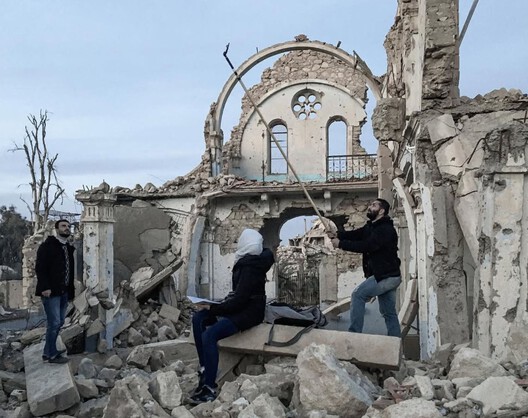
The Deir ez-Zor Heritage Library, in eastern Syria, offers one of the clearest examples. Architects and conservation specialists established the project in 2018 while conflict was still ongoing. Working with little more than smartphones, laptops, and photogrammetry software, the team documented the city's historic Main Street, surveying Ottoman-era buildings, markets, churches, mosques, and houses that remained under constant threat. Some of these structures sustained additional damage after the 2023 earthquake, making the digital records the most complete surviving documentation of their architecture. The initiative also documented more than buildings. Former residents contributed memories, shop owners shared histories, and craftspeople from the woodworking market documented techniques alongside buildings, turning the archive into a record of the city's social and material knowledge.
Similar work is now emerging across Syria through independent initiatives such as the Archive of Modern Architecture in Syria (AMASyria), Turathuna Foundation, and Rafekatuna. Operating with limited resources and often outside formal institutional frameworks, these groups have created digital repositories, documented endangered buildings, collected architectural drawings, and recorded oral histories before they disappear. Reconstruction begins well before cranes arrive.
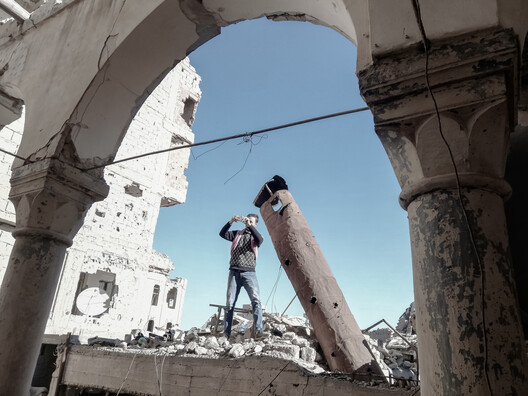
Documentation, however, preserves only part of a building's intelligence. Drawings record dimensions. Scans capture geometry. Photographs preserve surfaces. None fully explain how a traditional vault is assembled, how lime mortar is prepared to suit a local climate, or how centuries-old repair techniques are adapted on site. Historic architecture depends upon forms of tacit knowledge that are transmitted through apprenticeship rather than documentation. Conflict interrupts precisely these chains of transmission.
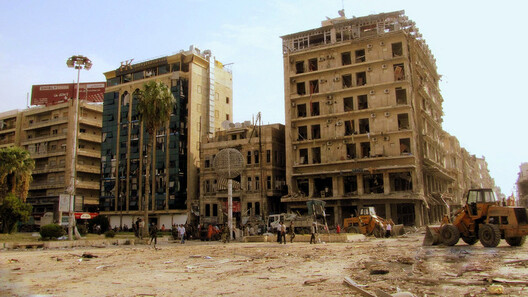
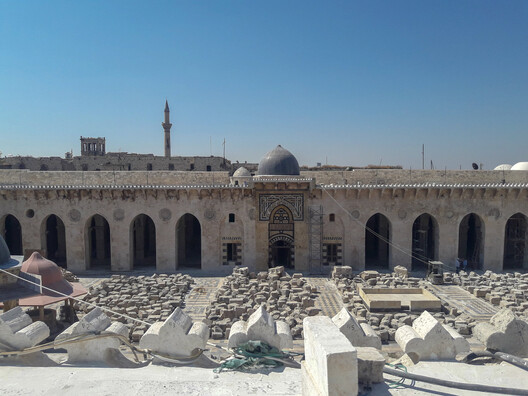
Aleppo's historic districts show this clearly. Repairing damaged limestone buildings has required not only architectural documentation but also the revival of traditional masonry techniques capable of matching original construction. Similar lessons emerged after the 2020 Beirut port explosion. Thousands of historic buildings suffered damage, yet reconstruction quickly revealed a shortage of specialist craftspeople familiar with traditional materials and conservation methods. Restoration projects paired conservation work with apprenticeships for masons, joiners, and metalworkers. Restoring buildings became inseparable from training the people who would continue repairing them.
These projects point towards a different understanding of heritage. Historic buildings cannot simply be recreated through imported expertise or industrial construction methods. They depend upon local material knowledge, regional construction practices, and crafts that have evolved over generations. Preserving historic buildings also means preserving the people who know how to repair them.
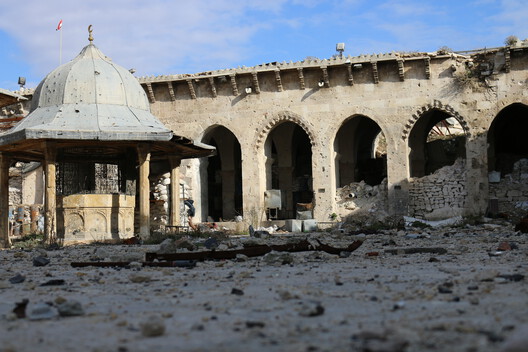
UNESCO's Revive the Spirit of Mosul programme places this idea at the centre of reconstruction. Following extensive destruction across the city, the initiative was deliberately conceived as more than a conservation project. Alongside restoring monuments and historic houses, UNESCO partnered with ICCROM to train young professionals, develop conservation expertise, support apprenticeships, and create employment opportunities rooted in traditional construction techniques. Thousands of local jobs have been generated through restoration activities, while training programmes have ensured that knowledge remains within the community rather than leaving with external consultants. In Mosul, reconstruction is also an investment in future capacity.
The effects continue long after individual projects end. Local craftspeople continue repairing buildings after international funding has moved elsewhere. Materials remain usable because people still know how to work with them. The knowledge needed for future repairs stays within the community instead of leaving with outside specialists.
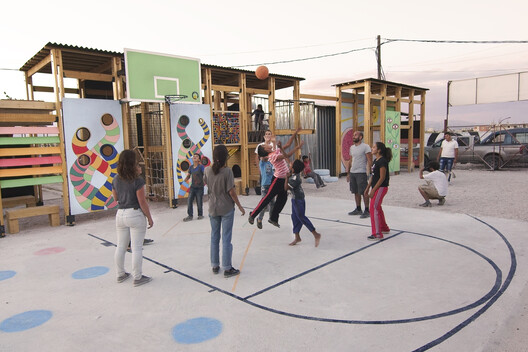
Similar principles appear well beyond conflict zones. Romania's Ambulance for Monuments, for example, approaches endangered heritage through emergency stabilisation. Its philosophy is intentionally modest: intervene just enough to keep buildings standing while simultaneously training students, craftspeople, and local communities in conservation skills. The objective is not merely to rescue individual monuments but to rebuild the human capacity required to care for them over generations. Heritage survives when stewardship becomes a shared local skill rather than the responsibility of distant experts.
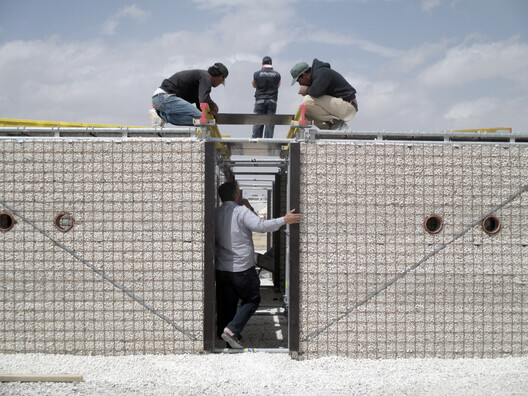
These projects also suggest another way of measuring reconstruction. Success is often measured by numbers of buildings restored, streets reopened, or infrastructure repaired. These are important achievements, but they reveal little about whether cities have recovered their ability to care for themselves. A rebuilt monument that depends indefinitely on imported expertise remains vulnerable. A city that has regained its craftspeople, workshops, conservation schools, and repair traditions has recovered the ability to care for itself.
The same questions now surround future reconstruction in places such as Gaza. Beyond rebuilding homes and public infrastructure lies a deeper challenge: ensuring that architectural recovery preserves the building knowledge, material traditions, and local expertise that give cities their identity. Documentation, craft, education, and stewardship cannot be treated as secondary cultural concerns. Without them, reconstruction becomes repair without continuity.
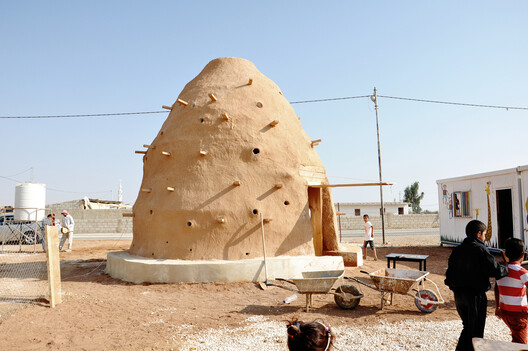
Across these projects, one pattern keeps returning. Buildings can often be reconstructed from drawings, photographs, and digital models. Recovering the knowledge to repair them is far more difficult. That knowledge survives through apprenticeships, workshops, everyday practice, and the transfer of skills from one generation to the next. A skyline can return within a decade. Recovering the people who know how to repair it may take generations.
This article is part of the ArchDaily Topic: The Architecture of Craft: Handmade Stories in a Digital Age. Every month we explore a topic in-depth through articles, interviews, news, and architecture projects. We invite you to learn more about our ArchDaily Topics. And, as always, at ArchDaily we welcome the contributions of our readers; if you want to submit an article or project, contact us.