1. ArchDaily
  2. Modern Heritage

Modern Heritage: The Latest Architecture and News

The Spirit of Space: 10 Distillery Projects Where Production Shapes Architecture

Subscriber Access | 

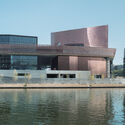
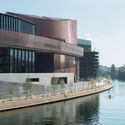
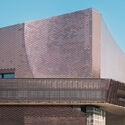
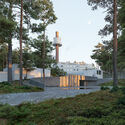
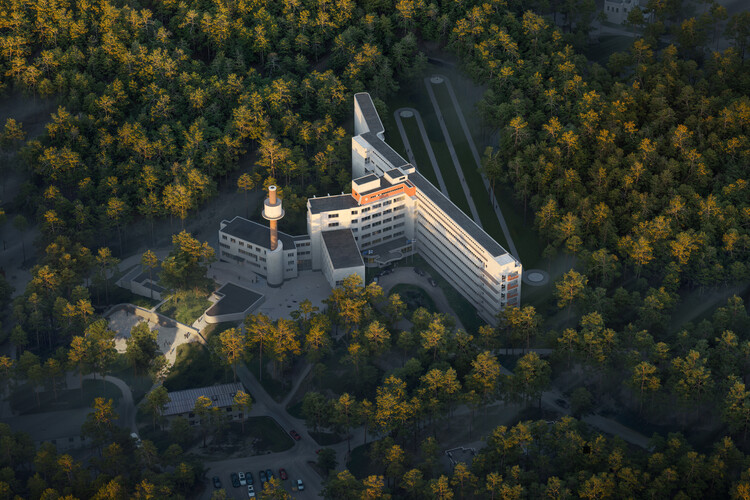
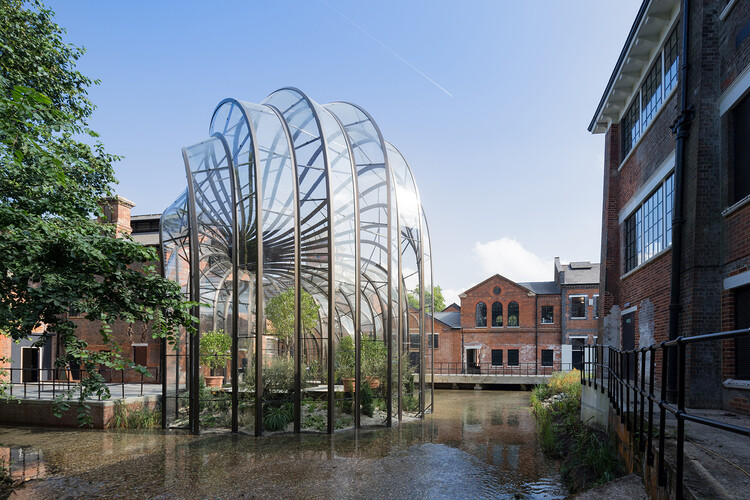
Unlike many industrial programs traditionally concealed behind neutral façades and hermetic spaces, contemporary distilleries often expose their production processes as an essential part of the architectural experience. The heat of the stills, the vapors of distillation, and the paths traced by raw materials cease to function merely as technical operations and instead assume spatial prominence.

Although they produce different spirits, the projects selected below share similar architectural challenges. All must organize industrial flows, control specific conditions of temperature, ventilation, and storage, and reconcile technical areas with public visitation routes. At the same time, each distillery develops particular responses to its territory, revealing different ways of relating production to landscape.

The Spirit of Space: 10 Distillery Projects Where Production Shapes Architecture - Image 1 of 4The Spirit of Space: 10 Distillery Projects Where Production Shapes Architecture - Image 2 of 4The Spirit of Space: 10 Distillery Projects Where Production Shapes Architecture - Image 3 of 4The Spirit of Space: 10 Distillery Projects Where Production Shapes Architecture - Image 4 of 4The Spirit of Space: 10 Distillery Projects Where Production Shapes Architecture - More Images+ 21

Historic Entertainment Venues in Oxford, Valparaíso, and Osaka Reflect Growing Pressures on Cultural Infrastructure

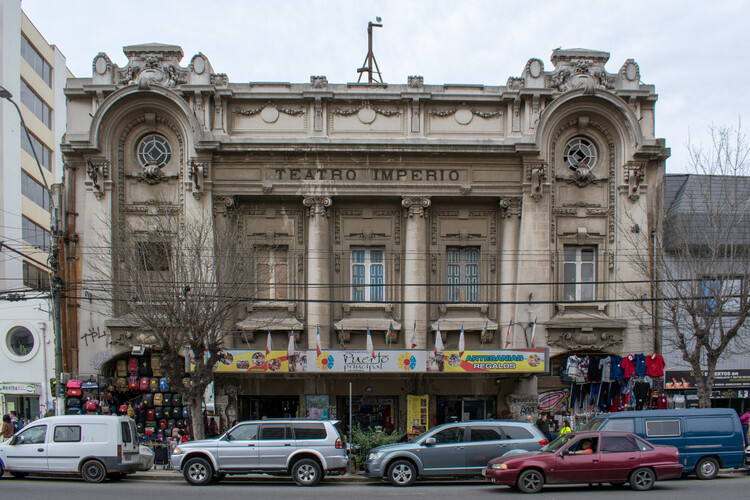
Between 2005 and 2021, French photographers Yves Marchand and Romain Meffre developed a long-term project titled Theaters. Recently exhibited at KYOTOGRAPHIE 2026, the work documents a phenomenon that continues to unfold gradually around the world: the decline of infrastructure originally designed for public entertainment in the early twentieth century. Theaters, cinemas, and performance venues that once accompanied the modernization of cities are increasingly being abandoned, repurposed, or "left suspended as hybrid ruins." This process is often associated with the growing individualization of cultural consumption, from the widespread adoption of television to the rise of the streaming industry, as well as the impact of the COVID-19 pandemic on cultural institutions. Below are three cases located in England, Chile, and Japan that illustrate different stages in this transformation, while also highlighting community-led efforts to preserve modern cultural heritage.

Historic Entertainment Venues in Oxford, Valparaíso, and Osaka Reflect Growing Pressures on Cultural Infrastructure - Image 1 of 4Historic Entertainment Venues in Oxford, Valparaíso, and Osaka Reflect Growing Pressures on Cultural Infrastructure - Image 2 of 4Historic Entertainment Venues in Oxford, Valparaíso, and Osaka Reflect Growing Pressures on Cultural Infrastructure - Image 3 of 4Historic Entertainment Venues in Oxford, Valparaíso, and Osaka Reflect Growing Pressures on Cultural Infrastructure - Image 4 of 4Historic Entertainment Venues in Oxford, Valparaíso, and Osaka Reflect Growing Pressures on Cultural Infrastructure - More Images+ 1

A Cultural Center in the Arctic and a New Look at Croatian Modernism: This Week’s Review

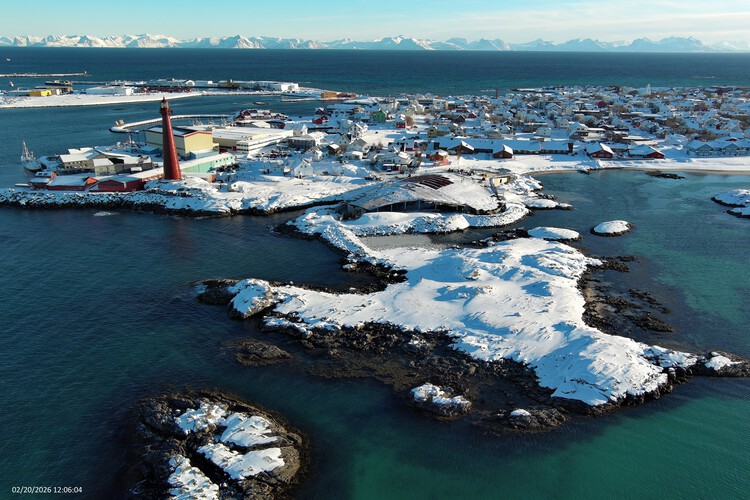
This week's selection of architecture news and projects invites a rethinking of the social, cultural, and environmental role of design across diverse scales and geographies. From community-led efforts to preserve modern heritage, such as the campaigns surrounding the Îlot 8 housing complex in France and a renewed photographic attention toward Croatia's Split 3 district, to broader reflections on architecture's agency in the face of climate change and social transformation, many of the featured works question how architecture adapts over time and how it engages with collective life. This week's compilation also highlights architects expanding their practice beyond buildings through furniture, lighting, and object design, while three projects explore immersive relationships between landscape, climate, and observation in remote or environmentally sensitive contexts, from Arctic Norway to the oasis environments of the United Arab Emirates and the desert landscapes of Saudi Arabia.

A Cultural Center in the Arctic and a New Look at Croatian Modernism: This Week’s Review - Image 1 of 4A Cultural Center in the Arctic and a New Look at Croatian Modernism: This Week’s Review - Image 2 of 4A Cultural Center in the Arctic and a New Look at Croatian Modernism: This Week’s Review - Image 3 of 4A Cultural Center in the Arctic and a New Look at Croatian Modernism: This Week’s Review - Image 4 of 4A Cultural Center in the Arctic and a New Look at Croatian Modernism: This Week’s Review - More Images+ 30

Alternate Futures: Five Modernist Landmarks Reimagined for the 21st Century

Modernism in architecture was perhaps the first truly global building design philosophy. Established at the beginning of the twentieth century, its early proponents were heavyweights from Europe, such as Le Corbusier, Walter Gropius, and Mies van der Rohe. In 1923, Le Corbusier published his seminal written work, usually translated into English as Towards a New Architecture. Newness, and a rejection of history, was one of the central tenets of modernism. This manifested itself in the use of new materials such as steel and concrete, which gave rise to an unprecedented freedom of formal expression.

By the middle of the twentieth century, Modernism was adopted across the world by countries recovering from the Second World War and overcoming the legacy of colonialism. It became the language of reconstruction and of nation-building, reinforced by its rejection of the past. Its emphasis on technology suited this brave new world of industry, large-scale development, and new building types. Fast-forwarding to a century after its birth, Modernism itself has become the legacy. As buildings progressively become obsolete or reach the end of their design lives, there is an appreciation of the heritage value of these structures, both as designed items and as symbols of the spirit of the age in which they were built. Here, we look at five Modernist buildings from five regions going through adaptive reuse proposals. Where form once followed function, here, the function must follow the form.

Alternate Futures: Five Modernist Landmarks Reimagined for the 21st Century - Image 1 of 4Alternate Futures: Five Modernist Landmarks Reimagined for the 21st Century - Image 2 of 4Alternate Futures: Five Modernist Landmarks Reimagined for the 21st Century - Image 3 of 4Alternate Futures: Five Modernist Landmarks Reimagined for the 21st Century - Image 4 of 4Alternate Futures: Five Modernist Landmarks Reimagined for the 21st Century - More Images+ 3

Saint-Denis’ Brutalist Îlot 8 Housing Complex by Renée Gailhoustet Faces Controversial Redevelopment Plan

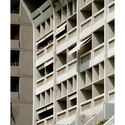
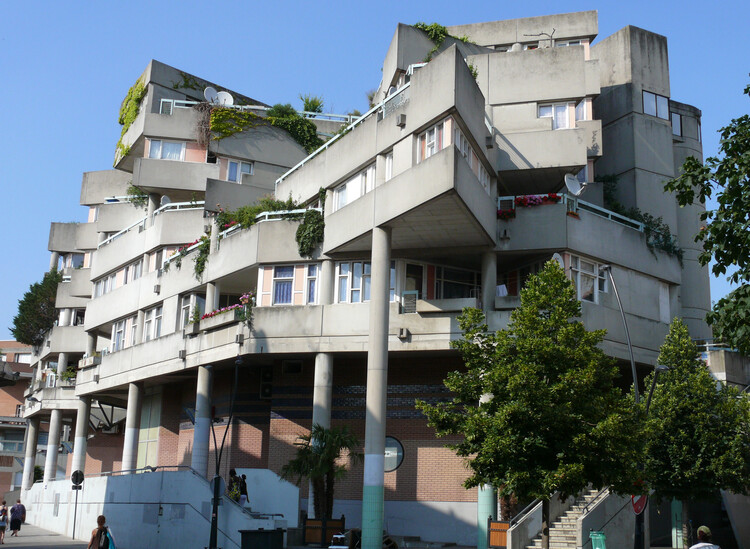
Saint-Denis is a commune in the northern suburbs of Paris, France, known for the Gothic Basilica of Saint-Denis and the Stade de France. At one corner of Place Jean-Jaurès in its historic center, adjacent to the Basilica, stands the Îlot 8 housing complex, a Brutalist landmark designed by architect Renée Gailhoustet. Built between 1975 and 1986 to provide workers' housing in the city center, countering the trend of relegating social housing to peripheral areas, the project is now at the center of a controversial redevelopment plan. Often referred to as "residentialization" and restructuring, the proposal involves the demolition of significant parts of its original design. This reconversion is part of the French Nouveau Programme National de Renouvellement Urbain (NPNRU) and is justified by concerns over structural deficiencies, safety, and maintenance.

Saint-Denis’ Brutalist Îlot 8 Housing Complex by Renée Gailhoustet Faces Controversial Redevelopment Plan - Image 1 of 4Saint-Denis’ Brutalist Îlot 8 Housing Complex by Renée Gailhoustet Faces Controversial Redevelopment Plan - Image 2 of 4Saint-Denis’ Brutalist Îlot 8 Housing Complex by Renée Gailhoustet Faces Controversial Redevelopment Plan - Image 3 of 4Saint-Denis’ Brutalist Îlot 8 Housing Complex by Renée Gailhoustet Faces Controversial Redevelopment Plan - Image 4 of 4Saint-Denis’ Brutalist Îlot 8 Housing Complex by Renée Gailhoustet Faces Controversial Redevelopment Plan - More Images+ 3

Hôtel de la Paix: An Alternative Approach to Modern Heritage in Togo

Subscriber Access | 

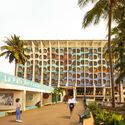
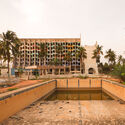
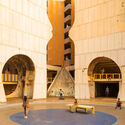
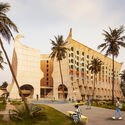
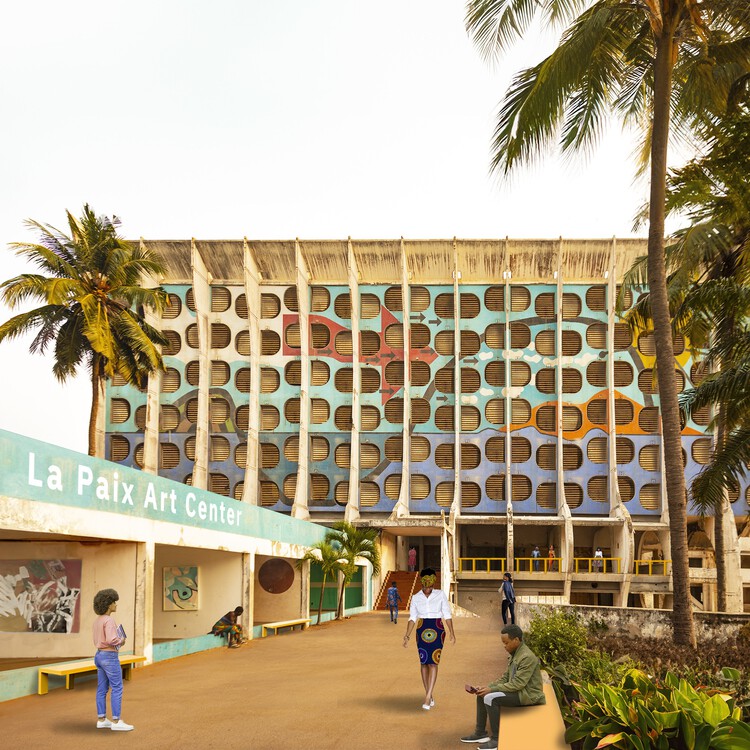
In late 2024, an event was held in the grounds of the recently refurbished colonial-era Palais de Lomé in the capital of Togo. Students from the architecture university of Lomé were attending the first Lomé Architecture Encounters (RAL #1), curated by the transdisciplinary Studio NEiDA, and which involved lectures, film screenings, workshops, and building visits. A parallel exhibition displayed the country's most significant architecture through history. The purpose of the event was to explore the architectural heritage of Togo, and it would be the start of a journey that crosses borders, asking questions about the conservation of modern heritage. Unlike colonial buildings like the Palais de Lomé itself, which are more appreciated and readily restored, neglected modern buildings like the Hôtel de la Paix require creative, bottom-up approaches to return them to their former vitality.

Hôtel de la Paix: An Alternative Approach to Modern Heritage in Togo - Image 1 of 4Hôtel de la Paix: An Alternative Approach to Modern Heritage in Togo - Image 2 of 4Hôtel de la Paix: An Alternative Approach to Modern Heritage in Togo - Image 3 of 4Hôtel de la Paix: An Alternative Approach to Modern Heritage in Togo - Image 4 of 4Hôtel de la Paix: An Alternative Approach to Modern Heritage in Togo - More Images+ 15

Studio Egret West to Masterplan the Future Phases of Battersea Power Station Regeneration in London

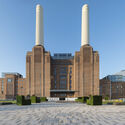
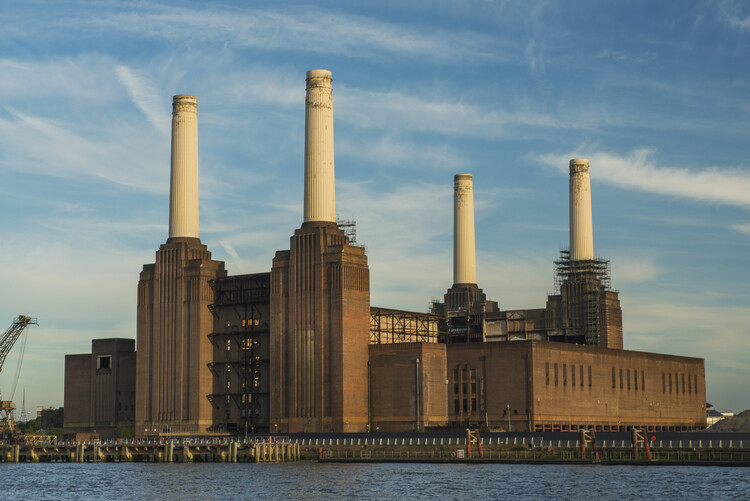
Battersea Power Station is a former coal-fired power station located on the south bank of the River Thames in London, originally designed by architects J. Theo Halliday and Giles Gilbert Scott. Notable for its appearance on the cover of Pink Floyd's 1977 studio album Animals and in Alfred Hitchcock's 1936 film Sabotage, the station is one of the world's largest brick buildings and is known for its Art Deco interior fittings and décor. Recognized today as part of modern industrial heritage, the site's transformation into a commercial development began in 2012, with the adaptive reuse guided by a masterplan designed by Rafael Viñoly. On February 16, Battersea Power Station announced the appointment of the strategic urban design practice Studio Egret West to evolve the original masterplan for the remaining 16 acres of the 42-acre riverside neighbourhood in the southwest London.

Studio Egret West to Masterplan the Future Phases of Battersea Power Station Regeneration in London - Image 4 of 4Studio Egret West to Masterplan the Future Phases of Battersea Power Station Regeneration in London - Image 1 of 4Studio Egret West to Masterplan the Future Phases of Battersea Power Station Regeneration in London - Image 2 of 4Studio Egret West to Masterplan the Future Phases of Battersea Power Station Regeneration in London - Image 3 of 4Studio Egret West to Masterplan the Future Phases of Battersea Power Station Regeneration in London - More Images

London’s Southbank Centre Receives National Heritage Protection After 35-Year Campaign

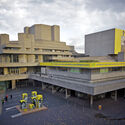
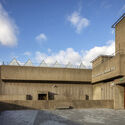
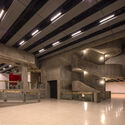
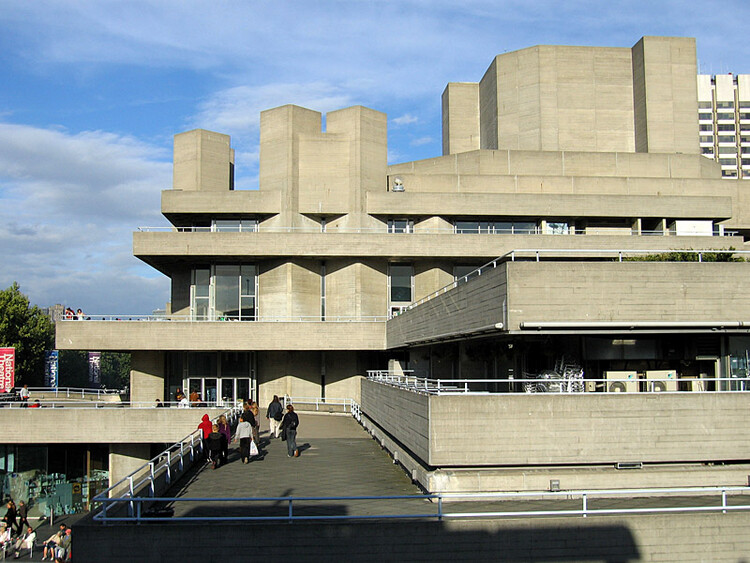
The Southbank Centre is a cultural complex in London built between 1963 and 1968 and widely regarded as a representative example of British Brutalism. Today, the site hosts a wide range of events, including visual arts, theatre, dance, classical and contemporary music, literature, poetry, and debate. The building was designed by a team from the Architects' Department of the London County Council, led by architect Norman Engleback. It became a controversial example of modern architecture following its opening in October 1967, when engineers voted Queen Elizabeth Hall "the supreme ugly" in a poll of new buildings, and the Daily Mail referred to it as "Britain's ugliest building." Fifty-nine years later, on February 10, 2026, the complex was granted Grade II listed status by the UK government's Department for Culture, Media and Sport (DCMS), following a 35-year campaign advocating for its protection as modern architectural heritage.

London’s Southbank Centre Receives National Heritage Protection After 35-Year Campaign - Image 1 of 4London’s Southbank Centre Receives National Heritage Protection After 35-Year Campaign - Image 2 of 4London’s Southbank Centre Receives National Heritage Protection After 35-Year Campaign - Image 3 of 4London’s Southbank Centre Receives National Heritage Protection After 35-Year Campaign - Image 4 of 4London’s Southbank Centre Receives National Heritage Protection After 35-Year Campaign - More Images+ 3

World Monuments Fund Backs 21 Locally Led Heritage Projects Addressing Climate Risks and Indigenous Knowledge Loss

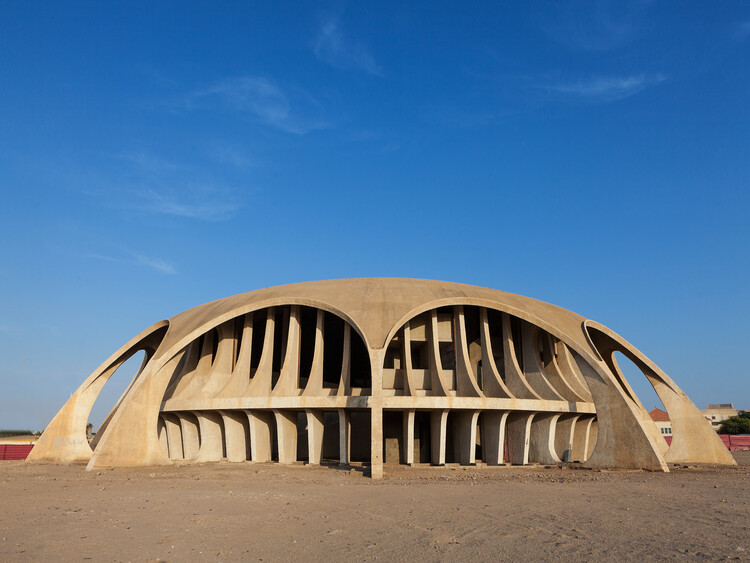
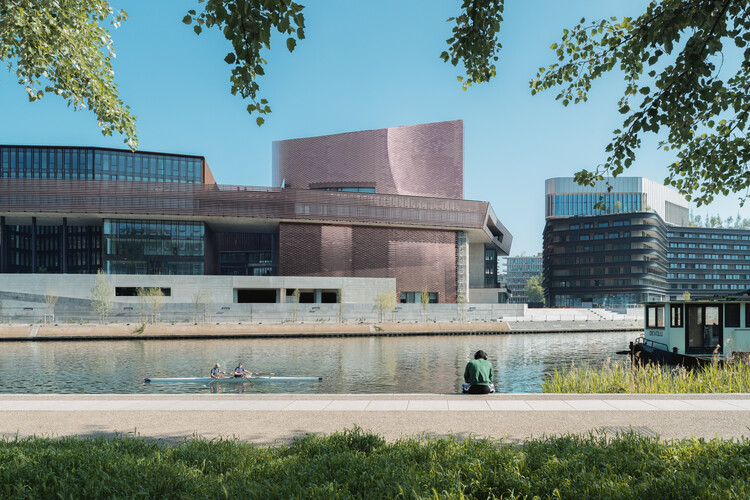
World Monuments Fund (WMF) is an independent organization dedicated to safeguarding treasured places around the world that enrich lives and foster mutual understanding across cultures and communities. On February 10, WMF announced a $7 million commitment to support 21 heritage preservation projects launching in 2026. These investments advance work at sites included on the 2025 World Monuments Watch, WMF's nomination-based advocacy program, while also supporting new phases of conservation, planning, and training at additional heritage sites across five continents. The selected sites reflect a wide chronological and geographic range, from ancient cultural landscapes to modern architectural landmarks. The projects highlight the diversity of global heritage, spanning Mughal gardens and Ottoman religious complexes to modernist cinemas, industrial mining landscapes, Indigenous cultural routes, and sacred shrines, and point to the long-term cultural knowledge embedded in its preservation.
World Monuments Fund Backs 21 Locally Led Heritage Projects Addressing Climate Risks and Indigenous Knowledge Loss - Image 1 of 4World Monuments Fund Backs 21 Locally Led Heritage Projects Addressing Climate Risks and Indigenous Knowledge Loss - Image 2 of 4World Monuments Fund Backs 21 Locally Led Heritage Projects Addressing Climate Risks and Indigenous Knowledge Loss - Image 3 of 4World Monuments Fund Backs 21 Locally Led Heritage Projects Addressing Climate Risks and Indigenous Knowledge Loss - Image 4 of 4World Monuments Fund Backs 21 Locally Led Heritage Projects Addressing Climate Risks and Indigenous Knowledge Loss - More Images+ 69

Heritage After Failure: What We Will Keep From Today’s Architectural Mistakes

Architectural heritage is often described as what survives time. Yet survival does not explain why certain buildings are preserved while others disappear. Many works now protected as cultural heritage were once criticized, contested, or openly rejected; they were accused of being socially misguided, materially flawed, or symbolically excessive. Over time, however, these same shortcomings have become central to their meaning as heritage emerges as a slow and unstable process of interpretation.

Contemporary architecture operates under intense scrutiny, pressured by environmental responsibility, social equity, economic volatility, and accelerated technological change. Buildings are expected to perform ethically, efficiently, and symbolically, often simultaneously. As a result, architectural failure is no longer an exception but an increasingly common condition. Projects age faster, materials reveal limitations sooner, and urban strategies quickly fall out of sync with shifting political, social, and environmental realities.

Heritage After Failure: What We Will Keep From Today’s Architectural Mistakes - Image 1 of 4Heritage After Failure: What We Will Keep From Today’s Architectural Mistakes - Image 2 of 4Heritage After Failure: What We Will Keep From Today’s Architectural Mistakes - Image 3 of 4Heritage After Failure: What We Will Keep From Today’s Architectural Mistakes - Image 4 of 4Heritage After Failure: What We Will Keep From Today’s Architectural Mistakes - More Images+ 28

Tashkent Architecture City Guide: Ten Buildings of Soviet Hybrid Modernism

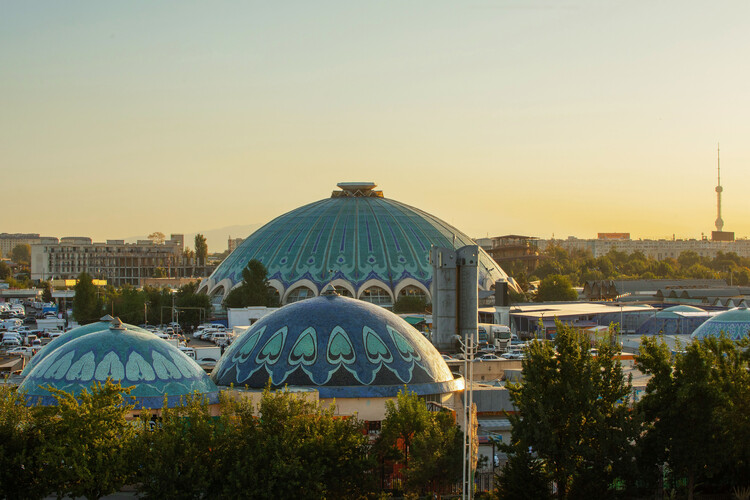
Situated along the historic Silk Road in Central Asia, Tashkent is a city with a long history spanning thousands of years. Its historic architecture is known for its courtyards, domes, and blue ceramics, typical of its Timurid heritage. The capital of Uzbekistan today, it was absorbed into the Russian Empire in the 19th century, before becoming a Soviet republic. While part of the Soviet Union, the city became an example of modernization, celebrating socialist achievements in Asia. A devastating earthquake in 1966 accelerated this modernization as the city was reconstructed, leading to many of the modernist monuments for which Tashkent is known today.

Tashkent Architecture City Guide: Ten Buildings of Soviet Hybrid Modernism - Image 1 of 4Tashkent Architecture City Guide: Ten Buildings of Soviet Hybrid Modernism - Image 2 of 4Tashkent Architecture City Guide: Ten Buildings of Soviet Hybrid Modernism - Image 3 of 4Tashkent Architecture City Guide: Ten Buildings of Soviet Hybrid Modernism - Image 4 of 4Tashkent Architecture City Guide: Ten Buildings of Soviet Hybrid Modernism - More Images+ 12

United Nations’ Africa Hall Restoration in Ethiopia Receives 2026 World Monuments Fund/Knoll Modernism Prize

World Monuments Fund (WMF) is an independent organization dedicated to safeguarding significant places that enrich people's lives and foster mutual understanding across cultures and communities. Since 2008, the World Monuments Fund/Knoll Modernism Prize has been a biennial award recognizing outstanding achievements in the conservation of buildings emblematic of the modernist architectural movement. The prize honors individuals and organizations that revitalize modern built heritage through innovative and sensitive architectural interventions.


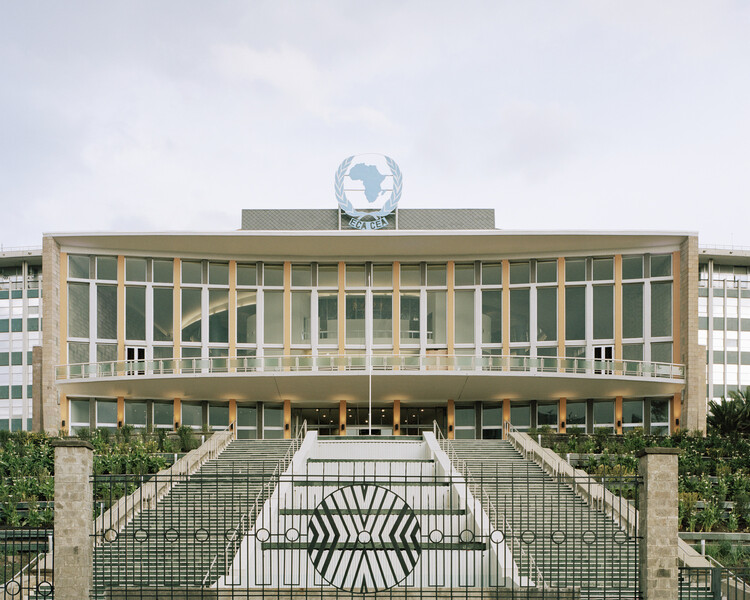
On January 22, 2026, WMF and Knoll announced the Australia-based architecture firm Architectus as the recipient of the 2026 World Monuments Fund/Knoll Modernism Prize for its conservation of the United Nations' Historic Africa Hall in Addis Ababa, Ethiopia. The jury recognized the project for reestablishing a significant work of African modernism as an active venue for diplomacy and cultural exchange. In addition to the main prize, the jury also awarded Paul Rudolph's Umbrella House in Sarasota, Florida, United States, with the Stewardship Award for Modernist Homes.

United Nations’ Africa Hall Restoration in Ethiopia Receives 2026 World Monuments Fund/Knoll Modernism Prize - Image 1 of 4United Nations’ Africa Hall Restoration in Ethiopia Receives 2026 World Monuments Fund/Knoll Modernism Prize - Image 2 of 4United Nations’ Africa Hall Restoration in Ethiopia Receives 2026 World Monuments Fund/Knoll Modernism Prize - Image 3 of 4United Nations’ Africa Hall Restoration in Ethiopia Receives 2026 World Monuments Fund/Knoll Modernism Prize - Image 4 of 4United Nations’ Africa Hall Restoration in Ethiopia Receives 2026 World Monuments Fund/Knoll Modernism Prize - More Images+ 13

Narratives of Syrian Modernism: Rediscovering the Center for Marine Research

Subscriber Access | 

As Syria is emerging from over a decade of conflict at the time of writing, it is an opportunity to rediscover its architectural gems. Just to the north of the country's principal port city of Latakia is a Modernist creation that is the Center for Marine Research. Its pyramidal structure is situated on a prominent headland surrounded by sea on three sides. To the east is a bay with hotels and beaches while to the north and west is the open Mediterranean Sea reaching Turkey and Cyprus beyond. Despite its importance both as a research institution and as a piece of architecture, it lies abandoned and isolated today.

Narratives of Syrian Modernism: Rediscovering the Center for Marine Research - Image 1 of 4Narratives of Syrian Modernism: Rediscovering the Center for Marine Research - Image 2 of 4Narratives of Syrian Modernism: Rediscovering the Center for Marine Research - Image 3 of 4Narratives of Syrian Modernism: Rediscovering the Center for Marine Research - Image 4 of 4Narratives of Syrian Modernism: Rediscovering the Center for Marine Research - More Images+ 9

Barbican Center Renewal Program Moves Forward to Secure the Future of London’s Brutalist Legacy

The City of London Corporation has formally approved the delivery plan for the renewal of the Barbican Centre, confirming a £191 million investment to support the first five-year phase of a long-term transformation programme. Approved in December 2025, the decision secures funding for major repairs, infrastructure upgrades, and public space improvements across the Grade II-listed complex. Subject to planning permission, major construction is scheduled to begin in 2027, with completion of this phase targeted for 2030, ahead of the Barbican's 50th anniversary. To facilitate the works, most programmes within the Centre will pause for approximately one year between June 2028 and June 2029, while preparatory upgrades, including essential works to the Barbican Theatre, are set to begin in early 2026.

Barbican Center Renewal Program Moves Forward to Secure the Future of London’s Brutalist Legacy - Image 1 of 4Barbican Center Renewal Program Moves Forward to Secure the Future of London’s Brutalist Legacy - Image 2 of 4Barbican Center Renewal Program Moves Forward to Secure the Future of London’s Brutalist Legacy - Image 3 of 4Barbican Center Renewal Program Moves Forward to Secure the Future of London’s Brutalist Legacy - Image 4 of 4Barbican Center Renewal Program Moves Forward to Secure the Future of London’s Brutalist Legacy - More Images+ 2

Frida Escobedo to Design Qatar’s New Ministry Building with Adaptive Reuse of a Modernist Landmark in Doha

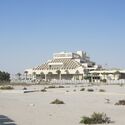
The State of Qatar announced on December 4, 2025, the selection of Frida Escobedo Studio, with Buro Happold engineers and Studio Zewde landscape designers, to design the new headquarters for the Ministry of Foreign Affairs. Intended to establish a more visible civic presence for the Qatari diplomatic service and provide public access to the Ministry complex, the project is planned for a prominent site along Doha's waterfront, transforming a significant section of the city's Corniche. Situated beside Doha Bay, the 70,000-square-meter (750,000-square-foot) project is conceived as a combination of new construction and the adaptive reuse of the historic modernist General Post Office currently on the site.

Frida Escobedo to Design Qatar’s New Ministry Building with Adaptive Reuse of a Modernist Landmark in Doha - Image 1 of 4Frida Escobedo to Design Qatar’s New Ministry Building with Adaptive Reuse of a Modernist Landmark in Doha - Image 2 of 4Frida Escobedo to Design Qatar’s New Ministry Building with Adaptive Reuse of a Modernist Landmark in Doha - Image 3 of 4Frida Escobedo to Design Qatar’s New Ministry Building with Adaptive Reuse of a Modernist Landmark in Doha - Image 4 of 4Frida Escobedo to Design Qatar’s New Ministry Building with Adaptive Reuse of a Modernist Landmark in Doha - More Images

Frank Lloyd Wright’s Fountainhead Residence Purchased by the Mississippi Museum of Art and Prepared for Public Tours

On November 20, 2025, the Mississippi Museum of Art (MMA) confirmed the purchase of Fountainhead, a house designed by Frank Lloyd Wright in 1948 and completed in 1954. The renowned modernist architect designed the residence and its furnishings for oil businessman J. Willis Hughes, who lived there with his family until 1980. Established in 1911, the MMA is the largest art museum in the state of Mississippi, offering exhibitions, public programs, artistic and community partnerships, educational initiatives, and opportunities for exchange year-round through a permanent collection of paintings, photography, multimedia works, and sculpture. The purchase is part of the Museum's goal to embed itself in neighborhoods across the city in ways that support its community-building priorities, making the architectural landmark available to the public for tours with reservations. The initiative is inspired by institutions such as the Crystal Bridges Museum of American Art, which acquired the Wright-designed Bachman-Wilson House in 2015.

Frank Lloyd Wright’s Fountainhead Residence Purchased by the Mississippi Museum of Art and Prepared for Public Tours - Image 1 of 4Frank Lloyd Wright’s Fountainhead Residence Purchased by the Mississippi Museum of Art and Prepared for Public Tours - Image 2 of 4Frank Lloyd Wright’s Fountainhead Residence Purchased by the Mississippi Museum of Art and Prepared for Public Tours - Image 3 of 4Frank Lloyd Wright’s Fountainhead Residence Purchased by the Mississippi Museum of Art and Prepared for Public Tours - Image 4 of 4Frank Lloyd Wright’s Fountainhead Residence Purchased by the Mississippi Museum of Art and Prepared for Public Tours - More Images+ 65

World Architecture Day 2025: How We Design for Strength in an Age of Crisis

Today, on the first Monday of October, we celebrate World Architecture Day. This year, the International Union of Architects (UIA) has set the theme "Design for Strength," a powerful call to action that resonates deeply with the UN's focus on urban crisis response. In a world facing unprecedented environmental and social disruptions, this theme challenges us to move beyond temporary fixes. It asks: How can our buildings and cities not only withstand shocks but also foster equity, continuity, and resilience?

While the concept of strength in architecture can easily evoke images of reinforced concrete and steel, a more profound interpretation is emerging, one that defines strength not as mere rigidity, but as a holistic capacity to endure and adapt. This includes many facets, from ecological resilience and stewardship to long-lasting concepts of social resilience or the long-lasting conservation of existing urban structures, all contributing to a built environment more able to respond to the multitude of crises faced by cities worldwide.

World Architecture Day 2025: How We Design for Strength in an Age of Crisis - Image 1 of 4World Architecture Day 2025: How We Design for Strength in an Age of Crisis - Image 2 of 4World Architecture Day 2025: How We Design for Strength in an Age of Crisis - Image 3 of 4World Architecture Day 2025: How We Design for Strength in an Age of Crisis - Image 4 of 4World Architecture Day 2025: How We Design for Strength in an Age of Crisis - More Images+ 20

Centre Pompidou to Close for Five-Year Renovation Led by Moreau Kusunoki

The Centre Pompidou in Paris, designed in 1971 by Renzo Piano and Richard Rogers, is closing for a major transformation that will take five years. Following an international competition, the renovation has been entrusted to Moreau Kusunoki, in association with Frida Escobedo Studio, alongside AIA Life Designers for the technical components. Initiated in 2020 with the support of France's Ministry of Culture, the project addresses urgent needs, including the removal of asbestos from facades, improved fire safety, enhanced accessibility, and significant upgrades in energy efficiency. The works will require a full closure of the Beaubourg site, with a planned reopening in 2030.

Centre Pompidou to Close for Five-Year Renovation Led by Moreau Kusunoki - Image 7 of 4Centre Pompidou to Close for Five-Year Renovation Led by Moreau Kusunoki - Image 14 of 4Centre Pompidou to Close for Five-Year Renovation Led by Moreau Kusunoki - Image 11 of 4Centre Pompidou to Close for Five-Year Renovation Led by Moreau Kusunoki - Image 9 of 4Centre Pompidou to Close for Five-Year Renovation Led by Moreau Kusunoki - More Images+ 12