1. ArchDaily
  2. Indigenous

Indigenous: The Latest Architecture and News

Regenerative Salt Landscapes: An ArchDaily Student Project Awards Winner Rethinking Extraction in Argentina

Subscriber Access | 

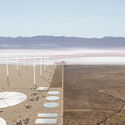
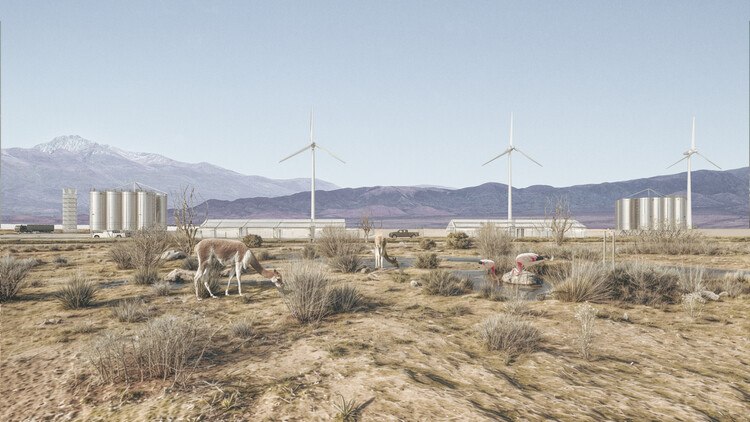
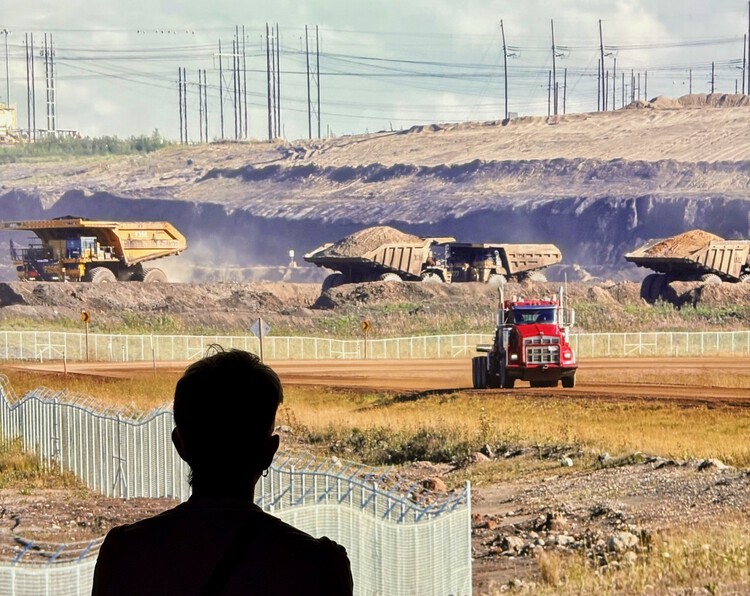
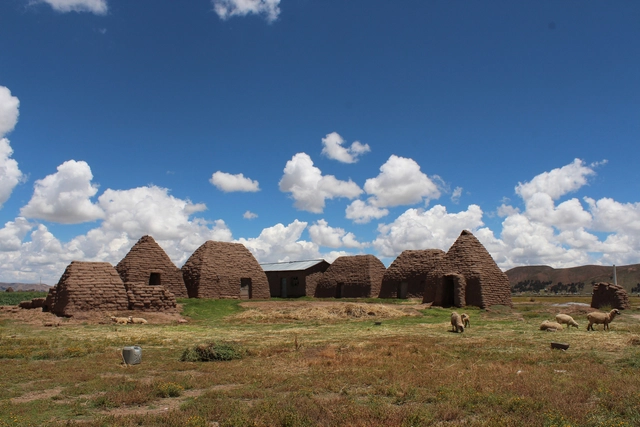
When people think of Argentina, they often picture landmarks like the Obelisk of Buenos Aires. Yet the country spans over 2,780,400 km², making it one of the largest in South America and home to a wide range of landscapes and realities that frequently go unnoticed. In fact, the province of Jujuy in northern Argentina lies within the Lithium Triangle: a high-altitude region shared with Bolivia and Chile that contains roughly 54% of the world's lithium reserves. Within this territory sits the Olaroz Salt Flat, a site where today two competing dynamics converge: the expansion of industrial lithium extraction and the preservation of ancestral culture and lands inhabited by Kolla and Atacama communities, creating a clash of high-capacity industrial extraction and traditional, low-impact agrarian practices.

In light of this problem, one of the winning teams of the ArchDaily Student Project Awards, made up of Ezequiel Lopez, Maria Victoria Echegaray, and Agustina Durandez, decided to look into the issue. This was done as part of their thesis project for the Bachelor's in Architecture program at the National University of Córdoba. Their work stems from an interest in engaging with territories that remain peripheral to architectural discourse, using the thesis as an opportunity for sustained, in-depth research. This allowed them to formulate informed design responses grounded in both territorial and socio-economic realities. Rejecting the binary between extraction and preservation, the project approaches the territory as a system where both can coexist through spatial and technical mediation.

Regenerative Salt Landscapes: An ArchDaily Student Project Awards Winner Rethinking Extraction in Argentina - Image 1 of 4Regenerative Salt Landscapes: An ArchDaily Student Project Awards Winner Rethinking Extraction in Argentina - Image 2 of 4Regenerative Salt Landscapes: An ArchDaily Student Project Awards Winner Rethinking Extraction in Argentina - Image 3 of 4Regenerative Salt Landscapes: An ArchDaily Student Project Awards Winner Rethinking Extraction in Argentina - Image 4 of 4Regenerative Salt Landscapes: An ArchDaily Student Project Awards Winner Rethinking Extraction in Argentina - More Images+ 13

Lisbon Architecture Triennale 2025 Examines the Technosphere and Human Impact on Earth

Subscriber Access | 

Thirty trillion tons. This is the estimated mass of all human-made matter on Earth, and the starting point for the 7th edition of the Lisbon Architecture Triennale. Curated by Ann-Sofi Rönnskog and John Palmesino, founders of Territorial Agency, the event asks a deceptively simple question: How heavy is a city? To answer it requires more than data. It demands a shift in perception: from the scale of the city to the planetary technosphere.

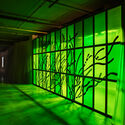
The technosphere, a term borrowed from Earth sciences, defines the vast system of infrastructures, technologies, and materials that sustain human life while reshaping the planet. Cities, in this view, are not only territories but dense nodes within this planetary metabolism. From October to December 2025, Lisbon becomes a lens to examine that magnitude, hosting three main exhibitions (Fluxes, Spectres, Lighter), a book of essays, a talks program, and more than twenty independent projects across the city.

Lisbon Architecture Triennale 2025 Examines the Technosphere and Human Impact on Earth - Image 1 of 4Lisbon Architecture Triennale 2025 Examines the Technosphere and Human Impact on Earth - Image 2 of 4Lisbon Architecture Triennale 2025 Examines the Technosphere and Human Impact on Earth - Image 3 of 4Lisbon Architecture Triennale 2025 Examines the Technosphere and Human Impact on Earth - Image 4 of 4Lisbon Architecture Triennale 2025 Examines the Technosphere and Human Impact on Earth - More Images+ 8

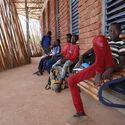
Childhood and Ancestry: What South American Indigenous Communities Can Teach Us About Environments for Children

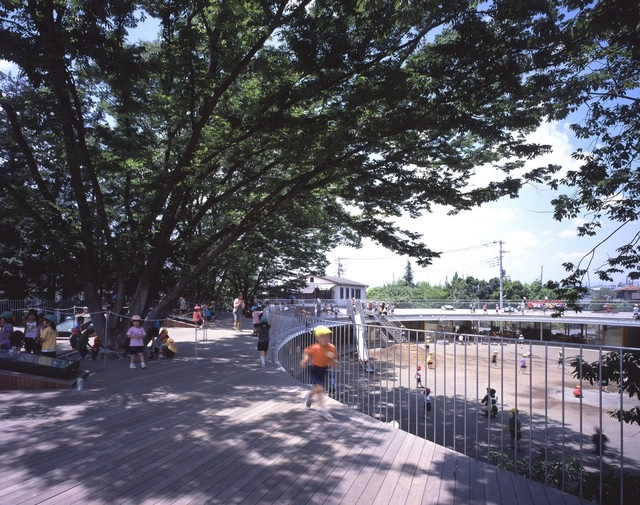
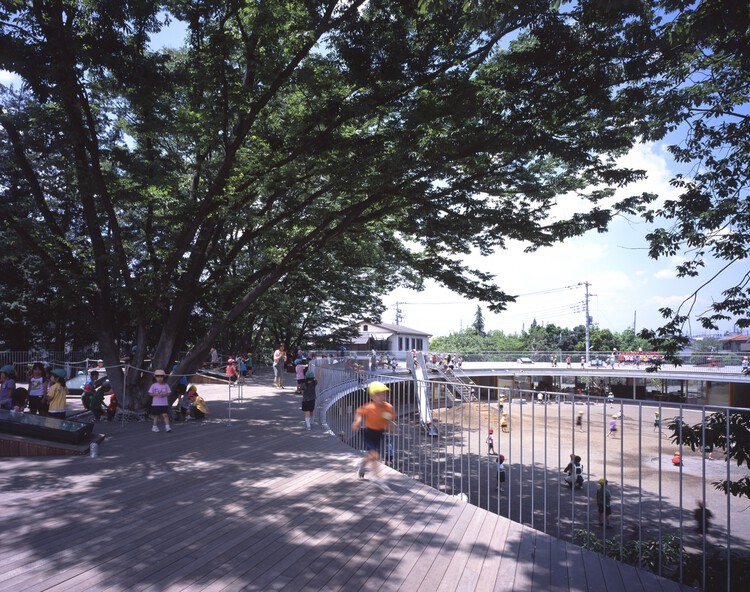
In South American Indigenous communities, a child’s place is wherever they choose to be. Babies crawl on the earthen floor, approach the fire, investigate anthills, and experience the world with their whole bodies. They learn by feeling: discovering limits, recognizing dangers, and gathering lessons no manual could ever teach. In urban contexts, by contrast, children are often confined to spaces designed for adults, filled with rules that—though well-intentioned—tend to distance them from essential experiences. Rather than judging which model is “better,” what matters is recognizing that when cultures observe one another, there is always room for learning.

From an architectural perspective, this childhood with little freedom of time and movement challenges us to rethink how we shape daily environments. Why restrict spontaneous exploration to controlled settings? Why create physical and symbolic barriers between children and the natural world? And, above all, how might contemporary architecture break away from this paradigm and, inspired by Indigenous childhoods, design environments that restore to children their wild, curious, and complete dimension?

Childhood and Ancestry: What South American Indigenous Communities Can Teach Us About Environments for Children - Image 1 of 4Childhood and Ancestry: What South American Indigenous Communities Can Teach Us About Environments for Children - Image 2 of 4Childhood and Ancestry: What South American Indigenous Communities Can Teach Us About Environments for Children - Image 3 of 4Childhood and Ancestry: What South American Indigenous Communities Can Teach Us About Environments for Children - Image 4 of 4Childhood and Ancestry: What South American Indigenous Communities Can Teach Us About Environments for Children - More Images+ 15

Exploring Indigenous Wisdom: A Journey through Architecture Rooted in Tradition and Community

According to the United Nations, indigenous people are "place-based" ethnic cultures that have not migrated from their initial homeland. In today's world, with human-caused climate change driving extreme weather events and a growing demand for authenticity and cultural diversity, architects are increasingly turning to indigenous knowledge systems not only as sources of inspiration but as viable solutions to adapt and respond to local and global challenges. As traditional custodians of the land, Indigenous communities possess a profound understanding of their ecosystems, locally available materials, cultural norms, and social constraints. This knowledge holds insights valuable for shaping contemporary architecture, helping it adapt to both the people and their environments.

Vernacular and indigenous practices are emerging as a foundation for architectural reimagining, informing spatial lays, the choice of materials, and building techniques while also allowing for the integration of innovation and contemporary expression. This careful blend of tradition and modernity can have a significant impact in terms of sustainability, as architects who adopt the indigenous approach to harnessing available resources can not only create structures rooted in their context but also minimize the ecological impact of the construction. Additionally, collaborating directly with Indigenous communities leads to projects that prioritize community participation, cultural sensitivity, and sustainable development.

DIALOG and HOK Redesign Calgary's Scotia Place: A Celebration of Community and Indigenous Heritage in Canada

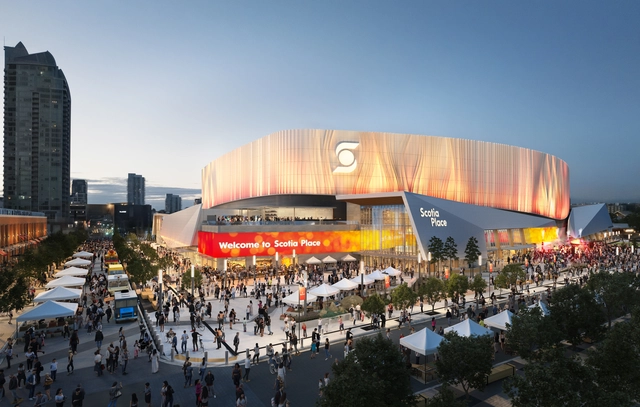
DIALOG and HOK have just revealed the redesign of Scotia Place, Calgary’s new event center in Canada. Set to become a hub of community and culture, Scotia Place is inspired by Indigenous ancestral lands and cultural significance, integrated these perspectives with the natural beauty of Calgary. Commissioned by the City of Calgary and the Calgary Sports and Entertainment Corporations, Scotia Place seeks to bring people together and activate the public realm.

DIALOG and HOK Redesign Calgary's Scotia Place: A Celebration of Community and Indigenous Heritage in Canada - Image 1 of 4DIALOG and HOK Redesign Calgary's Scotia Place: A Celebration of Community and Indigenous Heritage in Canada - Image 2 of 4DIALOG and HOK Redesign Calgary's Scotia Place: A Celebration of Community and Indigenous Heritage in Canada - Image 3 of 4DIALOG and HOK Redesign Calgary's Scotia Place: A Celebration of Community and Indigenous Heritage in Canada - Image 4 of 4DIALOG and HOK Redesign Calgary's Scotia Place: A Celebration of Community and Indigenous Heritage in Canada - More Images+ 7

Landscape Architect Sara Zewde Reimagines the Land at Dia Beacon, New York

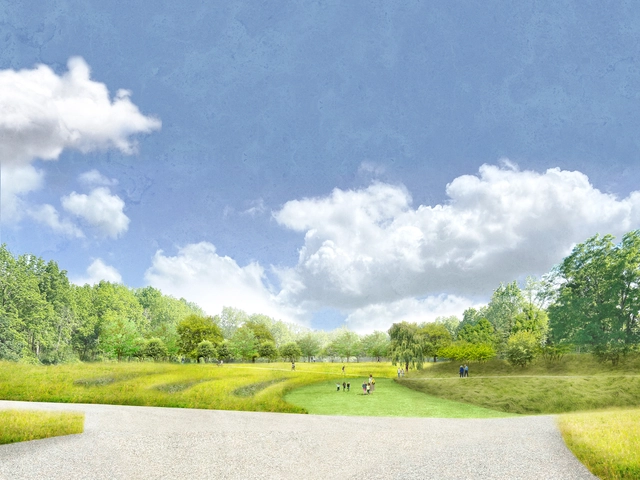
Dia Art Foundation announced a major landscape project to reimagine the land at Dia Beacon, New York. Commissioned landscape architect Sara Zewde of Studio Zewde aims to go beyond the simple arrangement of attractive plants and integrate ideas of ecology, culture, and people into the design. Taking over the museum’s 32-acre campus, the project will create an expanded outdoor park, free to access for visitors and locals alike, complete with native meadows, sculptural landforms, and winding pathways. The project, which has been recently extended to also include the museum’s eight back acres, is expected to open to the public in 2025.

Landscape Architect Sara Zewde Reimagines the Land at Dia Beacon, New York - Image 1 of 4Landscape Architect Sara Zewde Reimagines the Land at Dia Beacon, New York - Image 2 of 4Landscape Architect Sara Zewde Reimagines the Land at Dia Beacon, New York - Image 3 of 4Landscape Architect Sara Zewde Reimagines the Land at Dia Beacon, New York - Image 4 of 4Landscape Architect Sara Zewde Reimagines the Land at Dia Beacon, New York - More Images+ 14

Public Art Circuit Passages Insolites 10 Proposes a Retrospective Route to Explore Quebec City, Canada

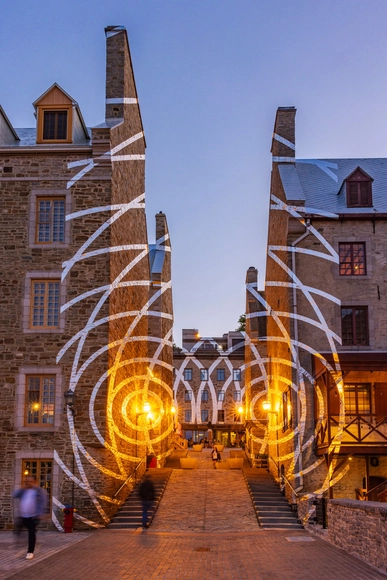
The 10th edition of Passages Insolites is taking place from June 22 until October 9, 2023, bringing together artists from around the world. The public art circuit is presented by the City of Quebec and created by EXMURO arts public to showcase a retrospective artistic path through the city, recalling the event’s previous editions. The public art event takes place every summer in Quebec City in in the Place Royale, Petit Champlain and Old Port districts. This year, the event presents works of art from 40 artists, headlined by Felice Varini, who presents a monumental three-dimensional work at Place-Royale.

Public Art Circuit Passages Insolites 10 Proposes a Retrospective Route to Explore Quebec City, Canada - Image 1 of 4Public Art Circuit Passages Insolites 10 Proposes a Retrospective Route to Explore Quebec City, Canada - Image 2 of 4Public Art Circuit Passages Insolites 10 Proposes a Retrospective Route to Explore Quebec City, Canada - Image 3 of 4Public Art Circuit Passages Insolites 10 Proposes a Retrospective Route to Explore Quebec City, Canada - Image 4 of 4Public Art Circuit Passages Insolites 10 Proposes a Retrospective Route to Explore Quebec City, Canada - More Images+ 20

First Nations-Led AKIN Team Wins Competition to Transform Sydney’s Waterfront

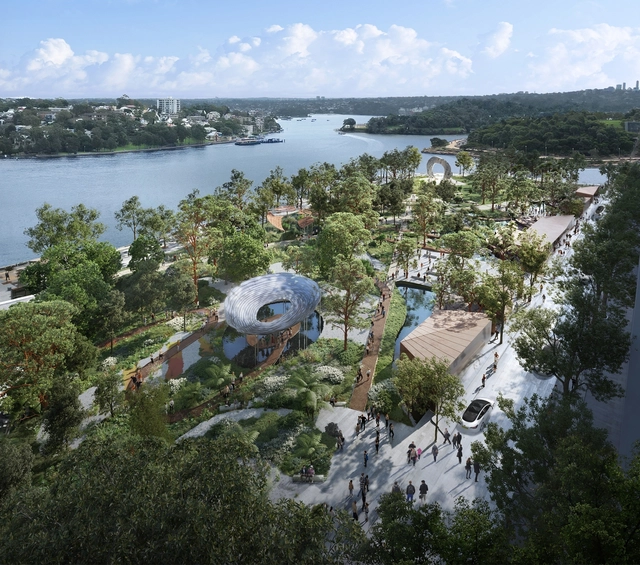
AKIN has been announced as the winning team in the Barangaroo Harbour Park Design Competition, a project that will transform a central location along the waterfront of Sydney, Australia. The winning team is a First Nations-led and Sydney-based ground composed of Yerrabingin, Architectus, Flying Fish Blue, Jacob Nash Design, and Studio Chris Fox, with Arup as engineering consultants. Through its designers, the group integrates Indigenous knowledge systems along with landscape architecture, regenerative design, public art, and place-making.

70°N arkitektur, Together with Snøhetta and Artist Joar Nango, Designs a National Theater for the Indigenous Sámi People in Norway

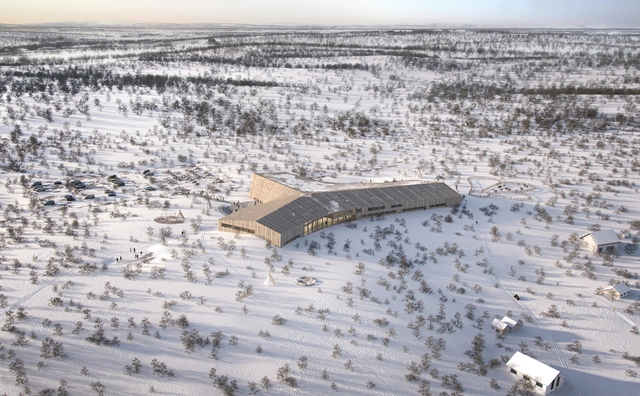
The Sámi National Theater Beaivváš and Sámi High School and Reindeer Husbandry School are two of the most important cultural institutions of Sápmi, a region in northern Norway, Sweden, and Finland traditionally inhabited by the Sámi people. To strengthen the position of the two institutions, a project was initiated in June 2021 to create a shared cultural and educational facility. A design proposal by 70°N arkitektur, in collaboration with Snøhetta and artist and architect Joar Nango, was chosen following a competition. The building, also known as Čoarvemátta, is currently under construction and is expected to be completed by 2024.

The Nordic Countries Pavilion Brings an Indigenous Sámi Architecture Library to the 2023 Venice Biennale

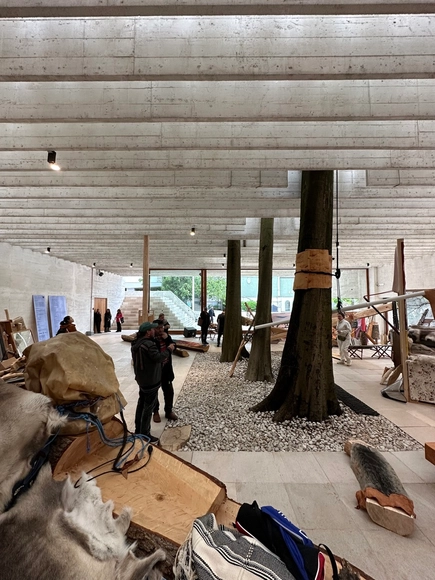
For the 18th International Architecture Exhibition – La Biennale di Venezia, the Nordic Countries Pavilion, representing Finland, Norway, and Sweden, will showcase Girjegumpi, an itinerant collective library project initiated by architect and artist Joar Nango. For over fifteen years, Joar Nango has been assembling an archive of books and materials exploring Indigenous Sámi architecture and design, traditional building knowledge, activism, and decoloniality. The Girjegumpi first opened to the public in 2018, becoming a welcoming space for gathering and promoting the Indigenous culture. In 2023, the library will travel to Venice, where it will be presented in the Nordic Countries Pavilion, designed by Norwegian architect Sverre Fehn.

 The Nordic Countries Pavilion Brings an Indigenous Sámi Architecture Library to the 2023 Venice Biennale - Image 1 of 4 The Nordic Countries Pavilion Brings an Indigenous Sámi Architecture Library to the 2023 Venice Biennale - Image 2 of 4 The Nordic Countries Pavilion Brings an Indigenous Sámi Architecture Library to the 2023 Venice Biennale - Image 3 of 4 The Nordic Countries Pavilion Brings an Indigenous Sámi Architecture Library to the 2023 Venice Biennale - Image 4 of 4 The Nordic Countries Pavilion Brings an Indigenous Sámi Architecture Library to the 2023 Venice Biennale - More Images+ 5

A Pioneering Exhibition Will Showcase Contemporary Indigenous Architecture

Subscriber Access | 

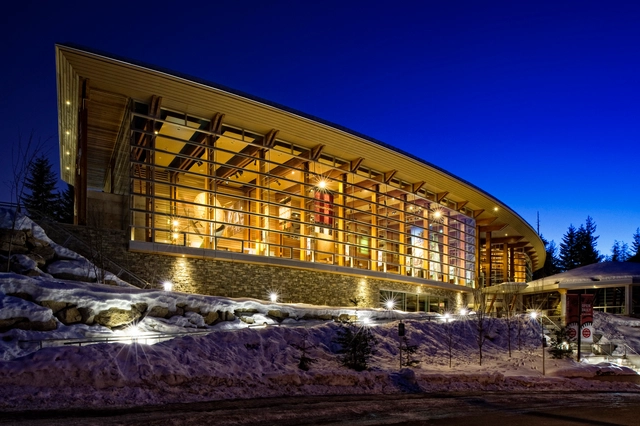
In this week's reprint from Metropolis magazine, authors Theodore (Ted) Jojola and Lynn Paxson talk about embracing “place knowing” as a process to understand building and planning, and highlight modern achievements in Pueblo architecture.

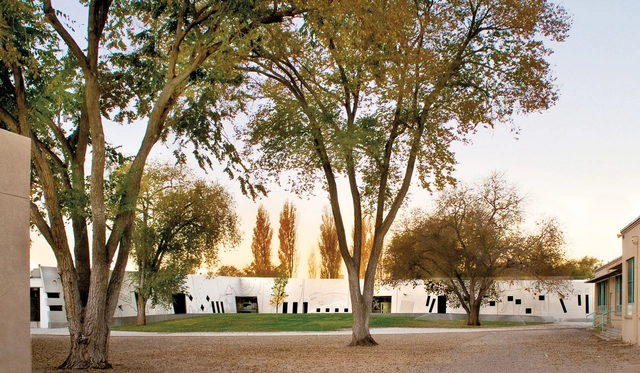
The Pueblo people of the Southwest have been stewards of their lands for millennia. In contrast to the colonial and territorial experiences of many tribal nations, the Pueblos avoided being displaced from their homelands. This prevented many of their places from being erased. As such, their ancient worldviews still remain at the core of their planning and design. Nothing is so important as their imprint on the expression of architecture, especially its form and function.

"Architecture is Vital to Native Culture": Sam Olbekson on Indigenous Design and Social Justice

Subscriber Access | 

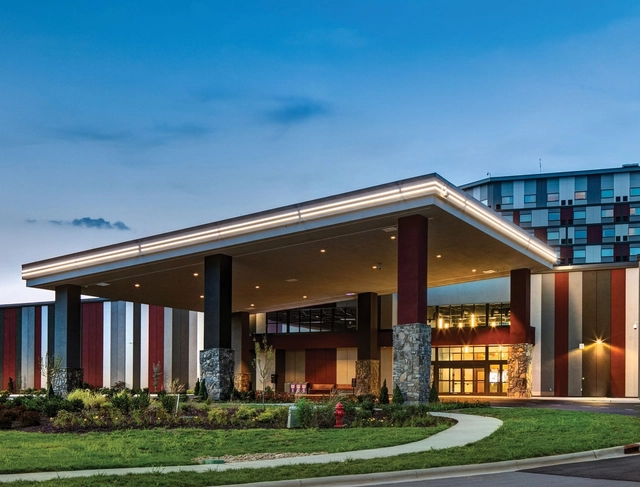
Social justice begins with building understanding and community. For Sam Olbekson, Principal of Native American Design at Cuningham Group and Founder of Full Circle Indigenous Planning, community holds a deep relationship to local cultures and traditions. As a member of the White Earth Nation of Ojibwe, Sam brings the perspective of a tribal member who grew up in Native communities, both on and off the reservation. Today, he's using design to reflect contemporary social values and build for future generations.

"Architecture is Vital to Native Culture": Sam Olbekson on Indigenous Design and Social Justice - Arch Daily Interviews"Architecture is Vital to Native Culture": Sam Olbekson on Indigenous Design and Social Justice - Arch Daily Interviews"Architecture is Vital to Native Culture": Sam Olbekson on Indigenous Design and Social Justice - Arch Daily Interviews"Architecture is Vital to Native Culture": Sam Olbekson on Indigenous Design and Social Justice - Arch Daily InterviewsArchitecture is Vital to Native Culture: Sam Olbekson on Indigenous Design and Social Justice - More Images+ 11

UTS to Build Australia’s First Indigenous Residential College

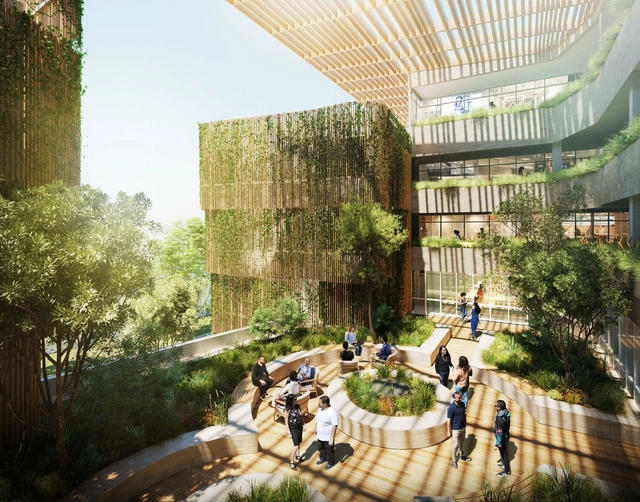
The University of Technology Sydney will open Australia's first Indigenous residential college to encourage more Aboriginal and Torres Strait Islander students into higher education. The $100 million facility will offer a comprehensive range of services to celebrate Indigenous identity and culture. Students from across Australia will be invited to apply and the cost of their accommodation and support services such as tutoring and mentorship will be covered by the university.

Welded Steel Wigwam by studio:indigenous Connects Past to Present at Exhibit Columbus

Subscriber Access | 

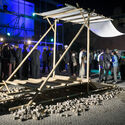
In this video, Spirit of Space visits Exhibit Columbus to see Wiikiaami, a parametrically designed structure by studio:indigenous. Beginning in 2016, Exhibit Columbus is an annual event which invites people to travel to the small, but architecturally fascinating Midwestern town of Columbus, Indiana. Free and open to the public through November 26th, Exhibit Columbus displays 18 unique, site-responsive architectural installations.

Welded Steel Wigwam by studio:indigenous Connects Past to Present at Exhibit Columbus - Featured ImageWelded Steel Wigwam by studio:indigenous Connects Past to Present at Exhibit Columbus - Image 1 of 4Welded Steel Wigwam by studio:indigenous Connects Past to Present at Exhibit Columbus - Image 2 of 4Welded Steel Wigwam by studio:indigenous Connects Past to Present at Exhibit Columbus - Image 3 of 4Welded Steel Wigwam by studio:indigenous Connects Past to Present at Exhibit Columbus - More Images