1. ArchDaily
  2. Lisbon

Lisbon: The Latest Architecture and News

MVRDV and OODA Reveal Landscape-Led Masterplan for Lisbon’s Marvila Riverfront Regeneration

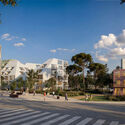
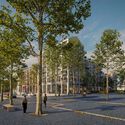
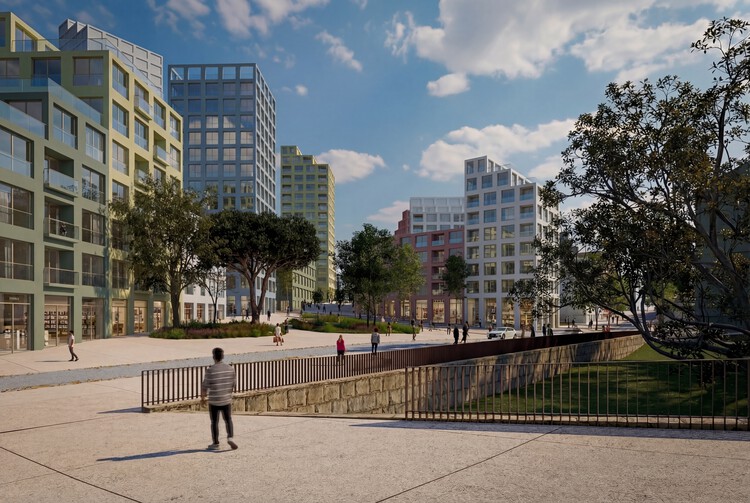
MVRDV and OODA have revealed a new masterplan for the regeneration of a vacant 28-hectare site between Marvila and Beato on Lisbon's riverfront. Recently approved by the Lisbon City Council, the project was developed in collaboration with LOLA Landscape Architects and Thornton Tomasetti to transform the area into a landscape-led urban district. Titled The Marvila Masterplan, the proposal establishes a framework for introducing 1,400 homes alongside public facilities, commercial spaces, and services within a fragmented and largely abandoned territory. The project is a private initiative led by the principal landowner and developed in coordination with the Lisbon City Council and Infraestruturas de Portugal.

MVRDV and OODA Reveal Landscape-Led Masterplan for Lisbon’s Marvila Riverfront Regeneration - Image 1 of 4MVRDV and OODA Reveal Landscape-Led Masterplan for Lisbon’s Marvila Riverfront Regeneration - Image 2 of 4MVRDV and OODA Reveal Landscape-Led Masterplan for Lisbon’s Marvila Riverfront Regeneration - Image 3 of 4MVRDV and OODA Reveal Landscape-Led Masterplan for Lisbon’s Marvila Riverfront Regeneration - Image 4 of 4MVRDV and OODA Reveal Landscape-Led Masterplan for Lisbon’s Marvila Riverfront Regeneration - More Images+ 18

Housing Affordability Drives New Limits on Short-Term Rentals Across European Cities

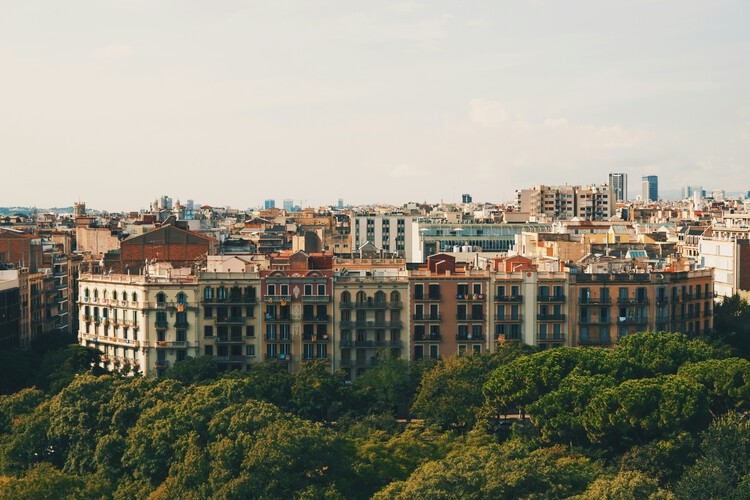
Across Europe's major tourist cities, housing affordability has increasingly emerged as one of the most pressing urban challenges, prompting governments to reassess the role of short-term rentals within residential neighborhoods. In Barcelona, Mayor Jaume Collboni recently announced plans to phase out tourist short-term rentals entirely by 2028, framing the decision as part of a broader effort to protect residents' right to remain in the city. The announcement coincides with a €64 million fine imposed by the Spanish government on Airbnb for advertising unlicensed properties, placing Spain at the center of an intensifying debate over how tourism-driven accommodation models intersect with housing access, inequality, and urban stability.

Housing Affordability Drives New Limits on Short-Term Rentals Across European Cities - Image 1 of 4Housing Affordability Drives New Limits on Short-Term Rentals Across European Cities - Image 2 of 4Housing Affordability Drives New Limits on Short-Term Rentals Across European Cities - Image 3 of 4Housing Affordability Drives New Limits on Short-Term Rentals Across European Cities - Image 4 of 4Housing Affordability Drives New Limits on Short-Term Rentals Across European Cities - More Images+ 1

Joaquim Moreno Appointed Chief Curator of the 8th Lisbon Architecture Triennale

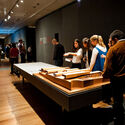
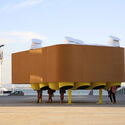
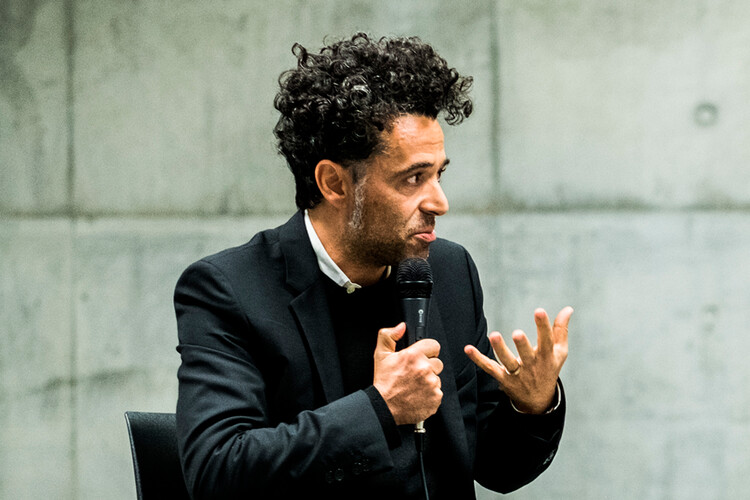
The 8th edition of the Lisbon Architecture Triennale is scheduled to take place in the autumn of 2028. As in previous editions, the curatorial process begins three years in advance, allowing time to fully develop the project and build on the work of earlier Triennales. The 7th edition, curated by Ann-Sofi Rönnskog and John Palmesino, founders of Territorial Agency, ran from October 2 to December 8, 2025. It was structured around the question How heavy is a city?, proposing an understanding of cities not as fixed objects but as dynamic systems extending beyond urban boundaries into the atmosphere, oceans, and deep time. This approach was explored through three main exhibitions, Fluxes, Spectres, and Lighter, alongside a wider set of initiatives. With the 7th edition concluded, the Triennale has announced Portuguese architect and academic Joaquim Moreno as Chief Curator of the upcoming edition, responsible for developing a new curatorial project for the event.

Joaquim Moreno Appointed Chief Curator of the 8th Lisbon Architecture Triennale - Image 1 of 4Joaquim Moreno Appointed Chief Curator of the 8th Lisbon Architecture Triennale - Image 2 of 4Joaquim Moreno Appointed Chief Curator of the 8th Lisbon Architecture Triennale - Image 3 of 4Joaquim Moreno Appointed Chief Curator of the 8th Lisbon Architecture Triennale - Image 4 of 4Joaquim Moreno Appointed Chief Curator of the 8th Lisbon Architecture Triennale - More Images+ 3

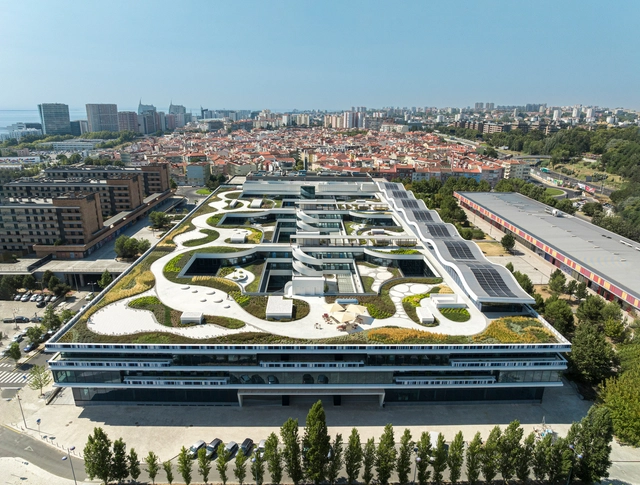
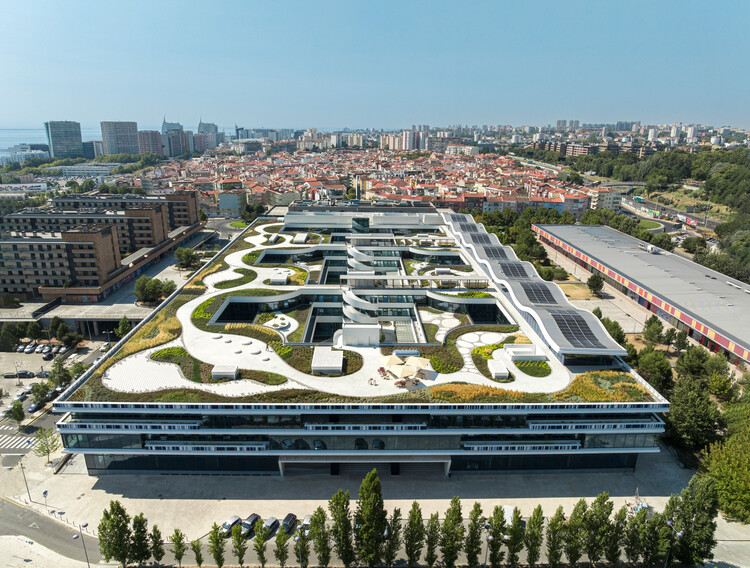
Oriente Green Campus / LJ-Group Landscape Architecture + Saraiva + Associados + Kohn Pedersen Fox (KPF)

Oriente Green Campus  / LJ-Group Landscape Architecture + Saraiva + Associados + Kohn Pedersen Fox (KPF)  - Exterior Photography, OfficesOriente Green Campus  / LJ-Group Landscape Architecture + Saraiva + Associados + Kohn Pedersen Fox (KPF)  - Exterior Photography, OfficesOriente Green Campus  / LJ-Group Landscape Architecture + Saraiva + Associados + Kohn Pedersen Fox (KPF)  - Exterior Photography, OfficesOriente Green Campus  / LJ-Group Landscape Architecture + Saraiva + Associados + Kohn Pedersen Fox (KPF)  - Drawings, OfficesOriente Green Campus  / LJ-Group Landscape Architecture + Saraiva + Associados + Kohn Pedersen Fox (KPF)  - More Images+ 19

Lisbon Architecture Triennale 2025 Examines the Technosphere and Human Impact on Earth

Subscriber Access | 

Thirty trillion tons. This is the estimated mass of all human-made matter on Earth, and the starting point for the 7th edition of the Lisbon Architecture Triennale. Curated by Ann-Sofi Rönnskog and John Palmesino, founders of Territorial Agency, the event asks a deceptively simple question: How heavy is a city? To answer it requires more than data. It demands a shift in perception: from the scale of the city to the planetary technosphere.

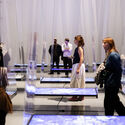
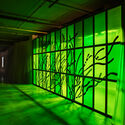
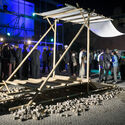
The technosphere, a term borrowed from Earth sciences, defines the vast system of infrastructures, technologies, and materials that sustain human life while reshaping the planet. Cities, in this view, are not only territories but dense nodes within this planetary metabolism. From October to December 2025, Lisbon becomes a lens to examine that magnitude, hosting three main exhibitions (Fluxes, Spectres, Lighter), a book of essays, a talks program, and more than twenty independent projects across the city.

Lisbon Architecture Triennale 2025 Examines the Technosphere and Human Impact on Earth - Image 1 of 4Lisbon Architecture Triennale 2025 Examines the Technosphere and Human Impact on Earth - Image 2 of 4Lisbon Architecture Triennale 2025 Examines the Technosphere and Human Impact on Earth - Image 3 of 4Lisbon Architecture Triennale 2025 Examines the Technosphere and Human Impact on Earth - Image 4 of 4Lisbon Architecture Triennale 2025 Examines the Technosphere and Human Impact on Earth - More Images+ 8

ReSa Architects Wins the Lisbon Architecture Triennale Début Award 2025

The Lisbon Architecture Triennale announced as the winner of the fifth edition of the Début Award the Indian office ReSa Architects. The office is known for its collective approach to spatial practice, treating architecture as a process of rewriting social and bodily relations. In previous editions, the award recognized the work Vão (Brazil, 2022), Bonell+Dòriga (Spain, 2019), Umwelt (Chile, 2016) and Jimenez Lai, from Bureau Spectacular (USA, 2013).

The announcement was made on October 4, during the opening festivities of the Triennale, which in this edition awarded the Lifetime Achievement Award to the architect, Yasmeen Lari from Pakistan, the first person from the global south to receive the honor. Lari joins Marina Tabassum (2022 award winner), Denise Scott-Brown (2019), the duo Lacaton & Vassal (2016), Kenneth Frampton (2013), Álvaro Siza (2010), and Vittorio Gregotti (2007).
How Heavy is a City? Exploring the Lisbon Architecture Triennale 2025

Subscriber Access | 

How heavy is a city, and what does that weight mean for our collective future? This provocative question guides the 7th edition of the Lisbon Architecture Triennale, which proposes an inquiry into the transformations of urban life and the material, social, and environmental consequences of inhabiting the planet today. From October 2 to December 8, Lisbon will once again host one of Europe's most significant architectural events.

Curated by Ann-Sofi Rönnskog and John Palmesino, founders of the practice Territorial Agency, the Triennale investigates the magnitude of contemporary cities and their planetary impact. Composed of nearly 30 trillion tons of materials, global cities form a dense and intricate web of continuously evolving structures. To unpack these complexities, the Triennale opens itself as a space of learning, curiosity, imagination, and debate — a meeting ground for architects, researchers, artists, and the wider public.

Reimagining Lisbon’s Azulejos: Regenerative Biomaterial Tiles from the Tagus River

Subscriber Access | 

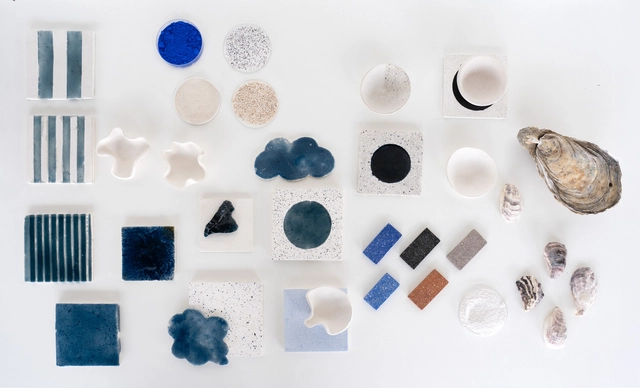
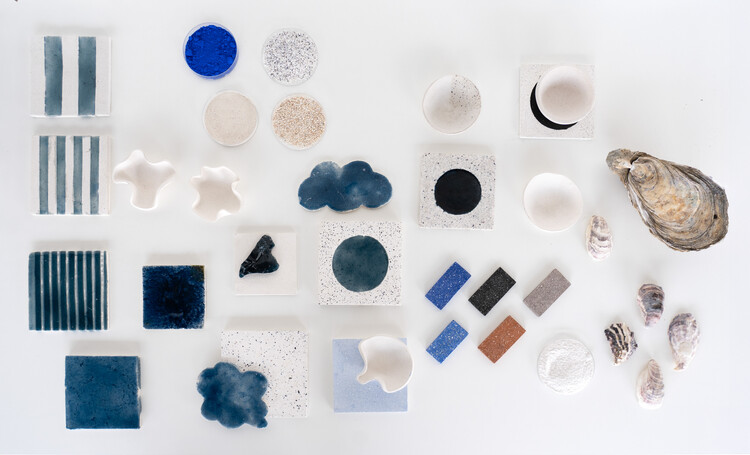
All materials come from somewhere, embedded in a chain of extraction, supply, production, and disposal that, depending on its scale, leaves more or less significant marks on the environment. In architecture, we usually approach this trajectory through the lens of materials' circularity, considering how they can re-enter production cycles rather than become waste. Yet, broadening our view to unexpected places reveals parallel systems where by-products from one industry become resources for another. This approach has found fertile ground in organic waste transformed into biomaterials, with one of the most recent examples being the work of Fahrenheit Works. Through their installation, "From the Tagus to the Tile", they repurpose oyster shells initially discarded by food systems to create a reinterpretation of Lisbon's iconic tiles.

Reimagining Lisbon’s Azulejos: Regenerative Biomaterial Tiles from the Tagus River - Image 1 of 4Reimagining Lisbon’s Azulejos: Regenerative Biomaterial Tiles from the Tagus River - Image 2 of 4Reimagining Lisbon’s Azulejos: Regenerative Biomaterial Tiles from the Tagus River - Image 3 of 4Reimagining Lisbon’s Azulejos: Regenerative Biomaterial Tiles from the Tagus River - Image 4 of 4Reimagining Lisbon’s Azulejos: Regenerative Biomaterial Tiles from the Tagus River - More Images+ 10

Nómada Chiado Restaurant / Spacegram

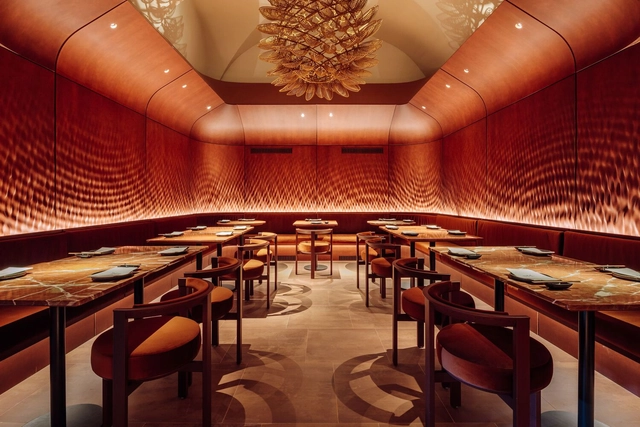
Nómada Chiado Restaurant / Spacegram - Interior Photography, Restaurant, Table, Lighting, ChairNómada Chiado Restaurant / Spacegram - Interior Photography, Restaurant, Table, ChairNómada Chiado Restaurant / Spacegram - Interior Photography, Restaurant, Table, ChairNómada Chiado Restaurant / Spacegram - Interior Photography, Restaurant, Door, Table, Lighting, ChairNómada Chiado Restaurant / Spacegram - More Images+ 20

  • Architects: Spacegram
  • Area Area of this architecture project Area:  150
  • Year Completion year of this architecture project Year:  2020
  • Manufacturers Brands with products used in this architecture project
    Manufacturers:  Reggiani, Artworks, Four Contract, Ian Yurisch, Mattiazzi, +2

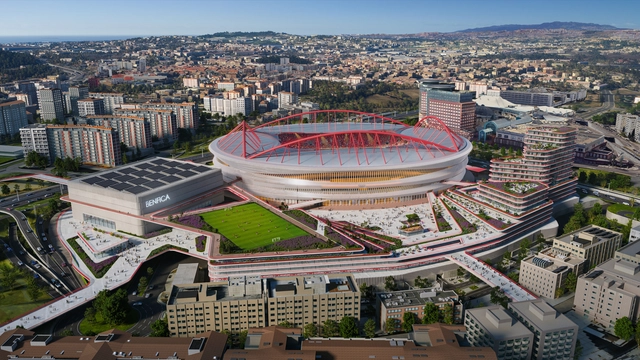
Populous Designs Redevelopment Master Plan for Lisbon’s Estádio da Luz

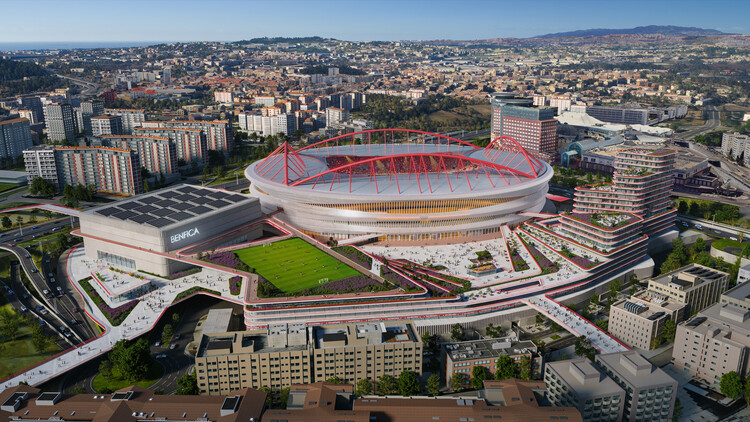
Populous has unveiled the design for a new master plan for the Estádio da Luz in Lisbon, in collaboration with Lisbon-based architecture firm Saraiva + Associados. Commissioned by S.L. Benfica, the project aims to upgrade the stadium and introduce new mixed-use and public facilities within the surrounding precinct. Populous describes the project as part of a wider trend in stadium-led urban development, referencing parallels with venues like Wembley Stadium and the Etihad Campus. According to the firm, the design responds to the stadium's existing context while supporting future expansion and new forms of public engagement. Completion is expected in alignment with upcoming international sporting events, including the 2030 FIFA World Cup.

Populous Designs Redevelopment Master Plan for Lisbon’s Estádio da Luz - Image 1 of 4Populous Designs Redevelopment Master Plan for Lisbon’s Estádio da Luz - Image 2 of 4Populous Designs Redevelopment Master Plan for Lisbon’s Estádio da Luz - Image 3 of 4Populous Designs Redevelopment Master Plan for Lisbon’s Estádio da Luz - Image 4 of 4Populous Designs Redevelopment Master Plan for Lisbon’s Estádio da Luz - More Images+ 8

Ofício – Tasco Atípico Restaurant / Spacegram

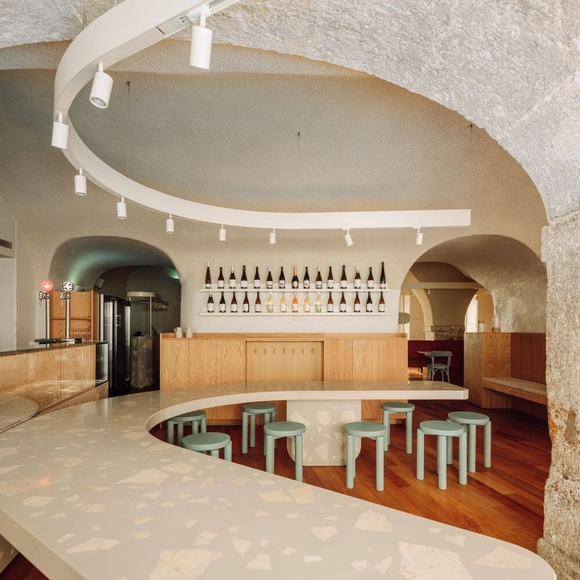
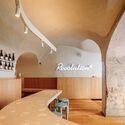
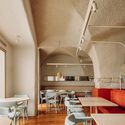
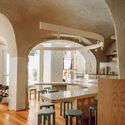
Ofício – Tasco Atípico Restaurant / Spacegram - Interior Photography, Restaurant, Arch, LightingOfício – Tasco Atípico Restaurant / Spacegram - Interior Photography, Restaurant, Arch, Table, ChairOfício – Tasco Atípico Restaurant / Spacegram - Interior Photography, Restaurant, Beam, Arch, Arcade, Table, Chair, CountertopOfício – Tasco Atípico Restaurant / Spacegram - Interior Photography, Restaurant, Kitchen, Arch, Table, ChairOfício – Tasco Atípico Restaurant / Spacegram - More Images+ 15

  • Architects: Spacegram
  • Area Area of this architecture project Area:  180
  • Year Completion year of this architecture project Year:  2021
  • Manufacturers Brands with products used in this architecture project
    Manufacturers:  Lindo Serviço, Spacegram

Studentville Housing / ÔCO + andre kong studio

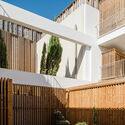
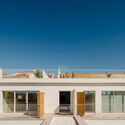
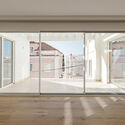
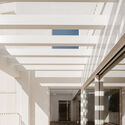
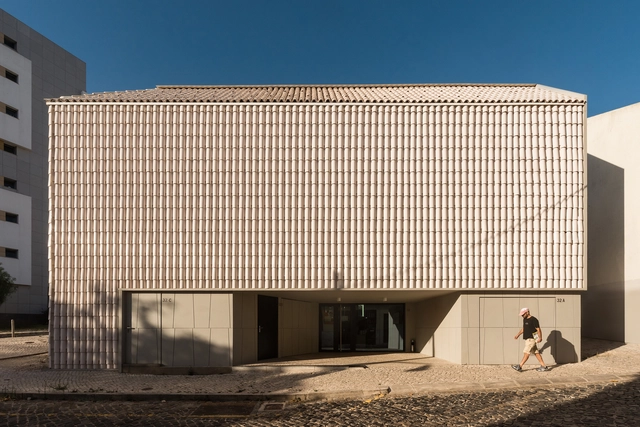
Studentville Housing / ÔCO + andre kong studio - Exterior Photography, Residential ArchitectureStudentville Housing / ÔCO + andre kong studio - Exterior Photography, Residential ArchitectureStudentville Housing / ÔCO + andre kong studio - Residential ArchitectureStudentville Housing / ÔCO + andre kong studio - Residential ArchitectureStudentville Housing / ÔCO + andre kong studio - More Images+ 20

  • Architects: andre kong studio, ÔCO
  • Area Area of this architecture project Area:  2550
  • Year Completion year of this architecture project Year:  2024
  • Manufacturers Brands with products used in this architecture project
    Manufacturers:  Sanitana, Tarkett, U-DECK, Umbelino Monteiro

Cura's House / Atelier AAVV

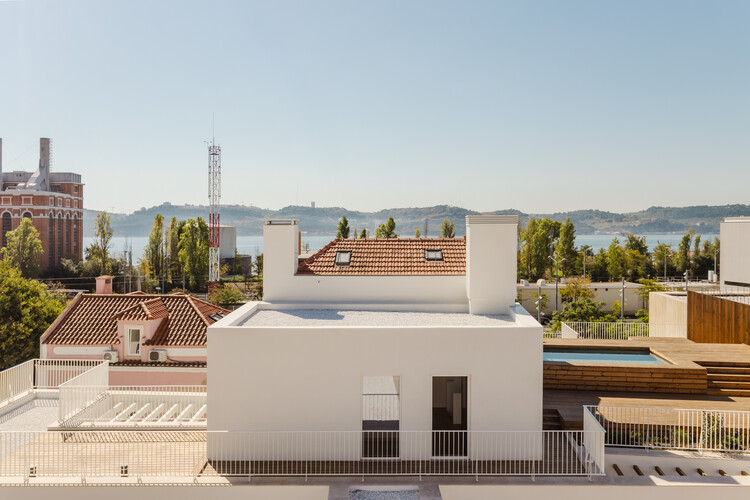
Cura's House / Atelier AAVV - Interior Photography, RenovationCura's House / Atelier AAVV - Interior Photography, RenovationCura's House / Atelier AAVV - RenovationCura's House / Atelier AAVV - Interior Photography, RenovationCura's House / Atelier AAVV - More Images+ 20

Rua do Cura, Lisbon, Portugal, Portugal
  • Architects: Atelier AAVV
  • Area Area of this architecture project Area:  300
  • Year Completion year of this architecture project Year:  2024

Sloped to Fit: 14 Homes That Embrace the Hill as a Catalyst for Their Design

Subscriber Access | 

When we think about cities, we often assume the orthogonal grid is the norm: neat, predictable, and rational. However, many urban areas around the world, notably those shaped by hills and uneven terrain, defy this convention. In cities like Lisbon, in Portugal orthogonal grids appear only in flatter zones such as Baixa, while surrounding areas like Alfama adapt organically to topography. These areas create more layered, irregular, and visually dynamic urban forms. Yerevan in Armenia, offers another urban example of this adaptation: the Cascade Complex transforms a steep hill into a terraced public space that connects different city levels while framing panoramic views. For other countries, this response to topography becomes even more critical. Cities like Tegucigalpa in Honduras or Valparaiso in Chile are defined by steep, irregular terrain that requires architects to engage deeply with the land. Designing in these contexts, especially for residential projects, demands technical adaptation and a contextual understanding that allows the slope to become a generative element in the design process.

Sloped to Fit: 14 Homes That Embrace the Hill as a Catalyst for Their Design - Image 1 of 4Sloped to Fit: 14 Homes That Embrace the Hill as a Catalyst for Their Design - Image 2 of 4Sloped to Fit: 14 Homes That Embrace the Hill as a Catalyst for Their Design - Image 3 of 4Sloped to Fit: 14 Homes That Embrace the Hill as a Catalyst for Their Design - Image 4 of 4Sloped to Fit: 14 Homes That Embrace the Hill as a Catalyst for Their Design - More Images+ 25

Energia de Portugal Headquarters / ELEMENTAL

Energia de Portugal Headquarters / ELEMENTAL - Office BuildingsEnergia de Portugal Headquarters / ELEMENTAL - Exterior Photography, Office BuildingsEnergia de Portugal Headquarters / ELEMENTAL - Office BuildingsEnergia de Portugal Headquarters / ELEMENTAL - Interior Photography, Office BuildingsEnergia de Portugal Headquarters / ELEMENTAL - More Images+ 31

Unveiling the 15 Most Significant Architectural Events of 2025

2025 promises to be a landmark in architecture, heralding a vibrant renaissance of creativity and exploration. As societies confront challenges such as climate change, rapid urbanization, and technological evolution, architecture is both a mirror to these dynamics and a compass pointing toward a sustainable and inclusive future. This year's architectural calendar offers abundant opportunities to celebrate the discipline's transformative power — from boundary-pushing festivals to thought-provoking exhibitions that explore pressing cultural and environmental narratives.

From well-established biennials to inaugural gatherings, including the World Architecture Festival 2025, Desert X Al Ula, and the COP Climate Conference, the 2025 calendar highlights themes such as sustainability, heritage, and community. These events underscore architecture's unique ability to shape a better future, addressing global challenges while honoring cultural diversity and design ingenuity.

Unveiling the 15 Most Significant Architectural Events of 2025 - Image 1 of 4Unveiling the 15 Most Significant Architectural Events of 2025 - Image 2 of 4Unveiling the 15 Most Significant Architectural Events of 2025 - Image 3 of 4Unveiling the 15 Most Significant Architectural Events of 2025 - Image 4 of 4Unveiling the 15 Most Significant Architectural Events of 2025 - More Images+ 14

A New Lens on Architecture: Discovering Open House Narratives Across Europe

Throughout 2024, ArchDaily, in collaboration with the Open House Europe architecture event, brought inspiring projects and stories to light. These true architectural gems were unveiled through visits, and their widely shared narratives enriched the architectural discourse. It is an invitation to explore the stories behind buildings that, although part of citizens' daily lives, often go unnoticed amidst the routine automation of everyday life.

These narratives explored projects of different scales, uses, and contexts, revealing everything from religious buildings, to remarkable examples of adaptive reuse of old industrial structures, now taking on new roles within their communities. Each story uncovered the many layers that make up a building – from its initial design to the new meanings it has acquired over time.

  A New Lens on Architecture: Discovering Open House Narratives Across Europe - Image 1 of 4  A New Lens on Architecture: Discovering Open House Narratives Across Europe - Image 2 of 4  A New Lens on Architecture: Discovering Open House Narratives Across Europe - Image 3 of 4  A New Lens on Architecture: Discovering Open House Narratives Across Europe - Image 4 of 4  A New Lens on Architecture: Discovering Open House Narratives Across Europe - More Images+ 2

Ivens Apartment / X Atelier

Ivens Apartment / X Atelier - Interior Photography, Apartment Interiors, Lighting, Table, ChairIvens Apartment / X Atelier - Interior Photography, Apartment Interiors, Chair, Lighting, TableIvens Apartment / X Atelier - Interior Photography, Apartment Interiors, Lighting, ChairIvens Apartment / X Atelier - Interior Photography, Apartment Interiors, Bedroom, ChairIvens Apartment / X Atelier - More Images+ 16

  • Architects: X Atelier
  • Area Area of this architecture project Area:  160
  • Year Completion year of this architecture project Year:  2023