1. ArchDaily
  2. Central Park

Central Park: The Latest Architecture and News

Rethinking Museums: A Conversation with Béatrice Grenier on Architecture as Cultural Policy

Subscriber Access | 

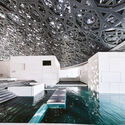
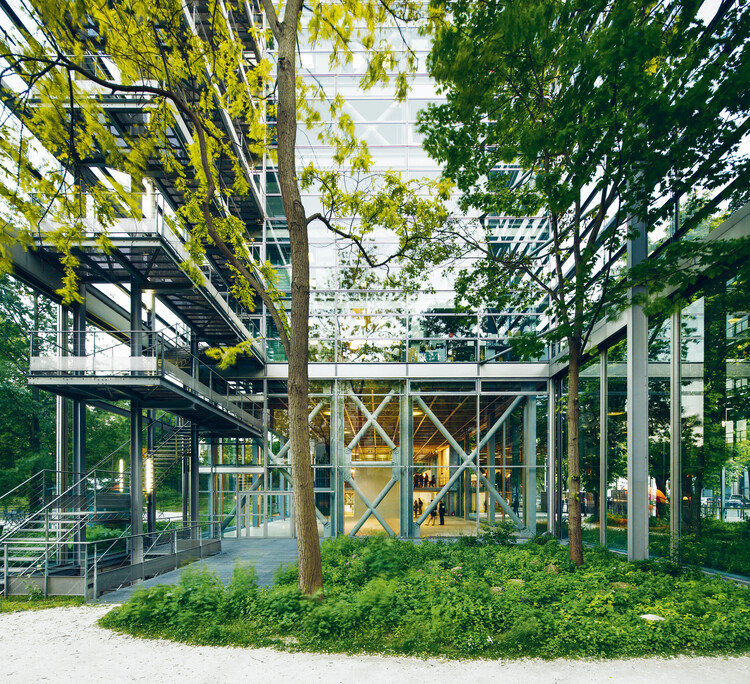
The opening of the new Fondation Cartier pour l'Art Contemporain in Paris last October sparked renewed questions around the role, form, and future of museums. As cultural institutions continue to proliferate worldwide in this digital era, the museum itself appears increasingly in need of redefinition. Rather than offering a single model or solution, Architecture for Culture: Rethinking Museums, written by architectural historian and curator Béatrice Grenier, argues for a more contextual and plural understanding of what a museum can be: an institution shaped by its environment, its public, and the specific cultural questions it seeks to address.

ArchDaily had the opportunity to discuss these ideas with the author against the backdrop of the Fondation Cartier's newly inaugurated home on Rue de Rivoli. Housed within a restored Haussmannian building that once accommodated the Grands Magasins du Louvre, the space has been radically reimagined by Jean Nouvel as a dynamic, transformable architecture.

Rethinking Museums: A Conversation with Béatrice Grenier on Architecture as Cultural Policy - Image 1 of 4Rethinking Museums: A Conversation with Béatrice Grenier on Architecture as Cultural Policy - Image 2 of 4Rethinking Museums: A Conversation with Béatrice Grenier on Architecture as Cultural Policy - Image 3 of 4Rethinking Museums: A Conversation with Béatrice Grenier on Architecture as Cultural Policy - Image 4 of 4Rethinking Museums: A Conversation with Béatrice Grenier on Architecture as Cultural Policy - More Images+ 11

MAD Architects Unveils Fluid Design for Cloud 9 Sports Center in Shijiazhuang, China

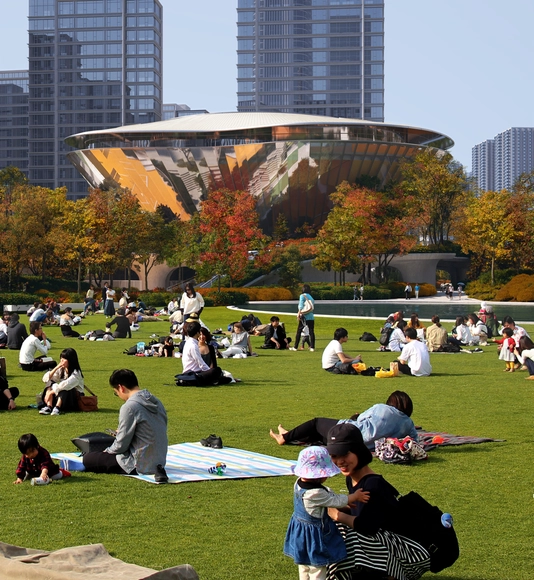
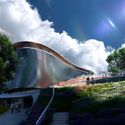
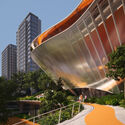
Ma Yansong/MAD Architects has unveiled their design for the Cloud 9 Sports Center, a 6,000-square-meter athletic complex in the city of Shijiazhuang, China. The venue is proposed to become the focal point of CBD's Central Park, marking the public space surrounded by residential, commercial, and recreational amenities. The center is designed to showcase a soft and fluid exterior to fit into its surroundings, mirroring the landscaped park while offering a range of facilities including a gym, indoor and outdoor tennis courts, and commercial spaces. The new sports center broke ground in March this year and is expected to be completed in 2025.

MAD Architects Unveils Fluid Design for Cloud 9 Sports Center in Shijiazhuang, China - Image 1 of 4MAD Architects Unveils Fluid Design for Cloud 9 Sports Center in Shijiazhuang, China - Image 2 of 4MAD Architects Unveils Fluid Design for Cloud 9 Sports Center in Shijiazhuang, China - Image 3 of 4MAD Architects Unveils Fluid Design for Cloud 9 Sports Center in Shijiazhuang, China - Image 4 of 4MAD Architects Unveils Fluid Design for Cloud 9 Sports Center in Shijiazhuang, China - More Images+ 7

Why Landscape Architecture Matters Now More Than Ever

Subscriber Access | 
Why Landscape Architecture Matters Now More Than Ever - Image 4 of 4
Philadelphia Navy Yards / James Corner Field Operations. Image © Halkin Mason Photography

Landscape architecture is having a moment. The latest proof: last week, the US Department of Homeland Security decided to accredit the field with its prestigious STEM designation. As part of the science, technology, engineering, and mathematics (STEM) educational disciplines that fall under this category, landscape architecture students can now spend an additional 24 months seeking employment and training post-graduation in the United States after an initial period of a year granted to all graduates. The title also promises more prestige, higher entry salaries, and additional career flexibility. Torey Carter-Conneen, CEO of the American Society of Landscape Architects (ASLA), calls the development a significant advancement for 'landscape architecture education and practice, and that is great for America and the global community.'

The news corresponds to a growing emphasis on landscape architecture as a pivotal practice around the globe in recent years – one that is closely connected to notions of public health, environmental design, biophilia, sustainability, and re-wilding. It also underlines the intimate relationship between technology and the discipline. Landscape proposals increasingly rely on advanced science and technology to predict how ecological interventions might alter an existing terrain and determine what measures will yield the highest benefit for both humans and nature. The contemporary ideal of wild meadows and biodiverse forests may exist free from external influence, but the path to get there requires assistance.

Why Landscape Architecture Matters Now More Than Ever - Featured ImageWhy Landscape Architecture Matters Now More Than Ever - Image 1 of 4Why Landscape Architecture Matters Now More Than Ever - Image 2 of 4Why Landscape Architecture Matters Now More Than Ever - Image 3 of 4Why Landscape Architecture Matters Now More Than Ever - More Images+ 10

Revealing Seneca Village, the Black Community Displaced by Central Park

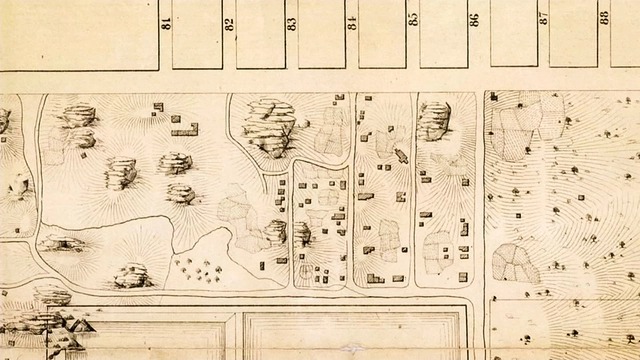
“Seneca Village was an important community. It was 40 acres, two-thirds African American, and had a church and school,” explained Sara Zewde, ASLA, founder of Studio Zewde and assistant professor at the Harvard Graduate School of Design, during a session at the ASLA 2022 Conference on Landscape Architecture in San Francisco.

The 225 residents of Seneca Village were displaced by the New York City government in the mid 1800s to make way for Central Park, which is considered one of the masterpieces of landscape architect Frederick Law Olmsted and architect Calvert Vaux.

Revealing Seneca Village, the Black Community Displaced by Central Park - Image 1 of 4Revealing Seneca Village, the Black Community Displaced by Central Park - Image 2 of 4Revealing Seneca Village, the Black Community Displaced by Central Park - Image 3 of 4Revealing Seneca Village, the Black Community Displaced by Central Park - Image 4 of 4Revealing Seneca Village, the Black Community Displaced by Central Park - More Images+ 2

Cities Address Environmental Issues with Digital Twins, Climate Research and Bee Bricks Mandates

Cities Address Environmental Issues with Digital Twins, Climate Research and Bee Bricks Mandates - Featured Image
Photo by Jermaine Ee on Unsplash . ImageCentral Park

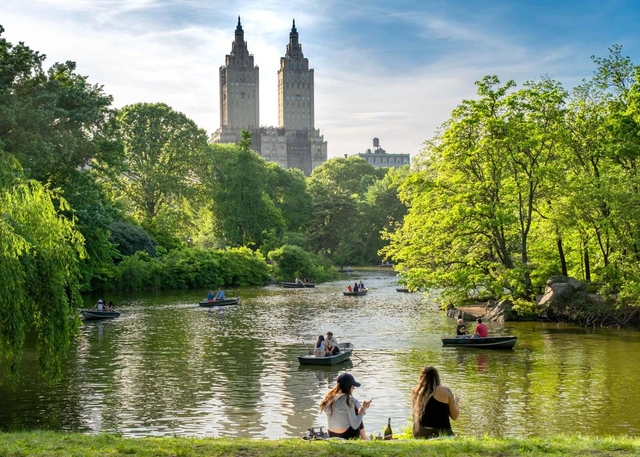
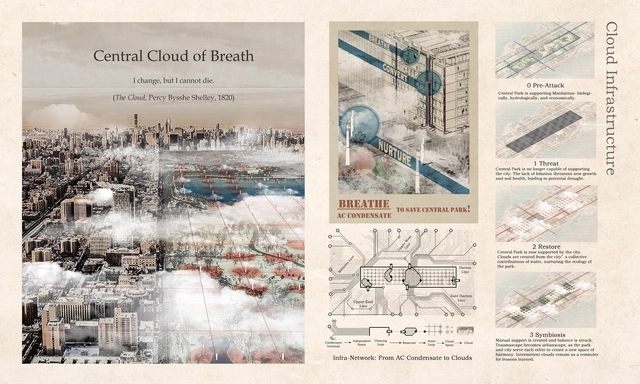
Earlier this month, a series of cities worldwide have revealed various initiatives that would help them better understand the effects of climate change and shape a more environmentally conscious environment. From several American cities creating digital twins to help curb carbon emissions to the city of Brighton mandating bee bricks to foster biodiversity and Central Park becoming a laboratory for studying climate change adaptation in urban parks, cities take on a multidisciplinary and multi-scalar approach to environmental issues.

Cities Address Environmental Issues with Digital Twins, Climate Research and Bee Bricks Mandates - Image 1 of 4Cities Address Environmental Issues with Digital Twins, Climate Research and Bee Bricks Mandates - Image 2 of 4Cities Address Environmental Issues with Digital Twins, Climate Research and Bee Bricks Mandates - Image 3 of 4Cities Address Environmental Issues with Digital Twins, Climate Research and Bee Bricks Mandates - Image 4 of 4Cities Address Environmental Issues with Digital Twins, Climate Research and Bee Bricks Mandates - More Images

Central Park Will Become a Hub for Climate Research

As temperatures rise across the globe with no sign of slowing down, the parks of the future will be subjected to droughts, flooding, punishing heat, and more abundant snowfall as warmer air is capable of holding more moisture than colder air. (It’s often said the world of the future will be wetter and wilder for that exact reason.)

So how can urban parks harden themselves for the coming decades? The Central Park Conservancy, the Yale School of the Environment, and the Natural Areas Conservancy have teamed up to turn New York City’s most iconic park into a hub for studying climate change adaptation and potential mitigation strategies. The Central Park Climate Lab was announced on January 12 by the conservancy, and the insights gleaned from the program will expand to other parks across New York city and eventually, other parks across the country.

Green Inequity: Increasing Access to Public Parks for Underserved Communities

Subscriber Access | 

Around the world, the COVID-19 pandemic exposed the fact that some of the poorest people were hit the hardest by not only the impacts the virus had on public health but also the social and economic shockwaves that came as a result. And now, as we emerge on the other side yet also enter the second wave of restrictions around the globe, urban planners and government officials are beginning to realize that the pandemic has pulled back the curtains on another inequitable feature of cities- the proximity to public parks and spaces.

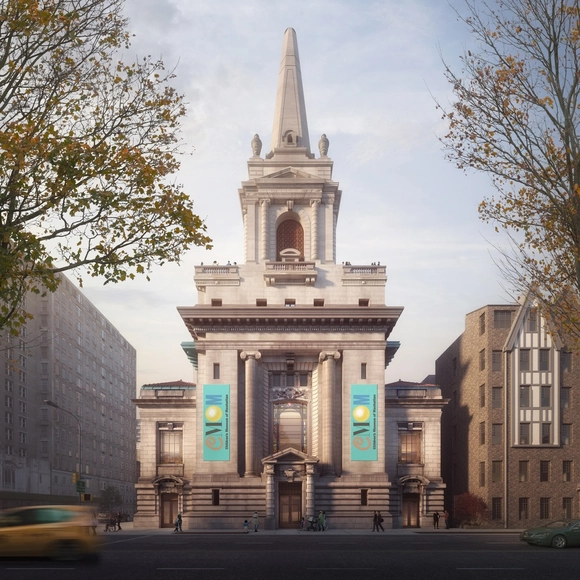
Children’s Museum of Manhattan Finds New Home in Historic Church Along Central Park

The Children’s Museum of Manhattan has announced that it will renovate an abandoned church off of Central Park in New York City. Designed by architecture firm FXCollaborative and design studio Local Projects, the new museum building enables CMOM to meet increased demand for its program and resources, and marks CMOM’s first expansion in over 40 years. The project aims to engage and inspire New York City’s youngest citizens.

Public Spaces: Places of Protest, Expression and Social Engagement

Subscriber Access | 

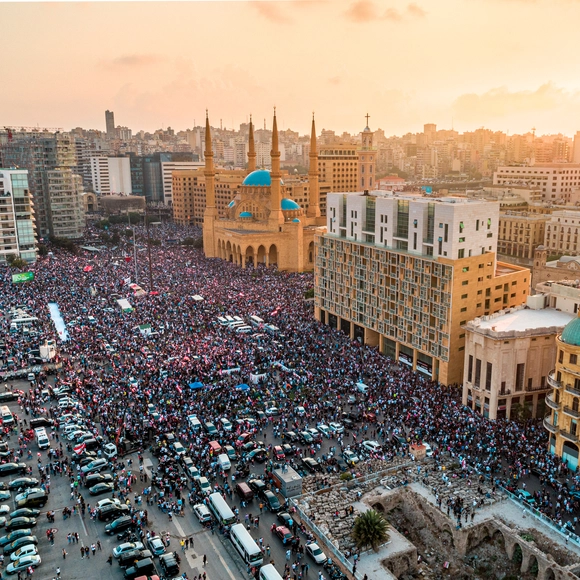
"Public space" is a legal terminology that tackles the notion of land ownership, suggesting that this type of parcel does not belong to anyone in particular, but to the state itself. Open, free, accessible to all, and financed by public money, these spaces are not only the results of planning, but the consequences of the public practices they hold. Actually, people define how public space is used and what it means.

Protests - powerful political tools for change - from the March on Washington in 1963, the Arab Spring in the early 2000s to recent Black Lives Matter Movements, are altering the world. In times like these, while people still need to "take their issues to the streets" to be heard and seen, public spaces have resurfaced as a topic of discussion.

Public Spaces: Places of Protest, Expression and Social Engagement - Image 1 of 4Public Spaces: Places of Protest, Expression and Social Engagement - Image 2 of 4Public Spaces: Places of Protest, Expression and Social Engagement - Image 3 of 4Public Spaces: Places of Protest, Expression and Social Engagement - Image 4 of 4Public Spaces: Places of Protest, Expression and Social Engagement - More Images+ 11

111 West 57th Street, most Slender Skyscraper in the World Tops Out

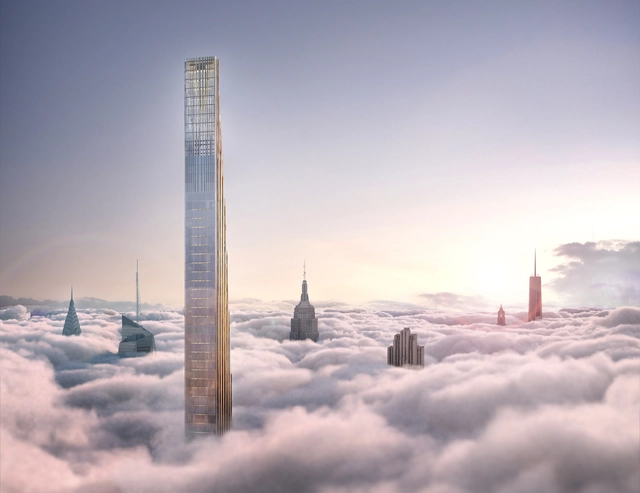
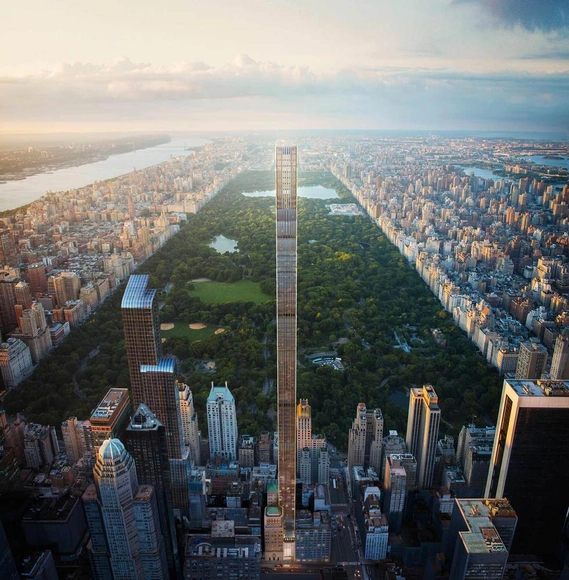
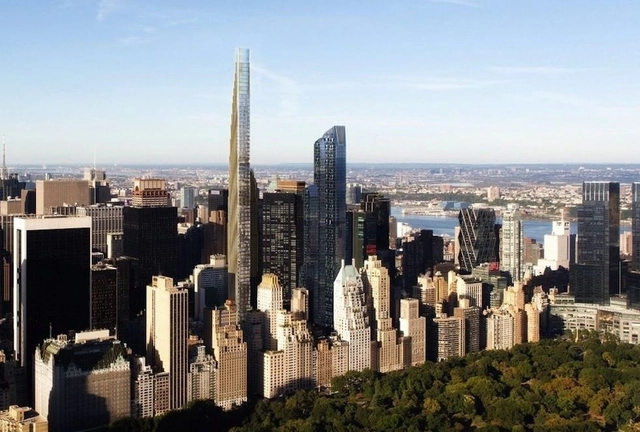
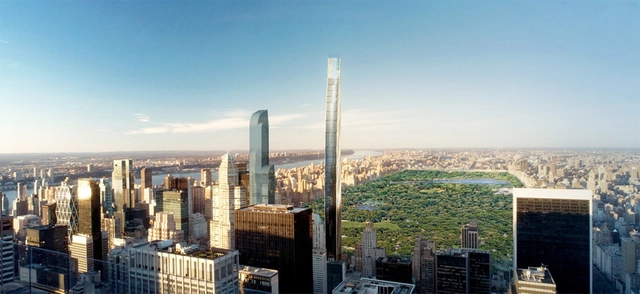
Centered over Central Park in Midtown Manhattan, 111 West 57th Street, the second tallest residential building in the Western Hemisphere has topped out at 1,428 feet. Designed by SHoP Architects with interior architecture by Studio Sofield, the tower is considered the most slender skyscraper in the world.

111 West 57th Street, most Slender Skyscraper in the World Tops Out  - Image 1 of 4111 West 57th Street, most Slender Skyscraper in the World Tops Out  - Image 2 of 4111 West 57th Street, most Slender Skyscraper in the World Tops Out  - Image 3 of 4111 West 57th Street, most Slender Skyscraper in the World Tops Out  - Image 4 of 4111 West 57th Street, most Slender Skyscraper in the World Tops Out  - More Images+ 8

SHoP Architects' 111 West 57th Street Celebrates Topping Out near Central Park

The SHoP Architects-designed 111 West 57th Street has witnessed a major milestone with the topping out of its reinforced concrete superstructure, as reported by New York YIMBY. The supertall scheme, measuring 1428-feet-tall, will be the second-tallest building in New York City by roof height, and the most slender tall building in the world.

Proposed World's Tallest Wooden Structure Would Filter Contaminated Water in New York's Central Park

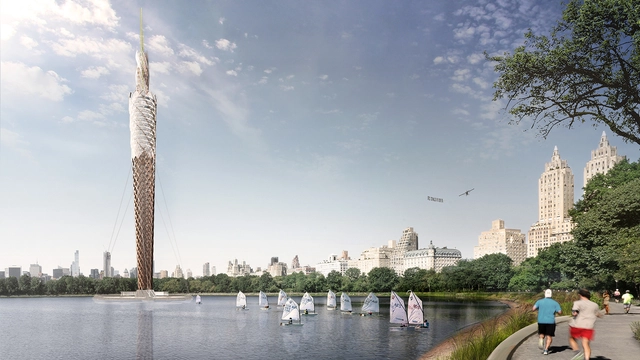
Responding to the ever-growing demand for sky-high public spaces and the need for innovative environmental solutions, New York-based studio DFA has envisioned a 712-foot-tall prefabricated timber observation tower in New York’s Central Park that, if built, would become the world’s tallest timber structure.

Combining the principles of “architecture, recreation, resiliency, and tourism,” the Central Park Tower would rise out of the Jacqueline Kennedy Onassis Reservoir, the 106-acre man-made lake that encompasses one-eighth of the total park area and holds one billion gallons of contaminated water.

Proposed World's Tallest Wooden Structure Would Filter Contaminated Water in New York's Central Park - Image 1 of 4Proposed World's Tallest Wooden Structure Would Filter Contaminated Water in New York's Central Park - Image 2 of 4Proposed World's Tallest Wooden Structure Would Filter Contaminated Water in New York's Central Park - Image 3 of 4Proposed World's Tallest Wooden Structure Would Filter Contaminated Water in New York's Central Park - Image 4 of 4Proposed World's Tallest Wooden Structure Would Filter Contaminated Water in New York's Central Park - More Images+ 37

Excavating Wilderness: An Urban Subterranean Dialogue

Subscriber Access | 
Excavating Wilderness: An Urban Subterranean Dialogue - Featured Image
© Jeff Kamuda

The Excavating Wilderness: A Orienting Trajectory Across Central Park proposal by Syracuse University graduate Jeff Kamuda investigates the tensioning between natural wilderness and the built environment. With the rise of modern civilization, a fluctuating tenet between humans and nature can be observed in its reincarnation of the urban park. Situated in New York City’s Central Park, the project introduces a set of natural phenomena through a unique and atypical approach, which in turn serves to stimulate a dialogue between the individual, the park, the city, and the cosmos. Stretching a mile across Central Park from Grand Army Plaza at 59th street to the American Museum of Natural History at 77th Street, the triparted project achieves a dramatic juxtaposition of subterranean experience combined with elevated architecture. Read more after the break.