1. ArchDaily
  2. Village

Village: The Latest Architecture and News

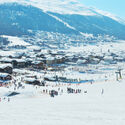
Six Sites Host the Olympic Villages of Milano Cortina 2026 With a Focus on Existing Infrastructure

As preparations advance for the Milano Cortina 2026 Olympic Winter Games, set to take place from February 6 to 22, 2026, this edition introduces one of the most geographically wide-ranging configurations ever implemented for the Winter Olympics. Extending across two cities, two regions, and two autonomous provinces, the competitions will be staged over more than 22,000 square kilometres of Northern Italy. Metropolitan venues in Milan are paired with longstanding Alpine centres in Cortina d'Ampezzo, Livigno, Bormio, Anterselva, and Val di Fiemme, creating a framework that bridges urban and mountain contexts. More than 90 per cent of the venues are existing or temporary facilities, reflecting a strategy centred on adaptive reuse, selective upgrades, and long-term integration into regional sport and cultural infrastructures. Nearly 2,900 athletes will compete in 116 events, including the debut of ski mountaineering and several new mixed-gender formats that signal evolving approaches to winter sports programming.
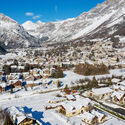

Six Sites Host the Olympic Villages of Milano Cortina 2026 With a Focus on Existing Infrastructure - Image 1 of 4Six Sites Host the Olympic Villages of Milano Cortina 2026 With a Focus on Existing Infrastructure - Image 2 of 4Six Sites Host the Olympic Villages of Milano Cortina 2026 With a Focus on Existing Infrastructure - Image 3 of 4Six Sites Host the Olympic Villages of Milano Cortina 2026 With a Focus on Existing Infrastructure - Image 4 of 4Six Sites Host the Olympic Villages of Milano Cortina 2026 With a Focus on Existing Infrastructure - More Images+ 2

From Iran to Argentina: 9 Unbuilt Contemporary Residences Exploring Form, Context, and Identity

Subscriber Access | 

Across geographies and generations, architects are rethinking the idea of home, balancing personal expression, contextual sensitivity, and material clarity. These contemporary residential proposals, submitted by the ArchDaily community, reveal how the house continues to evolve as both an architectural statement and an intimate landscape for living. From the sculptural and futuristic to the grounded and vernacular, they explore how built form balances between identity, environment, and lifestyle in an increasingly complex world.

From Iran to Argentina: 9 Unbuilt Contemporary Residences Exploring Form, Context, and Identity - Image 7 of 4From Iran to Argentina: 9 Unbuilt Contemporary Residences Exploring Form, Context, and Identity - Image 15 of 4From Iran to Argentina: 9 Unbuilt Contemporary Residences Exploring Form, Context, and Identity - Image 28 of 4From Iran to Argentina: 9 Unbuilt Contemporary Residences Exploring Form, Context, and Identity - Image 38 of 4From Iran to Argentina: 9 Unbuilt Contemporary Residences Exploring Form, Context, and Identity - More Images+ 47

From Acapulco to Copenhagen: 8 Projects Exhibited at the Venice Biennale 2025 Reclaiming Existing Architecture for Regenerative Cities

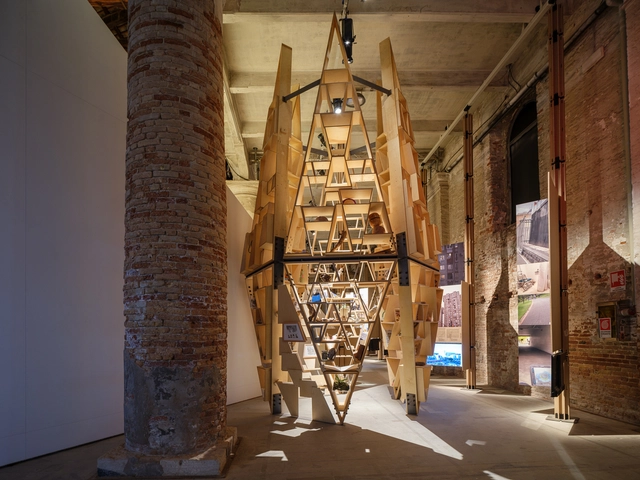
This curated selection of projects from the 2025 Venice Architecture Biennale explores regeneration as a deliberate, intelligent process rooted in the specific conditions of a place. For decades, the Biennale has been a testing ground for architecture's most urgent ideas, allowing designers, researchers, and institutions to present visions that address evolving environmental, cultural, and social challenges. This year's projects reveal how regeneration, whether of an entire coastal city, a disused industrial site, or a neglected public space, requires more than replacing the old with the new. It calls for a precise reading of existing contexts, the preservation of embedded knowledge, and the careful integration of contemporary needs.

The eight selected works show that regeneration can emerge from multiple starting points: reactivating heritage through adaptive reuse, restoring ecological systems as part of urban planning, developing open and modular strategies for social housing renewal, or layering technological innovation onto historically rooted practices. While the scale of intervention varies, each project demonstrates a sensitivity to what is already there and existing, be it material resources, urban patterns, or cultural memory, and a willingness to work with these assets as catalysts for transformation. Together, they suggest that regeneration must start somewhere, and that its success lies in balancing innovation with the intelligence of what already exists.

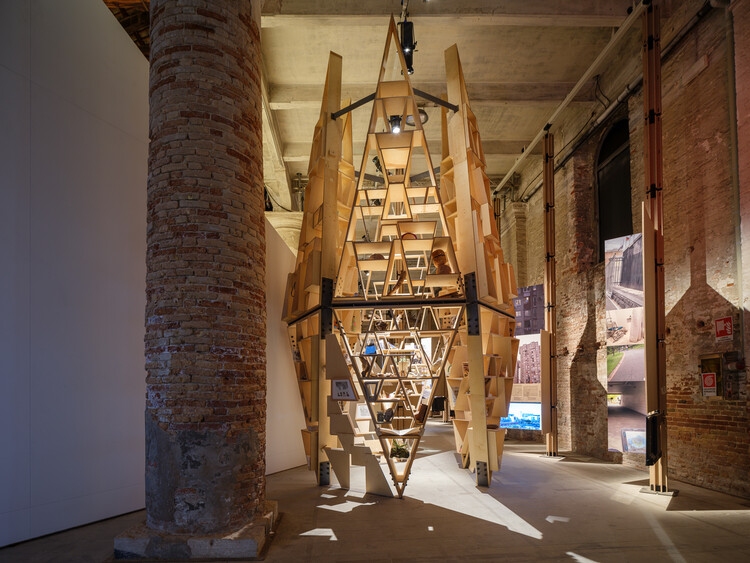
From Acapulco to Copenhagen: 8 Projects Exhibited at the Venice Biennale 2025 Reclaiming Existing Architecture for Regenerative Cities - Image 1 of 4From Acapulco to Copenhagen: 8 Projects Exhibited at the Venice Biennale 2025 Reclaiming Existing Architecture for Regenerative Cities - Image 2 of 4From Acapulco to Copenhagen: 8 Projects Exhibited at the Venice Biennale 2025 Reclaiming Existing Architecture for Regenerative Cities - Image 3 of 4From Acapulco to Copenhagen: 8 Projects Exhibited at the Venice Biennale 2025 Reclaiming Existing Architecture for Regenerative Cities - Image 4 of 4From Acapulco to Copenhagen: 8 Projects Exhibited at the Venice Biennale 2025 Reclaiming Existing Architecture for Regenerative Cities - More Images+ 16

Longevity Through Renewal: The Enduring Wisdom of Hong Kong's Water Villages

While Hong Kong is widely celebrated for its iconic harbor view, glittering skyline, and fast-paced urban lifestyle, its origins tell a different story—one deeply rooted in its relationship with water. Before transforming into a dense, vertical metropolis, Hong Kong's architectural identity was closely tied to its maritime context. Today, the city is often associated with slender, glass-clad towers that symbolize modernity. While visually striking in their pursuit of height and form, many of these buildings appear disconnected from their immediate environment, often overlooking natural site conditions, ecological responsiveness, and contextual sensitivity.

Historically, however, this was not the case. Hong Kong's earliest built environments—rural fishing villages in areas like Tai O, Aberdeen, and Shau Kei Wan—emerged through organic, community-driven spatial practices that engaged closely with their surroundings. These coastal and riverside settlements developed architectural systems tailored to the marine environment and to the rhythms of fishing life. Villages were sited around water, and construction strategies were adapted to fluctuating tides, terrain, and social use.

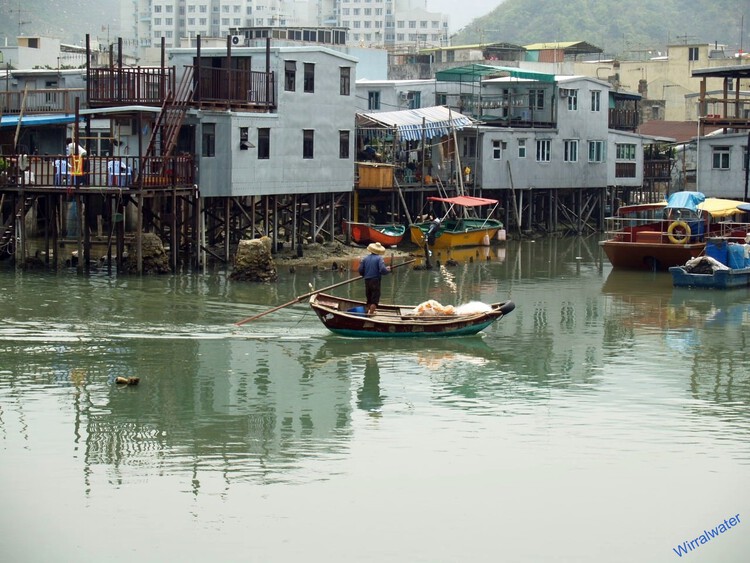
Longevity Through Renewal: The Enduring Wisdom of Hong Kong's Water Villages - Image 1 of 4Longevity Through Renewal: The Enduring Wisdom of Hong Kong's Water Villages - Image 2 of 4Longevity Through Renewal: The Enduring Wisdom of Hong Kong's Water Villages - Image 3 of 4Longevity Through Renewal: The Enduring Wisdom of Hong Kong's Water Villages - Image 4 of 4Longevity Through Renewal: The Enduring Wisdom of Hong Kong's Water Villages - More Images+ 13

Village in the Vertical City: Tai Hang and the Afterlife of Vernacular Hong Kong

Vernacular architecture in Hong Kong originated as a series of small, coastal settlements—simple, village-like communities that reflected the city's early identity as a fishing hub. These seaside villages were typically composed of low-rise, timber-framed houses clustered around temples, forming tight-knit communities closely tied to the rhythms of the water.

One notable example is Tai Hang, among the earlier settlements established by the Hakka people in Hong Kong. Originally located along a water channel that flowed from the nearby mountains to the sea, the area was once a vital washing site for villagers—hence its name, which literally means "Big Drainage." Before extensive land reclamation, Tai Hang sat quite close to the shoreline. Today, it lies nearly 700 meters inland.

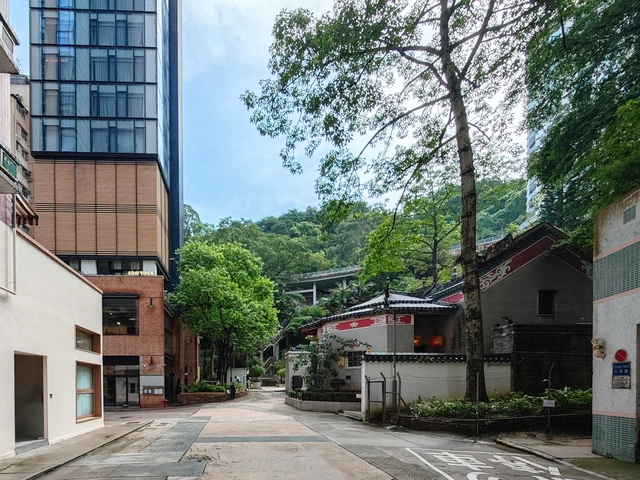
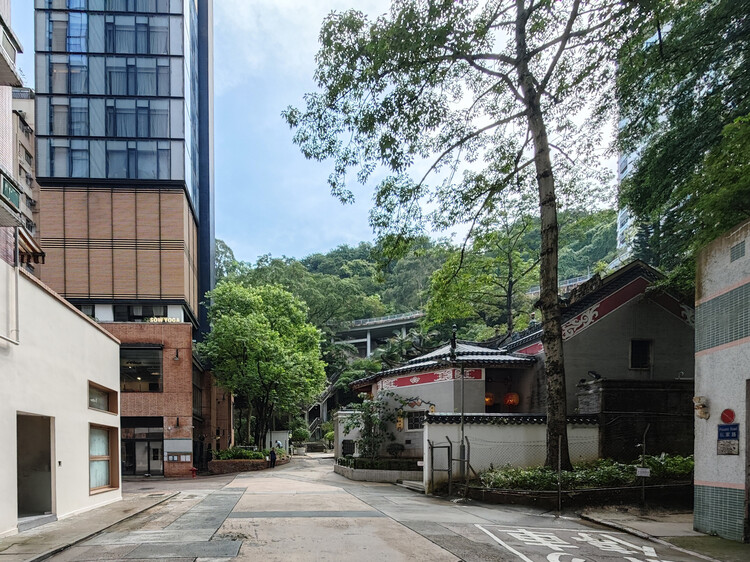
Village in the Vertical City: Tai Hang and the Afterlife of Vernacular Hong Kong - Image 1 of 4Village in the Vertical City: Tai Hang and the Afterlife of Vernacular Hong Kong - Image 2 of 4Village in the Vertical City: Tai Hang and the Afterlife of Vernacular Hong Kong - Image 3 of 4Village in the Vertical City: Tai Hang and the Afterlife of Vernacular Hong Kong - Image 4 of 4Village in the Vertical City: Tai Hang and the Afterlife of Vernacular Hong Kong - More Images+ 11

Foster + Partners Inauguates Saudi Pavilion’s Model Village at Expo 2025 Osaka

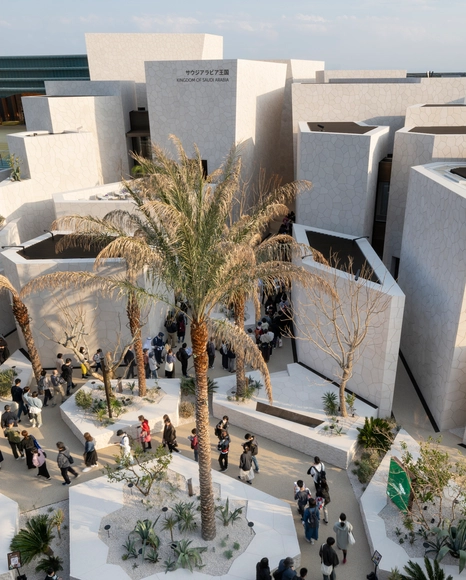
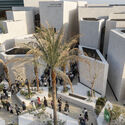
The national pavilion of the Kingdom of Saudi Arabia welcomes its first visitors at Expo 2025 Osaka. The latest photographs showcase Foster + Partners's design, aiming to create a spatial experience that evokes the character of Saudi Arabian towns and cities. Positioned at the Yumeshima waterfront, the pavilion offers visitors an engaging journey of discovery through the 'village' of meandering streets that alternate spaces of quiet reflection with venues for performances and cultural experiences.

Foster + Partners Inauguates Saudi Pavilion’s Model Village at Expo 2025 Osaka - Image 1 of 4Foster + Partners Inauguates Saudi Pavilion’s Model Village at Expo 2025 Osaka - Image 2 of 4Foster + Partners Inauguates Saudi Pavilion’s Model Village at Expo 2025 Osaka - Featured ImageFoster + Partners Inauguates Saudi Pavilion’s Model Village at Expo 2025 Osaka - Image 3 of 4Foster + Partners Inauguates Saudi Pavilion’s Model Village at Expo 2025 Osaka - More Images+ 12

From the Hills of Ghana to the Coast of Italy, Discover 8 Unbuilt Educational Spaces from the ArchDaily Community

Subscriber Access | 

As educational institutions around the world adapt to shifting societal needs, the architecture of learning is also evolving. This curated selection brings together projects submitted by the global ArchDaily community, highlighting how architects are rethinking the future of schools and universities through design. These proposals reflect pressing global concerns: the importance of community-centered education, the revitalization of historical buildings and neighborhoods, the integration of natural systems, and the search for spatial expressions that accommodate both formal instruction and informal exchange. Whether situated in dense urban centers, rural villages, or coastal landscapes, these projects respond to specific cultural and environmental contexts while engaging with broader architectural questions about sustainability, access, and identity.

From the Hills of Ghana to the Coast of Italy, Discover 8 Unbuilt Educational Spaces from the ArchDaily Community - Image 1 of 4From the Hills of Ghana to the Coast of Italy, Discover 8 Unbuilt Educational Spaces from the ArchDaily Community - Image 2 of 4From the Hills of Ghana to the Coast of Italy, Discover 8 Unbuilt Educational Spaces from the ArchDaily Community - Image 3 of 4From the Hills of Ghana to the Coast of Italy, Discover 8 Unbuilt Educational Spaces from the ArchDaily Community - Image 4 of 4From the Hills of Ghana to the Coast of Italy, Discover 8 Unbuilt Educational Spaces from the ArchDaily Community - More Images+ 47

Revealing Seneca Village, the Black Community Displaced by Central Park

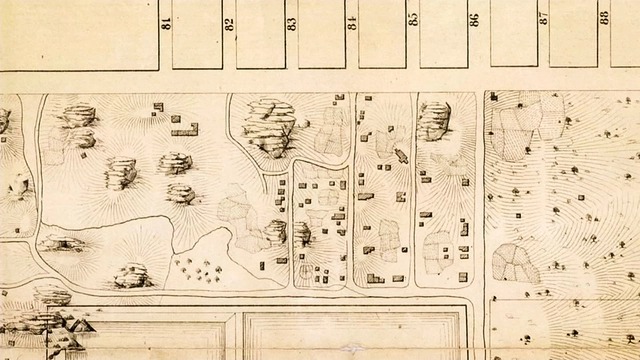
“Seneca Village was an important community. It was 40 acres, two-thirds African American, and had a church and school,” explained Sara Zewde, ASLA, founder of Studio Zewde and assistant professor at the Harvard Graduate School of Design, during a session at the ASLA 2022 Conference on Landscape Architecture in San Francisco.

The 225 residents of Seneca Village were displaced by the New York City government in the mid 1800s to make way for Central Park, which is considered one of the masterpieces of landscape architect Frederick Law Olmsted and architect Calvert Vaux.

Revealing Seneca Village, the Black Community Displaced by Central Park - Image 1 of 4Revealing Seneca Village, the Black Community Displaced by Central Park - Image 2 of 4Revealing Seneca Village, the Black Community Displaced by Central Park - Image 3 of 4Revealing Seneca Village, the Black Community Displaced by Central Park - Image 4 of 4Revealing Seneca Village, the Black Community Displaced by Central Park - More Images+ 2

In Times of Need: Architects Stepping Up in Humanitarian Crisis

Subscriber Access | 

Hard times bring people together. In recent years we have seen how collective work can be a driving force to help those affected by natural or man-made disasters. After a disaster or displacement, a safe physical environment is often essential. Therefore, the need for coordination becomes a key factor in assisting people in times of need.

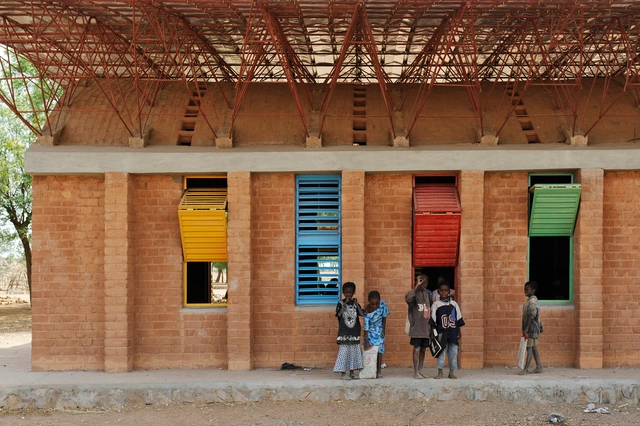
Architects, as "Shelter Specialists", play an important role in creating safe and adequate environments, whether it is individual housing, public buildings, schools, or emergency tent camps. But as architect Diébédo Francis Kéré says, "When you have nothing and you want to convince your community to believe in an idea, it may happen that everybody starts working with you, but you need to keep fighting to convince them."

In Times of Need: Architects Stepping Up in Humanitarian Crisis - Image 1 of 4In Times of Need: Architects Stepping Up in Humanitarian Crisis - Image 2 of 4In Times of Need: Architects Stepping Up in Humanitarian Crisis - Image 3 of 4In Times of Need: Architects Stepping Up in Humanitarian Crisis - Image 4 of 4In Times of Need: Architects Stepping Up in Humanitarian Crisis - More Images+ 25

The Veranda: A Disappearing Threshold Space in India

Subscriber Access | 

An ancient Indian folktale narrates the story of a demigod, Hiranyakashipu, who was granted a boon of indestructibility. He wished for his death to never be brought about by any weapon, human or animal, not at day or night, and neither inside nor outside his residence. To cease his wrathful ways, Lord Vishnu took the form of a half-human-half-animal to slay the demigod at twilight at the threshold of his house.

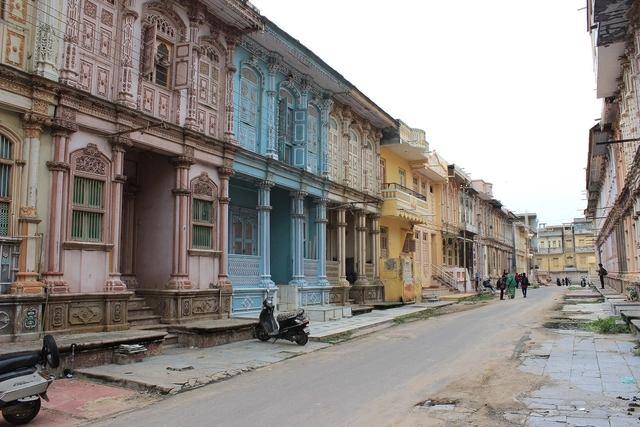
Threshold architectural spaces have always held deep cultural meaning to the people of India. In-between spaces are found in the midst of daily activities as courtyards, stairways, and verandas. The entrance to the house is revered by Indians of all social backgrounds. Throughout the country’s varied landscape, transitional entry spaces are flanked by distinctive front verandas that merge the street with the house.

The Veranda: A Disappearing Threshold Space in India  - Image 1 of 4The Veranda: A Disappearing Threshold Space in India  - Image 2 of 4The Veranda: A Disappearing Threshold Space in India  - Image 3 of 4The Veranda: A Disappearing Threshold Space in India  - Image 4 of 4The Veranda: A Disappearing Threshold Space in India  - More Images+ 1

The Evolution of Residential Dwellings in the Philippines Through the Years

Subscriber Access | 

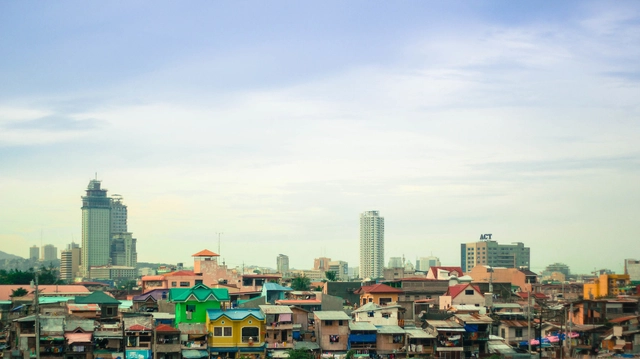
The history and culture of the Philippines are reflected in its architectural heritage, with numerous influences from other nations paving the way for the contemporary designs we see today, a mixité of cultural influences amongst Western-style buildings. Philippine architecture has grown along with the progress of the nation and its people, but memories of a glorious past are still embedded within the nation’s history.

The current Philippine architecture is an outcome of authentic growth that has enriched the reception of its influences. Its architectural landscape is a contrast between small traditional huts; towering Spanish colonial fortifications; American Commonwealth architecture; and today’s contemporary, concrete structures of the cities. As a result, the Philippines has become an architectural melting pot. This article will explore the ways in which residential architecture and dwellings in the Philippines have since evolved from its initial, humble designs, to the towering structures we see today.

The Evolution of Residential Dwellings in the Philippines Through the Years - Image 1 of 4The Evolution of Residential Dwellings in the Philippines Through the Years - Image 2 of 4The Evolution of Residential Dwellings in the Philippines Through the Years - Image 3 of 4The Evolution of Residential Dwellings in the Philippines Through the Years - Image 4 of 4The Evolution of Residential Dwellings in the Philippines Through the Years - More Images+ 14

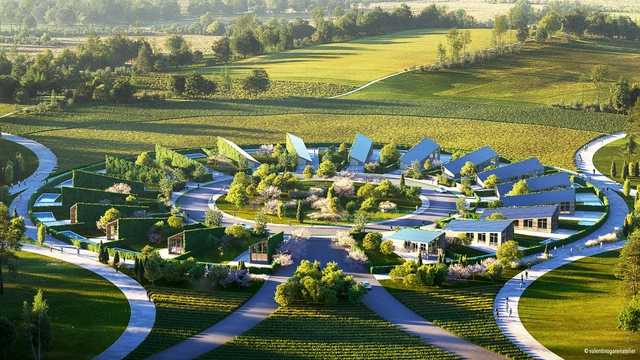
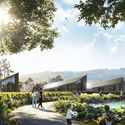
Valentino Gareri Atelier Designs Prototype for Circular Economy Village In Australia

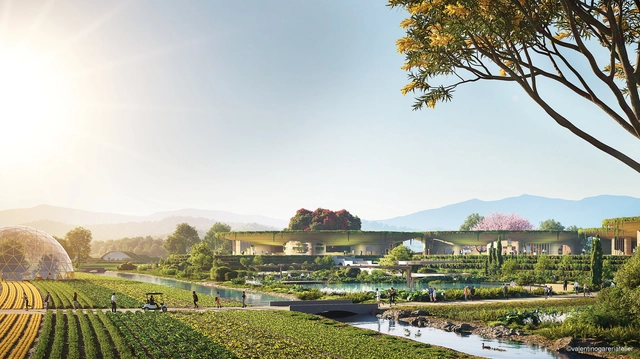
Valentino Gareri Atelier has been selected to design the pilot project for a circular economy village model that aims to redefine urban sprawl through sustainability and diverse programming. Comprising eight residential hamlets with co-working and entertainment spaces, The Spiral Village will be created using emerging 3D printing methods and will foster circularity through a waste-to-resources hub, a diverse regenerative agricultural system, a sustainable water management system and renewable energy.

Valentino Gareri Atelier Designs Prototype for Circular Economy Village In Australia - Image 1 of 4Valentino Gareri Atelier Designs Prototype for Circular Economy Village In Australia - Image 2 of 4Valentino Gareri Atelier Designs Prototype for Circular Economy Village In Australia - Image 3 of 4Valentino Gareri Atelier Designs Prototype for Circular Economy Village In Australia - Image 4 of 4Valentino Gareri Atelier Designs Prototype for Circular Economy Village In Australia - More Images+ 3

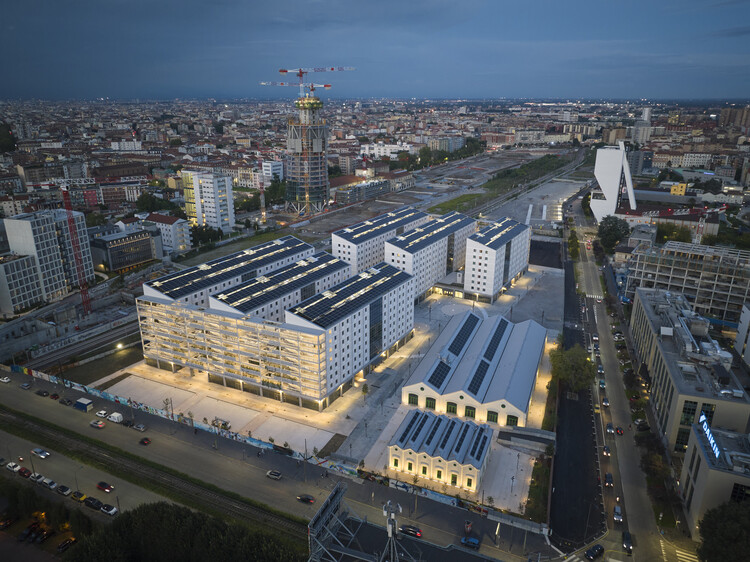
SOM to Design Convertible Self-Sufficient Milan-Cortina Olympic Village

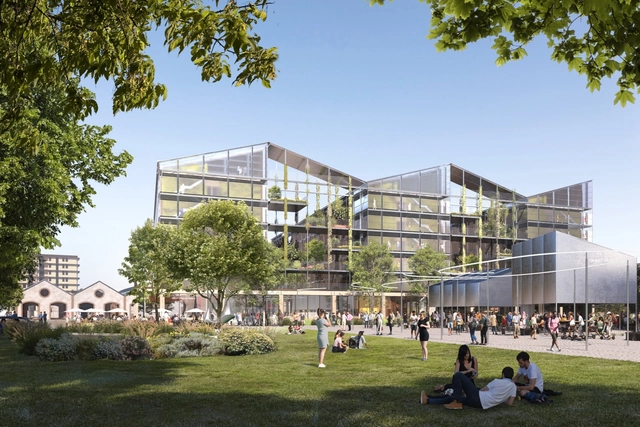
Skidmore, Owings & Merrill was selected to design the Olympic Village for the 2026 Milan-Cortina Olympics following an international competition of 71 architecture studios from nine different countries. The project is part of the updated Porta Romana Railway Yard Master Plan, and will create a new center of activity in Porta Romana with minimal environmental impact. The self-sufficient project will feature residential, commercial, and public spaces, that change configurations based on the Olympics event.

SOM to Design Convertible Self-Sufficient Milan-Cortina Olympic Village - Image 1 of 4SOM to Design Convertible Self-Sufficient Milan-Cortina Olympic Village - Image 2 of 4SOM to Design Convertible Self-Sufficient Milan-Cortina Olympic Village - Image 3 of 4SOM to Design Convertible Self-Sufficient Milan-Cortina Olympic Village - Image 4 of 4SOM to Design Convertible Self-Sufficient Milan-Cortina Olympic Village - More Images

Valentino Gareri Atelier Proposes a New Model of 3D Printed Residential Village

Valentino Gareri Atelier have joined forces with technology and wellness consultant Steve Lastro of 6Sides and global wellness real estate innovators Delos to create Sunflower Village, a humanistic and sociological approach to residential technology & community living. The proposed residential village includes 19 homes arranged in a sunflower composition that 'follows the sun'.
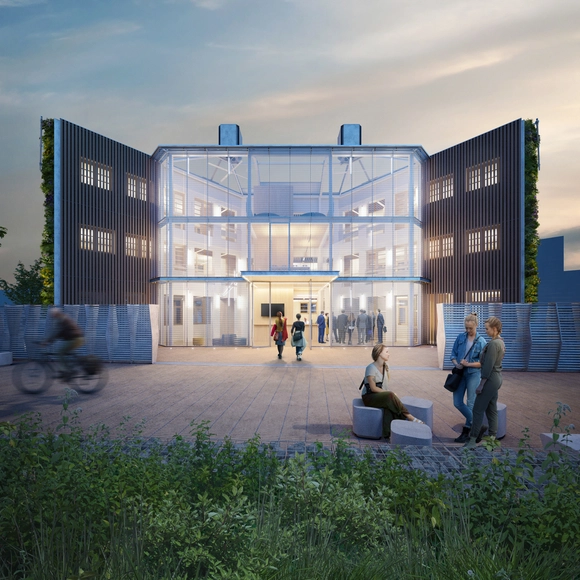
Valentino Gareri Atelier Proposes a New Model of 3D Printed Residential Village - Image 1 of 4Valentino Gareri Atelier Proposes a New Model of 3D Printed Residential Village - Image 2 of 4Valentino Gareri Atelier Proposes a New Model of 3D Printed Residential Village - Image 3 of 4Valentino Gareri Atelier Proposes a New Model of 3D Printed Residential Village - Image 4 of 4Valentino Gareri Atelier Proposes a New Model of 3D Printed Residential Village - More Images+ 4

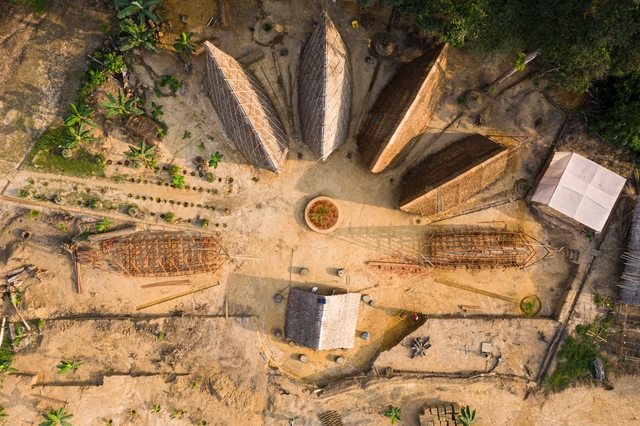
Warka Water and Arturo Vittori Create Integrated Village for the Rainforest Community in Cameroon

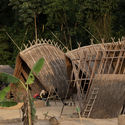
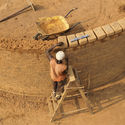
Under construction in the tropical rainforest of Cameroon, Warka Village is an integrated space for the Pygmy community, an isolated society located in the Mvoumagomi area. Constructed using only natural materials and ancient local construction techniques, the project, created by Warka Water and Italian architect Arturo Vittori, is currently operational, and expected to be completed in 2022.

Warka Water and Arturo Vittori Create Integrated Village for the Rainforest Community in Cameroon - Image 1 of 4Warka Water and Arturo Vittori Create Integrated Village for the Rainforest Community in Cameroon - Image 2 of 4Warka Water and Arturo Vittori Create Integrated Village for the Rainforest Community in Cameroon - Image 3 of 4Warka Water and Arturo Vittori Create Integrated Village for the Rainforest Community in Cameroon - Image 4 of 4Warka Water and Arturo Vittori Create Integrated Village for the Rainforest Community in Cameroon - More Images+ 12

Ondřej Císler and Petr Tej Design Concrete Bridge Over a Stream in the Czech Republic

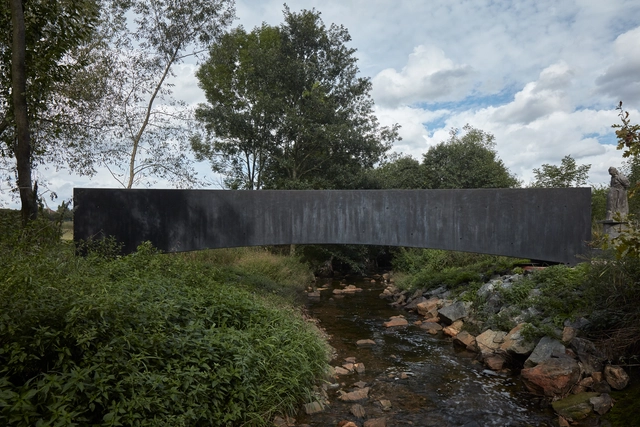
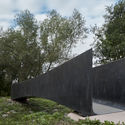
Ondřej Císler from Aoc architects and Petr Tej from the Klokner Institute at CTU in Prague have designed a bridge over the Dřetovice stream in Vrapice, near the city of Kladno in the Czech Republic.

Ondřej Císler and Petr Tej Design Concrete Bridge Over a Stream in the Czech Republic - Image 1 of 4Ondřej Císler and Petr Tej Design Concrete Bridge Over a Stream in the Czech Republic - Image 2 of 4Ondřej Císler and Petr Tej Design Concrete Bridge Over a Stream in the Czech Republic - Image 3 of 4Ondřej Císler and Petr Tej Design Concrete Bridge Over a Stream in the Czech Republic - Image 4 of 4Ondřej Císler and Petr Tej Design Concrete Bridge Over a Stream in the Czech Republic - More Images+ 28

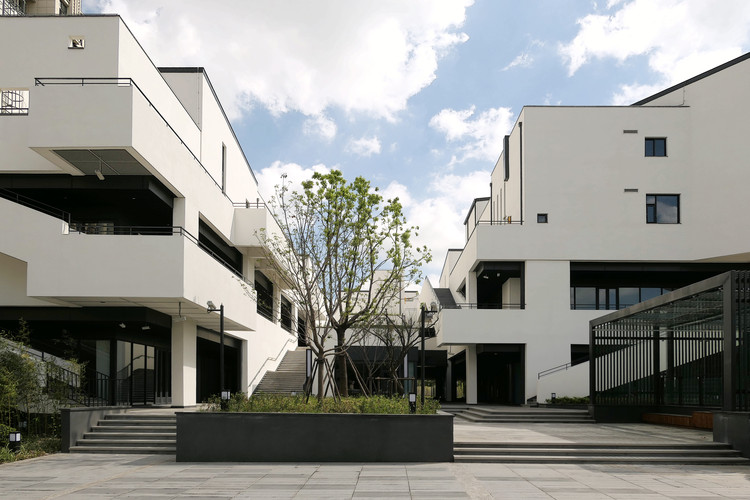
Shanghai Nanxiang Neighborhood Center / XYP Design+Technology

Shanghai Nanxiang Neighborhood Center  / XYP Design+Technology - Exterior Photography, Community Center, Facade
© Xun Yu

Shanghai Nanxiang Neighborhood Center  / XYP Design+Technology - Exterior Photography, Community Center, FacadeShanghai Nanxiang Neighborhood Center  / XYP Design+Technology - Community CenterShanghai Nanxiang Neighborhood Center  / XYP Design+Technology - Exterior Photography, Community Center, FacadeShanghai Nanxiang Neighborhood Center  / XYP Design+Technology - Community CenterShanghai Nanxiang Neighborhood Center  / XYP Design+Technology - More Images+ 26