1. ArchDaily
  2. Warka Water

Warka Water: The Latest Architecture and News

Catching Fog: How Architecture Collects Water from the Air

Audio available

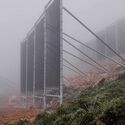
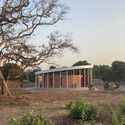
Where rivers, reservoirs, and rainfall can no longer be relied upon consistently, water is increasingly being sought in the atmosphere. Fog, atmospheric humidity, and condensation each offer different ways of collecting it. When architecture begins to collect water from the air, surfaces, structures, and open spaces become part of the water system.

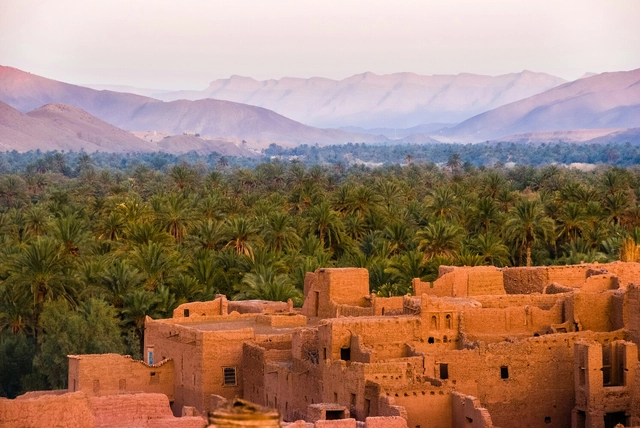
According to UNICEF, Jordan's National Water Strategy estimates that each person has access to only about 61 cubic meters of renewable water per year, far below the 500 cubic meters commonly used as a threshold for absolute water scarcity. Around half of the population receives piped water only once a week, while groundwater is being extracted faster than many aquifers can naturally recharge.
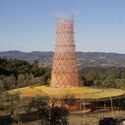
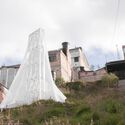
Catching Fog: How Architecture Collects Water from the Air - Image 1 of 4Catching Fog: How Architecture Collects Water from the Air - Image 2 of 4Catching Fog: How Architecture Collects Water from the Air - Image 3 of 4Catching Fog: How Architecture Collects Water from the Air - Image 4 of 4Catching Fog: How Architecture Collects Water from the Air - More Images+ 6

Rooted in Tradition, Nature, and Community: Wellness and Healing Spaces from the North to the South Africa

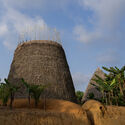
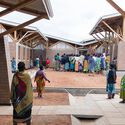
Wellness and healing spaces are shaped by cultural traditions, geographical contexts, and social structures. Across the world, certain practices have been deeply rooted for centuries, like Roman baths, Turkish hammams, and Japanese onsens, while others evolve by drawing inspiration from rituals or redefining their own concept and image of a healing environment. Europe, North America, and Oceania are characterized by a focus on personal journeys, self-care, and often luxurious wellness spaces. Asia shapes the prevailing global perception of wellness through meditation-based healing, inner reflection, and holistic retreats. In Africa, wellness is deeply rooted in ancestral traditions, integrated with nature, and centered around community and social interaction. The commonality worldwide lies in sensory engagement, relaxation, and holistic healing, often tied to nature. But what does wellness look like in Africa? What are the healing spaces that shape it, and what architectural languages define wellness from north to south?

Rooted in Tradition, Nature, and Community: Wellness and Healing Spaces from the North to the South Africa - Image 1 of 4Rooted in Tradition, Nature, and Community: Wellness and Healing Spaces from the North to the South Africa - Image 2 of 4Rooted in Tradition, Nature, and Community: Wellness and Healing Spaces from the North to the South Africa - Image 3 of 4Rooted in Tradition, Nature, and Community: Wellness and Healing Spaces from the North to the South Africa - Image 4 of 4Rooted in Tradition, Nature, and Community: Wellness and Healing Spaces from the North to the South Africa - More Images+ 2

Warka Water and Arturo Vittori Create Integrated Village for the Rainforest Community in Cameroon

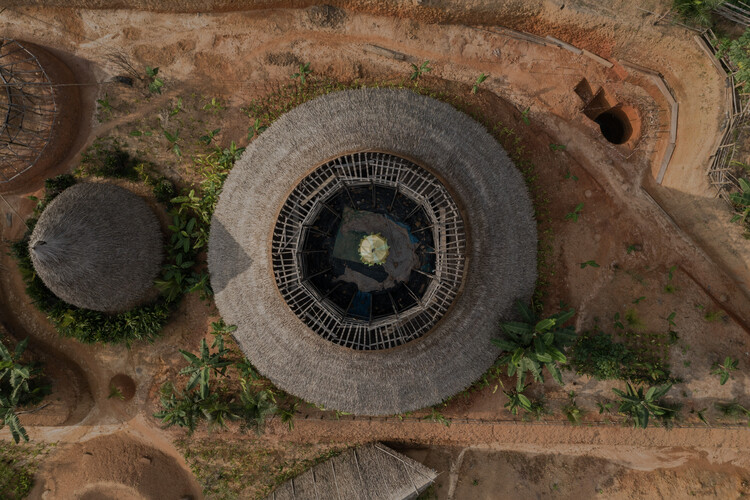
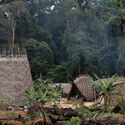
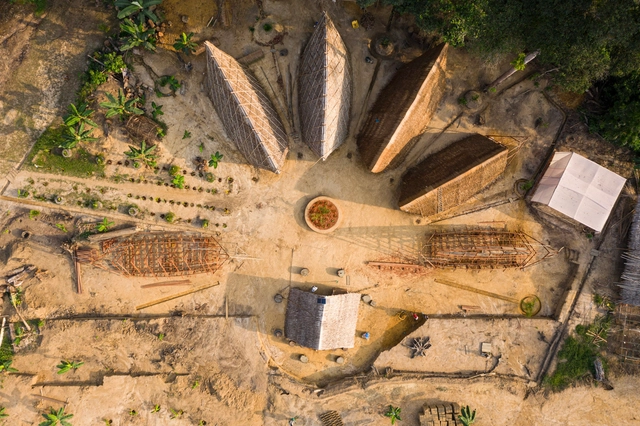
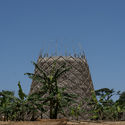
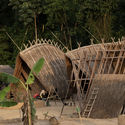
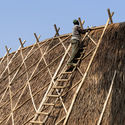
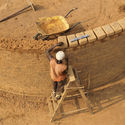
Under construction in the tropical rainforest of Cameroon, Warka Village is an integrated space for the Pygmy community, an isolated society located in the Mvoumagomi area. Constructed using only natural materials and ancient local construction techniques, the project, created by Warka Water and Italian architect Arturo Vittori, is currently operational, and expected to be completed in 2022.

Warka Water and Arturo Vittori Create Integrated Village for the Rainforest Community in Cameroon - Image 1 of 4Warka Water and Arturo Vittori Create Integrated Village for the Rainforest Community in Cameroon - Image 2 of 4Warka Water and Arturo Vittori Create Integrated Village for the Rainforest Community in Cameroon - Image 3 of 4Warka Water and Arturo Vittori Create Integrated Village for the Rainforest Community in Cameroon - Image 4 of 4Warka Water and Arturo Vittori Create Integrated Village for the Rainforest Community in Cameroon - More Images+ 12