1. ArchDaily
  2. Olympics

Olympics: The Latest Architecture and News

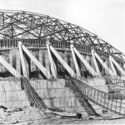
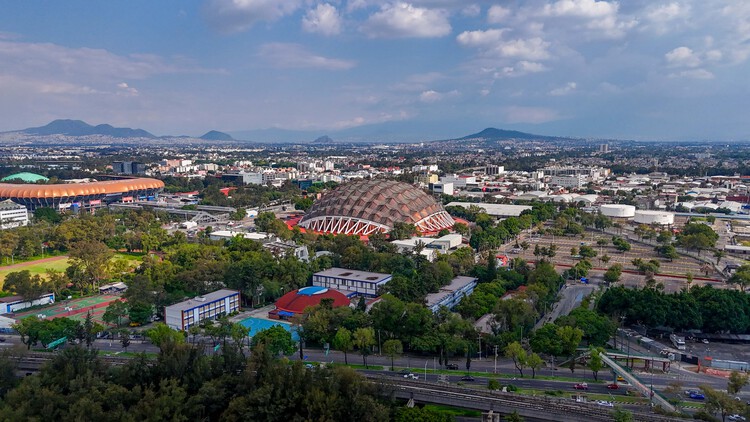
Beyond the Shell: Félix Candela’s Palacio de los Deportes for the 1968 Mexico Olympics

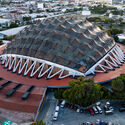
When Mexico City hosted the Olympics in 1968, it was the first time the Games had been awarded to a Latin American country as well as the first time for a Spanish-speaking nation to host them. This made the games a good opportunity to project Mexico and its culture internationally, thus prompting the government to constitute an organizing committee with prominent local talent. They appointed Pedro Ramírez Vázquez as its president, a Mexican architect who held significant influence over the state's mid-century building program. His approach was explicit: architecture as a synthesis of international modernist technique with Pre-Columbian references and local material culture. Under his direction, the committee would oversee the construction and adaptation of venues distributed across the southern districts of Mexico City, nearly all designed and built by local architects, engineers, and technicians.

Beyond the Shell: Félix Candela’s Palacio de los Deportes for the 1968 Mexico Olympics - Image 1 of 4Beyond the Shell: Félix Candela’s Palacio de los Deportes for the 1968 Mexico Olympics - Image 2 of 4Beyond the Shell: Félix Candela’s Palacio de los Deportes for the 1968 Mexico Olympics - Image 3 of 4Beyond the Shell: Félix Candela’s Palacio de los Deportes for the 1968 Mexico Olympics - Image 4 of 4Beyond the Shell: Félix Candela’s Palacio de los Deportes for the 1968 Mexico Olympics - More Images+ 7

London’s Brutalist Heritage and Australia’s New City: This Week’s Review

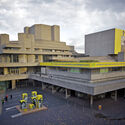
This week's news brings together developments in professional recognition, cultural programming, and large-scale urban strategy, reflecting the multiple scales at which architecture shapes contemporary discourse. As the field anticipates the next Pritzker Architecture Prize announcement, conversations around authorship, civic responsibility, and long-term impact unfold alongside the American Institute of Architects' 2026 Honorary Fellowship appointments, situating individual achievement within broader institutional frameworks. At the same time, updates from Riyadh to London foreground the role of architecture in both enabling new cultural platforms and safeguarding post-war heritage. Complementing these narratives, the reassignment of the 2029 Asian Winter Games and progress on expansive public landscapes highlight how cities are aligning infrastructure delivery, environmental resilience, and territorial planning with long-term economic and social agendas.

London’s Brutalist Heritage and Australia’s New City: This Week’s Review - Image 1 of 4London’s Brutalist Heritage and Australia’s New City: This Week’s Review - Image 2 of 4London’s Brutalist Heritage and Australia’s New City: This Week’s Review - Image 3 of 4London’s Brutalist Heritage and Australia’s New City: This Week’s Review - Image 4 of 4London’s Brutalist Heritage and Australia’s New City: This Week’s Review - More Images+ 7

Milano Cortina 2026 Winter Olympics Officially Open as Citywide Events Launch Across Italy

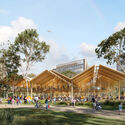
The Milano Cortina 2026 Winter Olympics officially opened on Friday, February 6, with a ceremony staged across four locations in northern Italy. The main opening event took place at San Siro Stadium, one of Milan's most significant modernist landmarks, and combined dance and performing arts, referencing Italian culture with performances by international artists, including pop star Mariah Carey. Although several competitions had already begun on February 4, the opening ceremony marked the start of a broader programme of sporting, social, and cultural events distributed across Milan and the three Alpine host areas: Cortina d'Ampezzo, Valtellina, and Val di Fiemme. The Games are scheduled to run until February 22, concluding with a closing ceremony at the Verona Arena, ahead of the Paralympic Games, which will take place from March 6 to 15. As a large-scale international event, the Olympics place significant demands on sports infrastructure, transportation networks, accommodation, and tourism capacity, offering early indications of the longer-term urban, architectural, and territorial impacts the Games may leave behind.

Milano Cortina 2026 Winter Olympics Officially Open as Citywide Events Launch Across Italy - Image 1 of 4Milano Cortina 2026 Winter Olympics Officially Open as Citywide Events Launch Across Italy - Image 2 of 4Milano Cortina 2026 Winter Olympics Officially Open as Citywide Events Launch Across Italy - Image 3 of 4Milano Cortina 2026 Winter Olympics Officially Open as Citywide Events Launch Across Italy - Image 4 of 4Milano Cortina 2026 Winter Olympics Officially Open as Citywide Events Launch Across Italy - More Images+ 5

David Chipperfield Architects Releases New Images of the Milano Santa Giulia Arena Ahead of the 2026 Winter Olympics

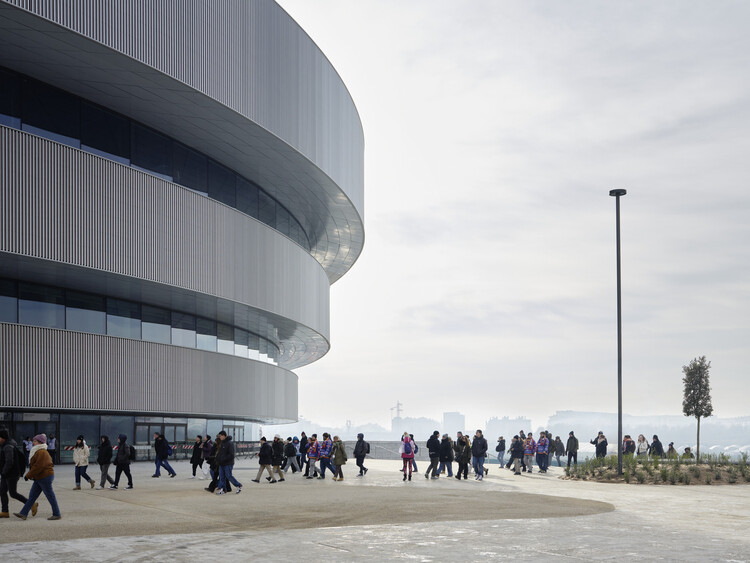
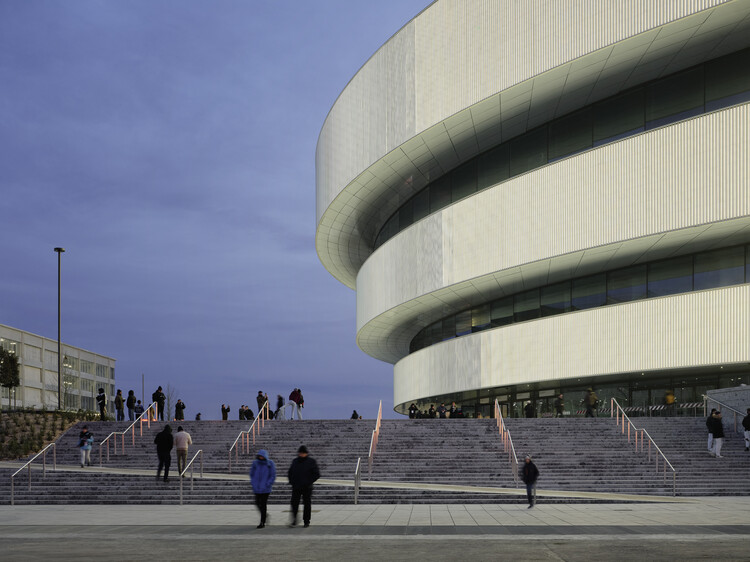
David Chipperfield Architects has released new images of the Ice Hockey Arena in Milan, one of the host sports venues for the 2026 Milano Cortina Winter Olympics. The project, currently in its testing phase, was commissioned to Arup and David Chipperfield Architects in 2021. The first images of the elliptical amphitheatre arena were released in 2022, ahead of the start of construction in 2023, which was scheduled for completion in 2025. The new sports and cultural events venue has a capacity of 16,000 spectators, 12,000 seated and 4,000 standing, and is a centrepiece of a broader urban redevelopment project originally designed by Foster + Partners for Milano Santa Giulia, a district in the south-east of Milan, just a few kilometres from the city centre and connected to the high-speed rail network and motorway.

David Chipperfield Architects Releases New Images of the Milano Santa Giulia Arena Ahead of the 2026 Winter Olympics - Image 1 of 4David Chipperfield Architects Releases New Images of the Milano Santa Giulia Arena Ahead of the 2026 Winter Olympics - Image 2 of 4David Chipperfield Architects Releases New Images of the Milano Santa Giulia Arena Ahead of the 2026 Winter Olympics - Image 3 of 4David Chipperfield Architects Releases New Images of the Milano Santa Giulia Arena Ahead of the 2026 Winter Olympics - Image 4 of 4David Chipperfield Architects Releases New Images of the Milano Santa Giulia Arena Ahead of the 2026 Winter Olympics - More Images+ 5

Six Sites Host the Olympic Villages of Milano Cortina 2026 With a Focus on Existing Infrastructure

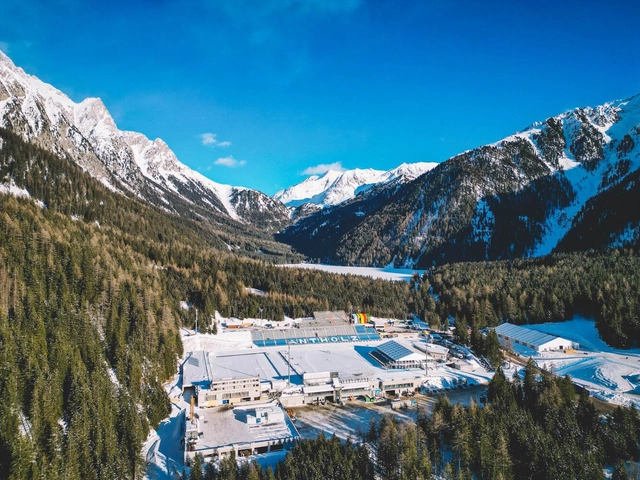
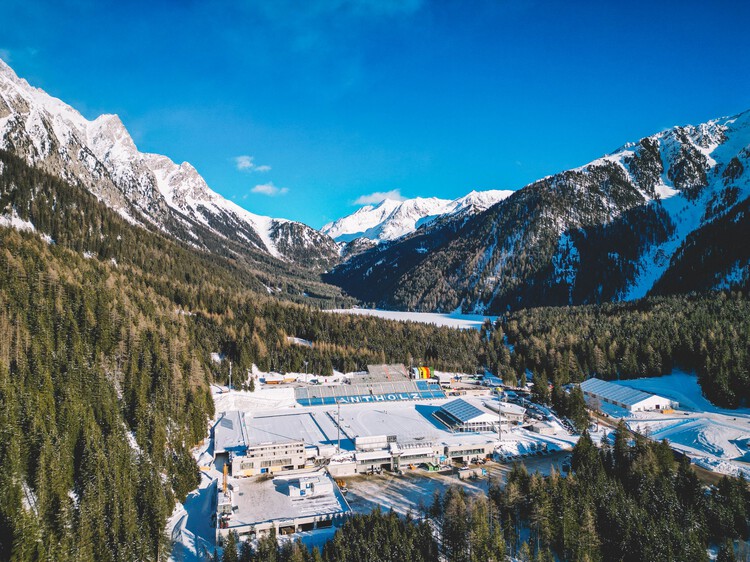
As preparations advance for the Milano Cortina 2026 Olympic Winter Games, set to take place from February 6 to 22, 2026, this edition introduces one of the most geographically wide-ranging configurations ever implemented for the Winter Olympics. Extending across two cities, two regions, and two autonomous provinces, the competitions will be staged over more than 22,000 square kilometres of Northern Italy. Metropolitan venues in Milan are paired with longstanding Alpine centres in Cortina d'Ampezzo, Livigno, Bormio, Anterselva, and Val di Fiemme, creating a framework that bridges urban and mountain contexts. More than 90 per cent of the venues are existing or temporary facilities, reflecting a strategy centred on adaptive reuse, selective upgrades, and long-term integration into regional sport and cultural infrastructures. Nearly 2,900 athletes will compete in 116 events, including the debut of ski mountaineering and several new mixed-gender formats that signal evolving approaches to winter sports programming.

Six Sites Host the Olympic Villages of Milano Cortina 2026 With a Focus on Existing Infrastructure - Image 1 of 4Six Sites Host the Olympic Villages of Milano Cortina 2026 With a Focus on Existing Infrastructure - Image 2 of 4Six Sites Host the Olympic Villages of Milano Cortina 2026 With a Focus on Existing Infrastructure - Image 3 of 4Six Sites Host the Olympic Villages of Milano Cortina 2026 With a Focus on Existing Infrastructure - Image 4 of 4Six Sites Host the Olympic Villages of Milano Cortina 2026 With a Focus on Existing Infrastructure - More Images+ 2

The Montreal Biodome: From Olympic Velodrome to a Space for Life

The history of the Olympic Games, while marked by athletic achievement, is consistently contrasted by infrastructure challenges. Across host cities, from Athens to Rio and Beijing, similar issues arise: significant cost overruns and the complex issue of legacy. The big question is: What is the best viable long-term use for purpose-built sport venues? Montreal's 1976 Games shared this fate after building an Olympic Park that faced heavy criticism for cost overruns and debt from specialized construction. Post-Games, venues like the Montreal Velodrome risked becoming a financial burden. However, the city demonstrated a proactive response by proposing the transformation of the building into a thriving civic asset that now stands as an internationally recognized example of successful Olympic venue repurposing.

The Montreal Biodome: From Olympic Velodrome to a Space for Life - Image 1 of 4The Montreal Biodome: From Olympic Velodrome to a Space for Life - Image 2 of 4The Montreal Biodome: From Olympic Velodrome to a Space for Life - Image 3 of 4The Montreal Biodome: From Olympic Velodrome to a Space for Life - Image 4 of 4The Montreal Biodome: From Olympic Velodrome to a Space for Life - More Images+ 4

Milan’s 2026 Olympic Village by SOM Completed Ahead of Winter Games

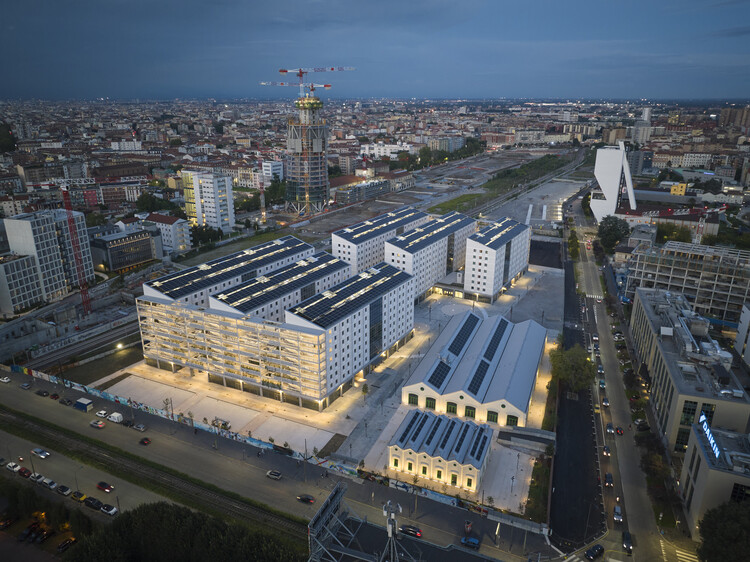
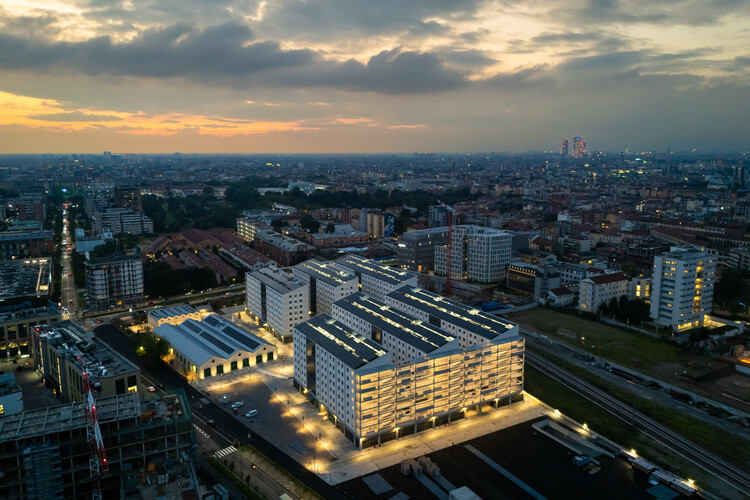
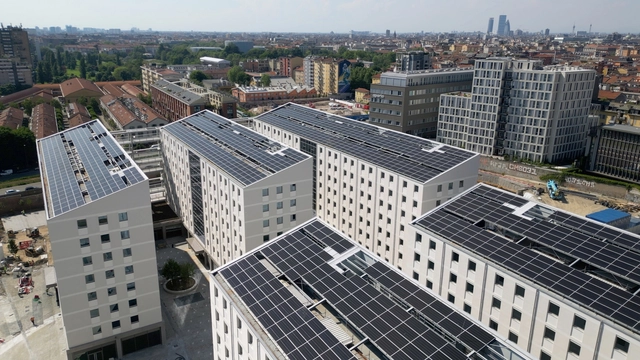
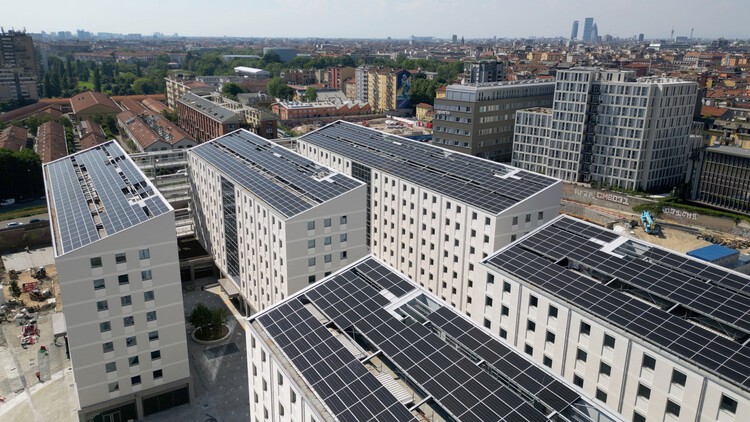
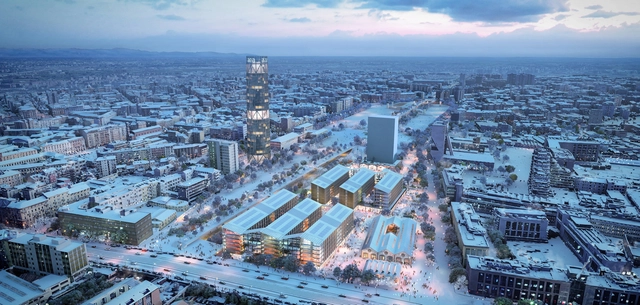
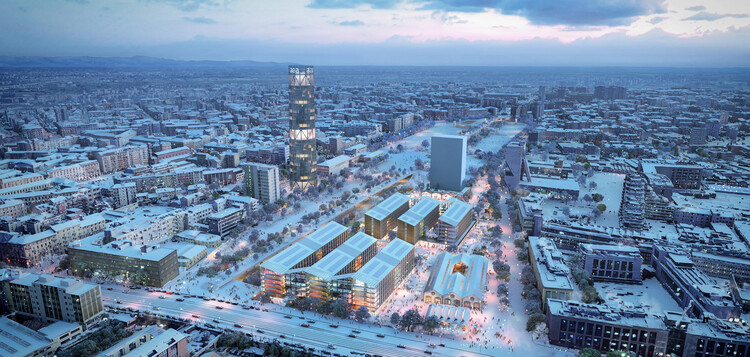
The first images have been released of the completed Athletes' Village for the 2026 Winter Olympics in Milan, following its official handover to the Milano Cortina Foundation ahead of the Games in February. Developed by COIMA and designed by Skidmore, Owings & Merrill (SOM), the project has been envisioned as both a temporary residence for athletes and a long-term urban asset for the city. Delivered in 30 months and ahead of schedule, the Village is located within the Porta Romana railway yard, and comprises six new residential buildings and the restoration of two historic structures: the former Squadra Rialzo locomotive workshop and the Basilico building. Together, they provide housing for athletes during the Games, along with 40,000 square meters of community spaces, landscaped courtyards, and three sports courts.

Milan’s 2026 Olympic Village by SOM Completed Ahead of Winter Games - Image 1 of 4Milan’s 2026 Olympic Village by SOM Completed Ahead of Winter Games - Image 2 of 4Milan’s 2026 Olympic Village by SOM Completed Ahead of Winter Games - Image 3 of 4Milan’s 2026 Olympic Village by SOM Completed Ahead of Winter Games - Image 4 of 4Milan’s 2026 Olympic Village by SOM Completed Ahead of Winter Games - More Images+ 7

Italy Prepares 15 Sports Venues for the Milano Cortina 2026 Winter Olympics

On June 24, 2019, the International Olympic Committee (IOC) announced that Milan and Cortina d'Ampezzo would host the 2026 Winter Olympic Games. The last Winter Games to take place in Italy were held in Turin in 2006, and since then, climate change in the European continent has impacted traditional skiing venues. In this context, Italy has the advantage of a portion of the Alps, a strip of about 1,200 km along the borders with France, Switzerland, Austria, and Slovenia. The Italian Alpine region hosts most of the facilities that have been prepared over the past five years for the Winter Olympics, which will take place from February 6 to 22, 2026, followed by the Paralympic Games from March 6 to 15. Set to be the most geographically widespread Olympic Winter Games in history, this edition continues the sustainable model established by the Paris 2024 Olympic Games by relying almost entirely on existing and reconditioned sports infrastructure.

Italy Prepares 15 Sports Venues for the Milano Cortina 2026 Winter Olympics - Featured ImageItaly Prepares 15 Sports Venues for the Milano Cortina 2026 Winter Olympics - Image 15 of 4Italy Prepares 15 Sports Venues for the Milano Cortina 2026 Winter Olympics - Image 4 of 4Italy Prepares 15 Sports Venues for the Milano Cortina 2026 Winter Olympics - Image 23 of 4Italy Prepares 15 Sports Venues for the Milano Cortina 2026 Winter Olympics - More Images+ 24

SOM’s Olympic Village for Milano-Cortina 2026 Combines Athlete Housing with Long-Term Urban Use

Skidmore, Owings & Merrill (SOM) has designed the Olympic Village for the Milano-Cortina 2026 Winter Olympic and Paralympic Games, located on the site of the former Porta Romana railway yard in Milan. Now nearing completion, the project is set for handover to the Milano Cortina Foundation in the fall, ahead of the Games. In April 2025, ArchDaily editors had the opportunity to tour the construction site, observing the progress of the residential buildings, public spaces, and restored historic structures that will define the new urban district. The village forms a key component of the Porta Romana Railway Yard Master Plan and will serve a dual purpose: housing Olympic athletes during the event and transitioning into student and affordable housing afterward.

SOM’s Olympic Village for Milano-Cortina 2026 Combines Athlete Housing with Long-Term Urban Use - Image 1 of 4SOM’s Olympic Village for Milano-Cortina 2026 Combines Athlete Housing with Long-Term Urban Use - Image 2 of 4SOM’s Olympic Village for Milano-Cortina 2026 Combines Athlete Housing with Long-Term Urban Use - Image 3 of 4SOM’s Olympic Village for Milano-Cortina 2026 Combines Athlete Housing with Long-Term Urban Use - Image 4 of 4SOM’s Olympic Village for Milano-Cortina 2026 Combines Athlete Housing with Long-Term Urban Use - More Images+ 4

Milano Cortina 2026: How the City Is Preparing for the Winter Olympics

Italy is preparing to host its third Olympic Winter Games as Milan and Cortina d'Ampezzo welcome Milano Cortina 2026, seventy years after Cortina staged the 1956 edition and two decades after Torino 2006. The Games will take place from February 6 to 22, 2026, marking the first time the Winter Olympics are organized across two cities, two regions, Lombardy and Veneto, and two autonomous provinces, Trento and Bolzano. Covering a territory of 22,000 square kilometers, Milano Cortina 2026 will become the most geographically extensive Winter Games to date, with over 90% of venues already existing or designed as temporary facilities.

Milano Cortina 2026: How the City Is Preparing for the Winter Olympics - Image 1 of 4Milano Cortina 2026: How the City Is Preparing for the Winter Olympics - Image 2 of 4Milano Cortina 2026: How the City Is Preparing for the Winter Olympics - Image 3 of 4Milano Cortina 2026: How the City Is Preparing for the Winter Olympics - Image 4 of 4Milano Cortina 2026: How the City Is Preparing for the Winter Olympics - More Images+ 9

Carlo Ratti Designs Olympic and Paralympic Torches for Milano Cortina 2026

The official torches, named Essential, for the Milano Cortina 2026: Winter Olympics and Paralympics, were unveiled in parallel events at the Triennale di Milano and Expo 2025 in Osaka. Designed by Carlo Ratti Associati in collaboration with Eni and its subsidiary Versalis, Essential takes a minimalist approach that foregrounds the flame as the central element. The project blends Italian design with engineering precision, resulting in a torch that serves as both a symbolic and technical object. Its open structure, uncommon in torch design, allows viewers to see how the flame is produced, revealing the typically hidden mechanisms at work.

Carlo Ratti Designs Olympic and Paralympic Torches for Milano Cortina 2026 - Featured ImageCarlo Ratti Designs Olympic and Paralympic Torches for Milano Cortina 2026 - Image 1 of 4Carlo Ratti Designs Olympic and Paralympic Torches for Milano Cortina 2026 - Image 2 of 4Carlo Ratti Designs Olympic and Paralympic Torches for Milano Cortina 2026 - Image 3 of 4Carlo Ratti Designs Olympic and Paralympic Torches for Milano Cortina 2026 - More Images+ 4

From Wooden Shells to Polycarbonate Panels: The Materials Shaping Flexible Sports Spaces

The Roman Colosseum is arguably the most iconic versatile venue in the world. Although this structure was not intended for sporting activities, it hosted various events, from the well-known gladiatorial combats to theatrical performances and the dramatic naumachia (naval battles). This demonstrates that flexible use of space has been relevant since ancient times. Centuries later, in the context of the ever-changing built environment and urban development, sports venues have similarly evolved, becoming outstanding examples of multi-purpose spaces.

These athletic complexes have transformed from highly specialized venues into dynamic, multifunctional structures. Whether hosting major international events such as the Olympic and Paralympic Games or serving as gathering spots for local communities, these spaces strike a delicate balance between addressing the needs of specific sports and maintaining the flexibility to accommodate a range of activities. How do these diverse functions coexist and interconnect? This analysis will explore how sports facilities are configured as flexible hubs for other disciplines and everyday activities.

Paris 2024 Olympics: An Architectural Guide of the Olympic Venues

Subscriber Access | 

Rounding up the Olympic Games 2024 in Paris, a special focus is placed on the architectural language and phenomenon that transformed the city for its Olympic and upcoming Paralympic venues. Spread across the city and surrounding areas, Paris integrated iconic landmarks and modern facilities to host a diverse selection of Olympic sports. Beyond the sports venues, the interventions also included unique visitor centers and athlete's accommodations that will serve a purpose beyond the summer's events.

Paris 2024 Olympics: An Architectural Guide of the Olympic Venues - Image 1 of 4Paris 2024 Olympics: An Architectural Guide of the Olympic Venues - Image 2 of 4Paris 2024 Olympics: An Architectural Guide of the Olympic Venues - Image 3 of 4Paris 2024 Olympics: An Architectural Guide of the Olympic Venues - Image 4 of 4Paris 2024 Olympics: An Architectural Guide of the Olympic Venues - More Images+ 22

Over 100 Years of Olympic Heritage: What Became of the 1924 Paris Olympic Venues?

The recent history of the city of Paris is entangled with that of the Olympic Games. In 1900, Paris hosted the second edition of the Games, starting a journey of urban adaptations and architectural developments that prepared the city for the event. Among the most important changes was the introduction of Line 1 of the metro, inaugurated in 1900 to link the locations of the Universal Exhibition with those of the Olympic Games in Vincennes. Just 24 years later, the city hosted one of the most influential editions of the Olympic Games. The event, the first to be broadcasted on the airwaves, contributed to a substantial rise in the popularity of the Games. It was also during this edition that the concept of the Olympic Village was born. Several of the infrastructures and venues built over a century ago are still in use in Paris, with some of them returning now as hosts of Olympic events.

Over 100 Years of Olympic Heritage: What Became of the 1924 Paris Olympic Venues? - Image 1 of 4Over 100 Years of Olympic Heritage: What Became of the 1924 Paris Olympic Venues? - Image 2 of 4Over 100 Years of Olympic Heritage: What Became of the 1924 Paris Olympic Venues? - Image 3 of 4Over 100 Years of Olympic Heritage: What Became of the 1924 Paris Olympic Venues? - Image 4 of 4Over 100 Years of Olympic Heritage: What Became of the 1924 Paris Olympic Venues? - More Images+ 5

At the Eiffel Tower and Versailles Garden: Explore the Temporary Venues of the Paris 2024 Olympics

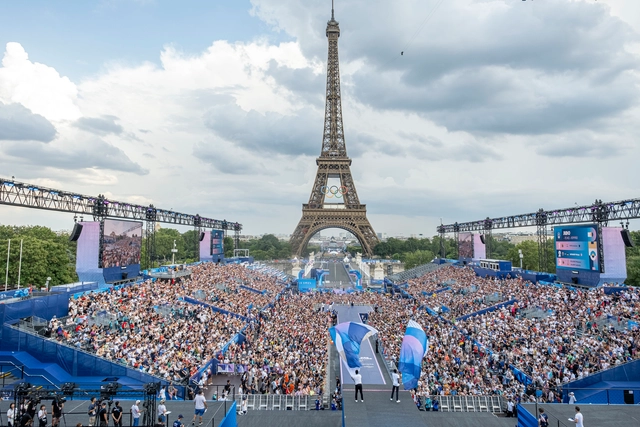
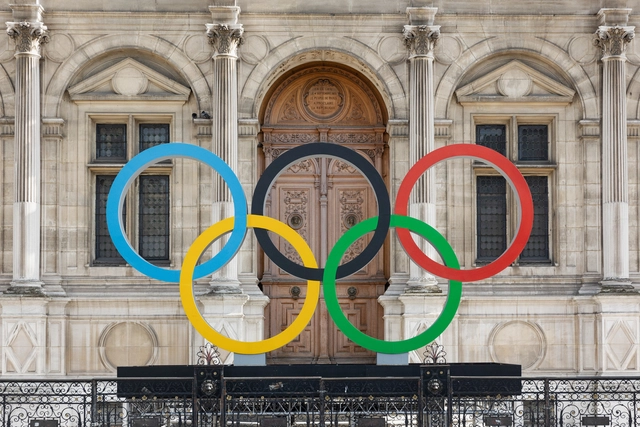
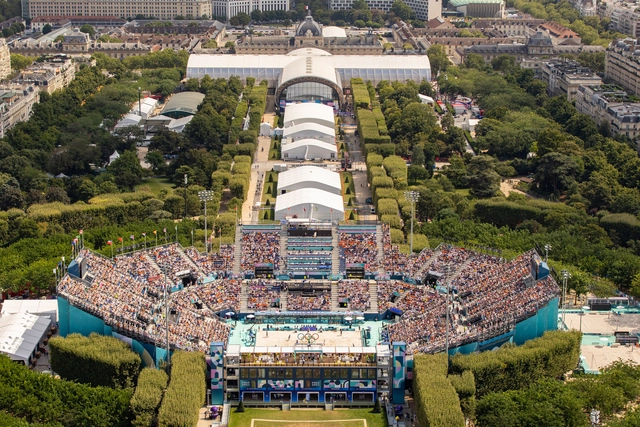
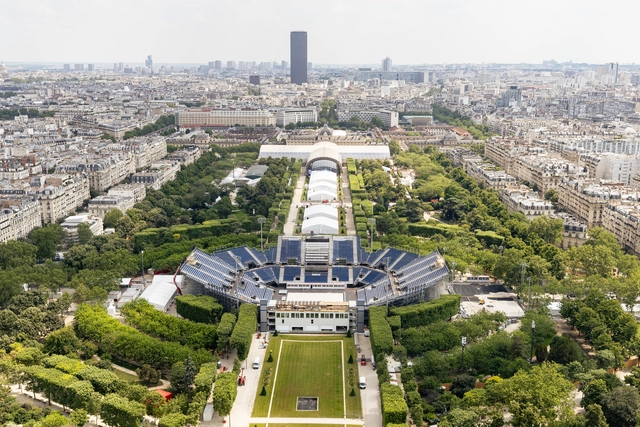
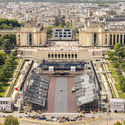
To take advantage of the historic heritage of the city of Paris while also minimizing the impact of the Olympics, the Paris 2024 Games are organizing a set of temporary arenas and installations to host several key competitions, only to be disassembled after the games' closing. Only one sports venue has been built specifically for the 2024 Olympic Games, the Aquatics Centre Paris, as the city aims to use its existing sporting infrastructure to the maximum, ensuring a smaller footprint compared to previous editions. In addition to the established venues, key temporary sites include the Trocadéro, Eiffel Tower, Champ-de-Mars, Esplanade des Invalides, Pont Alexandre III, Place de la Concorde, and Place de l’Hôtel de Ville, with additional stands along the Seine for the Opening Ceremony.

The assembly and disassembly of these temporary sites will follow a step-by-step approach to minimize disruption. Geographical phasing will preserve traffic lanes and access to public spaces, while time phasing will gradually activate and deactivate competition perimeters to limit construction impact and quickly restore spaces post-Games. These measures align with Paris 2024's commitment to organizing responsible and respectful Games and preserving the city's urban and natural heritage.

At the Eiffel Tower and Versailles Garden: Explore the Temporary Venues of the Paris 2024 Olympics - Image 1 of 4At the Eiffel Tower and Versailles Garden: Explore the Temporary Venues of the Paris 2024 Olympics - Image 2 of 4At the Eiffel Tower and Versailles Garden: Explore the Temporary Venues of the Paris 2024 Olympics - Image 3 of 4At the Eiffel Tower and Versailles Garden: Explore the Temporary Venues of the Paris 2024 Olympics - Image 4 of 4At the Eiffel Tower and Versailles Garden: Explore the Temporary Venues of the Paris 2024 Olympics - More Images+ 15

Countdown to the 2024 Olympics: Paris Gears Up for the Games

Subscriber Access | 

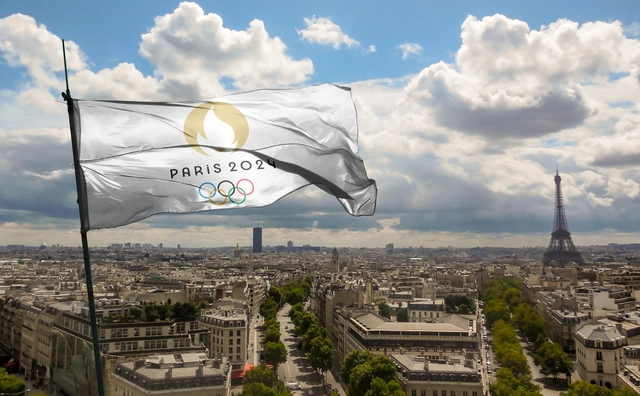
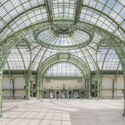
The 2024 Paris Olympics, officially known as the XXXIII Olympiad is scheduled to take place from 26 July to 11 August 2024. The second city to host the Summer Olympics three times, after London, with the first in 1900 and later on in 1924, Paris will showcase its cultural heritage by hosting the 2024 games at iconic landmarks like the Grand Palais, Eiffel Tower, Gardens of Versailles, and La Concorde. On the other hand, the capital of France is also undergoing major renovations to its waterways with a billion-dollar 'Swimming Plan' aimed at transforming the Seine River into a swimmable aquatic route for the Olympic Games, seeking to restore its historical significance as a vibrant urban river.

With the Paris 2024 Olympics fast approaching and right around the corner, ArchDaily has curated a series of articles and news pieces providing comprehensive insights into both the built and unbuilt environments that will serve as hosts for the games.

Countdown to the 2024 Olympics: Paris Gears Up for the Games - Image 1 of 4Countdown to the 2024 Olympics: Paris Gears Up for the Games - Image 2 of 4Countdown to the 2024 Olympics: Paris Gears Up for the Games - Image 3 of 4Countdown to the 2024 Olympics: Paris Gears Up for the Games - Image 5 of 4Countdown to the 2024 Olympics: Paris Gears Up for the Games - More Images+ 8

Is Paris Ready for the Olympics? Exploring the City-Wide Implications of Hosting Global Events

Subscriber Access | 

At the beginning of the 20th century, the Olympic games included some unusual medal competitions, including architectural design and town planning. While these are no longer awarded Olympic events, architecture and urban planning continues to continue to have a crucial effect on the development of the global sporting event. Cities that bid to host face an important challenge in adapting their infrastructure to accommodate not only the venues and facilities, but all the support structures needed for a safe and enjoyable edition. Paris is no different. While the city hosted 2 previous editions of the games over a century ago, the challenges of the modern-day Games have proven significant. However, the city’s expansive infrastructures have enabled officials to adjust the measures in an effort to have sustainable development for and after the Games. With less than a month to go until the opening ceremony, explore the measures taken by city officials and the long-lasting effects of hosting an Olympic event.

Is Paris Ready for the Olympics? Exploring the City-Wide Implications of Hosting Global Events - Image 1 of 4Is Paris Ready for the Olympics? Exploring the City-Wide Implications of Hosting Global Events - Image 2 of 4Is Paris Ready for the Olympics? Exploring the City-Wide Implications of Hosting Global Events - Image 3 of 4Is Paris Ready for the Olympics? Exploring the City-Wide Implications of Hosting Global Events - Image 4 of 4Is Paris Ready for the Olympics? Exploring the City-Wide Implications of Hosting Global Events - More Images+ 20

From White Elephants to Sustainable Venues: The Evolving Story of Olympic Architecture

Subscriber Access | 

For cities, hosting an Olympic event represents both an honor, an important opportunity for growth, and a significant challenge. With over 200 nations taking part in the Games, the Olympics are the largest sporting competition in the world. Adapting the public and sporting infrastructure to accommodate this sudden influx of people and the scale of these events runs the risk of misunderstanding the cities’ needs after the closing ceremony, often producing “white elephants” that struggle to adapt to the rhythm and necessities of everyday urban life. Urban transformations are often cited as an advantage of hosting the Olympic Games, as cities are incentivized to invest in their traffic infrastructure, housing, and public spaces. One such example is the city of Paris, which introduced its first metro line on the occasion of hosting the second edition of the Olympic Games in 1900.

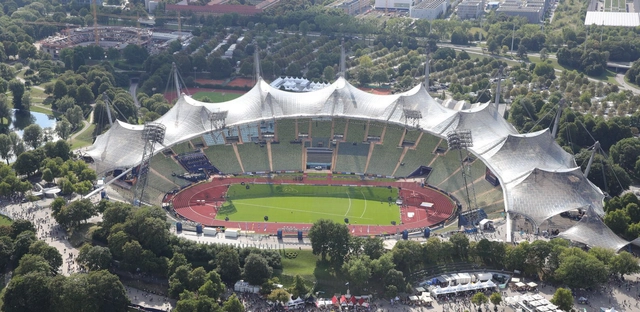
When it comes to the venues, however, the issue of adaptive reuse becomes a pressing one, as the architecture is challenged to find solutions to transform, accommodating thousands of people during the Olympics, then scaling down to become a financially sustainable part of a city’s sporting offering. Across the world, several Olympic venues have managed to extend their usability after the closing of the games, opening themselves to the local communities and welcoming a more diverse programming of sports and leisure events. While the high construction costs are often difficult to justify, these venues have become markers of local identity and attractive tourist attractions, extending their use decades after welcoming the Olympic crowds.

From White Elephants to Sustainable Venues: The Evolving Story of Olympic Architecture - Image 1 of 4From White Elephants to Sustainable Venues: The Evolving Story of Olympic Architecture - Image 2 of 4From White Elephants to Sustainable Venues: The Evolving Story of Olympic Architecture - Image 3 of 4From White Elephants to Sustainable Venues: The Evolving Story of Olympic Architecture - Image 4 of 4From White Elephants to Sustainable Venues: The Evolving Story of Olympic Architecture - More Images+ 16