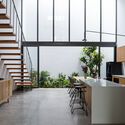
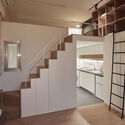
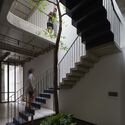
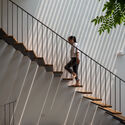
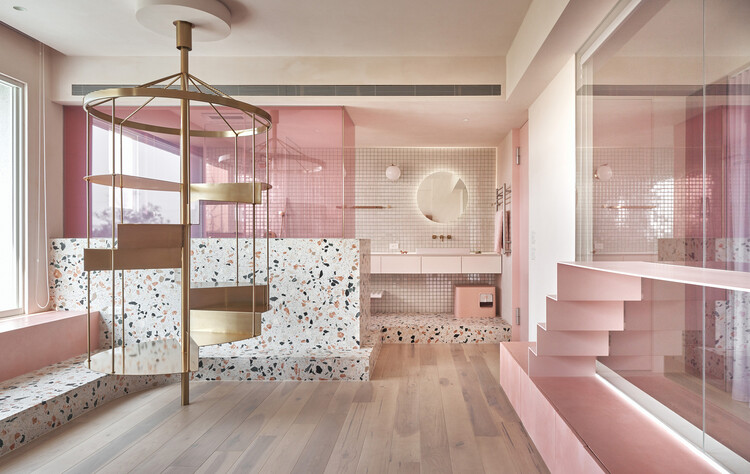
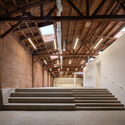
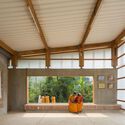
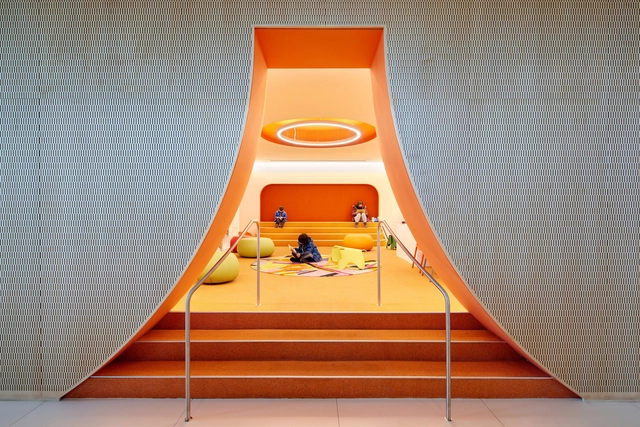
In many high-density cities across Asia, the staircase is often treated as a necessary evil. Whether in apartment buildings, private homes, or retail interiors, it is frequently hidden, tucked away, or pushed to the margins—an element to be minimized so more area can be given to "usable" space. Yet as density intensifies and square footage becomes increasingly scarce, architects and designers are forced to rethink this vertical puzzle.
The question shifts from how to conceal the staircase to how to make it work harder: can it become a productive addition to the interior—an architectural device that does more than connect levels, performing dual (or multiple) duties rather than simply consuming floor area?
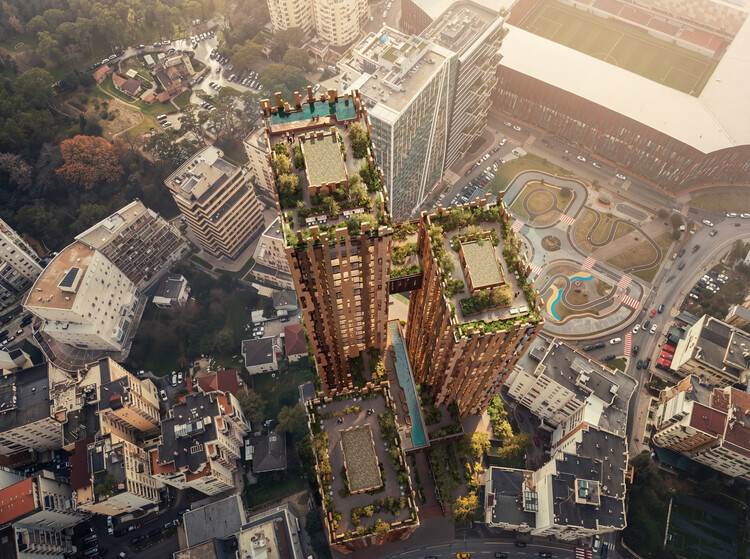
Rojkind Arquitectos, in collaboration with artist Pedro Reyes, SON Architects, Motus Holdings, and ASAB, has been selected as the winner of the mixed-use component in the International Concept Design and Build Competition for the redevelopment of the Zyber Hallulli site in Tirana, Albania. Organized by the Albanian Investment Corporation in partnership with the National Agency for Territorial Planning, the competition was launched in September 2025, with the jury announcing its decision on January 29, 2026. The proposal led by the Mexico-based office was awarded the mixed-use development, while a separate Mexican practice, Taller Héctor Barroso, was selected to design CASA FAMILIA, a new children's campus to be built on a greener, more child-oriented site.
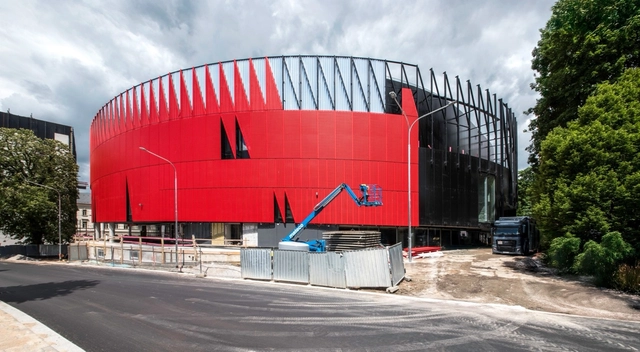
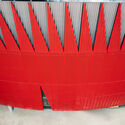
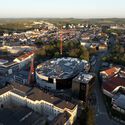
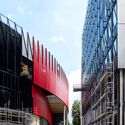
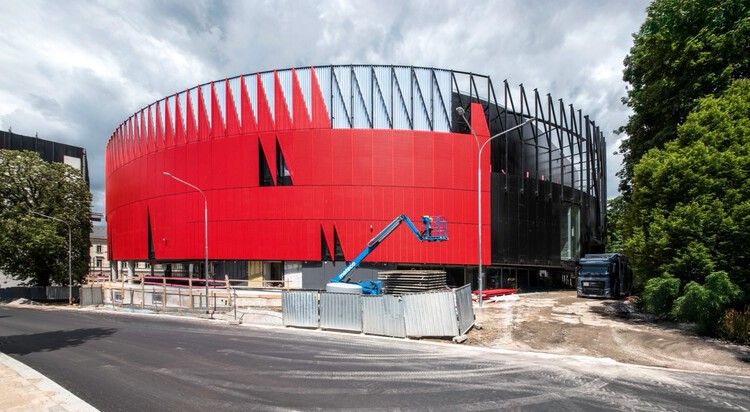
CHYBIK + KRISTOF (CH+K) has unveiled new images of its multi-purpose arena in Jihlava, a progressive city in the heart of the Czech Republic. Designed as part of a winning competition proposal in 2019, the project is being developed for the local ice hockey team, HC Dukla, and is scheduled for completion in late 2025. The arena has recently reached a key milestone with the installation of its characteristic facade. Unlike many similar developments that relocate to the outskirts, the venue retains its central position, an intentional decision by the municipality to activate the city core, support local businesses, and ensure accessibility by public transport and on foot. The project aims to enhance public life while contributing to the city's long-term sustainable growth.
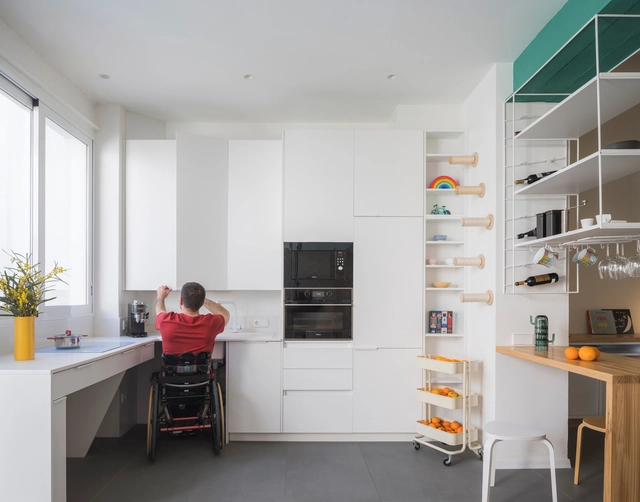
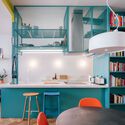
Space has become a luxury in many of the world's most densely populated cities—a growing reality that's hard to ignore. Megacities like Tokyo, Shanghai, Mumbai, Mexico City, and São Paulo already have populations exceeding 20 million, while other urban centers across Asia and Africa continue to expand rapidly. Among these, Delhi stands out: if current trends continue, it is projected to become the most populous city by 2028. As these cities expand, housing—especially new developments—follows a new logic: as square meters shrink, furniture adapts, and daily life learns to fit and thrive in high-density environments. This change isn't just about size; it reflects a new way of living. Where spaciousness once dominated, density now rules. Every corner gains spatial and commercial value, with the kitchen emerging as one of the biggest challenges in housing design today.
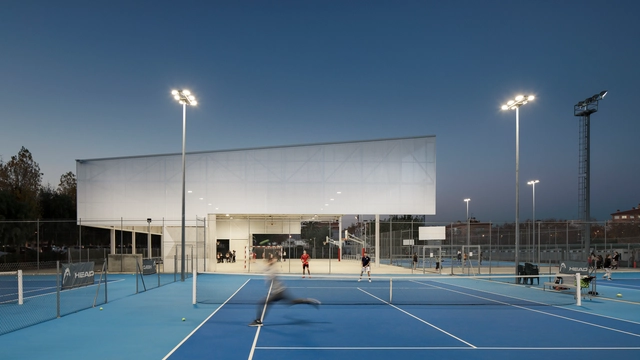
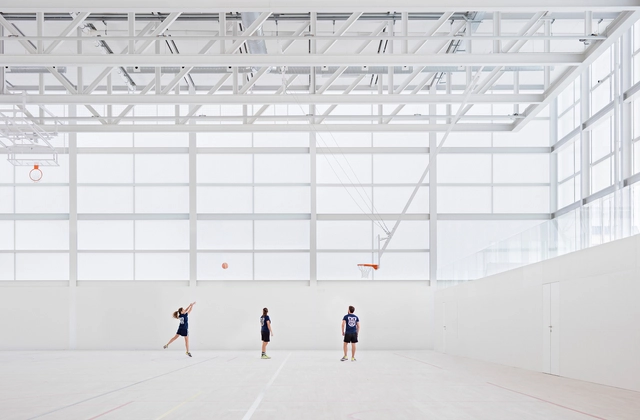
Community benefit is among the first terms mentioned when announcing a new public project. This is especially true in the case of sports halls, promising improvements in well-being and social cohesion. At a closer look, two typologies of sports halls emerge, with varying degrees of involvement with community life: on the one hand, there are large-scale venues dedicated to hosting international competitions, often boosting the capacities of thousands of people, taking on the role of modern landmarks alongside stadiums. On the other hand, there are small-scale multi-purpose sports halls, commonly annexed to schools, dispersed throughout neighborhoods, or present in rural areas with limited access to other public amenities. Despite the often-understated presence, these venues embrace and expand their multi-purpose role by offering opportunities to play, connect, organize events, and support diverse community activities.
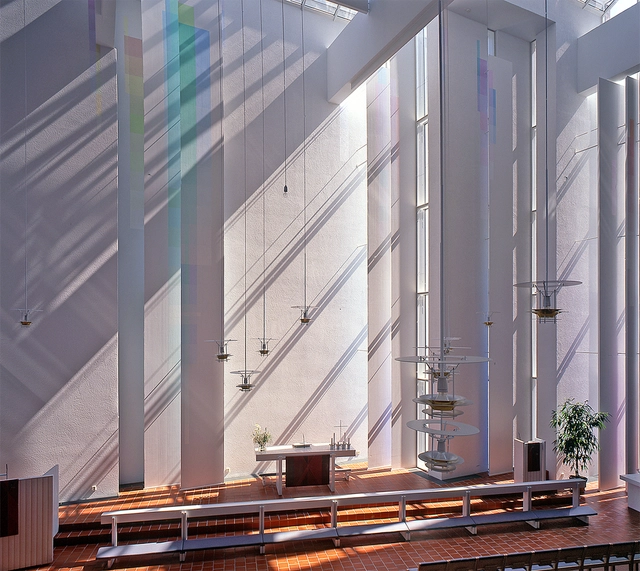
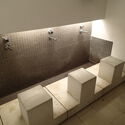
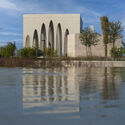
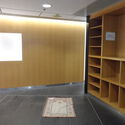
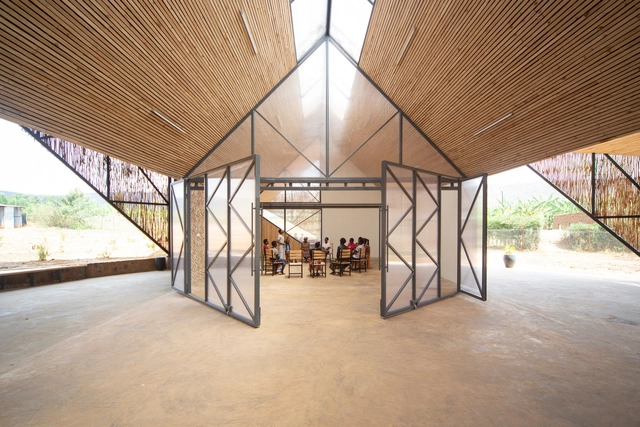
As communities grow more multicultural and increasingly diverse, these spaces serve as physical manifestations of religious inclusion, encouraging the acceptance of religious and ethnic minorities within multicultural landscapes. Their proliferation reflects a growing need for inclusive environments that cater to diverse spiritual needs while promoting interfaith understanding. However, designing and implementing these spaces presents complex challenges, often sparking debates about representation, neutrality, and the very nature of sacred space. These discussions underscore the delicate balance architects must strike in creating spaces that are both universally welcoming and spiritually meaningful.
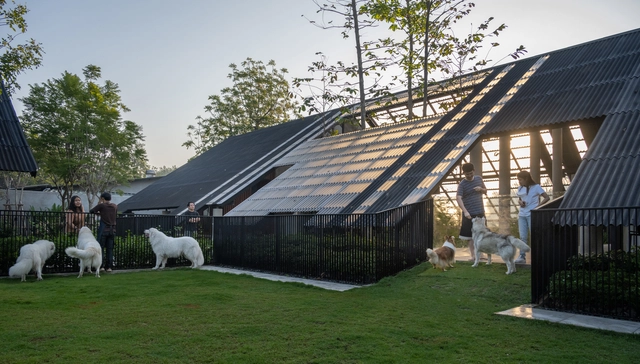
Are humans the only stewards of the built environment? For many architects and planners, spaces are designed with a focus on the needs, comfort, and health of humans. A spatial ordering, in constructed spaces and the urban fabric, designates humans as the default, singular user in this scenario. However, as much as humans have influenced the trajectory of the world, other species play a crucial role in designing, forming, and maintaining the urban landscapes of the twenty-first century.
The Roman Colosseum is arguably the most iconic versatile venue in the world. Although this structure was not intended for sporting activities, it hosted various events, from the well-known gladiatorial combats to theatrical performances and the dramatic naumachia (naval battles). This demonstrates that flexible use of space has been relevant since ancient times. Centuries later, in the context of the ever-changing built environment and urban development, sports venues have similarly evolved, becoming outstanding examples of multi-purpose spaces.
These athletic complexes have transformed from highly specialized venues into dynamic, multifunctional structures. Whether hosting major international events such as the Olympic and Paralympic Games or serving as gathering spots for local communities, these spaces strike a delicate balance between addressing the needs of specific sports and maintaining the flexibility to accommodate a range of activities. How do these diverse functions coexist and interconnect? This analysis will explore how sports facilities are configured as flexible hubs for other disciplines and everyday activities.
https://www.archdaily.com/1020243/from-wooden-shells-to-polycarbonate-panels-the-materials-shaping-flexible-sports-spacesEnrique Tovar
A region's identity is deeply tied to its community spaces. These spaces—whether parks, public squares, or community centers—reflect their users' culture, history, and values. They don't just preserve regional identity; they actively shape how communities engage with their environment, fostering a dynamic relationship between place and people. Community spaces are more than just physical locations; they are vital social hubs that foster engagement, cultural expression, and a sense of belonging. These spaces symbolize a shared identity and purpose.
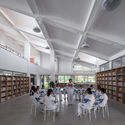
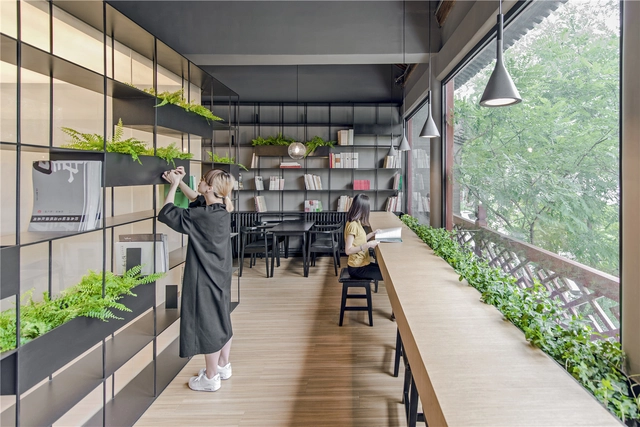
What is the vision for a 21st-century library? How can architecture professionals foster the interest of new and future generations in reading? Globally, the rapid growth of communication technologies, along with the increase in available information and the constant need to update knowledge, brings with it new educational approaches, cultural practices, and community activities that involve the creation of more dynamic spaces capable of adapting to different functions simultaneously. The connection with play, the integration of other uses, or even the incorporation of new technologies typically play a central role in the interiors of contemporary libraries designed for a young audience.
The first Olympic village was built for the 1924 Summer Games in Paris. Before this, athletes stayed in hotels, hostels, schools, headquarters, and even on the ships that brought them to the host cities. Pierre de Coubertin, co-founder of the International Olympic Committee (IOC), proposed the idea of an Olympic village. He realized it would be more cost-effective to house athletes in temporary structures rather than hotels. He believed the village would also create a sense of community among the international competitors.
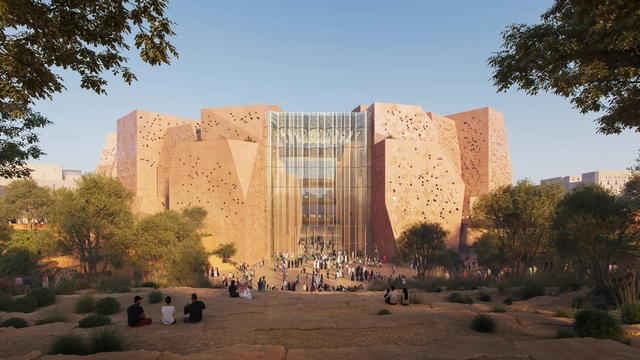
Courtesy of HKS Architects, CGI created by Somewhere | wearesomewhere.net
Commissioned by Diriyah Company, HKS Architects have revealed the design for a new multisport arena in Diriyah. Envisioned as a catalyst for the local culture and the entertainment sector, the 20,000-seat venue will be located in the center of The City of Earth, a 76,000-square-meter development aligned with Saudi Vision 2030, aimed at becoming one of the most attractive venues for tourism in the Middle East.
Urban environments are constantly evolving, with cities becoming the hubs of cultural diversity and economic life. In fact, the globe is speeding towards a future in which 70% of people will live in cities by 2050. Architects are at the core of this revolutionary movement, rethinking the nature of a city due to this urban surge. In response to this immense focus on newer and more diverse cities, architects and designers are leaning towards multifunctional and mixed-use projects. Attracting diverse crowds of people, mixed-use architecture explores the maximum potential of what a structure can serve.
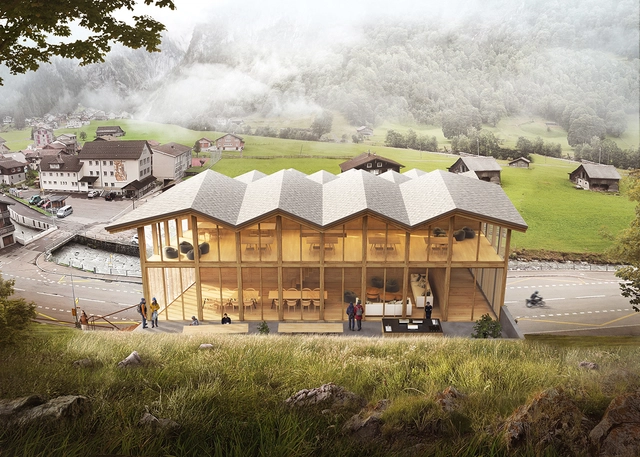
Highlighting architecture firms such as Atelier 333, MOR Architects, BXB studio Bogusław Barnaś, Beek Architects, Frey Architekten, and Kalbod Design Studio, among others, the forthcoming exploration unveils a collection of unbuilt architectural projects submitted to ArchDaily that champion multi-function in their design. From the innovative Plata.forma in Laqlouq to the maritime haven of The Ark and the Swiss House's harmonious alpine blend, these projects redefine urban living.
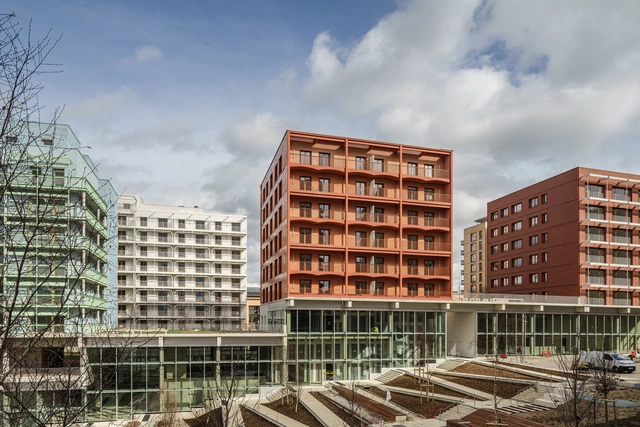
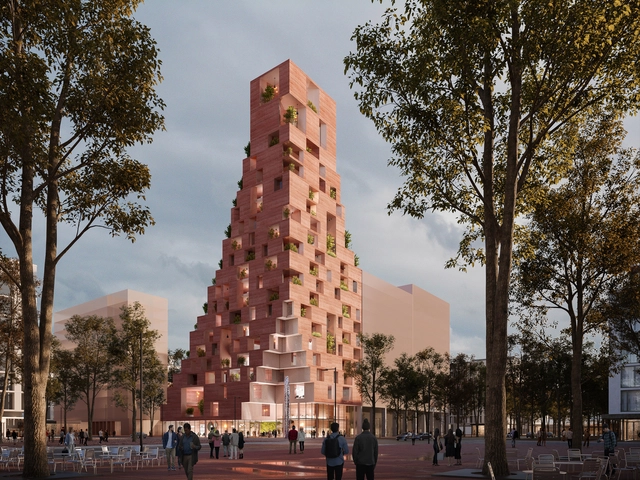
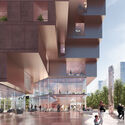
CHYBIK+KRISTOF has won an international competition to design a multifunctional tower as a significant part of Tirana’s evolving landscape. The structure is situated in the heart of the capital city’s culture hub within the New Boulevard, reflecting a shift in Tirana’s urban development. With its distinctive red concrete silhouette, it aims to create a new landmark, signaling the commencement of various other projects outlined in the masterplan.
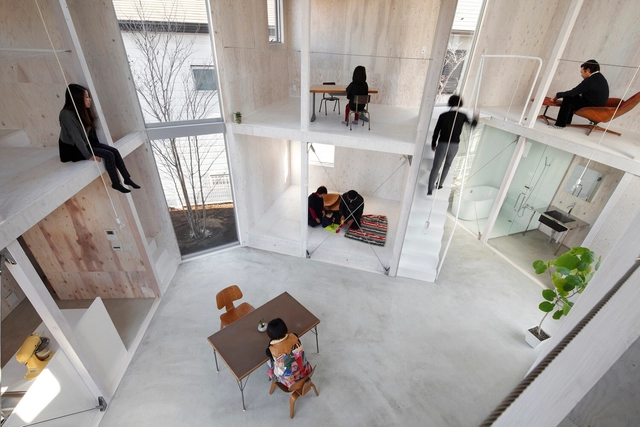
House in Kashiwa / Yamazaki Kentaro Design Workshop. Image Courtesy of Naoomi Kurozumi Architectural Photographic Office
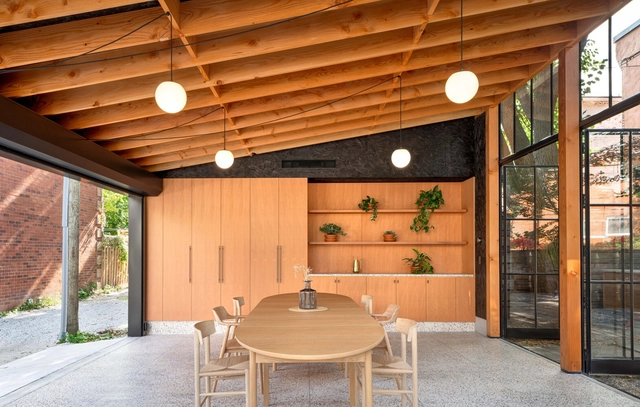
Similar to a chameleon that changes color to blend in with its environment, architecture must constantly evolve and adapt to changing demands. A few decades ago, homes used to be associated solely with private life and rest, while workspaces were exclusively designed for just that: work. It was common for each use to be separated into its own room, making enclosed, rigid spaces the standard norm for architects to follow. That is, of course, until new living and working patterns blurred these boundaries to respond to contemporary trends.
Throughout the years, coffee shops and cafés alike have become so much more than just a place to acquire a delicious brew. Since the first coffee shops were established, they have been used as social places to congregate and meeting points for the public. Alongside the development of coffee shops came the ‘coffee culture’, a set of traditions and rules regarding the way cafes are used, and the way these delicious brews are enjoyed.
Coffee shops are everywhere, not just on our city’s high streets, but globally beloved. They offer an atmosphere that is warm and inviting, with a focus on the ambiance and aesthetic of the space as well as the services they offer, with some cafes housing multiple functions beyond the brew. Therefore, the question stands: how are coffee shops today tapping into creating new spaces that are interesting and bring new life to the beloved culture?
Since the beginning of the 20th century, automobiles have been shaping cities and architecture, demanding specific spaces to move and be stored.Cars and motorcycles dictated the organization of spaces and the consequent urban and rural landscape of entire countries. However, with the climate crisis and the recognition of the problems that this development model brings to cities and to the planet, every day more initiatives are perceived that seek to eliminate individual and motorized cars powered by fossil fuels, while at the same time we also perceive the need to give new meanings to spaces that were previously dedicated to cars. In addition to the streets and public spaces, this transformation is also felt in the houses and residential buildings that are beginning to see garages as a more dynamic space.
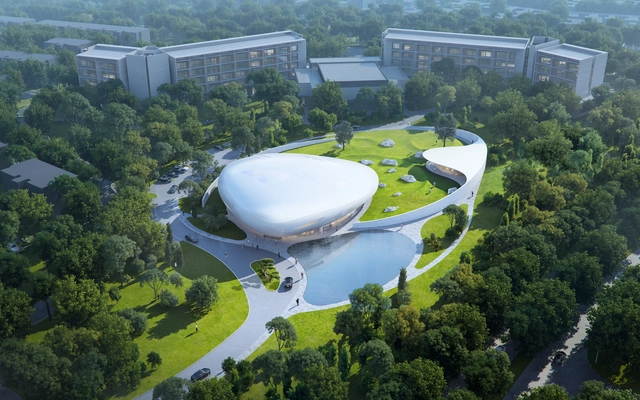
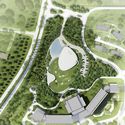
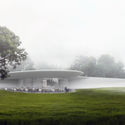
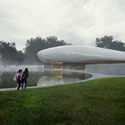
MAD Architects, led by Ma Yansong, has unveiled its design for the Aranya “Cloud Center” in Qinhuangdao, China. The floating-like design will offer Aranya, a vibrant seaside arts and culture community, a new multi-purpose public space with a a variety of functions and sculptured landscapes imagined as a “white stone garden".