1. ArchDaily
  2. Eiffel Tower

Eiffel Tower: The Latest Architecture and News

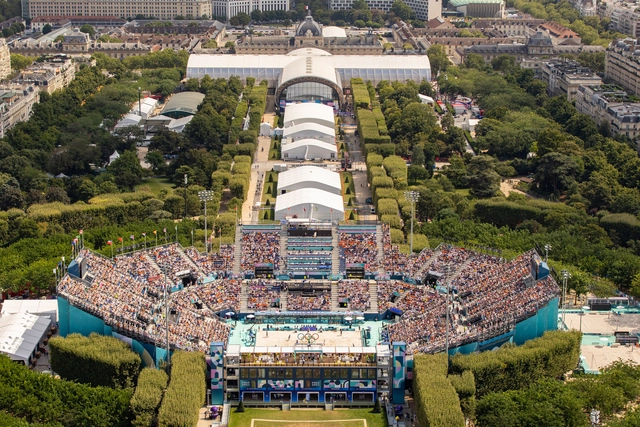
At the Eiffel Tower and Versailles Garden: Explore the Temporary Venues of the Paris 2024 Olympics

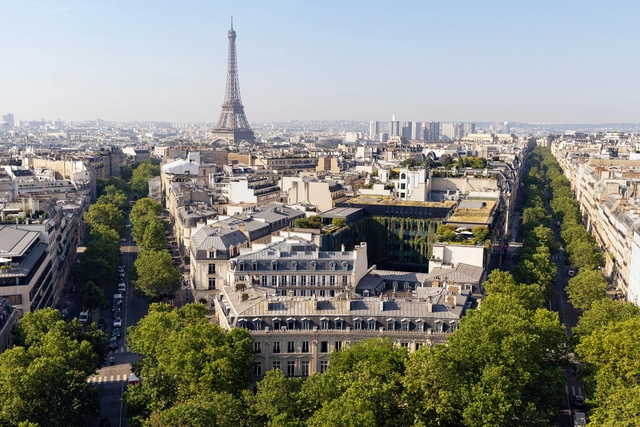
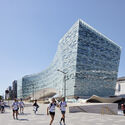
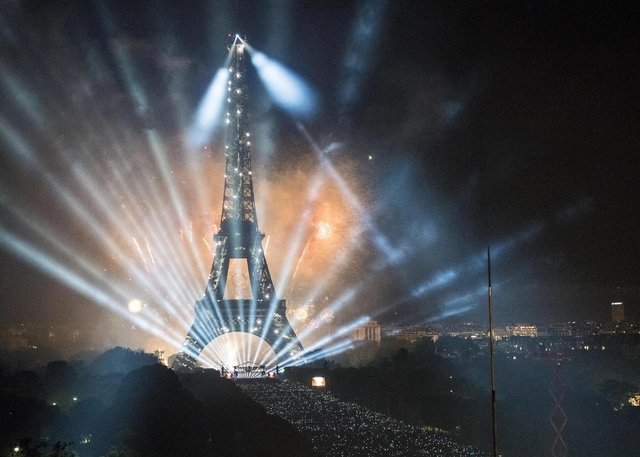
To take advantage of the historic heritage of the city of Paris while also minimizing the impact of the Olympics, the Paris 2024 Games are organizing a set of temporary arenas and installations to host several key competitions, only to be disassembled after the games' closing. Only one sports venue has been built specifically for the 2024 Olympic Games, the Aquatics Centre Paris, as the city aims to use its existing sporting infrastructure to the maximum, ensuring a smaller footprint compared to previous editions. In addition to the established venues, key temporary sites include the Trocadéro, Eiffel Tower, Champ-de-Mars, Esplanade des Invalides, Pont Alexandre III, Place de la Concorde, and Place de l’Hôtel de Ville, with additional stands along the Seine for the Opening Ceremony.

The assembly and disassembly of these temporary sites will follow a step-by-step approach to minimize disruption. Geographical phasing will preserve traffic lanes and access to public spaces, while time phasing will gradually activate and deactivate competition perimeters to limit construction impact and quickly restore spaces post-Games. These measures align with Paris 2024's commitment to organizing responsible and respectful Games and preserving the city's urban and natural heritage.

At the Eiffel Tower and Versailles Garden: Explore the Temporary Venues of the Paris 2024 Olympics - Image 1 of 4At the Eiffel Tower and Versailles Garden: Explore the Temporary Venues of the Paris 2024 Olympics - Image 2 of 4At the Eiffel Tower and Versailles Garden: Explore the Temporary Venues of the Paris 2024 Olympics - Image 3 of 4At the Eiffel Tower and Versailles Garden: Explore the Temporary Venues of the Paris 2024 Olympics - Image 4 of 4At the Eiffel Tower and Versailles Garden: Explore the Temporary Venues of the Paris 2024 Olympics - More Images+ 15

Headed to the 2024 Olympics: 20 Innovative and Iconic Architectural Projects to Explore in Paris

Subscriber Access | 

In 1900, Paris hosted its first Olympic games. It had been the second city to host them after the first Olympics in Athens. It was also the year of the Exposition Universelle, where the city would again showcase how it remade itself anew in less than 30 years. To this day, Paris remains a hub for all sorts of architectural innovation and development through bold designs that affect how people live and new materials and techniques. It fascinatingly juxtaposes grandeur and monumentalism with its predominately baroque, “second empire,” and art nouveau works; while also pushing for designs that strive for social living reforms such as in Le Corbusier’s experimental works or Lacaton & Vassal’s considerate interventions.

It’s this openness to the world that attracts not only millions of visitors a year but also innovators and architects who have set up shop in Paris and made it their second home. Once again, the city reworks itself as mass construction, renovation, and restoration sites culminate all over the city to host international athletes at the 2024 Olympics.

Headed to the 2024 Olympics: 20 Innovative and Iconic Architectural Projects to Explore in Paris - Image 1 of 4Headed to the 2024 Olympics: 20 Innovative and Iconic Architectural Projects to Explore in Paris - Image 2 of 4Headed to the 2024 Olympics: 20 Innovative and Iconic Architectural Projects to Explore in Paris - Image 14 of 4Headed to the 2024 Olympics: 20 Innovative and Iconic Architectural Projects to Explore in Paris - Image 5 of 4Headed to the 2024 Olympics: 20 Innovative and Iconic Architectural Projects to Explore in Paris - More Images+ 22

Architecture Inspiring Fashion: Villa Malaparte, the Eiffel Tower, and Louis Kahn’s Salk Institute Host Runway Shows

Beyond serving as mere backdrops for fashion shows, architecture often influences fashion collections, contributing spatially to their storytelling, offering material inspiration, and showcasing the connection between structure and shape. As both disciplines revolve around form, structure, and the human experience, architecture, and fashion share a strong connection, one often explored by creators in both fields. From meticulous tailoring and structural designs that mimic architectural lines, contours, and volumes, to architecture taking cues from how fashion works with the human shape, this interplay can create multidimensional experiences for the enthusiasts of both high fashion and architecture.

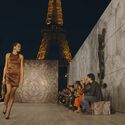
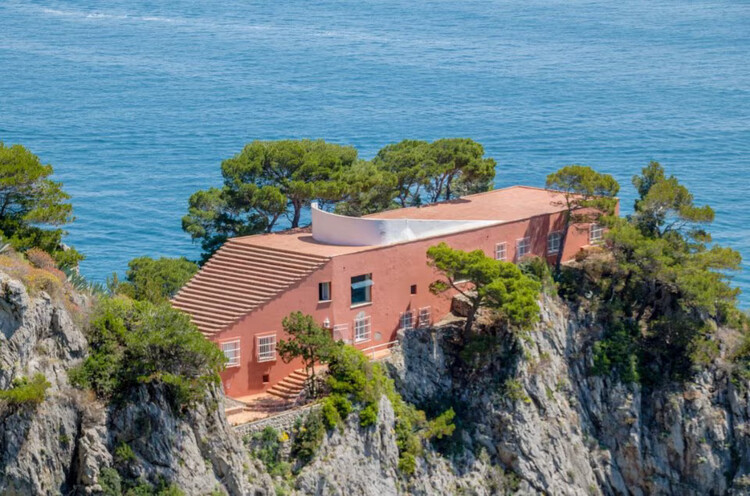
On June 10, French brand Jacquemus, known for its minimalist designs with surrealist touches, chose to celebrate its 15th anniversary with an exclusive runway show at Villa Malaparte. The location, usually inaccessible for this type of event, has made another exception for Saint Laurent, who featured it as the backdrop of its 2018 spring campaign starring Kate Moss.

Architecture Inspiring Fashion: Villa Malaparte, the Eiffel Tower, and Louis Kahn’s Salk Institute Host Runway Shows - Image 1 of 4Architecture Inspiring Fashion: Villa Malaparte, the Eiffel Tower, and Louis Kahn’s Salk Institute Host Runway Shows - Image 2 of 4Architecture Inspiring Fashion: Villa Malaparte, the Eiffel Tower, and Louis Kahn’s Salk Institute Host Runway Shows - Image 3 of 4Architecture Inspiring Fashion: Villa Malaparte, the Eiffel Tower, and Louis Kahn’s Salk Institute Host Runway Shows - Image 4 of 4Architecture Inspiring Fashion: Villa Malaparte, the Eiffel Tower, and Louis Kahn’s Salk Institute Host Runway Shows - More Images+ 6

Paris 2024 Olympics: Iconic Landmarks to Host Sporting Events

As France prepares for the XXXIII Olympic Games, Paris plans to showcase its rich cultural legacy. The 2024 Olympics, which will begin on July 25, 2024, are set to be a momentous occasion for the city as it anticipates competitors and spectators worldwide. Embracing a “pioneering approach,” Paris 2024 aims to reimagine the Olympic experience by departing from the traditional stadium venues and “integrating sports into the fabric of the city.” From the iconic Grand Palais to the Eiffel Tower, the Gardens of Versailles, and the famous La Concorde, world-famous landmarks are set to host the 2024 games.

Paris 2024 Olympics: Iconic Landmarks to Host Sporting Events - Image 1 of 4Paris 2024 Olympics: Iconic Landmarks to Host Sporting Events - Image 2 of 4Paris 2024 Olympics: Iconic Landmarks to Host Sporting Events - Image 3 of 4Paris 2024 Olympics: Iconic Landmarks to Host Sporting Events - Image 4 of 4Paris 2024 Olympics: Iconic Landmarks to Host Sporting Events - More Images+ 3

Paris City Council Approves Gustafson Porter + Bowman’s Landscape Plan for the Eiffel Tower Site

Paris City Council Approves Gustafson Porter + Bowman’s Landscape Plan for the Eiffel Tower Site - Featured Image
© MIR

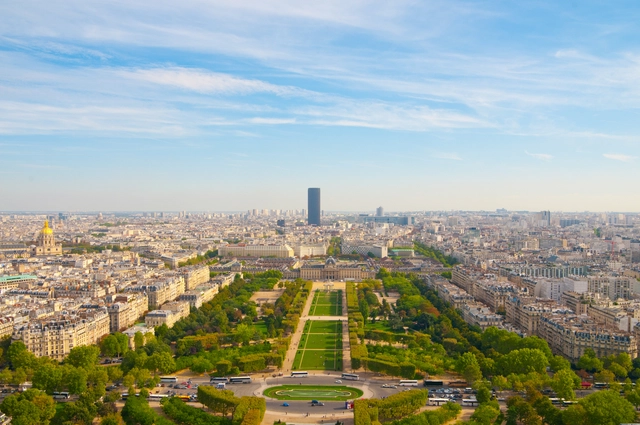
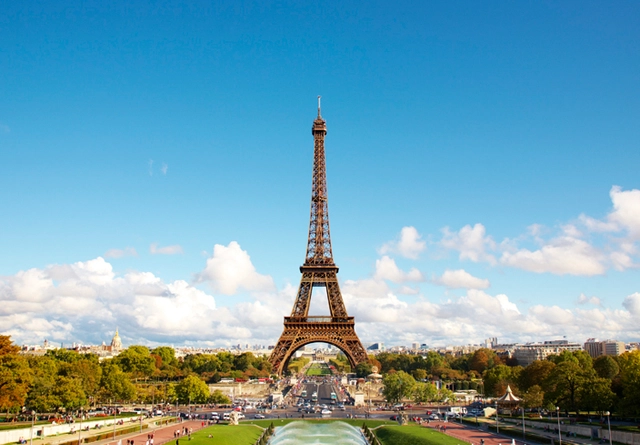
Paris City Council granted final approval to Gustafson Porter + Bowman's landscape design for the Eiffel Tower site. The project is the result of a 2019 international competition that sought to redesign the 2-kilometre axis leading up to the Eiffel Tower, connecting Place du Trocadéro, Palais de Chaillot, Pont d'Iéna, Champ de Mars and the Military Academy. The landscape plan redefines this iconic green space in Paris by increasing green areas by 35% and adding over 200 new trees, in addition to pedestrianizing the Iena bridge.

Paris City Council Approves Gustafson Porter + Bowman’s Landscape Plan for the Eiffel Tower Site - Image 1 of 4Paris City Council Approves Gustafson Porter + Bowman’s Landscape Plan for the Eiffel Tower Site - Image 2 of 4Paris City Council Approves Gustafson Porter + Bowman’s Landscape Plan for the Eiffel Tower Site - Image 3 of 4Paris City Council Approves Gustafson Porter + Bowman’s Landscape Plan for the Eiffel Tower Site - Image 4 of 4Paris City Council Approves Gustafson Porter + Bowman’s Landscape Plan for the Eiffel Tower Site - More Images+ 3

Is Fake the New Real? Searching for an Architectural Reality

Subscriber Access | 

Excerpt from the book: Real and Fake in Architecture–Close to the Original, Far from Authenticity? (Edition Axel Menges)

The term “fake” has been in the media frequently in the early 21st century, referring to headlines and fictional statements that are perceived as real and are influencing public opinion and action. Replacing the historically more common term “propaganda,” fake news aims at misinformation and strives to “damage an agency, entity, or person, and/or gain financially or politically, often using sensationalist, dishonest, or outright fabricated headlines.” Tracing fake news and differentiating “real” information from personal opinions and identifying intentional (or unintentional) deceit can be complicated. It is similarly complex to trace the duality of fake and real in the built world. To explore the larger context of fake statements in architecture and environmental design, a look at the definition of fake and related terms might be necessary.

Is Fake the New Real? Searching for an Architectural Reality - Image 1 of 4Is Fake the New Real? Searching for an Architectural Reality - Image 2 of 4Is Fake the New Real? Searching for an Architectural Reality - Image 3 of 4Is Fake the New Real? Searching for an Architectural Reality - Image 4 of 4Is Fake the New Real? Searching for an Architectural Reality - More Images+ 11

Gustafson Porter + Bowman Wins Competition to Redesign Eiffel Tower Site

Gustafson Porter + Bowman have been selected to reimagine the landscape of the Eiffel Tower, seeing off tough competition from three other finalists and 42 entries. Titled OnE, the scheme is founded on a unifying axis: celebrating the Eiffel Tower at the center of a line that connects the Place du Trocadéro, the Palais de Chaillot, the Pont d’Iéna, the Champ de Mars and the Ecole Militaire.

Gustafson Porter + Bowman Wins Competition to Redesign Eiffel Tower Site - Image 1 of 4Gustafson Porter + Bowman Wins Competition to Redesign Eiffel Tower Site - Image 2 of 4Gustafson Porter + Bowman Wins Competition to Redesign Eiffel Tower Site - Image 3 of 4Gustafson Porter + Bowman Wins Competition to Redesign Eiffel Tower Site - Image 4 of 4Gustafson Porter + Bowman Wins Competition to Redesign Eiffel Tower Site - More Images+ 2

Tower of London Competition 1890

Subscriber Access | 
Tower of London Competition 1890 - Image 18 of 4
© Descriptive illustrated catalogue of the sixty-eight competitive designs for the great tower for London compiled and edited by Fred. C. Lynde
While the Eiffel Tower was negatively received at first for its utilitarian appearance, it soon became a major attraction for Paris, France in the late 19th century. It represented structural ingenuity and innovation and soon became a major feat, rising to 300 meters of7,500 tons of steel and iron. Just three years after its unveiling, London sponsored a competition for its own version of the tower in 1890. The Tower Company, Limited collected 68 designs, all variations of the design of the Eiffel Tower. Proposals were submitted from the United States, Canada, Germany, Sweden, Italy, Austria, Turkey and Australia. Many of the designs are bizarre interpretations of utilitarian structures, following the aesthetics of the Eiffel Tower, only bigger and taller.

Join us after the break for more on the story of the Tower of London.

The Eiffel Tower to Undergo 15-Year, €300 Million Renovation Project

The Eiffel Tower to Undergo 15-Year, €300 Million Renovation Project - Image 1 of 4
© Pixabay user Unsplash. Licensed under CC0 Public Domain

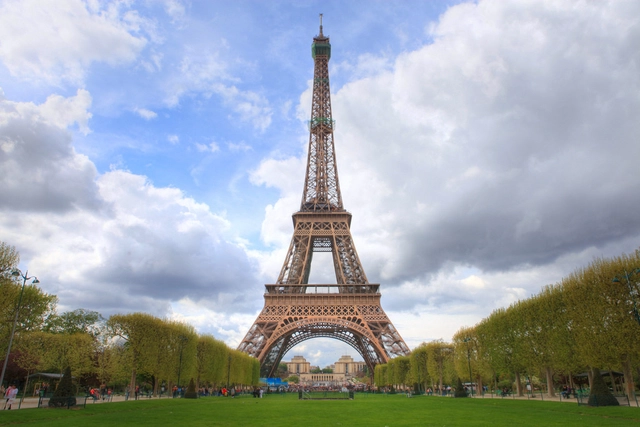
The Eiffel Tower is set to undergo a massive renovation project: a 15-year, €300 Million endeavor that will preserve the attraction for decades to come.

Built 128 years ago as a temporary structure for 1889 Universal Exhibition in Paris, the tower has since grown into a global icon, attracting nearly 7 million visitors per year and serving as an important symbol of French unity during times of both celebration and tragedy.

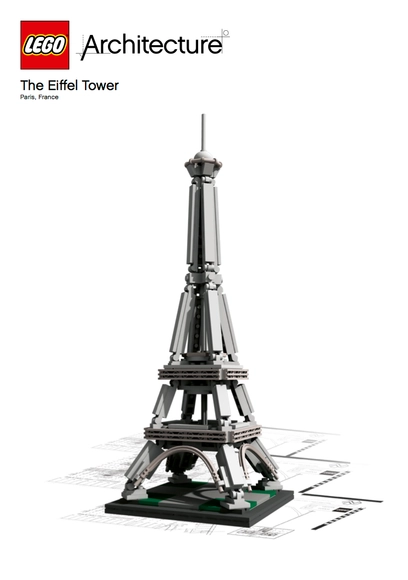
LEGO® Architecture Landmark Series: The Eiffel Tower

LEGO® has announced the architecture series’ newest addition: The Eiffel Tower (La tour Eiffel). Named after its engineer, Gustave Eiffel, the famous lattice structure is one of the most recognizable landmarks in the world. Built on the Champ de Mars in Paris, France, to serve as the entrance to the 1889 World’s Fair, The Eiffel Tower was the tallest structure in the world until 1930, and remains the tallest structure in Paris. More than 5,000 detailed drawings were required to assemble the 1063-foot tower’s 18,038 iron parts, which took just over two years to complete.

Punniest Title of the Week: "Google Street Views Gets An EIFFEL"

Subscriber Access | 

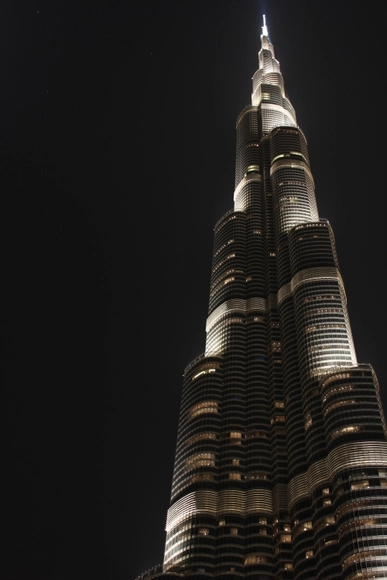
And this week's "punniest" title award goes to Fast Company (there was no contest, really). Beside the pun, of course, the article itself is pretty cool, outlining how Google Street View has followed-up on their latest intrepid capture of the Burj Khalifa with the 1889 classic: the Eiffel Tower. Read the article here and check out the fun video above!