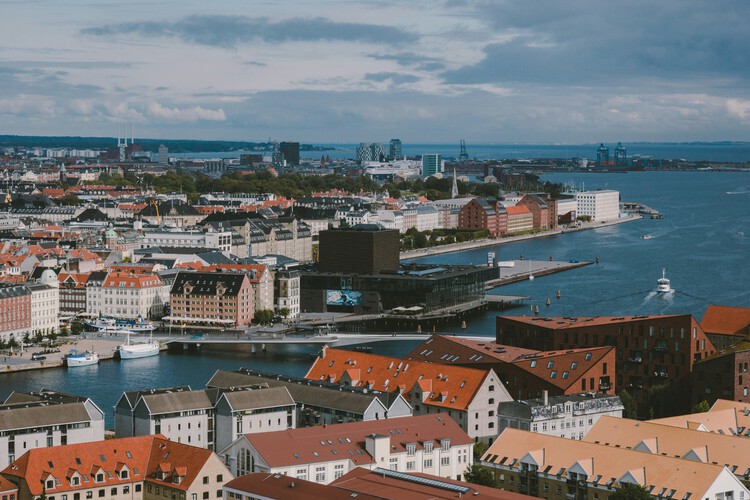
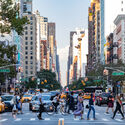
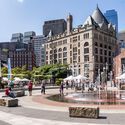
Global city rankings offer one way of looking at how urban environments support everyday life. The Economist Intelligence Unit's (EIU) Global Liveability Index evaluates 173 cities across stability, healthcare, culture and environment, education, and infrastructure, highlighting both long-term patterns and changes from one year to the next. In the 2026 edition, Copenhagen has been named the world's most liveable city for the second consecutive year, followed by Vienna and Melbourne. The Danish capital scored 98 out of 100 overall, receiving perfect scores in stability, education, and infrastructure. The global average remains unchanged at 76.1, with improvements in healthcare, education, and infrastructure offsetting continued declines in stability.
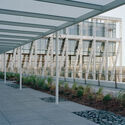
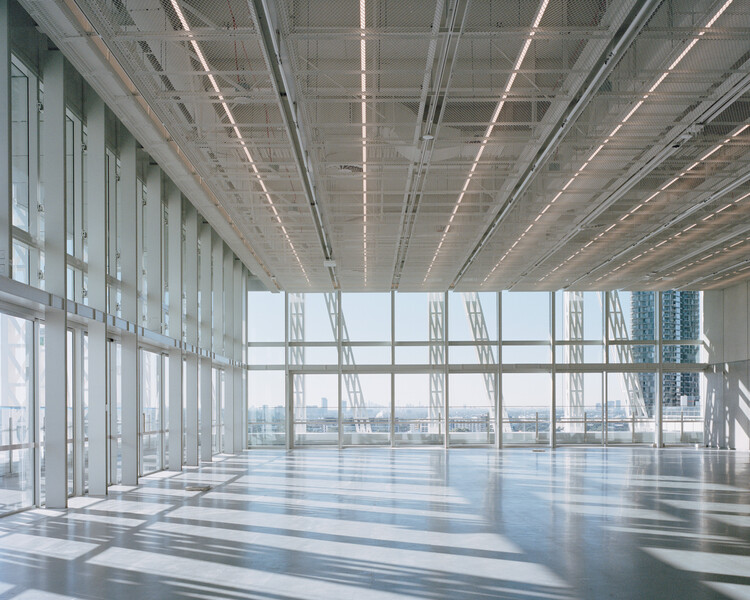
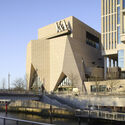
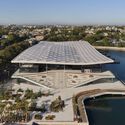
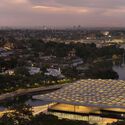
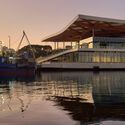
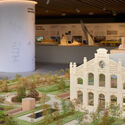
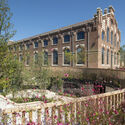
Powerhouse Parramatta, a new museum and cultural institution on the banks of the Parramatta River in Western Sydney, Australia, will open to the public on Saturday, November 7, 2026. The 30,000-square-meter building has been designed by Franco-Japanese firm Moreau Kusunoki as lead designer, with Australian firm Genton as local architect and Arup as engineer. Moreau Kusunoki won the design competition for the project in 2019, with completion initially planned for 2025. Powerhouse Parramatta is the first state cultural organization located in Western Sydney, a region whose population includes communities from more than 170 countries. At opening, the museum will present five exhibitions.
Videos
Competition Site facing east, White Bay Power Station in foreground. Image Courtesy of NSW Government
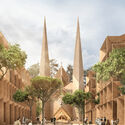
The White Bay Power Station precinct and Glebe Island, two key sites in one of the last major redevelopment sites on Sydney's inner harbour, are the focus of a new international design competition launched by the New South Wales Government. The open, two-stage Bays West International Design Competition seeks a design-led Urban Framework that will guide the transformation of the precinct into a new waterfront neighbourhood.
As major cultural events, institutional transformations, and new architectural commissions unfold across different geographies, this week's discourse highlights how architecture operates at the intersection of public life, creativity, and long-term adaptation. With Milan Design Week 2026 foregrounding process, experimentation, and citywide participation, the projects and initiatives emerging this week point to a broader shift toward openness, accessibility, and experiential engagement across disciplines and urban contexts. Ongoing investments in cultural infrastructure, from new museums to large-scale renovations and competition-winning proposals, further underscore how institutions continue to recalibrate their spatial and social roles in response to evolving environmental, technological, and cultural demands.
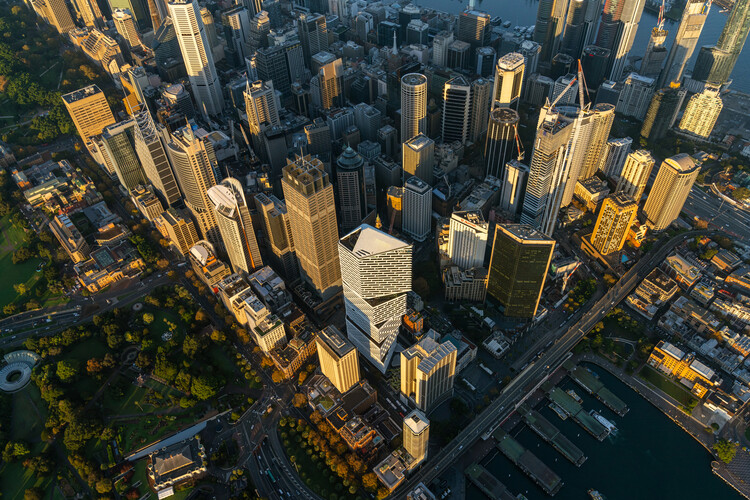
From building codes to mobility restrictions and new diplomatic roles within city governments, climate policy is increasingly being shaped at the local level through a widening range of legislative and institutional tools. Cities as varied as Sydney, Boston, New York, Paris, Miami, and dozens across Latin America are adopting targeted strategies that reflect their distinct environmental pressures and governance structures. These initiatives range from all-electric and net-zero construction requirements, to traffic-control measures designed to curb the social costs of private vehicle use, to emerging forms of urban diplomacy that coordinate responses to rising temperatures and biodiversity loss. Together, these approaches illustrate how territorial management is evolving in response to the accelerating climate crisis, and how local governments are experimenting with regulation and collaboration to confront challenges that are at once global and deeply place-specific.
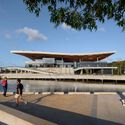
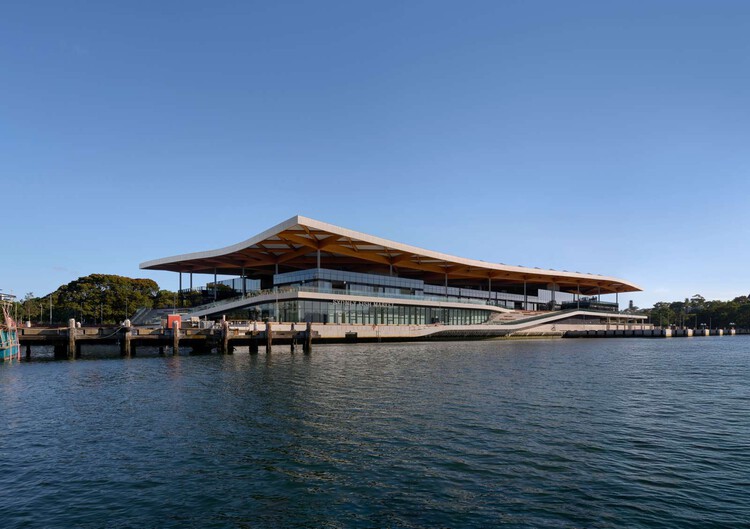
Set to open on January 19, 2026, the Sydney Fish Market marks the first completed project within the broader renewal of Blackwattle Bay on Sydney's inner harbour. Designed by 3XN in collaboration with BVN and Aspect Studios, and delivered by Multiplex, the purpose-built facility replaces the former market with a contemporary structure that combines an operating wholesale fish market with retail, dining, and publicly accessible waterfront spaces. Positioned approximately one mile southwest of Sydney's central business district, the project reframes one of the world's largest fish markets by volume as both working infrastructure and a civic destination.
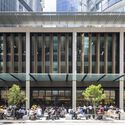
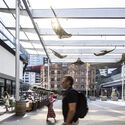
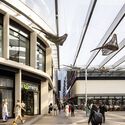
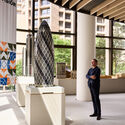
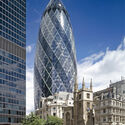
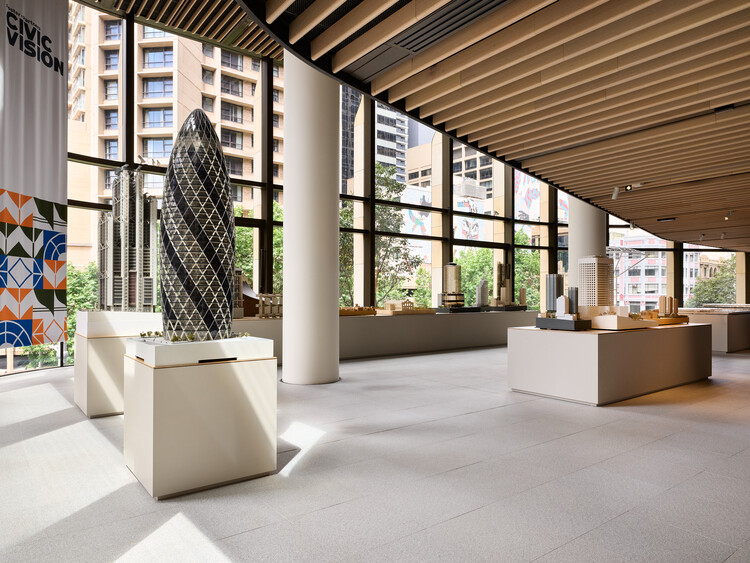
Foster + Partners has opened Civic Vision, the first comprehensive exhibition of the practice's work to be presented in Australia. On view until December 21, 2025, at Parkline Place, the firm's latest completed project in Sydney, developed by Investa on behalf of Oxford Properties Group and Mitsubishi Estate Asia, the exhibition offers an in-depth overview of Foster + Partners' global portfolio since its founding in 1967 by Norman Foster. It explores the evolution of the practice's design approach and its exploration of civic architecture across different contexts and scales.