1. ArchDaily
  2. High School

High School: The Latest Architecture and News

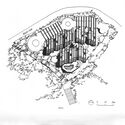
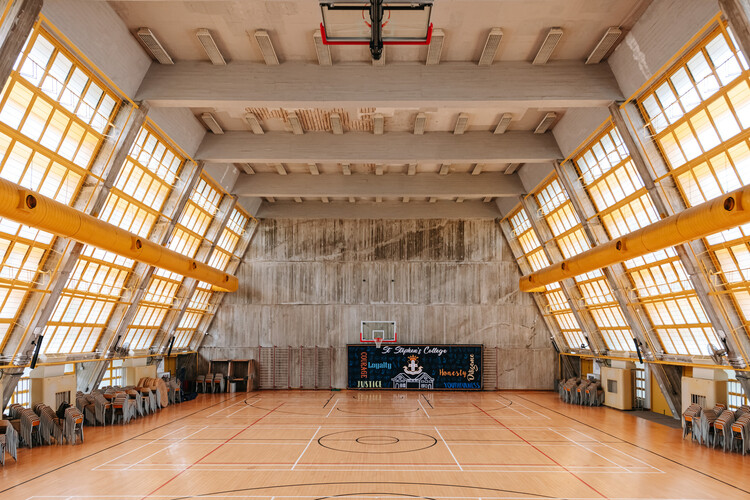
Beyond Imported Icons: Tao Ho and a Local Modernism for Hong Kong

Subscriber Access | 

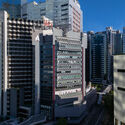
When Hong Kong's architectural story is told, it is often reduced to a handful of icons. Many people most readily name I.M. Pei—Pritzker Prize laureate and architect of the Bank of China Tower in Central (1990), as well as global works such as the Le Grand Louvre in Paris and the Miho Museum in Shiga. Looking elsewhere, one also encounters a long lineage of British and international architects whose imprints have shaped the city's institutional skyline: from Ron Phillips' civic works—most notably the former Murray Building (1969), now The Murray Hotel, and Hong Kong City Hall (1962)—to Norman Foster's infrastructural and corporate monuments, including the Hongkong and Shanghai Banking Corporation (HSBC) Tower (1986) and Hong Kong International Airport (1998), and, more recently, Zaha Hadid Architects' The Henderson (2024).

Yet within the same period as Pei and Foster, local architects were also producing buildings of enduring significance—works that carried the legacies of Bauhaus, but translated them into a language distinctly calibrated to Hong Kong's climate, density, and civic life. These projects may not always read as commercially prominent icons, yet they often register a sharper sense of social responsibility and public agenda. Among the most important figures in this lineage is the late architect Tao Ho, whose work and public role formed a quieter—but no less foundational—strand in Hong Kong's modern architectural heritage.
Beyond Imported Icons: Tao Ho and a Local Modernism for Hong Kong - Image 1 of 4Beyond Imported Icons: Tao Ho and a Local Modernism for Hong Kong - Image 2 of 4Beyond Imported Icons: Tao Ho and a Local Modernism for Hong Kong - Image 3 of 4Beyond Imported Icons: Tao Ho and a Local Modernism for Hong Kong - Image 4 of 4Beyond Imported Icons: Tao Ho and a Local Modernism for Hong Kong - More Images+ 14

Architecture for Peace: Fostering Growth and Learning through Educational Spaces in Honduras

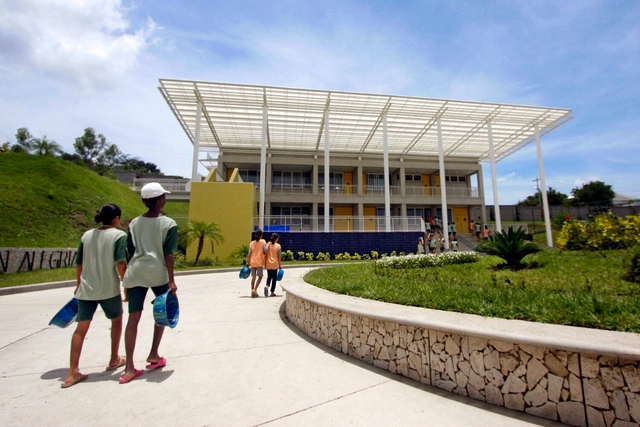
Tegucigalpa, the capital of Honduras, offers a dynamic blend of the country's architectural heritage with mountainous landscapes. Nonetheless, just like many other cities in Latin America, it faces significant urban challenges such as social class disparities and a fragmented urban fabric. In response, several design initiatives have emerged over the years to address those issues. One of the most prominent examples is the "Villa for Girls", designed by the Guatemalan firm Solis Colomer Arquitectos, which has now expanded to include a "Villa for Boys" since 2017. These projects are aimed at children from low-income families who often face the risk of being recruited by gangs. Together they build upon an architectural legacy that offers a safe, supportive environment to grow and learn.

Architecture for Peace: Fostering Growth and Learning through Educational Spaces in Honduras - Image 1 of 4Architecture for Peace: Fostering Growth and Learning through Educational Spaces in Honduras - Image 2 of 4Architecture for Peace: Fostering Growth and Learning through Educational Spaces in Honduras - Image 3 of 4Architecture for Peace: Fostering Growth and Learning through Educational Spaces in Honduras - Image 4 of 4Architecture for Peace: Fostering Growth and Learning through Educational Spaces in Honduras - More Images+ 8

A Primary School in the Tuscan Countryside and a Fine Arts Academy Extension in Germany: 8 Unbuilt Educational Facilities Submitted by the ArchDaily Community

Subscriber Access | 

As the summer days come to an end, the focus naturally shifts to the realm of academia, a space full of curiosity, energy, and ingenuity. For architects, educational spaces are an opportunity for exploration, as they gather eager students together with professors and experts in their respective fields. The environment of educational facilities thus becomes a canvas for the cultivation of creativity, curiosity, and growth. From the playfulness of kindergartens and preschools to the halls of faculties that shape the scholars of tomorrow, the architecture of educational spaces must balance structure and flexibility to respond to the needs of students, teacher, and their larger communities.

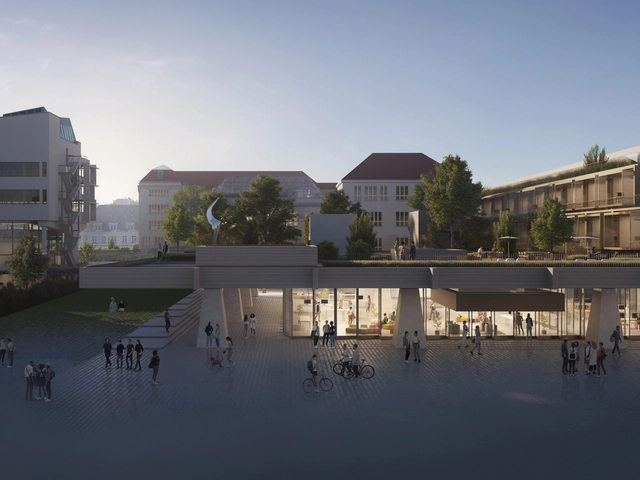
This week’s curated selection of Best Unbuilt Architecture highlights designs submitted by the ArchDaily community dedicated to educational institutions. From innovative programs dedicated to child development and community engagement to specialized high schools or inclusive institutions learning to work with locally available materials such as rammed earth, this selection highlights projects dedicated to the exchange of knowledge in its varied forms.

A Primary School in the Tuscan Countryside and a Fine Arts Academy Extension in Germany: 8 Unbuilt Educational Facilities Submitted by the ArchDaily Community - Image 7 of 4A Primary School in the Tuscan Countryside and a Fine Arts Academy Extension in Germany: 8 Unbuilt Educational Facilities Submitted by the ArchDaily Community - Image 18 of 4A Primary School in the Tuscan Countryside and a Fine Arts Academy Extension in Germany: 8 Unbuilt Educational Facilities Submitted by the ArchDaily Community - Image 24 of 4A Primary School in the Tuscan Countryside and a Fine Arts Academy Extension in Germany: 8 Unbuilt Educational Facilities Submitted by the ArchDaily Community - Image 32 of 4A Primary School in the Tuscan Countryside and a Fine Arts Academy Extension in Germany: 8 Unbuilt Educational Facilities Submitted by the ArchDaily Community - More Images+ 42

70°N arkitektur, Together with Snøhetta and Artist Joar Nango, Designs a National Theater for the Indigenous Sámi People in Norway

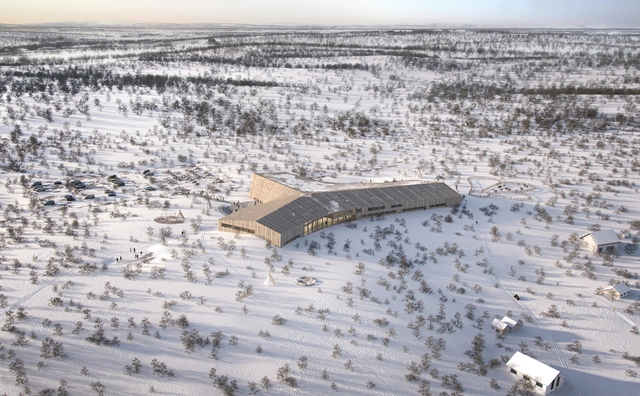
The Sámi National Theater Beaivváš and Sámi High School and Reindeer Husbandry School are two of the most important cultural institutions of Sápmi, a region in northern Norway, Sweden, and Finland traditionally inhabited by the Sámi people. To strengthen the position of the two institutions, a project was initiated in June 2021 to create a shared cultural and educational facility. A design proposal by 70°N arkitektur, in collaboration with Snøhetta and artist and architect Joar Nango, was chosen following a competition. The building, also known as Čoarvemátta, is currently under construction and is expected to be completed by 2024.

Winy Maas and Theobert van Boven Lead the Transformation of Their Former High School

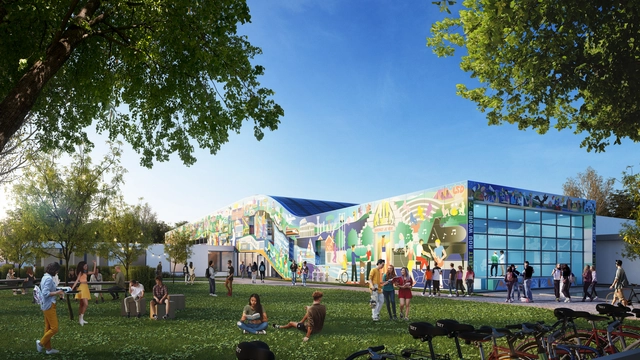
MVRDV founding partner Winy Maas and Theobert van Boven of Van Boven Architecten, two alumni of Gymnasium Beekvliet, are leading the transformation of their former highschool in the Dutch village of Sint-Michielsgestel. In addition to the renovation of the existing building, the design features a flowing, colourful extension accommodating a new auditorium, as well as art and culture facilities providing students with an engaging learning environment. The new structure features a printed façade showcasing artwork by Canadian visual artist Ian Kirkpatrick that provides a record of the school's 200 years of history while creating a new focal point for the school and region.