1. ArchDaily
  2. Francis Kéré Architecture

Francis Kéré Architecture: The Latest Architecture and News

Architecture that Empowers Communities: The Stories Behind Francis Kéré’s Projects

Subscriber Access | 

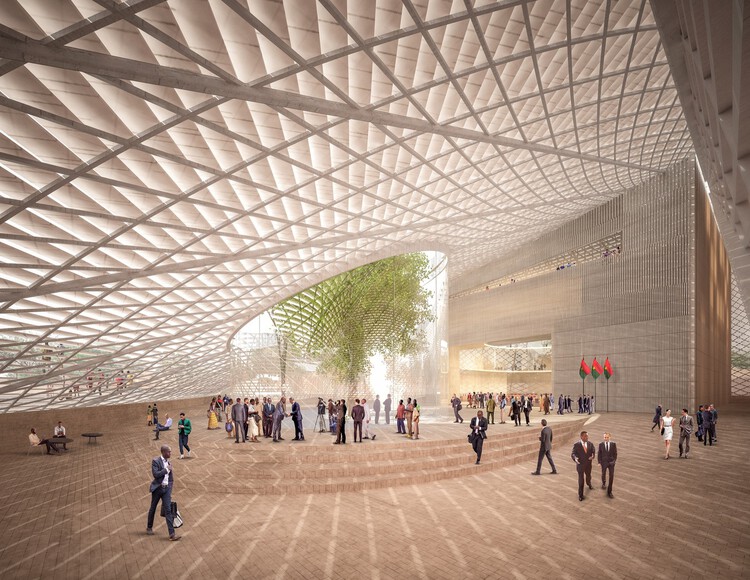
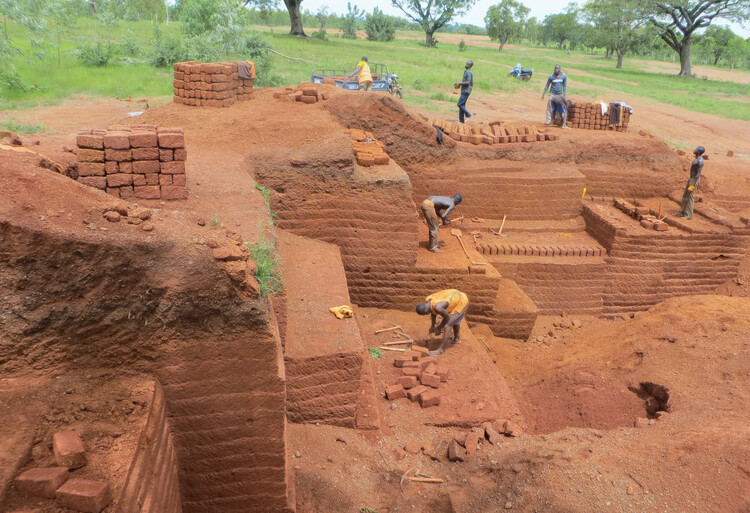
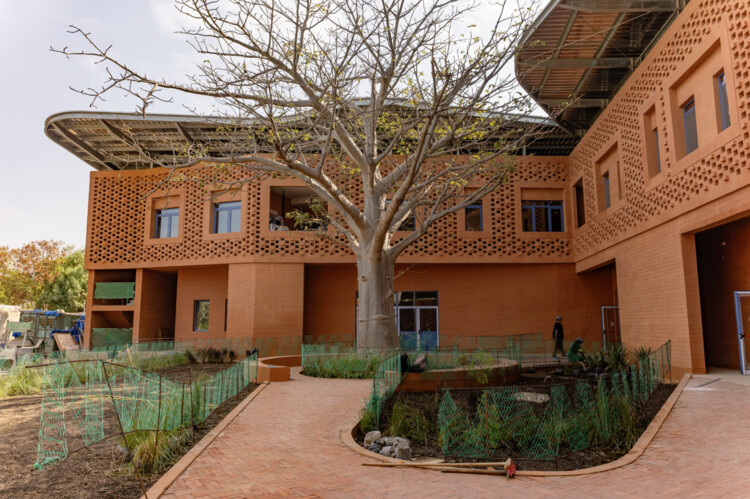
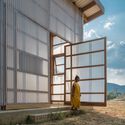
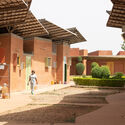
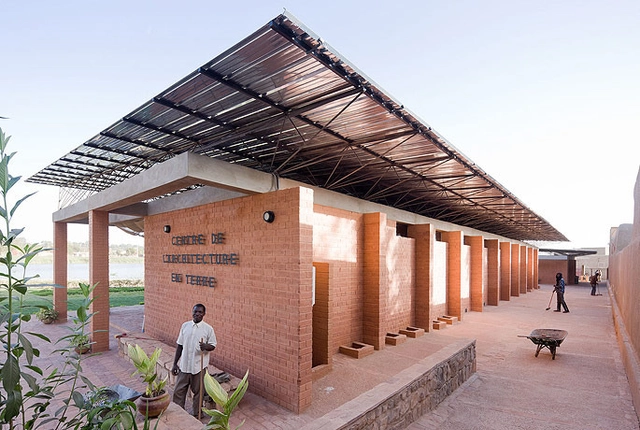
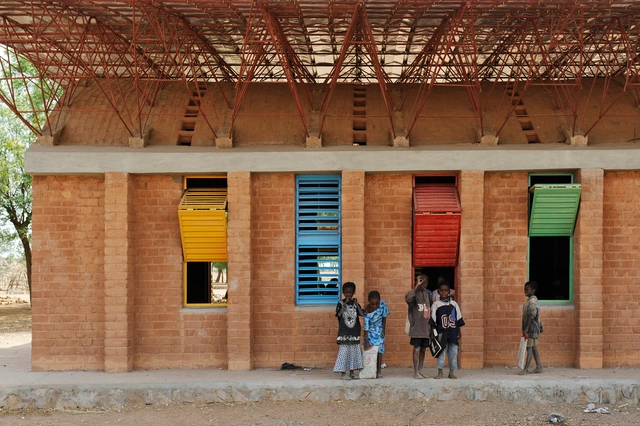
"My only concern is that my work must have a positive impact on the communities in which it is embedded," states Francis Kéré in his book Francis Kéré: Building Stories. His own life story, the context in which he was raised, and the experiences he has lived through all shape his approach to architecture. It is a commitment that extends to people and the places they call home—one that values materiality, collective learning, and the exchange of knowledge. Discovering the stories behind projects such as Primary School in Gando and Naaba Belem Goumma Secondary School inspires reflection on how to design spaces that truly serve humanity.

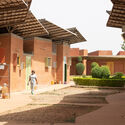
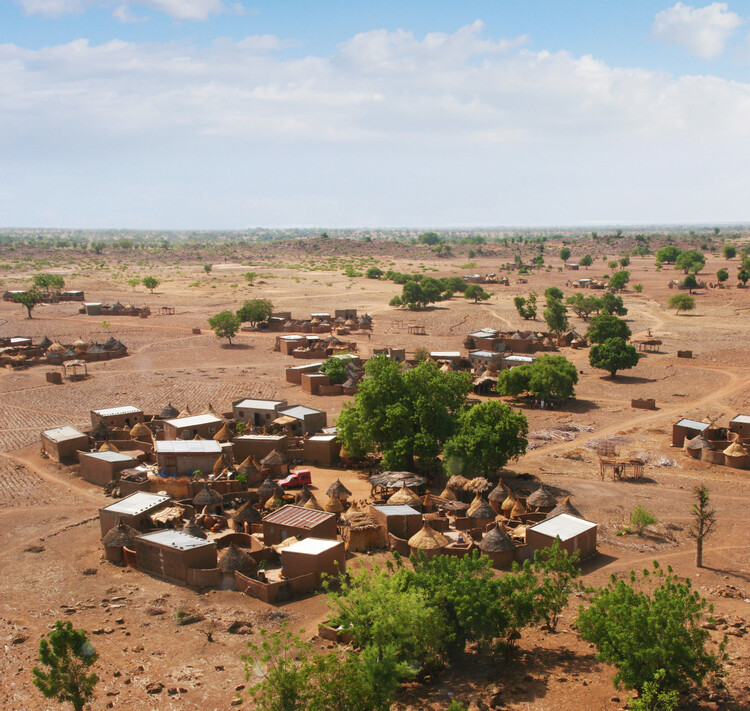
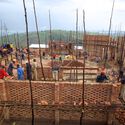
Francis Kéré's story begins in a village in sub-Saharan Africa and extends across many places. Gando was the setting of his first education, where he absorbed the essence and principles that later shaped the core values of his career alongside influences from other cultures. The structure of Gando is formed by different families who organize themselves, according to established customs, within courtyards scattered across the savanna. Growing up in this remote village in the Burkina Faso savanna fosters a strong sense of community, made tangible by the understanding that each resident of every courtyard is part of the life of the whole.

Architecture that Empowers Communities: The Stories Behind Francis Kéré’s Projects - Image 1 of 4Architecture that Empowers Communities: The Stories Behind Francis Kéré’s Projects - Image 2 of 4Architecture that Empowers Communities: The Stories Behind Francis Kéré’s Projects - Image 3 of 4Architecture that Empowers Communities: The Stories Behind Francis Kéré’s Projects - Image 4 of 4Architecture that Empowers Communities: The Stories Behind Francis Kéré’s Projects - More Images+ 25

Kéré Architecture’s Goethe-Institut in Senegal Opens as a Landmark for Cultural Exchange in West Africa

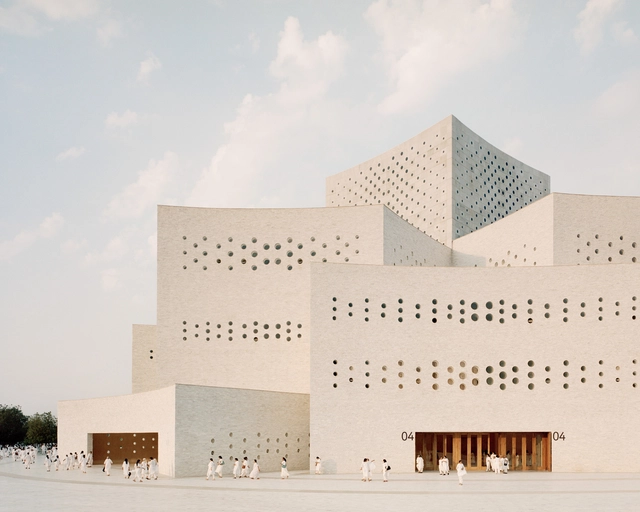
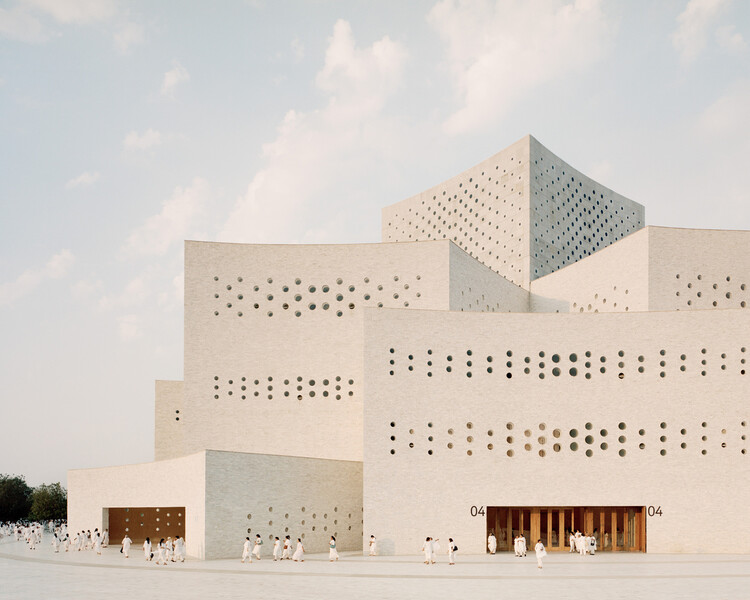
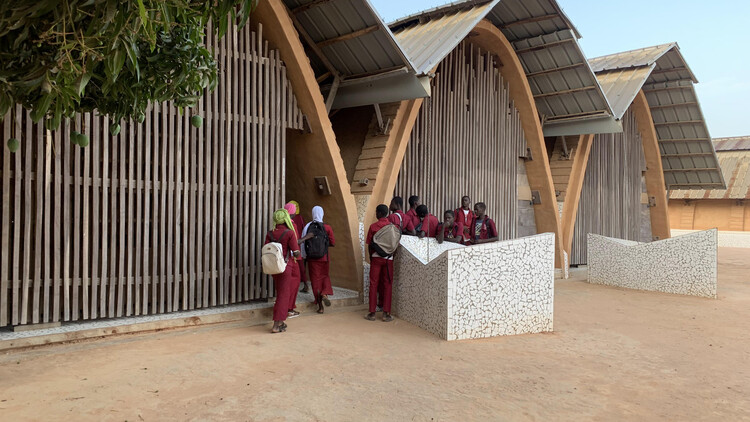
In February 2022, construction began on the Goethe-Institut in Dakar, designed by Kéré Architecture. Present in Senegal since 1978, the Goethe-Institut is reaching a milestone in strengthening cultural ties between Germany, Senegal, and West Africa with this new building. As the first purpose-built Goethe-Institut on the African continent, it embodies a long-term commitment to supporting the creative industries and fostering intellectual exchange. From April 16 to 18, 2026, the Goethe-Institut will host a series of events to mark the inauguration of its new headquarters.

Kéré Architecture’s Goethe-Institut in Senegal Opens as a Landmark for Cultural Exchange in West Africa - Image 1 of 4Kéré Architecture’s Goethe-Institut in Senegal Opens as a Landmark for Cultural Exchange in West Africa - Image 2 of 4Kéré Architecture’s Goethe-Institut in Senegal Opens as a Landmark for Cultural Exchange in West Africa - Image 3 of 4Kéré Architecture’s Goethe-Institut in Senegal Opens as a Landmark for Cultural Exchange in West Africa - Image 4 of 4Kéré Architecture’s Goethe-Institut in Senegal Opens as a Landmark for Cultural Exchange in West Africa - More Images+ 2

ArchDaily's Best Architectural Projects of 2025

As the year culminates, it's once again time for the ArchDaily team of curators to reflect on the best-performing projects of 2025 and consider what readers were most interested in. Through this diverse overview, we assess the cross-continental similarities and differences in trends and construction development. This year brought us many grand cultural and public spaces by Lina Ghotmeh, BIG, Zaha Hadid Architects, DnA, and Serie Architects, who populated events like Expo Osaka and the Venice Biennale, as well as a surprising number of museums and public or landscape works in China and the rest of the Asian continent. However, while these were sought-after projects, the leading works remained, unsurprisingly, residential projects.
More specifically, the houses that were most viewed on the ArchDaily global site were concrete houses that bore considerable injections of greenery and landscape focus. They propose layouts highlighting voids and double heights, as well as inner courtyards or large openings to the exterior. While some references did suggest traditional or vernacular elements, modernist revivals were still predominant. Material trends are much more tame, with a recurrence of raw concrete use, as wood and stone were common accent elements. Still, the more interesting thing about the works this year is the efforts brought by architects in situating and setting the projects within their surroundings, bringing special attention to landscape and how projects merged with nature.

ArchDaily's Best Architectural Projects of 2025 - SustainabilityArchDaily's Best Architectural Projects of 2025 - SustainabilityArchDaily's Best Architectural Projects of 2025 - SustainabilityArchDaily's Best Architectural Projects of 2025 - SustainabilityArchDaily's Best Architectural Projects of 2025 - More Images+ 96

Building Knowledge, Not Just Structures: Redefining the Architect’s Role in Times of Uncertainty

Aristotle is credited with the proverb "One swallow does not make a summer." In nature, the arrival of these migratory birds often announces the change of seasons, a universal symbol of renewal and hope. Yet it is only when many take flight that the true warmth of summer begins. The same can happen in architecture: an isolated project, however exemplary, rarely changes a reality on its own. When, however, a work teaches, inspires, and can be replicated, it becomes the harbinger of something greater.

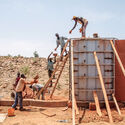
Initiatives that combine simple technologies, local materials, and participatory processes show how building can also be an act of learning. Structures and bricks shape places of mutual teaching, where architects and residents share knowledge and build together, multiplying skills and strengthening bonds. These projects point to the possibility of a collective summer, a future in which knowledge spreads as widely as the walls that shelter it.

Building Knowledge, Not Just Structures: Redefining the Architect’s Role in Times of Uncertainty - Image 1 of 4Building Knowledge, Not Just Structures: Redefining the Architect’s Role in Times of Uncertainty - Image 2 of 4Building Knowledge, Not Just Structures: Redefining the Architect’s Role in Times of Uncertainty - Image 3 of 4Building Knowledge, Not Just Structures: Redefining the Architect’s Role in Times of Uncertainty - Image 4 of 4Building Knowledge, Not Just Structures: Redefining the Architect’s Role in Times of Uncertainty - More Images+ 10

Childhood and Ancestry: What South American Indigenous Communities Can Teach Us About Environments for Children

In South American Indigenous communities, a child’s place is wherever they choose to be. Babies crawl on the earthen floor, approach the fire, investigate anthills, and experience the world with their whole bodies. They learn by feeling: discovering limits, recognizing dangers, and gathering lessons no manual could ever teach. In urban contexts, by contrast, children are often confined to spaces designed for adults, filled with rules that—though well-intentioned—tend to distance them from essential experiences. Rather than judging which model is “better,” what matters is recognizing that when cultures observe one another, there is always room for learning.

From an architectural perspective, this childhood with little freedom of time and movement challenges us to rethink how we shape daily environments. Why restrict spontaneous exploration to controlled settings? Why create physical and symbolic barriers between children and the natural world? And, above all, how might contemporary architecture break away from this paradigm and, inspired by Indigenous childhoods, design environments that restore to children their wild, curious, and complete dimension?

Childhood and Ancestry: What South American Indigenous Communities Can Teach Us About Environments for Children - Image 1 of 4Childhood and Ancestry: What South American Indigenous Communities Can Teach Us About Environments for Children - Image 2 of 4Childhood and Ancestry: What South American Indigenous Communities Can Teach Us About Environments for Children - Image 3 of 4Childhood and Ancestry: What South American Indigenous Communities Can Teach Us About Environments for Children - Image 4 of 4Childhood and Ancestry: What South American Indigenous Communities Can Teach Us About Environments for Children - More Images+ 15

Learning Circles: 12 Educational Projects with Elliptical Plans

Subscriber Access | 

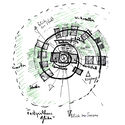
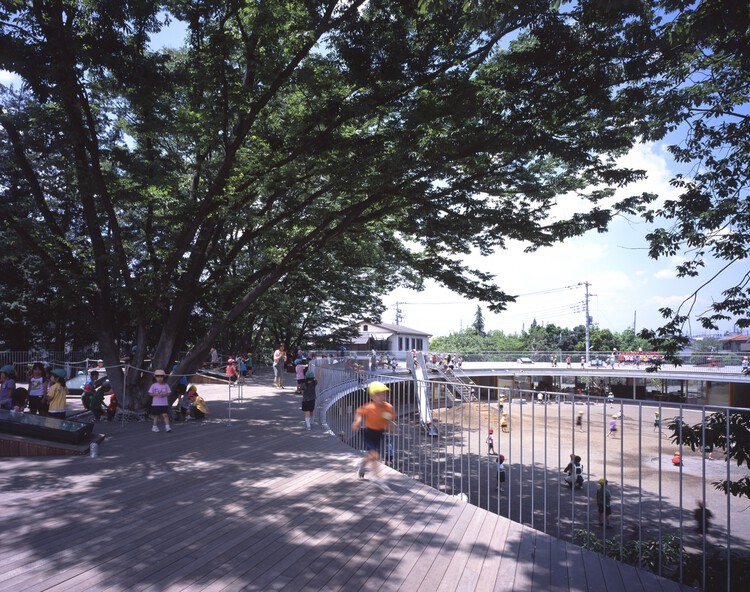
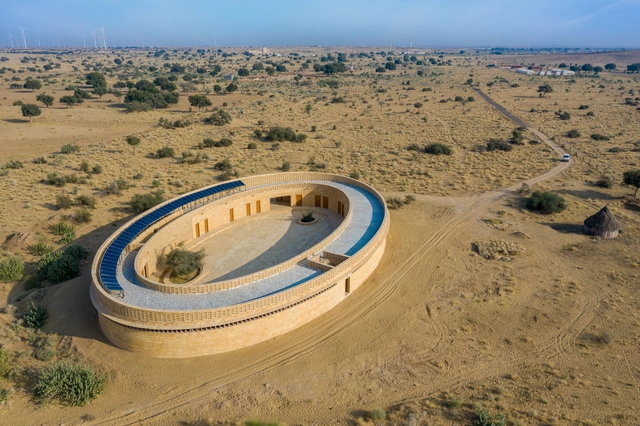
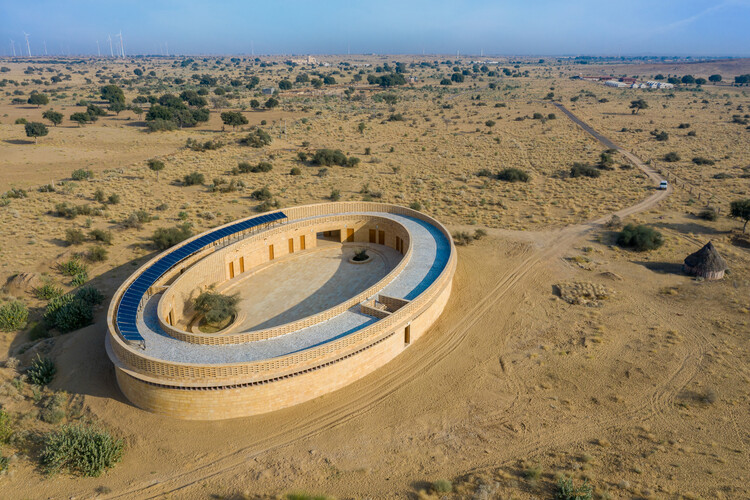
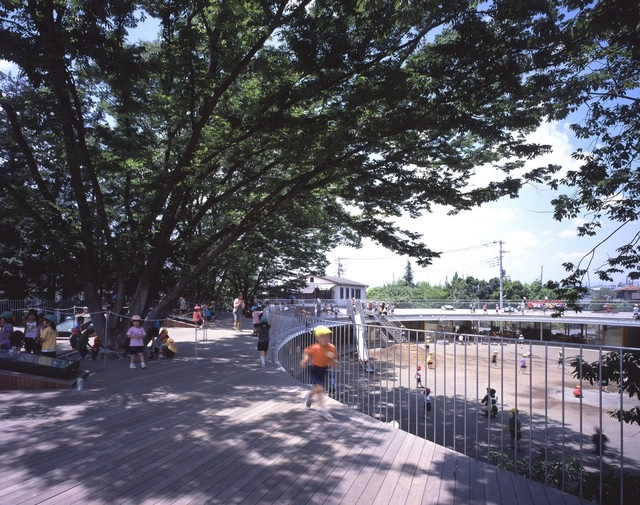
Creating an educational setting is a specific and sensitive task. Merging children's safety and learning optimization requirements with an aesthetic appeal and solid concept can birth some of the most beautiful, unique projects around. One common configuration is the elliptical or circular school. A circular, more specifically ringlike educational setting can suggest a sense of protectiveness and safety with the construction of the embracing surrounding membrane. It is also a practical setup that envelopes multiple functions while linking them, consequently allowing interactive instances through the central courtyard.

Learning Circles: 12 Educational Projects with Elliptical Plans - Image 1 of 4Learning Circles: 12 Educational Projects with Elliptical Plans - Image 2 of 4Learning Circles: 12 Educational Projects with Elliptical Plans - Image 3 of 4Learning Circles: 12 Educational Projects with Elliptical Plans - Image 4 of 4Learning Circles: 12 Educational Projects with Elliptical Plans - More Images+ 42

Towards an Architecture of Many Intelligences: How Collective Knowledge Shapes the Built Environment

As architecture navigates a rapidly changing world shaped by ecological urgency, social transformation, and technological acceleration, the notion of intelligence is shifting. No longer confined to individual cognition or artificial computation, intelligence can emerge from cultural memory, collective practices, and adaptive systems. In this broader sense, architecture becomes a field of convergence, where natural, artificial, and social intelligences intersect to offer new ways of designing and building.

Vernacular traditions embed generations of environmental knowledge, often transmitted through materials, construction techniques, and spatial logics finely tuned to local conditions; participatory platforms expand decision-making to wider communities to take part in shaping their environments, redistributing agency in the design process; and computational processes simulate and respond to complex data in real time bringing the capacity to analyse, simulate, and respond to complex variables — whether environmental, social, or behavioural — offering new forms of adaptability.

Towards an Architecture of Many Intelligences: How Collective Knowledge Shapes the Built Environment - Image 1 of 4Towards an Architecture of Many Intelligences: How Collective Knowledge Shapes the Built Environment - Image 2 of 4Towards an Architecture of Many Intelligences: How Collective Knowledge Shapes the Built Environment - Image 3 of 4Towards an Architecture of Many Intelligences: How Collective Knowledge Shapes the Built Environment - Image 4 of 4Towards an Architecture of Many Intelligences: How Collective Knowledge Shapes the Built Environment - More Images+ 25

Learning from Global Architecture Exhibitions: Resource Efficiency, Vernacular Intelligence, and Social and Environmental Advocacy

Over the past year, architecture exhibitions have significantly addressed pressing global issues such as climate change, resource scarcity, and social advocacy. According to the Harvard Graduate School of Design, architecture exhibitions can foster dynamic engagement with contemporary issues, serving as platforms for experimentation and critique. These events, such as the Venice Architecture Biennale, Sharjah Architecture Triennial, Milan Design Week, and Concéntrico, serve as essential platforms for creatives to showcase and explore new ideas. Moreover, they have been instrumental in addressing the urgent challenges posed by the climate crisis by promoting sustainable practices.

Learning from Global Architecture Exhibitions: Resource Efficiency, Vernacular Intelligence, and Social and Environmental Advocacy - Image 1 of 4Learning from Global Architecture Exhibitions: Resource Efficiency, Vernacular Intelligence, and Social and Environmental Advocacy - Image 2 of 4Learning from Global Architecture Exhibitions: Resource Efficiency, Vernacular Intelligence, and Social and Environmental Advocacy - Featured ImageLearning from Global Architecture Exhibitions: Resource Efficiency, Vernacular Intelligence, and Social and Environmental Advocacy - Image 3 of 4Learning from Global Architecture Exhibitions: Resource Efficiency, Vernacular Intelligence, and Social and Environmental Advocacy - More Images+ 9

Winners Announced for the 2023 International Holcim Awards

The Holcim Foundation for Sustainable Construction has revealed the winning projects for the Holcim Awards 2023 competition, as well as the silver, bronze, and acknowledgement prizes, at a ceremony on November 18 in Venice, Italy. Evaluated by a jury comprising five independent expert panels from around the world, these projects were chosen to highlight contextual and practical approaches to sustainable construction, showcasing diversity across scales, budgets, geographies, and forms. On another hand, Francis Kéré winner of the Global Holcim Gold in 2012 and Laureate of the Pritzker Architecture Prize in 2022 took the stage at the event to talk about the influence of the Holcim Award on his career.

DnA_Design and Architecture Studio took home the golden prize for Asia-Pacific for an adaptive reuse project of a heritage building, while Husos, Elii, and Ultrazul won for Europe with a 360° co-design process for the rehabilitation of an industrial building. For the Latin American territory, Cano Vera Arquitectura was selected for an urban forest and social infrastructure precinct, and for the MEA region, Juergen Strohmayer and Glenn DeRoché were praised for a youth empowerment and responsible tourism cooperative. Finally, Partisans Architects and Well-Grounded Real Estate won the first prize for North America with a high-tech and low-cost modular housing solution for urban living.

Winners Announced for the 2023 International Holcim Awards - Image 1 of 4Winners Announced for the 2023 International Holcim Awards - Image 2 of 4Winners Announced for the 2023 International Holcim Awards - Image 3 of 4Winners Announced for the 2023 International Holcim Awards - Image 4 of 4Winners Announced for the 2023 International Holcim Awards - More Images+ 21

Emotional Architecture: How Contextual Solutions Can Fight against the "Epidemic of Boringness"

Subscriber Access | 

In his latest TED Talk, Thomas Heatherwick decries a condition affecting areas of the city defined by monotonous buildings, or what he calls “an epidemic of boringness.” While recognizing the functionality which drove these designs, he states that functionality alone cannot ensure that the structures become active parts of urban life, as they often fail to provoke an emotional response from passers-by. Heatherwick explains that, in his view, this emotional function, or the ability of buildings to mean something to their users and visitors, is essential. When it succeeds, architecture can positively contribute to the quality of life and well-being of its residents, promote social cohesion and contribute to a sense of identity. So how can architecture provoke a positive emotional connection and provide an enjoyable backdrop to the communities it serves?

Emotional Architecture: How Contextual Solutions Can Fight against the "Epidemic of Boringness" - Image 1 of 4Emotional Architecture: How Contextual Solutions Can Fight against the "Epidemic of Boringness" - Image 2 of 4Emotional Architecture: How Contextual Solutions Can Fight against the "Epidemic of Boringness" - Image 3 of 4Emotional Architecture: How Contextual Solutions Can Fight against the "Epidemic of Boringness" - Image 4 of 4Emotional Architecture: How Contextual Solutions Can Fight against the Epidemic of Boringness - More Images+ 10

Watch David Chipperfield, Francis Kéré, Anne Lacaton and Jean-Philippe Vassal Live at the 2023 Pritzker Prize Laureate Lecture & Panel Discussion

The Pritzker Architecture Prize presents The Role of Practice, the 2023 Laureate Lecture and Panel Discussion, today, Tuesday, May 23rd at 3:40 PM EEST, in partnership with the National Technical University of Athens, and with the participation of the Aristotle University of Thessaloniki, University of Patras and the Technical University of Crete.

The Pritzker Architecture Prize 2023 Laureate David Chipperfield will deliver the lecture, reflecting on architectural practice's role, responsibilities, and opportunities. Moreover, the 2023 winner will explore "how market forces have dominated architecture and become increasingly detached from its place, just as the challenges of the climate crisis, loss of biodiversity, and social inequality have heightened the urgency for a more proactive position". Alejandro Aravena, Jury Chair, and 2016 Laureate will introduce the lecture, which will be followed by a conversation between David Chipperfield, Francis Kéré, 2022 Laureate, and Anne Lacaton and Jean-Philippe Vassal, 2021 Laureates, as they each "reveal the successes and failures of their respective journeys which effected their architectural philosophies and works, and led them to the shared stage of the present".

2023 Venice Architecture Biennale: 63 National Pavilions and 89 Participants with Significant Representation from Africa

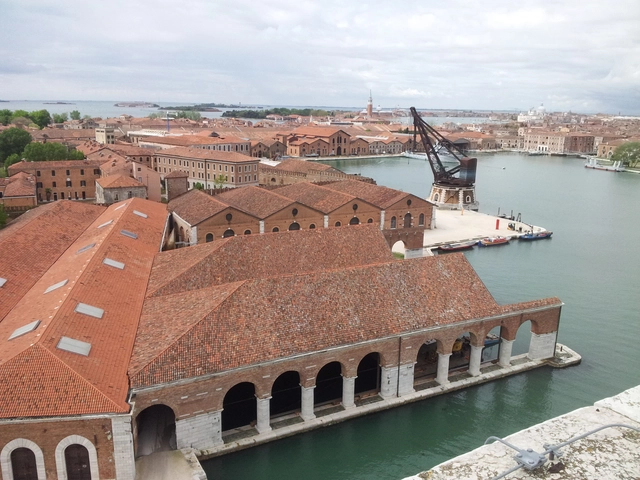
Announced today in a live presentation, the 18th International Architecture Exhibition, titled The Laboratory of the Future, curated by Lesley Lokko, will be open to the public from May 20 to November 26, 2023, in Venice, Italy. This edition will include 63 National Pavilions, 27 of which are at the Giardini, 22 at the Arsenale, and 14 in the city center of Venice. Structured in six parts, the exhibition will include 89 Participants, over half of whom are from Africa or the African Diaspora, with a 50/50 gender balance, and an average age of 43 for participants. Contributors include Adjaye Associates, atelier masōmī, Kéré Architecture, MASS Design Group, Sumayya Vally and Moad Musbahi, Theaster Gates Studio, Andrés Jaque / Office for Political Innovation, Liam Young, Neri&Hu Design and Research Office, to name a few.

2023 Venice Architecture Biennale: 63 National Pavilions and 89 Participants with Significant Representation from Africa - Image 1 of 42023 Venice Architecture Biennale: 63 National Pavilions and 89 Participants with Significant Representation from Africa - Image 2 of 42023 Venice Architecture Biennale: 63 National Pavilions and 89 Participants with Significant Representation from Africa - Image 3 of 42023 Venice Architecture Biennale: 63 National Pavilions and 89 Participants with Significant Representation from Africa - Image 4 of 42023 Venice Architecture Biennale: 63 National Pavilions and 89 Participants with Significant Representation from Africa - More Images+ 8

The Pritzker Architecture Prize Releases Ceremony Video to Honor 2022 Laureate, Francis Kéré

Honoring the 2022 Laureate, the Burkinabé architect Francis Kére, The Pritzker Prize releases a ceremony video from the recently opened Marshall Building at the LSE, designed by the 2020 Pritzker Laureates Yvonne Farrell, and Shelley McNamara. The documentary includes remarks by the awardee, Tom Pritzker, and previous Laureates such as Alejandro Aravena, Norman Foster, Anne Lacaton, and Jean-Philippe Vassal. This ceremony presents Kéré with the 2022 Pritzker Prize medallion, the highest honor in architecture, certifying him as a Laureate for his extraordinary work with communities and architectural ingenuity.

The Pritzker Architecture Prize Releases Ceremony Video to Honor 2022 Laureate, Francis Kéré - Image 1 of 4The Pritzker Architecture Prize Releases Ceremony Video to Honor 2022 Laureate, Francis Kéré - Image 2 of 4The Pritzker Architecture Prize Releases Ceremony Video to Honor 2022 Laureate, Francis Kéré - Image 3 of 4The Pritzker Architecture Prize Releases Ceremony Video to Honor 2022 Laureate, Francis Kéré - Image 4 of 4The Pritzker Architecture Prize Releases Ceremony Video to Honor 2022 Laureate, Francis Kéré - More Images+ 2

In Times of Need: Architects Stepping Up in Humanitarian Crisis

Subscriber Access | 

Hard times bring people together. In recent years we have seen how collective work can be a driving force to help those affected by natural or man-made disasters. After a disaster or displacement, a safe physical environment is often essential. Therefore, the need for coordination becomes a key factor in assisting people in times of need.

Architects, as "Shelter Specialists", play an important role in creating safe and adequate environments, whether it is individual housing, public buildings, schools, or emergency tent camps. But as architect Diébédo Francis Kéré says, "When you have nothing and you want to convince your community to believe in an idea, it may happen that everybody starts working with you, but you need to keep fighting to convince them."

In Times of Need: Architects Stepping Up in Humanitarian Crisis - Image 1 of 4In Times of Need: Architects Stepping Up in Humanitarian Crisis - Image 2 of 4In Times of Need: Architects Stepping Up in Humanitarian Crisis - Image 3 of 4In Times of Need: Architects Stepping Up in Humanitarian Crisis - Image 4 of 4In Times of Need: Architects Stepping Up in Humanitarian Crisis - More Images+ 25

Exploring Chinese Rural Construction Strategies Based On Diébédo Francis Kéré’s Philosophy

Subscriber Access | 

The immensity of China leads to the diversity of customs and climatic conditions. Each area has its own unique materials, construction methods, and climate adaptation measures. The regional characteristics of Chinese architecture are generally preserved in rural buildings. But we cannot overlook how contemporary technology may considerably improve the living and use conditions of rural buildings. What is the best way to create a balance between classic or inherent technology and new ones? How would the construction of rural architecture provide inspiration for the development of Chinese architectural cultural symbols?

2022 Pritzker Architecture Prize winner Diébédo Francis Kéré reported the great solutions of Burkina Faso. Kéré insists to build comfortable buildings at a reasonable price; to make users happy and inspire them to dream of a better life. The pride of the local culture is reinforced by the use of local materials and traditional techniques. And then Kéré‘s works in other countries show cultural emblems of Burkina Faso, which are the consequence of his own cultural accumulation.

Exploring Chinese Rural Construction Strategies Based On Diébédo Francis Kéré’s Philosophy - Image 1 of 4Exploring Chinese Rural Construction Strategies Based On Diébédo Francis Kéré’s Philosophy - Image 2 of 4Exploring Chinese Rural Construction Strategies Based On Diébédo Francis Kéré’s Philosophy - Image 3 of 4Exploring Chinese Rural Construction Strategies Based On Diébédo Francis Kéré’s Philosophy - Image 4 of 4Exploring Chinese Rural Construction Strategies Based On Diébédo Francis Kéré’s Philosophy - More Images+ 15

Martha Thorne on Francis Kéré: "He Gives a Powerful Message about the Expanding Role of Architecture"

Pritzker Prize 2022 Laureate Francis Kéré is known for “empowering and transforming communities through the process of architecture”, as the jury stated in its citation. In this recently published video, Martha Thorne, Dean of IE School of Architecture and Design and former executive director of the Pritzker Architecture Prize, shares some of the reasons why Francis Kéré has won the Pritzker Prize 2022.

“Architecture Is Much More Than Art, and It Is by Far More Than Just Buildings:” in Conversation With Francis Kéré

Subscriber Access | 

Meet 2022 Pritzker Architecture Prize winner, Francis Kéré, Burkina Faso-born black architect, in an interview about his architectural philosophy, with Louisiana Channel. As the official statement of the Pritzker Architecture Prize notes, “Through buildings that demonstrate beauty, modesty, and invention, and by the integrity of his architecture and geste, Kéré gracefully upholds the mission of this Prize”, continually “empowering and transforming communities through the process of architecture.”

“Architecture Is Much More Than Art, and It Is by Far More Than Just Buildings:” in Conversation With Francis Kéré - Image 1 of 4“Architecture Is Much More Than Art, and It Is by Far More Than Just Buildings:” in Conversation With Francis Kéré - Image 2 of 4“Architecture Is Much More Than Art, and It Is by Far More Than Just Buildings:” in Conversation With Francis Kéré - Image 3 of 4“Architecture Is Much More Than Art, and It Is by Far More Than Just Buildings:” in Conversation With Francis Kéré - Image 4 of 4“Architecture Is Much More Than Art, and It Is by Far More Than Just Buildings:” in Conversation With Francis Kéré - More Images+ 16

Why Francis Kéré Won the Pritzker Prize?

Why Francis Kéré Won the Pritzker Prize? - Image 1 of 4
Francis Kéré, 2022 Pritzker Prize Laureate . Image © Lars Borges

Last Tuesday, March 15, Francis Kéré became the first African architect to win the Pritzker Prize, the most important award in the architecture discipline.

The election of Kéré is not only symbolic in a time of identity demands, where the institutions that make up the mainstream are required to more faithfully represent the social, cultural, and sexual realities that make up our societies, but it also confirms the recent approach of the Pritzker Prize jury.

Why Francis Kéré Won the Pritzker Prize? - Image 2 of 4Why Francis Kéré Won the Pritzker Prize? - Image 3 of 4Why Francis Kéré Won the Pritzker Prize? - Image 5 of 4Why Francis Kéré Won the Pritzker Prize? - Image 6 of 4Why Francis Kéré Won the Pritzker Prize? - More Images+ 3