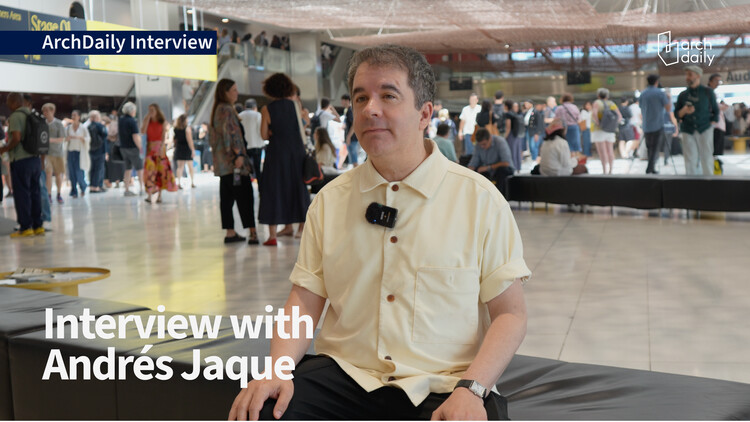
At the UIA World Congress of Architects 2026 in Barcelona, the theme Becoming. Architectures for a Planet in Transition framed architecture as a discipline operating within environmental, political, and social transformations rather than outside them. Among the speakers participating in this edition was architect Andrés Jaque, founder of the Office for Political Innovation and Dean of Columbia University's Graduate School of Architecture, Planning and Preservation (GSAPP). During the Congress, ArchDaily spoke with Jaque about architecture's capacity to generate alternatives, the role of experimentation in education, and why transition should be understood as a condition rather than a destination.
Andrés Jaque / Office for Political Innovation: The Latest Architecture and News
"Design Is Inseparable from Activism": In Conversation with Andrés Jaque at the UIA World Congress of Architects 2026
https://www.archdaily.com/1181438/design-is-inseparable-from-activism-in-conversation-with-andres-jaque-at-the-uia-world-congress-of-architects-2026Reyyan Dogan
MVRDV, Heatherwick Studio, and Mecanoo Among Five Shortlisted Teams for Shift Sustainability Landmark in Rotterdam

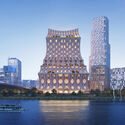
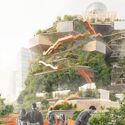
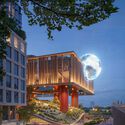
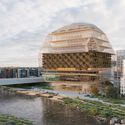
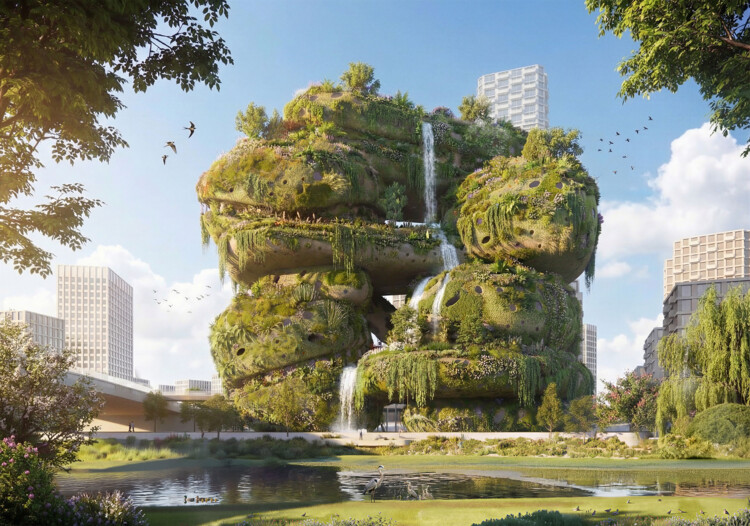
Shift, a company offering digital programs to reduce carbon emissions through individual behavior change, has announced the five finalist teams advancing to Stage Two of its international architecture competition. Launched in January 2025, the Shift International Architecture Competition called for proposals to design "the Shift Landmark": a 25,000 to 30,000 m² building in Waterkant, a new waterfront district in southern Rotterdam. The project includes a hotel, a conference and meeting center, and a sustainable food court. Its objective is to set a new standard for a purpose-driven destination that turns circular living into "something individuals, companies, and organisations can feel, experience, and act on." The five shortlisted design concepts reflect different visions of sustainability and climate action, developed by teams led by the European offices of MVRDV (Netherlands), Heatherwick Studio (United Kingdom), Office for Political Innovation (Spain), Mecanoo (Netherlands), and Ecosistema Urbano (Spain).
https://www.archdaily.com/1039284/mvrdv-heatherwick-studio-mecanoo-ecosistema-urbano-and-office-for-political-innovation-shortlisted-for-shift-sustainability-landmark-in-rotterdamAntonia Piñeiro
When Eating Becomes Spatial: 14 Projects Built Around Shared Meals

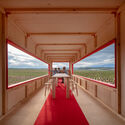
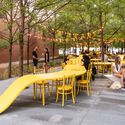
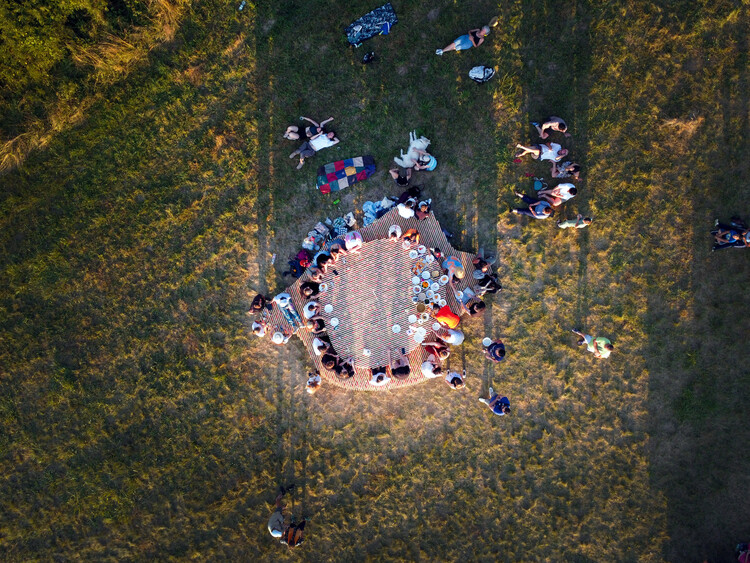
In recent years, food has taken on a renewed role within architecture, not simply as a program or typology, but as a shared spatial practice. Beyond restaurants or dining design, communal eating spaces are increasingly understood as environments where presence, ritual, and time intersect, allowing people to gather, stay, and coexist. In these settings, eating does not just happen within space; it actively shapes it, temporarily transforming ordinary, borrowed, or improvised environments into places of exchange.
This shift is visible across a wide range of built projects, installations, and community spaces that use shared meals as a way of bringing people together. Initiatives such as Fondo Supper Club frame dining as a social platform, using food to connect artists, designers, and local communities through conversation and collaboration. Similarly, sit.feast, presented during Milan Design Week 2024, approached the table as a spatial installation, one where sitting and eating together became the primary means of collectively producing space.

https://www.archdaily.com/1037478/when-eating-becomes-spatial-14-projects-built-around-shared-mealsDaniela Andino
Beyond Human-Centered Architecture: Designing Spaces with Other Species

As architecture moves beyond human-centered design, new practices are rethinking coexistence as an ethical and ecological framework. From political infrastructures to habitats, these approaches invite us to imagine architecture as a shared living system.
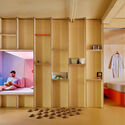
Modern architecture has long been written through an anthropocentric lens, placing the human at its center and rendering other species invisible. Yet this paradigm continues to shift, as architects and researchers redefine the role of design in more-than-human worlds. Studios such as Office for Political Innovation, Studio Ossidiana, and Husos Architects are questioning human-centered narratives and reframing design as a shared practice between species. In this context, architecture is no longer a tool of control but a medium for coexistence, a discipline that mediates between species, environments, and cultures.


https://www.archdaily.com/1035986/beyond-human-centered-architecture-designing-spaces-with-other-speciesDaniela Andino
An Unfolding Crisis with a Hopeful Outlook: Highlights from the Projects Exhibited at Venice Architecture Biennale 2025
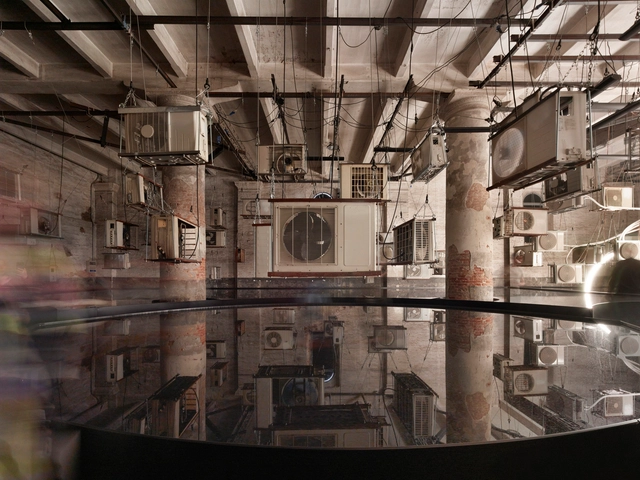
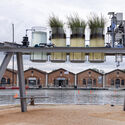
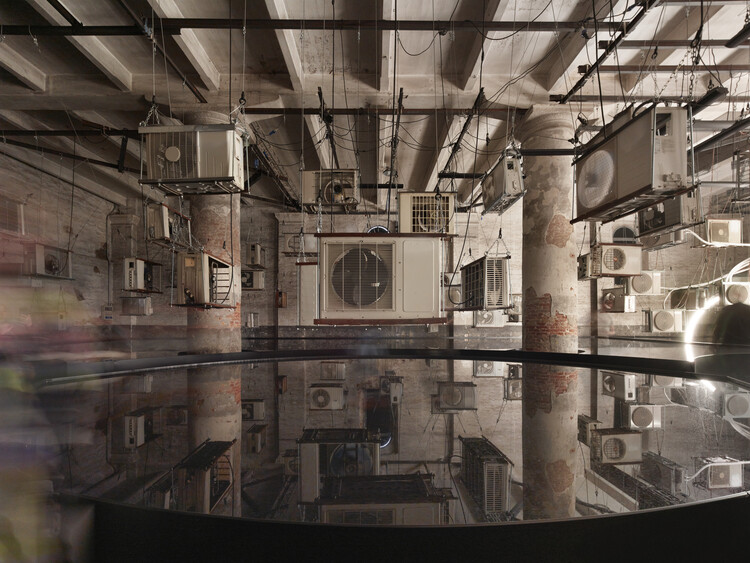
Under Carlo Ratti's curatorship, the Venice Biennale's 19th International Architecture Exhibition delves into the theme "Intelligens. Natural. Artificial. Collective," with the explicit aim of transforming the city of Venice into a "Living Laboratory." In addition to the 65 national participations and a wide range of educational and collateral events, the exhibition features independent projects that directly respond to the overarching theme. With most of the exhibits showcased in the historic Corderie building, stretching along the south side of the Arsenale, the event offers a dynamic exploration of emerging architectural ideas and urban strategies.
https://www.archdaily.com/1031098/an-unfolding-crisis-with-a-hopeful-outlook-highlights-from-the-projects-exhibited-at-venice-architecture-biennale-2025Maria-Cristina Florian
Discover the Full List of Special Projects and Participants of the 2025 Venice Architecture Biennale
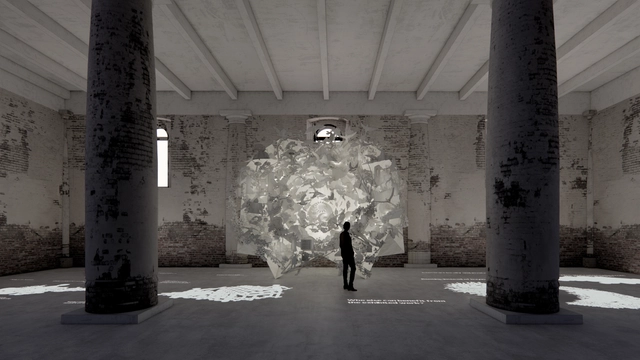
The 19th International Architecture Exhibition, organised by La Biennale di Venezia under Carlo Ratti's curatorship and the theme "Intelligens. Natural. Artificial. Collective," is set to transform Venice into a "Living Laboratory" of experimentation and collaboration. This year's special projects extend beyond the exhibition grounds, integrating into various city locations and Forte Marghera in Mestre, providing an alternative perspective that expands the reach of architectural discourse.
The Biennale promises to be a dynamic platform uniting over 750 participants from diverse backgrounds, including architects, engineers, mathematicians, climate scientists, and artists. Such a broad coalition of over 280 projects underlines the Exhibition's focus on inclusivity and interdisciplinary collaboration, an essential aspect for adaptation. The selection process proposed a bottom-up, open call approach through the Space for Ideas initiative, which ran between May and June 2024. It encouraged participation from global teams, from Pritzker Prize winners and Nobel laureates to emerging architects and scientists.


https://www.archdaily.com/1029692/discover-the-full-list-of-special-projects-and-participants-of-the-2025-venice-architecture-biennaleMaria-Cristina Florian
"Architecture Is Not Just the Provision of Space:" Andrés Jaque on the Roles of Architecture in Louisiana Channel Interview
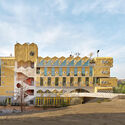
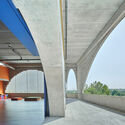
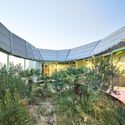
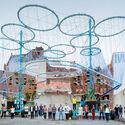
In the interview conducted by Louisiana Channel, architect Andrés Jaque discusses his foundational interest in architecture and his perspective on its role in shaping society. Jaque, founder of the Office for Political Innovation, emphasizes the creative potential of architecture to intervene in reality and reconnect all elements of the environment. He also goes into perspective on the political aspect of architecture, an interest from which the name of his office derives, as well as his perspectives on the true meaning of sustainability.

https://www.archdaily.com/1020834/architecture-is-not-just-the-provision-of-space-andres-jaque-on-the-roles-of-architecture-in-louisiana-channel-interviewMaria-Cristina Florian
Madrid Architecture City Guide: 27 Brutalist and Contemporary Attractions to Explore in the Spanish Capital
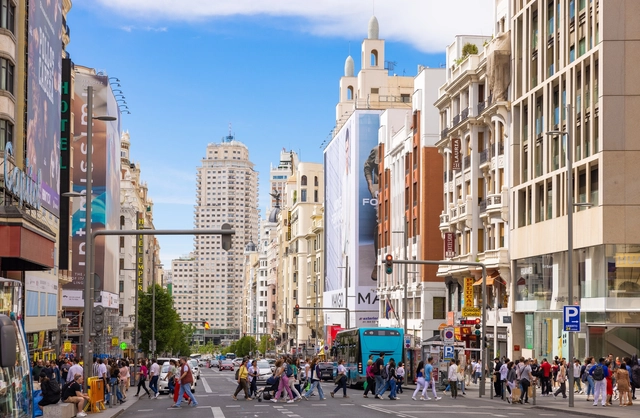
Madrid, the vibrant capital of Spain, offers a blend of tradition and modernity, reflected in its diverse architectural heritage. This rich past is etched into the old façades, expansive public spaces, and historic religious institutions that define much of Madrid’s character today. The city’s continuous architectural renewal, reflected in both respectful restorations and innovative new constructions, highlights Madrid’s commitment to preserving its heritage while embracing modernity.
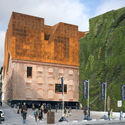
In the 20th century, Madrid embraced modernity, influenced by movements such as Rationalism, the International Style, and Brutalism. Today, Madrid is a showcase for contemporary design, where contemporary projects by renowned architects coexist with its historical legacy. Structures like the CaixaForum by Herzog & de Meuron and Jean Nouvel’s Reina Sofía Museum exemplify the city’s interest in architectural explorations

https://www.archdaily.com/157900/architecture-city-guide-madridMaria-Cristina Florian
Intersectional Design: Rethinking Architecture for the Future
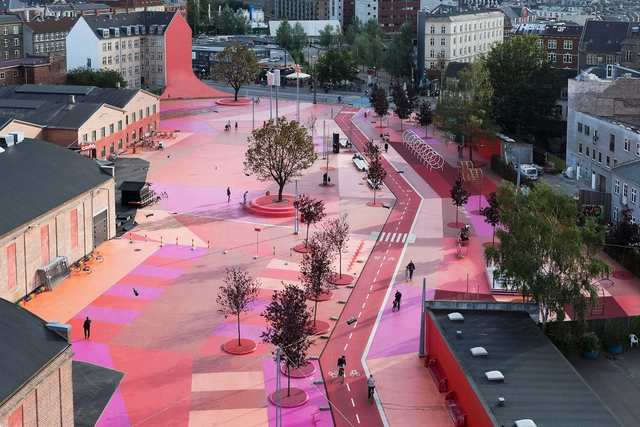
Design stems from nuance, empathy, and understanding. The best solutions address the needs, identities, and context of a client and place. A designer's response needs to be informed by these different realities. Intersectional Design is a method of designing by thinking through how factors of identity (gender, race, sexuality, class, and many more) interact with one another. In understanding how these factors combine, we can more deeply understand the context of use and an individual user's priorities.


https://www.archdaily.com/967692/intersectional-design-rethinking-architecture-for-the-futureEric Baldwin
Shininess Explored: Andrés Jaque / Office for Political Innovation's Installation at the 2023 Venice Architecture Biennale
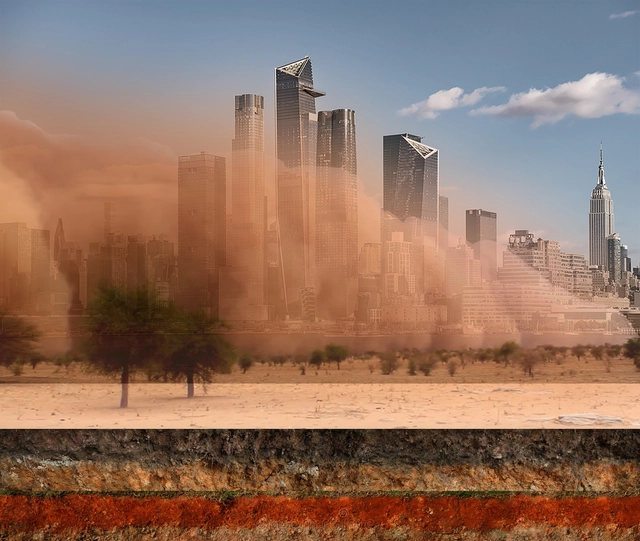
The Office for Political Innovation, led by Andrés Jaque, collaborated with a network of activists and community representatives from Xholobeni (South Africa), experts in seismographs and transduction from Poland, researchers, sound editors, and prop makers to bring a research-based installation at the Arsenale of the 18th Venice Architecture Biennale. Titled ‘XHOLOBENI YARDS. Titanium and the Planetary Making of SHININESS / DUSTINESS,’ the intervention addresses architecture’s problematic fascination with shininess.



https://www.archdaily.com/1001862/shininess-explored-andres-jaque-office-for-political-innovations-installation-at-the-2023-venice-architecture-biennaleMaria-Cristina Florian
2023 Venice Architecture Biennale: 63 National Pavilions and 89 Participants with Significant Representation from Africa
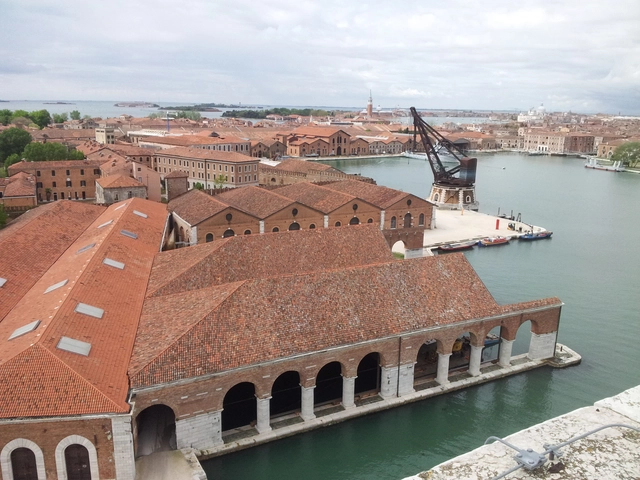
Announced today in a live presentation, the 18th International Architecture Exhibition, titled The Laboratory of the Future, curated by Lesley Lokko, will be open to the public from May 20 to November 26, 2023, in Venice, Italy. This edition will include 63 National Pavilions, 27 of which are at the Giardini, 22 at the Arsenale, and 14 in the city center of Venice. Structured in six parts, the exhibition will include 89 Participants, over half of whom are from Africa or the African Diaspora, with a 50/50 gender balance, and an average age of 43 for participants. Contributors include Adjaye Associates, atelier masōmī, Kéré Architecture, MASS Design Group, Sumayya Vally and Moad Musbahi, Theaster Gates Studio, Andrés Jaque / Office for Political Innovation, Liam Young, Neri&Hu Design and Research Office, to name a few.


https://www.archdaily.com/996820/2023-venice-architecture-biennale-63-national-pavilions-and-89-participants-with-significant-representation-from-africaChristele Harrouk
Andrés Jaque's Rambla Climate-House and TO studio's Khitara Music Public Kiosk Win the Simon Architecture Prize 2022
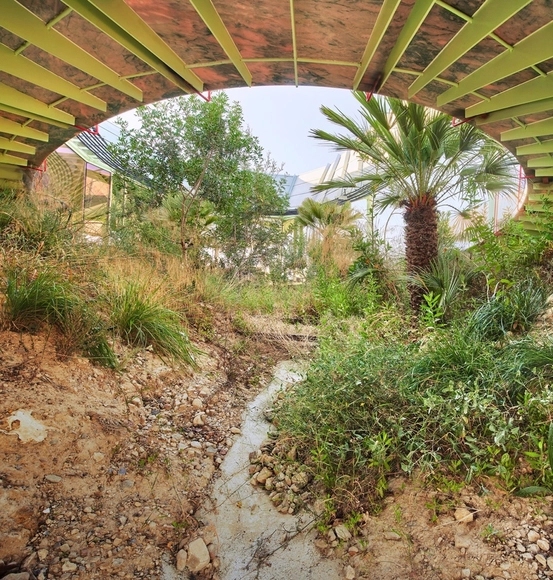
On February 15, 2023, the Living Places / Simon Architecture Prize 2023 award ceremony was held in Barcelona. An initiative by Simon, with the support of the Fundació Mies van der Rohe, the prize seeks to recognize excellence in architecture from the perspective of the inhabitant. In fact, "it distinguishes those works which strengthen the ability of adaptability of spaces to reach comfort and well-being to its residents".
https://www.archdaily.com/996576/andres-jaques-rambla-climate-house-and-to-studios-khitara-music-public-kiosk-win-the-simon-architecture-prize-2022Fabian Dejtiar
2022 TAB Announces Record Numbers and Extension of Winning Installation Until 2024
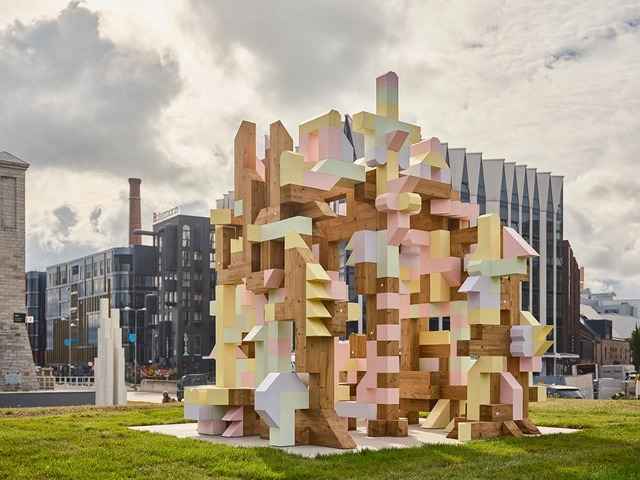
Tallinn Architecture Biennale 2022: "Edible; Or, The Architecture of Metabolism" announced record numbers in its 6th edition after 3 months of exhibitions in Estonia's capital. From installations and a symposium to satellite events, the biennale received in its opening week a record of circa 3000 visitors between architects, planners, designers, and students from more than 20 countries. Due to the successful outcome, the Installation "Fungible Non-Fungible" will be installed until 2024 marking the beginning of the 7th TAB.


https://www.archdaily.com/994174/2022-tab-announces-record-numbers-and-extension-of-winning-installation-until-2024Paula Cano
Andrés Jaque Named Dean of Columbia GSAPP
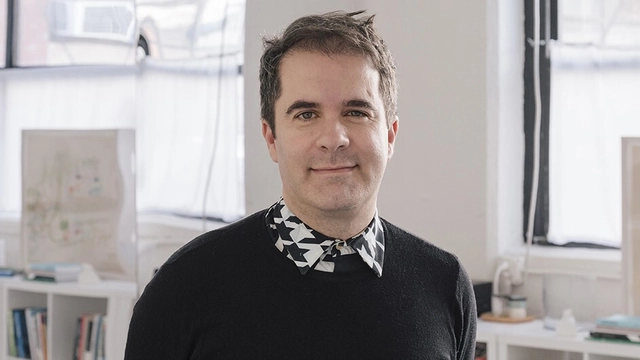
Andrés Jaque has been appointed as the new dean of the Columbia University Graduate School of Architecture, Planning and Preservation (GSAPP). Having taught at Columbia since 2013 and directed the School’s Master of Science program in Advanced Architectural Design since 2018, Jaque will assume his position on September 1, 2022.
https://www.archdaily.com/987540/andres-jaque-named-dean-of-columbia-gsappNicolás Valencia
Small Cafe Designs: 30 Aspirational Examples in Plan & Section
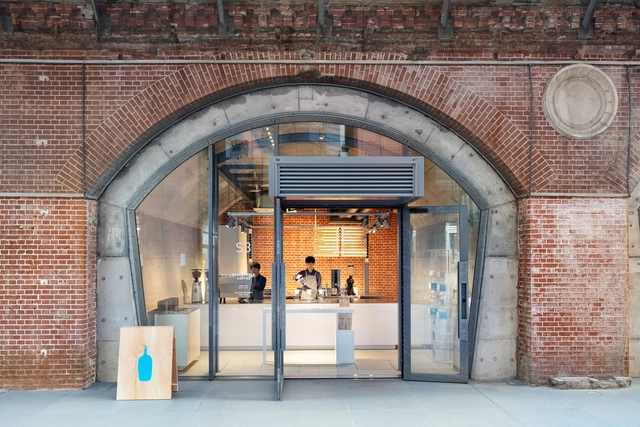


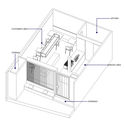

The interior design of a coffee shop can make-or-break an establishment. With an inviting design, you can transform drinking a simple cup of coffee into a wonderful experience. However, when you only have a few square meters and various machines and properties to distribute, finding an efficient configuration is not easy.
https://www.archdaily.com/896529/small-cafe-designs-20-aspirational-examples-in-plan-and-sectionClara Ott
On the Ongoing Hostilities: Architectural Institutions Rally in Support of Ukraine

On the 24th of February 2022, Russia launched a large-scale invasion of Ukraine. Set to become Europe’s largest refugee crisis and armed conflict in this century, so far, this war has mobilized people across the world in order to exert pressure on authorities and put a stop to the armed hostilities. Individuals, as well as institutions in the architectural field, have taken part in these acts of solidarity, issuing statements, condemning actions, and even halting their work in Russia. From the UIA to MVRDV to Russian Institutions such as Strelka, the architecture world is denouncing the acts of violence and supporting an immediate cease of fire.


https://www.archdaily.com/977781/on-the-ongoing-hostilities-architectural-institutions-rally-in-support-of-ukraineChristele Harrouk
Graham Foundation Announces 2020 Individual Grants
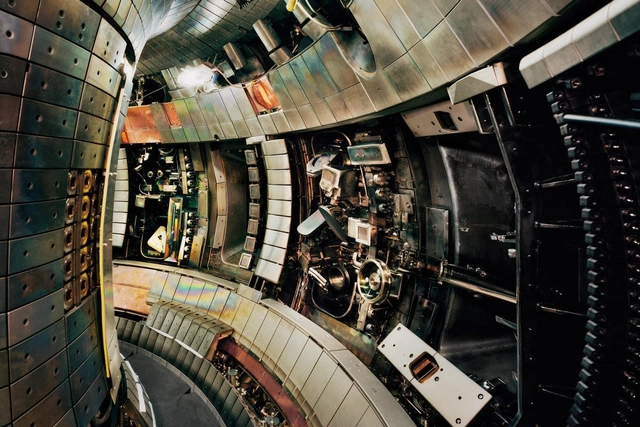
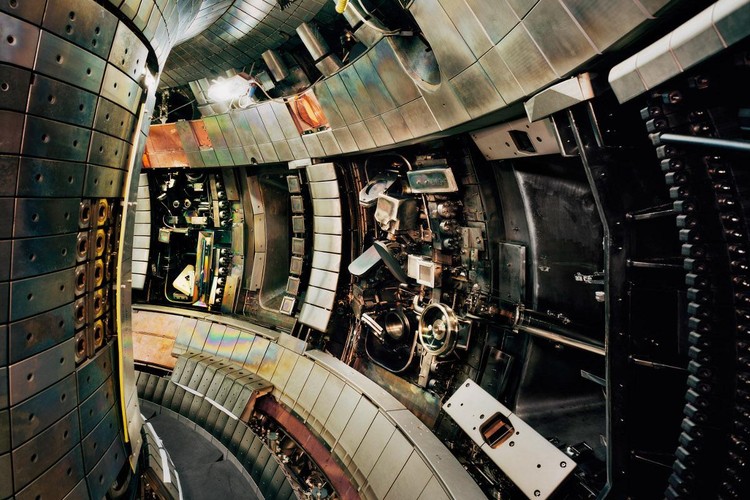
The Graham Foundation for Advanced Studies in the Fine Arts has announced 2020 Grants to Individuals. A total of 52 new grants will support critical projects that tackle contemporary issues, broaden historical perspectives, and explore the future of architecture and the designed environment. They are awarded for research, exhibitions, publications, films, and digital initiatives, among other formats.



https://www.archdaily.com/944835/graham-foundation-announces-2020-individual-grantsEric Baldwin
"Bodies of Water": PSA Announces the Theme for the 13th Shanghai Biennale
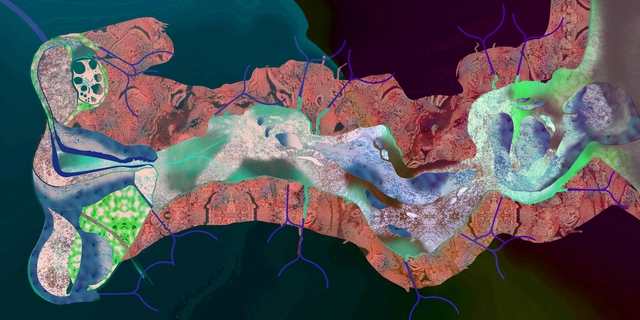
Power Station of Art (PSA) has announced the curatorial team and theme for the 13th Shanghai Biennale, proposed by its Chief Curator, the architect and writer Andrés Jaque (Office for Political Innovation).
https://www.archdaily.com/941137/psa-announces-theme-for-the-13th-shanghai-biennale韩爽 - HAN Shuang