1. ArchDaily
  2. Gando

Gando: The Latest Architecture and News

Architecture that Empowers Communities: The Stories Behind Francis Kéré’s Projects

Subscriber Access | 

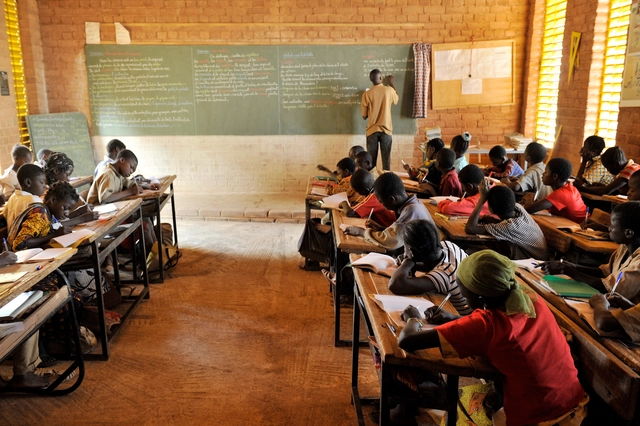
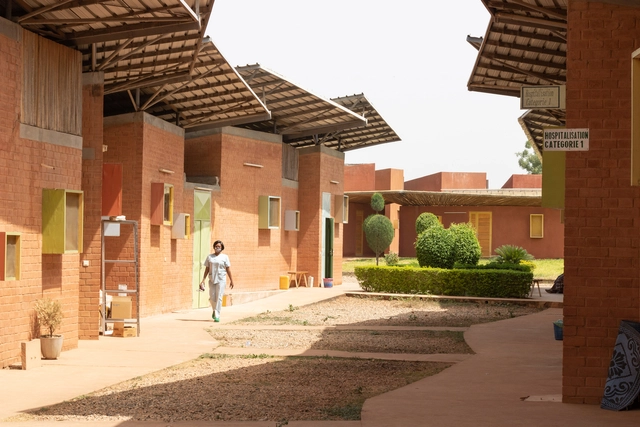
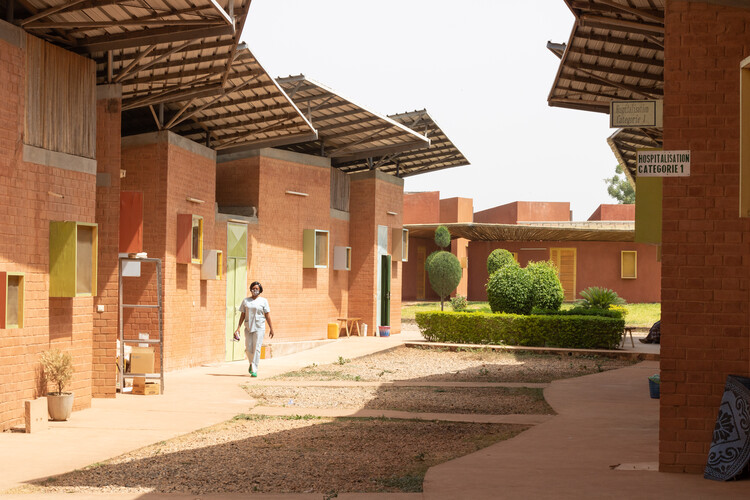
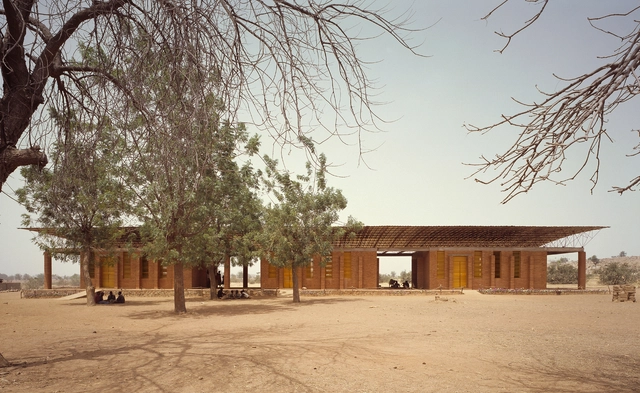
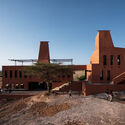
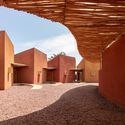
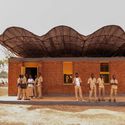
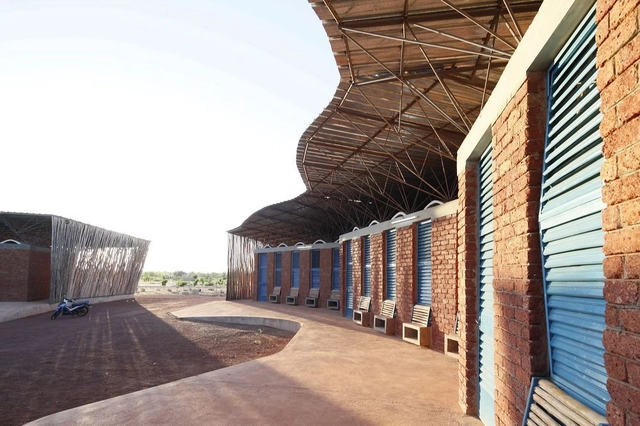
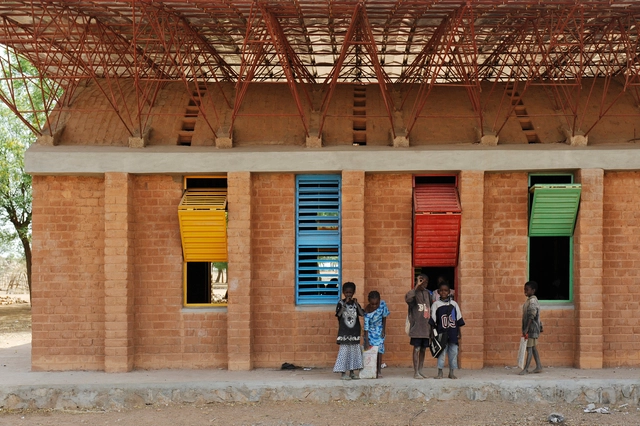
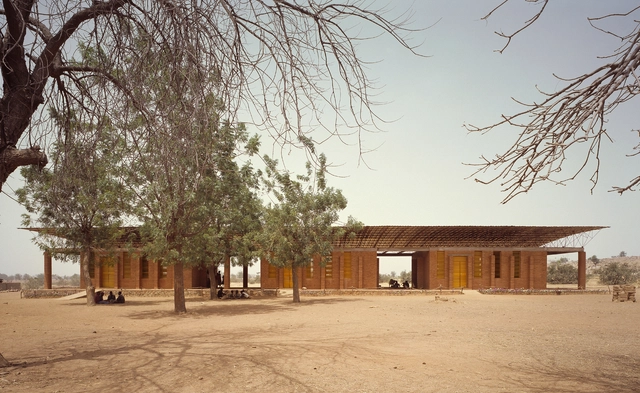
"My only concern is that my work must have a positive impact on the communities in which it is embedded," states Francis Kéré in his book Francis Kéré: Building Stories. His own life story, the context in which he was raised, and the experiences he has lived through all shape his approach to architecture. It is a commitment that extends to people and the places they call home—one that values materiality, collective learning, and the exchange of knowledge. Discovering the stories behind projects such as Primary School in Gando and Naaba Belem Goumma Secondary School inspires reflection on how to design spaces that truly serve humanity.

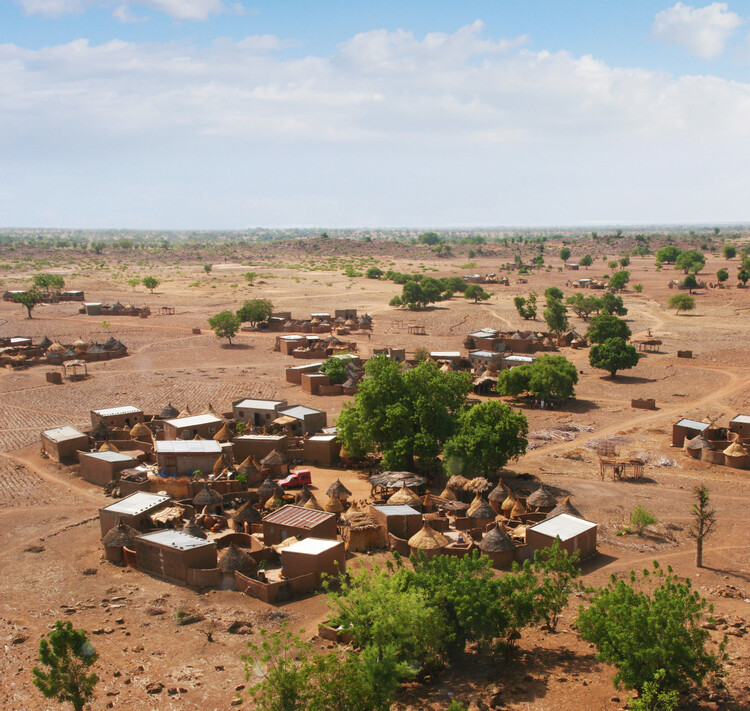
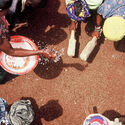
Francis Kéré's story begins in a village in sub-Saharan Africa and extends across many places. Gando was the setting of his first education, where he absorbed the essence and principles that later shaped the core values of his career alongside influences from other cultures. The structure of Gando is formed by different families who organize themselves, according to established customs, within courtyards scattered across the savanna. Growing up in this remote village in the Burkina Faso savanna fosters a strong sense of community, made tangible by the understanding that each resident of every courtyard is part of the life of the whole.
Architecture that Empowers Communities: The Stories Behind Francis Kéré’s Projects - Image 1 of 4Architecture that Empowers Communities: The Stories Behind Francis Kéré’s Projects - Image 2 of 4Architecture that Empowers Communities: The Stories Behind Francis Kéré’s Projects - Image 3 of 4Architecture that Empowers Communities: The Stories Behind Francis Kéré’s Projects - Image 4 of 4Architecture that Empowers Communities: The Stories Behind Francis Kéré’s Projects - More Images+ 25

“Architecture Is Much More Than Art, and It Is by Far More Than Just Buildings:” in Conversation With Francis Kéré

Subscriber Access | 

Meet 2022 Pritzker Architecture Prize winner, Francis Kéré, Burkina Faso-born black architect, in an interview about his architectural philosophy, with Louisiana Channel. As the official statement of the Pritzker Architecture Prize notes, “Through buildings that demonstrate beauty, modesty, and invention, and by the integrity of his architecture and geste, Kéré gracefully upholds the mission of this Prize”, continually “empowering and transforming communities through the process of architecture.”

“Architecture Is Much More Than Art, and It Is by Far More Than Just Buildings:” in Conversation With Francis Kéré - Image 1 of 4“Architecture Is Much More Than Art, and It Is by Far More Than Just Buildings:” in Conversation With Francis Kéré - Image 2 of 4“Architecture Is Much More Than Art, and It Is by Far More Than Just Buildings:” in Conversation With Francis Kéré - Image 3 of 4“Architecture Is Much More Than Art, and It Is by Far More Than Just Buildings:” in Conversation With Francis Kéré - Image 4 of 4“Architecture Is Much More Than Art, and It Is by Far More Than Just Buildings:” in Conversation With Francis Kéré - More Images+ 16

"It’s Not Because You Are Limited in Resources That You Should Accept Mediocrity": Interview with Francis Kéré, 2022 Pritzker Winner

African architecture has received deserved international attention in the last decade and one of the main responsible for this is, undoubtedly, Diébédo Francis Kéré, 2022 Pritzker Prize Winner. Born in Gando, Burkina Faso, Kéré graduated in architecture at the Technische Universität Berlin, in Germany. Today, he maintains branches of his firm, Kéré Architecture, in both countries, through which he seeks to develop works in the "intersection of utopia and pragmatism", exploring the border between Western architecture and local practice.

Known for involving community in the construction process of its buildings, Kéré and his office have developed works that go beyond the conventional limits of architecture and touch on themes such as local economy, migration, culture and equity. We had the pleasure and privilege of talking with the architect about some of his projects and his broader vision on architecture. Read the full interview below.

Who Is Diébédo Francis Kéré? 15 Things to Know About the 2022 Pritzker Architecture Laureate

Subscriber Access | 

"I just wanted my community to be a part of this process," Diébédo Francis Kéré said in an ArchDaily interview published last year. It's hard to think of another phrase that so well sums up the modesty and impact caused by the newest winner of the Pritzker Prize of Architecture, whose work gained notoriety precisely for involving the inhabitants of his village in the construction of works that combine ethical commitment, environmental efficiency, and aesthetic quality.

Who Is Diébédo Francis Kéré? 15 Things to Know About the 2022 Pritzker Architecture Laureate - Image 1 of 4Who Is Diébédo Francis Kéré? 15 Things to Know About the 2022 Pritzker Architecture Laureate - Image 2 of 4Who Is Diébédo Francis Kéré? 15 Things to Know About the 2022 Pritzker Architecture Laureate - Image 3 of 4Who Is Diébédo Francis Kéré? 15 Things to Know About the 2022 Pritzker Architecture Laureate - Image 4 of 4Who Is Diébédo Francis Kéré? 15 Things to Know About the 2022 Pritzker Architecture Laureate - More Images+ 15

Francis Kéré: Get to Know the 2022 Pritzker Winner's Built Work

Subscriber Access | 

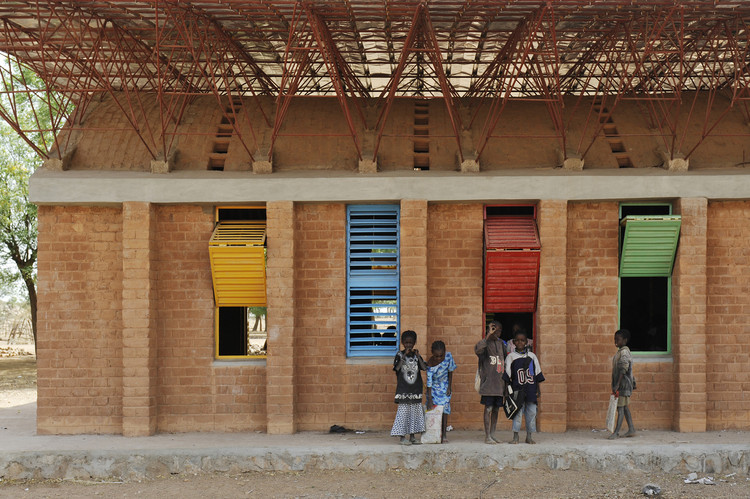
Diébédo Francis Kéré founded his architecture practice Kéré Architecture, in Berlin, Germany in 2005, after a journey in which he started advocating for the building of quality educational architecture in his home country of Burkina Faso. Deprived of proper classrooms and learning conditions as a child, and having faced the same reality as the majority of children in his country, his first works aimed at bringing tangible solutions to the issues faced by the community.

Francis Kéré: Get to Know the 2022 Pritzker Winner's Built Work - Image 1 of 4Francis Kéré: Get to Know the 2022 Pritzker Winner's Built Work - Image 2 of 4Francis Kéré: Get to Know the 2022 Pritzker Winner's Built Work - Image 3 of 4Francis Kéré: Get to Know the 2022 Pritzker Winner's Built Work - Image 4 of 4Francis Kéré: Get to Know the 2022 Pritzker Winner's Built Work - More Images+ 51

Francis Kéré Receives the 2022 Pritzker Architecture Prize

Subscriber Access | 

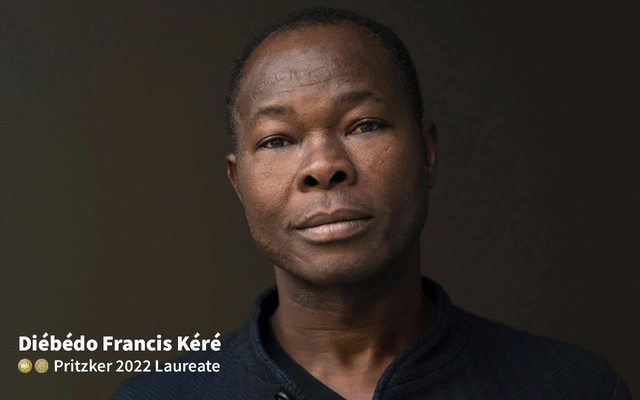
The 2022 laureate of architecture’s highest honor, the Pritzker Architecture Prize is Diébédo Francis Kéré, known as Francis Kéré, Burkina Faso-born architect, educator, social activist, receiver of the 2004 Aga Khan Award for Architecture and designer of the 2017 Serpentine Pavilion. Recognized for “empowering and transforming communities through the process of architecture”, Kéré, the first black architect to ever obtain this award, works mostly in areas charged with constraints and adversity, using local materials and building contemporary facilities whose value exceeds the structure itself, serving and stabilizing the future of entire communities.

“Through buildings that demonstrate beauty, modesty, boldness, and invention, and by the integrity of his architecture and geste, Kéré gracefully upholds the mission of this Prize,” explains the official statement of the Pritzker Architecture Prize. Announced today by Tom Pritzker, Chairman of The Hyatt Foundation, Francis Kéré is the 51st winner of the award founded in 1979, succeeding Anne Lacaton and Jean-Philippe Vassal. Praised “for the gifts he has created through his work, gifts that go beyond the realm of the architecture discipline”, the acclaimed architect is present equally in Burkina Faso and Germany, professionally and personally.

Francis Kéré Receives the 2022 Pritzker Architecture Prize - Image 1 of 4Francis Kéré Receives the 2022 Pritzker Architecture Prize - Image 2 of 4Francis Kéré Receives the 2022 Pritzker Architecture Prize - Image 3 of 4Francis Kéré Receives the 2022 Pritzker Architecture Prize - Image 4 of 4Francis Kéré Receives the 2022 Pritzker Architecture Prize - More Images+ 18

Rethinking History: New Architecture in Burkina Faso

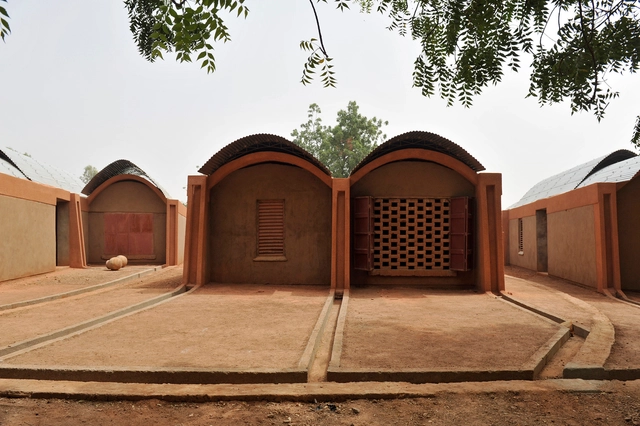
The history and architecture of Burkina Faso is tied to its landscape. As a landlocked country in western Africa, it occupies an extensive plateau with grassy savannas and sparse forests. More than two-thirds of the people live in rural villages, and as such, the country’s modern architecture is the product of ingenuity born from reimagining traditional building materials and techniques.

Rethinking History: New Architecture in Burkina Faso - Image 1 of 4Rethinking History: New Architecture in Burkina Faso - Image 2 of 4Rethinking History: New Architecture in Burkina Faso - Image 3 of 4Rethinking History: New Architecture in Burkina Faso - Image 4 of 4Rethinking History: New Architecture in Burkina Faso - More Images+ 1