Tsuyoshi Tane is a Japanese architect born in 1979 in Tokyo and based in Paris, where he founded ATTA – Atelier Tsuyoshi Tane Architects in 2006. Working across cultural, institutional, and landscape-related projects, Tane has developed an architectural approach that positions memory as a fundamental design driver. In his interview with Louisiana Channel, filmed in his Paris studio, Tane reflects on architecture as a discipline of observation and thought, arguing that meaningful design emerges from carefully reading the traces embedded within a site. For him, architecture is not produced on a blank slate but begins with an inquiry into what already exists, physically, culturally, and emotionally, beneath the surface of a place.
Louisiana Channel: The Latest Architecture and News
"A Place Remembers What Has Happened:" Tsuyoshi Tane on Memory as a Design Driver in Louisiana Channel Interview
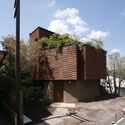
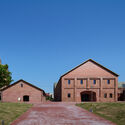


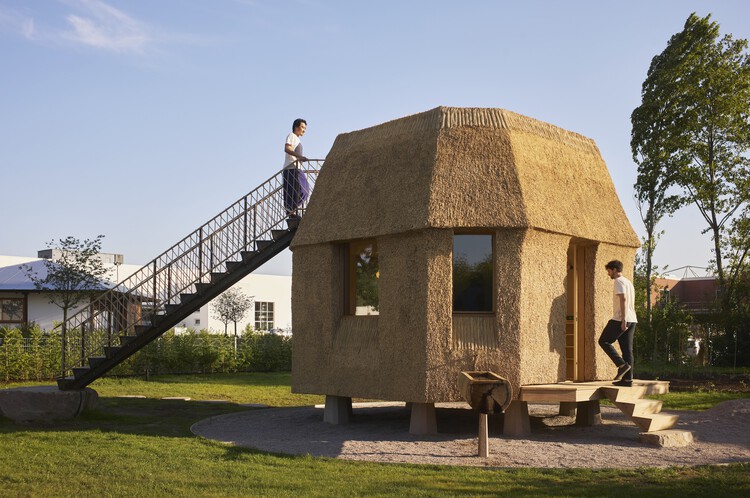
https://www.archdaily.com/1038454/a-place-remembers-what-has-happened-tsuyoshi-tane-on-memory-as-a-design-driver-in-louisiana-channel-interviewReyyan Dogan
"Beauty in Itself Is Dangerous:" Xu Tiantian on Moving Beyond Starchitecture in Louisiana Channel Interview
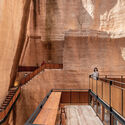
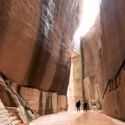
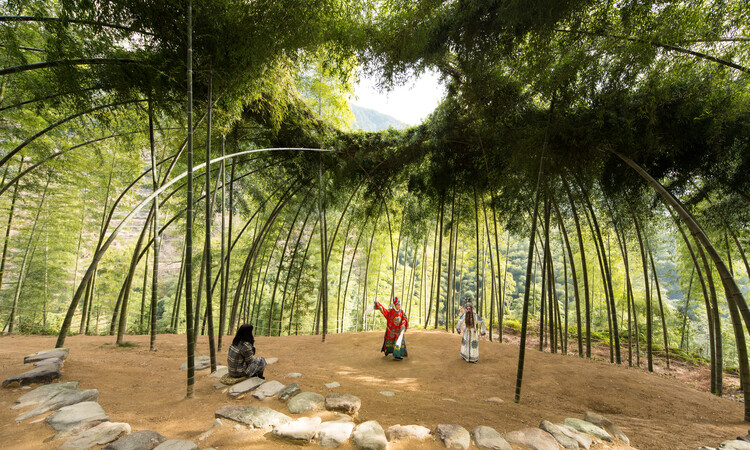
Xu Tiantian is the founding principal of DnA_Design and Architecture, an interdisciplinary practice that addresses both the physical and social dimensions of the contemporary living environment, across scales. Born in 1975 in Fujian, China, she received a Master of Architecture in Urban Design from the Harvard Graduate School of Design and a bachelor's degree in architecture from Tsinghua University in Beijing. Her recent work focuses on rural revitalization through a strategy she describes as "architectural acupuncture," understood as small-scale, site-specific interventions designed to activate local culture, agriculture, and tourism. These interventions, primarily concentrated in China's rural regions, have been recognized by UN-Habitat as a global model for urban–rural integration. In this interview with Louisiana Channel, she reflects on the role of the architect, questions architecture itself and the concept of beauty, explains her working methodology, and emphasizes the spatial dimension of nature.

https://www.archdaily.com/1041129/beauty-in-itself-is-dangerous-xu-tiantian-on-moving-beyond-starchitecture-in-louisiana-channel-interviewAntonia Piñeiro
“Living with Contrasts Is Something Very Meaningful:” Salwa and Selma Mikoü on Architecture and Craft in Louisiana Channel Interview
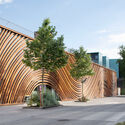
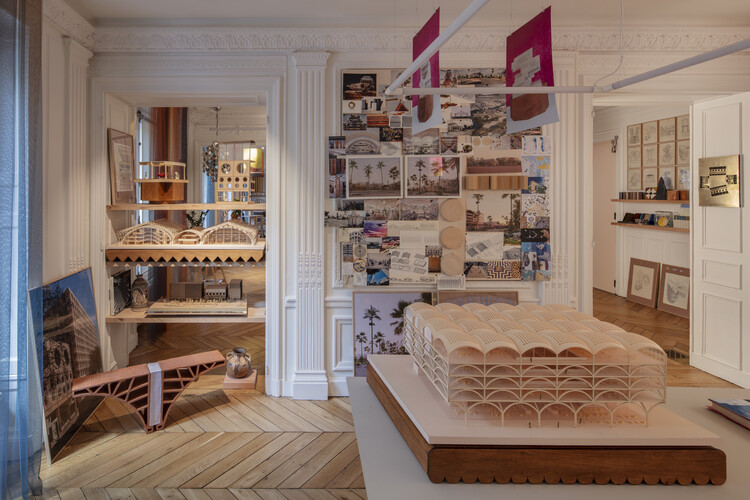
French-Moroccan architects and twin sisters Salwa and Selma Mikoü have developed a practice that brings together architecture, engineering, craftsmanship, and cultural memory. Founders of the Paris-based Mikoü Architecture, the sisters draw on their different approaches to design as well as their experience growing up between Morocco and France. In a recent interview with Louisiana Channel, they discuss the influence of Moroccan architecture on their work, their collaborative process, and their interest in bringing contemporary construction technologies into dialogue with craft traditions.
https://www.archdaily.com/1184803/living-with-contrasts-is-something-very-meaningful-salwa-and-selma-mikou-on-architecture-and-craft-in-louisiana-channel-interviewReyyan Dogan
“Art Is Not Fiction, but a Surplus Reality:” Pedro Reyes on Sculpture as Social Practice in Louisiana Channel Interview
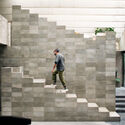
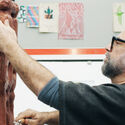
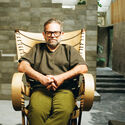
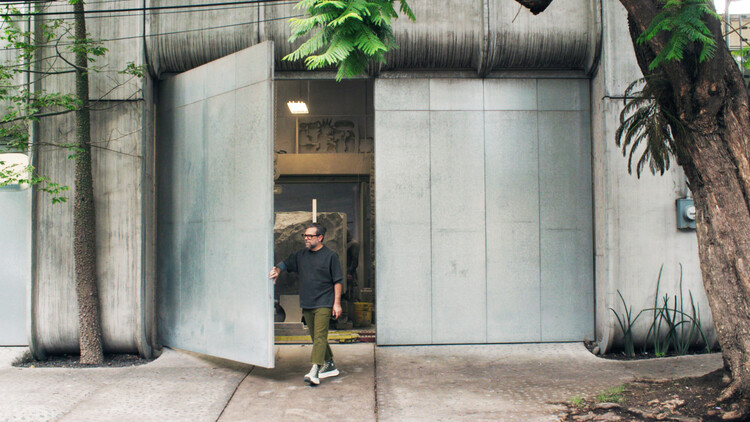
Mexican sculptor Pedro Reyes has developed a multidisciplinary practice that spans sculpture, architecture, social engagement, and activism. Trained as an architect, Reyes approaches sculpture as both a material and a collective process, combining traditional stone carving with participatory projects that address contemporary social issues. His work frequently explores transformation, whether through physical materials or community action, positioning sculpture as a tool for reimagining social realities. In a 2025 interview with Louisiana Channel, Reyes discusses the influence of architecture on his artistic practice, the concept of "social sculpture," and the importance of preserving craft traditions in an increasingly automated world.

https://www.archdaily.com/1042723/art-is-not-fiction-but-a-surplus-reality-pedro-reyes-on-sculpture-as-social-practice-in-louisiana-channel-interviewReyyan Dogan
"My Solutions Are Not Polite:" Liam Young on Architecture in the Age of Polycrisis in Louisiana Channel Interview
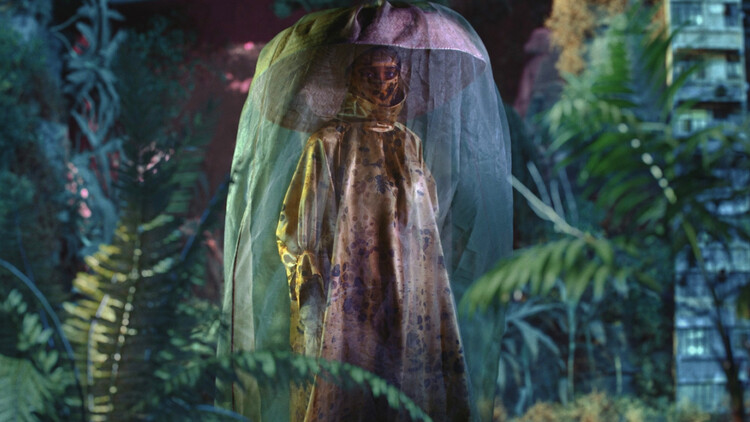
Australian artist, director, and BAFTA-nominated producer Liam Young creates imaginary worlds as a way of thinking through the futures we fear, desire, and are already making. As a creator and designer of atmospheres, he proposes speculative landscapes reflecting the possibilities of a world to come, whether ideal or truthfully unsettling. In his worldbuilding practice across the film, television, and video game industries, fiction becomes a tool for navigating the environmental urgencies of the present. He is considered a "futurist" working across design strategies, technological scenarios, and collective imaginations, grounded in his academic research yet reaching a wider audience in exhibitions such as "In Other Worlds" at the Barbican Centre in London and "Age of Nature" at the Danish Architecture Center in Copenhagen. In February 2026, he was interviewed by Marc-Christoph Wagner for Louisiana Channel, where he shares his visions of our future: from architecture consolidating as a boutique industry to the need for a new kind of planetary punk at the scale of the climate crisis.

https://www.archdaily.com/1042237/my-solutions-are-not-polite-liam-young-on-architecture-in-the-age-of-polycrisis-in-louisiana-channel-interviewAntonia Piñeiro
“Great Architecture Must Be Poetry:” Zhu Pei on Architecture as a Form of Art in Louisiana Channel Interview
Zhu Pei is a Chinese architect born in 1962 in Beijing. He studied at Tsinghua University and UC Berkeley, and founded Studio Zhu Pei in 2005. The studio's experimental work and research focus on contemporary architecture, art, and cultural projects. With an artistic and exploratory approach, it investigates the relationship between the roots that anchor architecture in specific natural and cultural contexts and the innovation that drives architecture as a form of artistic revolution. In his interview with Louisiana Channel, Zhu Pei describes architecture as an artistic discipline that, like poetry, relies on openness, imagination, and the creation of new experiences. He argues that great architecture goes beyond functional problem-solving by generating a sense of wonder through its ability to "invent" and "create some new thing, new experience," positioning architectural practice as cultural and sensory exploration rather than purely technical production.


https://www.archdaily.com/1036650/great-architecture-must-be-poetry-zhu-pei-on-architecture-as-a-form-of-art-in-louisiana-channel-interviewAntonia Piñeiro
"Build Something That Disappears": Gabriela Carrillo on Public Space Design in Louisiana Channel Interview
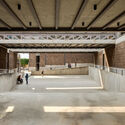
In this interview with Louisiana Channel, Mexican architect Gabriela Carrillo introduces us to the challenges that drive her work, particularly the projects carried out as a member of Colectivo C733, in which she currently participates alongside Carlos Facio, José Amozurrutia, Eric Valdez, and Israel Espin. Through an exploration of her definition of architecture, she offers reflections on the design of public spaces, the relationship between architecture and land art, and the role of the preexisting in the transformation of space. She defends architecture as a "powerful tool" for fostering connections between people and their environment, defining her practice as optimistic.


https://www.archdaily.com/1026781/build-something-that-disappears-gabriela-carrillo-on-public-space-design-in-louisiana-channel-interviewAntonia Piñeiro
Global Urban Transformation and Climate-Responsive Design from Venice to Rio: This Week’s Review

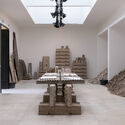
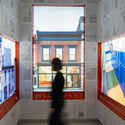
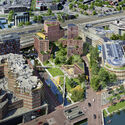
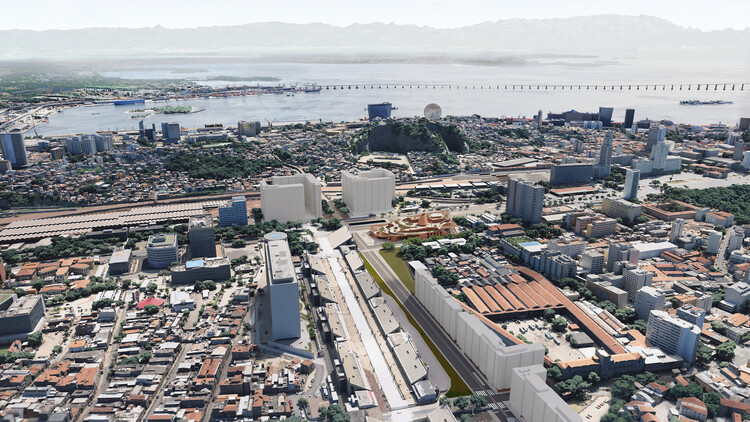
Amid ongoing global discussions on climate adaptation and resilient urban development brought into sharper focus by the outcomes of COP30, this week's architecture news illustrates how cities worldwide are rethinking their built environments. From Venice, where the 19th Architecture Biennale concluded with debates on material use and long-term cultural impact, to international awards foregrounding regenerative and socially responsive design, the conversation around architecture is increasingly intertwined with planetary priorities. Major urban interventions, from Thessaloniki's seafront redevelopment and Rio de Janeiro's new public library, to Abu Dhabi's Natural History Museum and a civic stadium in Birmingham, demonstrate how multiple cities are addressing mobility, heritage, density, and climate resilience. Additional plans, such as Mantua's ecological urban strategy, Utrecht's elevated landscape above transport networks, and Amsterdam Airport Schiphol's redesigned landside mobility system, further reflect a transition toward integrated, people-centred urban frameworks that prioritize environmental performance, public space, and long-term territorial stewardship.

https://www.archdaily.com/1036428/global-urban-transformation-and-climate-responsive-design-from-venice-to-rio-this-weeks-reviewAntonia Piñeiro
Make Materials Matter: Louisiana Channel Releases New Documentary on Danish Architect Søren Pihlmann
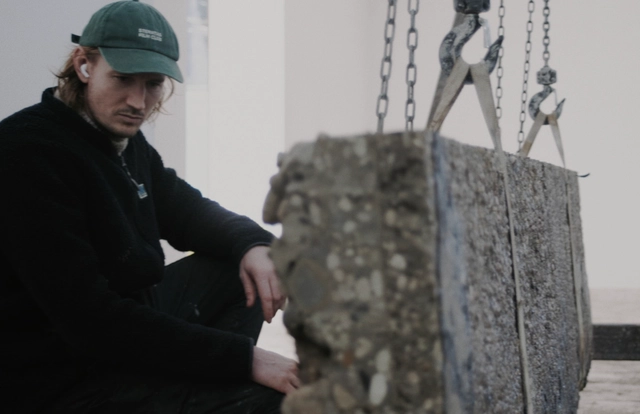
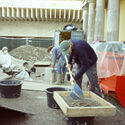
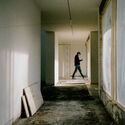
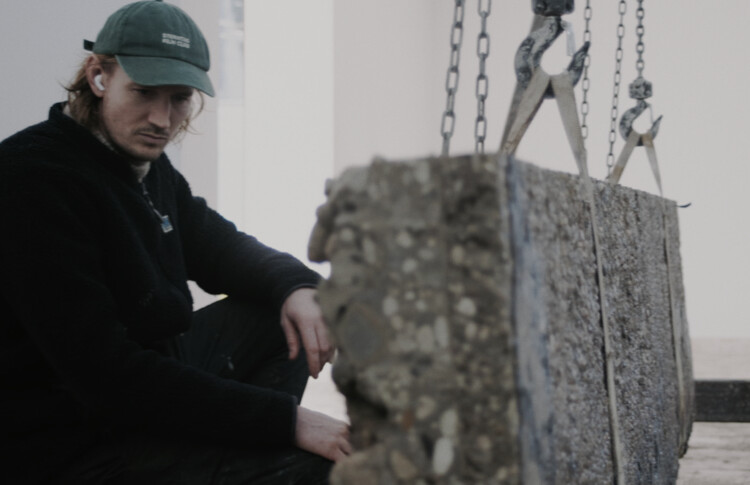
Louisiana Channel, a web TV platform based at the Louisiana Museum of Modern Art in Denmark, is launching a new film titled Søren Pihlmann: Make Materials Matter. Over the course of 54 minutes, Marc-Christoph Wagner and Simon Weyhe offer a glimpse into the work and mind of the founding architect of Pihlmann Architects, presenting his vision of Danish architecture, the practice of architecture itself, and, in particular, his sensitivity to materials. The film provides a behind-the-scenes look at the process and thinking behind the Danish exhibition at this year's Venice Architecture Biennale. Led by Søren Pihlmann, the team used the opportunity to renovate and conduct material research on Denmark's permanent building in the Giardini, transforming it into a material laboratory and experimental construction site. The result is a process exhibition that highlights how rethinking and reusing existing structures and materials can address critical architectural challenges. As of today, November 20, the documentary is available to watch online for free.


https://www.archdaily.com/1036214/make-materials-matter-louisiana-channel-releases-new-documentary-on-danish-architect-soren-pihlmannAntonia Piñeiro
"No House Exists in Isolation": Riken Yamamoto on the Failures of Contemporary Housing in Louisiana Channel Interview
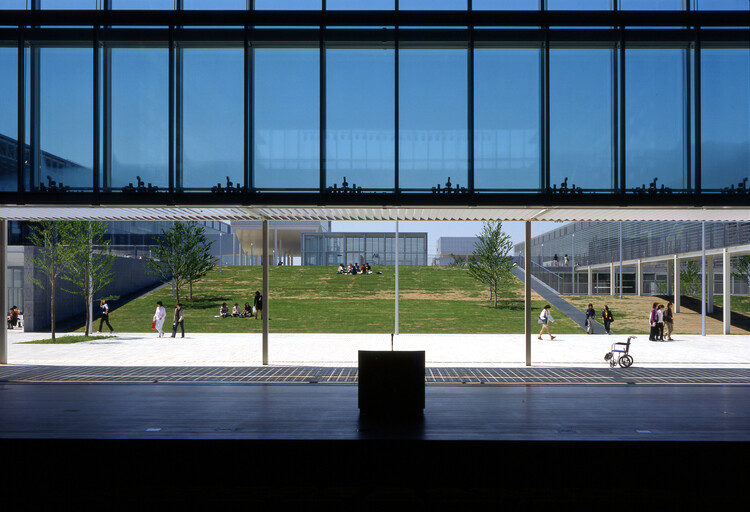
Riken Yamamoto, born in Beijing in 1945 and raised in Yokohama shortly after World War II, is a Japanese architect celebrated for fostering community through architecture. After founding his practice, Riken Yamamoto & Field Shop, in 1973, he became renowned for works ranging from social housing, such as Hotakubo Housing and Pangyo Housing, to civic projects like the Hiroshima Nishi Fire Station and Saitama Prefectural University, all unified by modular simplicity. Honored in March 2024 as the Pritzker Architecture Prize Laureate, he was praised by jury chair Alejandro Aravena for "blurring boundaries between public and private," fostering spontaneous social interaction, and "bringing dignity to everyday life" by enabling community to flourish through thoughtful design. In this interview with Louisiana Channel, the architect reflects on the social role of architecture, emphasizing the inseparable bond between housing and context, and the need to create spaces that foster visible, meaningful relationships.


https://www.archdaily.com/1031541/no-house-exists-in-isolation-riken-yamamoto-on-the-failures-of-contemporary-housing-in-louisiana-channel-interviewAntonia Piñeiro
"Nature is an Incredible Teacher": Jenny Sabin on the Fusion of the Digital, Biological and Physical in Louisiana Channel Interview
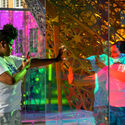
Jenny E. Sabin is an American architect, designer, and educator known for her work at the intersection of architecture, computation, and biomaterials. She integrates digital fabrication, responsive materials, and bio-inspired design into her architectural practice and runs an experimental architecture studio, Jenny Sabin Studio, based in Ithaca, NY. In this interview with Louisiana Channel, she shares her personal journey from artist to scientist, explains how biological and material systems can be applied at an architectural scale, and discusses her teaching and research roles at Cornell University. She elaborates on her interest in bringing people together through new strategies for responsive and adaptive architecture. In her view, the connections between the digital, the physical, and the biological define a paradigm shift in the evolution of architecture, converging with other realms of physical experience to create a more interconnected future.




https://www.archdaily.com/1028420/nature-is-an-incredible-teacher-jenny-sabin-on-the-fusion-of-the-digital-biological-and-physical-in-louisiana-channel-interviewAntonia Piñeiro
"Architecture as an Interface That Must Adapt:" ecoLogicStudio on Nature-Inspired Urban Design in Louisiana Channel Interview
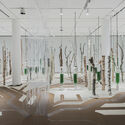
In a recent interview with Louisiana Channel, ecoLogic Studio discusses a new approach to architecture that explores the relationship between nature and urban design. Claudia Pasquero and Marco Poletto, the studio's lead architects, explain that modern architecture should be rethought to adapt to the changing environment and to serve as a connection between urban life and natural systems. The architects compare the current transformation in the field to the period of the Renaissance, when architecture evolved in response to the needs of society. Today, they argue, there is an opportunity for architects to learn from nature and design urban spaces that are both sustainable and functional.


https://www.archdaily.com/1026399/architecture-as-an-interface-that-must-adapt-ecologicstudio-on-nature-inspired-urban-design-in-louisiana-channel-interviewNour Fakharany
"I Am Disappointed in Architects" Shigeru Ban on Socially Conscious Architecture in Louisiana Channel Interview
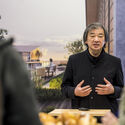
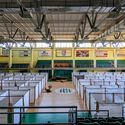
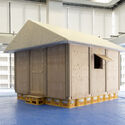
In a recent interview with Louisiana Channel, acclaimed Japanese architect Shigeru Ban shared his perspectives on architecture, his journey in the field, and his dedication to socially responsible design. Known for his innovative use of materials such as paper and timber, Ban has spent much of his career creating solutions for disaster-stricken communities and displaced populations around the world.


https://www.archdaily.com/1025839/i-am-disappointed-in-architects-shigeru-ban-on-socially-conscious-architecture-in-louisiana-channel-interviewNour Fakharany
“Unforgiving and Tough:” David Chipperfield on Living by the Sea in Louisiana Channel Interview
In this short video interview from the Louisiana Channel, Marc-Christoph Wagner interviews architect David Chipperfield in Galicia in April 2024, exploring his connection to the sea. The 2023 Pritzker Prize laureate speaks of his experience living for 30 years in a fishing village in Spain, delving into his connection to the place and the people's attitude towards the strength of the natural elements surrounding them.


https://www.archdaily.com/1019904/unforgiving-and-tough-david-chipperfield-on-living-by-the-sea-in-louisiana-channel-interviewMaria-Cristina Florian
"Buildings Have Their Own Lives:” Rafael Moneo on Creativity in Louisiana Channel Interview
In an interview with Louisiana Channel, Rafael Moneo, the celebrated Spanish architect and 1996 Pritzker Architecture Prize laureate, reflected on his career and philosophy. Born in Tudela, Navarra, Spain, in 1937, Moneo described how his early academic interests and professional experiences shaped his approach to architecture, resulting in a distinguished body of work that integrates historical, cultural, and environmental contexts.


https://www.archdaily.com/1024253/a-great-way-of-being-in-the-world-rafael-moneo-on-creativity-in-louisiana-channel-interviewNour Fakharany
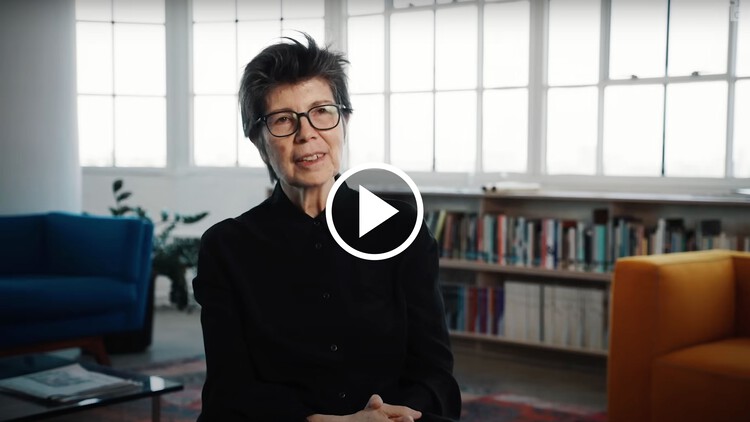
A Mind Reader, an Archaeologist, a Psychiatrist, a Dreamer, a Poet: The Design Philosophy of Liz Diller in Louisiana Channel Interview
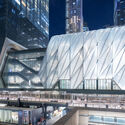
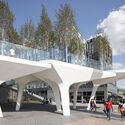
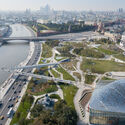
In an interview with Louisiana Channel, Liz Diller, co-founder of the renowned architecture firm Diller Scofidio + Renfro, reflects on her unconventional journey into architecture and her innovative approach to design. Starting her career with aspirations of being an artist, Diller never initially intended to become an architect. Her artistic background, which included painting, sculpture, and filmmaking, continues to influence her work today. What drew her into architecture was a combination of curiosity and practicality, driven in part by concerns about the viability of a career in the arts.

https://www.archdaily.com/1022789/a-mind-reader-an-archaeologist-a-psychiatrist-a-dreamer-a-poet-the-design-philosophy-of-liz-diller-in-louisiana-channel-interviewNour Fakharany
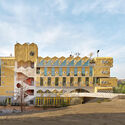
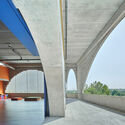
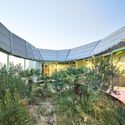
"Architecture Is Not Just the Provision of Space:" Andrés Jaque on the Roles of Architecture in Louisiana Channel Interview
In the interview conducted by Louisiana Channel, architect Andrés Jaque discusses his foundational interest in architecture and his perspective on its role in shaping society. Jaque, founder of the Office for Political Innovation, emphasizes the creative potential of architecture to intervene in reality and reconnect all elements of the environment. He also goes into perspective on the political aspect of architecture, an interest from which the name of his office derives, as well as his perspectives on the true meaning of sustainability.
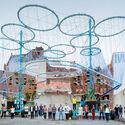

https://www.archdaily.com/1020834/architecture-is-not-just-the-provision-of-space-andres-jaque-on-the-roles-of-architecture-in-louisiana-channel-interviewMaria-Cristina Florian
“We Have to Change the Whole Definition of the Architect”: Yasmeen Lari in Louisiana Channel Interview
In this Louisiana Channel interview with Yasmeen Lari, the renowned Pakistani architect speaks about the role of architects and the needed perspective shifts of the industry in contemporary times. Awarded the RIBA Royal Gold Medal in 2023 for her humanitarian efforts, Lari emphasizes the need to rethink the architecture industry to address social disparities and resource deficiencies. In the interview, the architect and designer reflects on her upbringing, architectural education, and her practice today.


https://www.archdaily.com/1008201/we-have-to-change-the-whole-definition-of-the-architect-in-conversation-with-yasmeen-lariNour Fakharany