Subscriber Access

Against Program: The Productive Ambiguity of Contemporary Architecture

16:08
16:08

This article is part of our new Opinion section, a format for argument-driven essays on critical questions shaping our field.

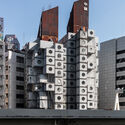
In 2022, Tokyo's Nakagin Capsule Tower was demolished, bringing an end to one of modern architecture's most recognizable experiments in adaptability. Designed by Kisho Kurokawa and completed in 1972, the building consisted of 140 prefabricated capsules attached to two concrete cores. Its architectural proposition was radical: individual capsules could be replaced as needs evolved, allowing the building to renew itself without dismantling its principal structure. Yet over five decades, the proposed replacement system was never realized. Despite various preservation efforts, deteriorating building services and difficulties in collective decision-making eventually led to its demolition.
Against Program: The Productive Ambiguity of Contemporary Architecture - Image 2 of 19Against Program: The Productive Ambiguity of Contemporary Architecture - Image 3 of 19Against Program: The Productive Ambiguity of Contemporary Architecture - Image 4 of 19Against Program: The Productive Ambiguity of Contemporary Architecture - Image 5 of 19Against Program: The Productive Ambiguity of Contemporary Architecture - More Images+ 14

Content Loader

Image gallery

See allShow less
About this author
Cite: Jonathan Yeung. "Against Program: The Productive Ambiguity of Contemporary Architecture" 09 Nov 2026. ArchDaily. Accessed . <https://www.archdaily.com/1188137/against-program-the-productive-ambiguity-of-contemporary-architecture> ISSN 0719-8884
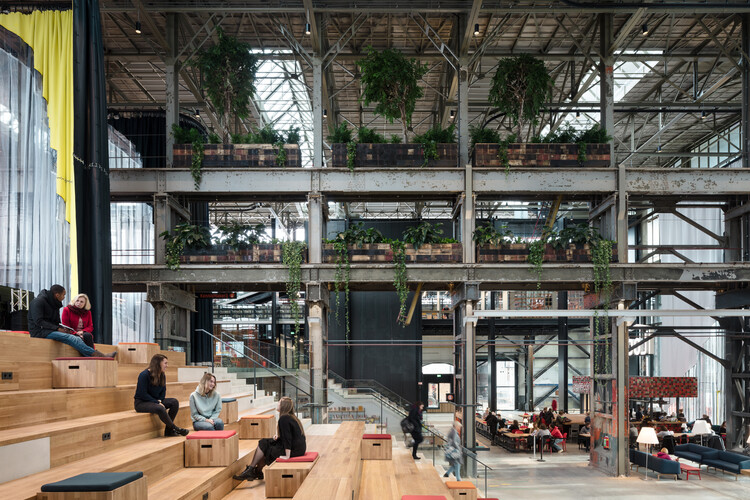
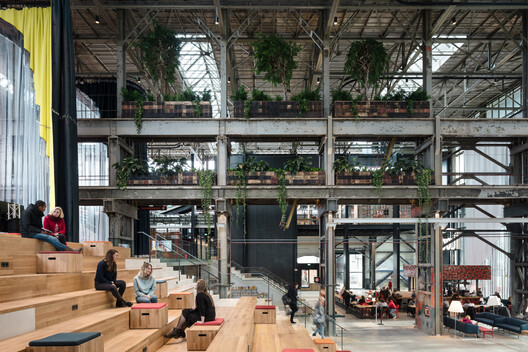
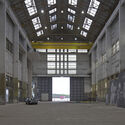
LocHal Library / CIVIC architects + Braaksma & Roos architectenbureau + Inside Outside + Mecanoo. Image © Stijn Bollaert

反程序:当代建筑的生产性模糊

是否

You've started following your first account!

Did you know?

You'll now receive updates based on what you follow! Personalize your stream and start following your favorite authors, offices and users.