1. ArchDaily
  2. Prescription

Prescription: The Latest Architecture and News

Subscriber Access

Against Program: The Productive Ambiguity of Contemporary Architecture

Audio available

This article is part of our new Opinion section, a format for argument-driven essays on critical questions shaping our field.

In 2022, Tokyo's Nakagin Capsule Tower was demolished, bringing an end to one of modern architecture's most recognizable experiments in adaptability. Designed by Kisho Kurokawa and completed in 1972, the building consisted of 140 prefabricated capsules attached to two concrete cores. Its architectural proposition was radical: individual capsules could be replaced as needs evolved, allowing the building to renew itself without dismantling its principal structure. Yet over five decades, the proposed replacement system was never realized. Despite various preservation efforts, deteriorating building services and difficulties in collective decision-making eventually led to its demolition.
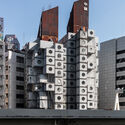
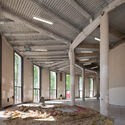
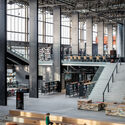
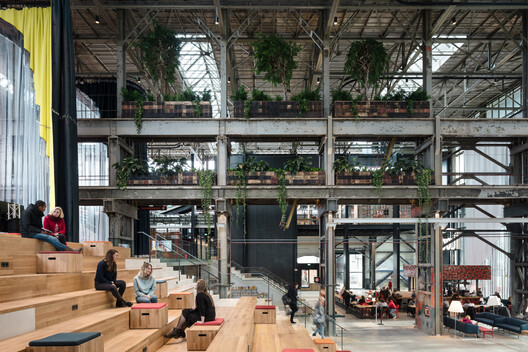
Against Program: The Productive Ambiguity of Contemporary Architecture - 1 的图像 4Against Program: The Productive Ambiguity of Contemporary Architecture - 2 的图像 4Against Program: The Productive Ambiguity of Contemporary Architecture - 3 的图像 4Against Program: The Productive Ambiguity of Contemporary Architecture - 4 的图像 4Against Program: The Productive Ambiguity of Contemporary Architecture - More Images+ 14

Subscriber Access

These Unique, Beautiful Sundials Are Designed Using Location-Specific Solar Data

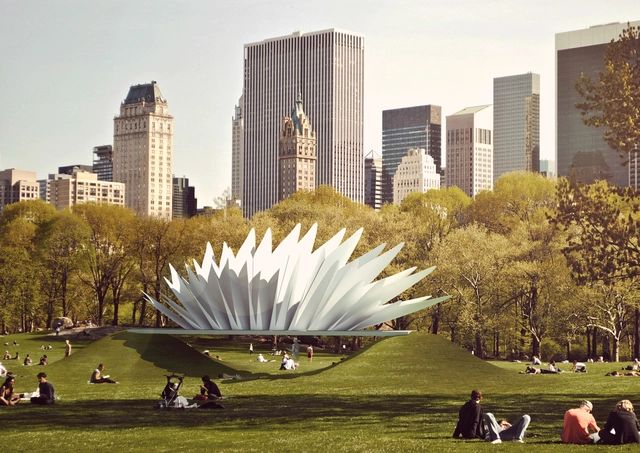
Design group prescription., in conjunction with Arup, have developed a sophisticated sundial based off of solar path data that takes the form of a flowering fan. The geometry is optimized using the specific solar data from any world location, giving the sundial a completely unique form based on where it is constructed, and is materialized in a strong, flexible plastic through a 3D printing process.