In 1968, the furniture designer and RCA professor David Pye published The Nature and Art of Workmanship, a book built around a distinction between "workmanship of risk" and the "workmanship of certainty." Pye was not writing about architecture, and despite how the phrase gets used today, he was not really writing about hands versus machines either. He pointed out that a printing press, entirely mechanical, still depends on someone judging the ink and the register, while a woodturner working a lathe by hand can follow a template closely enough that almost nothing is left to chance.
Workmanship of risk, in Pye's definition, is any process where the outcome is not fixed in advance but depends on the judgment, dexterity, and attention the maker exercises while the work is still underway. Workmanship of certainty is the opposite condition, as the result is settled before production begins, locked into a jig, a mold, or a program, so that everything downstream is execution. Pye was careful to note that neither mode is inherently superior and that a numerically controlled machine, calibrated to leave room for drift, can sit closer to risk than a hand tool run to a fixed template.
Architecture has been running this experiment for centuries. Drystone walling, the technique behind field boundaries across the Mediterranean and the British Isles, has no fixed dimension. Each stone is set, tested, and repositioned until the wall's overall geometry holds, a sequence of small, unrepeatable judgments. The same logic runs through hand-cut timber joinery, where traditional Japanese joints are deliberately cut with a hairline gap, the wood expected to close it on its own, swelling with humidity until the joint tightens itself over years. Decisions made, in both cases, by whoever was holding the material. CNC routers, robotic arms, and additive printers now reverse that arrangement with tolerances measured in fractions of a millimeter, parts fitting without on-site correction, geometries once impossible to build by hand. The file, in Pye's terms, is certainty pushed about as far as it will go. Pye himself worried less about the workmanship of risk disappearing outright than about it surviving without a vocabulary to defend it, taken for granted until nobody remembers to ask for it.
Related Article
What Lies Beneath: 10 Projects Reshaping the Ground LevelThe following projects sit at different points along that same line, from centuries-old technique to current robotic research. What they share is a narrower and more useful margin between drawing and material as somewhere authorship happens.
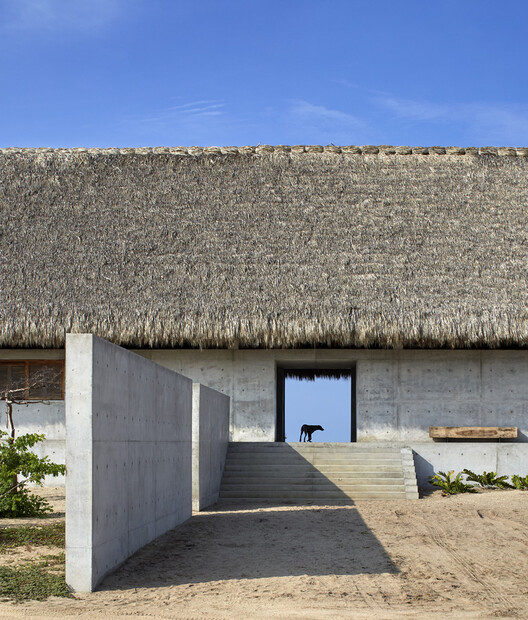
Casa Wabi Chapel / Tadao Ando
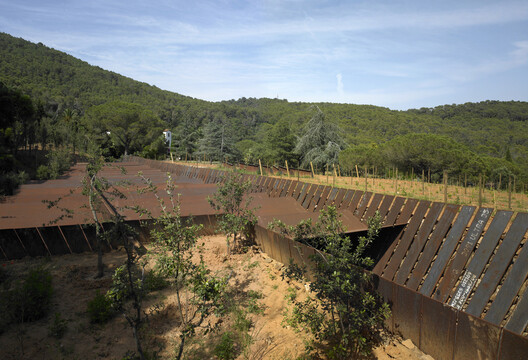
Bell-Lloc Winery / RCR Arquitectes
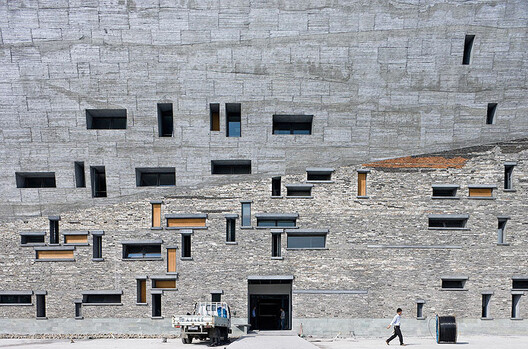
Ningbo History Museum / Wang Shu, Amateur Architecture Studio
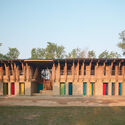
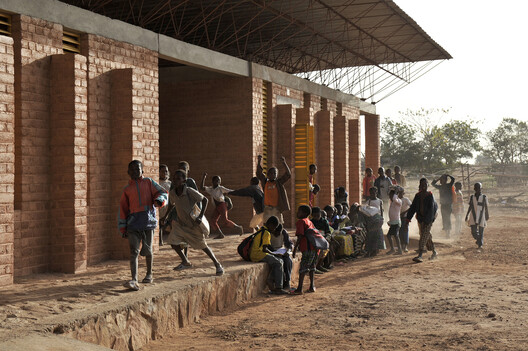
Gando Primary School / Kéré Architecture
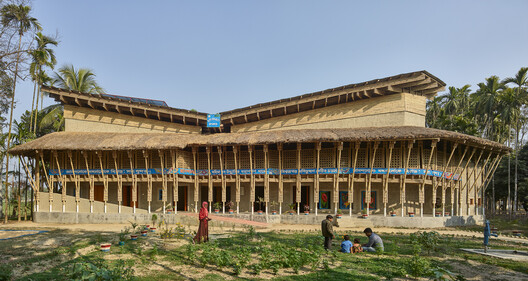
Anandaloy / Studio Anna Heringer
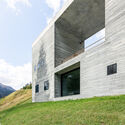
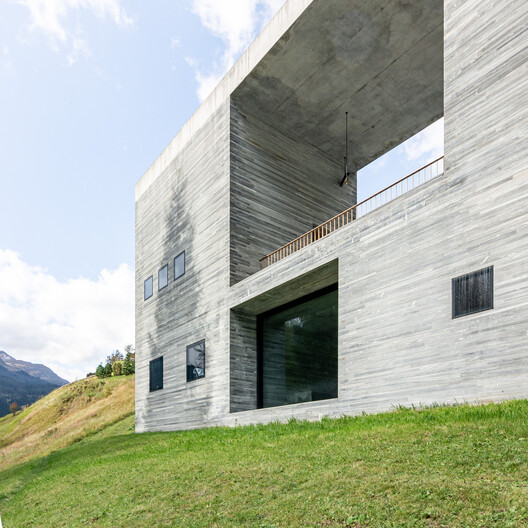
Therme Vals / Peter Zumthor
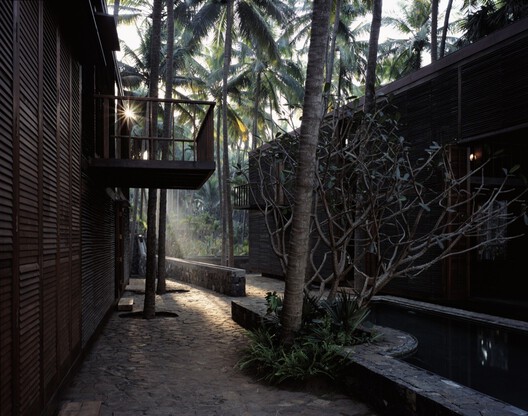
Palmyra House / Studio Mumbai
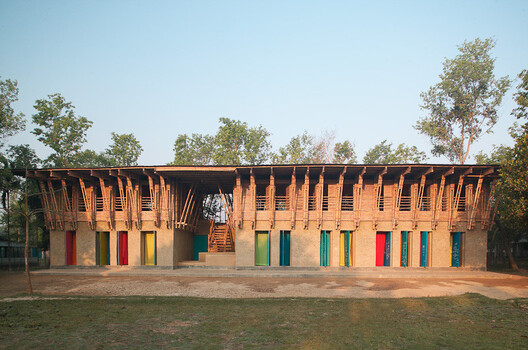
Handmade School / Studio Anna Heringer
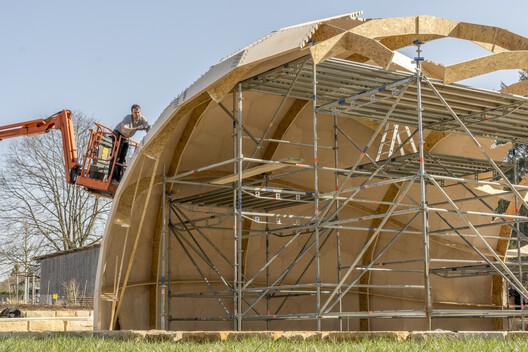
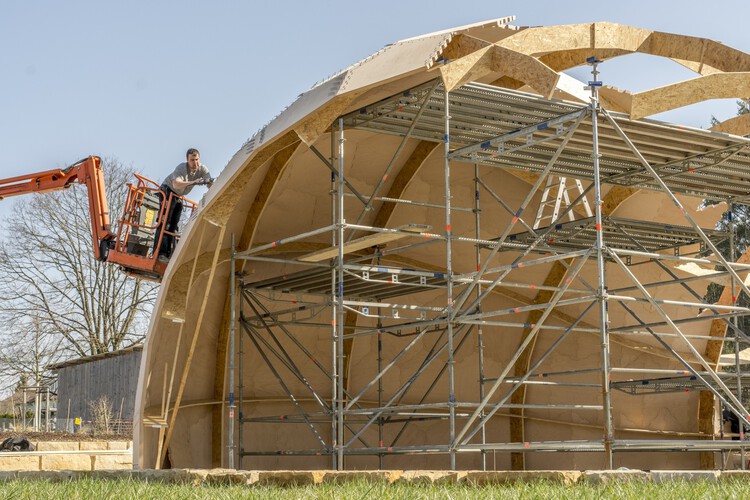
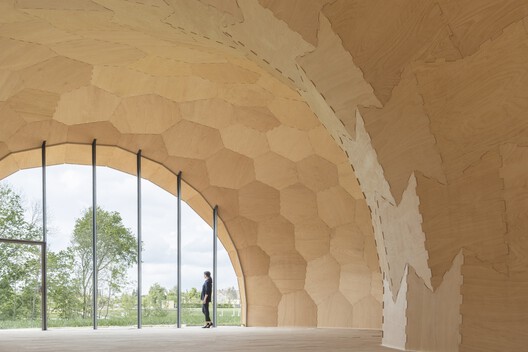
Landesgartenschau Exhibition Hall / ICD/ITKE, University of Stuttgart
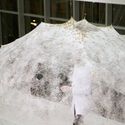
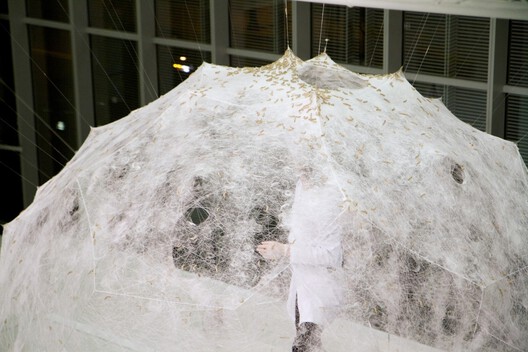
Silk Pavilion / MIT Media Lab
This article is part of the ArchDaily Topic: The Architecture of Craft: Handmade Stories in a Digital Age. Every month we explore a topic in-depth through articles, interviews, news, and architecture projects. We invite you to learn more about our ArchDaily Topics. And, as always, at ArchDaily we welcome the contributions of our readers; if you want to submit an article or project, contact us.


