Muraba and RCR Arquitectes, recipients of the 2017 Pritzker Prize, have collaborated on Muraba Veil, a modern architectural project in Dubai that aims to incorporate traditional elements alongside contemporary innovation. This 380-meter-high tower is the latest result of a decade-long partnership between Muraba, a Dubai-based developer, and RCR Arquitectes, a Spanish architectural firm. The project introduces a skyscraper designed to engage with the local environment and culture, seeking to combine modern architectural techniques with regional heritage.
The global pause of the COVID pandemic has provided an opportunity to assess present-day globalism and the architecture that has emerged alongside it. Stemming back to the broad expansion of free trade in the 90s at the end of the Cold War, globalism’s cultural promise was simple and aspirational: integrating markets globally would increase the interaction between and learning of different cultures. By normalizing such experiences in our daily lives, we would become global citizens liberated from our previous prejudices–all well-intentioned objectives.
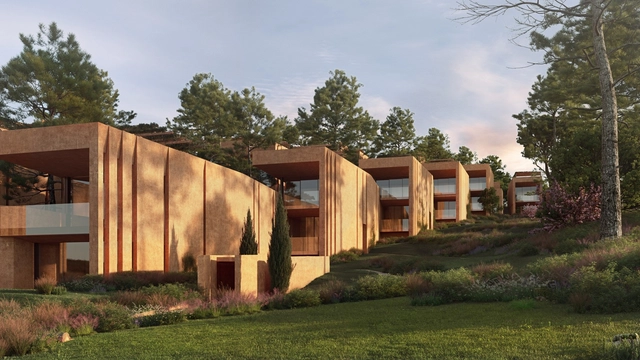
Inspired by the colors and textures of the surrounding environment, Pritzker Prize winners RCR Architectes have translated the Algarve's landscape into new residences and facilities at the Palmares Ocean Living & Golf Resort. A total of 37 new signature apartments and luxury villas are currently under construction, with completion due dates expected between summer 2021 and 2022.
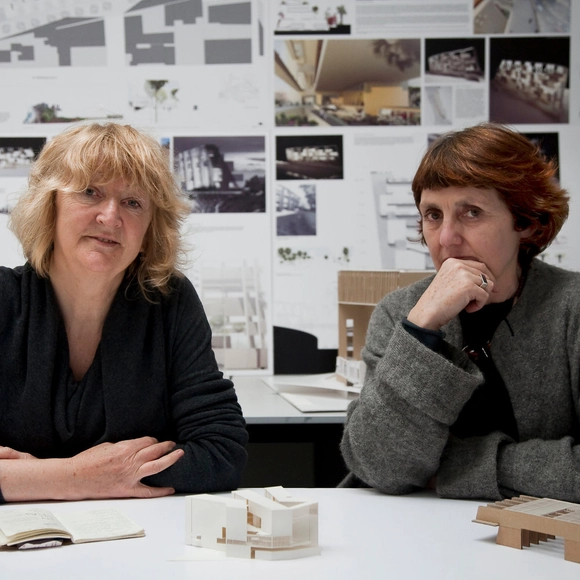
This year, architecture’s highest honor, the Pritzker Prize, has been granted to Grafton Architects, a Dublin-based architectural firm mainly ran by female partners Yvonne Farrell and Shelley McNamara. For the first time ever in its 42-year history, due to the constraints set by Covid-19 global pandemic, the organizers of the Pritzker Prize decided to use Livestream the award ceremony. Having reached the end of 2020, ArchDaily has summed up what current and previous Pritzker Prize winners have accomplished during this turbulent year.
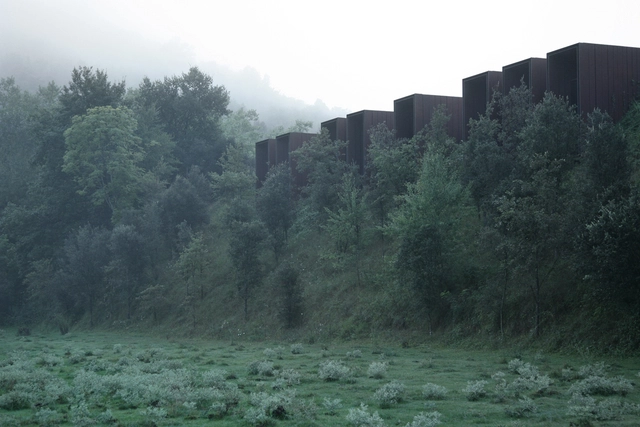
I am fortunate to have seen numerous beautiful buildings and spaces, so when I recently went to Olot near Girona, Spain, to explore the works of 2017 Pritzker Prize Laureates, RCR Arquitectes, I thought I was all prepared. But even though I was familiar with their works through publications, what I encountered firsthand, moved me in the most surprising and delightful ways. The sheer ingenuity and brilliance of these structures, so integral to their places and consequential of their given programs, empower architecture and yield sensations that are truly special and unforgettable.
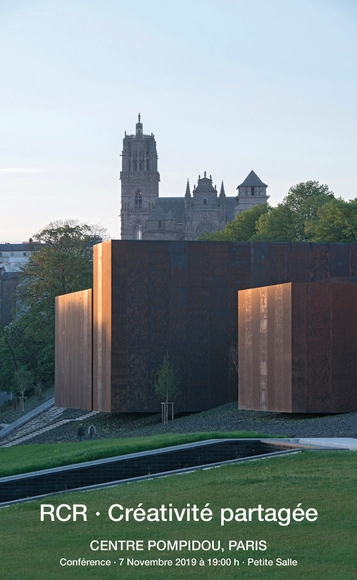
Conference by Carme Pigem , principal and founder of RCR Arquitectes, on their work and their philosophy of shared creativity.
RCR Arquitectes is a studio of Catalan architects, created in Olot in 1987 by Rafael Aranda, Carme Pigem and Ramon Vilalta. The atelier has received many prizes including the Gold Medal of the Academy of French Architecture in 2015 and the prestigious Pritzker Prize in 2017.
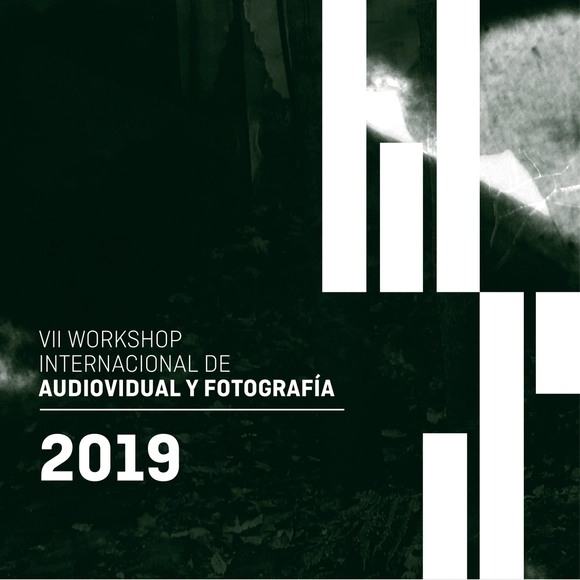
The workshop focuses on the living of a direct experience of the participants, showing the territory where the work of RCR Arquitectes is rooted, with the aim of understanding their relationship with the site and the landscape, to share and pass on an attitude to life, architecture, and creativity, putting into practice their working methods.
The workshop has the aim of broadening knowledge of audiovisual and photography, centered in Architecture and Space. The course develops from the approach to the territory and architecture of RCR and combines reflection on Visual Arts and its implementation in practice through creative work. The exercises are raised around the awakening of the senses, stimulating the creation of images that make us experience wanting to touch, listen and be in this specific place.
Creativity must be at the origin of the concept, present at the initial moment where we give answer to the question we are asked, and should be shared by all Scenography creates ephemeral spaces that due to their short life must express, without concessions to doubt, an intention, an idea. Space expresses, in short, a way of understanding a human story.
Mal Pelo, with the artistic co-direction of Pep Ramis and María Muñoz, is a creative group characterized by shared authorship. Since 1989, Mal Pelo has been developing its own artistic language through the movement, incorporating theatricality with the creation of dramaturgies that include the word, working with composers for the creation of original soundtracks, collaborating with video artists, among others.
For this year's Women in Architecture Awards, The Architectural Review and the Architects’ Journal have selected Sheila O’Donnell as Architect of the Year and Xu Tiantian to win the Moira Gemill Prize for Emerging Architecture in the 2019 Women in Architecture awards. The Architect of the Year award recognizes excellence in design specifically in the context of a recently completed project and the Moira Gemmill Prize for Emerging Architecture is awarded to women designers under the age of 45 who show design excellence indicative of a bright future.
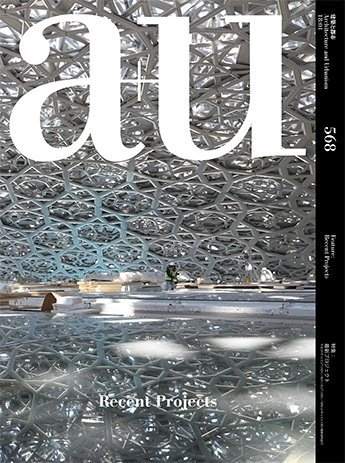
This edition of a+u introduces the 23 recent works of architecture and technology that emerged from their relationship with the urban structure or the development history. In this issue, we focus our attention on the process of conceiving and realizing the projects driven by various motivations and tactics. We invite readers to look beyond the confinement of a single building and examine the works on their possibilities to be in use for a long time.
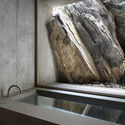
With the right configuration of materials and shapes, small enclosure, such as bathrooms, have unending design potential. Progressively, architects and designers are striving to make washrooms more welcoming and attractive places for its users. Often times we will hear clients ask for their bathroom to be somewhat of a personal spa. This week we have compiled 10 compelling images of bathrooms from all over the world. Bathrooms whose materials, patterns, colors, shapes, and textures begin to tell a story. Below, photographs by Peter Clarke, José Hevia, and Erieta Attali.
Taking photographs in fog can be an experience as chaotic as it is enchanting. Although working with this phenomenon can be risky, since fog dramatically modifies the available light and the atmosphere of a scene, if you know how to take advantage of it, the result can lead to perfect photographs. Below is a selection of 10 images from prominent photographers such as Kevin Scott, Richard Barnes, and Koichi Torimura.
Neolith has unveiled their most ambitious project to date: the ENIGMA restaurant design in collaboration with RCR Arquitectes and P.Llimona. The conceptual restaurant space began with the vision of celebrated Catalan chef Albert Adrià, who wanted to create an "enigmatic” restaurant project reflecting his gastronomy and his career. Albert, together with his sibling Ferran Adrià have transformed the iconic El Bulli restaurant into a culinary research foundation and embarked on more projects since, including tapas bar Tickets and Bar 41 in Barcelona. ENIGMA, described as a “culinary amusement park” represents the new brainchild of the brothers’ dialogue exploring the intersection of food and design.
Your majesties, the Emperor and Empress of Japan; Deputy Prime Minister Taro Aso; your excellencies ambassadors and ministers; Tom and Margot Pritzker and members of the Pritzker family; ladies and gentlemen.
Emotions, happiness, pride, humility, respect, responsibility, admiration for those who have gone before us and for those who will receive this award in the future: there is an infinite mixture of many overlapping feelings that we are experiencing now, but the strongest sensation is one of gratitude: To the Pritzker Family, who for years have been generously supporting and bringing attention to architecture, and we ask that they continue to do this.
https://www.archdaily.com/871902/rcr-arquitectes-rafael-aranda-carme-pigem-ramon-vilalta-pritzker-prize-acceptance-speechRafael Aranda, Carme Pigem, and Ramon Vilalta
The winners of the 2017 Pritzker Prize, RCR Arquitectes, has been selected to lead the proposal and design of the Catalan pavilion at the 2018 Venice Biennale. The news was announced yesterday by Santi Vila, Minister of Culture of the Generalitat of Catalonia, during the opening of this year’s Venice Biennale of Art.
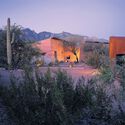
The work of the Catalan firm RCR Arquitectes was, until its founders won the 2017 Pritzker Prize this month, little-known worldwide, with appreciation of their projects largely restricted to the few European locations in which they have built and a number of well-informed academic circles. Rafael Aranda, Carme Pigem and Ramon Vilalta founded their office in the small town of Olot almost 30 years ago, and most of their work for the past three decades have been built in the surrounding regions of Catalonia. As the Pritzker jury has pointed out, one of their greatest qualities is their ability to show how architects can have "our roots firmly in place and our arms outstretched to the rest of the world." Through the videos presented in this article, it is possible to understand a little more about the work of the office, and more specifically, to appreciate the atmosphere of its built works.