"There is no space without event, no architecture without action." When Bernard Tschumi wrote these words, he was articulating a fundamental principle of the architect's practice. Architecture is about behavior. Every stroke of a pen on a floor plan is a proposition about how occupants will move or what actions become possible.

To draw is to architect a reality. Though with this power, architecture does not command. It does not issue instructions or enforce compliance, but it operates through a soft control — a mode of influence that shapes behavior by structuring perception and guiding attention.
Architecture begins as an encounter with gravity. It is the ancient act of placing weight upon the earth, of persuading matter to stand, hold, and shelter. Within this fundamental condition of heaviness, however, lies a quieter possibility: density itself can generate a sense of lightness—a perceptual condition in which the body, fully convinced of matter's weight, begins to experience space as suspension.
Much of contemporary architecture has pursued lightness through reduction: thinner structures, smoother surfaces, increasingly seamless transitions between interior and exterior. Here, lightness is equated with disappearance, as if gravity could be overcome by withdrawing material presence. Yet there exists another register in which lightness is not the result of absence, but of intensification. It emerges when material presence becomes so precise, so fully asserted, that it begins to alter perception itself—when mass remains heavy, but no longer behaves as simply inert.
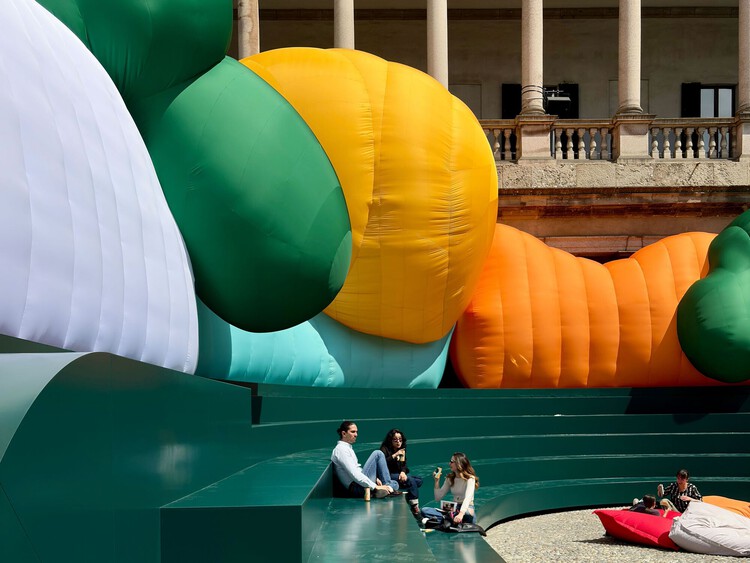
Ooooh, that's EpiQ! By Ricardo Orts Ulises. Image Courtesy of ArchDaily's editors on-site in Milano
Observed annually on April 22, International Mother Earth Day frames this week's architectural discourse through an urgent call to rethink the relationship between the built environment and natural systems, foregrounding themes such as urban rewilding, the restoration of aquatic ecosystems, and the integration of ancestral knowledge into contemporary design practices. On another note, the opening of Salone del Mobile.Milano 2026 and Milan Design Week 2026 seek to reinforce the global relevance of design as a platform for exchange and experimentation, activating the city of Milan through a network of exhibitions and installations that engage both industry and public audiences. Among the announcements of award-winning architectural projects this week, the United Nations' House of No Waste (HØW) Competition highlights emerging architectural responses to climate and resource challenges. The awarded projects demonstrate scalable strategies for reducing material waste and embodied carbon while promoting adaptable, socially responsive, and resource-conscious public infrastructure.
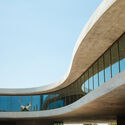
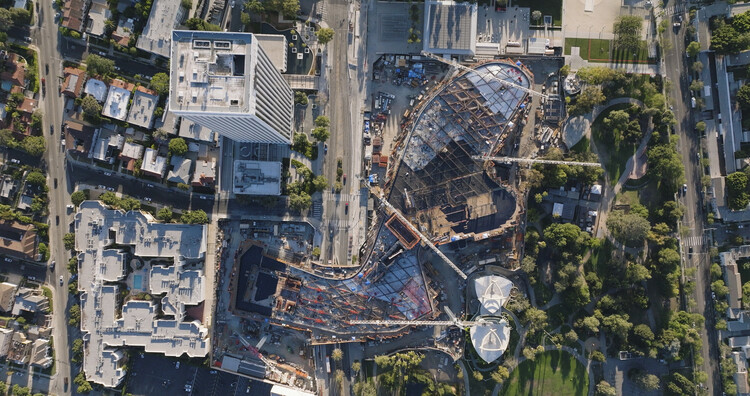
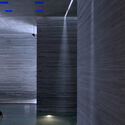
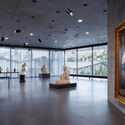
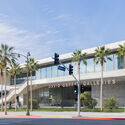
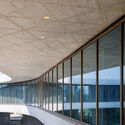
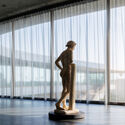
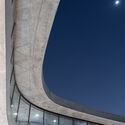
On Sunday, April 19, 2026, the Los Angeles County Museum of Art (LACMA) opened its new David Geffen Galleries to the public. Designed by architect Peter Zumthor, the building offers an elevated exhibition space for the museum's permanent collection. All artworks are presented in a single-level open space, in a non-hierarchical layout of cultures, traditions, and eras, spanning 6,000 years of art history across approximately 155,000 objects. The space is flexible, accommodating diverse curatorial projects as well as visitors' individual paths. The project marks a new step in the institution's two-decade transformation into a global art museum and the most comprehensive in the western United States.
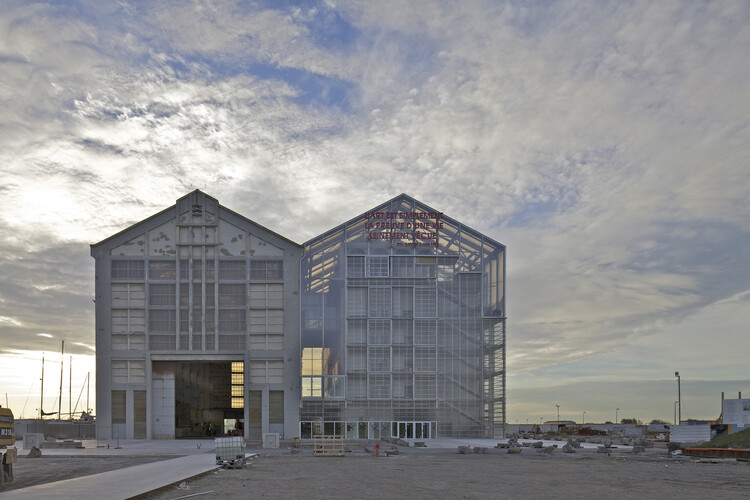
Preserving historic buildings requires simultaneously addressing technical, environmental, and regulatory demands while maintaining the material, cultural, and symbolic continuity of what already exists. As the understanding consolidates that the most sustainable building is the one that is already standing, and that preservation also involves construction knowledge, material traditions, and the social fabrics from which they emerged, these same buildings are increasingly confronted with more rigorous contemporary parameters. Energy efficiency, safety, carbon emission reduction, and regulatory compliance have become unavoidable references, placing architecture before a central tension: how to update what already exists without breaking the continuity that sustains its heritage value.
By operating with only five notes, the pentatonic scale establishes a stable and intuitive musical system in which structural clarity allows for variation without the risk of excessive dissonance. From this consolidated structure, which forms the basis of countless musical styles, especially popular music, the blues introduced a decisive inflection by incorporating additional notes into the scale. Without delving into excessive technicalities, these are subtle tonal deviations, small dissonances often associated with a more melancholic sound, known as blue notes. Played fleetingly rather than as emphatic accents, they briefly tension the system, adding expressiveness and depth while keeping the underlying structure intact.
If in music the blues scale operates through a subtle deviation that "seasons" the underlying structure, a similar principle can be identified in architecture. Although comparisons between different artistic languages are always delicate, it is possible to recognize projects that find their expressive strength not in rupture, but in localized inflections introduced within clear systems, whether of modulation, subtraction, materiality, or typology. Localized displacements and asymmetries function as internal tensions that do not compromise the coherence of the whole, revealing how expressiveness can emerge from controlled deviation rather than from permanent exception.
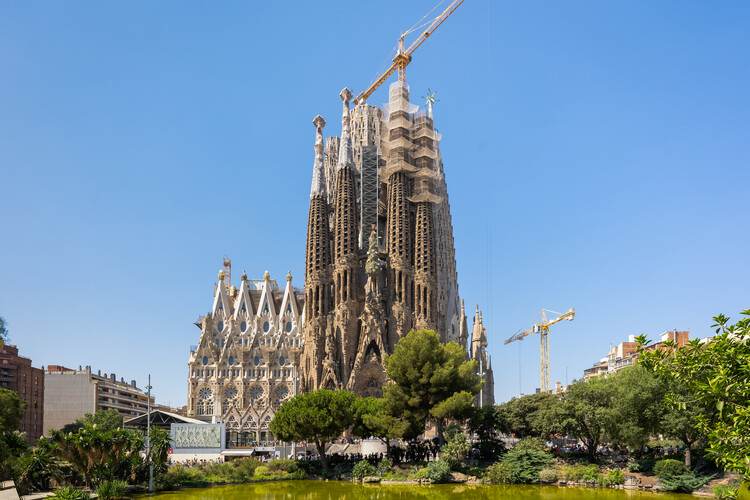
La Sagrada Familia by Antoni Gaudi. Image by Maksim Sokolov, via Wikimedia Commons, License CC BY-SA 4.0
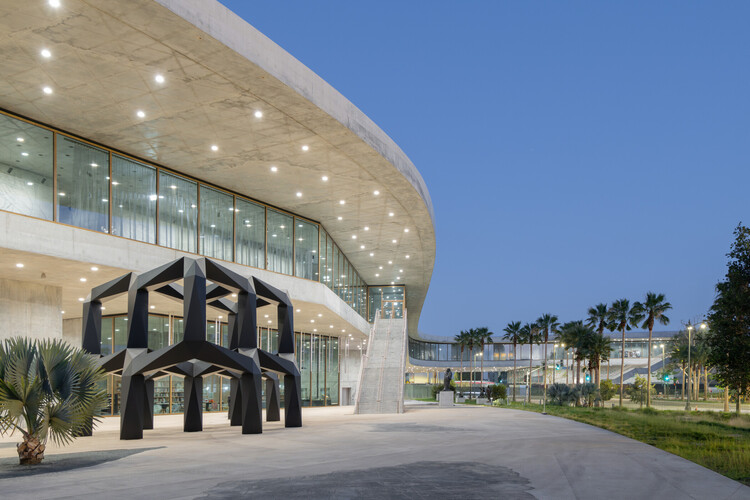
As 2025 concludes, we look ahead to 2026, a year scheduled to deliver a diverse range of significant architectural projects across the world. The year is particularly notable for the completion of new infrastructure and cultural buildings, including long-term projects. Europe will be in the spotlight of the new year with the Milano Cortina 2026 Winter Olympics. This event will feature projects such as the Olympic Village by SOM and the Winter Olympics Arena by David Chipperfield Architects. Also in Milan, BIG is set to complete construction of the City Wave project as part of a new business district in the city. At the same time, after more than 140 years of its establishment, the architects around the world will also be watching for the long-awaited completion of Antoni Gaudí's La Sagrada Familia in Barcelona, announced for 2026.
In a world facing ecological exhaustion and spatial saturation, the act of building has come to represent both creation and consumption. For decades, architectural progress was measured by the new: new materials, new technologies, new monuments of ambition. Yet today, the discipline is increasingly shaped by another form of intelligence, one that values what already exists. Architects are learning that doing less can mean designing more, and this shift marks the emergence of what might be called an architecture of restraint: a practice defined by care, maintenance, and the deliberate choice not to build.
The principle recognizes that the most sustainable building is often the one that already stands, and that transformation can occur through preservation, repair, or even absence. Choosing not to build becomes a political and creative act, a response to the material limits of the planet and to the ethical limits of endless growth. That Architecture moves beyond the production of new forms to embrace continuity, extending the life of structures, materials, and memories that already inhabit the world.
Architecture is shaped not only by buildings, but by the ideas that make them possible. Before the constraints of capital, regulation, and procurement, there is a moment when architecture is allowed to think aloud. The first confrontation with this fertile moment usually takes place in academia, in the thesis. It is not merely a requirement for graduation, but a space of speculative freedom where architecture formulates hypotheses, builds arguments, and tests positions.
For many, it is also the first opportunity to think beyond the structure of academic programs — a first chance to explore something more personal, unresolved, or even unreasonable. While often seen as an endpoint, the thesis is better understood as a beginning: the first engagement with architecture as a form of reasoning, where the project is not yet a response, but a question.
"Dance, dance… otherwise we are lost." This oft-cited phrase by Pina Bausch encapsulates not only the urgency of movement, but its capacity to reveal space itself. In her choreographies, space is never a neutral backdrop, it becomes a partner, an obstacle, a memory. Floors tilt, chairs accumulate, walls oppress or liberate. These are architectural conditions, staged and contested through the body. What Bausch exposes — and what architecture often forgets — is that space is not simply built, it is performed. Her work invites architects to think not only in terms of materials and forms, but of gestures, relations, and rhythms. It suggests that architecture, like dance, is ultimately about how we inhabit, structure, and emotionally charge the spaces we move through.
Historically, architecture and dance have operated in parallel, shaping human experience through the body's orientation in space and time. From the choreographed rituals of classical temples to the axial logics of Baroque palaces, built space has always implied movement. The Bauhaus took this further, as Oskar Schlemmer's Triadic Ballet visualized space as a geometric extension of the body. This was not scenery, but spatial thinking made kinetic. In the 20th century, choreographers like William Forsythe and Anne Teresa De Keersmaeker integrated architectural constraints into their scores, while architects such as Steven Holl, Diller Scofidio + Renfro, and Toyo Ito designed buildings that unfold as spatial sequences, inviting movement, drift, and delay.
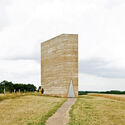
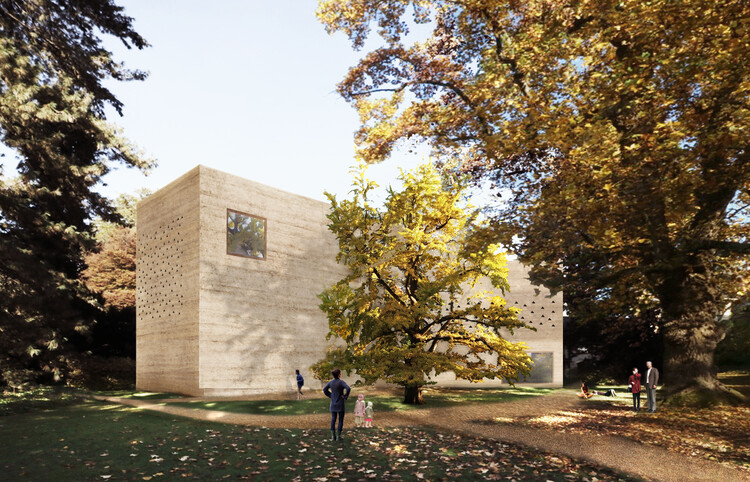
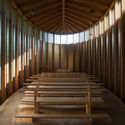
At the Bruder Klaus Field Chapel, designed by Peter Zumthor, the construction process involved the direct participation of residents from the small Swiss village of Mechernich. Using an internal formwork made of vertically placed wooden logs, concrete was prepared in small batches and poured manually, day after day, forming layers marked by subtle variations in the mix and application. At the end of the process, the wooden structure was reduced to ashes, leaving the chapel's interior impregnated with traces of fire and revealing a dark, tactile surface. The result was a quiet and deeply meaningful space, where collective action, time, and material transformation became part of the architecture. Centered on locally available resources and manual techniques, this construction method highlights how the choice of materials and building system can shape the experience of a space, reveal the time invested, and embed the culture of a place into the very matter of architecture. In doing so, it offers an example of how construction itself can become a regenerative act, restoring meaning, connecting communities, and honoring material cycles.
Lighthouses have stood along the margins of continents and islands for centuries as points of light in vast maritime territories. Rising in solitude from rocky cliffs, reefs, and headlands, these towers were tools for navigation and instruments of spatial clarity, shaping coastlines and marking the boundary between land and sea. Built to guide, warn, and locate, they constituted a global network of visibility long before the advent of digital mapping. Yet as maritime technologies evolved, many of these structures lost their original purpose. The typology, once essential, now stands at the edge of obsolescence. What remains is not merely an architectural relic, but a powerful spatial form — resilient, symbolic, and increasingly open to reinterpretation.
The first photographs of the long-anticipated David Geffen Galleries at the Los Angeles County Museum of Art (LACMA) have been unveiled, captured by architectural photographerIwan Baan. Designed by Pritzker Prize-winning architect Peter Zumthor, in collaboration with Skidmore, Owings & Merrill, the building marks the culmination of a process spanning more than two decades. The museum recently offered an exclusive preview of the building in its raw architectural state, ahead of the installation of artworks. Major construction was completed at the end of 2024, and portions of the lower levels are already accessible to visitors. The galleries are scheduled to officially open in April 2026, when they will house LACMA's permanent collection.
Architecture is often defined by its physical form, materials, and structural elements, but light and shadow truly shape the experience of space. These elements influence perception, guide movement, and evoke emotional responses, transforming static structures into dynamic environments. Throughout history, architects have harnessed the interplay of light and shadow, using it as a fundamental design tool to create atmosphere and meaning.
Sustainability in architecture is often framed as a universal challenge, leading to standardized solutions that prioritize efficiency over context. However, architecture is inherently tied to its environment — buildings interact with climate, topography, and cultural history in ways that demand specificity. Instead of relying on standardized sustainability checklists, how can architecture embrace site-specific solutions? This conversation is deeply connected to the concept of Genius Loci, or the spirit of a place, introduced by Christian Norberg-Schulz and embraced by architects advocating for designs that resonate with their surroundings. It suggests that architecture should not be imposed upon a site but rather emerge from it, informed by its materials, climate, and cultural significance. This philosophy challenges the widespread application of generic sustainable technologies, instead proposing that sustainability must be inherently tied to the location in which it operates.
With its culturally and historically rich context, the city of Cologne, also called Köln by its locals, is considered one of the most important centers in West Germany. Nestled on the banks of the Rhine River, the city unfolds its architectural narrative through the interplay between historical landmarks, and contemporary interventions. In the old town, the medieval Cologne Cathedral, a UNESCO World Heritage Site and the tallest cathedral in the world, dominates the skyline. The cityscape is also shaped by the Twelve Romanesque churches of Cologne.
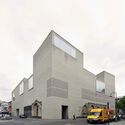
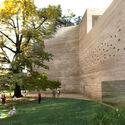
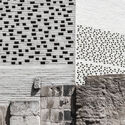
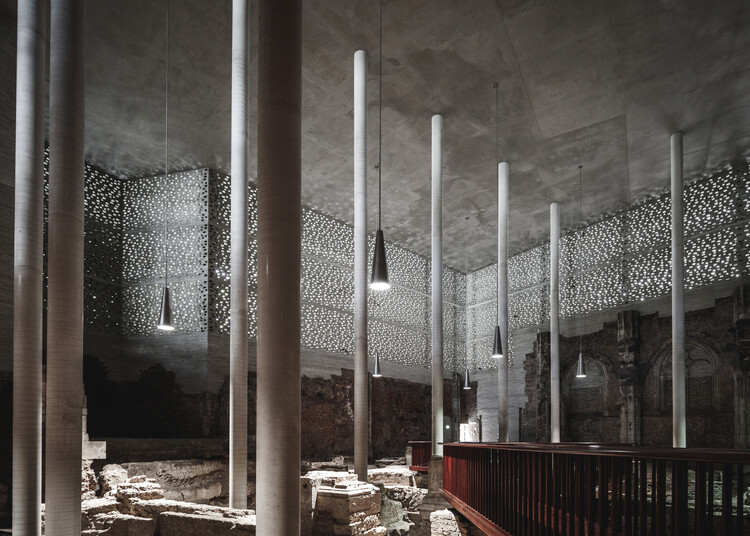
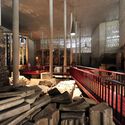
Beyond its historical core, Cologne embraces modernity with structures such as the Kranhaus buildings or Renzo Piano’s Weltstadthaus. The tapestry of architectural styles is further underlined by interventions such as Peter Zumthor’s Kolumba Museum, integrating the ruins of a late-Gothic church destroyed during World War II into a tranquil space dedicated to the contemplation of art and history.