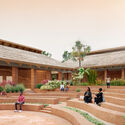
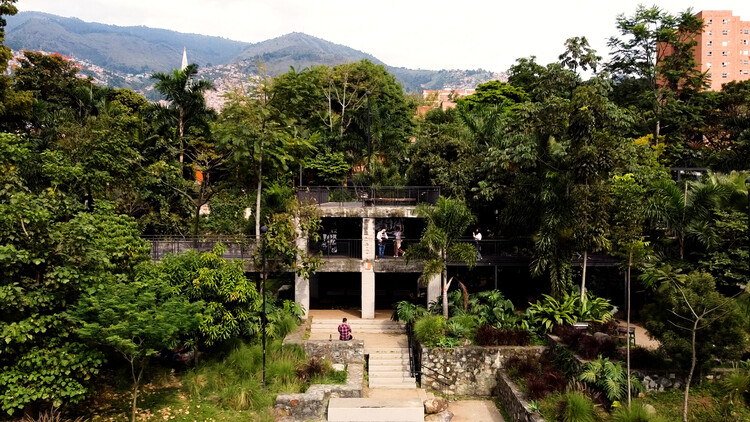
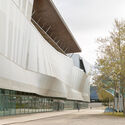
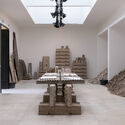
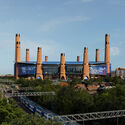
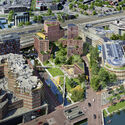
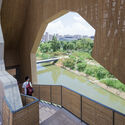
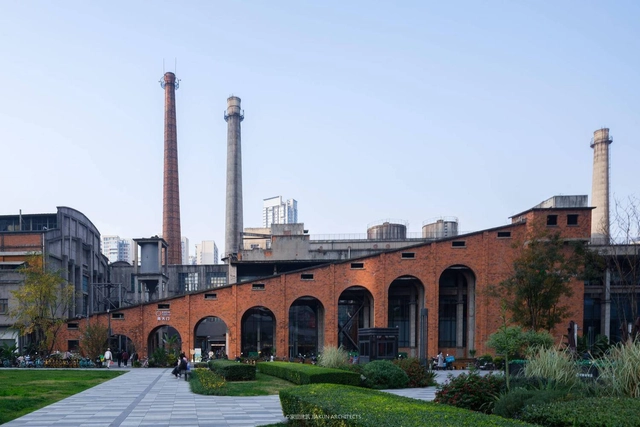
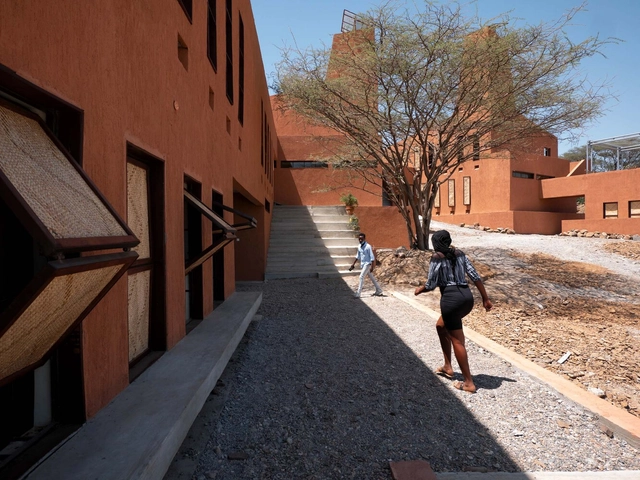
Parque Prado, Colombia, by Connatural Arquitectura en el Paisaje, Category 5 Winner of the UIA 2030 Award. Image Courtesy of International Union of Architects (UIA)
This week's stories reveal a growing focus on reconnecting design with physical reality, whether through construction, landscape, public space, or collective participation. From the curatorial direction of the upcoming Venice Architecture Biennale 2027 to internationally recognized projects addressing flood resilience, affordable housing, and ecological restoration, many of the week's discussions challenged architecture's increasing detachment from material, environmental, and social conditions. At the same time, major cultural interventions, temporary structures, and public forums explored how institutions and civic spaces can become more accessible, adaptable, and engaged with everyday urban life.
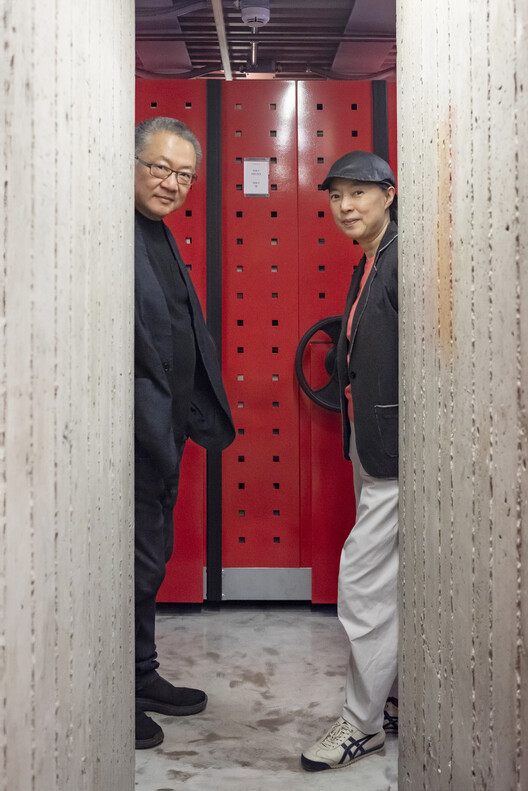
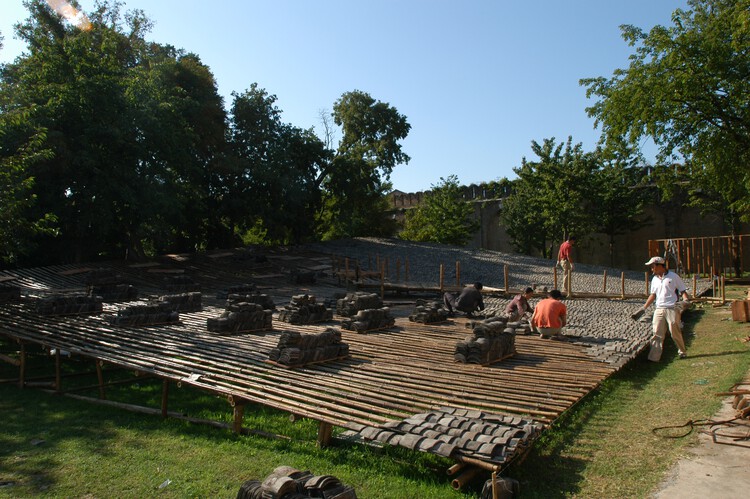
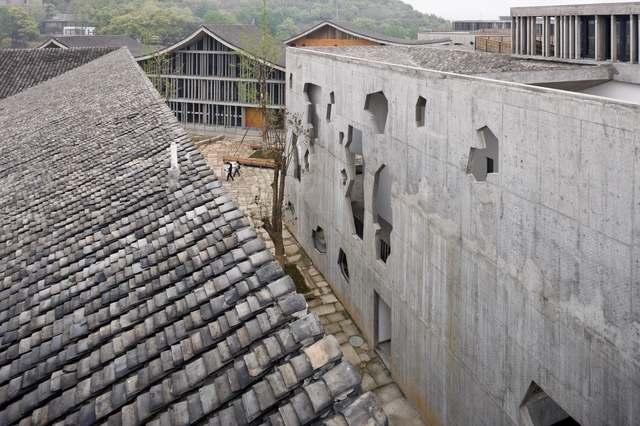
The curatorial direction reflects many of the ideas developed through the work of Amateur Architecture Studio, founded by Wang Shu and Lu Wenyu in 1997. Their projects have consistently explored the reuse of salvaged materials, regional construction techniques, and the continuity between historic and contemporary forms of building. Across both urban and rural contexts, the studio's work often emphasizes craft traditions, collective memory, and the spatial qualities embedded within everyday environments.
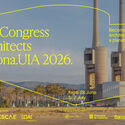
The UIA World Congress of Architects 2026 Barcelona has released its full program, outlining the structure, participants, and range of activities scheduled to take place from June 28 to July 2, 2026. Expanding on the previously introduced theme, Becoming. Architectures for a Planet in Transition, the Congress is conceived as a distributed event across multiple venues and urban contexts rather than a single-site conference. Organized by the International Union of Architects (UIA) in collaboration with the Higher Council of the Colleges of Architects of Spain (CSCAE) and the Architects' Association of Catalonia (COAC), the event is expected to gather approximately 10,000 participants and 250 speakers from more than 130 countries.
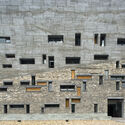
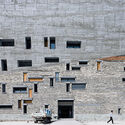
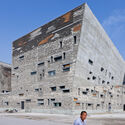
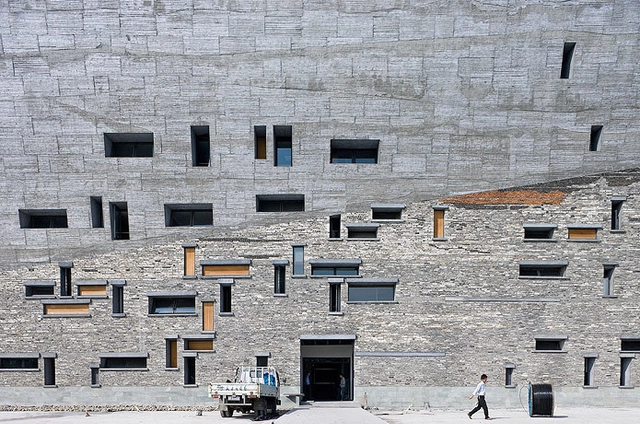
Lu Wenyu—co-founder of Amateur Architecture Studio with Pritzker laureate Wang Shu—has shaped many of the practice's most emblematic works across China, including the Ningbo History Museum and the Xiangshan Campus of the China Academy of Art in Hangzhou. Often working outside the spotlight, her leadership is unmistakable in the discipline of execution and the roles she has assumed: in 2003, together with Wang Shu, she established the Architecture Department at the China Academy of Art, where she also serves as Director of the Sustainable Construction Center. Her practice and teaching form a reciprocal loop: research conducted in studios at the China Academy of Art continually folds back into construction strategies on site, while lessons learned in the field return to the classroom as material intelligence rather than abstract theory.
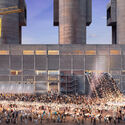
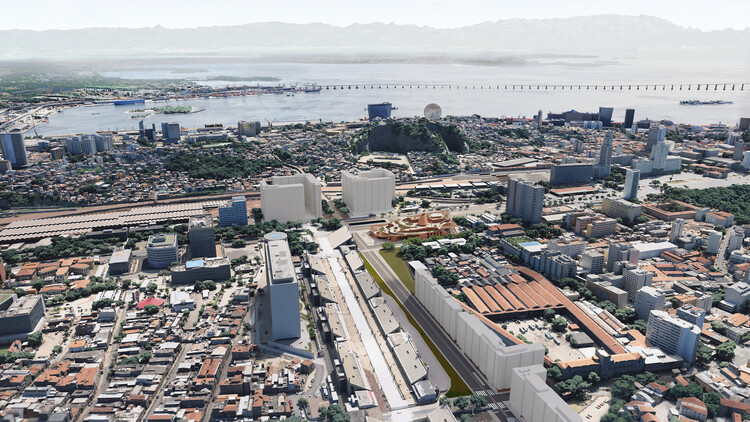
Biblioteca dos Saberes by Kéré Architecture. Aerial view. Render. Image Courtesy of Kéré Architecture
Amid ongoing global discussions on climate adaptation and resilient urban development brought into sharper focus by the outcomes of COP30, this week's architecture news illustrates how cities worldwide are rethinking their built environments. From Venice, where the 19th Architecture Biennale concluded with debates on material use and long-term cultural impact, to international awards foregrounding regenerative and socially responsive design, the conversation around architecture is increasingly intertwined with planetary priorities. Major urban interventions, from Thessaloniki's seafront redevelopment and Rio de Janeiro's new public library, to Abu Dhabi's Natural History Museum and a civic stadium in Birmingham, demonstrate how multiple cities are addressing mobility, heritage, density, and climate resilience. Additional plans, such as Mantua's ecological urban strategy, Utrecht's elevated landscape above transport networks, and Amsterdam Airport Schiphol's redesigned landside mobility system, further reflect a transition toward integrated, people-centred urban frameworks that prioritize environmental performance, public space, and long-term territorial stewardship.
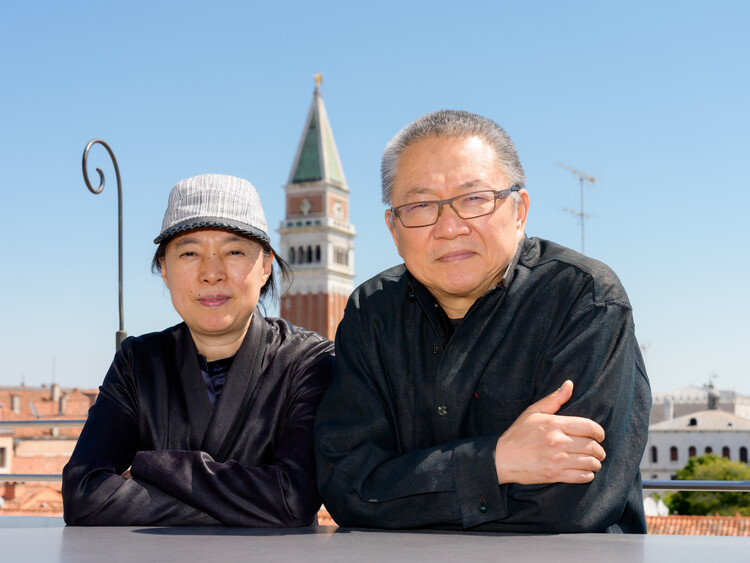
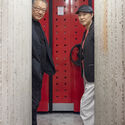
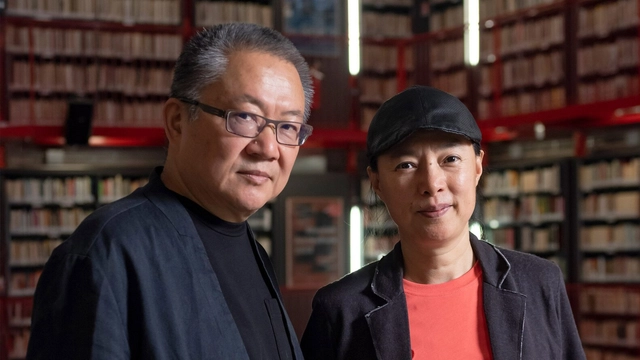
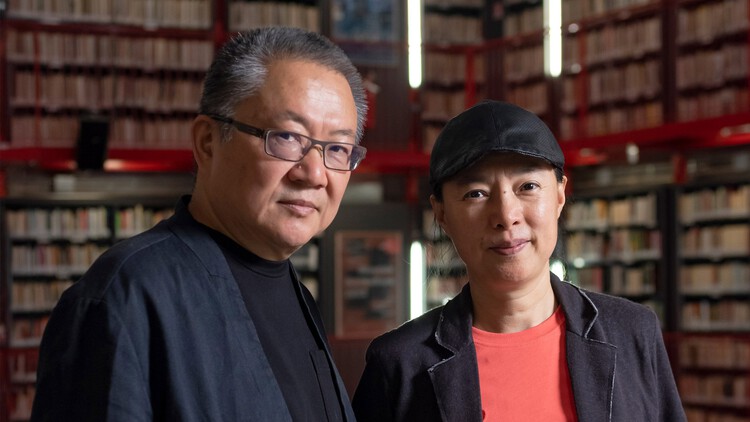
Wang Shu and Lu Wenyu. Image Courtesy of Venice Architecture Biennale
La Biennale di Venezia has announced that architects Wang Shu and Lu Wenyu will curate the 20th International Architecture Exhibition, opening in May 2027. Founders of Amateur Architecture Studio and leading voices in contemporary practice, the duo is known for an approach rooted in craftsmanship, material reuse, and deep engagement with place. Their appointment brings renewed attention to vernacular knowledge, construction cultures, and the social realities shaping architecture today.
French-Lebanese architect Lina Ghotmehhas been recognized on the TIME100 Next 2025 list, an annual ranking of emerging leaders and innovators across disciplines. Known for her sensitive approach to context and materiality, Ghotmeh has built an international portfolio that bridges tradition and modernity. In her TIME profile, written by Danish architect Bjarke Ingels, Ghotmeh is praised for combining historical awareness with forward-looking experimentation. The acknowledgment positions her as the only architect on this year's list, highlighting the continued presence of design voices in a ranking that typically spans entertainment, politics, science, and business.
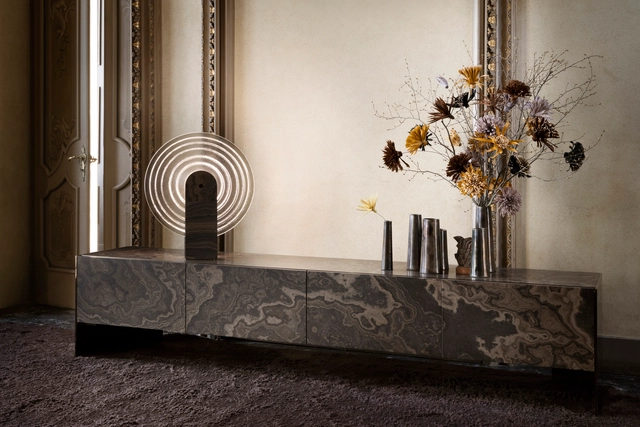
The 2025 edition of Milan Design Week took place from April 8 to April 13, 2025. During these five days, the city of Milan hosted special events, exhibitions, installations, and discussions centered on the creative disciplines, including the 63rd edition of the Salone del Mobile at Fiera Milano fairgrounds. Among the numerous activities, the event serves as an ideal opportunity to introduce the latest trends and showcase upcoming pieces from brands and designers worldwide. Among the new releases and product launches, the ArchDaily team identified a selection of products designed by architects, ranging from lighting and furniture systems to materials and small objects.
For nearly the past two decades, cities around the world embraced "starchitecture"—futuristic, eye-catching buildings designed by globally renowned architects. In China, this trend was particularly pronounced as rapid urbanization fueled the construction of iconic megastructures like Zaha Hadid's Galaxy SOHO, OMA's CCTV Headquarters, and Herzog & de Meuron's Bird's Nest Stadium in Beijing. At the time of their construction, these were all celebrated as symbols of progress and global ambition. However, architecture worldwide has begun shifting toward a more context-driven, human-centered approach, with China emerging as one of the key contributors to this transformation. This year, Liu Jia Kun's 2025 Pritzker Prize further underscores that shift.
The Wall Street Journal announced Wang Shu as architecture’s “Innovator of the Year 2012”, commending his “deceptively simple” vision that is “drafting a new architectural blueprint for his country”. The 49-year-old Chinese architect, whose work has been described as China’s “new regional style”, is one of the most influential architects in what is becoming one of the most important countries in the world.
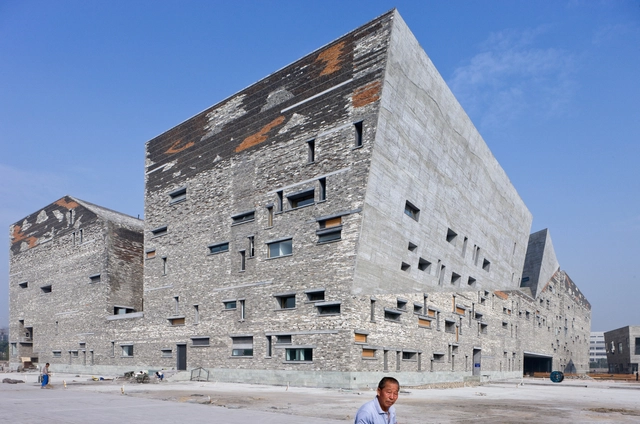
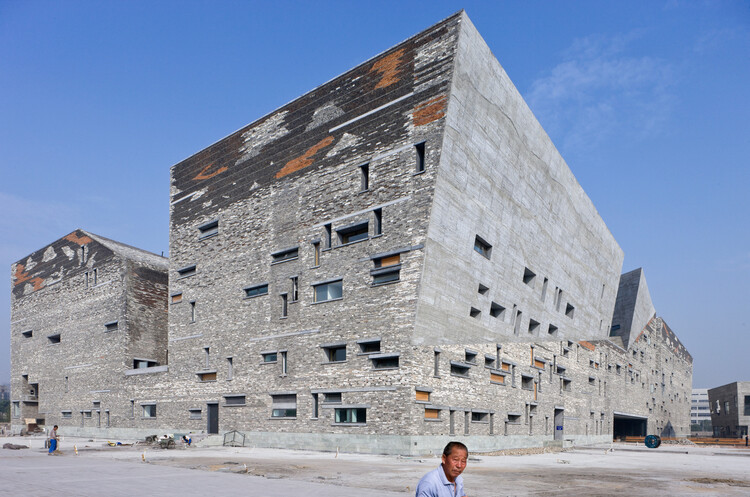
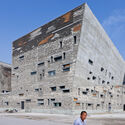
After founding Amateur Architecture Studio with his wife, Lu Wenyu, in 1997, the Pritzker Prize laureate has created a succession of acclaimed projects throughout China, from civic buildings to private homes to exhibition pavilions. Some of his most prominent works include the monumental Ningbo Museum of Art, constructed of locally salvaged materials, and the uniquely crafted Xiangshan Campus for the China Academy of Art. Both projects exhibit Shu’s innovative balance between traditional and contemporary Chinese architecture that remains deeply rooted within it’s context.
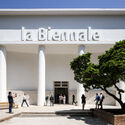
Join the authors and editors of Lars Müller Publishers for a rare book signing opportunity with architects Wang Shu, Sou Fujimoto, and Steven Hollon August 28th at the 2012 Venice Architecture Biennale! This event will kick off the exhibition Lars Müller Publishers – Book Fever, which will feature sixty publications – new releases, bestsellers, milestones from the past, and rare treasures – for the public to explore.
Founded thirty years ago, Lars Müller Publishers’ carefully edited and designed publications on architecture, design, and contemporary art has lead them to become a renowned international publisher. One milestone you may remember was their release of Peter Zumthor’s Works (1998), which was the first survey of the oeuvre of the architect now known worldwide that set new standards for the monograph as a book genre.
Continue after the break for more details on the book signing and exhibition.
Opening up September 4 at 5pm with a lecture by 2012 Pritzker Prize Winner, architect Wang Shu, the exhibition of projects of Chinese architects focuses on the theoretical research on architecture and design as well as building practice currently found fertile ground in any contemporary China but particularly in the city of Shanghai. Organized by La Triennale of Milan and the Degree Course in Engineering/Architecture from the University of Pavia, yhe center of the debate will be on urban development and architecture thanks to the cultural milieu linked to Tongji University. More information on the exhibition after the break.
In recent years, the growth of China has been incredible. We have often likened the massive surge of projects in the country to the explosive levels of architectural experimentation in Dubai. OMA, Hadid, Holl, Foster, Morphosis – strong powerhouses of architecture – all seeking to help China meet the demands of its emerging world power position by springing from the basis of a historically isolated culture and leaping to craft a more globalized image for the country. Such an image creates the desire for an architecture which can continually out shine itself as it challenges traditional materiality, scale and contextual relationships in China’s modern cities such as Shanghai and Beijing, Hangzhou and West Kowloon.
Perhaps, that is precisely why many have not heard of Wang Shu and Amateur Architecture Studio. And, perhaps, that is precisely why this Pritzker award carries such weight.
Founder of Amateur Architecture Studio and Head of Architecture at the China Academy of Art, Wang Shu was the first Chinese architect to hold Harvards Graduate School of Design (GSD) Kenzo Tange professorship. The Harvard lecture honors architect Kenzo Tange by bringing distinguished architects from around the globe to the GSD.