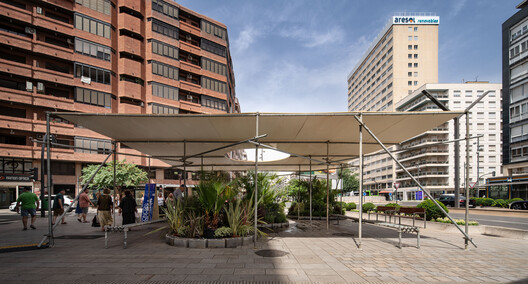
As cities around the world brace for extreme temperatures and waves of unrelenting heat, urban greening is one of the best solutions for leaders to combat this reality. The benefits of planting trees for physical health, mental well-being, and thermal relief are well documented, and a mature canopy can transform a space by several degrees on a hot day. Trees cool the air through evapotranspiration, filter pollutants and absorb stormwater, and enhance biodiversity in urban spaces.
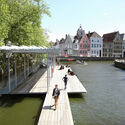
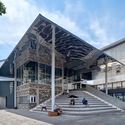
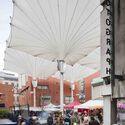
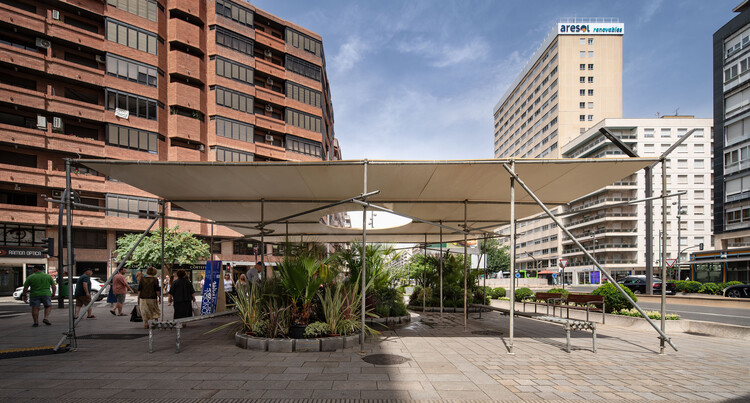
However, trees are not a universal solution for every city facing extreme heat. A newly planted tree can take more than a decade to provide sufficient shade, and in the meantime, the demands for water, soil, and root space can strain dense urban environments that don't have the resources to spare. In drought-prone regions, water-intensive landscaping is increasingly difficult to justify, and even in wetter climates, compacted urban soil, underground utilities, and narrow sidewalks can make large-scale planting impractical. Ongoing maintenance for urban greening, such as pruning, pest management, storm-damage mitigation, and root infrastructure repair, imposes long-term costs that low-resource municipal budgets can't sustain over the years. In many cases, the absence of urban trees is often a reflection of a city's ecological or economic realities.


