1. ArchDaily
  2. Temperature

Temperature: The Latest Architecture and News

Environmental Comfort as an Interior Condition in South American Architecture

Subscriber Access | 

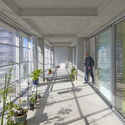
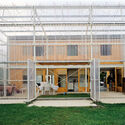
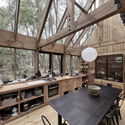
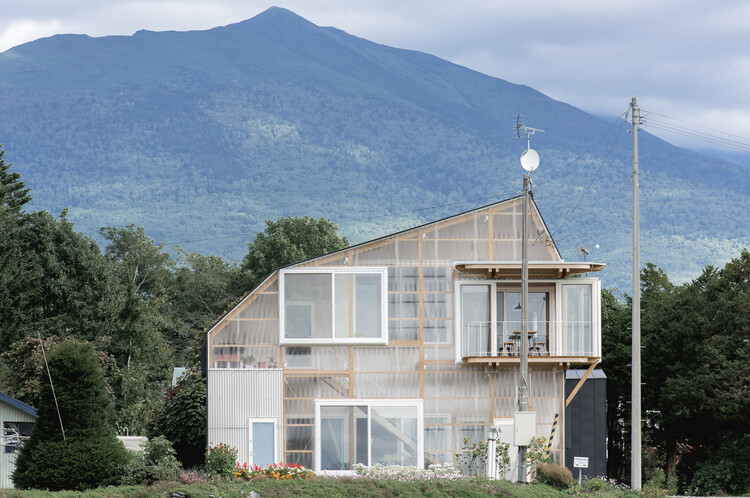
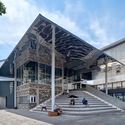
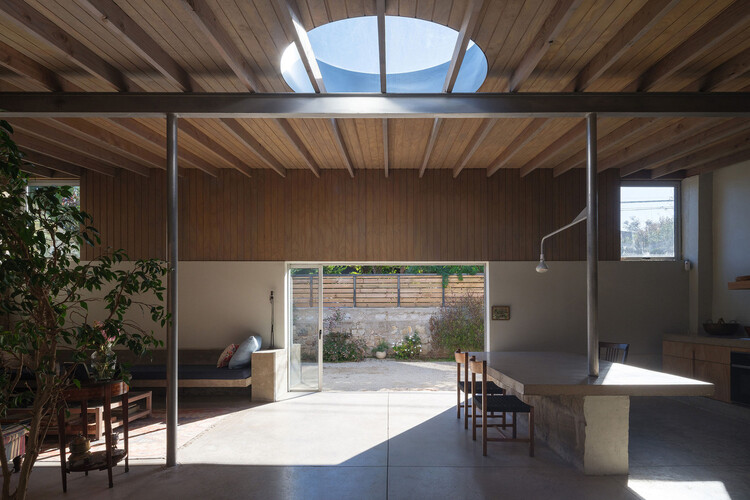
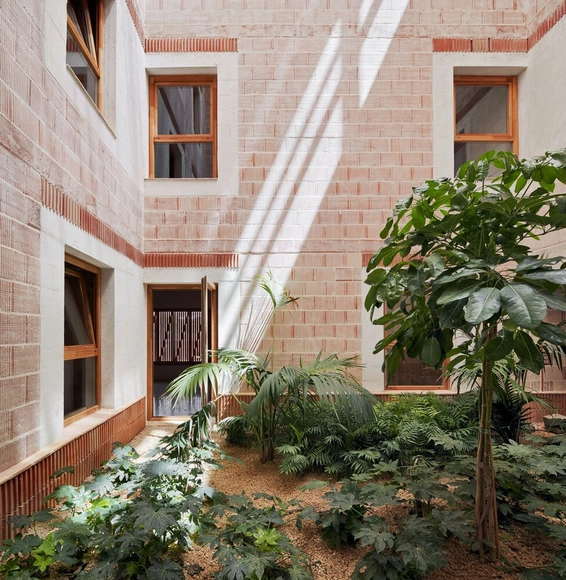
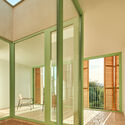
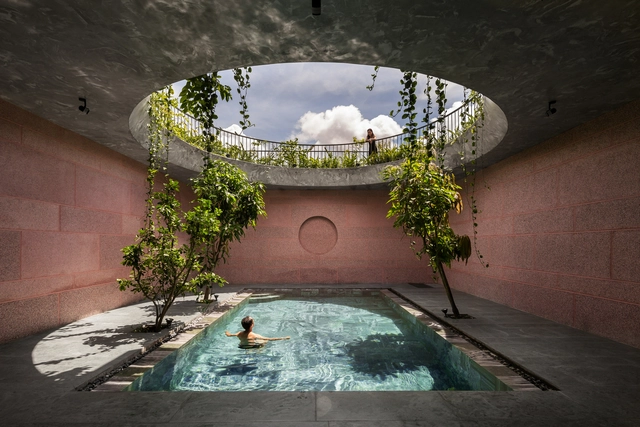
Across South America, environmental comfort is understood not as an interior condition, but as one shaped through space. In regions marked by heat, humidity, intense sunlight, and seasonal variation, architecture has long relied on spatial decisions to moderate climate and support daily life. Comfort emerges from how interiors are opened, shaded, ventilated, and inhabited over time.

Rather than isolating interior spaces from their surroundings, many contemporary projects across the region cultivate comfort through depth, porosity, and intermediate zones. Light is filtered rather than maximized, air is guided through aligned openings and voids, and thresholds become active spaces of use rather than residual edges. These strategies do not seek uniform environmental control, but produce interiors that remain temperate, adaptable, and closely attuned to changing climatic conditions. In this context, environmental comfort becomes inseparable from spatial experience.

Environmental Comfort as an Interior Condition in South American Architecture - Image 1 of 4Environmental Comfort as an Interior Condition in South American Architecture - Image 2 of 4Environmental Comfort as an Interior Condition in South American Architecture - Image 3 of 4Environmental Comfort as an Interior Condition in South American Architecture - Image 4 of 4Environmental Comfort as an Interior Condition in South American Architecture - More Images+ 12

From Diplomacy to Mobility: Six Legislative Responses Cities Are Using to Confront Climate Change

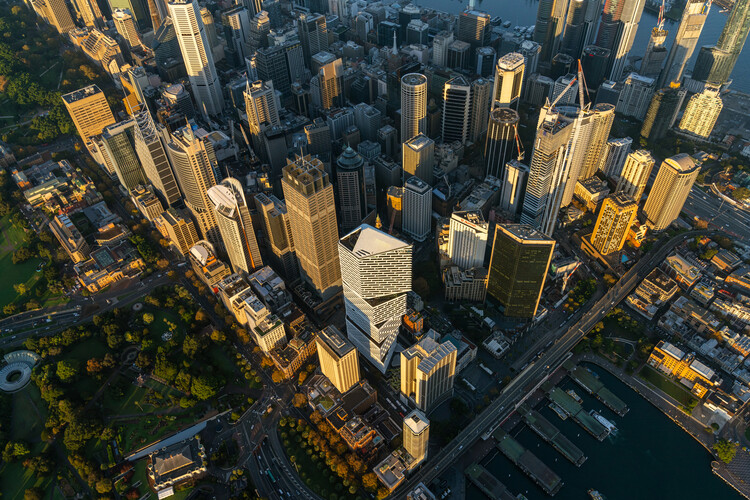
From building codes to mobility restrictions and new diplomatic roles within city governments, climate policy is increasingly being shaped at the local level through a widening range of legislative and institutional tools. Cities as varied as Sydney, Boston, New York, Paris, Miami, and dozens across Latin America are adopting targeted strategies that reflect their distinct environmental pressures and governance structures. These initiatives range from all-electric and net-zero construction requirements, to traffic-control measures designed to curb the social costs of private vehicle use, to emerging forms of urban diplomacy that coordinate responses to rising temperatures and biodiversity loss. Together, these approaches illustrate how territorial management is evolving in response to the accelerating climate crisis, and how local governments are experimenting with regulation and collaboration to confront challenges that are at once global and deeply place-specific.

From Diplomacy to Mobility: Six Legislative Responses Cities Are Using to Confront Climate Change - Image 1 of 4From Diplomacy to Mobility: Six Legislative Responses Cities Are Using to Confront Climate Change - Image 2 of 4From Diplomacy to Mobility: Six Legislative Responses Cities Are Using to Confront Climate Change - Image 3 of 4From Diplomacy to Mobility: Six Legislative Responses Cities Are Using to Confront Climate Change - Image 4 of 4From Diplomacy to Mobility: Six Legislative Responses Cities Are Using to Confront Climate Change - More Images+ 1

Coping with Extreme Heat: How Cities are Confronting the Heatwave in Eastern and Southern Europe

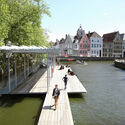
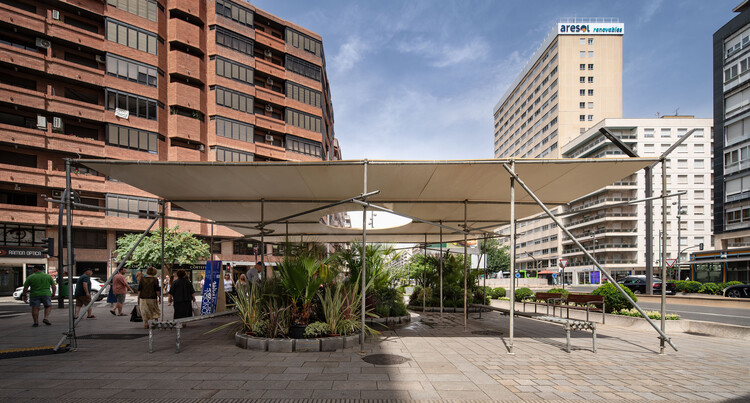
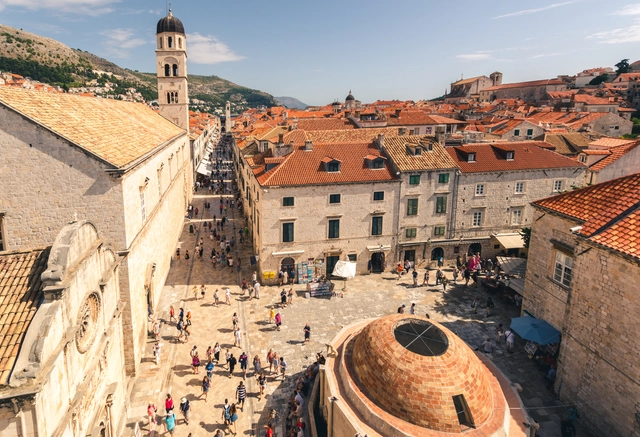
Eastern and Southern Europe is enduring a severe heatwave, with temperatures reaching over 40 degrees Celsius in many countries including Greece, Croatia, Macedonia, and Romania. Driven by hot air from North Africa, this prolonged heatwave has raised significant threats for residents and has strained the cities’ mechanisms for protection and climate mitigation. As the heatwaves expose the vulnerabilities of urban infrastructures, cities across Europe are striving to implement measures to address these challenges.

Coping with Extreme Heat: How Cities are Confronting the Heatwave in Eastern and Southern Europe - Image 1 of 4Coping with Extreme Heat: How Cities are Confronting the Heatwave in Eastern and Southern Europe - Image 2 of 4Coping with Extreme Heat: How Cities are Confronting the Heatwave in Eastern and Southern Europe - Image 3 of 4Coping with Extreme Heat: How Cities are Confronting the Heatwave in Eastern and Southern Europe - Image 4 of 4Coping with Extreme Heat: How Cities are Confronting the Heatwave in Eastern and Southern Europe - More Images

How to Replace Air Conditioning? Passive Strategies for Addressing Global Warming

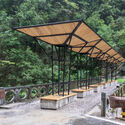
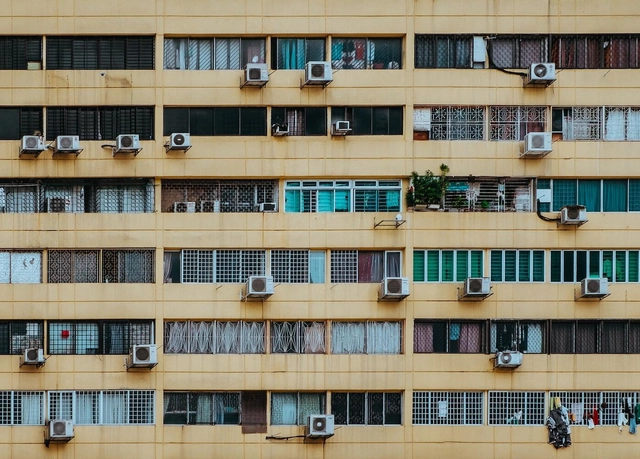
Between now and 2050, worldwide installation of cooling appliances, like air conditioning, is projected to triple, resulting in a twofold increase in energy consumption. This reliance on such devices, often seen as exacerbating global warming, poses a paradox: how can we fight rising temperatures in cities while simultaneously contributing to them through our dependence on these solutions?

How to Replace Air Conditioning? Passive Strategies for Addressing Global Warming - Image 1 of 4How to Replace Air Conditioning? Passive Strategies for Addressing Global Warming - Image 2 of 4How to Replace Air Conditioning? Passive Strategies for Addressing Global Warming - Image 3 of 4How to Replace Air Conditioning? Passive Strategies for Addressing Global Warming - Image 4 of 4How to Replace Air Conditioning? Passive Strategies for Addressing Global Warming - More Images+ 4

Bringing the Outside In: Life-Size Terrariums and Other Ways to Exhibit Nature in European Apartment Buildings

Subscriber Access | 

As the temperature drops in the Northern Hemisphere, cold outdoor spaces are overcome with frost, ice, and snow, and we find ourselves rushing from one heated indoor environment to the next, less willing or less able to stop and appreciate the natural world around us.

Apart from dragging a spruce or fir tree inside and dressing it up in yuletide costume, we tend to leave the real natural world to its own seasonal devices until it reemerges in Spring. However, by inviting the positive effects of plant life into our homes, we can improve both our mental health and the air we breathe by filling them with peace and joy all year round, not just at Christmas.

Bringing the Outside In: Life-Size Terrariums and Other Ways to Exhibit Nature in European Apartment Buildings - Image 1 of 4Bringing the Outside In: Life-Size Terrariums and Other Ways to Exhibit Nature in European Apartment Buildings - Image 2 of 4Bringing the Outside In: Life-Size Terrariums and Other Ways to Exhibit Nature in European Apartment Buildings - Image 3 of 4Bringing the Outside In: Life-Size Terrariums and Other Ways to Exhibit Nature in European Apartment Buildings - Image 4 of 4Bringing the Outside In: Life-Size Terrariums and Other Ways to Exhibit Nature in European Apartment Buildings - More Images+ 13

How to Build a Backyard Pool? Types and Features

Subscriber Access | 

Designer pools bring status to luxury homes and five-star hospitality spaces. But adding the cooling, calming, energizing, and environmental benefits of a hyper-local water body to a residence can far outweigh the cost of installation. With a range of long- and short-term landscaping options possible, meanwhile, luxury is available, whatever the budget.

Most pools are built below ground to retain unobstructed visuals above. While all in-ground pools start off the same way – with excavation, then connecting the plumbing and filtration systems – the main difference is in the construction of the pool’s basin. The simplest and quickest method is to lower a pre-fabricated reinforced plastic pool or pre-cast concrete basin into the cavity, before connecting the pipework and backfilling the recess with sand. But this is only suitable for off-the-shelf pools with simple geometries. In order to make the most efficient use of all available space, bespoke pool shapes and sizes are best achieved by pouring or spraying concrete into a rebar or timber frame.

How to Build a Backyard Pool? Types and Features - Image 1 of 4How to Build a Backyard Pool? Types and Features - Image 2 of 4How to Build a Backyard Pool? Types and Features - Image 3 of 4How to Build a Backyard Pool? Types and Features - Image 4 of 4How to Build a Backyard Pool? Types and Features - More Images+ 19

Why Is My Office So Cold? Exploring the Overlooked Aspects that Contribute to Workplace Wellbeing

If your profession involves going into the office every day, then you’re probably familiar with this age-old question- is the office too hot, or is it too cold? While some colleagues may claim that the workplace feels like a sauna, you might see others who survive the daily grind hidden away under a blanket with a personal space heater keeping them company. The never-ending debate about the perfect temperature might only scratch the surface of many questions that designers and engineers have aimed to solve about the workplace, and they’re probably the aspects that you don’t consider on a daily basis. What about lighting- has a meeting room ever felt too bright, or too dimly lit that you felt uncomfortable? 

What Materials Keep Buildings Cool?

Air-conditioning isn’t just expensive; it’s also terrible for the environment. Accounting for 10% of global energy consumption today, space cooling in 2016 alone was responsible for 1045 metric tons of CO2 emissions. This number is only expected to increase, with the International Energy Agency estimating that cooling will reach 37% of the world’s total energy demand by 2050.

What Materials Keep Buildings Cool? - SustainabilityWhat Materials Keep Buildings Cool? - SustainabilityWhat Materials Keep Buildings Cool? - SustainabilityWhat Materials Keep Buildings Cool? - SustainabilityWhat Materials Keep Buildings Cool? - More Images+ 5