1. ArchDaily
  2. Green Space

Green Space: The Latest Architecture and News

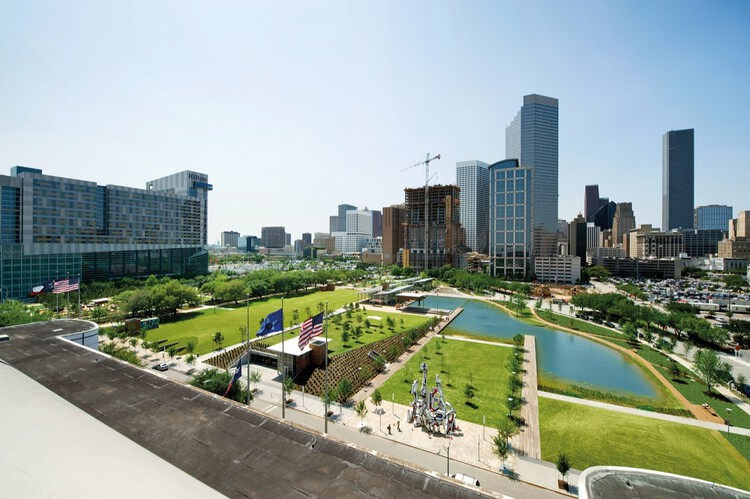
Reimagining the Complete Neighborhood through Urban Renaturing

Subscriber Access | 

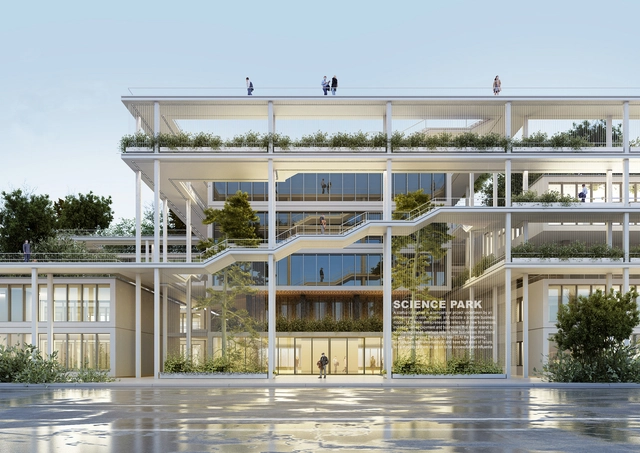
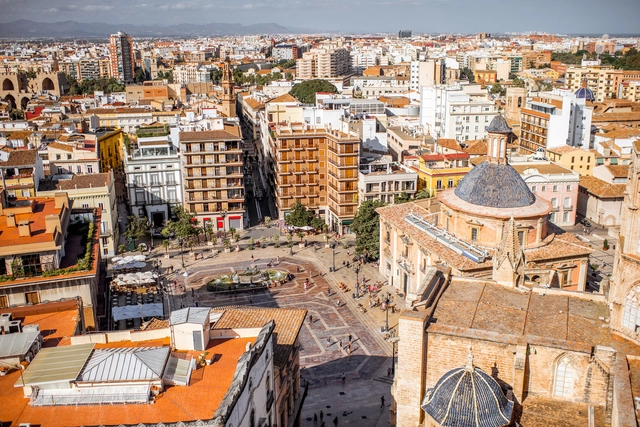
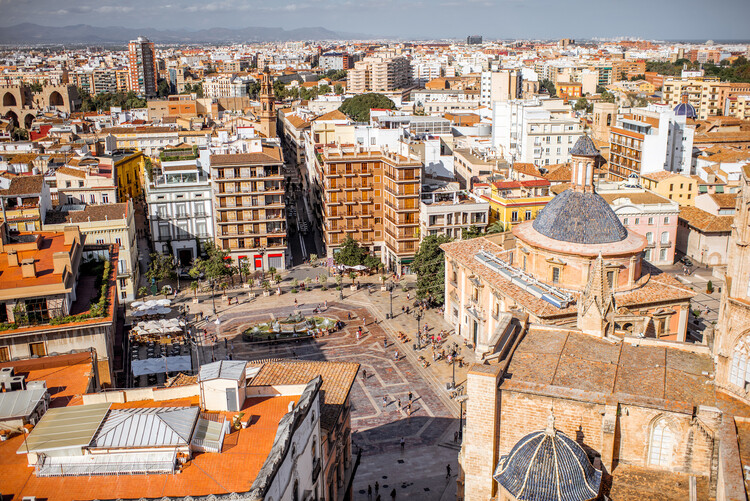
The ReGreeneration project, a Horizon Europe project led by Inetum and supported by C40 Cities, ARUP, Placemaking Europe, and several others, operates as an active collaboration with local governments, private companies, academia, and civil society organizations at the intersection of urban regeneration, green public spaces, and neighborhood-scale design. Its premise addresses how European cities are built and maintained and how they experience a changing climate, arguing that cities must fundamentally change to remain livable under accelerating climate pressures.

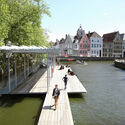
Reimagining the Complete Neighborhood through Urban Renaturing - Image 1 of 4Reimagining the Complete Neighborhood through Urban Renaturing - Image 2 of 4Reimagining the Complete Neighborhood through Urban Renaturing - Image 3 of 4Reimagining the Complete Neighborhood through Urban Renaturing - Image 4 of 4Reimagining the Complete Neighborhood through Urban Renaturing - More Images+ 12

OUALALOU+CHOI Wins Competition for the New Casa Sud Train Station in Casablanca

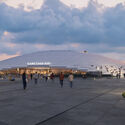
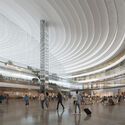
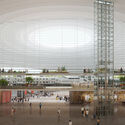
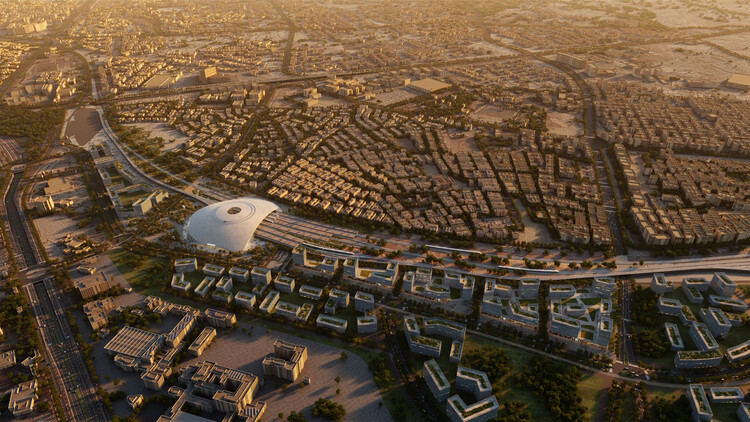
OUALALOU+CHOI has won the international competition for the design of the new Casa Sud Train Station in Casablanca, Morocco. Based in Paris and Casablanca, the architecture and urban design practice led by Tarik Oualalou and Linna Choi is recognized for its work exploring the relationship between architecture, infrastructure, and public life. The winning proposal envisions the new station as both an infrastructural hub and a civic landmark, addressing the needs of a rapidly expanding metropolis while contributing to the urban and social fabric of Morocco's economic capital.

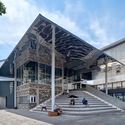
OUALALOU+CHOI Wins Competition for the New Casa Sud Train Station in Casablanca - Image 1 of 4OUALALOU+CHOI Wins Competition for the New Casa Sud Train Station in Casablanca - Image 2 of 4OUALALOU+CHOI Wins Competition for the New Casa Sud Train Station in Casablanca - Image 3 of 4OUALALOU+CHOI Wins Competition for the New Casa Sud Train Station in Casablanca - Image 4 of 4OUALALOU+CHOI Wins Competition for the New Casa Sud Train Station in Casablanca - More Images+ 2

From Brazil to Ukraine: 7 Conceptual Learning Spaces Expanding the Boundaries of Education

Subscriber Access | 

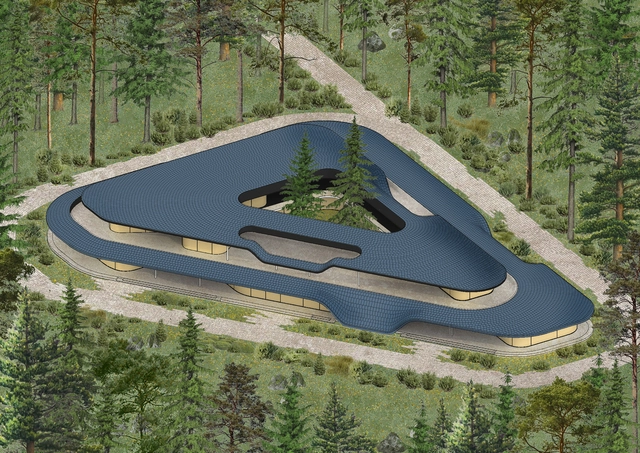
In today's world, learning is no longer confined to classrooms or defined by formal education alone, it happens everywhere, in many forms. From music halls and sensory libraries to neurodiversity training centers and public schools reimagined, the spaces that support learning are becoming just as varied as the ways we learn. This selection of unbuilt educational projects submitted by the ArchDaily community reflects that shift, exploring how architecture can embrace difference, nurture curiosity, and create environments that support a broad spectrum of cognitive, emotional, and social needs.

21st Europe and Spacon Propose ‘Continent of Play’ as Civic Infrastructure Across Europe

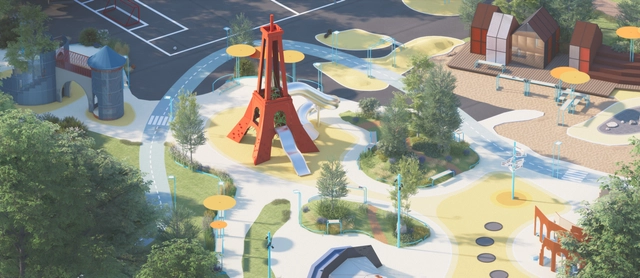
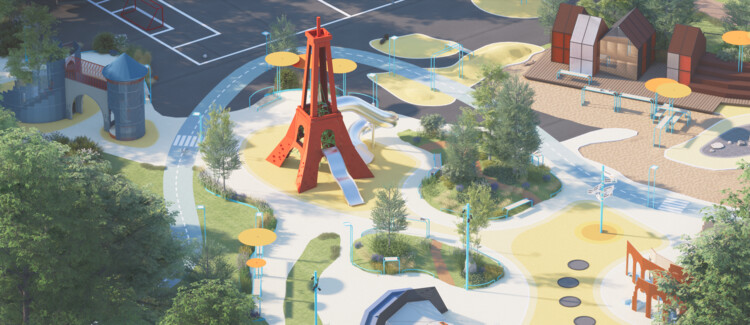
21st Europe, a Copenhagen-based think tank founded by former SPACE10 creative director Kaave Pour, has introduced its second major blueprint, Continent of Play. Developed in collaboration with design and architecture studio Spacon, the proposal reimagines playgrounds as vital civic infrastructure, positioning them alongside museums, transport hubs, and energy grids as defining spaces for Europe's future.

21st Europe and Spacon Propose ‘Continent of Play’ as Civic Infrastructure Across Europe - Image 1 of 421st Europe and Spacon Propose ‘Continent of Play’ as Civic Infrastructure Across Europe - Image 2 of 421st Europe and Spacon Propose ‘Continent of Play’ as Civic Infrastructure Across Europe - Image 3 of 421st Europe and Spacon Propose ‘Continent of Play’ as Civic Infrastructure Across Europe - Image 4 of 421st Europe and Spacon Propose ‘Continent of Play’ as Civic Infrastructure Across Europe - More Images+ 13

From Vietnam to Poland: 6 Unbuilt Residences Immersed in Nature

Subscriber Access | 

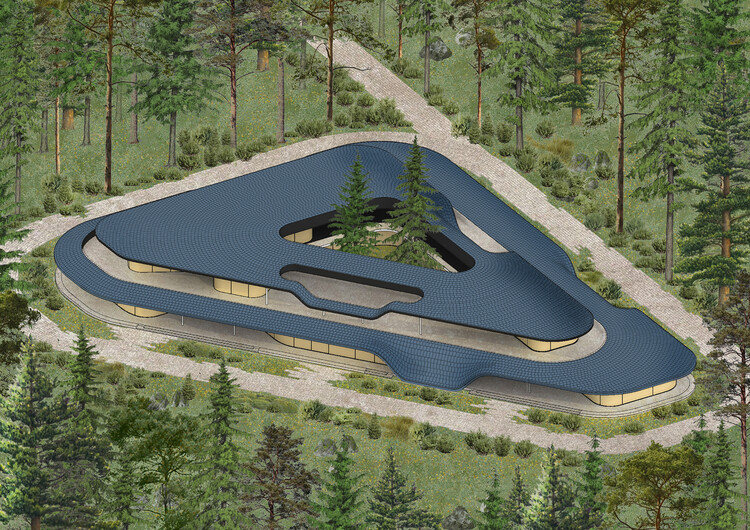
Across diverse climates and landscapes, architects are reimagining the home as a place deeply rooted in its surroundings, where architecture and environment work together to nurture well-being. This curated selection of unbuilt residences, submitted by the ArchDaily community, are conceived as sanctuaries, offering respite from the pace of urban life and drawing on the restorative qualities of greenery, water, and open air. Nature is utilized as an active presence, shaping courtyards, guiding circulation, and influencing the choice of materials and colors.

From Vietnam to Poland: 6 Unbuilt Residences Immersed in Nature - Image 14 of 4From Vietnam to Poland: 6 Unbuilt Residences Immersed in Nature - Image 23 of 4From Vietnam to Poland: 6 Unbuilt Residences Immersed in Nature - Image 26 of 4From Vietnam to Poland: 6 Unbuilt Residences Immersed in Nature - Image 5 of 4From Vietnam to Poland: 6 Unbuilt Residences Immersed in Nature - More Images+ 30

From Bologna to Mexico City: 8 Unbuilt Masterplans Reimagining Communities Through Regeneration and Design

Subscriber Access | 

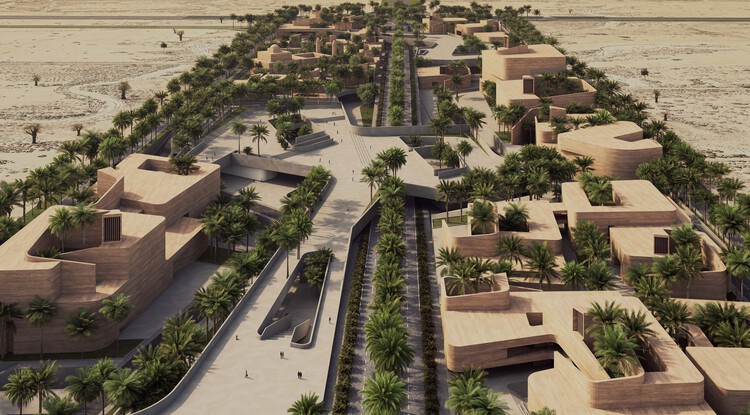
In today's architectural discourse, masterplanning is increasingly recognized as a means to reconcile growth with long-term social, cultural, and environmental priorities. Beyond organizing buildings and infrastructure, these large-scale proposals aim to regenerate urban fabrics, adapt historic or underutilized sites, and establish frameworks for inclusive and resilient communities. Submitted by the ArchDaily community, the projects featured in this edition of Unbuilt Architecture highlight how masterplans can respond to contemporary challenges while preparing cities for an uncertain future.

Spanning diverse geographies, from Europe to the Middle East and the Americas, the selected projects reinterpret industrial complexes, cultural sites, and residential neighborhoods through strategies that prioritize sustainability, mobility, and collective identity. Many share a focus on regenerative design: reopening historic canals, creating climate-adapted public spaces, and introducing green corridors and community hubs to reconnect people with their environments. Together, they showcase how masterplanning is evolving into a critical tool for rethinking how cities grow, adapt, and sustain civic life.

From Bologna to Mexico City: 8 Unbuilt Masterplans Reimagining Communities Through Regeneration and Design - Image 9 of 4From Bologna to Mexico City: 8 Unbuilt Masterplans Reimagining Communities Through Regeneration and Design - Image 22 of 4From Bologna to Mexico City: 8 Unbuilt Masterplans Reimagining Communities Through Regeneration and Design - Image 30 of 4From Bologna to Mexico City: 8 Unbuilt Masterplans Reimagining Communities Through Regeneration and Design - Image 38 of 4From Bologna to Mexico City: 8 Unbuilt Masterplans Reimagining Communities Through Regeneration and Design - More Images+ 45

Cooling the City: How European Cities are Adapting to Extreme Heat

The summer of 2025 has brought extreme heat across Europe and beyond, with record-breaking temperatures and widespread climate-related impacts. Red alert warnings have been issued in France, Italy, and Spain as temperatures exceeded 46°C in parts of the Iberian Peninsula. These conditions have led to school closures, restrictions on outdoor work, and pressure on urban infrastructure, including power grids and public transport systems. The heatwave has simultaneously intensified wildfire risk across the Mediterranean. In western Turkey, ferocious wildfires near Izmir forced the evacuation of over 50,000 people as high winds and low humidity fueled rapidly spreading flames. In Spain's Catalonia region, two people died in a wildfire that raced across farmland and old structures in Torrefeta on July 1. Similar disasters have occurred in Greece, France, and Italy, with evacuations throughout southern Europe as widespread heat‑induced drought exacerbates fire season intensity.

 Cooling the City: How European Cities are Adapting to Extreme Heat - Image 1 of 4 Cooling the City: How European Cities are Adapting to Extreme Heat - Image 2 of 4 Cooling the City: How European Cities are Adapting to Extreme Heat - Image 3 of 4 Cooling the City: How European Cities are Adapting to Extreme Heat - Image 4 of 4 Cooling the City: How European Cities are Adapting to Extreme Heat - More Images+ 6

Strategic Green Spaces: How to Make the Most of their Cooling Effects

Subscriber Access | 

Urban green spaces are considered one of the most appropriate and accessible ways to mitigate the effects of rising temperatures in urban environments. As the global climate warms, cities worldwide face more frequent and extreme heat waves, putting their citizens at risk. Many cities are employing strategies for reducing the impact of urban heat islands, which are generated when natural land cover is replaced with surfaces that absorb and retain heat, such as pavements and buildings. This raises the temperature by several degrees compared to the surroundings. Cities have their micro-climate, influenced by this phenomenon combined with a series of often overlooked factors. For a climate strategy to be efficient, all factors need to be taken into consideration.

Strategic Green Spaces: How to Make the Most of their Cooling Effects - Image 1 of 4Strategic Green Spaces: How to Make the Most of their Cooling Effects - Image 2 of 4Strategic Green Spaces: How to Make the Most of their Cooling Effects - Image 3 of 4Strategic Green Spaces: How to Make the Most of their Cooling Effects - Image 4 of 4Strategic Green Spaces: How to Make the Most of their Cooling Effects - More Images+ 7

Foster + Partners Reveals Masterplan and Shopping Hub for Iași's Palace of Culture Area in Romania

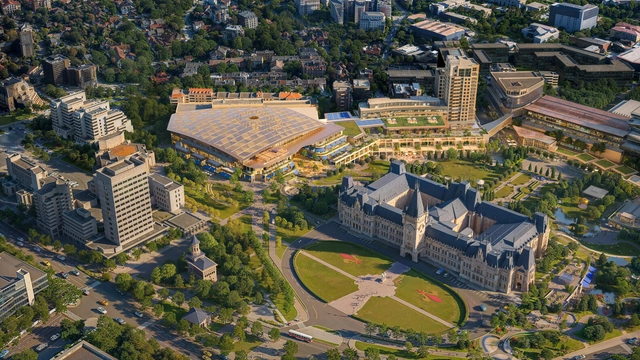
Foster + Partners has just released the design for the redevelopment of Palas Iași, a major mixed-use development in Iași, a city in eastern Romania. The proposal includes a new masterplan centered around the historic Palace of Culture and aims to improve urban connectivity, enhance public green spaces, and upgrade the existing commercial infrastructure. Developed in collaboration with Romanian developer IULIUS, the project aims to bring together retail, cultural, and landscape elements within a unified and accessible framework.

Foster + Partners Reveals Masterplan and Shopping Hub for Iași's Palace of Culture Area in Romania - Image 7 of 4Foster + Partners Reveals Masterplan and Shopping Hub for Iași's Palace of Culture Area in Romania - Image 5 of 4Foster + Partners Reveals Masterplan and Shopping Hub for Iași's Palace of Culture Area in Romania - Image 6 of 4Foster + Partners Reveals Masterplan and Shopping Hub for Iași's Palace of Culture Area in Romania - Image 9 of 4Foster + Partners Reveals Masterplan and Shopping Hub for Iași's Palace of Culture Area in Romania - More Images+ 5

Foster + Partners Unveils Two New Residential Towers in London's King's Road Park Master Plan

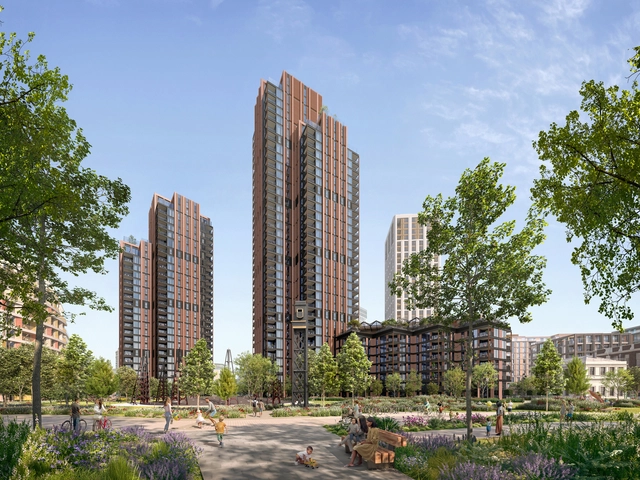
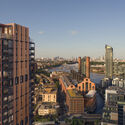
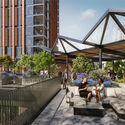
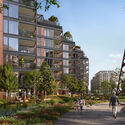
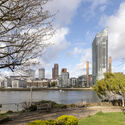
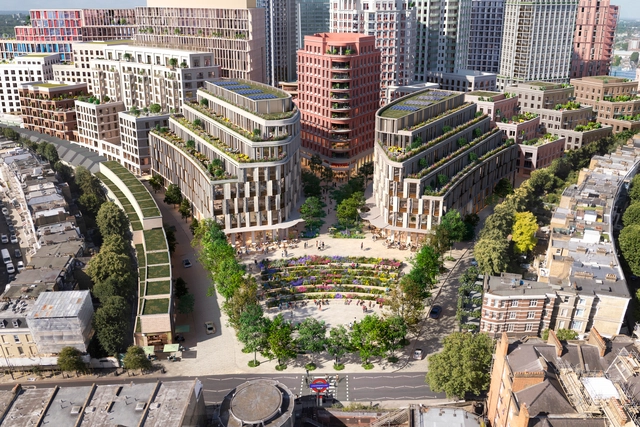
Phase four of the King's Road Park masterplan, designed by Foster + Partners for St William, has received detailed planning permission. The design, located in the London Borough of Hammersmith & Fulham, comprises two residential towers of 28 and 38 stories, a seven-story podium building, and 1.9 acres of new parkland and public open space, totaling 357 new homes. The residential buildings incorporate communal spaces, including a ground-level amenity and a rooftop garden sheltered by a louvered canopy. The towers' slender profiles are intended to complement the existing urban skyline, featuring terracotta paneling in a nod to local architectural styles.

Foster + Partners Unveils Two New Residential Towers in London's King's Road Park Master Plan - Image 1 of 4Foster + Partners Unveils Two New Residential Towers in London's King's Road Park Master Plan - Image 2 of 4Foster + Partners Unveils Two New Residential Towers in London's King's Road Park Master Plan - Image 3 of 4Foster + Partners Unveils Two New Residential Towers in London's King's Road Park Master Plan - Image 4 of 4Foster + Partners Unveils Two New Residential Towers in London's King's Road Park Master Plan - More Images+ 3

Athens’ Urban Regeneration: The Ellinikon Development Takes Shape in Greece

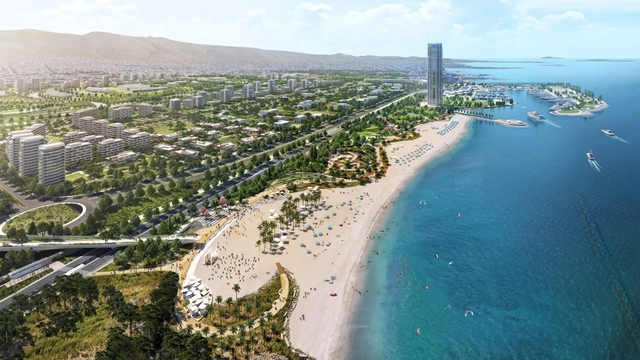
As Athens hosts The Architect Show (TAS) 2024, the event brings together global and local voices to highlight the latest innovations in architecture and design. Against this backdrop, the city's evolving urban narrative is exemplified by The Ellinikon, Europe's largest urban regeneration project. Encompassing 6.2 million square meters, this €8 billion development has already attracted globally renowned architects such as Bjarke Ingels Group (BIG), Kengo Kuma, Foster + Partners, and Aedas. Together, they are shaping the smart city that integrates sustainability, connectivity, and community-focused design into the heart of Athens.

Athens’ Urban Regeneration: The Ellinikon Development Takes Shape in Greece - Image 1 of 4Athens’ Urban Regeneration: The Ellinikon Development Takes Shape in Greece - Image 2 of 4Athens’ Urban Regeneration: The Ellinikon Development Takes Shape in Greece - Image 3 of 4Athens’ Urban Regeneration: The Ellinikon Development Takes Shape in Greece - Image 4 of 4Athens’ Urban Regeneration: The Ellinikon Development Takes Shape in Greece - More Images+ 4

Perkins&Will Leads Revitalization of Louisiana’s Transformative Urban Corridor in United States

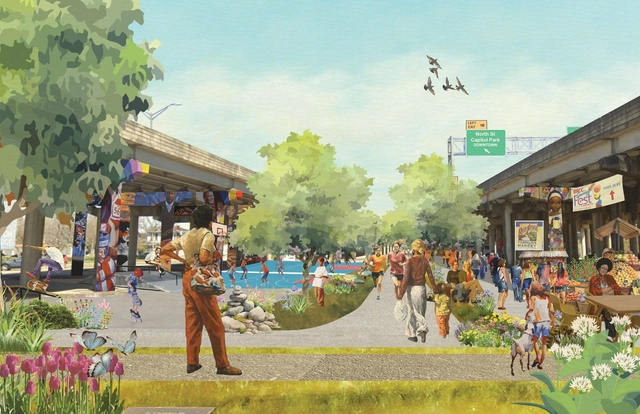
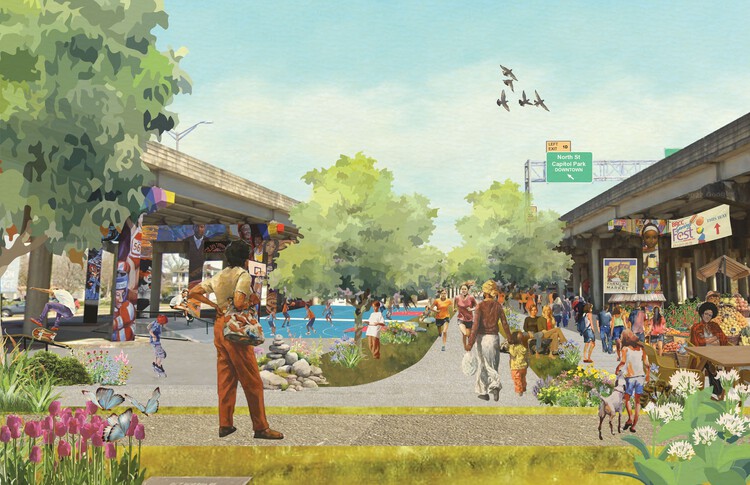
Global design firm Perkins&Will has just announced final plans have been approved for the Florida Corridor Plan in Baton Rouge, Louisiana, on which the firm is the leading planner and urban designer. This initiative, recently approved by the East Baton Rouge Metropolitan Council, aims to transform and rejuvenate a 12-mile stretch connecting downtown Baton Rouge to the Livingston Parish line.

Perkins&Will Leads Revitalization of Louisiana’s Transformative Urban Corridor in United States - Image 1 of 4Perkins&Will Leads Revitalization of Louisiana’s Transformative Urban Corridor in United States - Image 2 of 4Perkins&Will Leads Revitalization of Louisiana’s Transformative Urban Corridor in United States - Image 3 of 4Perkins&Will Leads Revitalization of Louisiana’s Transformative Urban Corridor in United States - Image 4 of 4Perkins&Will Leads Revitalization of Louisiana’s Transformative Urban Corridor in United States - More Images+ 8

The European Prize for Public Urban Space Announces Warsaw Park and Porto do Son Beach Design as 2024 Winners

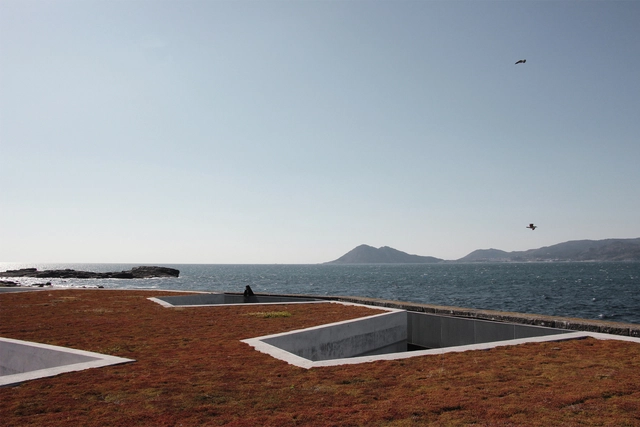
The 2024 European Prize for Urban Public Space has announced the overall winners for the 12th edition: For the General Category, the "Park at the Warsaw Uprising Mound" in Poland by studios topoScape and Archigrest received recognition its ability to honor the site's historical significance; while the Seafront Category prize was given to the "Beach Improvement and Redevelopment of the Harbour Edge" in Porto do Son, Spain, designed by CREUSeCARRASCO and RVR Arquitectos for its careful integration of natural and manmade elements. Selected from a list of 10 finalists, the projects were appreciated for their sensible response to local memory and an understanding of the interplay between various elements that interact with urban life.

The European Prize for Public Urban Space Announces Warsaw Park and Porto do Son Beach Design as 2024 Winners - Image 1 of 4The European Prize for Public Urban Space Announces Warsaw Park and Porto do Son Beach Design as 2024 Winners - Image 2 of 4The European Prize for Public Urban Space Announces Warsaw Park and Porto do Son Beach Design as 2024 Winners - Image 3 of 4The European Prize for Public Urban Space Announces Warsaw Park and Porto do Son Beach Design as 2024 Winners - Image 4 of 4The European Prize for Public Urban Space Announces Warsaw Park and Porto do Son Beach Design as 2024 Winners - More Images+ 12

Singapore Architecture City Guide: 18 Projects to Explore in the "Garden City"

Subscriber Access | 

Nestled in the heart of Southeast Asia, Singapore stands as a beacon of sustainable urbanization. According to the 2016 Green City Index, the city-state of Singapore was the greenest city in Asia at one point. Renowned as the "City in a Garden," Singapore has intertwined lush greenery, verdant parks, and new environmental policies into its urban fabric/ After gaining independence in 1965, the city-state stands as a testament to how urban life can integrate with nature.

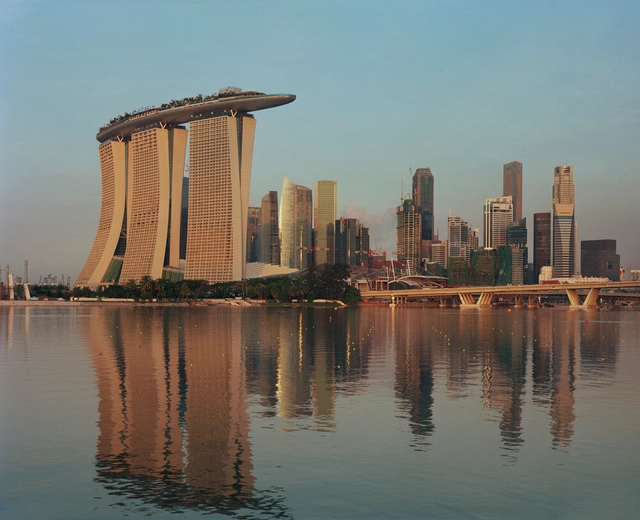
From the futuristic marvels of the infamous Marina Bay Sands and Jewel Changi Airport by Safdie Architects to the iconic heritage of the former Supreme Court, now the National Gallery Singapore, the city showcases a rich tapestry of styles and influences. The city has also adopted its version of modernism, such as the Colonnade Condominiums, designed by architect Paul Rudolph, and the Pearl Bank Apartments by Tan Cheng Siong. Renowned architects such as Moshe Safdie, Norman Foster, and WOHA, have each left an indelible mark on the city with their innovative designs.

Singapore Architecture City Guide: 18 Projects to Explore in the "Garden City" - Image 1 of 4Singapore Architecture City Guide: 18 Projects to Explore in the "Garden City" - Image 2 of 4Singapore Architecture City Guide: 18 Projects to Explore in the "Garden City" - Image 3 of 4Singapore Architecture City Guide: 18 Projects to Explore in the "Garden City" - Image 4 of 4Singapore Architecture City Guide: 18 Projects to Explore in the Garden City - More Images+ 14

Architecture Now: From Revitalized Museums to STEM Educational Facilities, Discover the Recent Work of KPF, Zaha Hadid Architects, and Other Leading Offices

In recent weeks, a series of significant architectural developments have been announced, showcasing the varied work of renowned firms from around the globe. These projects, revealed between late September and October 2024, emphasize the transformative potential of architectural design in rehabilitating historical structures, revitalizing urban areas, and proposing new facilities to meet the evolving needs of communities. Notable names such as Zaha Hadid Architects, Kohn Pedersen Fox (KPF), and Studio Egret West are among those leading ambitious projects, from the waterfront residences on Qetaifan Island in Qatar to the reimagining of London's Earls Court. This collection of recent announcements provides a glimpse into the ongoing evolution of urban landscapes and community-centric architecture.


Architecture Now: From Revitalized Museums to STEM Educational Facilities, Discover the Recent Work of KPF, Zaha Hadid Architects, and Other Leading Offices - Image 1 of 4Architecture Now: From Revitalized Museums to STEM Educational Facilities, Discover the Recent Work of KPF, Zaha Hadid Architects, and Other Leading Offices - Image 2 of 4Architecture Now: From Revitalized Museums to STEM Educational Facilities, Discover the Recent Work of KPF, Zaha Hadid Architects, and Other Leading Offices - Image 3 of 4Architecture Now: From Revitalized Museums to STEM Educational Facilities, Discover the Recent Work of KPF, Zaha Hadid Architects, and Other Leading Offices - Image 4 of 4Architecture Now: From Revitalized Museums to STEM Educational Facilities, Discover the Recent Work of KPF, Zaha Hadid Architects, and Other Leading Offices - More Images+ 32

The 36x36 Project Series in Mexico by Colectivo C733 Receives the 2024 Obel Award

The 2024 Obel Award has been granted to Colectivo C733 for their unique achievement in completing 36 public projects across Mexico over a span of just 36 months. These projects have begun as part of a nationwide initiative led by Mexico's Secretariat for Agrarian, Land, and Urban Development (SEDATU). Collectively named the 36x36 projects, the varied interventions have successfully revitalized a wide range of vulnerable urban and rural areas through a collaborative and community-focused approach. This aligns with the Obel Award's 6th cycle overarching theme, "Architectures with," highlighting initiatives that positively impact both people and the planet.

The 36x36 Project Series in Mexico by Colectivo C733 Receives the 2024 Obel Award - Image 1 of 4The 36x36 Project Series in Mexico by Colectivo C733 Receives the 2024 Obel Award - Image 2 of 4The 36x36 Project Series in Mexico by Colectivo C733 Receives the 2024 Obel Award - Image 3 of 4The 36x36 Project Series in Mexico by Colectivo C733 Receives the 2024 Obel Award - Image 4 of 4The 36x36 Project Series in Mexico by Colectivo C733 Receives the 2024 Obel Award - More Images+ 46

BIG and SCAPE Reimagine Decommissioned Power Plant into a Public Destination in Connecticut, US

Landscape architecture firm SCAPE together with Bjarke Ingels Group have announced plans to transform Connecticut's Manresa Island into a public-oriented development as a hub for learning, exploration, and community engagement. Originally slanted for private waterfront housing, the new scheme aims to open up the area as a public park with ample waterfront access, a project led by SCAPE. Additionally, the decommissioned coal-fired power plant is set to be converted by BIG into a community hub for multiple activities including swimming, small and large-scale events, research, and educational rooms. Supported by a private philanthropic investment from Austin McChord, the project is set to open in 2030 through a phased development.

BIG and SCAPE Reimagine Decommissioned Power Plant into a Public Destination in Connecticut, US - Image 1 of 4BIG and SCAPE Reimagine Decommissioned Power Plant into a Public Destination in Connecticut, US - Image 2 of 4BIG and SCAPE Reimagine Decommissioned Power Plant into a Public Destination in Connecticut, US - Image 3 of 4BIG and SCAPE Reimagine Decommissioned Power Plant into a Public Destination in Connecticut, US - Image 4 of 4BIG and SCAPE Reimagine Decommissioned Power Plant into a Public Destination in Connecticut, US - More Images+ 7

Courtyards, Gardens, and Terraces for Seniors: Residences that Integrate Community Life into the Natural Environment

Faced with the aging of the global population, one of the most significant social transformations of the 21st century is anticipated. The design of patios, gardens, terraces, and other green areas in facilities for the elderly presents an opportunity to foster interaction, participation in various collective activities, and the establishment of gathering spaces aimed at reducing loneliness among older adults while enhancing well-being and social interaction in connection with nature. How can built environments be created to adapt to the needs of older adults?
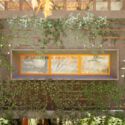
Courtyards, Gardens, and Terraces for Seniors: Residences that Integrate Community Life into the Natural Environment - Image 1 of 4Courtyards, Gardens, and Terraces for Seniors: Residences that Integrate Community Life into the Natural Environment - Image 2 of 4Courtyards, Gardens, and Terraces for Seniors: Residences that Integrate Community Life into the Natural Environment - Image 3 of 4Courtyards, Gardens, and Terraces for Seniors: Residences that Integrate Community Life into the Natural Environment - Image 4 of 4Courtyards, Gardens, and Terraces for Seniors: Residences that Integrate Community Life into the Natural Environment - More Images+ 21