1. ArchDaily
  2. Heat Island Effect

Heat Island Effect: The Latest Architecture and News

World Environment Day 2026 Coincides with Record Heatwaves, Renewing Focus on Climate Adaptation in Cities

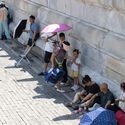
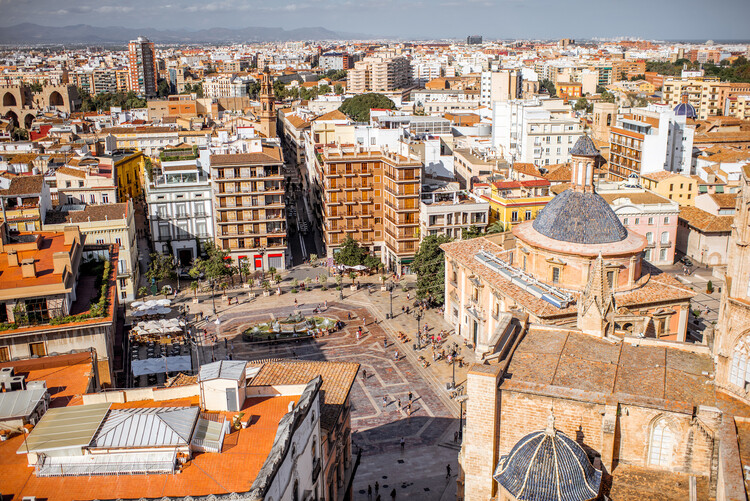
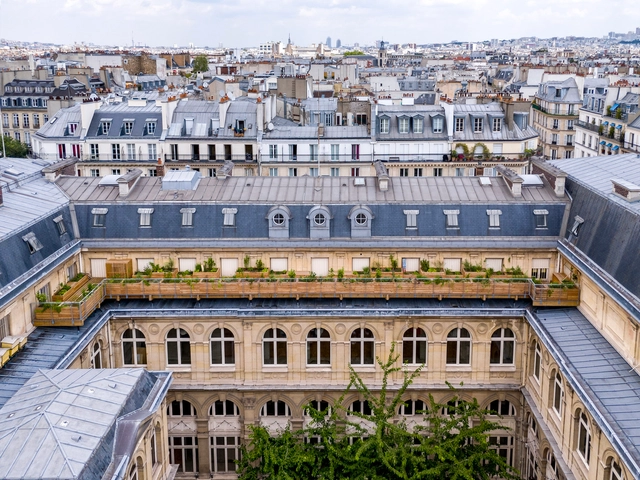
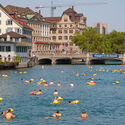
As Europe experiences one of its earliest and most intense heatwaves in recent years, World Environment Day 2026 arrives amid renewed discussions about climate adaptation, urban resilience, and the capacity of cities to respond to increasingly extreme temperatures. Across Portugal, France, Italy, Spain, Germany, Switzerland, Ireland, and the United Kingdom, temperatures have surged well above seasonal averages, prompting heat alerts, school closures, emergency planning measures, and growing concerns about the performance of buildings and public infrastructure under prolonged heat stress. The convergence of these highlights a reality that is becoming increasingly worldwide: climate change is no longer solely an environmental concern but an issue that is fundamentally reshaping the spaces where people live, work, and gather.

World Environment Day 2026 Coincides with Record Heatwaves, Renewing Focus on Climate Adaptation in Cities - Image 1 of 4World Environment Day 2026 Coincides with Record Heatwaves, Renewing Focus on Climate Adaptation in Cities - Image 2 of 4World Environment Day 2026 Coincides with Record Heatwaves, Renewing Focus on Climate Adaptation in Cities - Image 3 of 4World Environment Day 2026 Coincides with Record Heatwaves, Renewing Focus on Climate Adaptation in Cities - Image 4 of 4World Environment Day 2026 Coincides with Record Heatwaves, Renewing Focus on Climate Adaptation in Cities - More Images+ 3

Design as Repair: How Architecture Is Advancing Environmental Justice

Subscriber Access | 

Environmental justice confronts a simple but uncomfortable truth: the benefits and burdens of the environment are not shared equally. Marginalized communities bear a disproportionate share of polluted air, unsafe water, toxic land uses, extreme heat, and the accelerating risks of climate change in cities around the world. These are the consequential products of decades of policy decisions, investment patterns, exclusionary planning practices, and planning choices that have consistently favored certain communities over others.

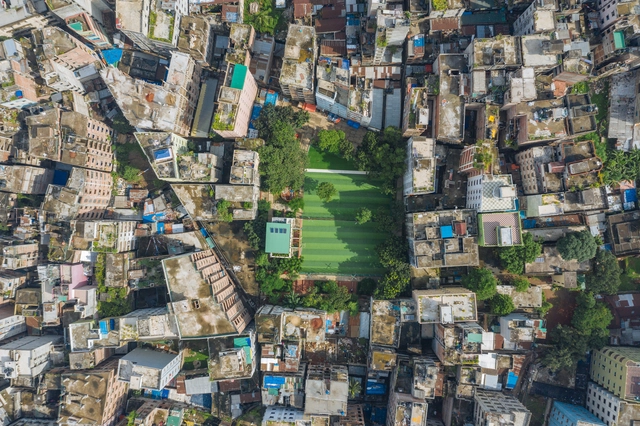
In cities and landscapes alike, these injustices are written into the physical fabric of places, even revealing extreme differences in environmental conditions between neighborhoods and districts. Dense neighborhoods with little tree canopy, for example, absorb and hold heat, exposing residents to higher rates of heat-related illness. Highways, industrial corridors, ports, and waste facilities cluster near low-income neighborhoods and communities of color, shaping conditions of health, air and soil quality, and long-term safety.

Design as Repair: How Architecture Is Advancing Environmental Justice - Image 1 of 4Design as Repair: How Architecture Is Advancing Environmental Justice - Image 2 of 4Design as Repair: How Architecture Is Advancing Environmental Justice - Image 3 of 4Design as Repair: How Architecture Is Advancing Environmental Justice - Image 4 of 4Design as Repair: How Architecture Is Advancing Environmental Justice - More Images+ 35

Thermal Memory: How Climate Shapes Architectural Heritage

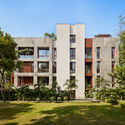
On a hot afternoon in May, when the air over western India turns metallic with heat, no one remembers façade composition. They remember where the shade falls. They remember which corridor breathed. They remember the house that was cooler than the street. What stays in memory is comfort beyond the form. Repeated thermal preference stabilizes into spatial configuration, and over time, those configurations become building types.

Heritage is usually catalogued by what can be drawn, not by what changed temperature. In heat, buildings are learned first through skin, only later through sight. Generations learn, through their bodies, what works. Shade reduces glare and radiant heat. Air movement shifts perception by several degrees. Thick walls slow temperature swings. Over time, these experiences accumulate into a spatial preference. What feels right is repeated. What is repeated stabilizes into type.

Thermal Memory: How Climate Shapes Architectural Heritage - Image 1 of 4Thermal Memory: How Climate Shapes Architectural Heritage - Image 2 of 4Thermal Memory: How Climate Shapes Architectural Heritage - Image 3 of 4Thermal Memory: How Climate Shapes Architectural Heritage - Image 4 of 4Thermal Memory: How Climate Shapes Architectural Heritage - More Images+ 8

How Cities Design Public Life in the Shade

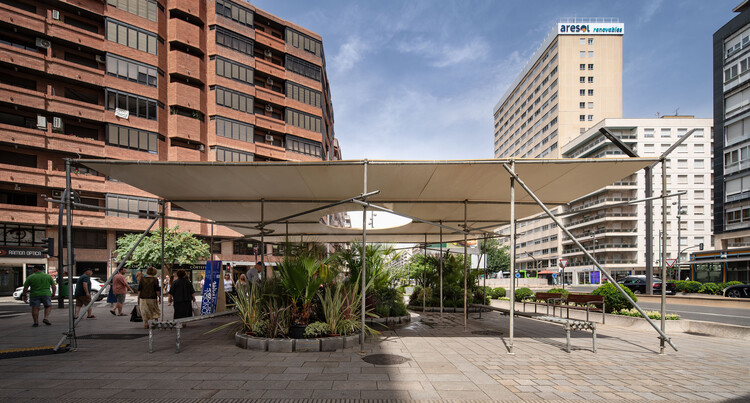
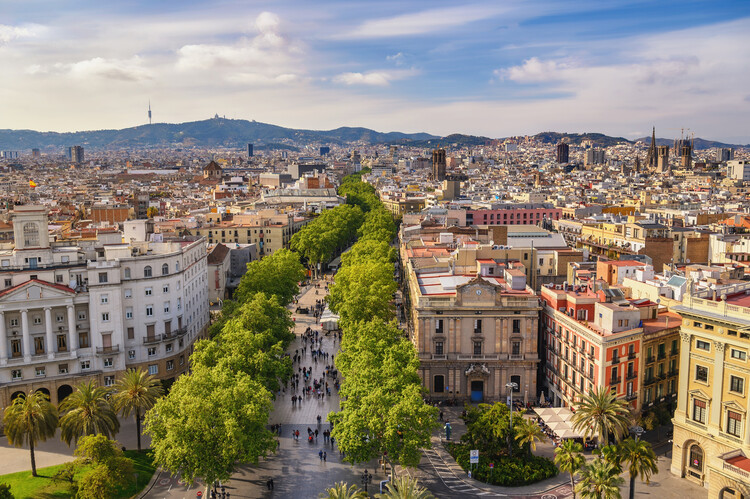
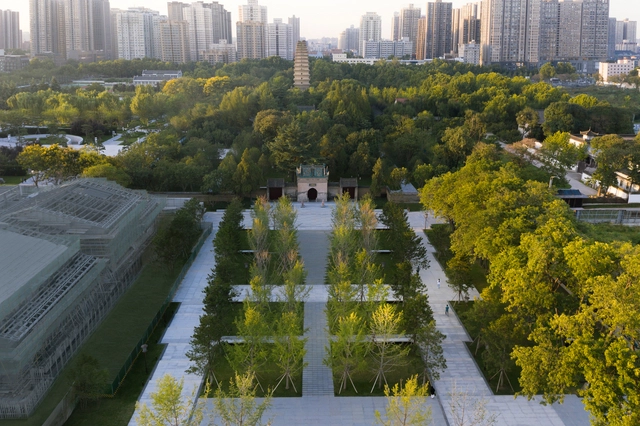
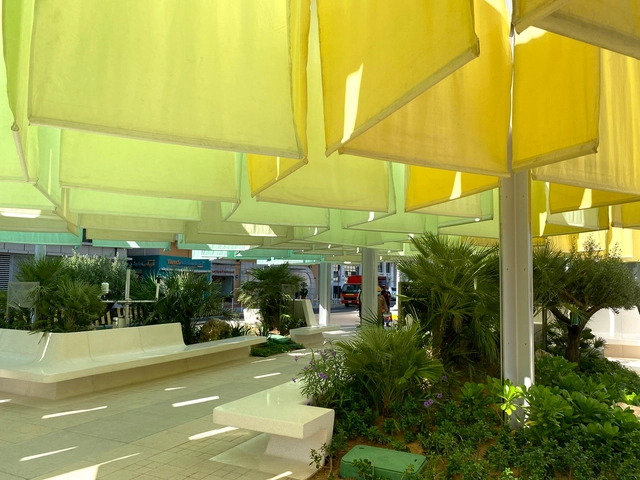
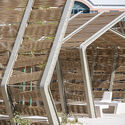
Cities are warming at roughly twice the global rate, a trend accelerated by rapid urbanization. While rising temperatures are reshaping daily life worldwide, some towns and neighborhoods, often the most vulnerable and least resourced, are warming more than others. The reason comes down to the urban environment. Built infrastructure, such as roads, buildings, sidewalks, and public spaces, determines how heat moves through a city, where it accumulates, and how long it remains trapped. No matter the climate zone or geographical location, shade remains the most effective and immediate way to cool pedestrians and relieve the built environment.

How Cities Design Public Life in the Shade - Image 1 of 4How Cities Design Public Life in the Shade - Image 2 of 4How Cities Design Public Life in the Shade - Image 3 of 4How Cities Design Public Life in the Shade - Image 4 of 4How Cities Design Public Life in the Shade - More Images+ 15

Rethinking Urban Cooling: A Case for Low-Energy Radiant Technology

Subscriber Access | 

When exposed to heat, the body activates several physiological mechanisms to maintain thermal homeostasis. However, these natural defenses are often overwhelmed in our modern cities. In an urban environment defined by heat-absorbing asphalt, concrete, and a lack of green spaces, these mechanisms become inefficient. If the surroundings are excessively hot, humid, or poorly ventilated—conditions amplified by the Urban Heat Island effect—the core body temperature begins to rise, and the risk of serious complications increases, ranging from cramps and exhaustion to potentially fatal heat strokes.

Rethinking Urban Cooling: A Case for Low-Energy Radiant Technology - Image 1 of 4Rethinking Urban Cooling: A Case for Low-Energy Radiant Technology - Image 2 of 4Rethinking Urban Cooling: A Case for Low-Energy Radiant Technology - Image 3 of 4Rethinking Urban Cooling: A Case for Low-Energy Radiant Technology - Image 4 of 4Rethinking Urban Cooling: A Case for Low-Energy Radiant Technology - More Images+ 14

Cooling the City: How European Cities are Adapting to Extreme Heat

The summer of 2025 has brought extreme heat across Europe and beyond, with record-breaking temperatures and widespread climate-related impacts. Red alert warnings have been issued in France, Italy, and Spain as temperatures exceeded 46°C in parts of the Iberian Peninsula. These conditions have led to school closures, restrictions on outdoor work, and pressure on urban infrastructure, including power grids and public transport systems. The heatwave has simultaneously intensified wildfire risk across the Mediterranean. In western Turkey, ferocious wildfires near Izmir forced the evacuation of over 50,000 people as high winds and low humidity fueled rapidly spreading flames. In Spain's Catalonia region, two people died in a wildfire that raced across farmland and old structures in Torrefeta on July 1. Similar disasters have occurred in Greece, France, and Italy, with evacuations throughout southern Europe as widespread heat‑induced drought exacerbates fire season intensity.

 Cooling the City: How European Cities are Adapting to Extreme Heat - Image 1 of 4 Cooling the City: How European Cities are Adapting to Extreme Heat - Image 2 of 4 Cooling the City: How European Cities are Adapting to Extreme Heat - Image 3 of 4 Cooling the City: How European Cities are Adapting to Extreme Heat - Image 4 of 4 Cooling the City: How European Cities are Adapting to Extreme Heat - More Images+ 6

Heat Resilient Design: How City Leaders Use Building Materials to Fight Urban Heat

Extreme heat is one of climate change's most urgent and rapidly growing consequences, especially in cities. Urban areas are particularly vulnerable because they trap heat in building materials and urban streets, creating dangerous conditions for residents. As temperatures continue to rise and heat waves lengthen, cities are grappling with how to remain livable in the face of this intensifying threat.

Heat Resilient Design: How City Leaders Use Building Materials to Fight Urban Heat - Image 1 of 4Heat Resilient Design: How City Leaders Use Building Materials to Fight Urban Heat - Image 2 of 4Heat Resilient Design: How City Leaders Use Building Materials to Fight Urban Heat - Image 3 of 4Heat Resilient Design: How City Leaders Use Building Materials to Fight Urban Heat - Image 4 of 4Heat Resilient Design: How City Leaders Use Building Materials to Fight Urban Heat - More Images+ 8

Strategic Green Spaces: How to Make the Most of their Cooling Effects

Subscriber Access | 

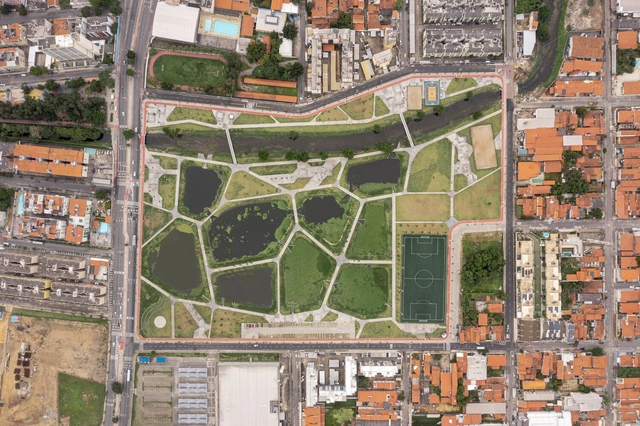
Urban green spaces are considered one of the most appropriate and accessible ways to mitigate the effects of rising temperatures in urban environments. As the global climate warms, cities worldwide face more frequent and extreme heat waves, putting their citizens at risk. Many cities are employing strategies for reducing the impact of urban heat islands, which are generated when natural land cover is replaced with surfaces that absorb and retain heat, such as pavements and buildings. This raises the temperature by several degrees compared to the surroundings. Cities have their micro-climate, influenced by this phenomenon combined with a series of often overlooked factors. For a climate strategy to be efficient, all factors need to be taken into consideration.

Strategic Green Spaces: How to Make the Most of their Cooling Effects - Image 1 of 4Strategic Green Spaces: How to Make the Most of their Cooling Effects - Image 2 of 4Strategic Green Spaces: How to Make the Most of their Cooling Effects - Image 3 of 4Strategic Green Spaces: How to Make the Most of their Cooling Effects - Image 4 of 4Strategic Green Spaces: How to Make the Most of their Cooling Effects - More Images+ 7

How Roofscapes' Paris Pilot Project is Pioneering Climate-Resilient Architecture in Europe

As record-breaking temperatures sweep across European cities, practitioners have recognized that existing infrastructure is poorly equipped to address the impacts of climate change. In response to this concern Roofscapes, a startup emerging from the MIT School of Architecture and Planning, has developed innovative solutions to amplify urban climate resilience. Their approach focuses on the strategic adaptation of underutilized spaces such as rooftops. By tackling the immediate challenges posed by extreme heat, the startup's work epitomizes how architectural innovation can directly contribute to addressing climate adaptation needs in cities. The company was recognized as one of ArchDaily's 2024 Best New Practices for their innovative approach to tackling urban issues such as affordability, lack of biodiversity, rising urban temperatures and repurposing.

How Roofscapes' Paris Pilot Project is Pioneering Climate-Resilient Architecture in Europe - Image 1 of 4How Roofscapes' Paris Pilot Project is Pioneering Climate-Resilient Architecture in Europe - Image 2 of 4How Roofscapes' Paris Pilot Project is Pioneering Climate-Resilient Architecture in Europe - Image 3 of 4How Roofscapes' Paris Pilot Project is Pioneering Climate-Resilient Architecture in Europe - Image 4 of 4How Roofscapes' Paris Pilot Project is Pioneering Climate-Resilient Architecture in Europe - More Images+ 6

Passive Design and Urban Heat Islands: Strategies from the United Arab Emirates and India

As temperatures rise globally, the impacts of urban heat islands—once considered an invisible threat—are becoming increasingly pronounced and ever more dangerous. Despite this mounting threat, however, the public realm which constitutes about 30% of cities offers immense potential to provide respite from scorching heat and introduce new opportunities to improve urban resilience efforts. As global temperatures rise, cities in regions like the United Arab Emirates and India are facing unprecedented challenges in maintaining livable urban spaces.

Passive Design and Urban Heat Islands: Strategies from the United Arab Emirates and India - Image 1 of 4Passive Design and Urban Heat Islands: Strategies from the United Arab Emirates and India - Image 2 of 4Passive Design and Urban Heat Islands: Strategies from the United Arab Emirates and India - Image 3 of 4Passive Design and Urban Heat Islands: Strategies from the United Arab Emirates and India - Image 4 of 4Passive Design and Urban Heat Islands: Strategies from the United Arab Emirates and India - More Images+ 2

Coping with Extreme Heat: How Cities are Confronting the Heatwave in Eastern and Southern Europe

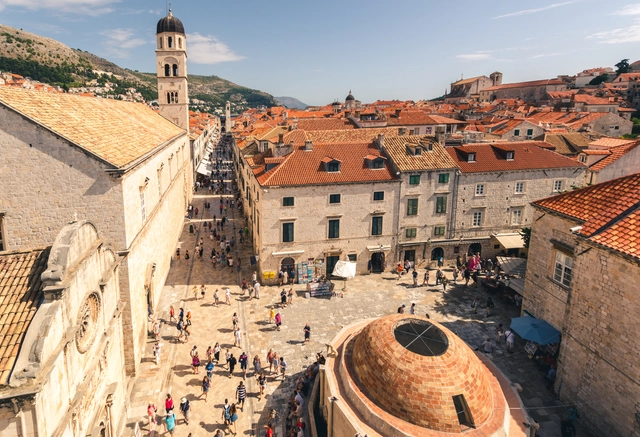
Eastern and Southern Europe is enduring a severe heatwave, with temperatures reaching over 40 degrees Celsius in many countries including Greece, Croatia, Macedonia, and Romania. Driven by hot air from North Africa, this prolonged heatwave has raised significant threats for residents and has strained the cities’ mechanisms for protection and climate mitigation. As the heatwaves expose the vulnerabilities of urban infrastructures, cities across Europe are striving to implement measures to address these challenges.

Coping with Extreme Heat: How Cities are Confronting the Heatwave in Eastern and Southern Europe - Image 1 of 4Coping with Extreme Heat: How Cities are Confronting the Heatwave in Eastern and Southern Europe - Image 2 of 4Coping with Extreme Heat: How Cities are Confronting the Heatwave in Eastern and Southern Europe - Image 3 of 4Coping with Extreme Heat: How Cities are Confronting the Heatwave in Eastern and Southern Europe - Image 4 of 4Coping with Extreme Heat: How Cities are Confronting the Heatwave in Eastern and Southern Europe - More Images

Earth Day 2024: Urban and Architectural Strategies to Navigate the Climate Crisis

Every year, Earth Day, celebrated on April 22, presents us with an opportunity to contemplate the conditions of our planet and our impact upon it. Generating around 37% of global carbon emissions, the construction industry has an important, often detrimental, role to play, thus placing an increasingly urgent responsibility on architects and builders to devise strategies for reducing this number. Still, the built environment represents the habitat for most of humanity, and so it has the potential to protect and shelter people from the risks posed by the changing climate. Read on to discover a collection of articles delving into the strategies available at urban and architectural scales for mitigating the effects of climate change and minimizing the industry’s impact upon it.

Earth Day 2024: Urban and Architectural Strategies to Navigate the Climate Crisis - Image 1 of 4Earth Day 2024: Urban and Architectural Strategies to Navigate the Climate Crisis - Image 2 of 4Earth Day 2024: Urban and Architectural Strategies to Navigate the Climate Crisis - Image 3 of 4Earth Day 2024: Urban and Architectural Strategies to Navigate the Climate Crisis - Image 4 of 4Earth Day 2024: Urban and Architectural Strategies to Navigate the Climate Crisis - More Images+ 15

Zaha Hadid Architects Reveals Climate-Resilient Design for Al Khuwair Waterfront in Oman

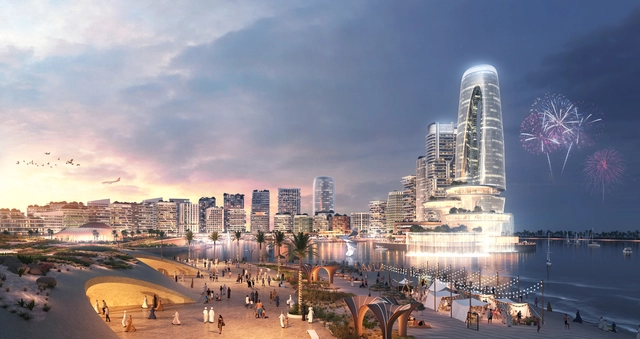
Zaha Hadid Architects have unveiled a large-scale project for the redevelopment of the Al Khuwair waterfront in downtown Muscat, the capital of Oman. The $1.3bn project covers an area of 3.3 million square meters. It aims to revitalize the area through sustainability-led design principles to accommodate the expected population growth, which is expected to almost double by 2040. The plans are developed in collaboration with Buro Happold to incorporate and transform the existing buildings on site, introduce coastal and climate resilience measures, and create an efficient transit-oriented infrastructure.

Zaha Hadid Architects Reveals Climate-Resilient Design for Al Khuwair Waterfront in Oman - Image 1 of 4Zaha Hadid Architects Reveals Climate-Resilient Design for Al Khuwair Waterfront in Oman - Image 2 of 4Zaha Hadid Architects Reveals Climate-Resilient Design for Al Khuwair Waterfront in Oman - Image 3 of 4Zaha Hadid Architects Reveals Climate-Resilient Design for Al Khuwair Waterfront in Oman - Image 4 of 4Zaha Hadid Architects Reveals Climate-Resilient Design for Al Khuwair Waterfront in Oman - More Images+ 1

How Can Cities Cool down Large Urban Car Parks?

Subscriber Access | 

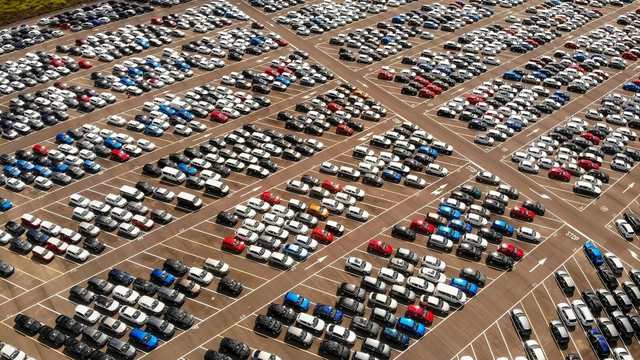
The urban heat island effect occurs when pavements, roads, and buildings absorb the sun's heat and radiate it back, causing the temperature to increase and preventing the city from cooling down. With the growing reliance on cars in cities, the number of urban car park spaces is also increasing to accommodate buildings. This has resulted in the conversion of large areas of pervious land covered with vegetation into impervious hard surfaces for more car parks. The use of materials like asphalt, combined with the lack of shade, reflective steel surfaces of parked cars, and loss of greenery in these extensive car parks, contributes to the amplification of high-temperature effects and extreme heat events, making urban spaces uncomfortable. This transformation is impacting the climate of car-dependent regions and calls for collaborative ideas and efforts to mitigate the negative effects of rising heat.

How Can Cities Cool down Large Urban Car Parks? - Image 1 of 4How Can Cities Cool down Large Urban Car Parks? - Image 2 of 4How Can Cities Cool down Large Urban Car Parks? - Image 3 of 4How Can Cities Cool down Large Urban Car Parks? - Image 4 of 4How Can Cities Cool down Large Urban Car Parks? - More Images+ 3

Decarbonization and Regional Solutions: The Main Architecture-Related Themes to Look Out for at COP28

On November 30, 2023, the UN COP28 climate summit begins in Dubai, the United Arab Emirates. The name stands for the Conference of the Parties under the UNFCCC, and symbolizes the annual meeting of world governments for the purpose of establishing strategies to limit the extent of climate change and its adverse effects. Last year’s summit concluded with several important measures, including the promise of a global fund aimed at providing financial aid to developing countries affected by climate disasters.

The main purpose of COP is to reinforce the commitments of the Paris Agreement, signed in 2015, which strives to keep the global temperature rise under 1.5C degrees. As the construction industry accounts for 39% of global emissions, architecture plays an important role in helping to lower our carbon footprint, making COP28 a crucial event for architects.

Decarbonization and Regional Solutions: The Main Architecture-Related Themes to Look Out for at COP28 - Image 1 of 4Decarbonization and Regional Solutions: The Main Architecture-Related Themes to Look Out for at COP28 - Image 2 of 4Decarbonization and Regional Solutions: The Main Architecture-Related Themes to Look Out for at COP28 - Image 3 of 4Decarbonization and Regional Solutions: The Main Architecture-Related Themes to Look Out for at COP28 - Image 4 of 4Decarbonization and Regional Solutions: The Main Architecture-Related Themes to Look Out for at COP28 - More Images+ 1

On the Hottest Month on Record and How Cities Are Mitigating the Effects of Rising Temperatures

The NASA Goddard Institute for Space Studies (GISS) in New York has just announced that the month of July 2023 was hotter than any other month ever recorded in terms of global temperature. Spiking to 1.12 degrees Celsius above the 20th-century July average, this month was warmer than any month since 1850 when the NOAA database began. The climate crisis at large has made heat waves more prevalent, putting millions of people in danger. These growing effects of the climate crisis also severely affect cities worldwide, posing a threat to urban inhabitants globally.

On the Hottest Month on Record and How Cities Are Mitigating the Effects of Rising Temperatures - Image 1 of 4On the Hottest Month on Record and How Cities Are Mitigating the Effects of Rising Temperatures - Featured ImageOn the Hottest Month on Record and How Cities Are Mitigating the Effects of Rising Temperatures - Image 2 of 4On the Hottest Month on Record and How Cities Are Mitigating the Effects of Rising Temperatures - Image 3 of 4On the Hottest Month on Record and How Cities Are Mitigating the Effects of Rising Temperatures - More Images+ 1

How are Cities Adapting to Heatwaves in the Face of Climate Change

The climate crisis has made heatwaves more likely and more intense around the world. Record-breaking high temperatures are being reported across the world. According to international data, the first week of July 2023 was the hottest week on record, putting millions of people in danger. All throughout this summer, recurring heatwaves have been affecting large portions of Asia, Europe, and the United States, priming the land for fires in places like Greece, Spain, and Canada, triggering unhealthy air warnings, evacuations, and heat-related deaths. The increasingly threatening effects of the climate crisis are also felt in cities worldwide, as extreme heat proves to be a rapidly growing health risk to millions of urban dwellers.

Cities are on the front lines of this public health emergency. People living in urban areas are among the hardest hit when heatwaves happen, partly because of urban heat islands. This is a phenomenon that occurs when cities replace the natural land cover with dense concentrations of surfaces that absorb and retain heat, like pavements and buildings. Heat risk levels also vary by neighborhood, with less affluent and historically marginalized sectors being the most affected due to the density of the population, limited access to cooling systems, and the limited availability of green urban spaces.

How are Cities Adapting to Heatwaves in the Face of Climate Change - Image 1 of 4How are Cities Adapting to Heatwaves in the Face of Climate Change - Featured ImageHow are Cities Adapting to Heatwaves in the Face of Climate Change - Image 2 of 4How are Cities Adapting to Heatwaves in the Face of Climate Change - Image 3 of 4How are Cities Adapting to Heatwaves in the Face of Climate Change - More Images+ 2

Can Architecture and Urban Planning Fight Back Against Climate Change?

Climate change has been one of the most pressing topics of this year, and for a good reason. Its effects are visible not only in natural habitats but also in urban environments. The construction industry has an important role to play in this dynamic. Throughout the year, events such as COP27 emphasized the importance of striving to achieve net carbon zero and the challenges faced by developing countries affected by increasingly devastating natural disasters. Possible directions for development include actions at varying stages and scales, from optimizing green spaces for urban heat control to employing local and innovative building materials to minimize the carbon footprint or passing laws that help create more sustainable urban and natural environments.

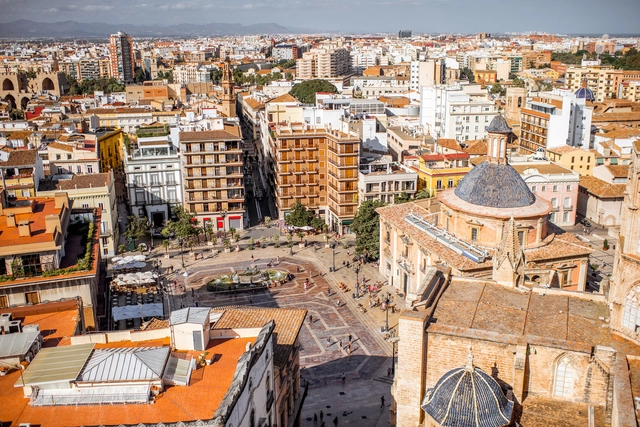
This article represents a roundup of articles published on ArchDaily during the course of 2022 with themes related to climate change and architecture’s potential to make a difference. It breaks down the topic into four main questions: What Are Cities Doing to Mitigate Urban Heat? How to Tackle Rising Sea Levels? What Was COP27 and Why Does It Matter? Can Building Materials Play a Role in Achieving These Goals? The last section presents an overview of new legislation approved during 2022 as a way of understanding how state and local governments are imposing this need for change.

Can Architecture and Urban Planning Fight Back Against Climate Change? - Image 1 of 4Can Architecture and Urban Planning Fight Back Against Climate Change? - Image 2 of 4Can Architecture and Urban Planning Fight Back Against Climate Change? - Image 3 of 4Can Architecture and Urban Planning Fight Back Against Climate Change? - Image 4 of 4Can Architecture and Urban Planning Fight Back Against Climate Change? - More Images+ 25