1. ArchDaily
  2. Wood Construction

Wood Construction: The Latest Architecture and News

BIG Designs Dual-Volume EVE Music Hall Amid Agricultural Landscape in Čepin, Croatia

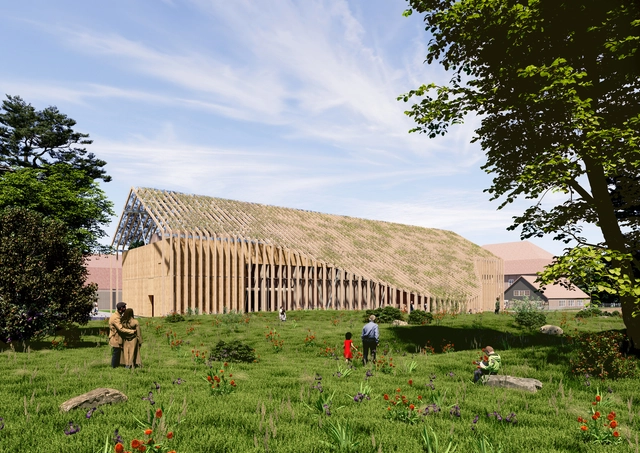
BIG – Bjarke Ingels Group is nearing completion of the EVE Music Hall in Čepin, eastern Croatia, designed in collaboration with SIRRAH projekt and Theatre Projects. The 10,000 m² project contains a live music venue, congress facilities, exhibition spaces, a café, and rooftop event spaces. The venue is expected to host concerts, conferences, exhibitions, and cultural activities, accommodating nearly 4,000 guests indoors and up to 25,000 outdoors. The new cultural building marks the office's first project in Croatia and is expected to become its first completed music performance venue in early 2027.

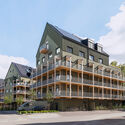
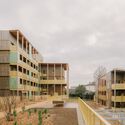
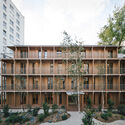
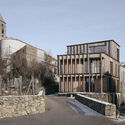
The Technical Reality of Mass Timber Housing: Five European Case Studies

Subscriber Access | 

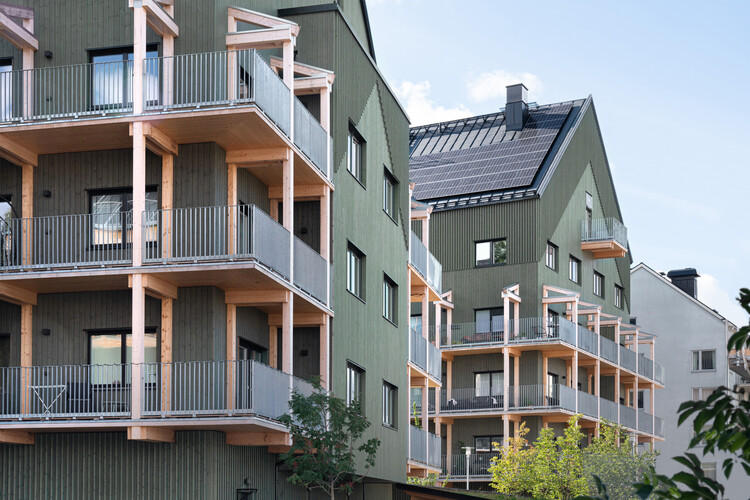
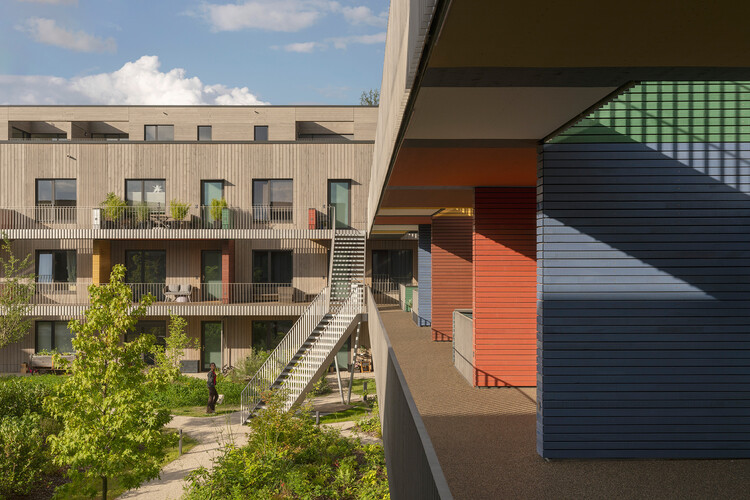
Recent years have seen a shifting paradigm in multi-family residential architecture, as more and more new projects are being built with engineered wood, specifically Cross-Laminated Timber (CLT) and glued-laminated timber (glulam). Because timber is lightweight, these systems can reduce dead load and ease foundation demands, which is especially useful on sites with limited bearing capacity or over existing infrastructure. From a sustainability standpoint, timber can store carbon over the life of the building and often reduces embodied carbon compared with conventional concrete-and-steel systems. In fire design, large timber members can be engineered to char at a predictable rate, allowing the structural core to remain protected for a defined period when detailed appropriately.

The Technical Reality of Mass Timber Housing: Five European Case Studies - Image 1 of 4The Technical Reality of Mass Timber Housing: Five European Case Studies - Image 2 of 4The Technical Reality of Mass Timber Housing: Five European Case Studies - Image 3 of 4The Technical Reality of Mass Timber Housing: Five European Case Studies - Image 4 of 4The Technical Reality of Mass Timber Housing: Five European Case Studies - More Images+ 2

Dogtrot House: Vernacular Knowledge and Climate-Responsive Design

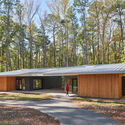
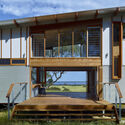
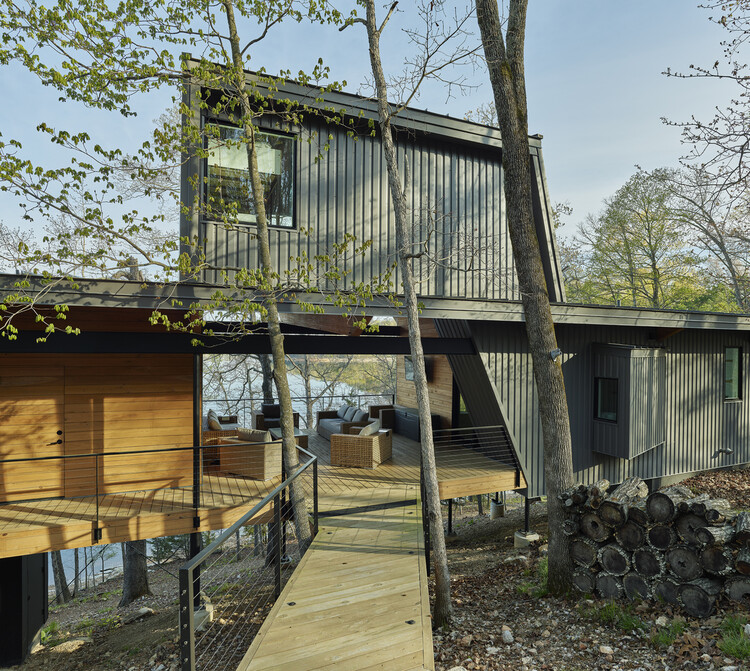
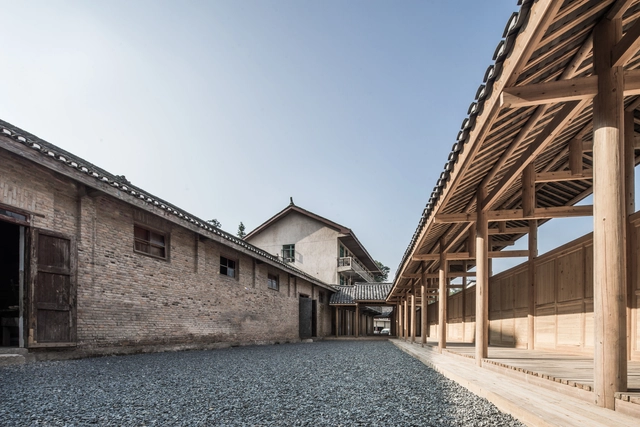
The dogtrot house emerged across the South of the United States during the late nineteenth century as a direct response to humid climates, material availability, and patterns of rural habitation. Found throughout the Appalachian Mountains, coastal Carolinas, and lowlands of Louisiana, the dogtrot house appeared in numerous regional variations, yet its fundamental spatial logic remained remarkably consistent. Two enclosed living masses are separated by an open central passage and unified beneath a continuous roof, creating a dwelling that is simultaneously economical and responsive to long, hot summers. Although architectural historians continue to debate the precise geographic origins of the dogtrot, the typology represents a broader vernacular intelligence that emerged through the convergence of environmental necessity, local construction practices, and rural living.

Dogtrot House: Vernacular Knowledge and Climate-Responsive Design - Image 1 of 4Dogtrot House: Vernacular Knowledge and Climate-Responsive Design - Image 2 of 4Dogtrot House: Vernacular Knowledge and Climate-Responsive Design - Image 3 of 4Dogtrot House: Vernacular Knowledge and Climate-Responsive Design - Image 4 of 4Dogtrot House: Vernacular Knowledge and Climate-Responsive Design - More Images+ 36

"Artisans of the Reiwa Era" Documentary Showcases Traditional Japanese Wood Construction and Craftsmanship

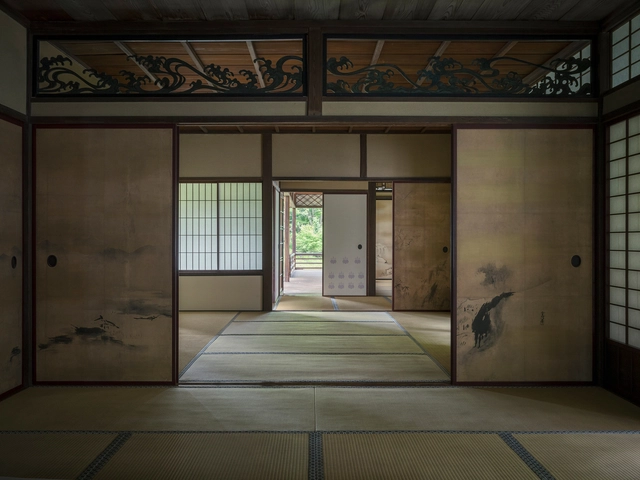
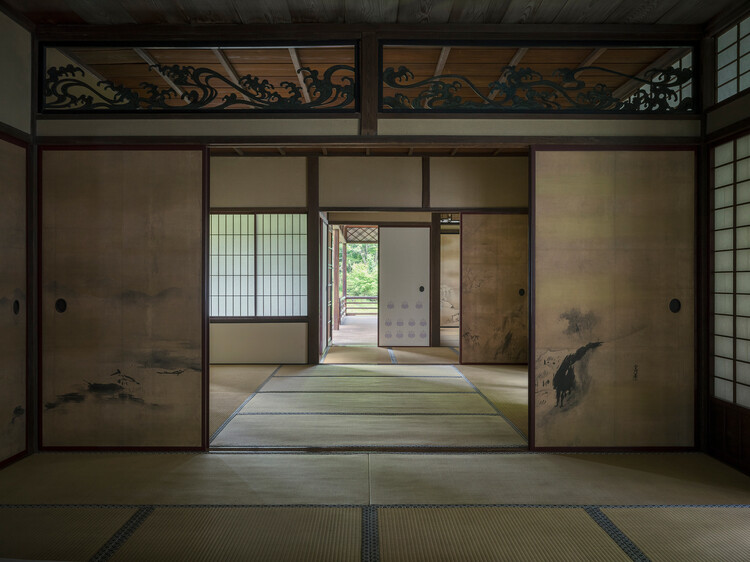
Rinshunkaku is a notable example of early Edo-period residential architecture. Originally built in the Wakayama Prefecture by the Kishu Tokugawa family, the villa was relocated to Sankeien, a traditional Japanese garden in the city of Yokohama, during the Taisho era (1912-1926). The garden was created in the early 20th century by businessman and art patron Sankei Hara and features a number of historic buildings relocated from Kyoto, Kamakura, and other areas of Japan. Rinshunkaku, one of the garden's gems, is a prime example of traditional Japanese architecture and wood construction. Its historical value motivated a large-scale restoration project in 2019, documented in the film Artisans of the Reiwa Era (Reiwa no Shokunin-tachi), filmed and edited by Katsumasa Tanaka and Hiroshi Fujiki. The documentary offers a close, detailed view of Japanese craftsmanship and wood expertise, highlighting rare traditional techniques and paying tribute to the artisans who preserve them.

"Artisans of the Reiwa Era" Documentary Showcases Traditional Japanese Wood Construction and Craftsmanship - Image 1 of 4"Artisans of the Reiwa Era" Documentary Showcases Traditional Japanese Wood Construction and Craftsmanship - Image 2 of 4"Artisans of the Reiwa Era" Documentary Showcases Traditional Japanese Wood Construction and Craftsmanship - Image 3 of 4"Artisans of the Reiwa Era" Documentary Showcases Traditional Japanese Wood Construction and Craftsmanship - Image 4 of 4Artisans of the Reiwa Era Documentary Showcases Traditional Japanese Wood Construction and Craftsmanship - More Images+ 7

Legacy in Matter: Material Traditions in South American Architecture

Across South America, architecture endures through the materials it uses, those that persist over time. Bamboo, brick, wood, and concrete appear across regions, connecting climate, labor, and culture in ways that ensure their persistence through generations. Their continuity does not depend solely on preservation or heritage. It depends on use.

In this context, cultural memory does not reside primarily in monuments or images, but in practice. It survives in repeated gestures: laying bricks, tying guadua joints, assembling wood frames, casting slabs that anticipate another floor. These actions are transmitted less through manuals than through participation. Over time, they form systems of knowledge embedded in habit and necessity. Materials endure not because they symbolize the past, but because they continue to work.

Legacy in Matter: Material Traditions in South American Architecture - Image 1 of 4Legacy in Matter: Material Traditions in South American Architecture - Image 2 of 4Legacy in Matter: Material Traditions in South American Architecture - Image 3 of 4Legacy in Matter: Material Traditions in South American Architecture - Image 4 of 4Legacy in Matter: Material Traditions in South American Architecture - More Images+ 12

The Afterlife of Expo Osaka’s Grand Ring: How the Timber Structure Is Being Reused Across Japan

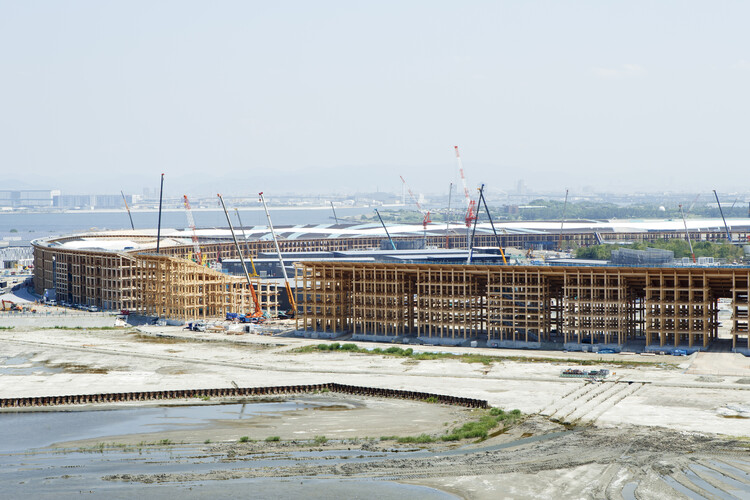
Exhibitions can be an opportunity to extend architectural discourse beyond professional circles, opening conversations with broader publics and serving as an interface between architecture and society. Within this concept, major international events such as the Osaka International Expo 2025 and the Venice Architecture Biennale have adopted the idea of the circular economy as one of their organizational objectives. The idea of circularity in events can be reflected in, for example, their energy consumption, the impact of the displacement they generate, their waste, or the useful life of their infrastructure. The site destined for the last World Expo, held in Osaka from 13 April to 13 October 2025, was surrounded by a massive timber structure designed by Sou Fujimoto Architects, one of the world's largest wooden constructions. The Japan Association for the 2025 World Exposition committed to reusing building materials "as much as possible," with concrete plans for their reuse to be finalized by March. In the meantime, some relocation alternatives are already emerging for the pieces of the World Expo structure.

The Afterlife of Expo Osaka’s Grand Ring: How the Timber Structure Is Being Reused Across Japan - Image 1 of 4The Afterlife of Expo Osaka’s Grand Ring: How the Timber Structure Is Being Reused Across Japan - Featured ImageThe Afterlife of Expo Osaka’s Grand Ring: How the Timber Structure Is Being Reused Across Japan - Image 2 of 4The Afterlife of Expo Osaka’s Grand Ring: How the Timber Structure Is Being Reused Across Japan - Image 4 of 4The Afterlife of Expo Osaka’s Grand Ring: How the Timber Structure Is Being Reused Across Japan - More Images+ 4

sauerbruch hutton Exhibition in Paris Explores the Technical and Atmospheric Potential of Wood

The recently inaugurated exhibition matière en résonance ("resonant matter") brings together a wide range of models and a curated selection of photographs to present sauerbruch hutton's ongoing exploration of timber. The exhibition starts from the premise that while the age of concrete defined the twentieth century, the early twenty-first century has seen a worldwide resurgence of timber, a much older building material. Timber is presented as offering "a different version of modernity" and as the subject of renewed interest that reawakens long-standing collective imaginaries. Over more than two decades, the Berlin-based architecture practice has explored the possibilities of timber construction, from façade elements to load-bearing structures and modular systems. The exhibition reflects the results of this sustained investigation, reinforcing both technical innovation and the embodied qualities of timber across a diverse range of European contexts. The exhibition will be on view from 3 to 28 February 2026 at the Galerie d'Architecture de Paris.

sauerbruch hutton Exhibition in Paris Explores the Technical and Atmospheric Potential of Wood - Image 1 of 4sauerbruch hutton Exhibition in Paris Explores the Technical and Atmospheric Potential of Wood - Image 2 of 4sauerbruch hutton Exhibition in Paris Explores the Technical and Atmospheric Potential of Wood - Image 3 of 4sauerbruch hutton Exhibition in Paris Explores the Technical and Atmospheric Potential of Wood - Image 4 of 4sauerbruch hutton Exhibition in Paris Explores the Technical and Atmospheric Potential of Wood - More Images+ 2

Construction Advances on Herzog & de Meuron’s Timber-Structured Memphis Art Museum Ahead of 2026 Opening

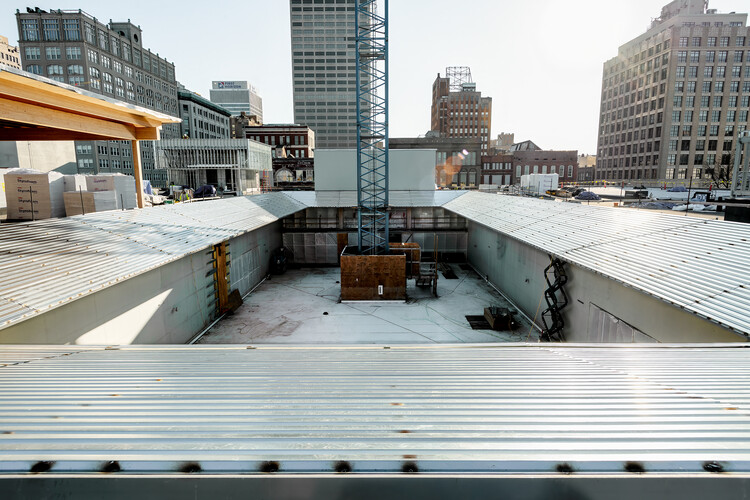
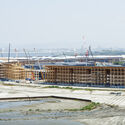
Pritzker Prize-winning architecture firm Herzog & de Meuron has released new images showing construction progress on the Memphis Art Museum, set to open in December 2026. Currently operating as the Memphis Brooks Museum of Art, the institution is both the oldest and largest art museum in Tennessee, United States, with a collection of more than 10,000 works spanning from ancient to contemporary art. Commissioned in 2019, the project marks the museum's relocation to a new site in Downtown Memphis along the Mississippi River bluff. The first images of the new cultural campus, designed by Herzog & de Meuron with architect of record archimania and landscape design by OLIN, were released in 2021. The 123,500-square-foot museum will expand gallery space by 50 percent and introduce extensive free, publicly accessible areas conceived as an open invitation to the city.
Construction Advances on Herzog & de Meuron’s Timber-Structured Memphis Art Museum Ahead of 2026 Opening - Image 1 of 4Construction Advances on Herzog & de Meuron’s Timber-Structured Memphis Art Museum Ahead of 2026 Opening - Image 2 of 4Construction Advances on Herzog & de Meuron’s Timber-Structured Memphis Art Museum Ahead of 2026 Opening - Image 3 of 4Construction Advances on Herzog & de Meuron’s Timber-Structured Memphis Art Museum Ahead of 2026 Opening - Image 4 of 4Construction Advances on Herzog & de Meuron’s Timber-Structured Memphis Art Museum Ahead of 2026 Opening - More Images+ 22

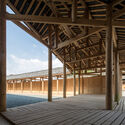
Timber Tectonics: 10 Projects Rethinking Wood Construction in Contemporary China

Subscriber Access | 

In much of China, concrete remains the dominant construction material. Despite growing concerns over its environmental impact, concrete continues to align with the priorities of many developers and clients—it is fast, cost-effective, and highly durable. As a result, most building types in China still rely heavily on concrete. This reliance is further reinforced by China's position as the world's largest producer of Portland cement. A deeply entrenched supply chain, rooted in raw material manufacturing and economic infrastructure, ensures that concrete remains the default choice in the construction industry.

Yet historically, Chinese architecture was built upon a rich tradition of timber construction. The Forbidden City is a prime example: not only is it emblematic of China's architectural heritage, but it also remains one of the largest and best-preserved collections of ancient wooden structures in the world. This legacy prompts an important question: does timber construction have a meaningful future in China's contemporary building industry?

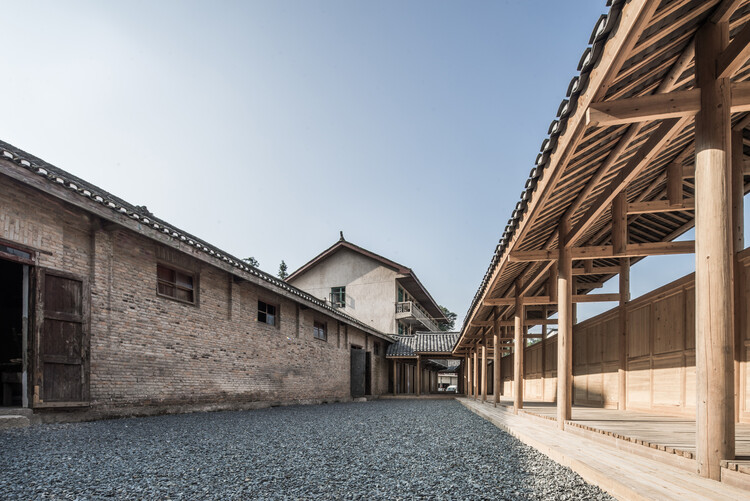
Timber Tectonics: 10 Projects Rethinking Wood Construction in Contemporary China - Image 1 of 4Timber Tectonics: 10 Projects Rethinking Wood Construction in Contemporary China - Image 2 of 4Timber Tectonics: 10 Projects Rethinking Wood Construction in Contemporary China - Image 3 of 4Timber Tectonics: 10 Projects Rethinking Wood Construction in Contemporary China - Image 4 of 4Timber Tectonics: 10 Projects Rethinking Wood Construction in Contemporary China - More Images+ 42

Shigeru Ban Named Recipient of the 2026 AIA Gold Medal

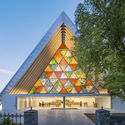
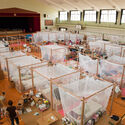
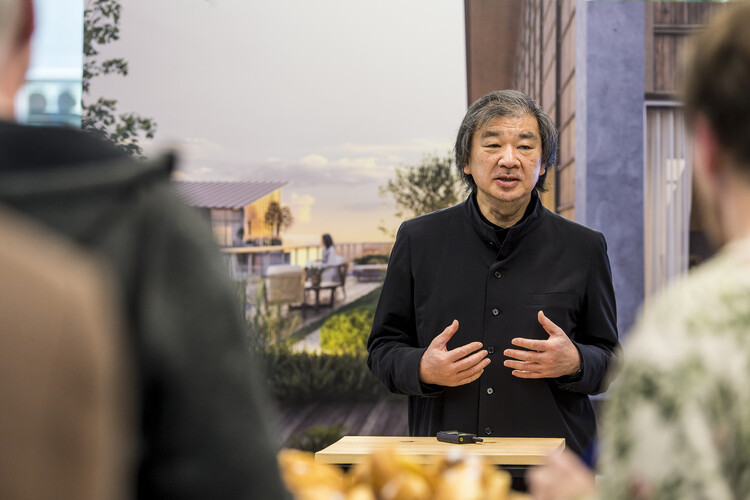
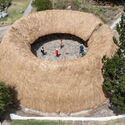
The American Institute of Architects (AIA) announced on Thursday, December 4, 2025, that architect Shigeru Ban is the recipient of the 2026 AIA Gold Medal. The award is the AIA's highest individual honor, recognizing individuals whose work has had a lasting influence on the theory and practice of architecture. On this occasion, the Japanese architect's work was highlighted for its inventive use of renewable materials such as paper and timber, his innovation in timber architecture, his commitment to social service through design, and his 30 years as an educator at universities including Harvard, Cornell, and Columbia. Previous honorees include Deborah Berke, the first female dean of the Yale School of Architecture, in 2025; David Lake and Ted Flato of the San Antonio–based practice Lake|Flato in 2024; and civic design leader Carol Ross Barney in 2023.

Shigeru Ban Named Recipient of the 2026 AIA Gold Medal - Image 1 of 4Shigeru Ban Named Recipient of the 2026 AIA Gold Medal - Image 2 of 4Shigeru Ban Named Recipient of the 2026 AIA Gold Medal - Image 3 of 4Shigeru Ban Named Recipient of the 2026 AIA Gold Medal - Image 4 of 4Shigeru Ban Named Recipient of the 2026 AIA Gold Medal - More Images+ 1

Architecture in Ecuador: 16 Projects Rooted in Territory, Craft, and Collective Practice

Subscriber Access | 

Between the Andes, the coast, and the Amazon, Ecuador's architecture has evolved as a reflection of its layered geography, a place where climate, topography, and culture unite. Throughout the territory, architecture has been an act of adaptation: from vernacular traditions rooted in collective labor and local materials to the colonial and modernist influences that reshaped its cities. This diversity has produced distinct constructive systems, from bamboo and cane structures along the coast to earth and stone constructions in the Andes, forming an archive of adaptive design that continues to influence contemporary practice.

Yet in the past decade, Ecuadorian architecture has undergone a quiet but deep transformation. New academic programs and international references have encouraged a growing awareness of climate and social justice. Emerging architects are redefining practice through workshops, collective studios, and on-site experimentation that blurs the line between design and activism. No longer focused on architecture as an object, a new generation of architects is approaching design as a process. One focused on collaboration, sustainability, and cultural identity. Their questions have shifted the design language from what to build to with whom.

Architecture in Ecuador: 16 Projects Rooted in Territory, Craft, and Collective Practice  - Image 1 of 4Architecture in Ecuador: 16 Projects Rooted in Territory, Craft, and Collective Practice  - Image 2 of 4Architecture in Ecuador: 16 Projects Rooted in Territory, Craft, and Collective Practice  - Image 3 of 4Architecture in Ecuador: 16 Projects Rooted in Territory, Craft, and Collective Practice  - Image 4 of 4Architecture in Ecuador: 16 Projects Rooted in Territory, Craft, and Collective Practice  - More Images+ 12

Kéré Architecture Breaks Ground on Museum Ehrhardt in Plüschow, Germany

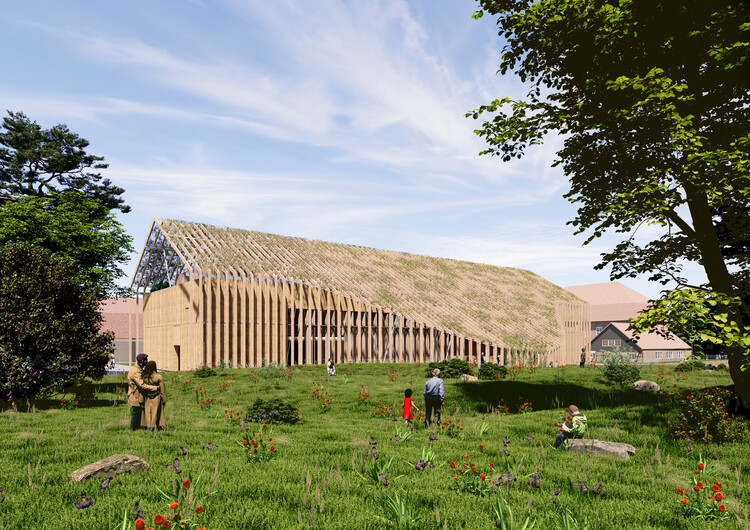
Construction has officially begun on the Museum Ehrhardt in Plüschow, northeast Germany, marking the first cultural project in Germany by Francis Kéré and his firm Kéré Architecture, as well as their first museum building in Europe. Developed in cooperation with HK Architekten and Hermann Kaufmann + Partner ZT GmbH, the 1,400-square-meter museum will be dedicated to photography and contemporary art. The initiative was launched by Dr. Jens Ehrhardt, son of the artist Alfred Ehrhardt (1901–1984), together with his wife Elke Weicht-Ehrhardt, to honor the painter, photographer, and filmmaker who was a leading figure of Germany's New Objectivity movement. The museum will stand near the Baltic Sea, adjacent to Schloss Plüschow, an artist residency and gallery.

Kéré Architecture Breaks Ground on Museum Ehrhardt in Plüschow, Germany - Image 1 of 4Kéré Architecture Breaks Ground on Museum Ehrhardt in Plüschow, Germany - Image 2 of 4Kéré Architecture Breaks Ground on Museum Ehrhardt in Plüschow, Germany - Image 3 of 4Kéré Architecture Breaks Ground on Museum Ehrhardt in Plüschow, Germany - Image 4 of 4Kéré Architecture Breaks Ground on Museum Ehrhardt in Plüschow, Germany - More Images+ 26

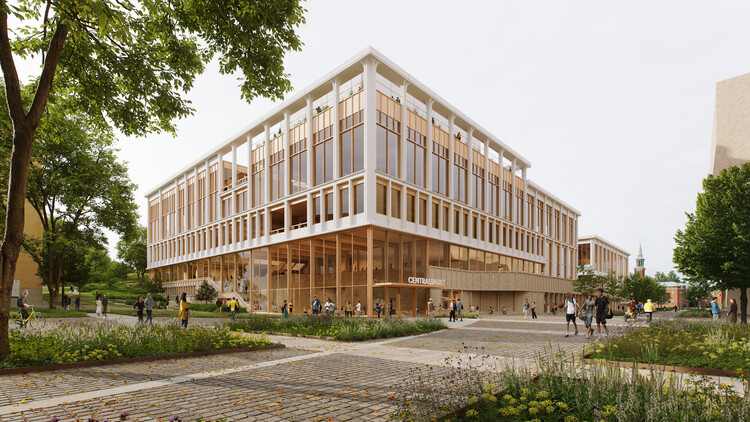
Henning Larsen Wins Competition to Design Timber-Structured Centralbadet Swimming Center in Gothenburg, Sweden

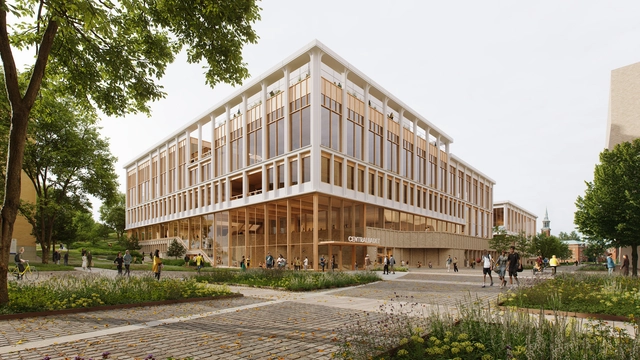
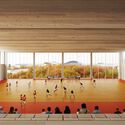
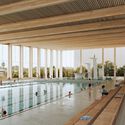
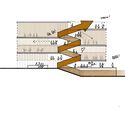
Henning Larsen has been selected to design Gothenburg's new Centralbadet, a public swimming and sports facility intended to strengthen the city's network of community and health-oriented spaces. The winning team includes Winell & Jern Architects, Ramboll, and John Dohlsten, Sports Science Lecturer at the University of Gothenburg. Organized by the City of Gothenburg, the competition included teams such as BIG and Wingårdh Arkitektkontor. The new center is planned as a multifunctional public facility that supports both everyday recreation and organized sport for residents of all ages.

Henning Larsen Wins Competition to Design Timber-Structured Centralbadet Swimming Center in Gothenburg, Sweden - Image 1 of 4Henning Larsen Wins Competition to Design Timber-Structured Centralbadet Swimming Center in Gothenburg, Sweden - Image 2 of 4Henning Larsen Wins Competition to Design Timber-Structured Centralbadet Swimming Center in Gothenburg, Sweden - Image 3 of 4Henning Larsen Wins Competition to Design Timber-Structured Centralbadet Swimming Center in Gothenburg, Sweden - Image 4 of 4Henning Larsen Wins Competition to Design Timber-Structured Centralbadet Swimming Center in Gothenburg, Sweden - More Images+ 19

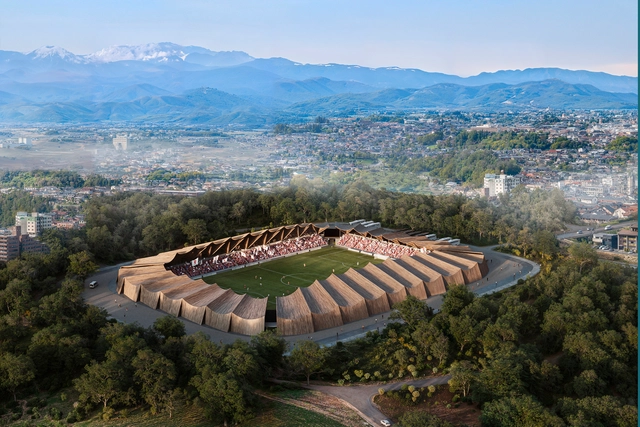
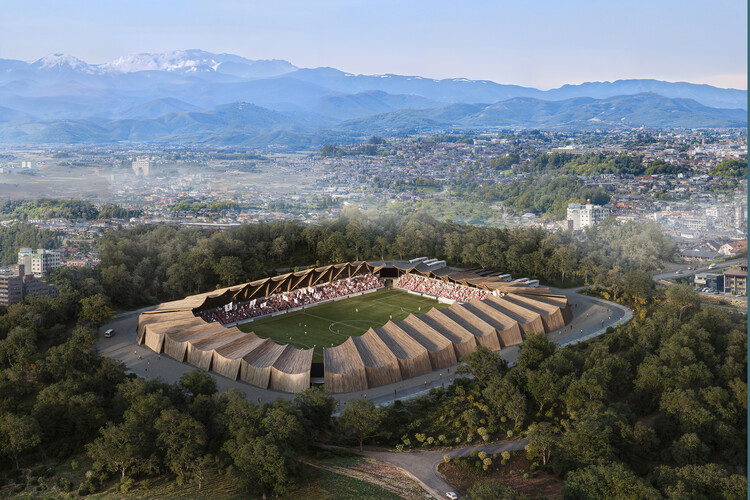
VUILD Designs Timber Stadium in Fukushima Drawing on Japanese Traditions of Renewal

VUILD has presented the design for a wooden soccer stadium planned for Fukushima, Japan, as the future home of Fukushima United FC. Commissioned by SportX, the proposal combines community participation, an innovative timber structure, and sustainable strategies, positioning the stadium as both a functional sports venue and a potential symbol of renewal. Inspired by the Japanese tradition of Shikinen Sengu, the periodic rebuilding of shrines, the concept introduces three cycles: resources, community, and craftsmanship.

VUILD Designs Timber Stadium in Fukushima Drawing on Japanese Traditions of Renewal - Image 1 of 4VUILD Designs Timber Stadium in Fukushima Drawing on Japanese Traditions of Renewal - Image 2 of 4VUILD Designs Timber Stadium in Fukushima Drawing on Japanese Traditions of Renewal - Image 3 of 4VUILD Designs Timber Stadium in Fukushima Drawing on Japanese Traditions of Renewal - Image 4 of 4VUILD Designs Timber Stadium in Fukushima Drawing on Japanese Traditions of Renewal - More Images+ 7

The World’s Largest Wooden Architectural Structure: Explore Sou Fujimoto’s Grand Ring at Expo 2025 Osaka Through the Lens of Stephane Aboudaram

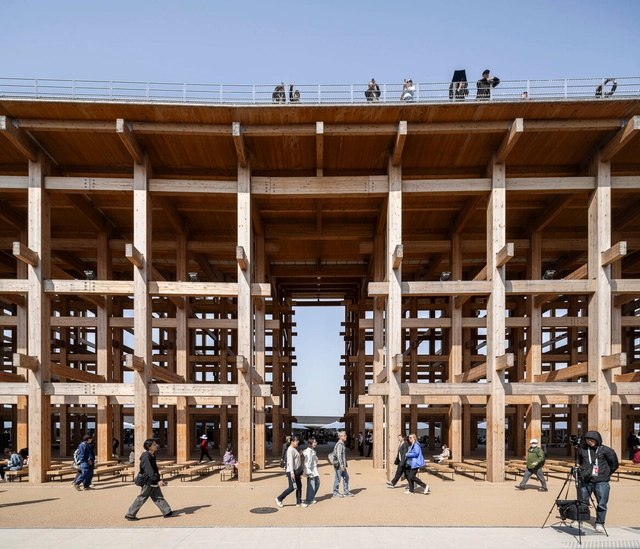
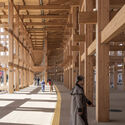
Expo 2025 officially opened its doors on April 13, 2025, on Yumeshima, a reclaimed island in Osaka Bay. Held under the theme "Designing Future Society for Our Lives," the event brings together over 150 countries and international organizations to address pressing global challenges through architecture, technology, and design. At the center of the Expo grounds stands the Grand Ring, a monumental circular structure designed by Japanese architect Sou Fujimoto. Spanning approximately 2 kilometers in circumference and rising to 20 meters in height, the timber structure encircles the main exhibition area and was recognised by Guinness World Records as "The largest wooden architectural structure".

Titled "The People of the Ring," this photo series by Stéphane Aboudaram documents the Grand Ring at Expo 2025 Osaka from a user's perspective, capturing both the structure and the visitors engaging with it.

The World’s Largest Wooden Architectural Structure: Explore Sou Fujimoto’s Grand Ring at Expo 2025 Osaka Through the Lens of Stephane Aboudaram - Image 1 of 4The World’s Largest Wooden Architectural Structure: Explore Sou Fujimoto’s Grand Ring at Expo 2025 Osaka Through the Lens of Stephane Aboudaram - Image 2 of 4The World’s Largest Wooden Architectural Structure: Explore Sou Fujimoto’s Grand Ring at Expo 2025 Osaka Through the Lens of Stephane Aboudaram - Image 3 of 4The World’s Largest Wooden Architectural Structure: Explore Sou Fujimoto’s Grand Ring at Expo 2025 Osaka Through the Lens of Stephane Aboudaram - Image 4 of 4The World’s Largest Wooden Architectural Structure: Explore Sou Fujimoto’s Grand Ring at Expo 2025 Osaka Through the Lens of Stephane Aboudaram - More Images+ 21

AD Classics: Finnish Pavilion at the Venice Biennale / Alvar Aalto + Elissa Aalto

Venice, Italy

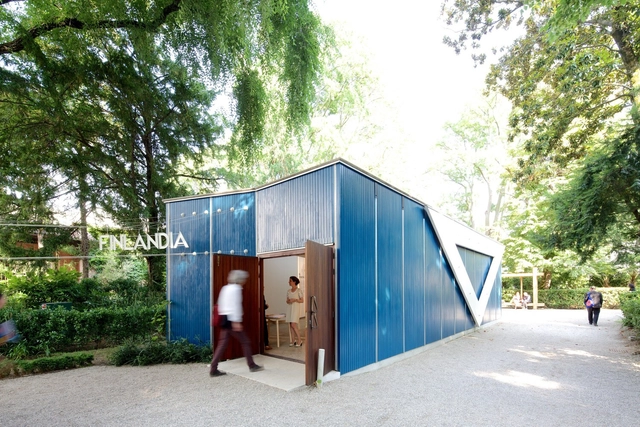
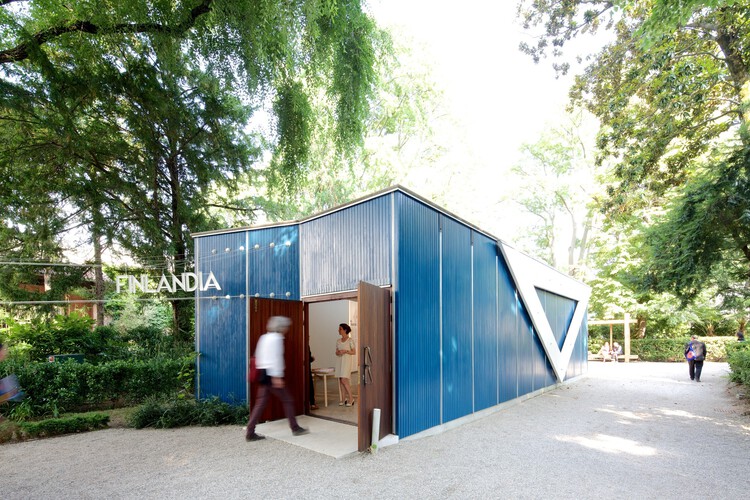
Tucked within the leafy confines of the Giardini della Biennale in Venice stands a structure modest in scale yet immense in quiet conviction: the Finland Pavilion, designed by Alvar and Elissa Aalto for the 1956 Venice Biennale. Unlike the monumental pavilions that surround it, Aalto's structure was conceived not as a permanent structure, but as a temporary exhibition space for a single exhibition season. And yet, nearly seventy years on, it remains—weathered, resilient, and quietly luminous.

AD Classics: Finnish Pavilion at the Venice Biennale / Alvar Aalto + Elissa Aalto - Interior PhotographyAD Classics: Finnish Pavilion at the Venice Biennale / Alvar Aalto + Elissa Aalto - Image 2 of 5AD Classics: Finnish Pavilion at the Venice Biennale / Alvar Aalto + Elissa Aalto - Image 3 of 5AD Classics: Finnish Pavilion at the Venice Biennale / Alvar Aalto + Elissa Aalto - Exterior PhotographyAD Classics: Finnish Pavilion at the Venice Biennale / Alvar Aalto + Elissa Aalto - More Images+ 21

Embracing Material Intelligence: How the Pacific Northwest is Promoting Timber Innovation

Material intelligence refers to how materials perform, adapt, and interact with ecological and cultural systems. It considers how stone, steel, or timber respond to intertangled forces, how those materials are sourced and assembled, and how they persist after demolition. Designers are centering material intelligence in constructing our cities in a generation of environmental uncertainty and strained supply chains.

Embracing Material Intelligence: How the Pacific Northwest is Promoting Timber Innovation - Image 1 of 4Embracing Material Intelligence: How the Pacific Northwest is Promoting Timber Innovation - Image 2 of 4Embracing Material Intelligence: How the Pacific Northwest is Promoting Timber Innovation - Image 3 of 4Embracing Material Intelligence: How the Pacific Northwest is Promoting Timber Innovation - Image 4 of 4Embracing Material Intelligence: How the Pacific Northwest is Promoting Timber Innovation - More Images+ 24

CHYBIK+KRISTOF Reveals Timber Design for Czech National Forestry Headquarters

In 2016, an international public architecture competition was announced to design a new administrative center for the Czech Forestry Commission. The new building would replace the existing headquarters on the outskirts of Hradec Králové, a medieval city surrounded by municipal forests on its eastern limit. CHYBIK+KRISTOF's 'Forestry in the Forest' project was selected as the winning proposal in 2017 after a two-round anonymous competition. Now, seven years after the competition, the firm has revealed images and plans for what is set to become the largest wooden structure in the Czech Republic. The design is characterized by establishing a permanent relationship with the surrounding landscape and by seeking to exemplify the benefits of timber construction for the local industry.

CHYBIK+KRISTOF Reveals Timber Design for Czech National Forestry Headquarters - Image 1 of 4CHYBIK+KRISTOF Reveals Timber Design for Czech National Forestry Headquarters - Image 2 of 4CHYBIK+KRISTOF Reveals Timber Design for Czech National Forestry Headquarters - Image 3 of 4CHYBIK+KRISTOF Reveals Timber Design for Czech National Forestry Headquarters - Image 4 of 4CHYBIK+KRISTOF Reveals Timber Design for Czech National Forestry Headquarters - More Images+ 18