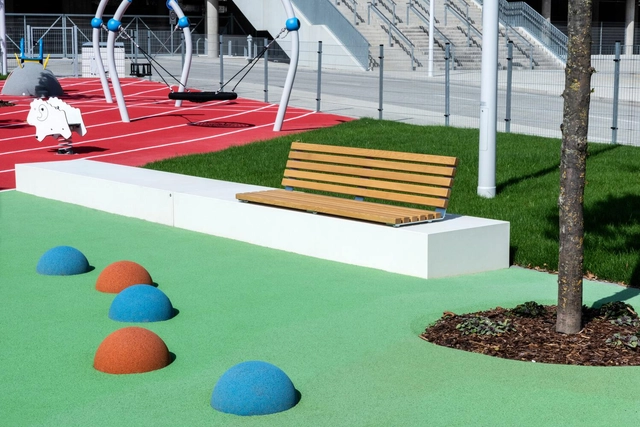
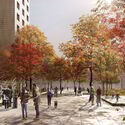
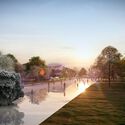
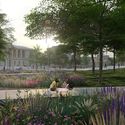
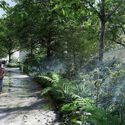
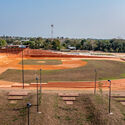
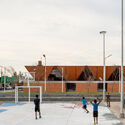
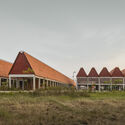
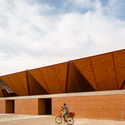
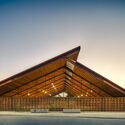
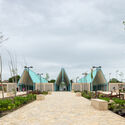
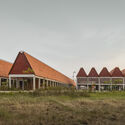
The National Athletics Centre in Budapest marks a significant milestone in urban regeneration and architectural innovation. Located on a former industrial site along the Danube, this transformative project revitalizes a neglected brownfield into a vibrant hub for sports, recreation, and community engagement. Designed by Marcel FERENCZ, architect at NAPUR Architect Ltd., with landscape design created by S-TÉR and several hundred pieces of furniture from VPI Concrete, the Centre is a cornerstone for connecting North Csepel to the city and fostering urban development.
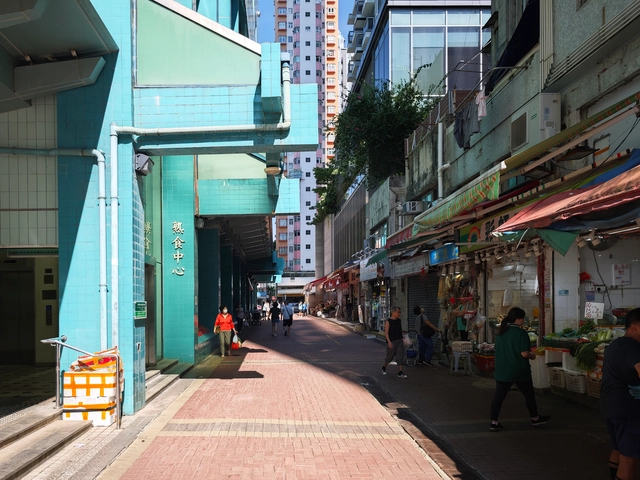
In Delirious New York, Rem Koolhaas vividly discusses the Downtown Athletic Club, a striking example of how an unassuming building exterior can conceal a vibrant mix of distinct, self-contained programs. Inside the uniform facade of this skyscraper, a private athletic club hosts an eclectic range of facilities—boxing gyms next to oyster bars and interior golf ranges below swimming pools—all segregated yet highly accessible. The Downtown Athletic Club epitomized the dynamism of New York's skyscrapers at the time, showcasing the thrill of capitalism through a selective, inward-focused world of leisure and privilege for the selected. This "machine of programs" operated independently of the external city as an isolated ecosystem within its walls. Yet, one might ask: could a similar model, designed for public use, create a more inclusive, lively community and neighborhood experience? This will activate the building within, instead of only serving the selected elites, and influence and transform the urban fabric and shapes around the building. In Hong Kong, a distant parallel can be drawn with the Municipal Services Buildings (MSBs)—publicly-funded structures that serve the community by integrating diverse functions within a singular vast building mass, much like the Downtown Athletic Club.
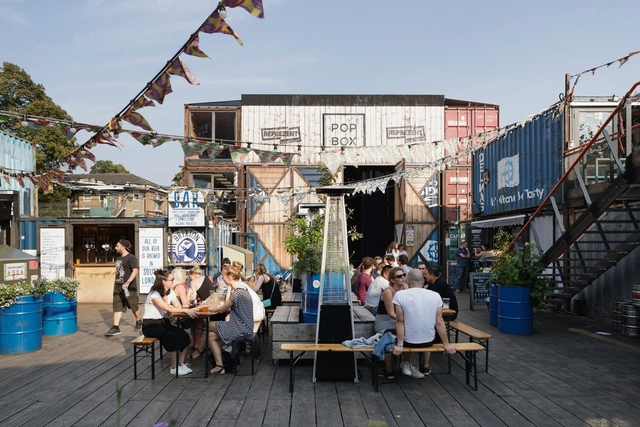
A "meanwhile space" refers to the temporary use of an otherwise vacant area—whether it's an empty shop, a disused building, or a site awaiting redevelopment. The concept revolves around making productive use of these spaces during the interim period before a long-term purpose is established. Essentially, it's about what happens in the meantime, turning unused spaces into vibrant, functional places during periods of uncertainty or transition.
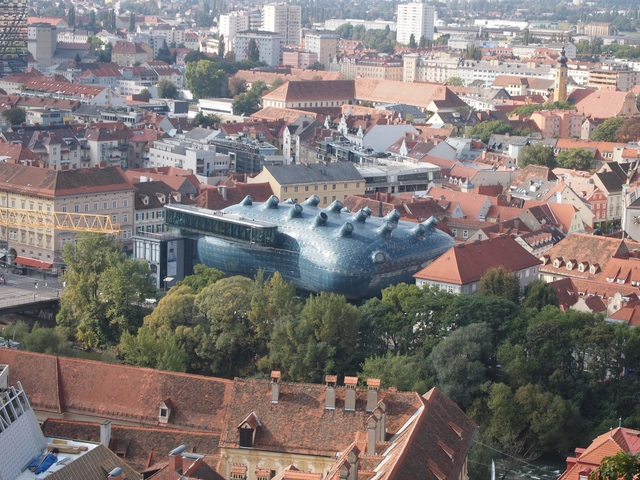
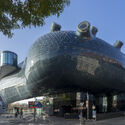
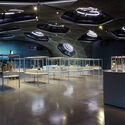
Situated along the River Mur in the Lend district, the Kunsthaus challenges traditional architectural norms with its organic, free-flowing design. Rejecting orthogonal geometry, the museum seamlessly merges art, architecture, and public interaction, redefining the concept of a cultural institution. Its impact extends beyond aesthetics, sparking urban revitalization in a once-overlooked neighborhood, and bringing cultural vibrancy and economic activity.
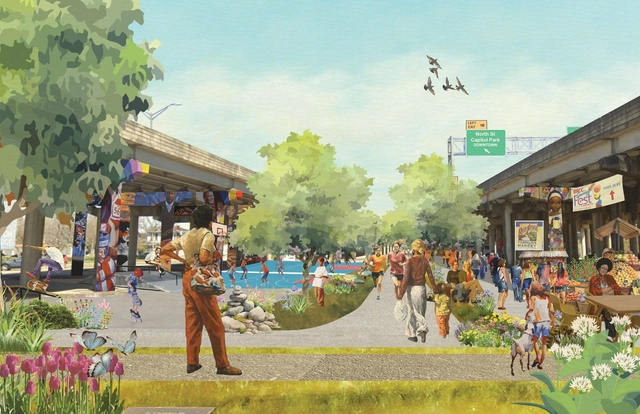
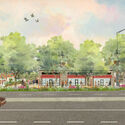
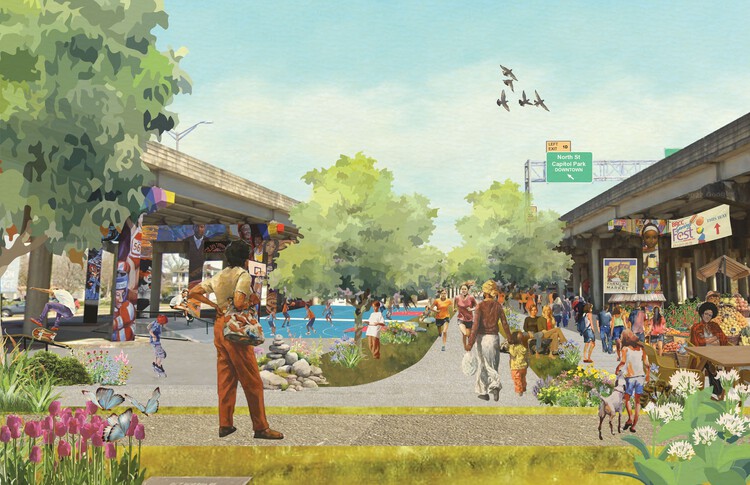
Global design firm Perkins&Will has just announced final plans have been approved for the Florida Corridor Plan in Baton Rouge, Louisiana, on which the firm is the leading planner and urban designer. This initiative, recently approved by the East Baton Rouge Metropolitan Council, aims to transform and rejuvenate a 12-mile stretch connecting downtown Baton Rouge to the Livingston Parish line.
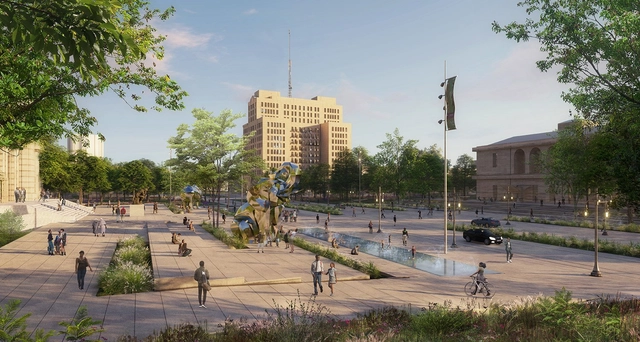
Woodward Avenue, between the Detroit Institute of Arts and the Detroit Public Library, serves as a public mediating ground on the nation's first paved road.. Image Courtesy of Agence Ter - Akoaki
The Detroit Cultural District has announced an ambitious initiative to reshape its urban landscape. This multi-phased project led by the Detroit Cultural Center Association (DCCA) in partnership with Design Leads Akoaki and Agence Ter, will transform the district's character, creating a more vibrant and accessible environment for residents and visitors alike. The project builds upon a comprehensive master plan, outlining a 15-year vision for the 80-acre campus in Detroit, Michigan. The plan's guiding principles focus on unifying the district's twelve institutions, improving pedestrian flow, and fostering a stronger sense of community.
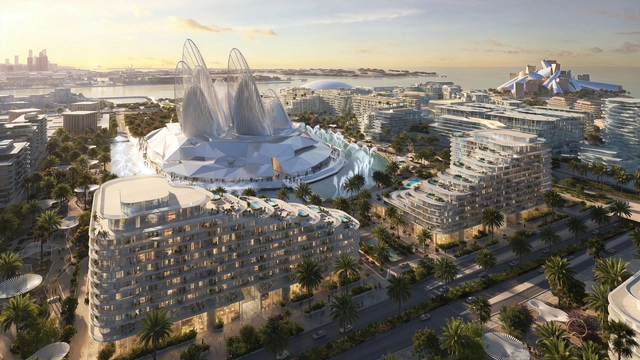
Mandarin Oriental Residences in Abu Dhabi's Saadiyat Cultural District / BIG. Image Courtesy of BIG
Recent architectural announcements showcase a global range of projects. This month, some of the most recognized architectural offices in the world have announced ambitious projects, some engaging with local communities, rediscovering and revitalizing existing structures, or contributing to complex architectural landscapes. Among them, BIG revealed their proposal for Saadiyat Island, a cultural district that gathers some of the world's most famous designers. Additionally, Populous revealed a new performance center, KCAP is developing a framework for an eco-industrial park, and Henley Halebrown is working to revitalize an overlooked structure in Belgium, reopening it to the local community. Read on to discover a collection of recent announcements from the architectural world, peeking into established architects' processes and recent announcements.
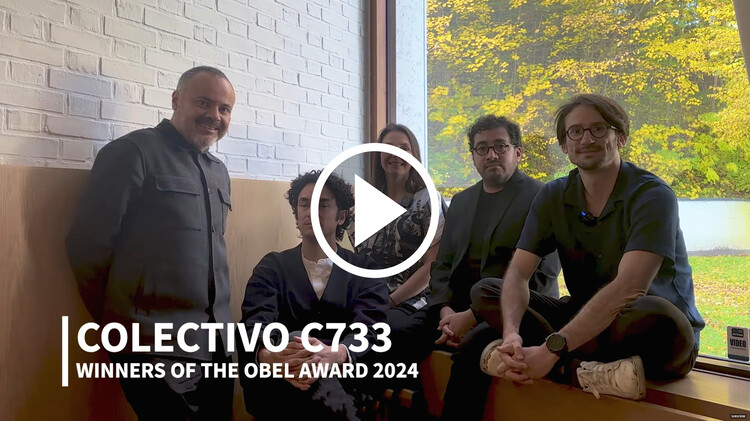
Recognized for completing 36 distinct yet cohesive public projects across Mexico in just 36 months, Colectivo C733 showcases the impact of collaborative design on public spaces and communities. The 36 projects were part of a national effort to revitalize vulnerable urban and rural areas in Mexico, earning them the 2024 Obel Award focused on the theme of "Architectures With". The team behind the designs, Colectivo C733, is a collaborative group formed by the joint offices of architects Gabriela Carrillo (Taller Gabriela Carrillo), Carlos Facio, and José Amozurrutia (TO), along with Eric Valdez (Labg), and Israel Espin. In a recent conversation with ArchDaily's Editor-in-Chief, Christele Harrouk, the collective discussed their approach to public architecture, the process of integrating diverse voices, and remaining flexible to the challenges of local conditions.
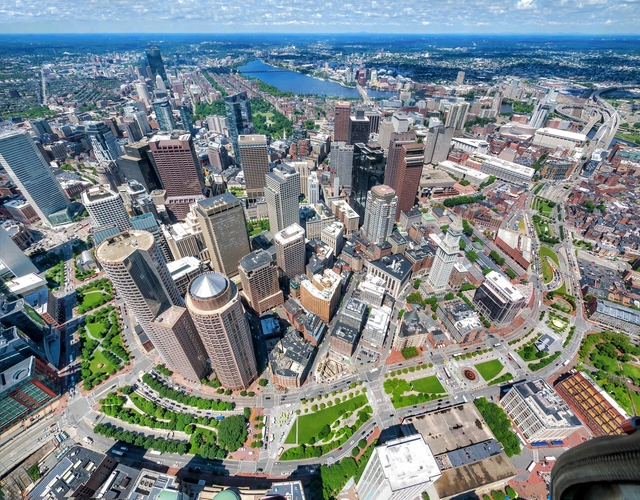
Greenways, as a typology of urban design, have become an essential element in the planning of modern cities. They emerge in response to the increasing fragmentation of urban landscapes by elements such as highways. They usually integrate natural and constructed spaces, providing much-needed connections across various parts of the city. At the same time, they promote pedestrian accessibility, recreation, and social interaction. The Rose Kennedy Greenway in downtown Boston, United States, exemplifies this human-centered approach to design. The project, which began construction in 1991, showcases the potential of greenways to reconnect urban environments and enhance community life. As a series of parks designed by various architecture firms, it aims to create physical links and meaningful spaces that foster social development and a sense of place.
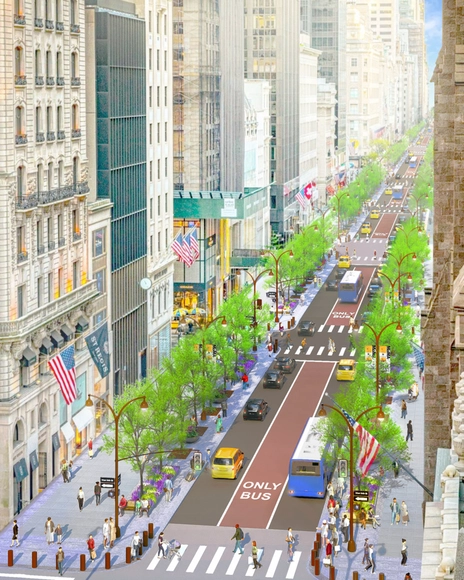
The mayor of New York City, Eric Adams, along with the Future of Fifth Partnership, announced plans to transform Fifth Avenue, between Bryant Park and Central Park, into a pedestrian-centered boulevard. The project includes expanding sidewalks by 46%, reducing traffic lanes, improving pedestrian safety with shorter crosswalks, and adding greenery and lighting. The initiative begun with the Future of Fifth public-private partnership, which selected Arcadis, Sam Schwartz Engineering, and Field Operations to lead the design and study, and schematic design, scheduled to be completed by summer 2025.
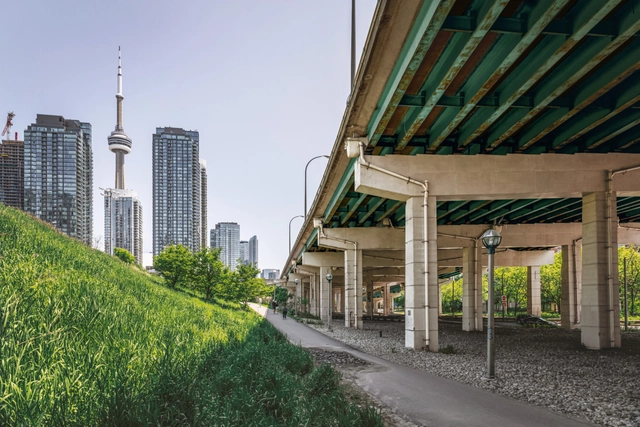
New York-based office Field Operations, renowned for their work on Seattle's waterfront and New York's High Line, along with Toronto's Brook McIlroy, have been tasked with transforming underutilized lands beneath the Gardiner Expressway in Toronto. The project was launched by The Bentway Conservancy, in partnership with the City of Toronto, and represents the second phase of the development aiming to revitalize underutilized spaces along the expressway. The initiative set out to transform three large traffic islands between Dan Leckie Way and Spadina Avenue into an 11,500-square-meter public space for recreation and community activities.
In celebration of Urban October, a month dedicated to recognizing the significance of innovative urban spaces, this curated selection presents 8 conceptual projects that demonstrate the transformative potential of public spaces. These projects, submitted by the ArchDaily community, showcase the myriad ways public spaces can enhance cultural identity, community interaction, and environmental quality. Conceptual projects and competition entries serve as a platform for architectural experimentation, challenging the norms and sparking discussions about the future of urban landscapes. From rural settings to layered historical squares or small-scale urban interventions, the designs engage with their contexts, aiming to improve the experience of residents and visitors, highlight the histories of the space, and ensure accessibility for all.
Each month, ArchDaily's editors select a collection of conceptual projects centered around a theme or program, submitted to ArchDaily. These projects are developed by small and large-scale architecture offices from around the world and submitted openly to the ArchDaily platform, thus forming a worldwide community of practitioners sharing their work, be it purely conceptual, a competition entry, or an early-stage design phase. Submissions are open to everybody. If you wish to contribute, send in your work by following the instructions here.
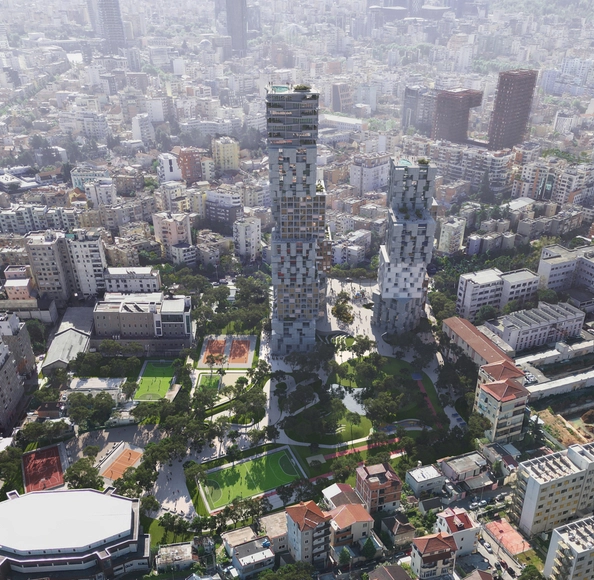
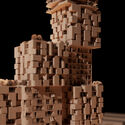
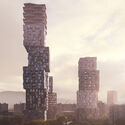
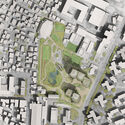
Portuguese architecture studio OODA has commenced construction on the Hora Vertikale Towers in Tirana, a city renowned for its urban revitalization and architectural innovation. The project aims to contribute to this dynamic landscape as a multi-functional, 55,000-square-meter "vertical village" rising 140 meters tall. The project is designed to also integrate a large-scale green public space, also designed by OODA. The project was first announced earlier this year.
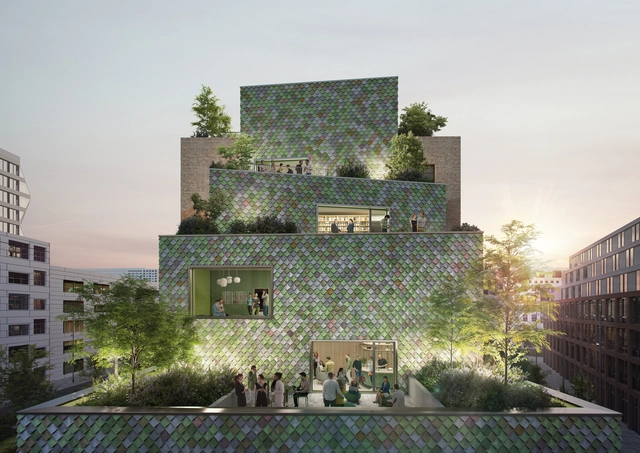
MVRDV has revealed its design for Monaco, a six-story office building situated in Munich's transforming Werksviertel neighborhood. This region, previously known for its industrial past and later as a cultural hotspot, has been evolving into a dynamic work-and-leisure district since 2016. Positioned near MVRDV's earlier project, WERK12, the Monaco building uses recycled materials and distinctive shapes to create a balanced "work and play" office environment, inspired by the color and creative spirit of the Kultfabrik era.
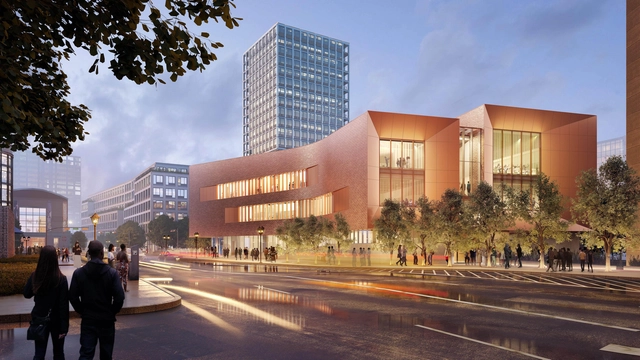
The New Jersey Performing Arts Center (NJPAC) has announced a three-year redevelopment of its 2-acre downtown Newark campus. The project, designed by architectural firms Skidmore, Owings & Merrill (SOM), and Weiss/Manfredi, has recently broken ground and is scheduled for completion in the fall of 2027. It integrates 350 mixed-income residential units, retail spaces, and a dynamic education and community center, in addition to rehearsal spaces, a new headquarters for jazz public radio station WBGO, and various outdoor gathering areas.
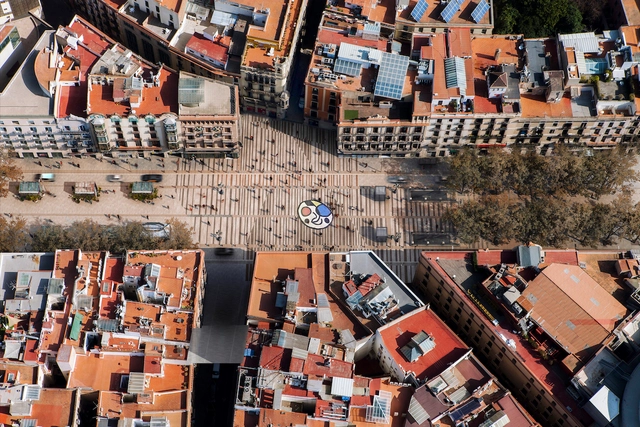
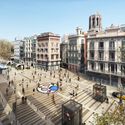
Rendering of the proposed La Rambla redevelopment project. Image Courtesy of Barcelona City Council, under policy of fair use
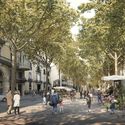
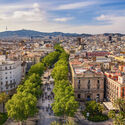
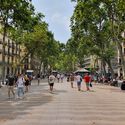
La Rambla, a 1.2-kilometer-long promenade in Barcelona, was established in 1766 along the old city walls. Embraced by locals, it became the only spacious area for strolling in a city of narrow streets and grew into a central meeting place for all social classes. Over time, leisure and cultural sites, like the Gran Teatre del Liceu and Boqueria Market, emerged, making it a vibrant, cultural hub. In 2017, Barcelona's local government launched a competition for the revitalization of this beloved urban space. Km_ZERO, a 15-member interdisciplinary team that also relied on the input of community groups was declared the winner. Now the first phase of the urbanization process has been almost completed, led by Lola Domènech and Olga Tarrasó. A hundred trees still remain to be planted in this phase, postponed due to drought conditions. The entire project is expected to be finished in 2027.
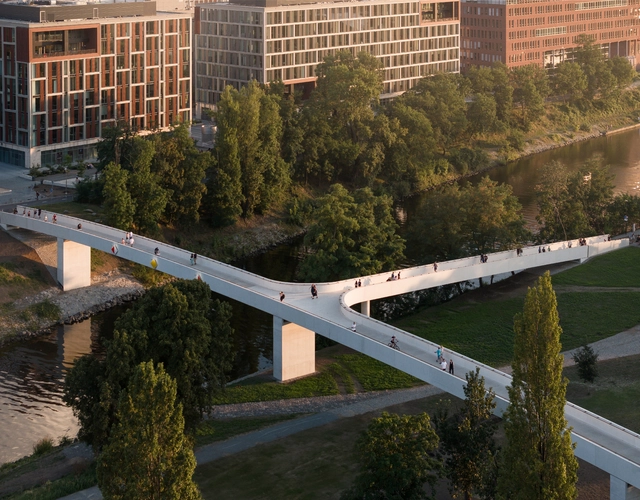
There is growing awareness of the importance of developing pedestrian infrastructure. Bridges and elevated structures enhance the quality of cities by connecting spaces and reducing distances. Their use benefits pedestrians and the thousands of cyclists seeking a more sustainable mode of transportation.
Pedestrian infrastructures, such as bridges, walkways, and widened sidewalks, not only promote sustainable mobility but also contribute to the revitalization of urban areas. Their design can transform underused spaces into active, safe, and accessible places for everyone, enhancing social cohesion and fostering community. By incorporating elements such as greenery, smart lighting, and urban furniture, these structures become more than just thoroughfares: they transform into meeting points and spaces for social interaction.