1. ArchDaily
  2. Cultural Center
Cultural Center: The Latest Architecture and News

Studio NEiDA Designs The Falcon Cinema in Ghana, a Community Art Centre Dedicated to African Film

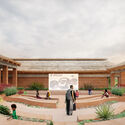
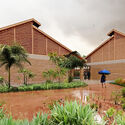
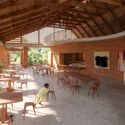
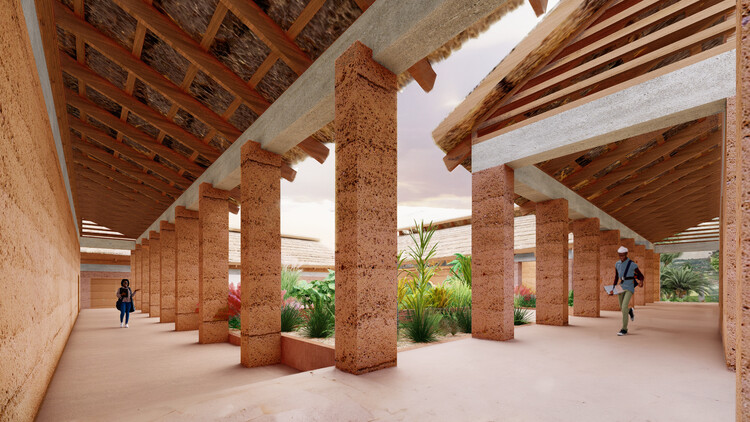
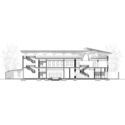
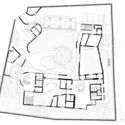
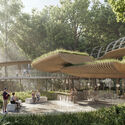
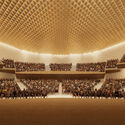
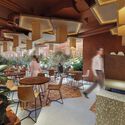
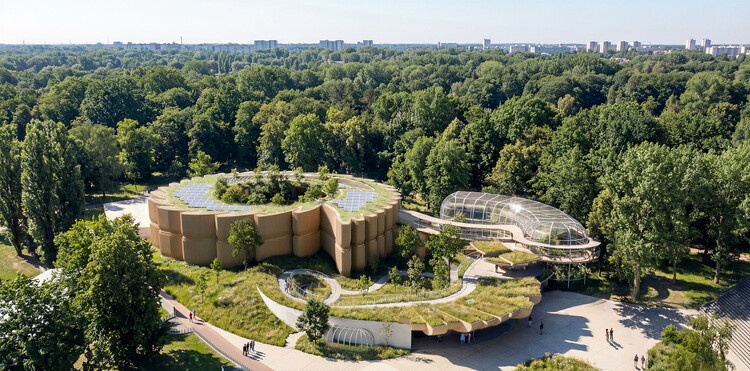
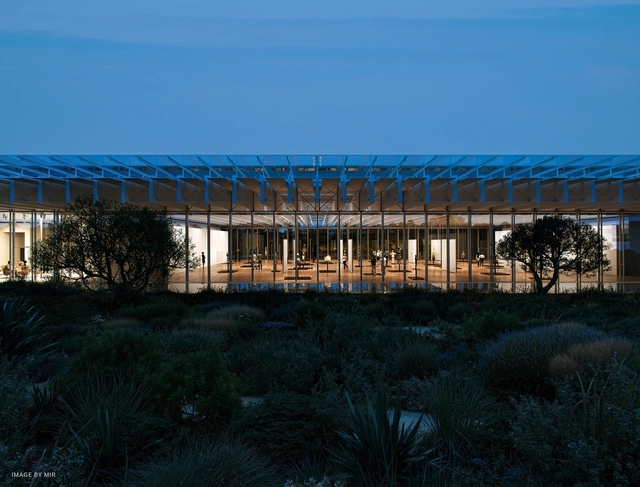
Designed by Studio NEiDA, The Falcon Cinema is a community and art centre located in Berekuso, Ghana, commissioned by film curator and Founding Director Jacqueline Nsiah. The cinema's mission is to create a home for cineastes to preserve Africa's cinematic legacy while hosting critical and creative thinking about contemporary filmmaking on the continent, designed and curated with a pan-African approach. The programme includes a 250-seat and a 150-seat screening room, a restaurant, an archive, communal spaces, an education hub, and an outdoor cinema. A second compound is planned for a future phase, to house living quarters for filmmakers in residence. Still in the design phase, the project started in 2024 and is expected to be completed in 2027.

Studio NEiDA Designs The Falcon Cinema in Ghana, a Community Art Centre Dedicated to African Film - Image 1 of 4Studio NEiDA Designs The Falcon Cinema in Ghana, a Community Art Centre Dedicated to African Film - Image 2 of 4Studio NEiDA Designs The Falcon Cinema in Ghana, a Community Art Centre Dedicated to African Film - Image 3 of 4Studio NEiDA Designs The Falcon Cinema in Ghana, a Community Art Centre Dedicated to African Film - Image 4 of 4Studio NEiDA Designs The Falcon Cinema in Ghana, a Community Art Centre Dedicated to African Film - More Images+ 8

How the Christo and Jeanne-Claude Center is Breathing New Life into Gabrovo’s Cultural Identity

 | In Collaboration

Large factories are being transformed into museums, former administrative buildings are becoming co-working spaces, and even churches are being converted into homes. In this century, the rise of adaptive reuse in cities reflects a growing interest in preserving the memory and identity of historic structures. At the same time, it introduces a contemporary perspective that responds to the urgent needs of today's urban landscape.

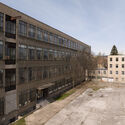
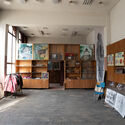
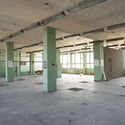
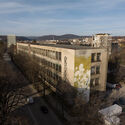
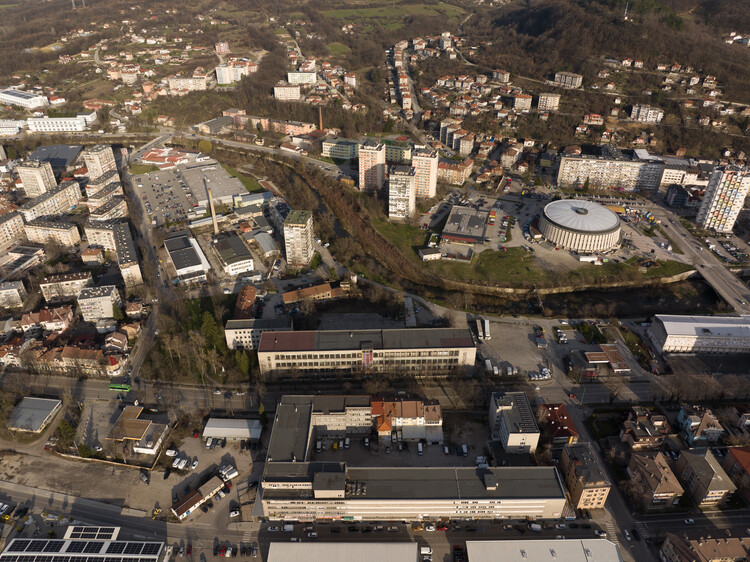
In Gabrovo, Bulgaria, the Municipality invites architects to design the Christo and Jeanne-Claude Center for Contemporary Art by transforming, adapting, and upgrading the former Textile Technical School and its adjacent site. EU co-financing, a disclosed budget, a designated jury, and a two-phase structure frame this competition, reflecting the spirit of Christo and Jeanne-Claude's artistic practice: bold, accessible artistic creation. More than a commission for a cultural building, it calls for a design response that understands the specific character of their work, adding a curatorial dimension to what might otherwise be a straightforward adaptive reuse project.

How the Christo and Jeanne-Claude Center is Breathing New Life into Gabrovo’s Cultural Identity - Image 1 of 4How the Christo and Jeanne-Claude Center is Breathing New Life into Gabrovo’s Cultural Identity - Image 2 of 4How the Christo and Jeanne-Claude Center is Breathing New Life into Gabrovo’s Cultural Identity - Image 3 of 4How the Christo and Jeanne-Claude Center is Breathing New Life into Gabrovo’s Cultural Identity - Image 4 of 4How the Christo and Jeanne-Claude Center is Breathing New Life into Gabrovo’s Cultural Identity - More Images+ 6

Historic Entertainment Venues in Oxford, Valparaíso, and Osaka Reflect Growing Pressures on Cultural Infrastructure

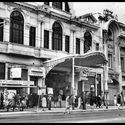
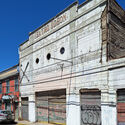
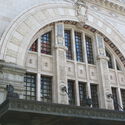
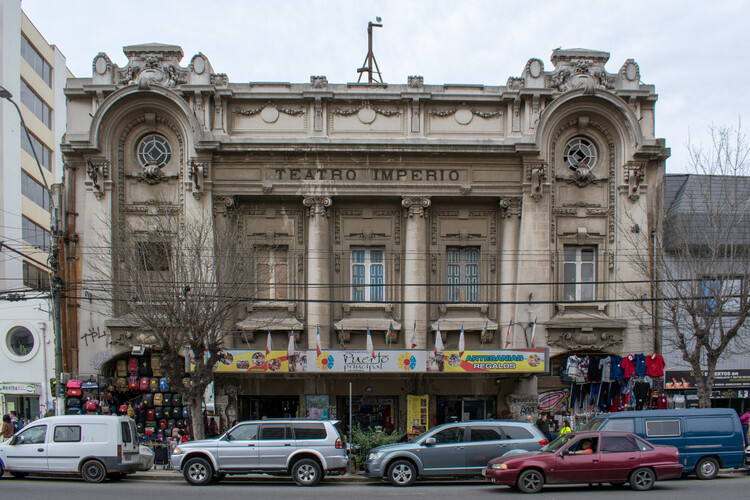
Between 2005 and 2021, French photographers Yves Marchand and Romain Meffre developed a long-term project titled Theaters. Recently exhibited at KYOTOGRAPHIE 2026, the work documents a phenomenon that continues to unfold gradually around the world: the decline of infrastructure originally designed for public entertainment in the early twentieth century. Theaters, cinemas, and performance venues that once accompanied the modernization of cities are increasingly being abandoned, repurposed, or "left suspended as hybrid ruins." This process is often associated with the growing individualization of cultural consumption, from the widespread adoption of television to the rise of the streaming industry, as well as the impact of the COVID-19 pandemic on cultural institutions. Below are three cases located in England, Chile, and Japan that illustrate different stages in this transformation, while also highlighting community-led efforts to preserve modern cultural heritage.

Historic Entertainment Venues in Oxford, Valparaíso, and Osaka Reflect Growing Pressures on Cultural Infrastructure - Image 1 of 4Historic Entertainment Venues in Oxford, Valparaíso, and Osaka Reflect Growing Pressures on Cultural Infrastructure - Image 2 of 4Historic Entertainment Venues in Oxford, Valparaíso, and Osaka Reflect Growing Pressures on Cultural Infrastructure - Image 3 of 4Historic Entertainment Venues in Oxford, Valparaíso, and Osaka Reflect Growing Pressures on Cultural Infrastructure - Image 4 of 4Historic Entertainment Venues in Oxford, Valparaíso, and Osaka Reflect Growing Pressures on Cultural Infrastructure - More Images+ 1

Centre Pompidou Expands to Seoul with the New Hanwha Center Designed by Wilmotte & Associés

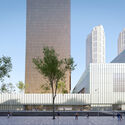
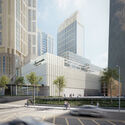
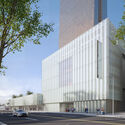
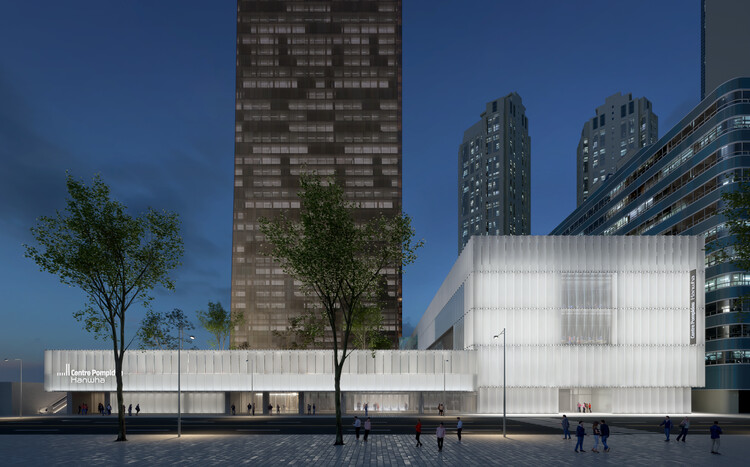
The French museum and cultural institution Centre Pompidou is opening a new Korean branch in collaboration with the local Hanwha Foundation of Culture. Well known in the architectural field for its French headquarters, designed by Renzo Piano and Richard Rogers and recently closed for renovations, the Centre Pompidou is expanding its international presence with a new venue, adding to its sites in Spain, Belgium, China, and the United Arab Emirates. The Korean building is a 12,000 m² renovation project at the base of the 63 Tower skyscraper, led by Wilmotte & Associés. Located on Yeouido Island, along the banks of the Han River, and at the heart of Seoul's financial district, the Hanwha Seoul Pompidou Center is conceived as both an exhibition venue and a meeting point where education and art converge, offering adaptable spaces to host a broad range of activities.

Centre Pompidou Expands to Seoul with the New Hanwha Center Designed by Wilmotte & Associés - Image 1 of 4Centre Pompidou Expands to Seoul with the New Hanwha Center Designed by Wilmotte & Associés - Image 2 of 4Centre Pompidou Expands to Seoul with the New Hanwha Center Designed by Wilmotte & Associés - Image 3 of 4Centre Pompidou Expands to Seoul with the New Hanwha Center Designed by Wilmotte & Associés - Image 4 of 4Centre Pompidou Expands to Seoul with the New Hanwha Center Designed by Wilmotte & Associés - More Images+ 11

Peter Zumthor’s LACMA David Geffen Galleries Open in Los Angeles

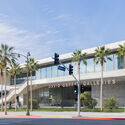
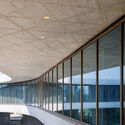
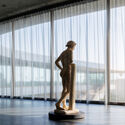
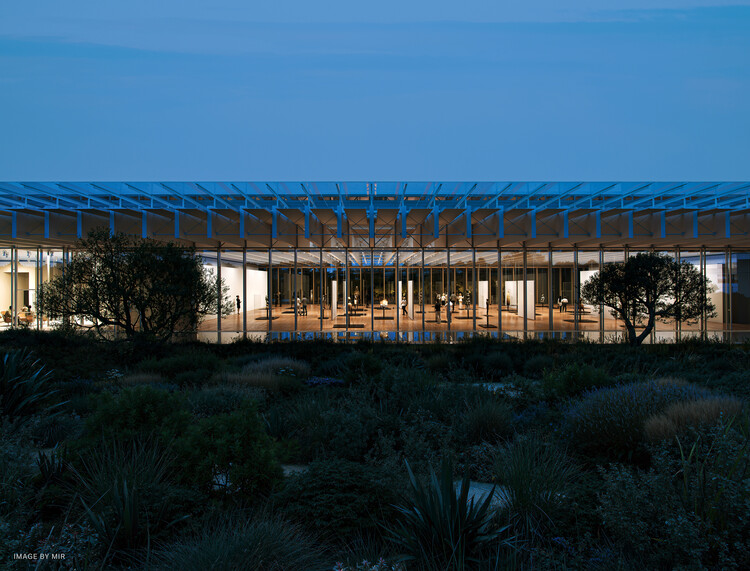
On Sunday, April 19, 2026, the Los Angeles County Museum of Art (LACMA) opened its new David Geffen Galleries to the public. Designed by architect Peter Zumthor, the building offers an elevated exhibition space for the museum's permanent collection. All artworks are presented in a single-level open space, in a non-hierarchical layout of cultures, traditions, and eras, spanning 6,000 years of art history across approximately 155,000 objects. The space is flexible, accommodating diverse curatorial projects as well as visitors' individual paths. The project marks a new step in the institution's two-decade transformation into a global art museum and the most comprehensive in the western United States.

Peter Zumthor’s LACMA David Geffen Galleries Open in Los Angeles - Image 1 of 4Peter Zumthor’s LACMA David Geffen Galleries Open in Los Angeles - Image 2 of 4Peter Zumthor’s LACMA David Geffen Galleries Open in Los Angeles - Image 3 of 4Peter Zumthor’s LACMA David Geffen Galleries Open in Los Angeles - Image 4 of 4Peter Zumthor’s LACMA David Geffen Galleries Open in Los Angeles - More Images+ 40

Kéré Architecture’s Goethe-Institut in Senegal Opens as a Landmark for Cultural Exchange in West Africa

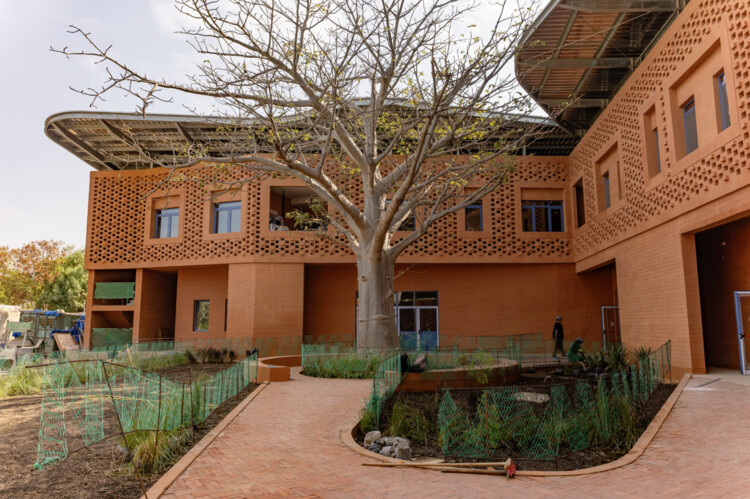
In February 2022, construction began on the Goethe-Institut in Dakar, designed by Kéré Architecture. Present in Senegal since 1978, the Goethe-Institut is reaching a milestone in strengthening cultural ties between Germany, Senegal, and West Africa with this new building. As the first purpose-built Goethe-Institut on the African continent, it embodies a long-term commitment to supporting the creative industries and fostering intellectual exchange. From April 16 to 18, 2026, the Goethe-Institut will host a series of events to mark the inauguration of its new headquarters.

Kéré Architecture’s Goethe-Institut in Senegal Opens as a Landmark for Cultural Exchange in West Africa - Image 1 of 4Kéré Architecture’s Goethe-Institut in Senegal Opens as a Landmark for Cultural Exchange in West Africa - Image 2 of 4Kéré Architecture’s Goethe-Institut in Senegal Opens as a Landmark for Cultural Exchange in West Africa - Image 3 of 4Kéré Architecture’s Goethe-Institut in Senegal Opens as a Landmark for Cultural Exchange in West Africa - Image 4 of 4Kéré Architecture’s Goethe-Institut in Senegal Opens as a Landmark for Cultural Exchange in West Africa - More Images+ 2

V&A East Museum by O’Donnell + Tuomey to Open in East London’s Cultural Quarter

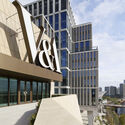
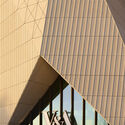
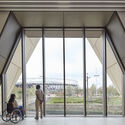
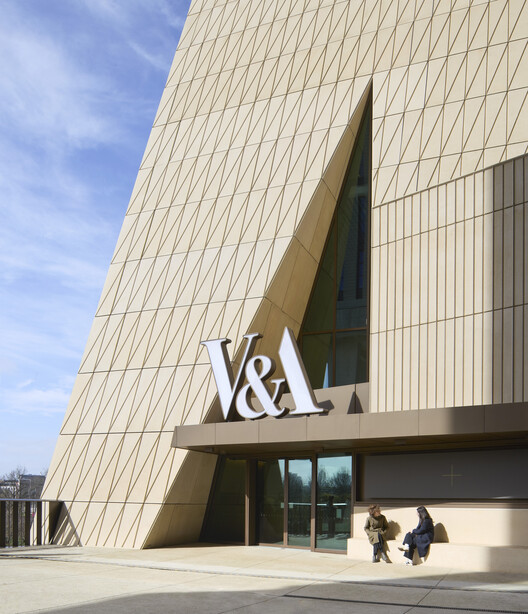
V&A East Museum, designed by architects O'Donnell + Tuomey, will open to the public on 18 April 2026. Assigned to the firm in 2015, the new building is located in the Queen Elizabeth Olympic Park, near its recently opened sister facility, the V&A East Storehouse, designed by Diller Scofidio + Renfro. Located in East London, the UK's newest cultural quarter supported by the Mayor of London, the two-building complex aims to "spotlight the many ways global artists, designers, and makers use creativity to shape the world." Dedicated to creative opportunity and its power to bring change, the museum's five public levels contain two permanent galleries, a 900 sqm temporary exhibition gallery, a top-floor project and event space, learning facilities, and a café.

V&A East Museum by O’Donnell + Tuomey to Open in East London’s Cultural Quarter - Featured ImageV&A East Museum by O’Donnell + Tuomey to Open in East London’s Cultural Quarter - Image 1 of 4V&A East Museum by O’Donnell + Tuomey to Open in East London’s Cultural Quarter - Image 2 of 4V&A East Museum by O’Donnell + Tuomey to Open in East London’s Cultural Quarter - Image 3 of 4V&A East Museum by O’Donnell + Tuomey to Open in East London’s Cultural Quarter - More Images+ 42

Cultural Centers Beyond the Building: 6 Unbuilt Projects Integrating Landscape

Subscriber Access | 

Cultural centers continue to serve as a productive ground for unbuilt architectural exploration, reflecting how architects are rethinking the role of public institutions in relation to landscape, experience, and program hybridity. In this Unbuilt edition, submitted by the ArchDaily community, the selected projects bring together a range of proposals that expand the definition of the cultural center beyond a singular building. These works position architecture as a spatial framework that mediates between research, exhibition, retreat, and public life, often embedded within or distributed across natural and urban contexts.

Across varied geographies, from northern Norway and Oslo to Łódź, Vienna, Marrakech, and New Tashkent, the projects demonstrate diverse responses to cultural infrastructure. They include landscape-integrated complexes shaped by topography and climate, bridges that combine gallery and public circulation, zoological pavilions structured as immersive sequences, adaptive reuse of military buildings into performance spaces, courtyard-based environments rooted in local traditions, and climate-responsive institutions informed by environmental analysis. Together, these proposals explore how cultural programs can be organized through movement, spatial layering, and relationships between interior and exterior conditions.

Cultural Centers Beyond the Building: 6 Unbuilt Projects Integrating Landscape - Image 13 of 4Cultural Centers Beyond the Building: 6 Unbuilt Projects Integrating Landscape - Image 10 of 4Cultural Centers Beyond the Building: 6 Unbuilt Projects Integrating Landscape - Image 7 of 4Cultural Centers Beyond the Building: 6 Unbuilt Projects Integrating Landscape - Image 26 of 4Cultural Centers Beyond the Building: 6 Unbuilt Projects Integrating Landscape - More Images+ 31

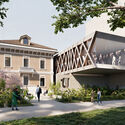
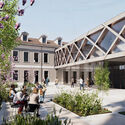
Carlo Ratti Associati Designs Buzzi Heritage Cultural Center in Italy With the New Digital Construction System

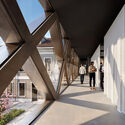
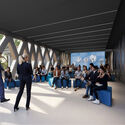
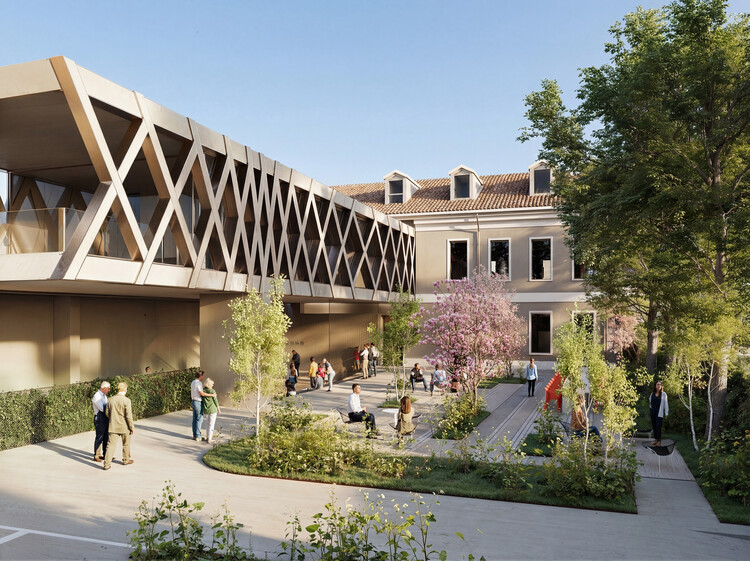
CRA–Carlo Ratti Associati has been selected to design the Buzzi Heritage cultural center in Casale Monferrato, Italy. The proposal introduces a 100-meter-long suspended truss that links two former educational buildings, consolidating archival, research, and cultural functions within a single structure. The project also marks the first real-world application of a patented structural system developed through research by Carlo Ratti Associati in partnership with Maestro Technologies. Positioned above a system of open spaces, the intervention reconfigures the site as a publicly accessible cultural complex while maintaining a clear distinction between built and landscaped areas.

Carlo Ratti Associati Designs Buzzi Heritage Cultural Center in Italy With the New Digital Construction System - Image 1 of 4Carlo Ratti Associati Designs Buzzi Heritage Cultural Center in Italy With the New Digital Construction System - Image 2 of 4Carlo Ratti Associati Designs Buzzi Heritage Cultural Center in Italy With the New Digital Construction System - Image 3 of 4Carlo Ratti Associati Designs Buzzi Heritage Cultural Center in Italy With the New Digital Construction System - Image 4 of 4Carlo Ratti Associati Designs Buzzi Heritage Cultural Center in Italy With the New Digital Construction System - More Images+ 1

DAM Preis 2026 Awarded to Peter Grundmann Architekten for the ZK/U Center for Art and Urbanistics in Berlin

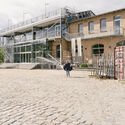
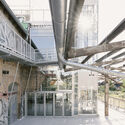
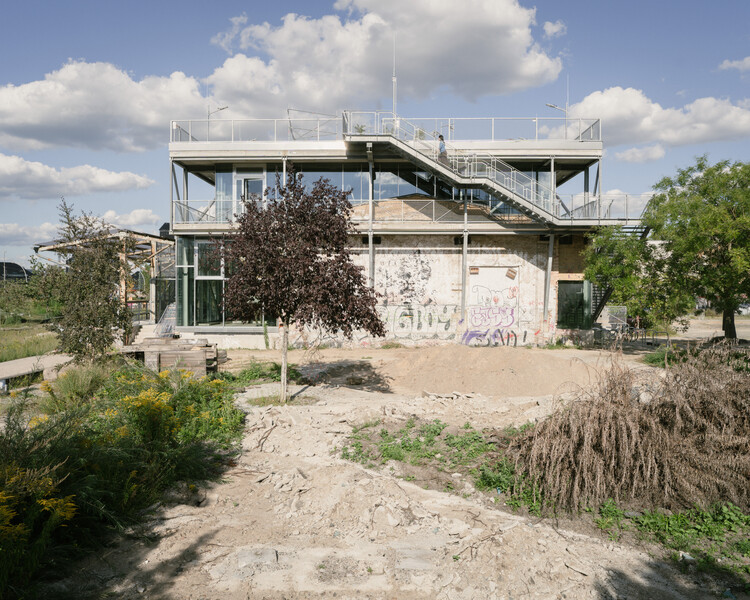
The 20th edition of the DAM Preis 2026 has been awarded to Peter Grundmann Architekten for the ZK/U Center for Art and Urbanistics, an adaptive reuse project in Berlin, Germany. The project transforms a former single-story warehouse at a freight station in Berlin-Moabit into a cultural meeting place. The jury recognized the practice's transformative approach, highlighting the use of an above-average amount of manual labor and a modest budget to encase the existing hall in a lightweight steel-and-glass structure and add an additional floor. Developed in close collaboration with the non-profit association KUNSTrePUBLIK e. V., the project supports a wide-ranging public program established at the former freight station since 2012, including exhibitions, performances, artist residencies, repair workshops, neighborhood markets, and public viewings. Peter Grundmann Architekten was selected through a Europe-wide tender process and commissioned to build the acclaimed extension in 2019.

DAM Preis 2026 Awarded to Peter Grundmann Architekten for the ZK/U Center for Art and Urbanistics in Berlin - Image 1 of 4DAM Preis 2026 Awarded to Peter Grundmann Architekten for the ZK/U Center for Art and Urbanistics in Berlin - Image 2 of 4DAM Preis 2026 Awarded to Peter Grundmann Architekten for the ZK/U Center for Art and Urbanistics in Berlin - Image 3 of 4DAM Preis 2026 Awarded to Peter Grundmann Architekten for the ZK/U Center for Art and Urbanistics in Berlin - Image 4 of 4DAM Preis 2026 Awarded to Peter Grundmann Architekten for the ZK/U Center for Art and Urbanistics in Berlin - More Images+ 6

Construction Advances on Herzog & de Meuron’s Timber-Structured Memphis Art Museum Ahead of 2026 Opening

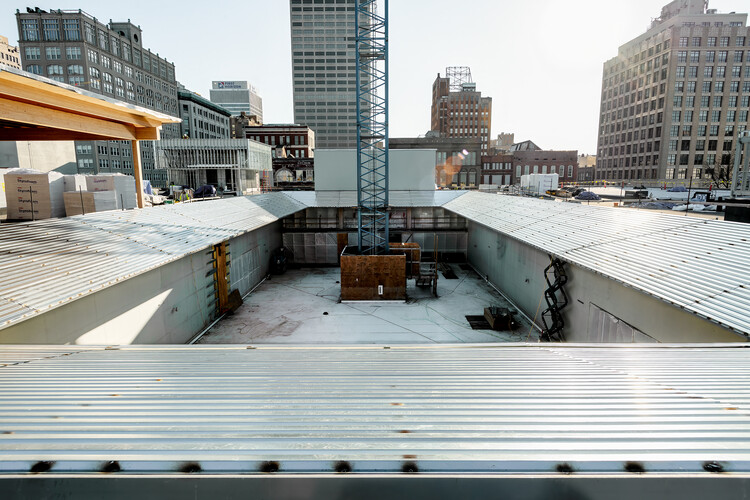
Pritzker Prize-winning architecture firm Herzog & de Meuron has released new images showing construction progress on the Memphis Art Museum, set to open in December 2026. Currently operating as the Memphis Brooks Museum of Art, the institution is both the oldest and largest art museum in Tennessee, United States, with a collection of more than 10,000 works spanning from ancient to contemporary art. Commissioned in 2019, the project marks the museum's relocation to a new site in Downtown Memphis along the Mississippi River bluff. The first images of the new cultural campus, designed by Herzog & de Meuron with architect of record archimania and landscape design by OLIN, were released in 2021. The 123,500-square-foot museum will expand gallery space by 50 percent and introduce extensive free, publicly accessible areas conceived as an open invitation to the city.

Construction Advances on Herzog & de Meuron’s Timber-Structured Memphis Art Museum Ahead of 2026 Opening - Image 1 of 4Construction Advances on Herzog & de Meuron’s Timber-Structured Memphis Art Museum Ahead of 2026 Opening - Image 2 of 4Construction Advances on Herzog & de Meuron’s Timber-Structured Memphis Art Museum Ahead of 2026 Opening - Image 3 of 4Construction Advances on Herzog & de Meuron’s Timber-Structured Memphis Art Museum Ahead of 2026 Opening - Image 4 of 4Construction Advances on Herzog & de Meuron’s Timber-Structured Memphis Art Museum Ahead of 2026 Opening - More Images+ 22

SANAA’s Taichung Art Museum and Library Complex Opens as a New Public Cultural Landmark in Taiwan

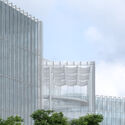
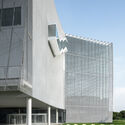
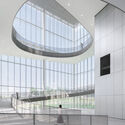
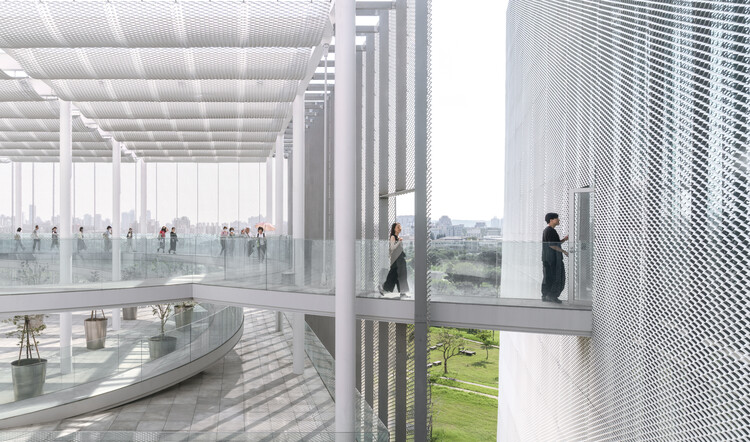
The Taichung Art Museum officially opened on December 13, 2025, with an inaugural exhibition titled A Call of All Beings: See You Tomorrow, Same Time, Same Place. The building, designed by SANAA, is part of the Taichung Green Museumbrary project, developed in collaboration with local firm Ricky Liu & Associates. Conceived as a major cultural initiative, the project combines a contemporary art museum, library resources, and public parkland. Through interactive education and outreach programmes, it aims to establish a new institutional model for Taichung, one that supports artistic exchange while positioning the city as an international cultural hub. On view through April 12, 2026, the opening exhibition explores the relationships between people and nature, the city and memory, interspecies connections, and the future, beginning with an examination of the complex's own context in central Taiwan.

SANAA’s Taichung Art Museum and Library Complex Opens as a New Public Cultural Landmark in Taiwan - Image 1 of 4SANAA’s Taichung Art Museum and Library Complex Opens as a New Public Cultural Landmark in Taiwan - Image 2 of 4SANAA’s Taichung Art Museum and Library Complex Opens as a New Public Cultural Landmark in Taiwan - Image 4 of 4SANAA’s Taichung Art Museum and Library Complex Opens as a New Public Cultural Landmark in Taiwan - Image 6 of 4SANAA’s Taichung Art Museum and Library Complex Opens as a New Public Cultural Landmark in Taiwan - More Images+ 9

Renzo Piano Building Workshop Begins Construction of the KYKLOS Cultural Center in Piraeus, Greece

Renzo Piano Building Workshop, in collaboration with Betaplan Architects (Athens) and landscape architect Camille Muller (Paris), has broken ground on a new cultural center in Piraeus, the port of Athens. Commissioned by The Dinos and Lia Martinos Foundation (DLMF), the project seeks to establish an international hub connected to similar art centers abroad, open to the local community, students, and visitors, and contributing to the urban and cultural fabric of the Athens metropolitan area. The complex, called KYKLOS, is planned to host contemporary art collections and cultural programming with an international outlook. Initiated in 2023, the project is currently in development, with construction planned to extend through the last quarter of 2028.

Renzo Piano Building Workshop Begins Construction of the KYKLOS Cultural Center in Piraeus, Greece - Image 2 of 4Renzo Piano Building Workshop Begins Construction of the KYKLOS Cultural Center in Piraeus, Greece - Featured ImageRenzo Piano Building Workshop Begins Construction of the KYKLOS Cultural Center in Piraeus, Greece - Image 4 of 4Renzo Piano Building Workshop Begins Construction of the KYKLOS Cultural Center in Piraeus, Greece - Image 3 of 4Renzo Piano Building Workshop Begins Construction of the KYKLOS Cultural Center in Piraeus, Greece - More Images

The Aesthetics of Power: Soviet Modernism Meets Uzbek Tradition in Tashkent’s Palace of Peoples’ Friendship

Subscriber Access | 

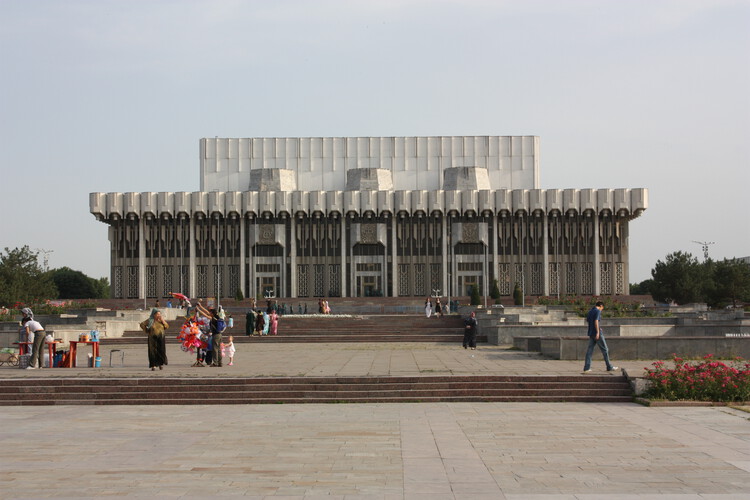
Tashkent, the capital of Uzbekistan and one of the oldest cities in Central Asia, has long been shaped by a hybrid culture. Located at a strategic point along the Silk Road, the city developed an architectural tradition defined by inner courtyards, domes, decorative ceramics, and Islamic geometric patterns. The annexation by the Russian Empire in the 19th century introduced administrative buildings, orthogonal squares, and straight avenues, creating a dual urban fabric — between the “old” Eastern city and the “new” European one — in which contrasts and overlaps became the norm.

During the Soviet period, when Tashkent became the capital of the Uzbek Soviet Socialist Republic and received intense migration from across the union, the city was transformed into a modernist showcase. The coexistence between Islamic heritage and the ideology of socialist progress found a new inflection point with the 1966 earthquake, whose destruction triggered a large-scale reconstruction effort involving architects from across the USSR. Massive housing complexes, cultural institutions, and monumental buildings emerged, reinterpreting local motifs through ideological and technological language. It was in this context that the Palace of Peoples’ Friendship took shape.

The Aesthetics of Power: Soviet Modernism Meets Uzbek Tradition in Tashkent’s Palace of Peoples’ Friendship - Image 1 of 4The Aesthetics of Power: Soviet Modernism Meets Uzbek Tradition in Tashkent’s Palace of Peoples’ Friendship - Image 2 of 4The Aesthetics of Power: Soviet Modernism Meets Uzbek Tradition in Tashkent’s Palace of Peoples’ Friendship - Image 3 of 4The Aesthetics of Power: Soviet Modernism Meets Uzbek Tradition in Tashkent’s Palace of Peoples’ Friendship - Image 4 of 4The Aesthetics of Power: Soviet Modernism Meets Uzbek Tradition in Tashkent’s Palace of Peoples’ Friendship - More Images+ 3

Kéré Architecture Reveals Public Library Design in Rio de Janeiro Celebrating Afro-Brazilian Heritage

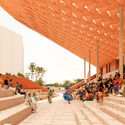
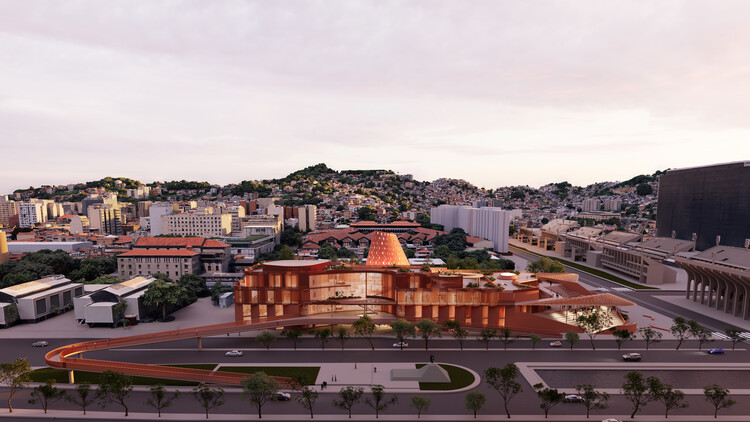
Kéré Architecture has unveiled its proposal for the 40,000-square-meter Biblioteca dos Saberes (House of Wisdom) in Rio de Janeiro's Cidade Nova neighborhood. Designed by Francis Kéré, Mariona Maeso Deitg, and Juan Carlos Zapata, the cultural complex is commissioned by the Rio de Janeiro City Hall and planned for a site near Valongo Wharf and the Little Africa area. The design was presented to members of the community on November 20, the National Day of Zumbi and Black Consciousness in Brazil. Important features include a perforated façade for sun protection, roof gardens, landscaped terraces, shaded courtyards, open-air areas, a canopied amphitheater, and a pedestrian bridge connecting the building to the nearby monument to Zumbi dos Palmares.

Kéré Architecture Reveals Public Library Design in Rio de Janeiro Celebrating Afro-Brazilian Heritage - Image 1 of 4Kéré Architecture Reveals Public Library Design in Rio de Janeiro Celebrating Afro-Brazilian Heritage - Image 2 of 4Kéré Architecture Reveals Public Library Design in Rio de Janeiro Celebrating Afro-Brazilian Heritage - Image 3 of 4Kéré Architecture Reveals Public Library Design in Rio de Janeiro Celebrating Afro-Brazilian Heritage - Image 4 of 4Kéré Architecture Reveals Public Library Design in Rio de Janeiro Celebrating Afro-Brazilian Heritage - More Images+ 5

Silence Is Also Important: Acoustics as Cultural Infrastructure

 | Sponsored Content

In 1952, American composer John Cage presented his groundbreaking piece "4'33''" for the first time. In it, the orchestra produces no intentional sound for four minutes and thirty-three seconds. What can be heard instead are breaths, movements, and subtle noises that would normally go unnoticed, but here become part of the composition itself. With this work, Cage revealed that absolute silence does not exist. There is always sound, even when unplanned.

In the same way, every architectural space has its own soundscape. Sound moves, reflects, reverberates, and dissipates according to the materials, volumes, and surfaces it encounters. Hard walls and high ceilings can amplify echoes, while fabrics and porous panels soften them. Acoustics, therefore, is not merely a technical concern but a form of materialized listening, a science that operates at the boundary between perception and emotion. For this reason, it is also complex. Each typology, whether a museum, temple, studio, or theater, has its own sonic logic, and understanding these nuances is essential to creating spaces that embrace sound, voice, and silence with equal precision.

Democratizing Access to Culture: The Past, Present, and Future of Cultural Centers

The cultural center is an architectural typology that has fascinated architects and urban planners for decades. Whether due to its multifaceted program, its often emblematic scale, or its potential to transform the urban context in which it is inserted, it is a building type that carries strong symbolic and conceptual value. The wide circulation of international references—many designed by renowned architects—reinforces the aura of prestige associated with this program, frequently seen as a privileged ground for formal and conceptual experimentation. Not by chance, cultural center designs are among the most recurring themes in competitions, exhibitions, and academic studios.

Yet behind this contemporary fascination lies a complex history in which the notion of space dedicated to culture has been redefined over time, gradually taking the form we recognize today. This ongoing evolution invites us to reflect not only on the historical path of these spaces but also on the possibilities that will shape their future.

Democratizing Access to Culture: The Past, Present, and Future of Cultural Centers - Image 1 of 4Democratizing Access to Culture: The Past, Present, and Future of Cultural Centers - Image 2 of 4Democratizing Access to Culture: The Past, Present, and Future of Cultural Centers - Image 3 of 4Democratizing Access to Culture: The Past, Present, and Future of Cultural Centers - Image 4 of 4Democratizing Access to Culture: The Past, Present, and Future of Cultural Centers - More Images+ 8

12 Cultural Spaces That Owe Their Power to Adaptive Reuse

Subscriber Access | 

When approaching the design of cultural spaces such as museums, performance venues, or places of research and study, architecture and design professionals often have to assemble pieces of a uniquely challenging puzzle in order to make the structure resonate with a variety of visitors and occupants. Hitting the right chord can be difficult, especially when trying to combine forms into a whole that pays respect to a building's intended use while being timeless in its universality.

One way of making sure a sense of culture is omnipresent: adaptive reuse. The practice of breathing life into historic structures has been on the rise in recent years and is particularly well-suited to creating spaces that address and embody contemporary issues while connecting their inhabitants to the past. But it's not just a sense of updated heritage that makes them stand out; adaptive reuse buildings can fight urban sprawl and unsustainable building practices simply by way of existing.

12 Cultural Spaces That Owe Their Power to Adaptive Reuse - Image 1 of 412 Cultural Spaces That Owe Their Power to Adaptive Reuse - Image 2 of 412 Cultural Spaces That Owe Their Power to Adaptive Reuse - Image 3 of 412 Cultural Spaces That Owe Their Power to Adaptive Reuse - Image 4 of 412 Cultural Spaces That Owe Their Power to Adaptive Reuse - More Images+ 10