Large-scale infrastructure projects often aim to connect distant locations within urban areas, facilitating quicker transportation, logistics, and commercial activities along their routes. However, while these projects link distant destinations, their substantial physical presence can significantly affect local communities. This may result in the disconnection and disengagement of previously connected neighborhoods, the disruption of public spaces, and generally negative outdoor experiences caused by noise, pollution, and lack of attention and maintenance to these infrastructures.
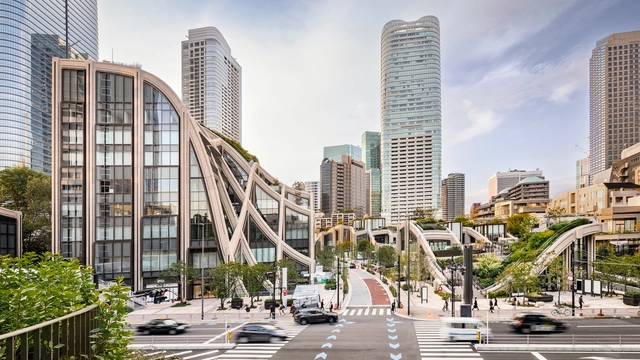
Nevertheless, several successful built environment projects have re-integrated contentious infrastructure into the community through thoughtful design of outdoor spaces, with Paris' Coulée verte René-Dumont being one of the first examples and New York's High Line being one of the most prominent examples. The High Line demonstrates how well-conceived outdoor projects can address the alienation caused by extensive infrastructure, foster community reconnection, serve as cultural and economic hubs, and even spur further economic redevelopment, as in Hudson Yards.
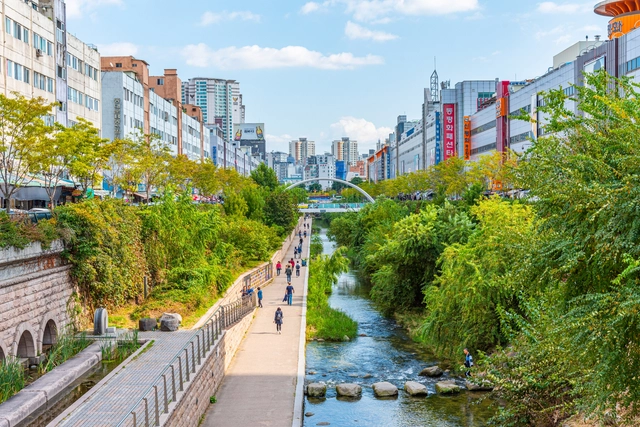
Cheongye Stream, known as Cheonggyecheon (청계천) in Korean, runs eastward through the heart of Seoul, passing through 13 neighborhoods in four districts of the capital of South Korea. Throughout its history, the stream played different roles in the city until it was covered by an elevated highway in the 1970s. For over 30 years, this natural artery remained hidden. It was not until 2003 that the city government launched a restoration project to reintegrate this urban waterway into the city fabric, revitalize the local economy, and revive the area's history and culture. The revitalization efforts were led by Mikyoung Kim Design. Since the project's completion in 2005, it quickly became one of Seoul's most visited tourist attractions. Moreover, it has become a focal point for ample urban research, with many studies offering positive assessments of the impact it had on Seoul's urban, economic, and ecological context.
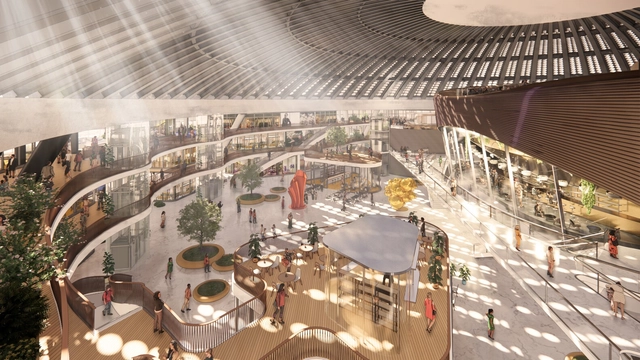
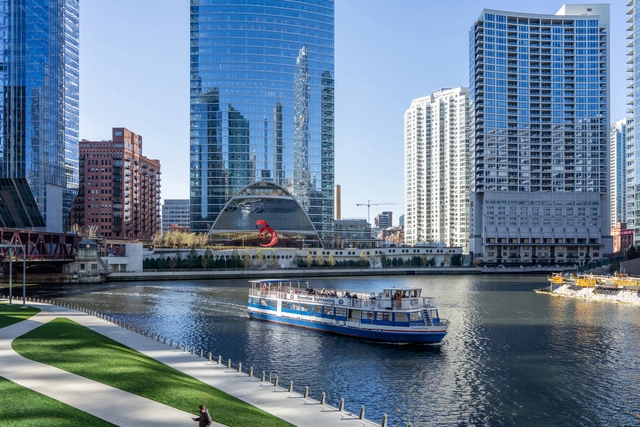
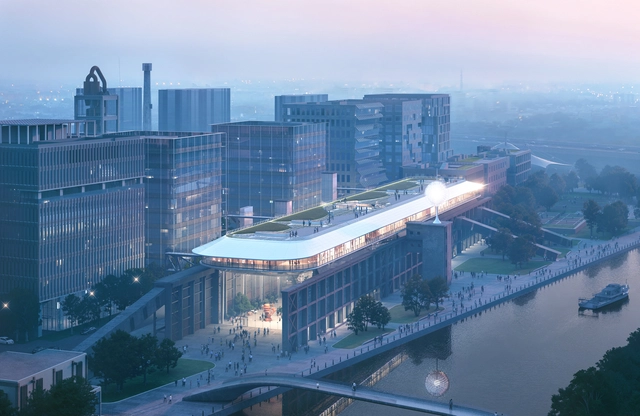
WilkinsonEyre has unveiled their proposal to revitalize the 1950s constructivist Belgrade Fair Hall 1, a landmark location overlooking the river Sava. The project is set to transform the exhibition hall into a mixed-use destination comprising three cultural venues and retail spaces, in addition to redesigning the waterfront park. WilkinsonEyre’s design incorporates light-touch interventions to the existing building, as it strives to respect and highlight the architectural qualities of the existing structure, such as the exposed concrete soffit or the unique shape of the building.
The continuation of remote work practices has altered cities' bustling downtown areas along with the traditional office landscape, leaving behind many vacant spaces whose future purpose is a matter of speculation. Four years after the onset of hybrid working policies, office occupancy rates in urban centers remain lower than pre-pandemic levels, signaling a long-term shift in the work environment. Some developers have aimed to reposition these buildings while other are seeking alternative uses of vacant buildings in central location. While both approaches prove beneficial in their own ways, the potential for repurposing office buildings is vast and exciting. From residential living to cutting-edge research facilities, architects and developers explore diverse possibilities and challenges of transforming these underutilized structures into thriving new spaces.
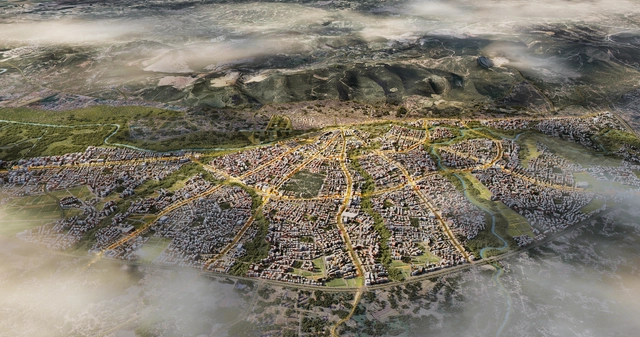
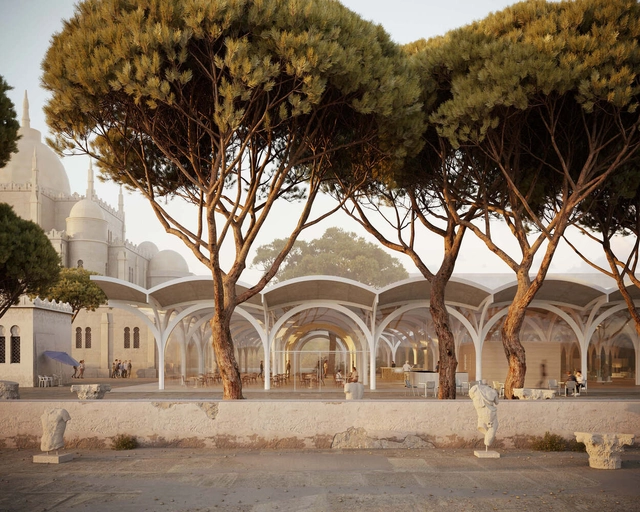
As part of a wider design-led revitalization process, Türkiye Design Council has announced a new urban plan for the revitalization of Antakya and the wider Hatay province in Türkiye, an area heavily affected by the Türkiye-Syria earthquake on 6 February 2023. The master plan has been developed by Foster + Partners, Buro Happold, MIC-HUB, along with Turkish practices DB Architects, and KEYM Urban Renewal Centre. The plan covers a 30-square-kilometer area of Antakya, the capital district of Hatay, and an important urban center of antiquity known as Antioch. Eight design principles have been outlined to guide the rebuilding efforts in an attempt to maintain the spirit of the city, which suffered extensive damages estimated at 80 percent.
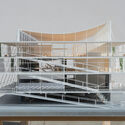
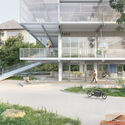
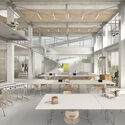
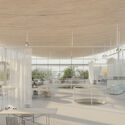
Gustav Düsing and FAKT have just won the competition to design an adaptive reuse project in Siegen, Germany. Following Gustav Düsing’s recent win of the EU Mies Award 2024, the NAS project was developed through a comprehensive participatory process involving students, faculty, staff, and community members. The New Architecture School (NAS) is an adaptive reuse proposal transforming the former printing facility into a new type of central campus. Aspiring to act as a dynamic urban entity, the design combines academic pursuits with cultural and public spaces.
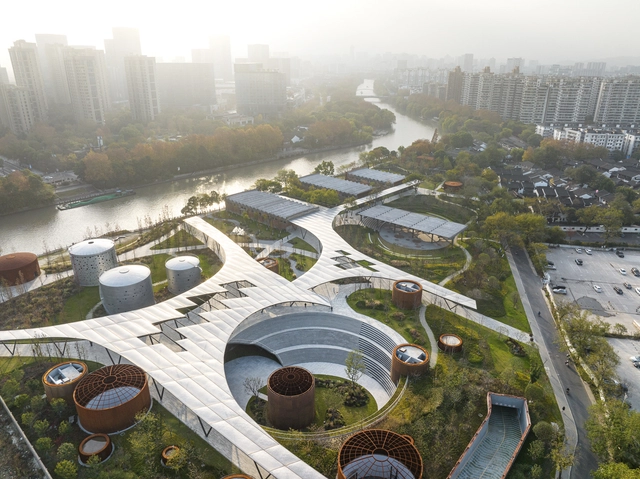
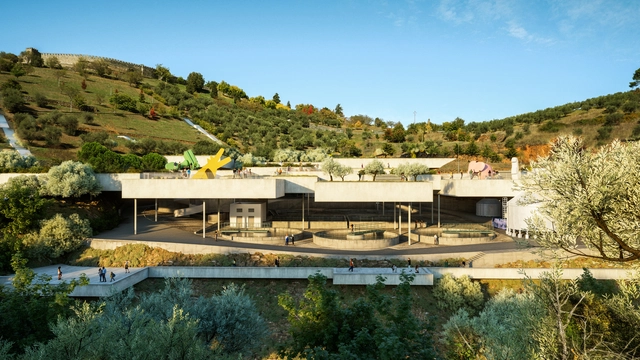
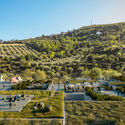
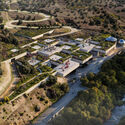
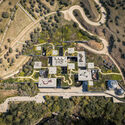
MASSLAB has just won the competition for the new roof of Bragança's Water Treatment Plant in Portugal. Integrating public use of this infrastructure, which until now only serves a functional purpose, the project showcases adding value to existing infrastructure by rethinking them. Blending architecture, landscaping, and urban design to transform this structure into a vibrant public space, MASSLAB seeks to change the perception of water treatment facilities in urban settings. By reimagining the roof as a livable infrastructure, the project transforms the purely functional roof into an engaging and integral part of the urban fabric.
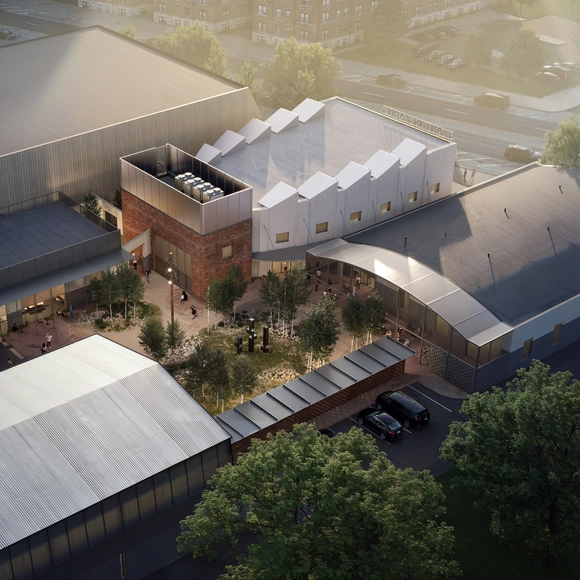
SO-IL, in partnership with Detroit’s Library Street Collective, has revealed the design for a new arts campus in the Stanton Yards marina on the Detroit River. The office is leading the adaptive reuse of four existing pre-war industrial buildings at Stanton Yards with the aim of creating a campus for arts organizations, creative retail, artist studios, and independent hospitality ventures along the waterfront. The master plan for the 13-acre site is led by design firm OSD (Office of Strategy + Design), a development that strives to transform the now-disused waterfront area into a 'dynamic cultural amenity' with over 80,000 square feet of commercial and creative space, 85 boat slips, and programmed waterfront parks. The project aims to expand upon the program of Detroit's Little Village, a diverse arts neighborhood recognized for its cultural and artistic scene.
Construction is currently in progress on “The Grid,” a new office complex by Foster + Partners. Located in Marousi, an established business hub that boasts connectivity to central Athens, the project spans an entire city block. The project features modern, adaptable workspaces, along with landscaped green areas that integrate with a public park. The scheme hopes to revitalize Marousi and attract new business to the existing area.
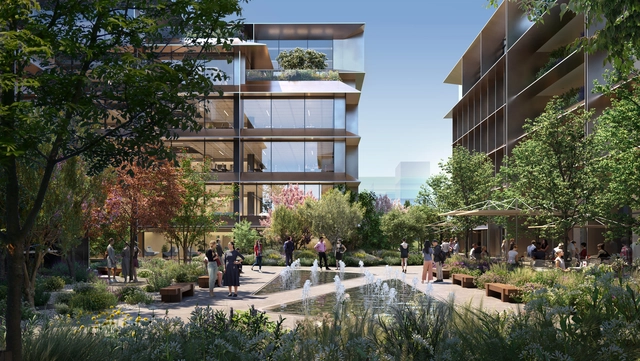
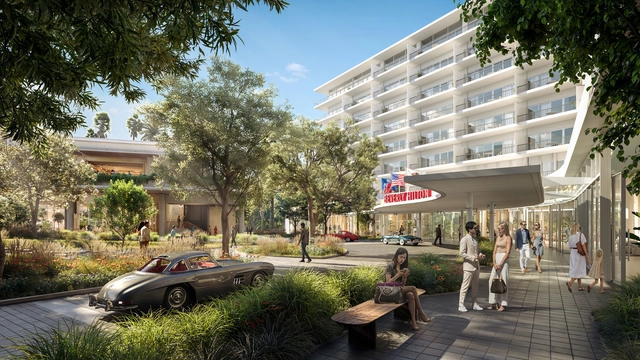
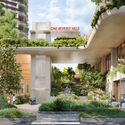
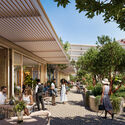
Foster + Partners has announced the start of construction on One Beverly Hills, revitalizing 17.5 acres of land in the city center. Proposing two residential buildings, a new hotel, a dining, and a retail pavilion, the development is expected to open in 2025. Designed in collaboration with design collective RIOS, who is leading the Landscape Architecture, the project features 10 acres of gardens and open space. The project’s masterplan, designed by Foster + Partners, also integrates existing landmarks like the Beverly Hilton and Waldorf Astoria Beverly Hills.
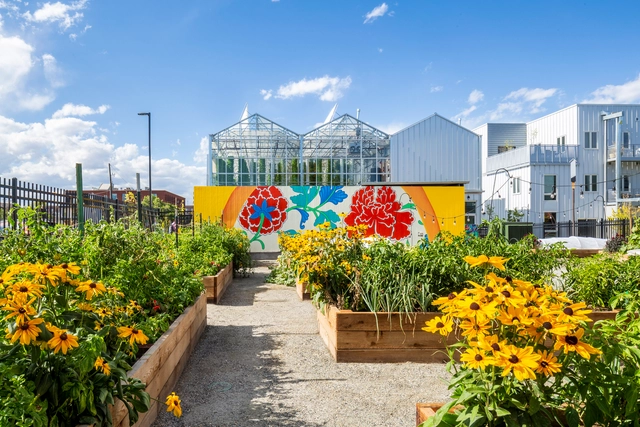
The UN Food and Agriculture Organization (UNFAO) accounts for over one-tenth of the global population, approximately 800 million people, practicing urban agriculture worldwide. In the United States, millions of citizens lack access to supermarkets. Urban farmers play a crucial role in addressing food security issues in American cities.
Historically, the distance between rural and urban areas has never been greater, making traditionally rural food sources widely inaccessible. Cities initially would develop around centralized markets that brought produce from farmlands to urban centers. Today, urban agriculture is revitalizing this connection between city dwellers and agricultural products.
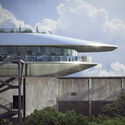
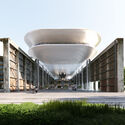
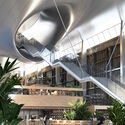
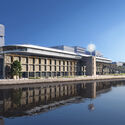
MAD Architects has unveiled the project for the renovation of the "Wanmicang" warehouse on the southside of the Shanghai Zhangjiang CementFactory. The building is set to be transformed into a multifunctional public waterfront space for culture, creativity, and commerce. The project maintains the character of the former industrial site but introduces a new addition in the form of an ark-like metal 'floating' volume, creating a stark contrast between the old and new structures. The project is scheduled for completion by 2026.
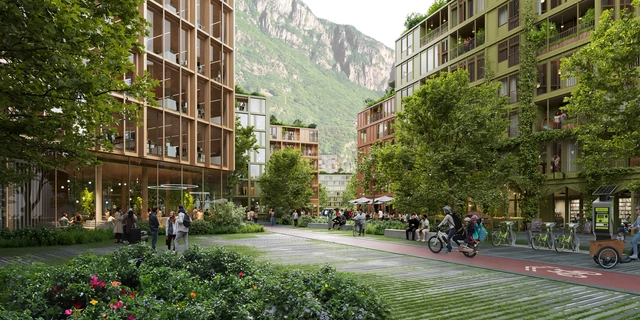
Henning Larsen has revealed the design proposal for Bolzano’s Industrial Zone. The concept revitalizes and reconnects part of the city through prioritizing adaptive reuse, urban mining, and timber construction. The proposed design will transform the post-industrial area into “Pone Roma Quartier,” an inviting, multigenerational, mixed-use neighborhood with a solution to the city’s pressing housing crisis.
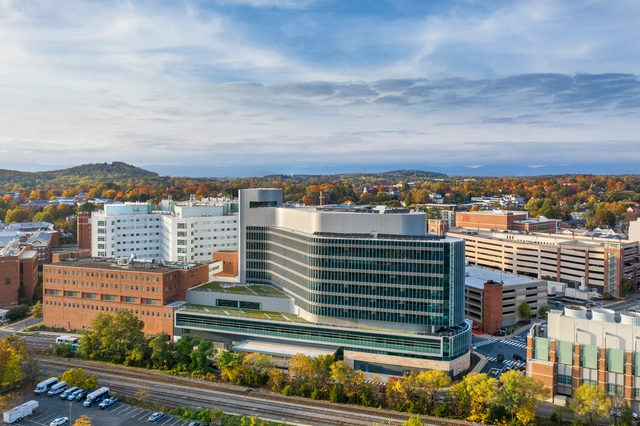
The announcement of the establishment of a new university campus is one of celebration, marking economic opportunities and urban growth. The United States is home to over 700 college towns that have witnessed prosperity through the inauguration of educational institutions like the University of Colorado’s Boulder, and Chapel Hill, home to the University of North Carolina. With this development, gentrification has unfortunately become a contentious issue in college towns across the country. While the transformation of these towns brings economic expansion and cultural vibrancy, it often comes at the cost of displacing long-time residents, erasing historic character, and altering the essence of these towns. American college towns offer a unique perspective on how cities can strike a balance between progress and preservation.
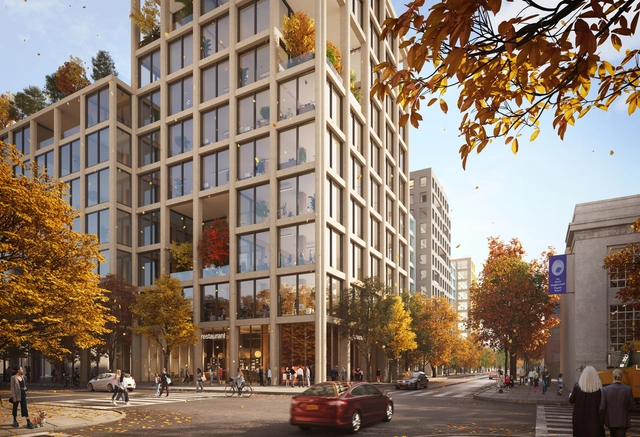
New York City Council has approved Innovation QNS, a neighborhood-focused initiative in Western Queens, designed by ODA. The five-block master plan generates two acres of open space, community health & wellness facilities, hundreds of affordable apartments, and thousands of jobs. The project was initiated in 2020 as part of New York's effort to recover from the impact of the COvid-19 pandemic, and it aimed to revitalize a largely dormant block area in Astoria, Queens, and transform it into a vibrant, walkable, and diverse creative district.
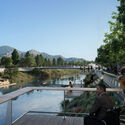
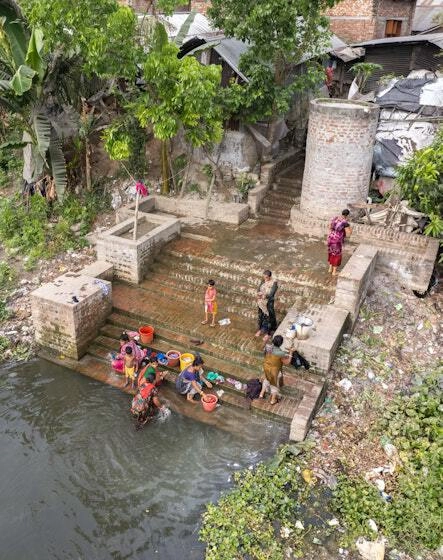
Urban River Spaces, Jhenaidah. Image Courtesy of Aga Khan Award for Architecture
Aga Khan Award for Architecture (AKAA) announced the winners of the 2022 edition. From a pool of 463 projects nominated for the 15th Award Cycle (2020-2022), the six winners show examples of architectural excellence in the fields of contemporary design, social housing, community improvement and development, historic preservation, reuse and area conservation, as well as landscape design and improvement of the environment. Two projects from Bangladesh, one from Indonesia, Iran, Lebanon, and Senegal, will share the UDS 1 million award, one of the largest in architecture.