1. ArchDaily
  2. Theory and History

Theory and History: The Latest Architecture and News

The Standardized Planning of Latin American Cities: Tracing the Blueprint of the Laws of the Indies

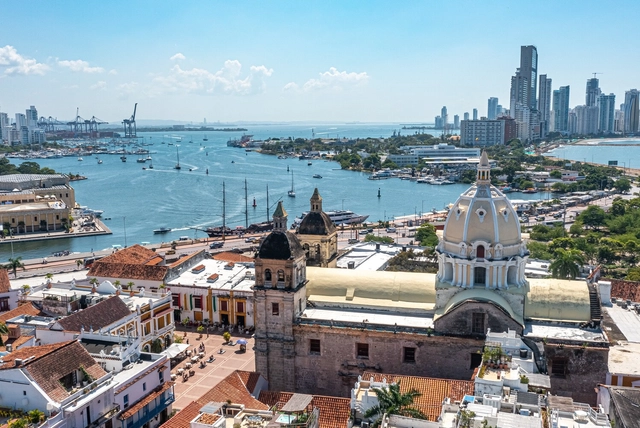
A look at most of the cities within Latin America reveals striking commonalities across countries, from Mexico down to Argentina: most cities have a well-defined area known as "El Centro" (The Center), anchored by a main plaza (Plaza Mayor), flanked by a church on one side and key buildings like the city hall on another. This is no coincidence, as it can be traced back to an urban planning system established during the Spanish colonization of the Americas in the 17th and 18th centuries. It gave standardized guidelines for city design across its viceroyalties. Unlike French and English colonies, Spanish settlements adhered to regulations that contributed to the emergence of a shared urban identity, with cities displaying similar spatial logic and architectural cohesion despite differing scales and contexts.

The Standardized Planning of Latin American Cities: Tracing the Blueprint of the Laws of the Indies - Image 1 of 4The Standardized Planning of Latin American Cities: Tracing the Blueprint of the Laws of the Indies - Image 2 of 4The Standardized Planning of Latin American Cities: Tracing the Blueprint of the Laws of the Indies - Image 3 of 4The Standardized Planning of Latin American Cities: Tracing the Blueprint of the Laws of the Indies - Image 4 of 4The Standardized Planning of Latin American Cities: Tracing the Blueprint of the Laws of the Indies - More Images+ 9

A Woman Architect in the Mad Men Era: The Story of Natalie De Blois

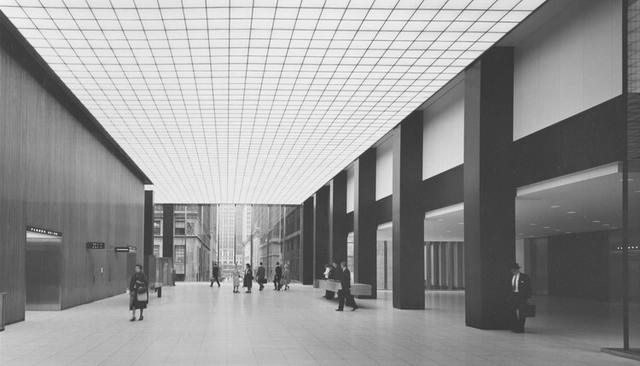
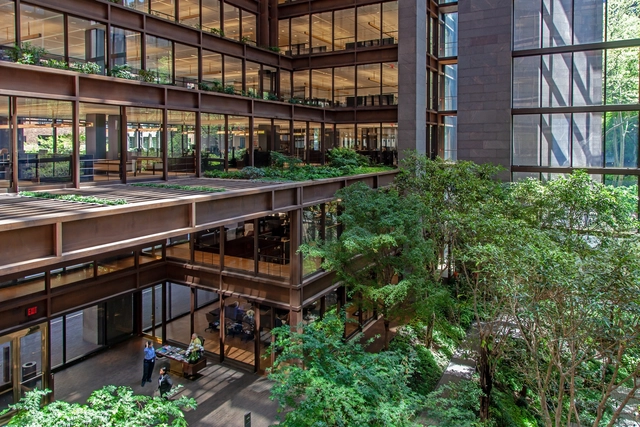
On January 21, 1958, three women sat down as contestants for an episode of the popular television show "To Tell the Truth", a quiz game in which a panel tries to guess which of the three contestants is who they say they are by asking them a series of questions. The announcer reveals the true identity of the person is a registered architect, has so far designed a Hilton hotel, and is a married mother of four. Each of the women, dressed formally in pencil skirts and blouses, introduces themselves as Natalie De Blois. As the panelists reveal their lack of knowledge about architecture, only firing off questions about Frank Lloyd Wright, one asks "What is the name of the building that was torn down to build Union Carbide?" The real Natalie De Blois, at the time a senior designer at SOM, firmly answers, "Hotel Margery."

Architecture is one of the oldest recorded professions, dating back to ancient eras when builders designed historic huts and constructed some of the great wonders of the world. When we think about women who have been known as trailblazers of the industry, it's astonishing that we often talk about women who we may interact with in the workplace day to day, or who our mentors may have learned from. Natalie De Blois was a modern-day pioneer of women in the design workforce, and although her legacy began only seventy years ago, it has significantly changed the way that women can participate in the profession today.

"The Building as a Dance Between Design and Habitation": In Conversation with Níall McLaughlin

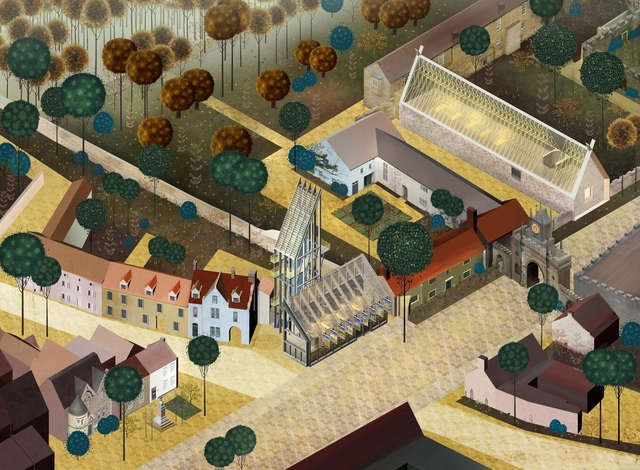
In an era marked by rapid urbanization, climate emergencies, and evolving societal needs, architecture has a complex role to play and a responsibility to engage actively yet sensibly with cultural, political, and economic considerations. In this context, Níall McLaughlin stands out for his balanced approach rooted in historical contexts, yet aware and responsive to contemporary challenges. His studio, Niall McLaughlin Architects, embraces a dialogue-centric approach, fostering a collaborative environment. ArchDaily's senior editor Maria-Cristina Florian had the chance to sit down with Níall McLaughlin and discuss his perspective on the role of architecture in today's society and the emerging challenges of architectural education.

"The Building as a Dance Between Design and Habitation": In Conversation with Níall McLaughlin - Image 1 of 4"The Building as a Dance Between Design and Habitation": In Conversation with Níall McLaughlin - Image 2 of 4"The Building as a Dance Between Design and Habitation": In Conversation with Níall McLaughlin - Image 3 of 4"The Building as a Dance Between Design and Habitation": In Conversation with Níall McLaughlin - Image 4 of 4The Building as a Dance Between Design and Habitation: In Conversation with Níall McLaughlin - More Images+ 21

Bringing Intersectional Feminism into Architecture and Urbanism

"One of the first hits I got when I was googling about female architecture was a high-rise building in Australia, whose architects said that they had been inspired by Beyoncé's curves when they built it," exclaimed the Dutch architect Afaina de Jong in her last talk for TEDxAmsterdamWomen in 2021. "I mean, really? Her body? Beyoncé? Of course, she is amazing, but to translate her body literally in a building… Is that female architecture?", she continued indignantly.

De Jong is the founder of AFARAI studio, where she works with an interdisciplinary methodology combining theory and research with design. She considers her studio as "a feminist practice that encourages change on social and spatial issues and that accommodates differences," so Afaina is likely familiar with the concept of 'intersectionality'.

The Lawn as Battleground: How Domestic Landscaping Became a Symbol of American Identity

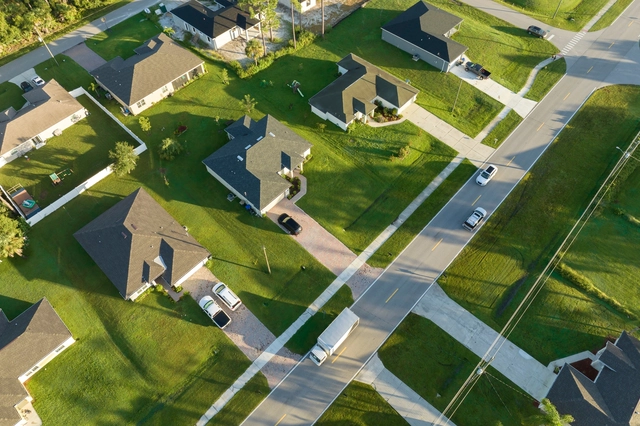
The almost cliché image of the white picket fence has become synonymous with the ideals of the American Dream. Behind the fence, there is invariably a perfectly manicured lawn, a green carpet upon which life can unfold. This image and its associations are not, however, accidental. In her book, "Domesticity at War", Beatriz Colomina notices that, since the Second World War, the lawn has taken a central space in the imagination of the country, becoming first a in order to make space for diversity, both social and ecological. symbol of the stability of the homes soldiers were hoping to return to, offering a space where those at home could still perform duties for the nation, and, after the war, propagating the image of an idealized lifestyle, one maintained with hard work and dedication. In recent years, the lawn has emerged once again as a site of conflict, this time between those hoping to preserve this idealized image, and those seeking to break the uniformity in order to make space for diversity, both social and ecological.

The Lawn as Battleground: How Domestic Landscaping Became a Symbol of American Identity - Image 1 of 4The Lawn as Battleground: How Domestic Landscaping Became a Symbol of American Identity - Image 2 of 4The Lawn as Battleground: How Domestic Landscaping Became a Symbol of American Identity - Image 3 of 4The Lawn as Battleground: How Domestic Landscaping Became a Symbol of American Identity - Image 4 of 4The Lawn as Battleground: How Domestic Landscaping Became a Symbol of American Identity - More Images+ 9

Exploring the Legacy of Modernism in Landscape Architecture

Modernist landscape architecture marked a radical shift from traditional garden designs, emphasizing simplicity, functionality, and a stronger connection between people and their environments. From the 1930s through the 1960s, this movement saw the emergence of visionary landscape architects who integrated form and function in ways that redefined outdoor spaces. Their designs responded to the rapidly evolving urban landscapes of the time, prioritizing usability and creating environments that could accommodate modern life. The enduring influence of these principles continues to shape contemporary practices, while also presenting unique challenges in preservation as these landscapes age.

Exploring the Legacy of Modernism in Landscape Architecture - Image 1 of 4Exploring the Legacy of Modernism in Landscape Architecture - Image 2 of 4Exploring the Legacy of Modernism in Landscape Architecture - Image 3 of 4Exploring the Legacy of Modernism in Landscape Architecture - Image 4 of 4Exploring the Legacy of Modernism in Landscape Architecture - More Images+ 18

Architects and Boats: A Love Affair

The relationship between architecture and naval design has been a fascinating interplay of form and function that has evolved significantly. Both disciplines have a shared history of innovation, aesthetics, and functionality that have informed and inspired each other. This "love affair" has seen architects drawing inspiration from boats, particularly in the modernist era when ships' streamlined, efficient designs influenced the aesthetic of buildings. Conversely, architectural principles have also been adapted to enhance the functionality and form of boats, demonstrating a reciprocal exchange that continues to shape both disciplines.

Architects and Boats: A Love Affair - Image 1 of 4Architects and Boats: A Love Affair - Featured ImageArchitects and Boats: A Love Affair - Image 2 of 4Architects and Boats: A Love Affair - Image 3 of 4Architects and Boats: A Love Affair - More Images+ 29

Remembering 9/11: The Story of Rebuilding the World Trade Center

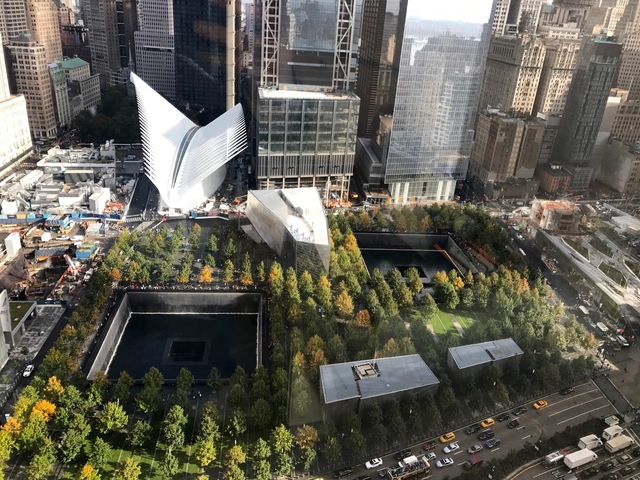
On the morning of September 11, 2001, two hijacked commercial jetliners struck the Twin Towers in Lower Manhattan, a third plane struck the Pentagon, and a fourth crashed in rural Pennsylvania. A total of 2.977 people were killed in the terrorist attacks. In the face of this unprecedented loss, the city of New York promised to rebuild Lower Manhattan as a lively neighborhood while honoring and maintaining the memory of this day. Thus began one of the largest reconstruction projects in New York City, a process that is still ongoing now, 23 years after the tragedy.

Remembering 9/11: The Story of Rebuilding the World Trade Center - Image 1 of 4Remembering 9/11: The Story of Rebuilding the World Trade Center - Image 2 of 4Remembering 9/11: The Story of Rebuilding the World Trade Center - Image 5 of 4Remembering 9/11: The Story of Rebuilding the World Trade Center - Image 3 of 4Remembering 9/11: The Story of Rebuilding the World Trade Center - More Images+ 16

Architectural Details of the Bauhaus Movement: Revisiting the Glass Corners and Tubular Steel Construction

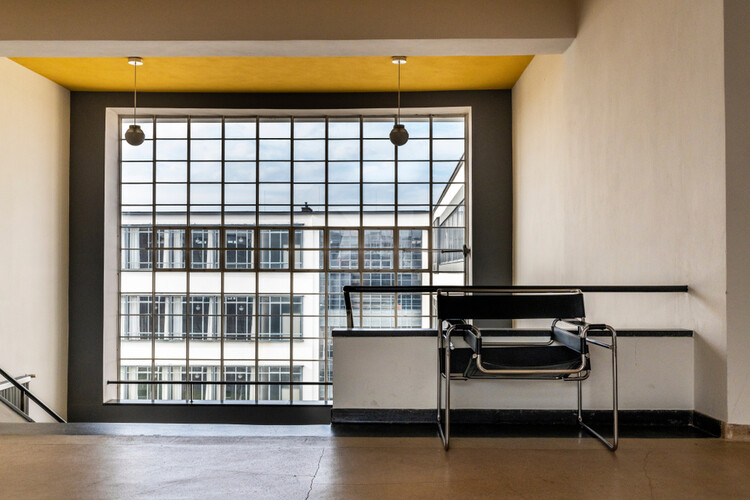
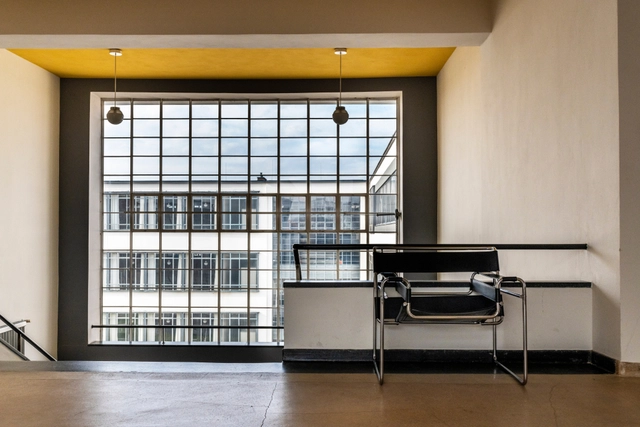
Bauhaus's designs have influenced our contemporary society in obvious and subtle ways. Iconic examples include Marcel Breuer’s Wassily Chair, the B55 Chair, the Bauhaus typeface, and the graphic design principles emphasizing clean lines, primary colors, and geometric shapes. However, the architectural construction details of the Bauhaus movement are much less discussed. While most can readily identify modern or Bauhaus buildings by their geometric forms, functionality, and industrial materials, their architectural details are often overlooked. They not only echo the design language of Breuer’s renowned furniture pieces but also have influenced the much-celebrated architectural glass details of Mies van der Rohe. How were Bauhaus's details executed, and how might they be translated into contemporary details today?

 Architectural Details of the Bauhaus Movement: Revisiting the Glass Corners and Tubular Steel Construction - Image 1 of 4 Architectural Details of the Bauhaus Movement: Revisiting the Glass Corners and Tubular Steel Construction - Image 2 of 4 Architectural Details of the Bauhaus Movement: Revisiting the Glass Corners and Tubular Steel Construction - Image 3 of 4 Architectural Details of the Bauhaus Movement: Revisiting the Glass Corners and Tubular Steel Construction - Image 4 of 4 Architectural Details of the Bauhaus Movement: Revisiting the Glass Corners and Tubular Steel Construction - More Images+ 15

Netherlands on the Drawing Board: Exploring the Past and Present Futures of Dutch Architecture and Planning

Internationally, the Netherlands is recognized as a country willing to experiment at a large scale, to devise state-wide systems to protect its land and improve the quality of life for its citizens. Provocative proposals from architects and urban planners such as Gerrit Rietveld, Piet Blom, Rem Koolhaas, and the Office for Metropolitan Architecture (OMA), have had an international impact, as they often challenge traditional ways of practice.

Still, the country faces expected and unexpected challenges, from an acute housing shortage to raising concerns regarding climate change and shifting ideas of ecology. In the words of curator Suzanne Mulder, the country is “once again on the drawing board,” as architects, urban planners, and designers are reopening conversations about the future by looking at past lessons. To come to their help, Rotterdam’s Nieuwe Instituut is organizing the exhibition ‘Designing the Netherlands: 100 Years of Past & Present Futures.’

Netherlands on the Drawing Board: Exploring the Past and Present Futures of Dutch Architecture and Planning - Image 1 of 4Netherlands on the Drawing Board: Exploring the Past and Present Futures of Dutch Architecture and Planning - Image 2 of 4Netherlands on the Drawing Board: Exploring the Past and Present Futures of Dutch Architecture and Planning - Image 3 of 4Netherlands on the Drawing Board: Exploring the Past and Present Futures of Dutch Architecture and Planning - Image 4 of 4Netherlands on the Drawing Board: Exploring the Past and Present Futures of Dutch Architecture and Planning - More Images+ 29

The Paradox of Sustainable Architecture: Durability and Transience

To convey the might and prestige of their empire, the Romans constructed enduring architecture as symbols of their long-lasting reign. Emperors employed grand public works as assertions of their status and reputation. Conversely, Japanese architecture has long embraced ideas of change and renewal, evident in the ritualistic rebuilding of Shinto shrines. A practice, known as shikinen sengu, is observed at Ise Jingu, where the shrine is purposefully dismantled and reconstructed every twenty years. Across the world, philosophies around permanence and impermanence pervaded architectural traditions. Amidst the climate crisis, how do these tenets apply to modern architectural design?

The Paradox of Sustainable Architecture: Durability and Transience - Featured ImageThe Paradox of Sustainable Architecture: Durability and Transience - Image 3 of 4The Paradox of Sustainable Architecture: Durability and Transience - Image 1 of 4The Paradox of Sustainable Architecture: Durability and Transience - Image 2 of 4The Paradox of Sustainable Architecture: Durability and Transience - More Images

The Impact of AI Tools on Architecture in 2024 (and Beyond)

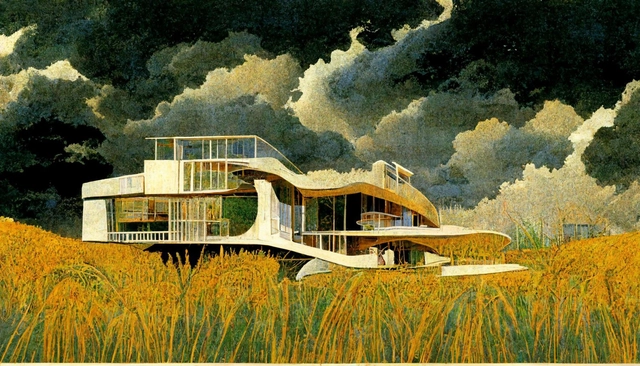
In 2022, a wider audience gained access to unexpectedly powerful AI tools, including Stable Diffusion, Midjourney, and DALL-E 2 for text-to-image generation, as well as the human-like chatbot OpenGPT.

One year later, pundits, organizations, and governments have stated these technologies will pose profound risks to society and humanity—from automation-spurred job loss to disrupting democratic processes to the automatization of weapons.

Architecture and Communication: Dissemination, Curators and Architecture News

In 1999, Birgit Lohmann and Massimo Mini co-founded designboom, self-proclaimed as the "first online architecture and design magazine." Seven years later, Facebook transitioned from Ivy League universities to massive audiences, while the first tweet was posted on formerly-known Twitter. Sixteen years have passed since these milestones.

While 16 years may be a short period in architecture, digital media and social networks are far from being considered emergent in the history of the internet. In fact, they form the core of the current Web 2.0 model, characterized by a dual interaction between content producers and consumers: sharing, liking, remixing, and reposting.

Indeed, the speed and magnitude of the transformations that digital media have undergone, and in turn, driven, provide the opportunity to begin documenting the history of the digital era and its impact on architecture.

What is Good Architecture?

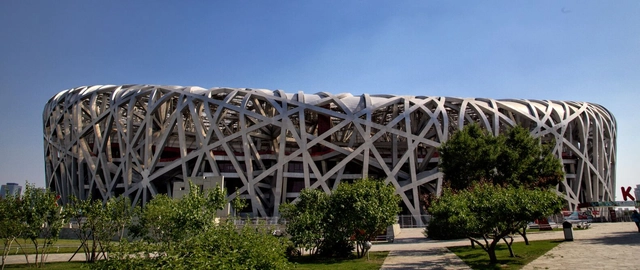
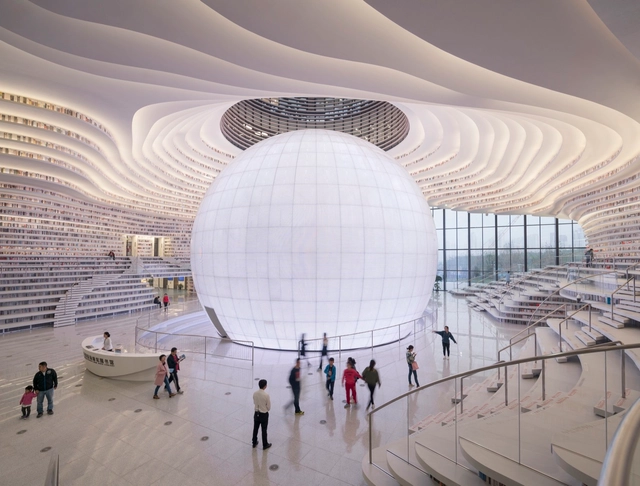
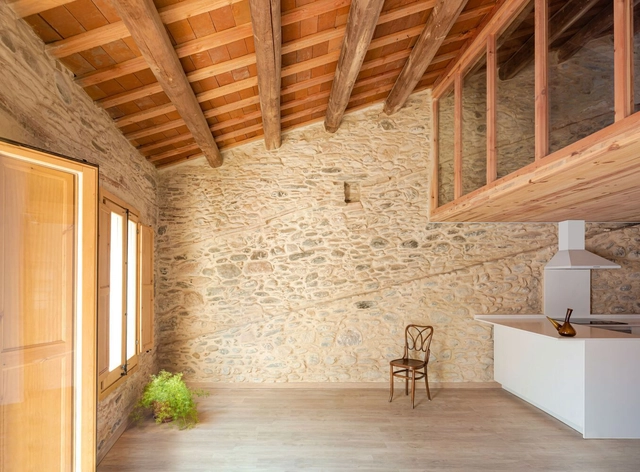
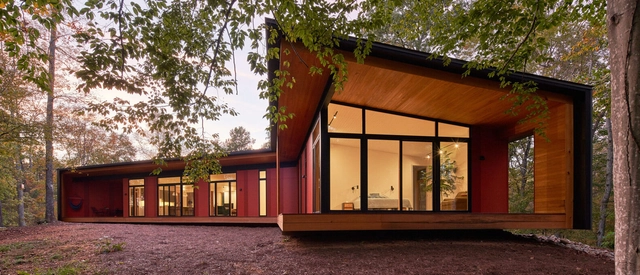
Exploring materiality, contextuality, and approach, our editors developed thought-provoking articles seeking to question and describe some of the aspects that make any Architecture, a good one.

Discover in this piece a selection of editorial writings that aim to answer this interrogation, grouped under the themes of cities, materials, history, context, and Interior Spaces. Moreover, find at the end an excerpt from the ArchDaily book.

What is Good Architecture? - Image 1 of 4What is Good Architecture? - Image 2 of 4What is Good Architecture? - Image 3 of 4What is Good Architecture? - Image 4 of 4What is Good Architecture? - More Images+ 2

What Does Midcentury Modern Even Mean These Days?

This article was originally published on Common Edge.

Auction houses, secondhand furniture stores, and realtors make small fortunes from a nomenclature that, despite the fuzziness surrounding its indeterminate span and whether everything made during its indefinite duration ought to be stamped with the same label, continues to demand attention. Years from now, serious collectors of architectural magazines may search for that single issue of the 21st century magazine Dwell, absent a major spread of a house designed in the midcentury modern (MCM) manner or a restoration of a building from that era. MCM is the very blood that pulses through the publication’s arteries, promulgating a view of a squeaky-clean and well-lighted lives lived almost invariably by (often childless) ectomorphic couples, blissfully happy under a flat roof with floor-to-ceiling windows affording fine views of distant landscapes best enjoyed behind insulated glass in an ambient temperature of 72 degrees Fahrenheit. But what are we to make of this term, this period—some even call it a “movement”—so well-known globally it goes by initials?

Can Artificial Intelligence Systems like DALL-E or Midjourney Perform Creative Tasks?

We are witnessing a major shift in the process of generating images. The recent influx and growth of machine learning and artificial intelligence raises questions about the way in which creative processes evolve and develop through technology. Systems like DALL-E, DALL-E 2, and Midjourney are AI programs trained to generate images from text descriptions using a dataset of text-image pairs. The diverse set of capabilities includes creating anthropomorphized versions of animals and objects, combining unrelated concepts in plausible ways, and applying transformations to existing images.

Can Artificial Intelligence Systems like DALL-E or Midjourney Perform Creative Tasks? - Image 1 of 4Can Artificial Intelligence Systems like DALL-E or Midjourney Perform Creative Tasks? - Image 2 of 4Can Artificial Intelligence Systems like DALL-E or Midjourney Perform Creative Tasks? - Image 3 of 4Can Artificial Intelligence Systems like DALL-E or Midjourney Perform Creative Tasks? - Image 4 of 4Can Artificial Intelligence Systems like DALL-E or Midjourney Perform Creative Tasks? - More Images+ 3

Lessons of Troglodyte Living: What Caves Can Teach Us About Sustainable Design

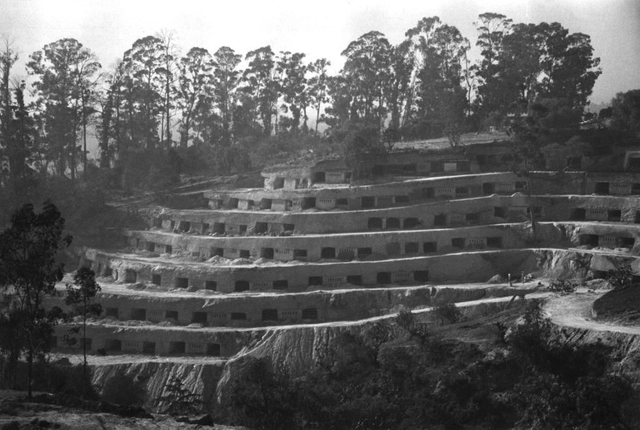
Contemporary architecture's approach to space is fairly linear: enveloping a specified volume within some form of material construct. But if we take a look at humanity's first intentional dwellings, it becomes clear that they were much less premeditated.

Rather than manmade areas to be furnished with pride, our earliest homes were naturally occurring cave lairs that offered hunter-gatherers temporary protection from the elements and potential predators. It wasn't until the appearance of agriculture that our ancestors took permanent, built residences. To this day, troglodytism — or cave living — continues to be connected to ideas of societal disassociation and a hermetic desire to exist outside of orthodox architectural norms. And yet, from Northern China to Western France and Central Turkey, hundreds of millions of people still choose to spend their lives at least partially underground.

Lessons of Troglodyte Living: What Caves Can Teach Us About Sustainable Design - Image 1 of 4Lessons of Troglodyte Living: What Caves Can Teach Us About Sustainable Design - Image 2 of 4Lessons of Troglodyte Living: What Caves Can Teach Us About Sustainable Design - Image 3 of 4Lessons of Troglodyte Living: What Caves Can Teach Us About Sustainable Design - Image 4 of 4Lessons of Troglodyte Living: What Caves Can Teach Us About Sustainable Design - More Images+ 4

The Cultural Significance of Greenhouses: A Complicated Identity

The greenhouse is a commonplace architectural typology, a frequent fixture in a host of cities, built to shield plants from the elements — from excess heat or cold or to prolong the growing season of crops. Evidence of the presence of greenhouses in some form stretches as far back as the 1450s during the Korean Joseon dynasty, but it is in the 1700s that the greenhouse was born as a specific architectural form. Glassmaking improved, and thus the largely transparent, wide-span structures we know today were born. Nestled under the intricate iron metalwork of greenhouses are also wider stories — of control and undeserved wealth, and resistance.

The Cultural Significance of Greenhouses: A Complicated Identity  - Image 1 of 4The Cultural Significance of Greenhouses: A Complicated Identity  - Image 2 of 4The Cultural Significance of Greenhouses: A Complicated Identity  - Image 3 of 4The Cultural Significance of Greenhouses: A Complicated Identity  - Image 5 of 4The Cultural Significance of Greenhouses: A Complicated Identity  - More Images+ 5